

Do frozen apples have a different taste when cooked?
May 29, 2025
Leave a message
Hey there! As a supplier of frozen apples, I've gotten a ton of questions over the years, but one that pops up pretty often is, "Do frozen apples have a different taste when cooked?" Well, let's dig into this topic and find out!
First off, let's talk about why someone might choose frozen apples in the first place. Frozen apples are super convenient. You don't have to worry about them going bad quickly like fresh ones. They're available year - round, so no matter what season it is, you can still whip up your favorite apple recipes. And for us suppliers, we take great care in the freezing process to lock in the flavor and nutrients of the apples.
When apples are frozen, a few things happen on a scientific level. The water inside the apple cells expands as it freezes. This can cause the cell walls to break down. Once the apples are thawed, they tend to be a bit softer compared to fresh apples. But does this change in texture also mean a change in taste when cooked?
Let's start with baking. When you bake with fresh apples, they hold their shape relatively well. They have a bit of a crunch even after being baked, and the natural sugars in the apples caramelize on the outside, giving them a lovely golden - brown crust. Now, when you use frozen apples for baking, say in an apple pie or a crumble, the story is a bit different.
Because the cell walls have been damaged during the freezing process, frozen apples release more moisture when baked. This can result in a softer, mushier filling. However, this isn't necessarily a bad thing. The extra moisture can make the filling more juicy and flavorful. The sugars in the frozen apples also caramelize, but the end result might be a bit more like a sauce - like consistency.
For example, if you're making an apple pie with fresh apples, you might need to add some thickeners like cornstarch to get the right consistency in the filling. But with frozen apples, the natural moisture they release can sometimes eliminate the need for as much thickener. The taste of the pie might be slightly different, but it can be just as delicious, if not more so, depending on your preference.
Now, let's talk about sautéing. Fresh apples, when sautéed, will cook down gradually, and you can control the texture quite well. You can get them to be slightly soft with a bit of a bite. On the other hand, frozen apples sauté a bit faster because of the moisture they release. They can turn into a more puree - like consistency if you're not careful. But this can be great for making apple compotes or sauces. The intense flavor of the apples really comes through, and you can add spices like cinnamon, nutmeg, or cloves to enhance the taste.
Stewing is another cooking method where the difference between fresh and frozen apples is noticeable. Fresh apples will take longer to break down into a soft, stewed consistency. Frozen apples, however, break down much more quickly. This can save you a lot of time in the kitchen. The stewed frozen apples will have a smoother texture, and the flavor can be more concentrated because the freezing process can sometimes intensify the natural flavors of the apples.
One thing to keep in mind when cooking with frozen apples is to thaw them properly. If you dump frozen apples straight into a recipe without thawing them, they can cause uneven cooking. It's best to thaw them in the refrigerator overnight or at room temperature for a few hours. This way, you can get a more consistent result in your cooking.
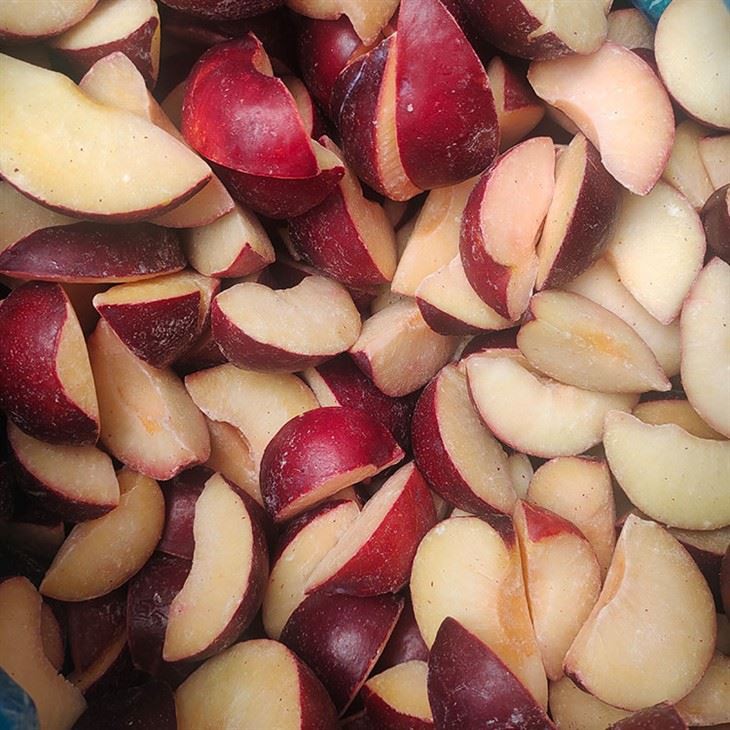
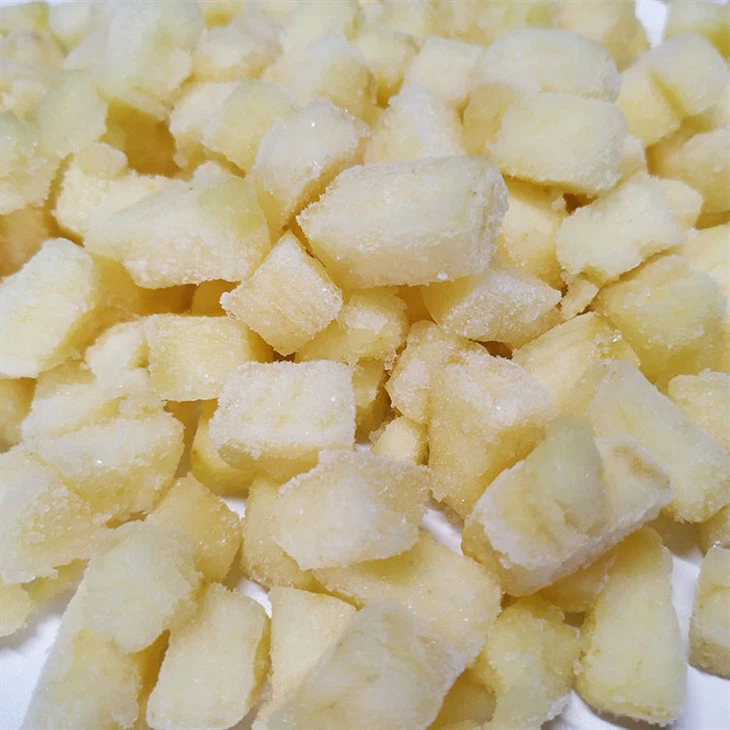
At our company, we offer a variety of frozen apple products. We have Frozen Apple Dice, which are perfect for adding to breakfast cereals, smoothies, or baking. The small, uniform pieces cook evenly and add a burst of apple flavor. Our Frozen Peeled Apples are great for making applesauce or for using in recipes where you don't want to deal with the peel. And our Frozen Apple Chunks are ideal for pies, crisps, and other baked goods.
The taste of cooked frozen apples might be different from that of cooked fresh apples, but it's a difference that brings its own unique charm. Whether you prefer the firmer texture of cooked fresh apples or the softer, juicier result of cooked frozen apples, there's a place for both in the kitchen.
If you're a chef, a home cook, or a food manufacturer looking for high - quality frozen apples, we'd love to hear from you. We take pride in providing the best frozen apple products on the market. Our apples are sourced from the finest orchards, and we use state - of - the - art freezing technology to ensure that the flavor and nutrients are preserved.
Contact us to start a procurement discussion. We can work with you to find the right frozen apple product for your needs, whether it's for a small - scale home kitchen or a large - scale commercial operation.
References
- "The Science of Cooking Apples" - Food Science Journal
- "Cooking with Frozen Fruits: A Guide" - Home Cooking Magazine