


Can You Use Frozen Green Beans in Green Bean Casserole?
Mar 31, 2026
Leave a message

Can You Use Frozen Green Beans in Green Bean Casserole?
Green bean casserole looks simple, but the ingredient choice changes the final result more than many people expect. When buyers, kitchen managers and product developers ask whether frozen green beans can be used in green bean casserole, they are usually not asking only about substitution. They are asking whether the casserole will bake evenly, hold structure, avoid excess water and deliver a texture that customers accept.
The practical answer is yes. Frozen green beans can be used in green bean casserole, and they are a workable option for home cooking, foodservice kitchens, central kitchens and casserole-style product development. The key is moisture control. Frozen beans should usually be thawed, drained or briefly cooked before they are mixed into the casserole base.
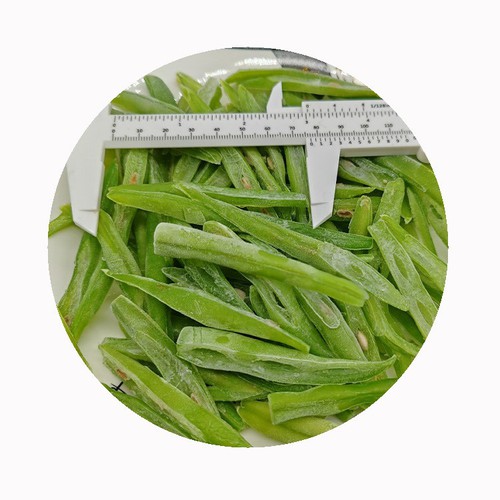
The Short Answer: Yes, Frozen Green Beans Work
Frozen green beans are suitable for green bean casserole because the dish does not need raw-bean crunch. It needs beans that can bake evenly in a creamy base without releasing too much water. Since frozen green beans are usually cleaned, prepared and frozen before use, they can reduce preparation work compared with fresh beans.
However, frozen beans should not be treated exactly like canned beans. Canned beans are already soft and drained before use. Frozen beans may release moisture as they warm. If they are added directly to the casserole with too much surface ice or water, the sauce can become thin and the topping may lose crispness faster.
Best practical method
| Step | What to Do | Why It Matters |
|---|---|---|
| 1 | Thaw or briefly cook the frozen green beans. | Brings the beans closer to the baking condition. |
| 2 | Drain off excess water. | Prevents the casserole sauce from becoming watery. |
| 3 | Combine with the creamy base and seasoning. | Helps the beans distribute evenly through the casserole. |
| 4 | Bake until hot, then finish with the topping. | Protects topping texture and final appearance. |
Frozen, Fresh or Canned: Which Green Beans Work Best?
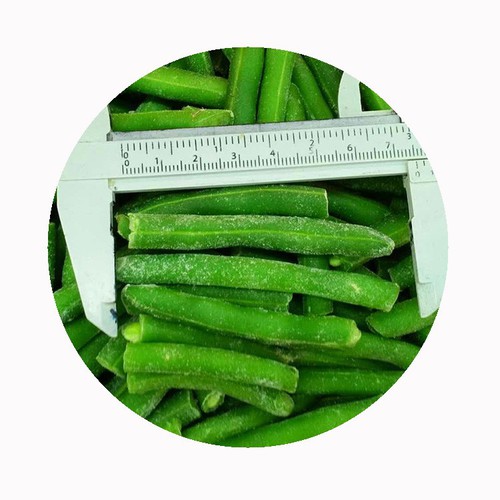
Frozen green beans vs fresh green beans
Fresh green beans can make a good casserole, but they usually require more work. They need washing, trimming and often blanching or pre-cooking before they are ready for baking. This can work well for small kitchens or recipes that emphasize a fresh-prepared identity.
Frozen green beans reduce that preparation burden. They are more practical when the kitchen needs consistency, speed and less raw vegetable handling. For restaurant chains, central kitchens and food factories, that operational difference can matter more than the fresh image of the ingredient.
Frozen green beans vs canned green beans
Canned green beans are the easiest option because they are already cooked and shelf-stable. They blend quickly into classic casserole formulas. The tradeoff is texture. Canned beans are usually softer, which may be suitable for some recipes but less ideal when you want a more defined bean bite.
Frozen green beans usually hold more structure because they are frozen rather than fully cooked in a can. This makes them attractive when the casserole needs better vegetable identity, more visible bean shape and a firmer texture. The main requirement is controlling thawed moisture before baking.
| Ingredient Type | Main Advantage | Main Control Point | Best Fit |
|---|---|---|---|
| Fresh green beans | Fresh-prepared texture and image | Washing, trimming and pre-cooking | Small-batch cooking and fresh-style menus |
| Canned green beans | Maximum convenience | Softer texture and drained condition | Classic casserole formulas and shelf-stable kitchens |
| Frozen green beans | Good balance of convenience and structure | Thawing, draining and moisture management | Foodservice, batch baking, retail frozen meals and processing |
Do You Need to Thaw Frozen Green Beans First?
In many casserole applications, yes. Frozen green beans should usually be thawed and drained, or briefly cooked and drained, before they are mixed into the casserole. This does not mean frozen beans are difficult to use. It means casserole is a moisture-sensitive baked dish.
Unlike a quick stir-fry or soup, a casserole cannot easily recover if too much water enters the sauce. Extra water can thin the cream base, reduce browning and soften the topping. In commercial kitchens and central kitchens, this small control point becomes even more important because one moisture problem can affect an entire tray or production run.
Simple moisture-control guidance
| Problem | Likely Cause | Adjustment |
|---|---|---|
| Watery casserole | Beans added with too much thawed water | Thaw and drain better before mixing |
| Soft topping | Steam and extra moisture during baking | Add final topping later or finish uncovered |
| Weak bean texture | Overcooking or using an unsuitable cut | Select a better bean format and reduce pre-cook time |
Easy Green Bean Casserole With Frozen Green Beans
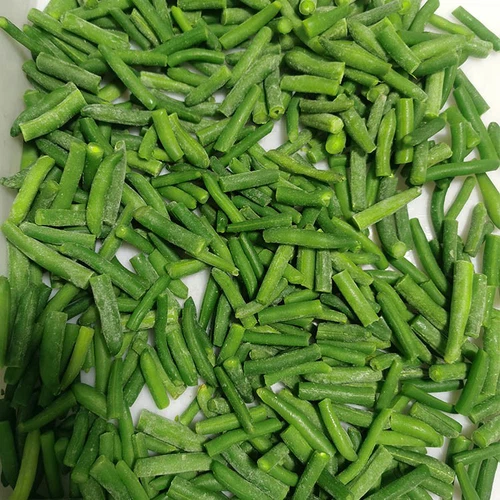
An easy green bean casserole with frozen green beans usually follows the same familiar structure as the classic version: a creamy mushroom-style base, prepared green beans, seasoning and a crispy onion topping. The frozen-bean advantage is that the beans are already prepared for frozen storage, so the kitchen avoids washing, trimming and much of the raw vegetable preparation.
The main technique is not complicated. Prepare the beans first, remove excess water, combine them with the sauce base, bake until hot and finish with the topping. Once the moisture step is handled correctly, frozen green beans can perform very well in casserole recipes.
Basic method
| 1 | Thaw or briefly cook the frozen green beans. |
| 2 | Drain the beans well to control moisture. |
| 3 | Mix with cream sauce, seasoning and part of the topping if required. |
| 4 | Bake until hot and cohesive. |
| 5 | Add or finish the crispy topping near the end for better texture. |
Why Frozen Green Beans Work Well in Casserole Systems
Ready-to-cook advantage
Frozen green beans work well in casserole systems because they arrive closer to the final production state than fresh beans do. They help the kitchen focus on assembly, sauce balance and baking rather than raw vegetable treatment. In a casserole system, that operational simplicity is often more valuable than starting from raw fresh product.
Yield and labor benefits
In casserole production, frozen green beans can help reduce trimming waste, preparation labor and yield variation. This matters for central kitchens, restaurant chains and processors that need repeatable cost control. A commercial kitchen is not only asking whether the casserole tastes good. It is asking whether the bean component behaves efficiently from receiving through baking.
Repeatable baking performance
Repeatable baking systems need repeatable ingredients. Frozen green beans fit well because their format is already defined. Cut green beans, whole green beans and French-style green beans do not perform exactly the same way. The right choice depends on sauce distribution, final texture, portion size and the visual target of the finished casserole.
Frozen Green Bean Casserole in Commercial Kitchens
For chain restaurant side dishes
Chain restaurant side dishes succeed when the ingredient system supports speed and consistency. Frozen green beans help because they reduce raw prep and make the casserole easier to standardize from one unit to another. The store-level task becomes controlled thawing or pre-cooking, assembly and baking.
For central kitchens and batch baking
Central kitchens and batch-baking operations benefit from ingredients that behave predictably at scale. Frozen green beans are easier to portion, easier to store and easier to move into a controlled casserole base than fresh beans. In large-batch systems, water management becomes even more important because a small moisture problem can become a large texture problem across an entire tray.
For processors building casserole-style products
Processors building casserole-style products need ingredient inputs that match formulation logic. Frozen green beans can support that well because they are sold in clearly defined styles and arrive in a more controlled state than fresh beans. This makes them suitable for casserole-style meal components, frozen entrées, side dishes and baked meal systems where consistency and moisture behavior matter.
Need frozen green beans for casserole-style products?
Tell us your target bean style, cut size, packaging, destination market and application. GreenLand-food can help match frozen green bean specifications with retail, foodservice, private-label and processing requirements.
Request Frozen Green Bean DetailsWhen Frozen Green Beans Make More Sense Than Fresh
For supermarket frozen vegetable programs
Frozen green beans make strong sense in supermarket frozen vegetable programs because the consumer value proposition is built around convenience, freezer stability and easy preparation. A frozen green bean that can move into casserole with minimal work is easier to position than a fresh bean that still requires trimming and prep.
For restaurant chains and central kitchens
Restaurant chains and central kitchens often need ingredients that shorten prep and strengthen consistency. Frozen green beans fit that requirement because they shift the labor burden away from raw preparation and toward controlled finishing. In casserole applications, this means less time trimming beans and more time controlling what actually drives guest perception: sauce thickness, bean texture, bake timing and topping quality.
For food processors and frozen vegetable distributors
For processors and frozen vegetable distributors, frozen green beans make more sense than fresh when the market needs defined formats, steady availability, usable yield and easier downstream handling. The value is not only in the bean itself. It is in the predictability of how that bean performs in the customer's system.
What Is the Best Way to Use Frozen Green Beans in Green Bean Casserole?
Best option for home users
For home users, the best option is to use frozen green beans after they are thawed, drained or briefly cooked. This gives you a better sauce texture and helps the topping stay crisp. The common mistake is not using frozen beans. The common mistake is using them without managing their moisture.
Best option for foodservice users
For foodservice users, the best option is a standardized bean-prep step before assembly. That may mean a thaw-and-drain process, a short pre-cook or another controlled method that gives the casserole line the same bean condition every time. Frozen green beans fit foodservice well because they reduce raw prep and support repeatable production.
Best option for buyers and processors
For buyers and processors, the best option is not just "use frozen beans." It is to choose the right frozen bean format and define how it will enter the casserole system. Cut green beans, French-style green beans and whole green beans are not interchangeable from a performance standpoint. The best buying decision is the one that matches the final application.
GreenLand-food Perspective on Frozen Green Beans
At GreenLand-food, we look at this question the same way serious buyers do. The real issue is not simply whether you can use frozen green beans in green bean casserole. The real issue is whether the beans will give you the right texture, bake performance, yield and repeatability once they move into a casserole system.
From supermarket frozen vegetable programs to restaurant chains, central kitchens and casserole-style product development, frozen green beans can be a practical choice. They reduce raw prep, support better process control and give kitchens a more standardized ingredient path than fresh beans often can. When moisture is managed correctly and the format is chosen wisely, they fit casserole applications very well.
Looking for frozen green beans for retail, foodservice or processing?
Send us your required bean style, cut size, packaging, destination market and application. GreenLand-food can discuss the right frozen green bean option for your business.
Request Frozen Green Bean DetailsFAQ
Can I use frozen green beans in green bean casserole?
Yes. Frozen green beans can be used in green bean casserole. For the best texture, thaw and drain them or briefly cook and drain them before baking.
Do frozen green beans need to be thawed before casserole?
Often yes. Thawing and draining helps remove excess water so the casserole base does not become too thin and the topping stays crisp longer.
Are frozen green beans better than canned green beans for casserole?
It depends on the target texture. Canned beans are very convenient and soft. Frozen green beans usually offer more structure, but they need better moisture control before baking.
Can I use frozen French-style green beans in green bean casserole?
Yes. Frozen French-style green beans can work well because they distribute easily through the sauce. They may create a softer, more integrated casserole texture than whole or cut green beans.
Why is my green bean casserole watery?
The most common reason is excess water from the beans. If you use frozen green beans, thaw and drain them before mixing them into the casserole base.
What frozen green bean format is best for commercial casserole production?
It depends on the finished product. Cut green beans give clear pieces, French-style beans distribute more evenly, and whole green beans offer stronger visual identity. Commercial buyers should test the format in the real casserole system before confirming the specification.