


Does Frozen Fruit Go Bad? Shelf Life, Safety
Mar 24, 2026
Leave a message

Does Frozen Fruit Go Bad? Shelf Life, Safety and Quality
Frozen fruit solves a very practical problem. It gives you longer storage life, lower spoilage loss and year-round availability. That is why it works for home smoothies, bakery fillings, dessert production, retail freezer programs and foodservice operations. But the same question keeps coming back from every type of user: does frozen fruit go bad?
The practical answer is this: frozen fruit can remain safe for a very long time if it stays continuously frozen at 0°F / -18°C or below, but its quality does not stay at peak forever. Over time, flavor, aroma, color, juiciness and texture can decline, even when the product is still technically safe.
For buyers, this difference matters. A product can still be safe and still disappoint your customer. For home users, that may mean a weaker smoothie or bland topping. For retail and foodservice buyers, it can mean complaints, poor repeat purchase and inconsistent performance across applications.
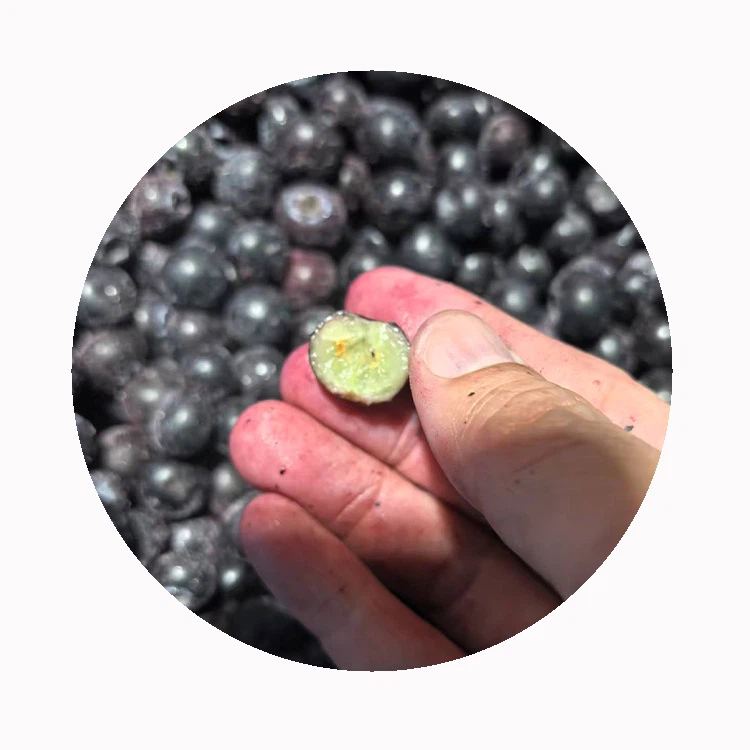
Does Frozen Fruit Go Bad or Expire?
Does frozen fruit expire, or just lose quality?
In most cases, frozen fruit does not "expire" in the everyday sense people mean. It usually loses quality first. If it has been kept frozen continuously at 0°F / -18°C or below, the main change over time is not immediate danger but gradual quality decline.
This distinction is important because many users read a date on the bag as if it were a hard safety deadline. In practice, the printed date is usually the manufacturer's recommendation for best quality, not an automatic food-safety cutoff. Fruit that has been stored correctly may still be usable after that date, but it may not deliver the best flavor, texture or appearance.
The difference between food safety and product quality
Food safety and product quality are not the same thing. Safety asks whether the food is likely to make people sick. Quality asks whether it still tastes, smells and performs the way it should. Frozen fruit can stay safe in the freezer for a long time, but if the pack is poorly sealed, exposed to air or stored under unstable temperature conditions, the quality can decline much earlier.
This is where many users get confused. A bag of frozen berries may not be unsafe simply because it is old, but it may be less sweet, less aromatic, softer after thawing or more icy. For direct-eating applications, that is not a small detail. Quality is the product.
| Question | Practical Answer | Buyer Meaning |
|---|---|---|
| Is it still safe? | It may be safe if continuously frozen and not contaminated. | Check temperature history, package condition and sensory signs. |
| Is it still good? | Quality may decline over time. | Evaluate flavor, aroma, color, texture and thaw performance. |
| Should it be used? | It depends on condition and final application. | Older fruit may work for smoothies, sauces or baking, but not premium topping use. |
How Long Does Frozen Fruit Last in the Freezer?

How long does frozen fruit last?
As a general storage rule, frozen fruit can remain safe for a long time if kept continuously frozen at 0°F / -18°C or below. For best quality, a practical benchmark for frozen fruits and vegetables is often about 8 to 12 months when the product is properly prepared, packaged and stored.
That does not mean frozen fruit becomes bad the moment it crosses 8 or 12 months. It means this is the range where quality is most likely to remain strong if the pack was sealed well and stored correctly. Beyond that point, fruit may still be usable, but buyers and consumers should expect more quality variation.
How long do frozen berries last?
Frozen berries generally follow the same best-quality window of about 8 to 12 months under proper freezer conditions. Blueberries, strawberries, raspberries and mixed berries do not behave exactly the same after thawing, but they all need strong packaging and stable frozen storage to protect quality.
Berries are especially sensitive to air exposure, moisture loss and temperature fluctuations. Two berry products with the same storage age may perform differently if one had better packaging and cold-chain control.
How long do frozen blueberries last?
Frozen blueberries also fit the broader frozen-fruit quality window of about 8 to 12 months when properly stored. If the blueberries were packed well, kept at 0°F / -18°C or below and protected from air exposure and temperature swings, they may still be safe beyond that point, but quality may become lower.
| Frozen Fruit Type | Best-Quality Reference | Best Use After Quality Starts Declining |
|---|---|---|
| Frozen berries | About 8-12 months under proper frozen storage | Smoothies, sauces, bakery, compotes, jams |
| Frozen mango, pineapple or peach | About 8-12 months under proper frozen storage | Smoothies, desserts, fillings, sauces |
| Frozen fruit puree or ingredient-grade fruit | Follow supplier specification and storage condition | Beverages, dairy, bakery, jam, industrial fruit preparations |
How Can You Tell If Frozen Fruit Has Gone Bad?

Is sour frozen fruit still safe?
Not always. Sourness can come from natural fruit acidity, but it can also come from fermentation-like off notes, temperature abuse or quality deterioration. You should not taste suspicious fruit to decide whether it is safe. If the fruit has an unusual odor, abnormal appearance or clearly wrong texture, discard it.
This matters because many users thaw a bag, notice an odd smell and then taste one piece "just to check." That is not a good safety habit. When the product looks or smells clearly wrong, the safer decision is to throw it away.
Freezer burn, frost and large ice crystals
Freezer burn by itself usually means quality damage rather than immediate food-safety failure. It happens when air reaches the product surface and causes moisture loss. The fruit may become dry, dull, icy, leathery or less pleasant to eat.
Large ice crystals, heavy frost inside the bag and obvious dehydration often tell you something important about storage history. The product may have experienced weak sealing, temperature fluctuation or repeated opening and closing. It may still be usable in smoothies or cooking, but it is unlikely to be at its best.
Off smell, strange color and texture changes
If the fruit smells unusually fermented, stale or simply wrong, do not ignore it. The same applies to strange discoloration, heavy browning, obvious contamination, package failure or a texture that feels abnormally damaged after thawing.
For buyers, this is more than household advice. It is a reminder that sensory stability is part of product value. A fruit pack that consistently develops off character before its expected quality window creates downstream risk.
| Warning Sign | Likely Meaning | Practical Action |
|---|---|---|
| Unusual odor | Possible spoilage, contamination or severe quality damage | Do not taste. Discard. |
| Heavy frost or large ice crystals | Temperature fluctuation or weak packaging | Evaluate quality; use in smoothies/cooking only if otherwise normal. |
| Package damage | Air exposure or contamination risk | Reject for premium use; discard if contamination is suspected. |
| Abnormal discoloration | Quality decline, oxidation or product damage | Check odor and package condition; discard if suspicious. |
Why Frozen Fruit Loses Quality Over Time

Air exposure and poor sealing
Air is one of the most common reasons frozen fruit deteriorates early. Poor sealing accelerates freezer burn, dull flavor, surface dehydration and unpleasant texture changes. This is why packaging is not just a logistics detail. It is a shelf-life control tool.
Temperature fluctuations in the freezer
Temperature fluctuations are one of the biggest hidden enemies of frozen fruit quality. When food warms and refreezes too often, ice crystals can grow and damage texture. A stable freezer is not only helpful; it is part of quality preservation.
Thaw-and-refreeze damage
Repeated thawing and refreezing is hard on frozen fruit. Even when a product remains safe under controlled conditions, quality usually declines because fruit loses moisture and structure during defrosting. For berries, the damage is easy to notice: they become softer, wetter and less attractive for direct-eating use.
Why berries become soft, icy or dull in flavor
Fruit contains water. When water freezes, ice crystals form. If freezing is slow or storage is unstable, larger crystals can damage cell walls. After thawing, the fruit becomes softer, wetter and less structured. Faster freezing and stable frozen storage help reduce this damage.
Why Some Frozen Fruit Lasts Better Than Others

Fruit maturity and raw material quality
Shelf-life performance starts with raw material quality. Fruit harvested at the right maturity usually freezes better and delivers more stable flavor and texture later. Fruit that is overripe, bruised, weak or poorly selected enters the freezer with a disadvantage that storage cannot fix.
IQF freezing and pack integrity
IQF freezing is not just a commercial phrase. Faster freezing generally helps reduce large ice crystal formation and supports better final texture after thawing. Pack integrity matters just as much because even a well-frozen product loses quality if the bag allows air and moisture movement.
Cold-chain consistency from factory to freezer
Even a good fruit product can decline quickly if the cold chain is unstable. For commercial buyers, this is where real shelf life is won or lost. A product that looks fine at shipment but experiences repeated warming and refreezing during transit, handling or storage will not perform like a truly stable frozen product.
| Quality Factor | Why It Matters | Buyer Check |
|---|---|---|
| Raw material maturity | Affects sweetness, aroma and thaw texture | Ask about variety, crop season and quality grade. |
| IQF control | Supports piece separation and better texture | Check free-flowing condition and clumping level. |
| Packaging integrity | Reduces freezer burn and moisture loss | Review bag seal, carton strength and storage instructions. |
| Cold-chain stability | Protects shelf-life performance during transit and storage | Check delivery condition, temperature control and thaw-refreeze signs. |
Is Older Frozen Fruit Still Good for Smoothies, Baking and Cooking?

Best uses for frozen fruit with minor quality loss
Older frozen fruit with minor quality decline can still work well in smoothies, sauces, pie fillings, bakery applications, jams, dessert swirls, compotes and cooking. In these uses, slight softness or reduced visual appeal matters less than flavor and basic fruit character.
This is where many users can reduce waste intelligently. A berry that no longer looks ideal for topping a bowl may still be useful in a smoothie or baked product.
When frozen berries are still fine for smoothies
Frozen berries are often still fine for smoothies when they remain normally colored, smell clean and show no alarming signs of spoilage, even if they are softer or less attractive after thawing. Smoothies are forgiving because texture is intentionally transformed.
When texture matters too much for direct serving
Texture matters much more when the fruit will be seen and evaluated directly. Whole blueberries for garnish, berry bowls, yogurt topping, premium dessert plating and retail visual quality require stronger appearance and piece integrity. Older fruit with freezer damage or heavy softness can disappoint quickly in these uses.
Frozen Fruit vs Fresh Fruit for Waste, Cost and Year-Round Use

Why frozen fruit reduces spoilage waste
Fresh fruit is more vulnerable to short shelf life, in-transit damage and rapid retail deterioration. Frozen fruit reduces that spoilage pressure by extending usable storage time when stored correctly at freezer temperature. For many buyers, this is one of frozen fruit's biggest strengths.
Shelf life advantages for home and foodservice users
For home users, frozen fruit means fewer rushed decisions and less waste. For foodservice users, it means better labor planning, portion control, lower seasonal risk and more stable menu support. That advantage only holds when freezer handling is disciplined. Good storage extends value. Poor storage destroys it.
What buyers gain from year-round frozen supply
For retail, chain foodservice and processors, year-round frozen supply means continuity. It supports planning, promotion, menu standardization and product development without depending entirely on short seasonal fresh windows. In procurement terms, frozen fruit is not just a storage option. It is a supply stability tool.
How Buyers Choose the Right Frozen Fruit Product

Retail packs vs bulk packs
Retail packs need strong sealing, easy handling, consumer-friendly labeling and clear storage guidance. Bulk packs need operational efficiency, stronger case handling, storage consistency and reliable product performance at scale. The right pack format depends on who will open it, how quickly it will be used and how much exposure to air and handling it will face afterward.
Packaging, sealing and storage
Ask about bag material, seal strength, carton integrity, temperature control, recommended storage temperature and whether the product is designed for retail, foodservice or industrial use. Shelf life is not only about the fruit. It is also about the pack around it.
Why shelf-life performance matters in procurement
A buyer does not just purchase frozen fruit. A buyer purchases how that fruit will perform after weeks or months of storage, transport, opening, portioning and final application. If the fruit develops heavy frost, loses aroma too quickly or breaks down badly after thawing, it affects customer experience and cost at the same time.
Safety is not just storage time
Safety is not measured by months alone. It depends on proper freezing, correct temperature control, sanitary handling and stable storage conditions. For professional buyers, the real takeaway is this: safe, stable and commercially useful frozen fruit begins with process control, not just time in the freezer.
Need frozen fruit with stable shelf-life performance?
Tell us your target fruit, packaging, destination market and application. GreenLand-food can help match frozen fruit specifications with retail, foodservice, private-label and industrial requirements.
Request Frozen Fruit Details

GreenLand-food Perspective on Frozen Fruit Shelf Life
At GreenLand-food, we understand that buyers do not just need frozen fruit that stays in storage. They need frozen fruit that still performs well when the bag is opened months later: clean flavor, stable appearance, controlled texture and suitable quality for retail, foodservice and industrial applications.
This is why we look at frozen fruit shelf life as a complete system. Raw material maturity, IQF processing, packaging integrity, cold-chain control, storage temperature and final use all affect the result. The same fruit may be acceptable for smoothies but unsuitable for premium topping use if its texture has declined.
For B2B buyers, the best frozen fruit program is built around clear specification, proper packaging and realistic application expectations. A reliable supplier should help you understand not only what the product is, but also how it will perform after storage and use.
Looking for frozen fruit for your business?
Send us your required fruit type, format, packaging, destination market and application. GreenLand-food can discuss suitable frozen fruit options for retail, foodservice, private-label and industrial use.
Request Frozen Fruit DetailsConclusion
Frozen fruit does not become useless simply because it has been in the freezer for a long time. But it does not stay at peak quality forever either. That is the real answer behind the question "does frozen fruit go bad?" If frozen fruit is kept properly frozen, it can remain safe for a long time, while flavor, aroma, texture, color and overall eating quality usually decline first.
For home users, that means learning when frozen berries are still suitable for smoothies, baking, sauces or cooking, and when they should be discarded. For retail buyers, foodservice operators and industrial users, the takeaway is even more practical: shelf-life performance is not only about freezer time. It is also about raw material maturity, freezing control, packaging integrity and cold-chain stability.
FAQ
Does frozen fruit go bad in the freezer?
Frozen fruit can remain safe for a long time if stored continuously at 0°F / -18°C or below, but quality declines over time. Flavor, aroma, color, texture and juiciness may become weaker.
Does frozen fruit expire?
Usually, frozen fruit does not expire in the way many people expect. It more often loses quality first. Printed dates are generally best-quality guidance, not automatic food-safety deadlines.
How long does frozen fruit last?
For best quality, a practical storage window for frozen fruits and vegetables is about 8 to 12 months under proper freezer conditions. The product may remain safe longer if continuously frozen, but quality may decline.
How long do frozen berries last?
Frozen berries generally follow the same 8 to 12 month best-quality range when properly stored. Actual performance depends on fruit quality, packaging and cold-chain stability.
How long do frozen blueberries last?
Frozen blueberries fit the broader frozen-fruit quality window of about 8 to 12 months under proper storage. They may still be safe beyond that, but aroma, color, firmness and clean fruit flavor may decline.
Is sour frozen fruit bad?
Not automatically, because some fruits are naturally acidic. But if the fruit smells fermented, looks suspicious or has abnormal texture, do not taste it to check. Discard it.
Is freezer-burned frozen fruit safe?
Freezer burn is usually a quality issue rather than an automatic safety issue. The fruit may be dry, icy or bland. It may still work in smoothies or cooking if there are no other warning signs.
Why does frozen fruit get icy?
Ice buildup often comes from air exposure, poor sealing or temperature fluctuations that cause thaw-and-refreeze stress. It usually means quality has declined.
Can you refreeze thawed frozen fruit?
If fruit was thawed under controlled refrigerated conditions, it may be possible to refreeze it, but quality usually declines. Repeated thawing and refreezing should be avoided.
Is older frozen fruit still okay for smoothies?
Often yes, if it still smells normal, looks acceptable and has no signs of spoilage. Smoothies, baking, sauces and cooked applications are usually the best uses for frozen fruit with minor quality decline.