

Does freezing ginger make it less fibrous?
Aug 25, 2025
Leave a message
Hey there! As a supplier of frozen ginger, I often get asked this question: Does freezing ginger make it less fibrous? Well, let's dig into this topic and find out.
First off, let's talk a bit about what makes ginger fibrous in the first place. Ginger contains a fair amount of dietary fiber. This fiber is made up of various components like cellulose, hemicellulose, and lignin. These substances give ginger its characteristic texture, which can sometimes be a bit tough and stringy, especially in older ginger roots.
When we freeze ginger, a few things happen at the cellular level. Water is a major component of ginger, and when it freezes, the water molecules turn into ice crystals. These ice crystals expand as they form, and this expansion can cause the cell walls in the ginger to break down. Now, the fiber in ginger is mostly found within and around these cell walls. So, when the cell walls are damaged by the ice crystals, it can potentially have an impact on the fibrousness of the ginger.
One of the main effects of freezing on the fiber in ginger is that it can make the fiber more brittle. The ice crystals disrupt the structure of the fiber, causing it to lose some of its flexibility. This means that when you thaw the frozen ginger, it might be easier to break apart the fibrous strands. You won't have to struggle as much to cut through the ginger, and it might even seem less stringy when you're using it in your cooking.
But here's the thing. Freezing doesn't completely eliminate the fiber in ginger. It's still there, just in a slightly different form. The overall amount of dietary fiber remains relatively the same. However, the texture is what changes, and that can make a big difference in how we perceive the fibrousness of the ginger.
Let's think about how this affects our use of ginger in the kitchen. When you're using fresh ginger, you might have to spend some time peeling and slicing it, carefully trying to avoid those tough, fibrous parts. With frozen ginger, that process can be a lot quicker and easier. You can simply take out the amount of ginger you need from the freezer, and it's ready to use. And because it's less fibrous, it blends more smoothly into sauces, soups, and stir - fries.
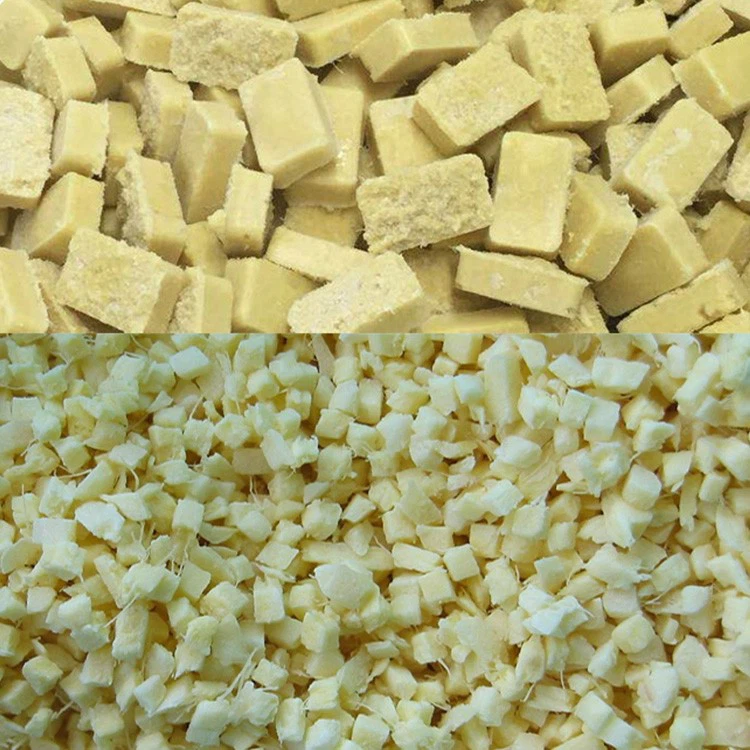
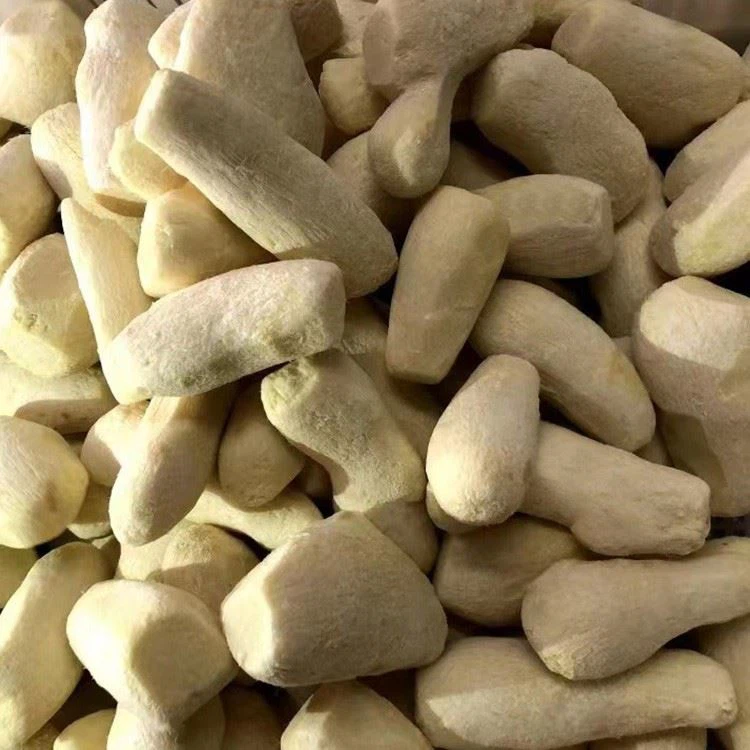
Now, as a frozen ginger supplier, I'm really excited about the benefits of freezing ginger. We offer a variety of frozen ginger products, including Frozen Chopped Ginger, Frozen Ginger Root, and IQF Ginger. These products are not only less fibrous but also retain a lot of the flavor and nutrients of fresh ginger.
The IQF (Individually Quick Frozen) technology we use is particularly great. It freezes each piece of ginger quickly, which helps to preserve its texture and flavor. The individual freezing also means that you can take out just the right amount of ginger you need, without having to thaw the whole batch.
Another advantage of our frozen ginger is that it has a longer shelf - life compared to fresh ginger. Fresh ginger can start to spoil within a few weeks, especially if it's not stored properly. Our frozen ginger, on the other hand, can last for months in the freezer. This means that you can always have ginger on hand, ready to add that zesty kick to your meals.
Let's talk about some of the scientific studies that support the idea that freezing makes ginger less fibrous. There have been research projects that have looked at the effects of freezing on the physical properties of various fruits and vegetables, including ginger. These studies have shown that the freezing process does indeed change the structure of the fiber in plants. The ice crystals that form during freezing cause micro - fractures in the cell walls and fiber bundles, which leads to a reduction in the toughness of the tissue.
For example, a study published in a food science journal found that when ginger was frozen and then thawed, the shear force required to cut through the ginger was significantly lower compared to fresh ginger. This indicates that the ginger had become less fibrous and easier to work with.
Now, I know you might be thinking, "This all sounds great, but how do I use frozen ginger in my cooking?" Well, it's really simple. You can use frozen ginger just like you would use fresh ginger. Grate it into your curries, add it to your smoothies, or use it to make ginger tea. The only difference is that you don't have to worry about the fibrousness as much.
If you're a chef in a restaurant, frozen ginger can be a game - changer. You can save time on food preparation, and your customers will enjoy the smoother texture of the ginger in their dishes. And if you're a home cook, it means you can have more delicious, ginger - infused meals without the hassle of dealing with tough, fibrous ginger.
As a frozen ginger supplier, we're always looking for ways to provide the best quality products to our customers. We carefully select the ginger roots, making sure they're fresh and of high quality before we freeze them. Our freezing process is designed to maximize the benefits of freezing, ensuring that you get the most flavorful and least fibrous ginger possible.
So, if you're interested in our frozen ginger products, whether it's Frozen Chopped Ginger, Frozen Ginger Root, or IQF Ginger, we'd love to hear from you. Whether you're a small - scale buyer or a large - scale distributor, we can work together to meet your needs. Just reach out to us, and we can start a conversation about your requirements and how we can supply you with the perfect frozen ginger for your business.
In conclusion, freezing ginger does make it less fibrous. It changes the texture of the ginger, making it easier to use in cooking, while still retaining its flavor and nutritional value. And as a frozen ginger supplier, we're here to make sure you have access to the best frozen ginger products on the market.
References
- Research study on the physical properties of frozen fruits and vegetables (Food Science Journal)
- Various food technology research on the effects of freezing on plant fibers