

Is frozen pineapple a good option for a diabetic dessert?
Jun 20, 2025
Leave a message
Diabetes is a chronic condition that affects millions of people worldwide. One of the biggest challenges for those with diabetes is finding suitable desserts that won't cause a sharp spike in blood sugar levels. As a supplier of Frozen Fruit Pineapple, I often get asked if frozen pineapple is a good option for diabetic desserts. In this blog post, I'll explore the nutritional aspects of frozen pineapple and its suitability for diabetics.
Nutritional Profile of Pineapple
Pineapple is a tropical fruit known for its sweet and tangy flavor. It is rich in vitamins, minerals, and enzymes. Here's a breakdown of its key nutritional components:
- Carbohydrates: Pineapple contains natural sugars, mainly fructose and glucose. A 100 - gram serving of fresh pineapple has about 13 grams of carbohydrates. However, the glycemic index (GI) of pineapple is relatively moderate, around 66. The glycemic index measures how quickly a food raises blood sugar levels. A lower GI means a slower and more gradual increase in blood sugar.
- Fiber: Pineapple is a good source of dietary fiber. A 100 - gram serving provides about 1.4 grams of fiber. Fiber plays a crucial role in digestion and can help slow down the absorption of sugar into the bloodstream, which is beneficial for diabetics.
- Vitamins and Minerals: Pineapple is rich in vitamin C, manganese, and bromelain, an enzyme with anti - inflammatory properties. Vitamin C is an antioxidant that helps boost the immune system, while manganese is important for bone health and metabolism.
Frozen Pineapple vs. Fresh Pineapple
When it comes to choosing between fresh and frozen pineapple for diabetics, there are a few factors to consider.
- Nutritional Content: Freezing is a method of food preservation that generally retains most of the nutritional value of the fruit. Frozen pineapple has a similar nutritional profile to fresh pineapple in terms of vitamins, minerals, and fiber. However, some studies suggest that the freezing process may cause a slight loss of vitamin C over time, but this is usually minimal.
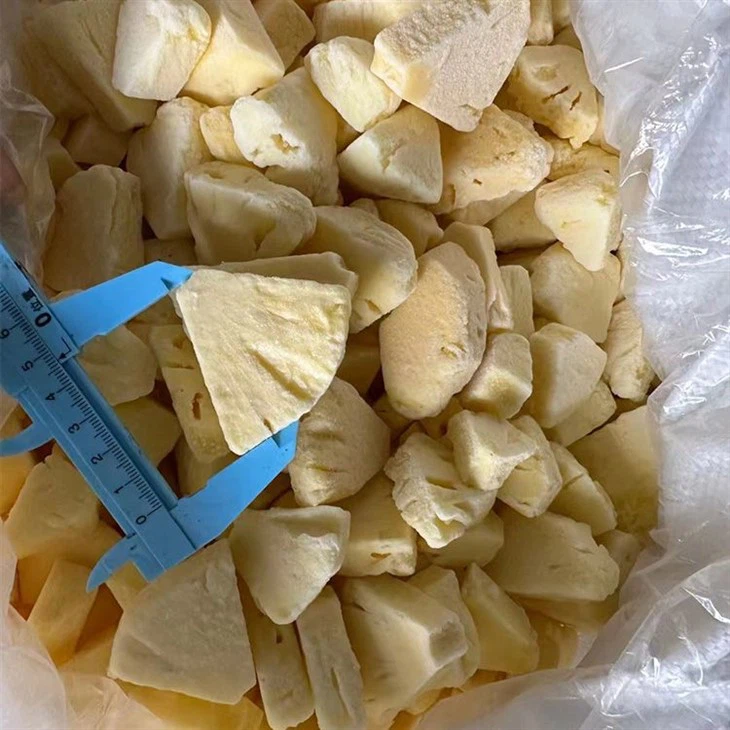
- Sugar Content: The sugar content in frozen pineapple is similar to that of fresh pineapple. However, some commercially available frozen pineapples may have added sugars. As a supplier, I ensure that our Frozen Pineapple Cubes and Frozen Pineapple Pieces are free from added sugars, making them a healthier option for diabetics.
- Convenience: Frozen pineapple is more convenient as it can be stored for a longer time and is available year - round. It can be used immediately in smoothies, desserts, or as a topping without the need for peeling and cutting.
Benefits of Frozen Pineapple for Diabetics
- Blood Sugar Control: The combination of fiber and a moderate glycemic index in pineapple can help diabetics manage their blood sugar levels. The fiber slows down the digestion and absorption of carbohydrates, preventing rapid spikes in blood sugar. Additionally, the natural sugars in pineapple are accompanied by other nutrients, which also contribute to a more balanced blood sugar response.
- Nutritional Value: As mentioned earlier, frozen pineapple is a good source of vitamins, minerals, and antioxidants. These nutrients are essential for overall health, especially for diabetics who are at a higher risk of developing complications such as heart disease and infections.
- Versatility: Frozen pineapple can be used in a variety of diabetic - friendly desserts. For example, it can be blended into a smoothie with low - fat yogurt and a handful of nuts for a protein - rich and satisfying treat. It can also be used in homemade sorbets or as a topping for sugar - free oatmeal.
Precautions
While frozen pineapple can be a good option for diabetics, there are still some precautions to take.

- Portion Control: Even though pineapple has a moderate glycemic index, it still contains carbohydrates. Diabetics should be mindful of their portion sizes. A recommended serving size of frozen pineapple is about 1/2 cup.
- Individual Response: Every diabetic's body responds differently to foods. Some people may find that pineapple causes a greater increase in blood sugar levels than others. It's important for diabetics to monitor their blood sugar levels after consuming pineapple to understand their individual response.
Diabetic Dessert Ideas with Frozen Pineapple
- Pineapple Chia Parfait: Layer frozen pineapple cubes with chia seeds soaked in unsweetened almond milk and a dollop of Greek yogurt. Chia seeds are high in fiber and protein, which can help stabilize blood sugar levels.
- Pineapple Coconut Smoothie: Blend frozen pineapple pieces with coconut water, a scoop of protein powder, and a handful of spinach. This smoothie is not only delicious but also packed with nutrients.
- Pineapple Salsa with Baked Tortilla Chips: Make a fresh salsa with frozen pineapple, tomatoes, onions, and cilantro. Serve it with baked tortilla chips made from whole - grain tortillas. This is a great option for a savory diabetic dessert.
Conclusion
In conclusion, frozen pineapple can be a good option for a diabetic dessert when consumed in moderation. Its nutritional profile, including fiber, vitamins, and minerals, makes it a healthier choice compared to many other sugary desserts. As a supplier of high - quality Frozen Fruit Pineapple, I am committed to providing a product that is free from added sugars and retains the natural goodness of pineapple.
If you're a food manufacturer, a restaurant owner, or an individual looking for a healthy diabetic - friendly dessert option, I invite you to contact me to discuss your procurement needs. I can provide you with samples and discuss pricing and delivery options. Let's work together to offer delicious and healthy frozen pineapple products to those with diabetes.
References
- American Diabetes Association. (2023). Carbohydrates and Diabetes.
- Harvard T.H. Chan School of Public Health. (2023). The Nutrition Source - Fruits.
- U.S. Department of Agriculture, Agricultural Research Service. (2023). National Nutrient Database for Standard Reference.