


Are Frozen Vegetables Better Than Canned?
Mar 26, 2026
Leave a message

Are Frozen Vegetables Better Than Canned? A B2B Buyer Guide
For many buyers, this looks like a simple nutrition question. In reality, it is also a sourcing question, a menu question and a margin question. If you run a restaurant chain, buy for a supermarket frozen aisle or manage ingredients for prepared foods, the better vegetable format is not just the one that stores longer. It is the one that gives you the right balance of nutrition, sodium control, texture, labor efficiency and commercial consistency.
In many commercial applications, plain frozen vegetables have a strong overall advantage. That does not mean canned vegetables are poor products. Fresh, frozen and canned vegetables can all have a place in a healthy and practical food system. But plain frozen vegetables often give buyers more flexibility on texture, cleaner flavor direction and easier sodium control, especially when compared with seasoned or standard canned products.
For GreenLand-food, the better way to explain this topic is not "frozen is always better." The more accurate answer is that frozen vegetables are often the better working format for foodservice, retail and processing, while canned vegetables remain a practical storage format for shelf-stable needs.
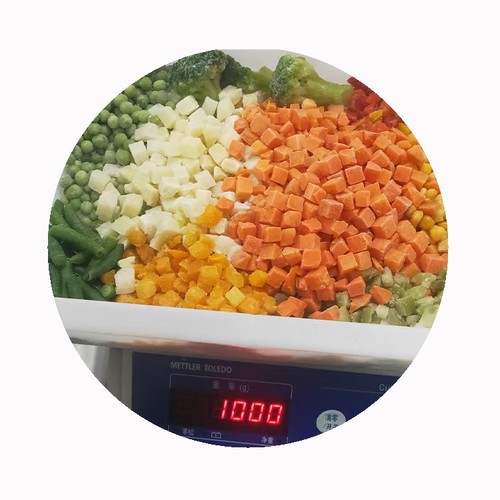
Are Frozen Vegetables Better Than Canned?
Frozen vegetables are often better than canned when you need stronger texture, more natural appearance, broader menu flexibility and easier low-sodium positioning. Canned vegetables still make sense when shelf stability, pantry storage and low upfront purchase cost matter more. That is why the right answer depends on the application, not only the product category.
Nutritionally, the gap is usually smaller than many people think. Both frozen and canned vegetables can provide useful nutrition. Fresh vegetables can also lose quality during transport and storage before use. The real difference comes from processing method, added ingredients, texture after heating, packaging, storage system and final use.
| Comparison Point | Frozen Vegetables | Canned Vegetables | Buyer Meaning |
|---|---|---|---|
| Texture | Usually firmer after cooking | Usually softer | Frozen is often better for visible vegetable identity. |
| Sodium control | Plain products usually allow more seasoning control | Standard canned products may contain added salt | Check ingredient list and nutrition panel before positioning. |
| Storage | Requires frozen storage | Shelf-stable before opening | Canned is useful where frozen-chain capacity is limited. |
| Foodservice use | Strong for portion control and cooking flexibility | Strong for soups, stews and pantry-style programs | Choose by menu role, not by category alone. |
Frozen Vegetables vs Canned Vegetables: What Is the Real Difference?

How frozen vegetables are processed
Frozen vegetables are usually harvested, prepared, blanched where required and frozen for extended frozen storage. Depending on the product, they may arrive already washed, cut, sorted or prepared for cooking. This does not automatically make them better in every case, but it often makes them easier to standardize in kitchens, factories and retail packs.
For B2B buyers, this matters because frozen vegetables are often closer to a ready-to-cook format. IQF broccoli florets, green beans, carrots, corn, peas, spinach, peppers and mixed vegetables can be portioned, cooked and packed with less raw preparation work than fresh vegetables.
How canned vegetables are processed
Canning is a different preservation system. Vegetables are packed into sealed containers and heat processed to create a shelf-stable product before opening. That shelf stability is a real commercial advantage for emergency stock, low-turn inventory, pantry programs, remote distribution and channels where frozen-chain cost is high.
The tradeoff is eating quality and application flexibility. Canned vegetables are usually softer because they have already been through a stronger heat-processing route. This can be useful for soups and stews, but less suitable for applications where visible vegetable shape, firmer bite and fresh-style appearance matter.
Why processing method affects application
Processing method changes the eating experience. Frozen vegetables generally keep a firmer, more recognizable structure after reheating, while canned vegetables usually deliver a softer, fully heat-processed profile. Neither format is automatically right or wrong. The question is which format supports the final application.
| Application | Frozen Usually Fits When... | Canned Usually Fits When... |
|---|---|---|
| Stir-fries and bowls | Texture, color and separate pieces matter. | Soft texture is acceptable or the product is used in a sauce base. |
| Soups and stews | The formula needs defined vegetable pieces. | Shelf-stable storage and soft texture are acceptable. |
| Retail vegetable packs | Appearance, convenience and freezer storage are part of the value. | Pantry storage is the main consumer need. |
| Prepared meals | Piece identity, texture after reheating and portioning matter. | The vegetable is blended into a soft filling, soup or sauce system. |
Nutrition Comparison: Are Frozen Vegetables Healthier Than Canned?
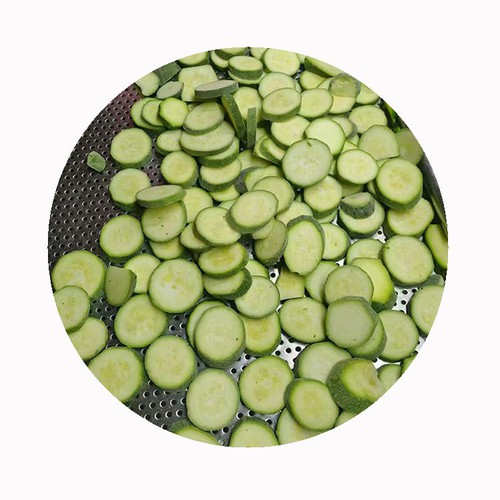
"Healthier" is too simple if used without context. Plain frozen vegetables and canned vegetables can both provide useful nutrients. The final nutrition profile depends on vegetable type, processing method, storage, cooking method and added ingredients. A plain frozen vegetable is not the same as a seasoned frozen vegetable with sauce. A standard canned vegetable is not the same as a low-sodium or no-salt-added canned product.
Vitamin retention and nutrient stability
Frozen vegetables often perform well nutritionally because they are processed for frozen storage soon after preparation. Canned vegetables can also retain meaningful nutrient value, especially in shelf-stable programs where access and storage are important. The main point for commercial buyers is to compare the actual product specification and final use, not only the preservation category.
Sodium control
Sodium is where plain frozen vegetables often gain a practical advantage. Plain frozen vegetables usually allow the chef, processor or brand owner to decide the seasoning direction later. Standard canned vegetables may include added salt, while low-sodium and no-salt-added canned options can be a better comparison point.
For commercial buyers, sodium affects more than taste. It can influence menu positioning, product claims, institutional requirements and consumer perception. If your project needs a cleaner sodium starting point, plain frozen vegetables often offer more control before the seasoning stage begins.
| Nutrition Question | Better Way to Compare | Commercial Meaning |
|---|---|---|
| Are frozen vegetables healthier? | Plain frozen vs actual canned product | Check ingredient list, sodium and final cooking method. |
| Is canned always high in sodium? | Standard canned vs low-sodium canned | Do not treat all canned products as the same. |
| Does frozen always keep better nutrition? | Compare vegetable type, process and storage | Avoid absolute nutrition claims without product data. |
Which Works Better in Real Operations: Frozen or Canned?

For restaurants and chain kitchens
For restaurants, frozen vegetables are often the better fit when texture, portioning and plate appearance matter. They can reduce prep time because many items arrive already washed, cut, blanched or otherwise prepared. If you are buying for a chain kitchen, you are usually not looking for the longest shelf life at any cost. You are looking for repeatable quality, fast line performance, controlled seasoning and manageable waste.
For supermarkets and frozen aisle programs
For supermarkets, frozen vegetables offer stronger category storytelling around convenience, year-round availability, portion control and modern meal preparation. Frozen also gives retailers more room to build a quality ladder, from basic mixed vegetables to premium florets, cuts, blends, steamable packs and private-label programs.
For food manufacturers and prepared meal production
For prepared-food manufacturers, frozen vegetables are often easier to engineer into formulas. They can be portioned by weight, integrated into mixed components and tested for texture after reheating. Canned vegetables can still work in soups, stews, fillings and certain value formulas, but frozen is usually stronger where piece identity and final appearance matter.
Need frozen vegetables for retail, foodservice or processing?
Tell us your target vegetable, cut style, packaging, destination market and final application. GreenLand-food can help match frozen vegetable specifications with your channel and quality standard.
Request Frozen Vegetable DetailsFreshness, Texture and Yield: Why Many Buyers Prefer Frozen Vegetables

Better texture for many cooked applications
Frozen vegetables usually retain a firmer, more recognizable structure because they are not stored in a fully heat-processed canned state. Canned vegetables are often softer because the process is built around shelf-stable safety and sealed storage. This is not a defect. It is simply a different product logic.
For buyers selling quality, frozen is often easier to defend. Broccoli florets, cauliflower, green beans, spinach, peas, carrots and mixed vegetables generally have a stronger visual and textural story in frozen format than in canned format.
More consistency for specification-driven buying
Consistency is one of the least glamorous but most valuable procurement advantages. When buyers choose frozen vegetables with clear grade, cut, size, color and packing specifications, they reduce variation across kitchens, stores and production runs. Frozen vegetables are not automatically consistent by default, but they are well suited to specification-driven buying.
Yield, labor efficiency and waste control
Commercial buyers should compare total use value, not only purchase price. Frozen vegetables can reduce trimming work, sorting work and raw preparation loss. They are often easier to weigh, portion and move into recipes. In foodservice and processing, that can matter as much as the price per carton.
When Canned Vegetables Still Make Sense
Shelf-stable storage and emergency stock
Canned vegetables still have a strong place in the market because they are shelf-stable and practical before opening. For emergency inventory, low-turn stock, remote distribution or programs without reliable frozen-chain capacity, that is a serious advantage.
Value-focused pantry use
Canned vegetables can make sense when the channel is highly price-sensitive or focused on ambient storage. Pantry programs, institutional reserve stock, certain value retail tiers and basic soup or stew production can still favor canned. The question is not whether canned is outdated. The question is whether it fits the commercial mission.
Low-sodium canned options
Low-sodium or no-salt-added canned vegetables can be a reasonable compromise when buyers need ambient storage but want a cleaner nutrition profile. Still, low sodium solves only one part of the comparison. It does not change the softer, heat-processed texture of canned vegetables. That is why many buyers use both formats, but place them in different roles.
How to Choose the Right Frozen Vegetables for Your Business

Plain vs seasoned products
Start with plain products whenever possible. Plain frozen vegetables give you more control over sodium, flavor direction and downstream formulation. Seasoned frozen vegetables can be useful in retail convenience programs, but they are usually less flexible for foodservice and manufacturing.
IQF, mixed vegetables and custom cuts
The right frozen vegetable format depends on how you sell and how your customer cooks. IQF vegetables are suitable when piece separation and portion control matter. Mixed vegetables can support retail convenience and meal components. Custom cuts can improve plate presentation, cook-time control and factory line compatibility.
Bulk packs, retail packs and private label
Packaging is not an afterthought. It changes freight efficiency, line speed, shelf presentation and customer fit. For foodservice and industrial buyers, bulk packs often make more sense. For supermarkets and export retail, consumer-ready bags and private-label formats matter more.
| Buyer Type | Recommended Focus | Common Pack Direction |
|---|---|---|
| Foodservice | Portion control, cooking performance and easy handling | Bulk cartons or foodservice bags |
| Retail | Appearance, label, shelf life and consumer cooking guidance | Retail bags, private-label packs or steamable formats |
| Food processing | Cut size, formula fit, yield and reheating performance | Bulk cartons, inner bags or custom production packs |
What a Reliable Frozen Vegetable Supplier Should Offer

Stable year-round supply
A reliable frozen vegetable supplier should offer more than inventory. The supplier should understand crop seasonality, freezing windows, annual planning and how to maintain stable supply after harvest. Frozen vegetables are valuable because they turn harvest-time production into year-round commercial availability.
Consistent specifications and quality control
Specification discipline is critical. Buyers should expect clear product definitions for cut, size, grade, color, defects, net weight, packaging and storage conditions. This is especially important for retail packs, foodservice recipes and industrial production where the same product needs to perform repeatedly.
Documentation, certificates and residue control
Serious buyers should ask for more than a quotation. They should ask for specifications, COA support, packing details, traceability direction and certificate support when required. Documentation is not only for import clearance. It also supports customer approval and repeat purchasing confidence.
Packaging flexibility for retail and foodservice
A good supplier should understand both retail and foodservice logic. That means case configuration, retail presentation, private-label requirements, bulk formats, carton marks and export expectations. Frozen vegetables work best when the packaging supports the channel rather than fighting it.


GreenLand-food Perspective on Frozen Vegetable Supply
At GreenLand-food, we look at this question from the same angle as serious buyers. The issue is not only whether frozen vegetables are healthier than canned vegetables. The issue is whether the product protects your quality, your workflow and your customer trust at the same time.
From supermarket frozen programs to restaurant chains, central kitchens and food manufacturing, frozen vegetables can offer a strong working format. They help buyers manage texture, portioning, sodium control, packaging and repeatable supply. Canned vegetables still have a role when shelf-stable storage is the main need, but many B2B programs benefit from the application flexibility of frozen vegetables.
GreenLand-food supports commercial customers with frozen vegetable solutions built around practical needs: stable year-round supply, clear product specifications, quality control, retail and foodservice packaging options and support for different downstream uses.
Comparing frozen vegetables with canned vegetables for your business?
Tell us your target market, product format, packaging requirement and final application. GreenLand-food can help discuss frozen vegetable options for retail, foodservice, private-label and processing programs.
Request Frozen Vegetable DetailsConclusion
So, are frozen vegetables better than canned? In many cases, yes, especially when you care about texture, menu flexibility, sodium control, cleaner product positioning and more predictable commercial use. But the more honest answer is that frozen vegetables are often the better working format, while canned vegetables remain a practical storage format.
Your choice should follow your business model. If the priority is shelf-stable pantry storage, canned vegetables may still be the right answer. If the priority is foodservice performance, retail freezer category building, private-label frozen packs or prepared-food production, plain frozen vegetables often provide a stronger and more flexible base.
FAQ
Are frozen vegetables healthier than canned vegetables?
Sometimes, but not always. Plain frozen vegetables often have advantages in sodium control and texture. Canned vegetables can still provide useful nutrition, especially when they are low-sodium or no-salt-added products.
Do canned vegetables always contain more sodium?
No. Standard canned vegetables may contain added salt, but low-sodium and no-salt-added canned options are available. Buyers should compare actual labels and specifications.
Which has better texture, frozen or canned vegetables?
Frozen vegetables usually have better texture for side dishes, bowls, stir-fries and premium retail applications. Canned vegetables are usually softer because of the canning process.
Are canned vegetables cheaper than frozen vegetables?
They can be cheaper upfront, especially in value channels. But commercial buyers should compare total use value, including texture, labor, yield, sodium positioning, storage system and channel fit.
Which is better for restaurants?
Frozen vegetables are often better for restaurants because they offer stronger texture, easier portion control and better menu flexibility. Canned vegetables still work in soups, stews and certain low-cost back-of-house applications.
Which is better for food manufacturers?
For many prepared meals and ingredient systems, frozen vegetables provide more control over appearance, structure and portioning. Canned vegetables may still suit soups, fillings and some value formulas.
Can frozen vegetables replace canned vegetables in retail programs?
Often yes, especially when the goal is better texture, premium positioning, convenient cooking and stronger freezer category development. Canned vegetables still make sense for value, pantry and long-shelf-life programs.
What should buyers check before sourcing frozen vegetables?
Check product form, cut size, grade, color, sodium profile, packaging, storage requirements, traceability, certificate support and performance in the final application.
When do canned vegetables still make sense?
Canned vegetables still make sense when you need shelf-stable storage, lower freezer dependence, emergency stock or value-focused pantry use. They are not obsolete. They simply serve a different commercial purpose.