


How to Freeze Blueberries
Jun 12, 2026
Leave a message

How to Freeze Blueberries: Best Step-by-Step Guide
Blueberries can be frozen very successfully, but they should not be handled exactly like raspberries, strawberries or blackberries. Blueberries have a natural waxy bloom on the skin, and many freezing guides recommend freezing them dry without washing first. The reason is practical: surface water can make blueberries clump together and may give the skin a tougher texture after freezing.
The best basic method is to sort the blueberries, remove leaves, stems, immature berries and damaged fruit, freeze them dry in one layer if you want better separation, and then pack them into airtight freezer bags or containers. Wash the frozen blueberries before using if they were not washed before freezing.
For B2B buyers, freezing blueberries is not only a home storage method. Commercial IQF frozen blueberries require controlled raw material selection, sorting, freezing, packaging, cold-chain management and application testing. A whole frozen blueberry for retail packs is different from blueberry puree, blueberry fruit preparation, blueberry filling or beverage-grade blueberry material.

The Short Answer: Freeze Blueberries Dry, Then Wash Before Use
For best texture, blueberries are often frozen without washing first. Sort them carefully, remove stems and defective berries, tray-freeze them in one layer, and pack them after they are firm. Before eating or using them later, rinse the frozen blueberries under cool running water if they were not washed before freezing.
If your blueberries are dusty or visibly dirty and you want to wash them before freezing, you can do that, but they must be dried very thoroughly before freezing. Wet blueberries are more likely to form ice crystals, clump together and lose free-flowing quality.
| Question | Practical Answer | Best Practice |
|---|---|---|
| Can you freeze blueberries? | Yes. | Use ripe, sound berries and freeze them dry. |
| Should blueberries be washed before freezing? | Usually no, unless they can be dried completely. | Freeze dry berries first, then wash before use. |
| Should blueberries be tray-frozen? | Yes, if you want loose berries. | Spread in one layer, freeze firm, then pack. |
| Do frozen blueberries need thawing? | Not always. | Use directly from frozen for smoothies, oatmeal and baking. |
Step 1: Choose Good Fresh Blueberries
Good frozen blueberry quality starts with good fresh blueberries. Choose berries that are ripe, full-flavored, clean, dry, firm and free from mold. Remove leaves, stems, underripe berries, shriveled berries, crushed berries and any fruit with visible damage.
Do not freeze poor-quality blueberries and expect freezing to improve them. Freezing preserves the condition of the berry at the time of freezing. If blueberries are already soft, moldy, fermented or damaged, they should not be used for whole frozen blueberry applications.
- Use for freezing: ripe, firm, clean and sound blueberries.
- Use for puree or sauce: very ripe but still clean blueberries.
- Discard: moldy, fermented, badly crushed or leaking berries.
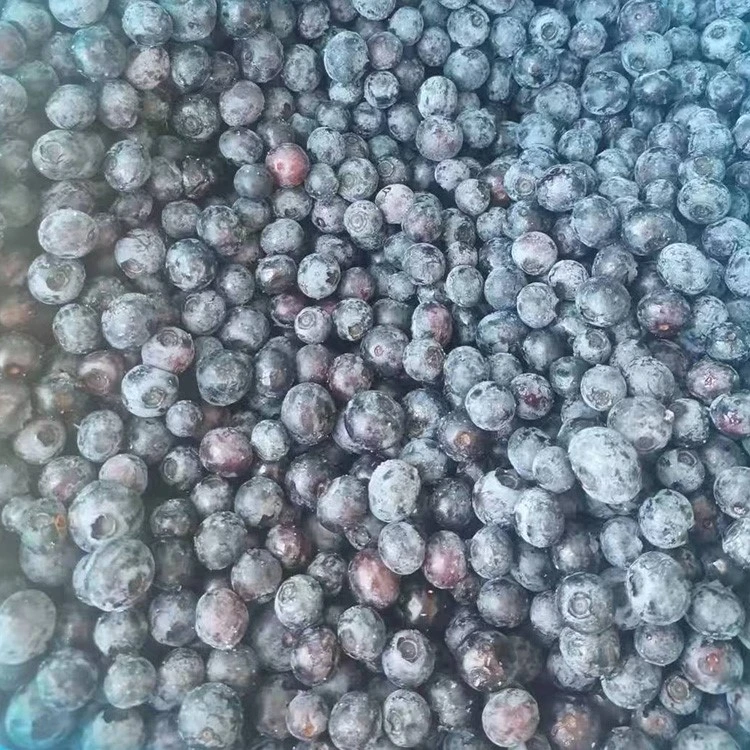
Step 2: Decide Whether to Wash Before Freezing
Blueberries are different from many other berries. For best freezing quality, they are often frozen without washing first. Washing before freezing can leave surface water on the berry skin, and that water can create ice crystals, clumping and tougher texture.
If the blueberries are clean, dry and from a handled source you trust, sort them and freeze them dry. Wash them before using later. If the blueberries are dusty, sandy or visibly dirty, rinse them gently before freezing, but dry them completely before they go into the freezer.
| Situation | Better Choice | Reason |
|---|---|---|
| Clean, dry blueberries | Freeze without washing first. | Helps protect skin texture and reduce clumping. |
| Dusty or visibly dirty blueberries | Rinse gently, then dry completely. | Food handling and surface cleanliness matter. |
| Blueberries for smoothies or baking | Freeze dry and wash before use if needed. | Frozen berries can go directly into many recipes. |
Step 3: Dry Blueberries Thoroughly If You Wash Them
If you wash blueberries before freezing, drying is not optional. Surface water is one of the main reasons frozen blueberries become icy, clumped and less pleasant after thawing. Spread washed blueberries on a clean towel or paper towel and let them dry fully before freezing.
- Rinse blueberries gently under cool running water.
- Drain them in a colander or strainer.
- Spread the berries in one layer on a clean towel.
- Pat gently without crushing the berries.
- Let surface moisture disappear before freezing.
Do not use soap, detergent, bleach or chemical cleaners on blueberries. For normal produce handling, clean running water is the correct direction.

Step 4: Tray Freeze Blueberries in One Layer
Tray freezing is the best method if you want loose blueberries that are easy to pour, measure and use later. Spread the sorted blueberries in one layer on a tray. Keep them from piling up. Freeze until they are firm, then pack them immediately.
This method is useful for smoothies, oatmeal, pancakes, muffins, yogurt, bakery, dairy products, beverage bases and foodservice. Loose berries are easier to dose and mix than one frozen block.
Tray freezing is especially useful when
- You want free-flowing blueberries.
- You plan to use small portions at different times.
- You want to reduce clumping.
- You are preparing blueberries for smoothies, baking or breakfast products.
- You want handling closer to IQF-style frozen fruit.

Step 5: Pack Frozen Blueberries Correctly
Once the blueberries are firm, transfer them into airtight freezer bags or containers. Press out excess air carefully, seal the package and label it with the product name and freezing date. Return the package to stable frozen storage quickly.
Good packaging protects frozen blueberries from freezer burn, odor absorption, moisture movement and ice crystal formation. Smaller packs are often easier to use because you do not need to repeatedly open one large package.
| Packing Choice | Best For | Main Control Point |
|---|---|---|
| Freezer bags | Home storage and easy portioning | Remove excess air and seal tightly. |
| Rigid containers | Protecting berry shape | Avoid crushing and leave suitable space. |
| Bulk cartons | Commercial frozen blueberry supply | Frozen-grade packaging and cold-chain handling. |

How Long Do Frozen Blueberries Last?
If blueberries are kept continuously frozen at 0°F / -18°C or below, food safety can remain controlled for a long time. Best quality is different. Frozen blueberries can slowly lose color, aroma, texture and clean berry flavor if packaging is poor or freezer temperature fluctuates.
For home use, frozen blueberries are best used while they still have good color, clean aroma and limited ice crystals. For commercial frozen blueberries, shelf life should follow supplier specification, production date, packaging type, storage requirement and cold-chain records.
Do Frozen Blueberries Need to Be Thawed Before Use?
Frozen blueberries do not always need to be thawed. For smoothies, oatmeal, pancakes, muffins, sauces and many baked products, they can often be used directly from frozen. This helps reduce early juice loss and keeps handling simple.
Thawing is useful when you need to drain juice, blend puree, check texture, measure drip loss, adjust sweetness or use blueberries in a cold product where released liquid matters. After thawing, blueberries become softer and may release juice. This is normal.
| Application | Thaw First? | Handling Tip |
|---|---|---|
| Smoothies | No | Use directly from frozen for cold texture and color. |
| Oatmeal | No need | Stir into hot oatmeal or add after partial thawing. |
| Muffins and pancakes | Usually no | Add from frozen and account for color bleeding. |
| Blueberry puree | Usually yes | Thawed berries blend easily and release juice. |
Best Uses for Frozen Blueberries
Frozen blueberries are useful because they provide blue-purple color, mild sweetness, acidity, juice and berry identity. They are especially practical when the final product will be blended, cooked, baked or processed.
- Smoothies: frozen blueberries add color, cold texture and berry flavor.
- Oatmeal: add frozen blueberries directly to hot oatmeal or breakfast bowls.
- Muffins: use frozen blueberries directly if the formula allows.
- Pancakes: add frozen blueberries to batter or use them in sauce.
- Blueberry sauce: cook frozen blueberries into a fruit sauce or compote.
- Yogurt and dairy: use blueberry puree or fruit preparation in yogurt, ice cream and dairy desserts.
- Beverages: blend into smoothies, fruit teas, dairy drinks and plant-based drinks.
- Foodservice: use in breakfast menus, sauces, desserts and frozen drinks.

Common Mistakes When Freezing Blueberries
Mistake 1: Washing blueberries and freezing them wet
Wet blueberries are more likely to form ice crystals, clump together and lose good texture. If you wash before freezing, dry them completely first.
Mistake 2: Freezing damaged berries
Freezing does not repair poor raw material. Remove moldy, underripe, crushed or defective berries before freezing.
Mistake 3: Skipping tray freezing when loose berries are needed
Blueberries can be packed directly, but tray freezing gives better free-flowing condition and easier portion control.
Mistake 4: Leaving too much air in the package
Air exposure increases freezer burn and quality loss. Use airtight packaging and remove excess air carefully.
Mistake 5: Expecting thawed blueberries to look exactly fresh
After thawing, blueberries become softer and may release juice. This is normal. Frozen blueberries are better for smoothies, oatmeal, baking, sauce, puree and fruit preparations than for fresh-style garnish.
Home Frozen Blueberries vs Commercial IQF Frozen Blueberries
Home freezing is useful for preserving blueberries for later smoothies, oatmeal, baking and sauces. Commercial IQF frozen blueberries are designed for specification control, free-flowing condition, cold-chain logistics, food manufacturing, retail packs, foodservice and private-label applications.
| Factor | Home Frozen Blueberries | Commercial IQF Frozen Blueberries |
|---|---|---|
| Freezing control | Limited by household freezer conditions | Controlled frozen processing conditions |
| Berry separation | Depends on tray freezing and packaging | Designed for better free-flowing condition |
| Berry size | Varies by batch | Can be specified by size and final application |
| Main use | Home smoothies, oatmeal, muffins and sauce | Bakery, beverage, dairy, foodservice, retail and private-label use |
B2B Buying Considerations for Frozen Blueberries
For commercial buyers, frozen blueberries should be selected according to final application. Whole frozen blueberries for retail packs are different from blueberry puree for beverage production, blueberry filling for bakery, and blueberry fruit preparation for yogurt or dairy products.
- Product format: whole IQF blueberries, blueberry puree, blueberry filling or fruit preparation.
- Berry size: important for muffins, pancakes, retail packs, yogurt and beverages.
- Berry integrity: important for visible fruit applications and retail presentation.
- Color: important for sauces, smoothies, dairy products and desserts.
- Brix and acidity: important for flavor balance and formula design.
- Drip loss: important for thawed applications, bakery formulas and dairy fruit bases.
- Free-flowing condition: important for weighing, packing, blending and foodservice use.
- Packaging: bulk cartons, foodservice bags, retail bags, puree packs or private-label packaging.
- Cold chain: stable frozen storage protects berry separation, color, texture and application performance.
How We Look at Frozen Blueberries at GreenLand-food
At GreenLand-food, we look at frozen blueberries from the buyer's final application. A whole frozen blueberry for retail packs is not the same sourcing decision as blueberry puree for beverage production, blueberry filling for bakery, or blueberry fruit preparation for yogurt and dairy products.
We provide frozen blueberry products in practical commercial formats according to buyer requirements. For importers, distributors, beverage factories, bakery manufacturers, dairy processors, foodservice operators, retail brands and private-label buyers, the right blueberry specification should match product format, berry size, color, Brix, acidity, packaging, cold-chain capacity and final application.
Need frozen blueberries for commercial use?
Tell us your target product, required blueberry format, berry size, Brix direction, packaging needs and destination market. We can help you match frozen blueberry specifications with smoothie, puree, sauce, bakery, beverage, dairy, foodservice, retail or private-label use.
For more product details, you can explore our Frozen Fruits and Frozen Blueberry pages to compare product formats and sourcing options.
FAQ About How to Freeze Blueberries
How do you freeze blueberries properly?
Sort the blueberries, remove leaves, stems and defective berries, freeze them dry in one layer if loose berries are needed, then pack into airtight freezer bags or containers.
Should blueberries be washed before freezing?
Usually no. Blueberries are often frozen without washing first because surface moisture can toughen the skin and cause clumping. Wash them before use. If you wash before freezing, dry them completely first.
Can you freeze blueberries without sugar?
Yes. Blueberries can be frozen without sugar. Unsweetened frozen blueberries are flexible for smoothies, oatmeal, baking, yogurt, sauces, beverages and commercial fruit preparations.
Why should blueberries be tray-frozen?
Tray freezing keeps blueberries more separate and easier to portion. It helps avoid one large frozen block and improves later handling.
Do frozen blueberries become mushy after thawing?
Frozen blueberries become softer after thawing and may release juice. This is normal. They are still very useful for smoothies, oatmeal, baking, sauces, puree and dairy products.
Do frozen blueberries need to be thawed before baking?
Not always. Frozen blueberries can often be added directly to muffins, pancakes, cakes and quick breads. The formula should account for juice release and color bleeding.
How long can blueberries stay frozen?
If kept continuously frozen at 0°F / -18°C or below, blueberries can remain safe for a long time. Best quality depends on packaging, storage time and temperature stability.
Can I request frozen blueberries from GreenLand-food?
Yes. If you need whole frozen blueberries, blueberry puree-style raw material, blueberry fruit preparation or customized blueberry specifications for commercial use, you can send us your inquiry with your target application, packaging format and destination market.