


How to Use Frozen Strawberries
Jun 12, 2026
Leave a message

How to Use Frozen Strawberries: Industry Guide
Frozen strawberries can be used in smoothies, sauces, jams, bakery fillings, dairy products, beverages, desserts, foodservice menus, retail packs and private-label fruit products. The key is to match the way you use them with the form of the fruit. Whole IQF strawberries, sliced strawberries, diced strawberries and puree-style strawberry material do not behave the same after freezing, thawing, blending or heating.
If the strawberries will be blended, cooked or processed, they often do not need to be fully thawed first. If they will be used as visible pieces in yogurt, dessert cups, bakery layers or toppings, controlled refrigerator thawing is usually more suitable. If they will be used in industrial production, the decision should go deeper: buyers need to consider Brix direction, acidity, cut size, drip loss, color, texture, free-flowing condition, packaging and cold-chain control.
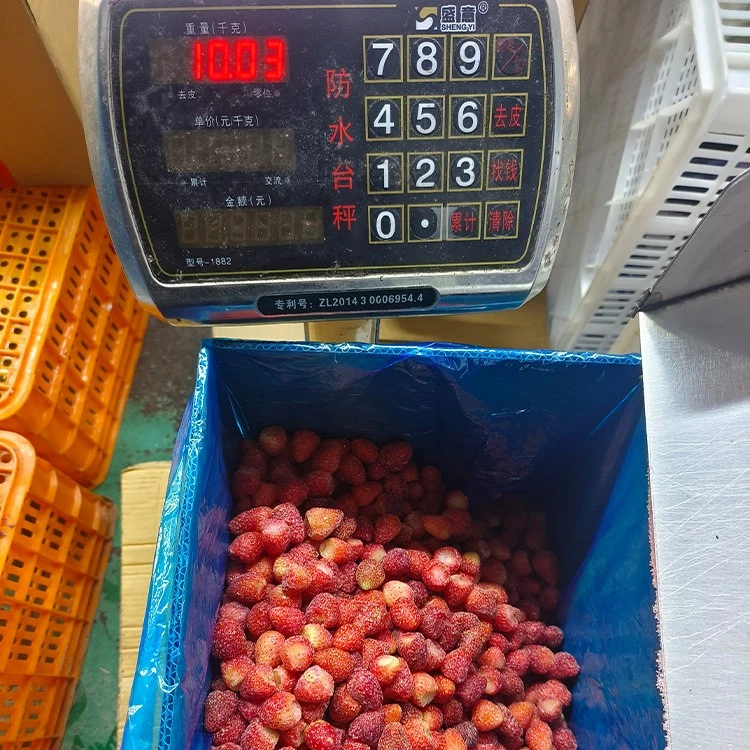
This is why "how to use frozen strawberries" is not only a recipe question. For GreenLand-food, it is an application-matching question. A smoothie factory, a jam producer, a bakery chain, an ice cream manufacturer and a retail brand may all buy frozen strawberries, but they should not necessarily buy the same format or judge the product by the same criteria.
Start With the Final Application
The most practical way to use frozen strawberries is to begin with the finished product. A home user may ask whether frozen strawberries should be thawed. A food factory should ask a more precise question: what do we need the strawberry to do inside the product? Do we need visible fruit pieces? Strong red color? Natural strawberry aroma? A smooth puree base? Controlled water release? A stable cost input across the year?
Frozen strawberries release juice after thawing because freezing changes the fruit structure. This juice is not automatically a problem. In beverages, sauces, jams and fillings, it can become part of the formula. In bakery layers, dairy inclusions and dessert cups, too much free liquid may need to be controlled. The same thawed behavior can be a benefit in one application and a defect in another.
For example, a beverage producer may value color, Brix and blending performance more than berry shape. A bakery buyer may care about cut size and drip loss. A retail pack buyer may want attractive whole IQF pieces with low broken rate. A yogurt manufacturer may need diced strawberries that distribute evenly and tolerate mixing. The use case should lead the specification.
Use Frozen Strawberries Directly From Frozen When Blending or Cooking
For smoothies, frozen drinks, sauces, compotes, jams and many cooked fillings, frozen strawberries can often be used directly from frozen. This saves preparation time and helps keep fruit solids, juice and color inside the final product. In smoothies, frozen strawberries add cold body and fruit flavor without requiring extra ice. In sauces and jams, released juice becomes part of the cooking system.
Direct-from-frozen use is especially efficient when the fruit will be broken down by blending, heating or mechanical mixing. In these applications, there is no need to preserve fresh-like bite. The more important factors are fruit color, flavor, Brix direction, acidity, seed feel, viscosity contribution and how the strawberry behaves when it enters the formula.
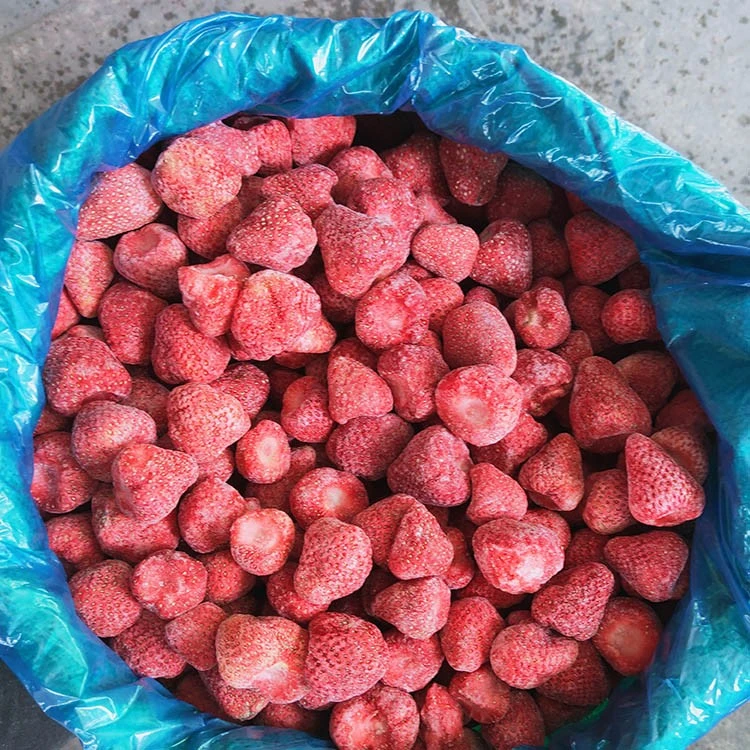
For commercial production, direct use requires equipment planning. Whole IQF strawberries are easier to weigh and feed than a solid block. Sliced or diced strawberries blend faster. Puree-style material may be more efficient for beverage bases, sauces and fruit preparations. Block frozen strawberries can be suitable for cooking or industrial processing, but the production line must be able to handle the block format safely and consistently.
Thaw Frozen Strawberries When Appearance or Portion Control Matters
When frozen strawberries will be used as visible pieces, controlled thawing matters. Refrigerator thawing is usually the better option for toppings, dessert cups, yogurt fruit, chilled fruit preparations and some bakery applications. The goal is not to make the fruit identical to fresh strawberries. The goal is to control softening, drip loss and color spread so the fruit still performs in the finished product.
Thawed strawberries should be treated as perishable fruit. They should be held under proper refrigerated conditions and used promptly. Leaving frozen strawberries at room temperature for long periods gives weak control over time and temperature. Hot-water thawing is also a poor practice because it can damage texture and cause uneven warming.
For B2B users, thawing should be part of the SOP. The factory should define pack size, thawing temperature, thawing time, container depth, whether released juice is kept or drained, and maximum use window after thawing. Without these controls, the same frozen strawberry may behave differently from one production shift to another.
| Application | Use Frozen or Thawed? | Reason |
|---|---|---|
| Smoothies and frozen drinks | Use directly from frozen | Keeps cold body and blending efficiency |
| Jam, sauce and compote | Use frozen or partially thawed | Released juice becomes part of the cooked system |
| Yogurt, dessert cups and toppings | Thaw under refrigeration | Improves control of drip and visible fruit pieces |
| Bakery filling | Depends on formula | Water release must match starch, pectin or filling system |
Smoothies and Beverage Applications
Smoothies are one of the most direct ways to use frozen strawberries. The fruit can go from freezer to blender with milk, yogurt, juice, plant-based beverages or other fruits. In this use case, softened texture after thawing is not a disadvantage because the strawberry will be blended. Strong color, clean flavor and predictable sweetness-acidity balance matter more than whole berry shape.
For beverage factories, the decision is more technical. Whole IQF strawberries may work for premium smoothie packs, but sliced or puree-style material may be more efficient for large-scale blending. If the formula needs a stable strawberry note, the buyer should look at Brix direction, acidity, color and seed texture. If the fruit is too watery or too pale, the finished beverage may need adjustment.
Foodservice users also need portion control. Free-flowing IQF strawberries are useful because staff can scoop or weigh a consistent amount. Large clumps or blocky fruit slow down service and create inconsistent beverage texture. For chain operations, portionability can be just as important as fruit flavor.
Bakery, Desserts and Fillings
Frozen strawberries can be used in muffins, cakes, pies, Danish fillings, pastries, cheesecakes, fruit layers, dessert cups and prepared fillings. The right handling depends on whether the fruit is mixed into batter, cooked into filling or placed as a visible topping. Sliced and diced formats are often easier for bakery applications because they distribute more evenly than large whole berries.
The main bakery issue is water. Frozen strawberries release juice as they thaw or heat. In some products, this juice can improve fruit flavor and color. In others, it can soften dough, thin filling or create color bleeding. Bakery developers should test frozen strawberries under the same process used in production, not only in a small kitchen trial.

For industrial bakery, the buyer should define cut size, thawing method, drip tolerance and whether the juice is part of the filling formula. If strawberry pieces must remain visible after baking, piece integrity and cut uniformity matter. If the strawberry is cooked into a smooth filling, puree-style or crushed material may be more cost-efficient and easier to formulate.
Dairy, Yogurt and Ice Cream
Frozen strawberries are widely used in yogurt, fruit-on-the-bottom cups, ice cream inclusions, milkshakes, frozen desserts and fruit preparations. In dairy applications, fruit behavior after thawing is critical. The strawberry must match the processing system, mixing intensity, heat treatment, acidity balance and desired mouthfeel.
Diced or small-cut strawberries often work well when even distribution is needed. Whole strawberries may be attractive but harder to distribute. Puree-style material can support color and flavor in fruit bases, while fruit pieces provide identity and texture. Some formulas need both: puree for background flavor and pieces for visible fruit value.
For dairy buyers, drip loss should be tested carefully. Too much free liquid may affect viscosity and visual stability. Color bleeding may be desirable in some stirred yogurt products but less desirable in layered desserts. The buyer should also evaluate whether fruit pieces remain intact during mixing or break down too quickly.
Sauces, Jams and Fruit Preparations
Frozen strawberries are especially practical for sauces, jams, compotes, syrups and fruit preparations. In these applications, thawed juice is often not waste. It contains water, color, flavor compounds, acids and soluble solids that can become part of the finished product. The processor should calculate this liquid into the formula instead of automatically draining it away.
For jam and sauce production, puree-style, crushed or sliced frozen strawberries may be more efficient than whole fruit. Whole IQF strawberries can still be used, but they may require more heating time or mechanical breakdown. The choice depends on the target product: smooth sauce, chunky fruit preparation, visible fruit jam, bakery filling or beverage base.
GreenLand-food's application article on frozen strawberry recipes beyond smoothies is a useful related guide for users who want more product-use ideas. For this industry article, the important point is that each use should be connected to a specific frozen strawberry format and handling method.
Retail Packs and Foodservice Menus
Retail packs and foodservice menus require a different way of thinking. The buyer is not only using frozen strawberries inside a formula. The buyer may be presenting the fruit directly to consumers, restaurant staff or end users. In this case, appearance, free-flowing condition, pack integrity and portion convenience become important.
Whole IQF strawberries are often preferred when the fruit identity matters. However, whole fruit is not always the most practical option. For smoothie bars, sliced or diced strawberries may be easier to scoop and blend. For dessert kitchens, smaller pieces may thaw faster and distribute more evenly. For frozen fruit retail bags, whole or large pieces may communicate higher visual value, but they must be handled carefully through the cold chain.

For private-label projects, packaging also becomes part of the use case. A consumer bag, foodservice carton and industrial bulk pack do not serve the same purpose. Packaging affects freezer burn risk, oxygen exposure, clumping, handling efficiency, label requirements and how easily the buyer can move fruit into production or service.
Which Frozen Strawberry Format Should You Use?
The format decision is central. Many use problems happen because the buyer chooses the wrong form of frozen strawberry. Whole IQF strawberries are attractive and flexible, but they are not always necessary. Sliced strawberries may be more practical for bakery and desserts. Diced strawberries may be better for dairy and ice cream inclusions. Puree-style material may be stronger for beverage, sauce, jam and filling systems.
IQF and block formats also serve different purposes. IQF supports portioning, visual identity and flexible use. Block frozen strawberries may be suitable for further processing where the fruit will be cooked, crushed, blended or converted into puree. A buyer focused only on unit price may miss the real cost difference created by labor, yield, waste, thawing loss and production speed.
| Frozen Strawberry Format | Strong Use Cases | Main Buyer Checks |
|---|---|---|
| Whole IQF strawberries | Retail packs, toppings, foodservice, smoothie packs | Shape, color, size, broken rate, free-flowing condition |
| Sliced strawberries | Bakery, desserts, fruit layers, chilled preparations | Cut uniformity, drip loss, thawed texture, color bleed |
| Diced strawberries | Yogurt, ice cream, dairy blends, small-piece fruit systems | Piece size, distribution, mixing tolerance, identity after thawing |
| Puree-style material | Beverages, sauces, jams, fillings, fruit bases | Brix, acidity, color, seed feel, consistency and formulation fit |
How to Control Drip Loss When Using Frozen Strawberries
Drip loss is the liquid released after frozen strawberries thaw. It is one of the most important quality behaviors to evaluate. The amount of drip depends on variety, maturity, cut size, freezing speed, storage condition, temperature fluctuation and thawing method. A product that looks acceptable while frozen may show high drip after thawing.
For some applications, drip should be kept. In sauce, jam and beverage production, the juice contains useful fruit character. For other applications, drip should be measured, drained or balanced with stabilizers. In bakery, dairy and dessert products, uncontrolled liquid can change texture and appearance. The correct approach is not to remove all liquid automatically, but to decide whether the released juice belongs in the formula.
A professional test is simple: thaw a representative sample using the intended production method, measure released liquid, observe color, smell aroma, check texture, and test it in the finished product. This tells the buyer more than frozen appearance alone. For GreenLand-food, this type of application test is part of matching frozen strawberries to real commercial use.
Food Safety and Handling Notes
Frozen strawberries should be stored at 0°F / -18°C or below. Continuous frozen storage helps maintain safety control, while quality depends on storage time, packaging and cold-chain stability. Once strawberries are thawed, they should be treated as perishable fruit material. They should be kept under proper refrigerated conditions and used promptly.
If frozen strawberries are sold as ready-to-use, follow the package direction. If they are supplied for further processing, the buyer's production step should match the intended use. Washing is not a complete food safety kill step, and fruit should not be washed with soap, detergent, bleach or household cleaners. Commercial users should separate ready-to-eat handling from further-processing material and build clear SOPs for thawing, batching and storage after opening.
For B2B buyers, cold-chain history is part of product performance. Temperature fluctuation can increase ice buildup, clumping, freezer burn, texture damage and drip loss. A strong frozen strawberry supply should arrive in stable condition with packaging intact and fruit still suitable for the intended process.
B2B Procurement: Use Case First, Specification Second
For B2B procurement, "how to use frozen strawberries" should become a specification discussion. Before choosing a supplier or format, define the final product. Is the fruit being blended, cooked, layered, mixed into dairy, packed for retail or served in foodservice? Does the buyer need whole fruit appearance, visible pieces, puree performance, strong color, low drip, stable Brix or easy portioning?
At GreenLand-food, we help buyers match frozen fruit specifications with the final application. For wider fruit ingredient planning, buyers can review our frozen fruits category. For strawberry-specific sourcing, formats and commercial discussions, see our frozen strawberry products.

A good procurement brief should include format, size range, Brix direction, acidity direction, packaging, carton weight, target application, destination market, documentation needs and sample testing method. If the buyer only asks for frozen strawberries without describing the use, the supplier can provide a fruit, but not necessarily the right fruit ingredient.
| Buyer Question | Why It Matters | Specification Direction |
|---|---|---|
| Will the fruit be blended? | Shape matters less; color and Brix matter more | Sliced, diced or puree-style material may work well |
| Will pieces remain visible? | Piece integrity affects consumer perception | Whole IQF, halves or controlled slices may be needed |
| Is the product heated? | Juice release and texture change become part of the formula | Test drip and solids in the cooked system |
| Is portion control important? | Foodservice and retail need convenient handling | Free-flowing IQF condition and suitable packaging matter |
Common Mistakes When Using Frozen Strawberries
One common mistake is thawing frozen strawberries for every application. This is not always necessary. Smoothies, beverages, sauces and cooked systems often perform better when the fruit is used directly from frozen. Another mistake is draining all juice without considering formula value. That juice may carry color, aroma and soluble solids.
A third mistake is using whole strawberries where sliced, diced or puree-style material would be more efficient. A fourth mistake is judging frozen strawberries only by frozen appearance. The product should also be tested after thawing, blending, heating or mixing. A fifth mistake is ignoring cold-chain damage. Ice buildup, large clumps, broken packaging and excessive freezer burn can all affect application performance.
The strongest approach is to treat frozen strawberries as a technical ingredient. Define the use, choose the format, test the handling method, evaluate the finished product, then build the purchase specification around that result. This reduces production surprises and improves repeat order stability.
Need frozen strawberries for commercial use?
Tell us your target product, required format, size, Brix direction, packaging needs and destination market. We can help you match frozen fruit specifications with smoothie, puree, sauce, bakery, beverage, dairy, foodservice, retail or private-label use.
FAQ
Can you use frozen strawberries without thawing?
Yes. Frozen strawberries can often be used directly in smoothies, frozen drinks, sauces, jams, compotes and cooked fillings. Direct use can save time and keep fruit juice inside the formula.
Should frozen strawberries be thawed for baking?
It depends on the bakery product. Some batters can use smaller frozen pieces directly, while fillings may need partial thawing or cooking. The main issue is water release, so bakery users should test the fruit in the actual formula.
Are frozen strawberries good for smoothies?
Yes. Smoothies are one of the most suitable uses because frozen strawberries provide cold body, fruit flavor and color. Whole, sliced or puree-style material may all work depending on equipment and formula.
Why do frozen strawberries become watery?
Frozen strawberries release juice because ice crystals affect the fruit tissue during freezing. When the fruit thaws, some liquid leaves the berry. The amount depends on raw material, freezing method, storage and thawing method.
Should I drain thawed frozen strawberries?
Only when the application requires it. For sauces, jams and beverages, the juice may be useful. For bakery layers, dessert cups or dairy products, excess liquid may need to be measured or controlled.
What is the most practical frozen strawberry format for food production?
There is no single answer. Whole IQF strawberries are useful for visual applications, sliced and diced strawberries are practical for bakery and dairy, and puree-style material is efficient for beverages, sauces, jams and fillings.
Can frozen strawberries be used in yogurt?
Yes. Diced, sliced or fruit-preparation formats can be used in yogurt. Buyers should evaluate drip loss, piece size, color spread, acidity and how the fruit behaves during mixing and storage.
Can frozen strawberries be used for jam?
Yes. Frozen strawberries are practical for jam because released juice becomes part of the cooking system. Processors should select a format that matches the desired texture, fruit piece visibility and formula solids.
What should B2B buyers check before choosing frozen strawberries?
Buyers should check format, size, color, Brix direction, acidity, defect level, drip loss, free-flowing condition, packaging, cold-chain control and performance in the intended finished product.
Can I request frozen strawberries from GreenLand-food?
Yes. If you need whole frozen strawberries, sliced strawberries, diced strawberries, puree-style raw material, strawberry fruit preparation or customized frozen strawberry specifications for commercial use, you can send us your inquiry with your target application, packaging format and destination market.