


How to Make a Strawberry Slushie with Frozen Strawberries
Sep 24, 2026
Leave a message

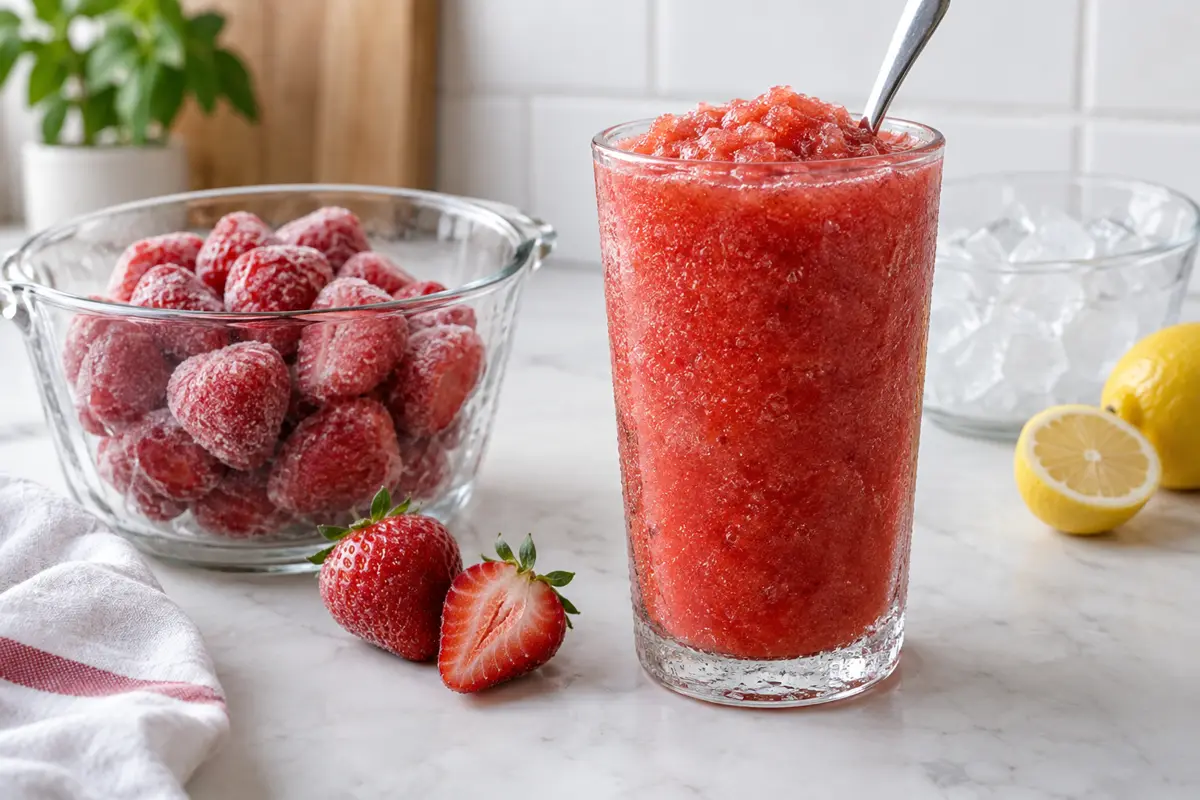
A starting formula for a strawberry slushie
For roughly two modest servings, weigh 250 g of frozen strawberries, 80 g of clean ice and 90 ml of cold water. Juice can replace some or all of the water if its own sweetness suits the menu. Optional adjustments are about 5–10 ml lemon juice for a brighter edge and a measured amount of syrup or sugar after the first tasting. The exact yield depends on the size of the berries, ice and cup. Record the weight that actually fills your serving cups rather than relying on a loose scoop measure.
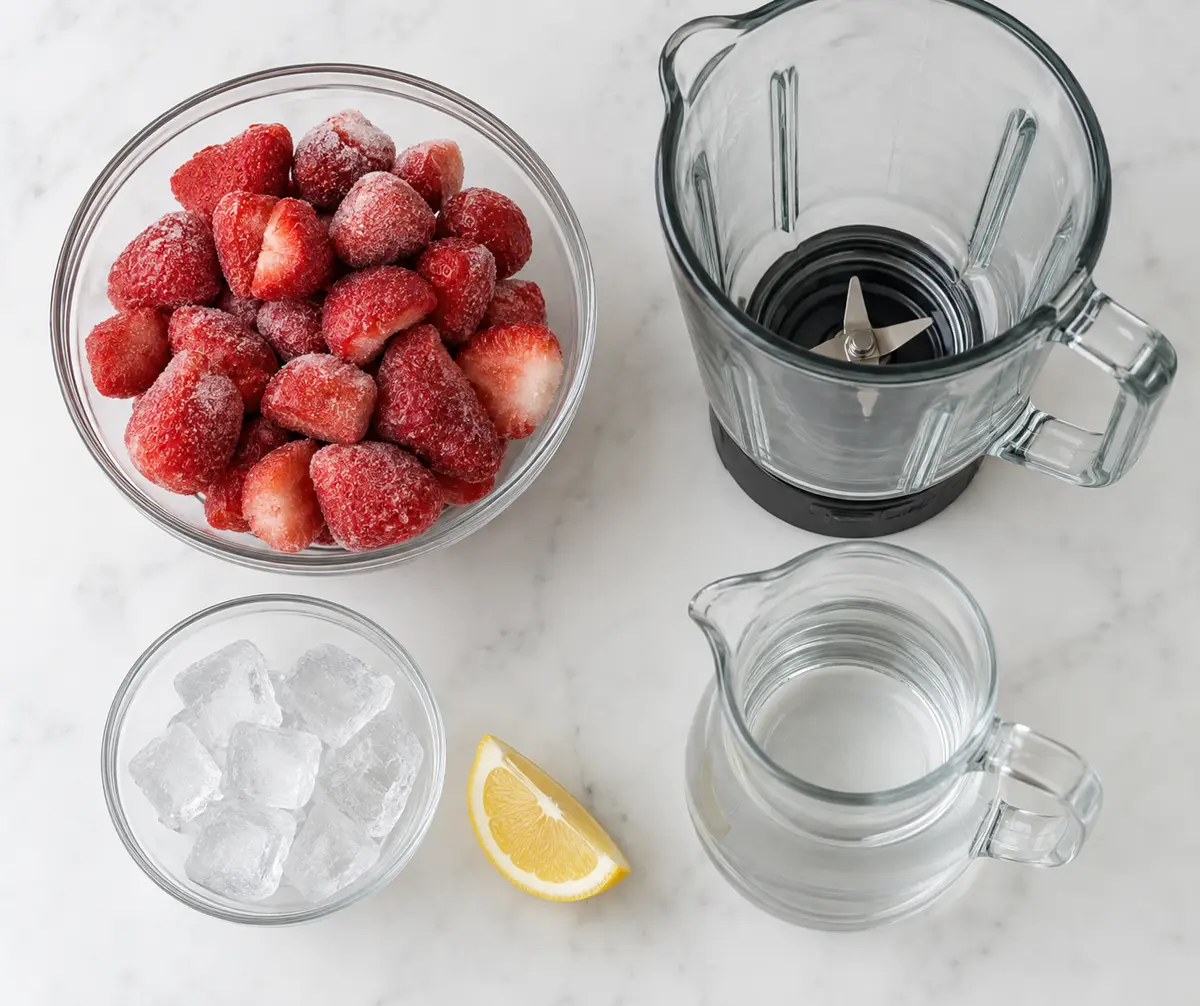
Slush ingredients.
Put liquid in the blender first, followed by strawberries and ice. Pulse, scrape down only with the machine stopped, then blend just until the mixture is smooth enough to pour or spoon. Long blending warms the drink and can turn a slush into a thin smoothie. A high-powered machine may need less liquid than a small blender. If the blades cannot catch the fruit, add liquid by a tablespoon or two, blend again, and log the final amount.
This formula is intended for a blender-based frozen drink. A dedicated slush machine has its own freezing and sugar requirements; use that equipment's instructions and test a separate formula. The image beside this section shows the three physical inputs. It does not prescribe a branded recipe or imply that every berry lot tastes alike.
Treat the first batch as a calibration run. Weigh the filled blender jar and the finished cups so that fruit loss on the jar wall and serving loss are visible. If a nominal two-cup recipe makes only one and a half cups in the selected packaging, changing the menu description is more honest than stretching it with water. Record the cup's usable fill line, since a domed frozen drink and a level liquid drink occupy the same container differently. Repeat the test with the smallest and largest practical batch sizes; some machines circulate a half-filled jar well but leave ice pockets in a full jar.
Keep the starting ingredients at consistent temperatures. Ice from a wet service bin, hard ice straight from a freezer and partially softened berries can produce different textures at the same weights. The 250 g fruit figure is a bench reference, not a universal target for every strawberry form. A sweetened puree would change both the fruit solids and the added sugar calculation. For a menu rollout, approve the recipe against a specified frozen strawberry lot and document which ingredient substitutions require a new trial. That small step prevents a kitchen instruction from becoming an accidental purchasing specification.
How to blend frozen fruit without watering it down
The most common cause of a weak strawberry slushie is adding enough liquid to make an overloaded blender run easily. Start with a smaller batch that your machine can circulate. Frozen berries themselves provide both fruit flavor and cold structure, so there is often no need to fill the jar with ice. Let the machine do short pulses before deciding that more water is necessary. Shake or stir between pulses only when the machine is stopped and safe to open.
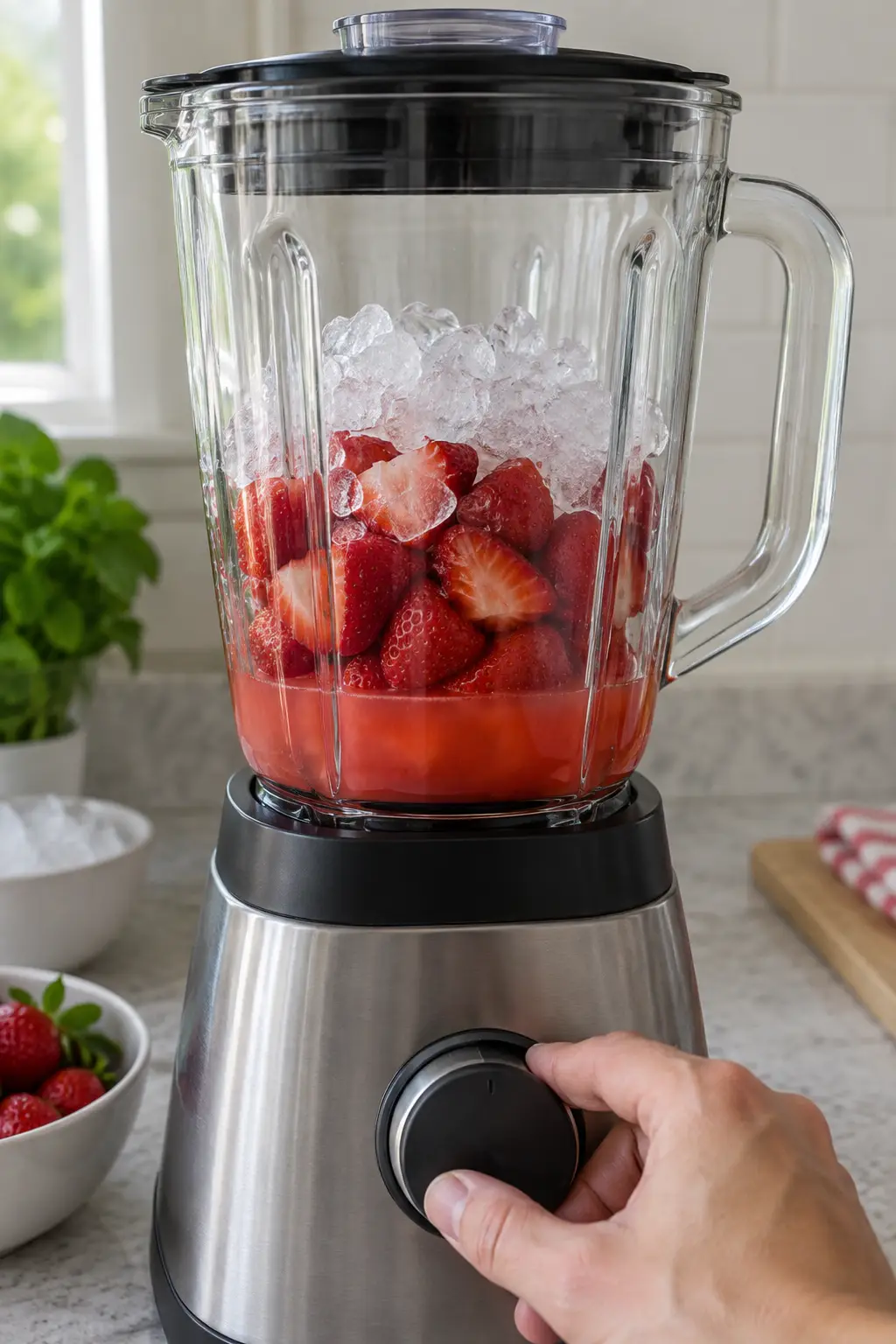
Slush blending.
If whole frozen strawberries bridge above the blades, smaller fruit pieces can be easier to blend and portion. Avoid allowing frozen fruit to thaw fully on the counter merely to simplify blending; it changes texture and makes the process less repeatable. Use properly handled frozen ingredients and follow the operator's food safety practice. For a drink served immediately, judge texture in the target cup, since a thick mixture in the blender can loosen while it is transferred.
The visual shows fruit moving through a blender, an illustration of the process rather than GreenLand equipment. At bench scale, write down fruit, ice, liquid and blend time. Those four inputs explain more variation than a phrase such as "blend until slushy," especially when several staff members prepare the same menu item.
The order of loading can be adjusted to the machine, but a little liquid near the blade usually helps create the first movement. Add the frozen fruit in portions if a large mass sits above the blade. Stop the motor before using a scraper; forcing a tool into a running jar is never part of the method. Listen for a change from isolated ice impacts to steady circulation, then inspect the mixture. Repeatedly running a machine after it has reached the desired texture spends time and warms the batch without adding strawberry flavor.
At service speed, the operational question is whether the recipe works for a new operator on the second or third cup. Test it with a measured portion that has spent the intended time in frozen storage, not with berries selected from a freshly opened demonstration bag. Note any large clusters, variable berry sizes or frost that make the batch difficult to feed. If a line needs the drink ready within a fixed service window, consider whether smaller pieces or pre-portioned packs solve that problem more reliably than extra liquid. The best blending instruction is one that staff can repeat while the queue is moving.
Choosing whole strawberries, pieces or puree
Whole IQF strawberries are easy to recognize and can work well in a strong blender. Their size varies, however, so an unweighed scoop can change the fruit dose from cup to cup. Strawberry pieces or slices can feed the blades more evenly and may reduce the need to pause and redistribute the jar. A frozen puree or prepared fruit base offers a different route when a smooth color and faster service matter more than individual fruit pieces.

Frozen strawberries in a blue lined bulk bag.
These forms are not interchangeable by volume. A bag of loose whole berries holds air between fruit, while pieces pack differently; puree brings its own concentration and may be sweetened or unsweetened. Compare them by fruit weight and by their actual specification. The photographed frozen strawberries in a lined bag show a real bulk product format, but the image does not tell us how the fruit will blend in your machine.
For a menu with a visible fruit claim, verify the ingredient declaration and the proportion of strawberry in the finished drink. For cost planning, calculate fruit grams per cup, not merely the price per carton. If a puree is considered, ask whether it is single-strength or concentrated and whether sugar has already been added. Those distinctions affect both flavor adjustment and labeling.
Whole fruit makes visual inspection simple before blending: staff can see berry color, size, broken pieces and free-flowing condition. Once blended, the finished drink no longer shows whether whole berries or pieces entered the jar. Pieces can therefore be a sensible choice where the blender struggles with large fruit, provided the cut grade and defect tolerance meet the buyer's needs. A puree can simplify dosing in a higher-volume line, but check the temperature at which it can be portioned and how long an opened pack can be held under the site's food safety controls. Do not assume a puree quoted for processing is ready to pour directly into a foodservice station.
Compare usable yield as well as purchase price. A whole-berry carton may be economical but demand more preparation, whereas a prepared base may save service labor while carrying water, sugar or other ingredients. Ask for a full ingredient statement and a sample of the actual offered material, then run the same finished-drink test for each form. Record strawberry input by weight, total drink yield, preparation time and waste. This gives purchasing and operations a shared basis for choosing the fruit form, rather than judging one format from its photograph and another from its unit price.
For form details, consider the frozen strawberry chunks format when testing fruit feed and portioning in your blender.
Balancing ice, sweetness and acidity
Ice creates the slush texture but dilutes flavor as it melts. Frozen strawberries contribute structure without the same dilution. A useful bench approach is to hold the fruit weight steady while changing ice in small increments; this makes it easier to see whether a lighter or thicker drink is worth the change in strawberry intensity. Keep the liquid amount as low as the blender permits. Judge the mixture immediately and again after several minutes in the serving cup.

Slush fruit ice.
Strawberry lots vary in sweetness and acidity. Taste a thawed sample of the current fruit before setting the syrup dose. A more tart lot may need a little sweetness, while an already sweet juice base can make added syrup unnecessary. Lemon can sharpen a flat drink, but too much acid may hide the berry. The side-by-side visual shows how a fruit-heavy drink can look more saturated than an ice-heavy one; actual color also depends on the berry lot and recipe.
For a reduced-sugar offering, do not assume that removing syrup leaves the same mouthfeel. Taste and test the drink as a complete formula. If a numerical target matters, define the finished drink's soluble solids and sampling method; a strawberry's Brix reading alone does not predict the value after ice and water are included.
Make a small trial matrix rather than changing every ingredient at once. Hold the strawberry weight and liquid constant, then compare three ice levels in the same cup after the same blend cycle. Select the best texture and only then adjust sweetness or acidity. If the drink tastes dull, more strawberry may solve the problem better than more syrup. If it tastes sharp, a small sweetening change may be sufficient. Measure any additions so that the chosen balance can be reproduced with the next fruit lot. A visual red color is useful, but it cannot tell you whether a drink will still taste fruity once the ice begins to melt.
The serve-and-hold test is especially revealing. Taste at the blender, after three minutes in the intended cup, and at the longest expected pickup delay. Note free liquid at the bottom, ice grains at the top and whether the straw still works. A formula that excels for an immediate handoff may fail a delivery or takeaway menu. Changing cup insulation, lid design or service timing can be part of the solution, but those changes should be evaluated with the same measured recipe. For commercial claims about sugar or fruit content, calculate from the complete formula and verify the applicable label rules rather than borrowing numbers from the raw berry sheet.
Fixing a drink that is thin, stiff or too icy
If the slush pours like juice, first check whether too much liquid was added or whether the mixture warmed through extended blending. Add measured frozen strawberries and reblend briefly. More plain ice may make it thicker for a moment, but it can weaken strawberry flavor as it melts. If the drink is too stiff to move or pour, add a small measured amount of cold liquid and pulse again. Make one adjustment at a time so the recipe log remains useful.
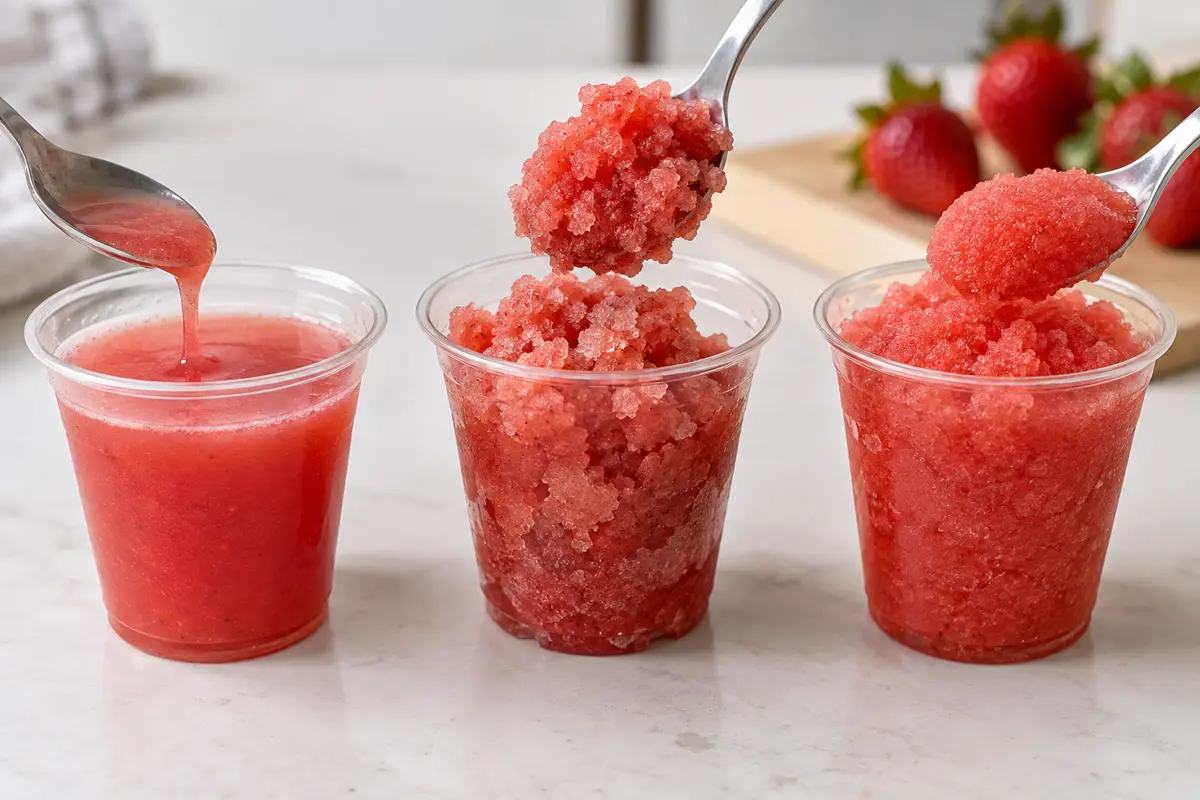
Slush textures.
A coarse, icy drink often means there is more ice than the blender can break down, or the machine did not run long enough to disperse the pieces. Reduce ice or adjust batch size before simply increasing blend time. A foamy, thin top can be a sign of overblending. Compare the first and last cups from the same batch; separation can be important when drinks are staged for pickup.
The three-glass visual illustrates thin, stiff and balanced appearances. It is a diagnostic aid, not an acceptance specification. Define the service goal in practical language such as "sips through this straw after three minutes" or "holds a domed surface for immediate serving," then test the actual cup, lid and holding conditions.
Troubleshooting should begin with the process record. A thin batch made with the approved ingredient weights may point to warm fruit, wet ice, a long blending cycle or a delay before service. A stiff batch may reflect colder fruit or a larger piece size that the blades have not fully broken down. Check those causes before rewriting the formula. If a correction is needed, make one measured change and label the trial; otherwise the team may copy an emergency adjustment as if it were the standard recipe.
Separation is also a useful diagnostic. A layer of red liquid below pale ice suggests dilution or a hold period beyond what the drink tolerates. A dense fruit layer below a light foamy cap may come from an overly long blend or the interaction of a particular fruit base with the machine. Photograph the cup at a fixed time and note the temperature and fill level so that different trials can be compared fairly. The aim is a repeatable service response, not a promise that a blended fruit drink will remain unchanged indefinitely. If the product must wait, test that wait explicitly.
Keeping portions consistent in foodservice
A repeatable slushie is a small production process. Weigh fruit and ice, measure liquid and syrup, standardize the batch size, and specify how long a finished drink can wait before service. Train staff to adjust only against a defined cue: if the blades stall, add a fixed small volume of liquid; if the drink is thin, add a fixed fruit weight. Without those rules, one operator's "splash" of juice becomes another's half cup.
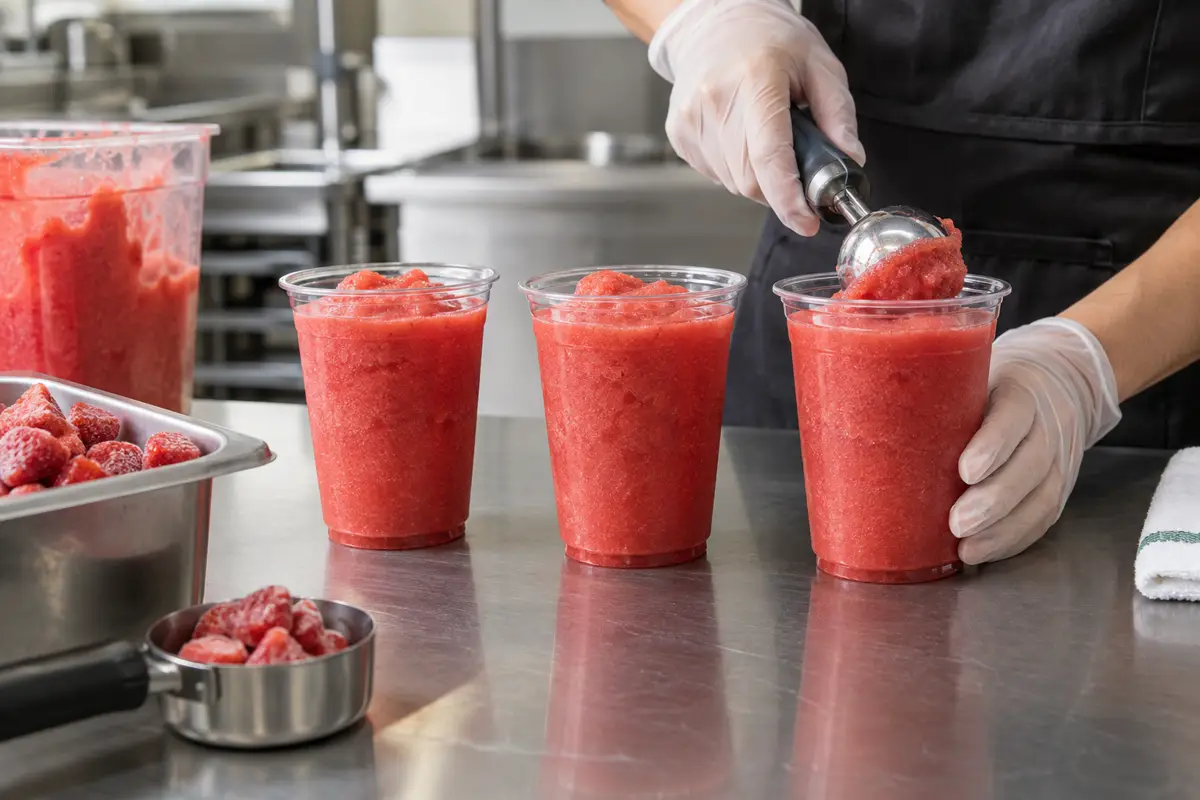
Slush servings.
For a busy counter, pre-portion frozen strawberries in food-safe packs or use a calibrated scoop checked against a scale. Test whether the ingredients clump during frozen storage and whether the blender can handle the largest likely piece. The image of several equal cups represents the service objective. Matching volume alone is insufficient if one cup contains much more ice and less fruit.
Keep a short record for each trial lot: supplier and lot, fruit form, grams per serving, ice, liquid, sweetener, blend cycle, cup size, immediate texture and texture after the expected hold. This supports a recipe change when a new crop lot arrives and helps purchasing understand why a seemingly minor cut or size change affects service speed.
Consistency also depends on station setup. Put the scale, portion packs, measuring vessel and approved cups within a practical workflow so staff do not replace a measured step with an estimate during a rush. Check the actual scoop against a scale at the start of a shift if scoops are used. A frozen berry bag can settle or clump, changing how much a scoop holds. Pre-portioned packs reduce that variation but add packaging and freezer-space costs; compare those costs with the labor saved and the waste avoided. The chosen method should match the operation's daily volume.
Set a clear rule for changing fruit lots. A new delivery can have a different average berry size, sweetness or free-flowing behavior even when it meets the same broad product description. Pull a representative sample, make the approved recipe and compare it against the retained sensory reference. If the drink changes materially, record a controlled adjustment and communicate it to every shift. This is more reliable than asking operators to make an unrecorded sweetness judgment cup by cup. It also gives the supplier specific feedback, such as blending difficulty or color change, that can be discussed against the current lot specification.
Specifying frozen strawberries for a beverage program
For a beverage RFQ, tell us the machine type, servings per day, grams of strawberry per cup and whether the drink is blended to order or held. Then identify the preferred form-whole berries, pieces or puree input-and the pack size your team can handle. Discuss target flavor, color, acceptable defects, clumping, destination and cold-chain delivery. A product photo can show the berry format; a commercial sample in your blender will settle suitability.

Frozen whole strawberries in a lined bulk bag with a caliper.
Ask for the available origin, crop year, current stock and a sample drawn from the intended lot. If consistent sweetness is important, request a sensible soluble-solids target together with a sensory check in the finished formula. Frozen strawberries provide seasonal fruit for an ongoing menu, but later shipments may come from another production lot. Plan a brief recheck before changing the cup recipe or making a fixed menu claim.
GreenLand can discuss frozen strawberry forms for foodservice and processing. A useful quotation connects the fruit specification, packing, expected volume and destination to the application. Once that is clear, the starting formula above becomes a controlled base you can tune to your equipment rather than a recipe that only works in one kitchen.
The RFQ should distinguish requirements from preferences. If your blender cannot process large whole fruit, state a maximum practical piece size or ask for a trial of pieces. If a vivid red appearance is central to the menu, share the finished-drink reference and the storage and service conditions used to judge it. State whether the fruit will be stored in a back-of-house freezer, portioned at a central kitchen or used on a production line. Those details affect the appropriate pack size and the samples worth sending. A supplier cannot infer them from the request "frozen strawberries for slushies."
Before approving volume, compare the quote, product specification, sample and intended shipment on the same basis. Confirm fruit form, declared ingredients, origin and lot information, packing, delivery temperature expectations and the documents required by your market. Run the sample through the real blender with your ice and liquid, then inspect the finished cups over the service period. If the result works, retain the approved formula and sample notes as a reference for later deliveries. The process links a simple strawberry drink to a repeatable ingredient program without pretending that one ratio will fit every machine or fruit crop.
Source frozen strawberry with GreenLand-food
GreenLand-food is a professional frozen strawberry supplier and manufacturer in China, providing factory-direct wholesale supply for importers, food manufacturers, foodservice distributors and private-label programs.
Send your product form, specification, packing, quantity, application, destination, private-label needs and requested documents. We can discuss the available lot and a suitable sample.