


What Goes Well with Blueberries?
Sep 24, 2026
Leave a message


Why blueberries work with both bright and rich flavors
A blueberry has sweetness, mild acidity and aromatic notes that can read differently beside another ingredient. Citrus emphasizes freshness. Vanilla and cream make the berry taste softer and fuller. Herbs and warm spices can bring a more adult, savory or bakery direction. There is no universal pairing chart that tells a manufacturer the correct dose, because blueberries also vary by cultivar, growing season and preparation.
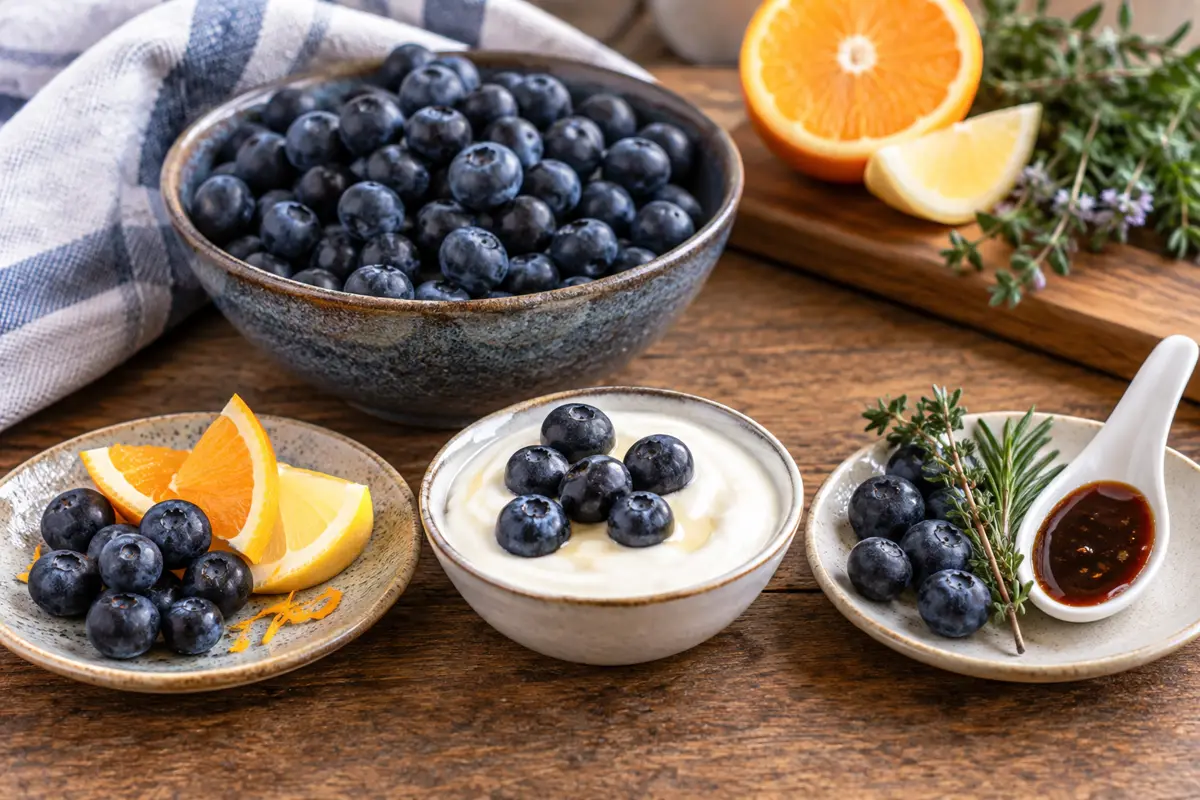
Blueberries with citrus yogurt and herbs.
Think about contrast and support. Lemon contributes a clear high note to a muffin or drink, but too much lemon can make the blueberry recede. Yogurt supports a familiar fruit-and-dairy profile, yet a strongly cultured base may need a larger fruit dose. Cinnamon and cardamom can help in a baked filling, though they can easily dominate a mild berry. Taste the berry in the complete product, not only straight from the bag.
The visual groups blueberries with citrus, dairy and herbs. It is a guide to plausible directions, not a claim that every ingredient belongs in one formula. A useful first trial holds blueberry weight constant and varies one partner at a time. Record what happens to aroma, perceived sweetness and visible color after processing or storage.
Begin a pairing trial with the blueberry itself. Taste a representative thawed sample at the temperature and in the state in which it will enter the formula. A very sweet, mild lot may welcome citrus or cultured dairy; a more acidic lot may need cream, vanilla or a sweeter companion fruit. This is a sensory screening step, not a fixed rule for every cultivar. Frozen fruit can release juice during thawing, so taste both the berry and the liquid rather than discarding the liquid and judging only the solids. For an industrial product, repeat the tasting after the intended heat or freeze process.
There are two different jobs for a partner ingredient. One can make blueberry easier to notice, as a small lemon note often does. Another can give body or reduce the perception of sharpness, as dairy or ripe peach can. If both are added at once, the team may not know which change improved the product. Set up three small comparisons using the same berry weight: berry alone, berry plus one bright partner, and berry plus one rich partner. Record aroma, sweetness, color and aftertaste. The winning bench cup still needs a trial in the real food matrix, where fat, sugar and processing can change perception.
Blueberry pairings for bakery
Lemon is a reliable starting partner in muffins, cakes and pastry because the zest or a restrained acidic note keeps a sweet batter lively. Vanilla gives a softer classic profile; almond can add richness, especially in a tart or crumble. For a breakfast bakery line, oats and a moderate warm spice can carry blueberries without competing with their identity. Choose the pairing around the product's sweetness and crumb structure.

Blueberry lemon muffin interior.
Ingredient format matters here. Whole IQF berries can remain visible in a muffin, but added moisture and color migration need testing. Small berries may distribute more evenly; larger berries can create fruit pockets. Frozen fruit is often added without full thawing to limit bleeding during mixing, although the final method depends on the batter and equipment. A puree can provide a layer or swirl but will not behave like discrete fruit in the crumb.
The cut muffin in the image shows why distribution matters: a good flavor idea can still yield uneven eating if fruit clusters in one area. Run a pilot bake with the chosen lot, then inspect the center and edge, bleed around berries, finished weight and appearance after the expected shelf life. Ask us for the form and size range needed by your depositor or mixing line, rather than buying on a flavor pairing alone.
Bakery development must account for where the fruit sits in the batter. A whole berry in a muffin creates a localized burst of juice; a puree spread through the batter changes the entire crumb's color and moisture. The flavor partner can respond to that structure. Lemon zest in the batter reaches every bite, while an almond crumble may sit mainly on top. If a blueberry filling carries a warm spice, taste the baked product after cooling, since a spice that seems restrained when warm can appear stronger the next day. The goal is for a customer to recognize blueberry throughout the eating experience, not merely to see it on the label.
Run the pilot with the intended frozen fruit grade and with the production mixing time. Berry size and broken fruit percentage influence distribution and color bleed. A slow mixer may keep berries intact; a more vigorous commercial line can fracture them and tint the batter. We would compare samples from the first and last deposited pieces, then inspect after baking and after the planned shelf life. If color migration or wet pockets are unacceptable, the solution may be a different fruit size, a changed mixing step or a separate filling, rather than a stronger vanilla or lemon flavor. Pairing and physical performance need to be approved together.
Dairy and frozen dessert combinations
Blueberry and yogurt work because the fruit brings sweetness and color to a tangy base. The same pairing can be adapted to kefir, cultured desserts, ice cream and frozen yogurt. Vanilla and cream make the berry feel rounder; lemon can sharpen it. The right balance depends on the base's acidity, fat and added sugar. A berry that tastes strong in water may seem quieter in a rich dairy system.

Blueberry yogurt and frozen dessert.
Whole berries are useful when the consumer should see fruit. A compote or puree can give more even color and flavor, but its particle size and solids may affect texture. In a frozen dessert, check whether berries become too firm or icy at serving temperature. In yogurt, examine color bleed, liquid release and where fruit sits after transport. These observations can change the form choice even when the flavor pairing is successful.
The image shows a blueberry yogurt cup and frozen dessert as two distinct applications. It is illustrative, not evidence of GreenLand's customer products. For a commercial program, test the available frozen fruit or puree input in your actual base at the intended fruit percentage. Define whether appearance calls for whole berries, streaks or a uniform purple tone, then source the form accordingly.
In yogurt, decide whether blueberries should be mixed through the base, layered at the bottom or shown as whole pieces. Each presentation changes the flavor experience. A fruit layer may deliver a concentrated first spoonful; a stirred yogurt spreads the berry note but can show less visible fruit. Vanilla in the dairy base can give continuity between bites, whereas lemon in the fruit layer creates a clearer contrast. Evaluate the packed product after transport, not just the freshly assembled cup. Fruit can migrate, release liquid or change the perceived acidity of the surrounding base over time.
Frozen desserts introduce a different temperature question. At serving temperature, a whole blueberry may feel hard beside a soft ice cream base. A cooked fruit ribbon or puree may give a smoother bite but requires control of sweetness, solids and freezing behavior. Compare the actual eating temperature, not only a melted bench sample. If the concept calls for visible berries, test their size and the amount per serving; if it calls for uniform color, check the puree or fruit preparation after the intended freezing cycle. The supplier's frozen fruit specification should support the desired format, while the manufacturer confirms the behavior in its own base and equipment.
Beverage pairings and acidity control
Blueberries combine naturally with lemon, peach and mint in drinks, yet each changes the balance differently. Lemon can make a still drink brighter; peach rounds out a tart blueberry base; mint adds a cooling aromatic note. In a smoothie, banana or yogurt gives body but can mute the blueberry. The percentage of berry, choice of water or juice, and added sugar matter more than simply listing attractive ingredients together.

Blueberry lemon peach and mint drinks.
Frozen whole berries are suitable for a blender program if the machine can process them consistently. Puree can be easier to meter into a continuous line. A clear beverage may need a filtered juice or other processing route, because a whole berry or puree brings particles and color instability. Decide whether the product should be cloudy, smooth or visibly flecked before choosing the input.
The three drinks in the visual show different flavor directions rather than interchangeable formulas. Test pH, soluble solids and sensory balance in the finished drink if those values govern your process. Also evaluate color after the intended heat treatment or hold. A berry may look vivid in a fresh bench sample and more muted after processing; the supplier's photograph cannot predict that result for your recipe.
Build a beverage trial around one clear purpose for the blueberry. If it supplies color and a soft fruit note, a small amount of lemon may sharpen it. If it supplies the main flavor, a strong citrus dose can pull attention away from the berry. Peach can make the blend rounder, but its sweetness and aroma may become dominant. A mint note is easiest to judge at the intended drinking temperature, because cold can suppress some aromas. In each comparison, keep the blueberry dose constant and vary the partner. Taste without added sweetener first, then adjust sugar or another sweetening ingredient as a separate step.
The ingredient form affects line operation. Whole berries suit a blended-to-order drink when the machine can process their size; puree offers easier dosing for a mixed beverage. Pressed or filtered input may be needed where sediment is unwelcome, but it can provide a different sensory profile from a whole-fruit blend. Ask whether the proposed puree includes skins, seeds or added ingredients and how its concentration is expressed. After selecting a pairing, evaluate pH, soluble solids, color and separation through the product's processing and storage. Those measurements help identify why an attractive fresh sample looks or tastes different in the final bottle.
Sauces and savory applications
Blueberries can support a savory sauce when their fruit sweetness is balanced with acid, salt and herbs. Thyme, rosemary or black pepper can point the berry toward roasted vegetables, cheese or meat dishes. The fruit need not dominate: a smaller dose can add depth and a dark color. Start with the food that will carry the sauce, because a recipe that tastes good on a spoon may be too sweet or too acidic beside the main item.

Blueberry herb sauce for savory food.
Whole berries can leave recognizable pieces in a compote. Puree or a fine sauce gives a smoother finish. If the sauce is heated, check viscosity, seeds and color after cooling. A fruit sauce intended for a restaurant should also be tested after reheating and holding. The image of blueberry sauce with vegetables and herbs illustrates one possible savory context, not an existing GreenLand prepared product.
For industrial sauce production, ask about fruit form, expected seed or skin content, pack size and microbial specification. The pairing choice should come from a sensory trial with the actual food. Procurement can then confirm whether the available frozen berry or puree input will deliver that result repeatedly.
A savory blueberry sauce works best when the fruit has a defined role. It may supply gentle sweetness against a salty cheese, acidity beside a rich roasted food, or dark color in a glaze. Choose one role before adding herbs and spices. Rosemary can be assertive; thyme may provide a lighter herbal note; pepper adds warmth without necessarily adding sweetness. Make a small control sauce without the herb, then test one addition at a time alongside the actual food. A sauce tasted alone can seem balanced but become overly sweet when paired with a sweet roast vegetable or too sharp beside a tangy cheese.
The processing form matters after service as well. Whole berries create recognizable fruit pieces but can burst during reheating. A puree is smoother and may coat food more evenly, though its seed and skin content should be checked. For a restaurant pack, test the sauce after cooling, refrigerated holding and reheating under the site's standard procedure. For a manufactured sauce, inspect color, viscosity and fruit distribution after filling and storage. Ask for the incoming fruit grade and pack size that fits the batch process. The pairing concept is useful only if the finished sauce can be made repeatedly from the specified material.
Frozen fruit blends and other berry partners
Blueberries are easy to combine with strawberry, raspberry, peach and mango. Strawberry adds familiar sweetness and red color; raspberry adds a sharper note; peach softens a berry-heavy blend; mango contributes body and tropical flavor. The combination should match its use. A smoothie blend needs a predictable frozen dose and blending time, while a retail fruit mix should remain attractive and portionable when poured from the bag.
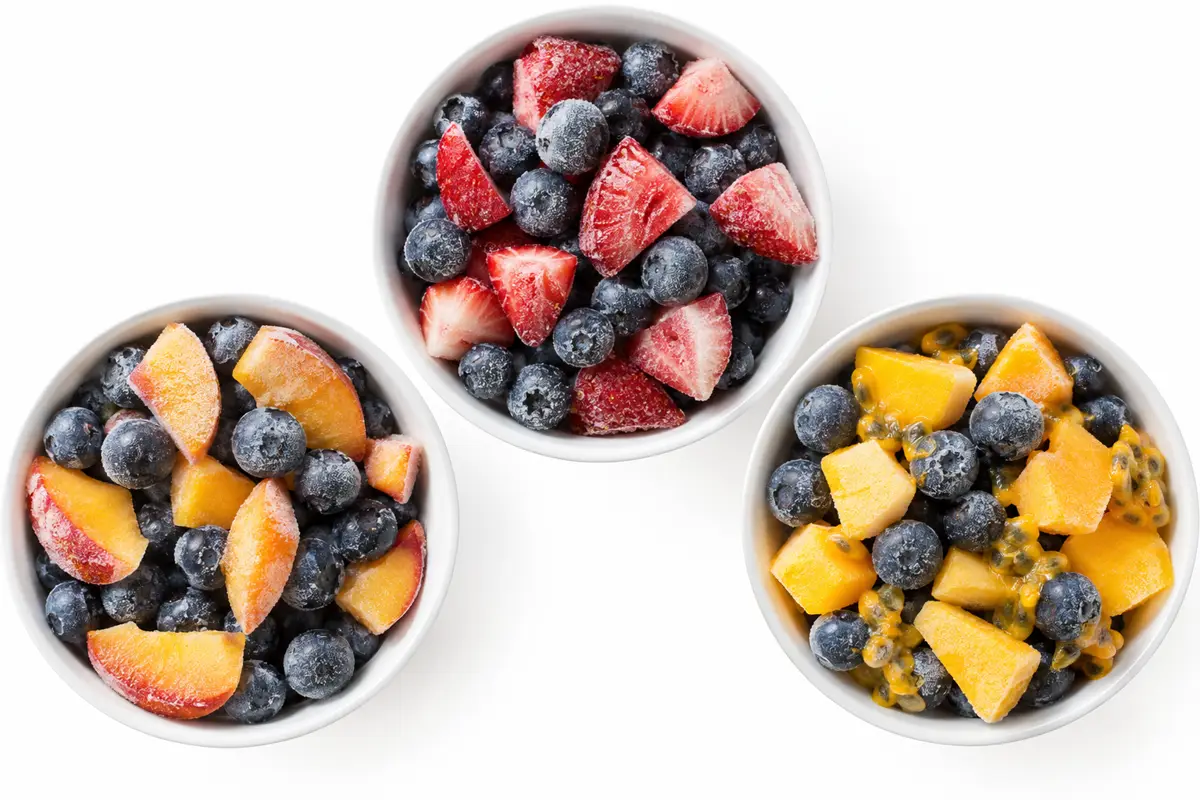
Frozen blueberry fruit blend options.
Watch the physical mix as closely as the taste. Fruit pieces of very different sizes can separate during handling, so one serving may contain mostly blueberries and another mostly larger pieces. Different fruits can also thaw and release juice at different rates. The image shows several possible frozen combinations; it is not a specification for a ready-made GreenLand mix.
For a repeat program, define fruit proportions by weight, acceptable size distribution and whether all components are individually quick frozen. Ask whether you need a custom blend or separate components to combine in your own plant. A small pilot packed and handled like the final product will reveal more than a tabletop flavor tasting.
For a mixed frozen fruit bag, first decide whether the consumer is expected to eat the fruit as separate pieces or blend it completely. A smoothie mix can tolerate some variation in piece appearance if every portion contains a predictable fruit ratio and feeds the blender. A retail dessert or breakfast mix needs a more deliberate visual balance. Blueberries are small and can settle among large strawberry or mango pieces. A bag may have the correct overall recipe by weight while individual servings differ. Test the mix after filling, shipping simulation and pouring several portions from the same pack.
The partner fruit also changes thaw behavior. Raspberries are fragile and may break sooner than blueberries; mango pieces can remain firmer and feel larger in a spoonful. If a chilled fruit cup is the intended use, observe juice release and color transfer after the expected thaw and hold. If the blend will be baked, test how the different fruits release moisture in the same product. Write the fruit proportions, size grades, acceptable broken pieces and packing conditions into the purchase brief. A sample assembled by hand from ideal pieces may not represent a production run, so approve a packed trial made using the proposed process.
Choosing whole berries or puree for a repeatable formula
The first choice is what a customer should see and feel. Whole frozen blueberries support visible inclusions in bakery, dairy and fruit mixes. Puree can help distribute color and flavor through a beverage, sauce or swirl. Each has different handling and specification needs. Ask about berry size, broken-fruit tolerance, free flow and thawed condition for whole fruit; for puree, discuss concentration, particle size, pack format and whether any sweetener is included.

Whole cultivated blueberries held in a hand above a lot.
The two GreenLand product photographs in this section show real cultivated blueberries from different views. They confirm the photographed product's appearance, but do not establish the taste or processing behavior of a shipment. We need a representative sample and current lot details for that. In a purchase brief, state the application, fruit percentage or dose, desired color, packing, expected quantity and destination. If the formulation is sensitive to acidity or color, include a test method and acceptance range.

Close view of whole cultivated blueberries with visible bloom.
A good pairing is the one that survives production, transport and the consumer's first bite. Once your team selects the flavor direction, we can discuss the frozen blueberry form and lot that make it practical. This keeps recipe inspiration connected to measurable ingredient choices and a realistic supply plan.
Translate the selected pairing into a fruit specification. For visible inclusions, describe berry size, color, whole-fruit percentage, broken tolerance and the level of free flow needed for your depositor or manual portioning method. For a puree input, identify its fruit percentage, sweetening status, seed or skin expectations, concentration, pack format and dosing temperature. Ask for current lot data where those attributes matter to the formula. A product page can show the range of available frozen fruit, but the approved sample and written specification should define the actual purchase.
The same flavor direction may require different sourcing choices at different scales. A bakery can trial whole IQF berries directly, while a beverage line may need a prepared or pressed input. Compare cost per usable serving or kilogram of finished product rather than only the invoice price per kilogram of raw fruit. Include processing yield, labor, waste and any sugar or water already present in a derivative. Before volume commitment, run the current lot through the intended process and retain the sensory reference. If a future crop lot changes sweetness or berry size, the team can make a controlled adjustment instead of silently changing the flavor customers expect.
Use the retained reference to make supplier conversations specific. Instead of saying a replacement berry tastes weaker, describe the trial conditions, fruit dose, finished product and the sensory difference. Note whether color, acidity, berry integrity or aroma changed. Some differences can be managed through formulation, while others may require a different grade or lot. Agree in advance which changes trigger a new sample approval and who can authorize it. This makes a flavor pairing repeatable across purchasing, product development and production teams, each of which sees a different part of the same ingredient decision.
For form details, review frozen cultivated blueberries when choosing a whole-berry inclusion for a trial.
Source frozen blueberry with GreenLand-food
GreenLand-food is a professional frozen blueberry supplier and manufacturer in China, providing factory-direct wholesale supply for importers, food manufacturers, foodservice distributors and private-label programs.
Send your product form, specification, packing, quantity, application, destination, private-label needs and requested documents. We can discuss the available lot and a suitable sample.