


How Long Do Apples Last in the Fridge? Whole, Cut and Processing Fruit
Sep 28, 2026
Leave a message


Give a condition-dependent range for whole refrigerated apples
University and extension guidance offers different figures for refrigerated whole apples. One source may describe a few weeks of typical home quality; another may allow longer under very good storage conditions. These are not necessarily contradictions. They reflect different fruit, starting condition, humidity, temperature and definitions of "last." A sound apple still pleasant for cooking may no longer meet the appearance standard for premium fresh sale.
For a household, the practical approach is to keep sound whole apples cold in a suitable crisper, check them periodically and use damaged fruit sooner. For a food business, the approach needs a documented specification and stock-rotation rule. Record receiving date, lot, temperature and the intended use. A frozen storage claim from a supplier is not a substitute for checking how the fruit was treated before delivery.
The fridge itself can vary. The door is warmer and changes temperature frequently; a crisper drawer is usually a better place for whole apples. Crowding, dry air and repeated warm handling can reduce quality. A thermometer helps reveal whether the actual space matches the intended cold-holding conditions. The relevant temperature limit and monitoring procedure for a commercial operation should come from its food safety plan and local requirements.

Illustrative ventilated crisper drawer with sound whole apples and thermometer, realistic household condition.
Variety and maturity alter the baseline. A firm apple harvested and handled for storage can behave differently from a soft or overripe fruit bought near the end of its retail life. Even within one bag, bruises or skin breaks can make individual apples deteriorate faster. That is why a precise "two weeks" or "six weeks" answer, without any condition, can mislead a buyer.
Quality and safety should be considered separately. Loss of crispness, wrinkling or mild flavor decline may make an apple unsuitable for a fresh display yet potentially usable in a properly controlled cooked product. Visible mold, rot, strong off odor or extensive decay calls for rejection and the business's established disposal procedure. Do not trim obviously spoiled fruit into a commercial batch on the assumption that refrigeration has kept it safe.
The crisper photograph in this section illustrates sound whole apples and temperature awareness. It is not a measured shelf-life experiment. The buyer's decision must be based on actual fruit condition, storage records and the standard for the intended product.
When someone asks for a day count, clarify which endpoint they mean. "Still safe," "still crisp enough to eat raw," "suitable for cutting into visible dice" and "usable in a cooked filling" are not equivalent. A product may fail one quality target before it fails another. For business purchasing, the specification should name the endpoint and the inspection method. Then an internal holding limit can be set from actual lot performance and the operation's controls rather than borrowed from a general consumer table.
A household can use the same logic on a smaller scale. Keep a newly purchased bag separate from older apples, check the older fruit first and use bruised but otherwise sound fruit promptly according to appropriate handling. A company, however, should document that rotation and the reject decision so different shifts make the same call.
Understand why the incoming fruit changes the clock
The storage clock starts before a buyer places apples in a fridge. Fruit may have spent time in an orchard bin, commercial cold room, transport vehicle or retail display. Unless that history is known, a new receiving date is not a new harvest date. An apple that looks sound at arrival may still have less usable life than a freshly handled lot from a well-controlled channel.
At intake, inspect a representative sample for bruising, cuts, soft areas, shriveling, mold, off odor and insect or foreign-material issues. Check package condition and any available temperature or traceability records. Sort out defective pieces promptly; one spoiled apple can complicate handling of its neighbors. Keep lots identified so a later quality problem can be connected to its source.
Decide the destination of each quality category before storage. Sound, firm apples intended for visible pieces may have a stricter threshold than apples going into a cooked puree. That does not mean poor-quality fruit should be routed to processing. It means acceptable cosmetic variation and functional quality need to be defined for each application. A processing specification should still reject decay, contamination and defects outside the agreed limits.
For a small operation, date containers and use the earliest suitable lot first, while inspecting it again before cutting. For an industrial line, receiving and release records should connect supplier lot, sampled condition, storage location and production batch. If the incoming sample differs from the approved standard, hold the lot for a quality decision rather than assuming a longer fridge stay will solve it.
When testing usable yield, count sound fruit that becomes acceptable cut pieces after washing, peeling and trimming under normal procedures. Record the rejected fruit separately. This gives a better purchase comparison than the gross crate weight. It also reveals whether a lot's hidden bruising or softening creates excessive labor at the cutting line.

Illustrative sampling tray with sound and visibly bruised whole apples for intake inspection; no misleading fixed dates.
The intake image is an illustration of sound and bruised apples on a sampling table. It is deliberately not a pass/fail chart. The appropriate defect limits depend on the product specification and the buyer's approved food safety and quality procedures.
Supplier communication can prevent a surprising loss of usable life. Ask whether the apples were intended for immediate sale, long storage or processing and request the available harvest, packing and storage information relevant to the contract. A buyer may not receive every orchard detail, but it should know the agreed quality grade and how a complaint can be traced to a lot. If the first delivery shows more bruising than the approved sample, address it at receipt. Moving the fruit to a colder room will not reverse tissue damage.
Consider handling during unloading as part of the storage plan. Fruit left on a warm dock while paperwork is resolved begins the buyer's process under avoidable stress. Organize inspection, lot labeling and placement into the appropriate cold area so the documented procedure is practical at peak delivery time. Good refrigeration cannot compensate for a long uncontrolled gap before it starts.
Treat cut apples as a separate chilled product
Cutting removes the apple's protective skin and exposes moist tissue to oxygen and handling surfaces. Browning can begin quickly as an enzymatic quality change. Microbiological risk also depends on sanitation, time and temperature. A cut apple therefore should not inherit the whole apple's "weeks in the fridge" estimate. Refrigerate it promptly, protect it from contamination and follow the business's validated time limit.
The FDA advises consumers to refrigerate perishable produce after cutting and to discard cut produce left at room temperature beyond its stated time guidance. A food manufacturer should follow its own approved process and applicable rules, which may include more specific limits. A short counter display or a casual overnight test cannot establish the shelf life of a prepared apple ingredient.
Packaging affects appearance and handling. A covered, clean container reduces exposure and cross-contamination, while appropriate anti-browning treatment or formulation can slow discoloration in some products. It does not make damaged raw fruit acceptable or prove microbiological safety. The best approach is to define the target color, cut size, process and intended holding period, then validate the complete system.
When comparing fresh cut and frozen apple pieces, be specific about where each product enters the line. A freshly cut apple may be used immediately in a chilled pack; a frozen dice may go directly into a cooked filling. If a frozen piece is thawed before use, released juice and softer texture may affect the result. The comparison should be made at equal usable fruit contribution, not simply by comparing one kilogram of each at purchase.
Visual quality should be evaluated at the moment the customer sees the fruit. Mild browning on cut surfaces can be unacceptable in a clear fruit cup but irrelevant in a spiced baked filling. A processor may still reject it for other reasons. Establish the rule in the finished-product context, with a trained sensory or quality review, rather than treating every color change as identical.

Illustrative cut apple pieces in covered chilled container, some exposed surfaces beginning to brown; visual distinction between appearance and safety.
The cut-apple image illustrates pale and mildly browned surfaces in a covered container. It should not be used to decide whether any real food is safe to eat. Actual safety decisions need source condition, hygienic handling, time and temperature records, and the approved process.
Cut size changes both appearance and workflow. Thin slices present more exposed surface than large chunks, so visible browning can arrive sooner under the same handling. Small dice can be easier to mix but harder to inspect one piece at a time. Define the cut and package before choosing an anti-browning treatment or storage limit. A trial that uses wedges does not automatically validate a retail pack of tiny cubes.
Cleaning and separation matter as well. Wash apples with the approved method, use clean equipment and prevent contact between raw materials or work areas that the food safety plan keeps separate. If cut fruit is packed ready to eat, the control plan must cover the entire wash, cut, pack and distribution route. Refrigeration is one part of that plan, not a cure for contamination introduced at the cutting table.
Use temperature, humidity and ethylene controls
Cold slows quality loss, but the fridge has to function as intended. Use a suitable cold space, verify temperature with a thermometer and avoid repeatedly leaving fruit at ambient conditions during picking or preparation. Commercial storage parameters depend on the operation's validated procedure. A statement such as "keep refrigerated" is too vague if staff do not know where to measure and what action to take when the space warms.
Whole apples benefit from conditions that reduce moisture loss without trapping decay-promoting free water around damaged fruit. A crisper or ventilated produce container can help at home. In a commercial environment, bins, air circulation, humidity control and stock rotation need to match the operation. Wash produce under the appropriate procedure before cutting rather than leaving washed fruit wet for extended storage without a reason.
Apples also produce ethylene, a natural ripening gas. Some neighboring produce is sensitive to ethylene and can lose quality faster when stored near apples. Keep storage zones organized where practical. This is a quality-management point, not an instruction that every refrigerator needs a sealed chamber. The most important priority remains sound fruit, correct cold holding and a clear use order.
Avoid loading a fridge with warm fruit so heavily that it cannot recover. A domestic unit and a commercial cold room have different capacity. For a factory, the quality team should define loading, monitoring and corrective action for excursions. For a small kitchen, a simple thermometer and modest, dated batches are a better control than relying on the temperature setting dial alone.
For frozen apple pieces, the storage route is different: hold at the agreed frozen temperature, keep bags sealed and identified, and prevent repeated thaw/refreeze cycles. A buyer should ask for the supplier's storage specification and check the incoming shipment. The choice between whole chilled apples and frozen processed apples is partly a choice about which preparation work and inventory controls the kitchen will own.

Illustrative separate produce drawer zones for apples and ethylene-sensitive vegetables with a thermometer; no text labels.
The storage image shows apples and ethylene-sensitive vegetables in separate refrigerator zones. It is an illustration, not a claim that separation alone guarantees a longer apple shelf life.
Temperature records should lead to action. If a commercial chiller runs warm, the team needs a way to identify affected lots, assess exposure and decide on release or rejection. Merely collecting readings after the fact has little value. For a small kitchen, a simple check at opening and after a large restock can reveal an overloaded or poorly recovering fridge. For a manufacturer, automated monitoring and alarm response may be appropriate to the scale and risk.
Avoid interpreting a cool surface reading as proof that the center of a newly loaded crate has cooled. Airflow and load size affect pull-down. The storage procedure should match the volume handled and the equipment available. This is another reason why a generic number of fridge days cannot be transferred directly between a home drawer and a warehouse operation.
Inspect lots before processing or freezing
A date label is useful for rotation, but final acceptance happens when fruit is prepared. Inspect whole apples again before washing and cutting. A fruit that looked sound on Monday may have a new soft area by Friday. Cut a representative sample to check internal browning or breakdown when the product requires clean visible pieces. Follow the operation's reject criteria for mold, decay, off odor and other defects.
For a fresh visible fruit program, firmness and color may be tight specifications. A cooked sauce can tolerate a different texture range, but it still needs sound raw material and a controlled process. If the product is sold ready to eat, sanitation and validated controls for fresh-cut produce are central. The FDA's fresh-cut guidance provides a regulatory reference for reducing microbial hazards in such operations; a simple fridge-day estimate is not a process plan.
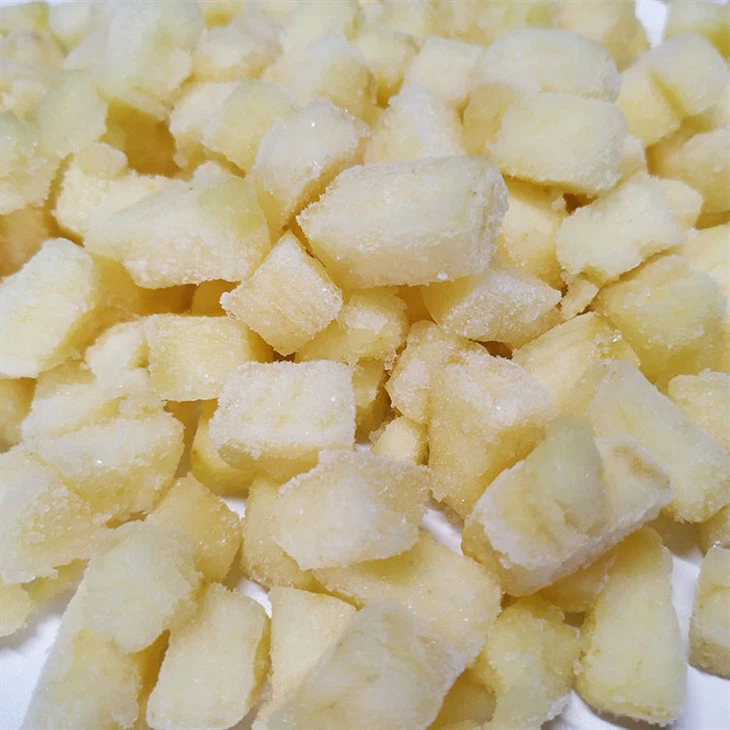
GreenLand frozen apple product photograph: actual frozen apple dice help show the quality state expected after sound-raw-fruit processing.
Compare actual yield, labor and waste. If repeated inspections show that whole apples lose substantial usable mass during a long holding period, the economic case may favor more frequent fresh deliveries or an approved frozen cut. Frozen apple dice remove some peeling and cutting steps, yet the buyer still needs to verify piece size, peel, browning, pack integrity and use in the finished recipe.
For a production trial, weigh whole apples received, rejected fruit, peel/core trim and finished acceptable pieces. For frozen apple, record the quantity charged to the batch, broken-piece allowance and any thaw liquid disposition. This allows a comparison per usable kilogram or finished serving. A lower purchase price is not automatically a lower production cost.
The GreenLand frozen apple photograph shows an actual cut ingredient. It is a reference for discussing a processed form, not evidence that a buyer can skip receiving inspection or treat the product as ready to eat without following its specification.
If a lot is questionable, stop and document the issue before deciding its use. A team may be tempted to "save" apples by cooking them, but heat cannot make every defective or contaminated raw material suitable. Follow the approved disposition and food safety decision, including rejection where required. A clear record protects both the supplier conversation and the finished product.
Choose immediate use, further processing or rejection
Whole refrigerated apples make sense when a kitchen wants flexibility in cut, has space and labor to process sound fruit, and can use deliveries before quality declines. Frozen apple pieces can make sense when a manufacturer wants a defined cut, predictable portioning and a longer planned inventory route under proper frozen storage. The better route depends on product appearance, process steps, usable yield, volume and the cold chain.
Define the intended apple ingredient in the purchasing brief. For a frozen cut, specify dimensions, peel status, color and browning allowance, broken-piece tolerance, pack size, storage condition and traceability documents. For whole fresh fruit, specify acceptable variety or range, maturity, firmness, defects and delivery frequency. Include a test in the real recipe because a frozen piece's texture after thawing or heating may not match a freshly cut piece.
Build a simple operational comparison. What is the cost per usable fruit kilogram after trimming or drained liquid? How much staff time does washing, peeling and cutting require? What is the risk of unsold or spoiled inventory? Can the line accept a pre-cut size consistently? Is there space for the required chilled or frozen stock? A few measured pilot batches often answer these questions better than a generic refrigerator shelf-life chart.
If a buyer switches from fresh whole apples to frozen pieces, update the formulation and handling instructions. Add frozen fruit directly only when the process has been tested for that route; if thawing is required, use a controlled plan and account for released liquid. Confirm labeling and any market-specific requirements for the ingredient. The supplier should provide a current specification and representative sample, and the buyer should approve the result after the intended storage and processing steps.

GreenLand frozen apple product photograph: actual apple chunks demonstrate a final use for sound apples selected for processing.
GreenLand-food can discuss frozen apple dice and chunks for wholesale manufacturing or distribution. Send the application, required cut, peel preference, target quality, forecast volume and destination. We can confirm available forms and a sample route. For a current crate of whole apples, however, the safest and most useful answer remains to inspect the fruit, maintain proper cold storage and apply the operation's validated use limits rather than trust a universal day count.
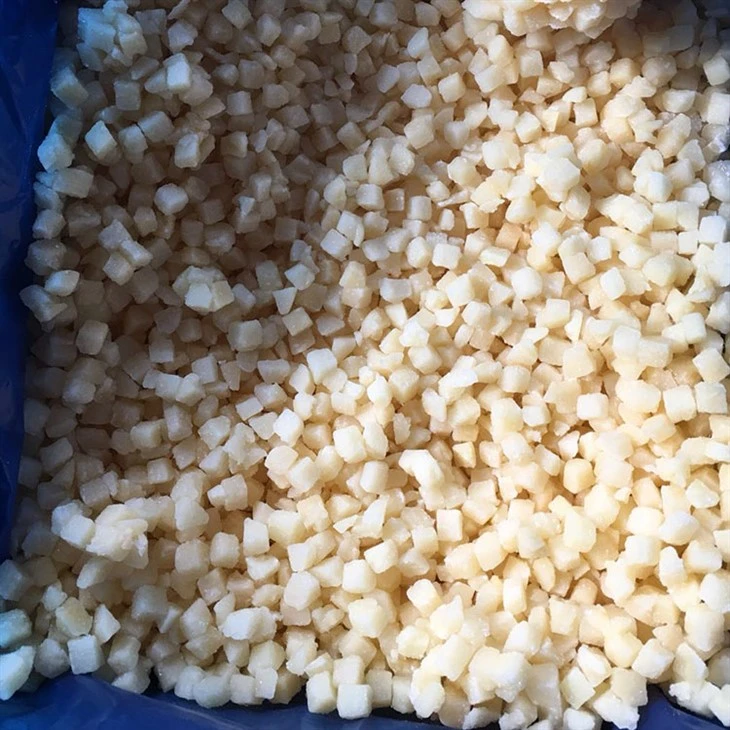
GreenLand frozen apple product photograph: another actual apple form supports a cut and peel suitability comparison.
When comparing options, keep the test practical: run a representative batch with apples at the beginning and near the end of the planned holding window, and another with the proposed frozen cut. Record labor time, acceptable piece yield, visible quality and finished-product performance. A buyer can then choose the route that reliably meets the product standard at the total delivered cost. If the fresh route becomes unpredictable in a particular season, that evidence supports a planned switch instead of a rushed substitution after inventory has already deteriorated.
Source Frozen Apple with GreenLand-food
GreenLand-food is a professional frozen apple supplier and manufacturer in China, providing factory-direct wholesale supply for importers, food manufacturers, distributors and private-label programs.
Send the product form, specification, packing, quantity, application, destination, private-label needs and requested documents. We will confirm the current offer and representative sample route.