


Edamame Sugar Rankings Can Reverse During Boiling as Maltose Forms
Oct 09, 2026
Leave a message

An illustrative ingredient buyer might ask GreenLand whether a raw high-sugar cultivar should automatically remain the sweeter-performing option after the intended cooking step. We would clarify the actual supplied frozen form, pretreatment and customer preparation, then compare matched raw and cooked samples at the stage that matters. This is a constructed buyer scenario, not a past customer inquiry or a claim that GreenLand-food supplies the study cultivars.
A raw sugar leader need not stay ahead after cooking
"High sugar" sounds like a single product attribute, but the material stage changes the answer. A raw edamame seed contains several free sugars, with sucrose prominent in the source experiment. Heating can change the profile: some sucrose may be lost to cooking water while maltose can be formed from starch during the heating path. A cultivar's raw total is therefore an incomplete forecast of its cooked total. The buyer should decide whether the selection target is the raw ingredient certificate, the cooked chemical profile, or the sensory performance of the final food before ranking suppliers or cultivars.
The original paper by Nomura and colleagues compared seven vegetable soybean cultivars. In its raw samples, 'Fuki' had the highest total free sugar; after the tested boiling treatment, it had the lowest total among those cultivars. 'Shin-Tamba-Guro' was highest after boiling in that set. This is a clear example of a ranking reversal, but the named cultivars and conditions belong to that study. The analytical samples were handled for laboratory work, and any freezing of those samples before analysis should not be mistaken for a commercial IQF processing trial. A buyer should not copy the research ranking into a frozen-edamame order without testing the offered product.

Schematic original-study Fuki ranking reversal; block dimensions are not measured quantities or GreenLand lot data
Chemical total and perceived sweetness are also distinct. Sucrose, maltose, glucose and fructose do not have identical sweetness intensity, and the impression of a cooked bean includes texture, aroma, salt, serving temperature and other food components. A total-free-sugar chart sums measured mass on a stated basis; it does not represent a panel score. The processor choosing edamame for a lightly salted snack may prioritize sweetness and tender bite, while a ready-meal manufacturer may be more concerned with color, firmness and how the beans taste after sauce and reheating. The same raw sugar result may have different practical value in those products.
The stage distinction has immediate procurement consequences. If a supplier's certificate reports raw kernels and the customer's product is served after boiling, the purchasing team needs a bridge from the certificate to the cooked result. That bridge can be a small controlled application trial using representative frozen lots. If the customer receives pre-blanched IQF kernels, it must know the pretreatment history before designing the test. A second boil, steam or microwave reheat may not reproduce the fresh-seed experiment. The trial should use the customer's actual route and define the endpoint, rather than assuming "boiled edamame" describes one universal treatment.
Edamame is harvested immature for its green color, pod fill and tender seed. Harvest maturity, time from field to processing and storage conditions can change the raw material before any comparison begins. Those factors do not erase the paper's ranking reversal, but they mean a commercial choice needs lot information and repeated samples. We would first confirm whether the requested supply is in-pod edamame or shelled kernels, the grade and size, blanching status, packing and intended use. A raw cultivar name alone is too thin a specification for a frozen ingredient whose performance will be judged after another preparation step.
One way to communicate the decision is to keep three columns in the trial record: raw profile, cooked profile, and finished sensory judgment. Record sucrose, maltose and total free sugar on a common mass basis in the first two, then separately score sweetness, bean flavor, texture and appearance in the third. A cultivar may lead one column and not another. The original experiment directly demonstrates that possibility for the chemical columns. It does not provide the sensory column or the commercial IQF column; those must be measured with the customer's material and process.
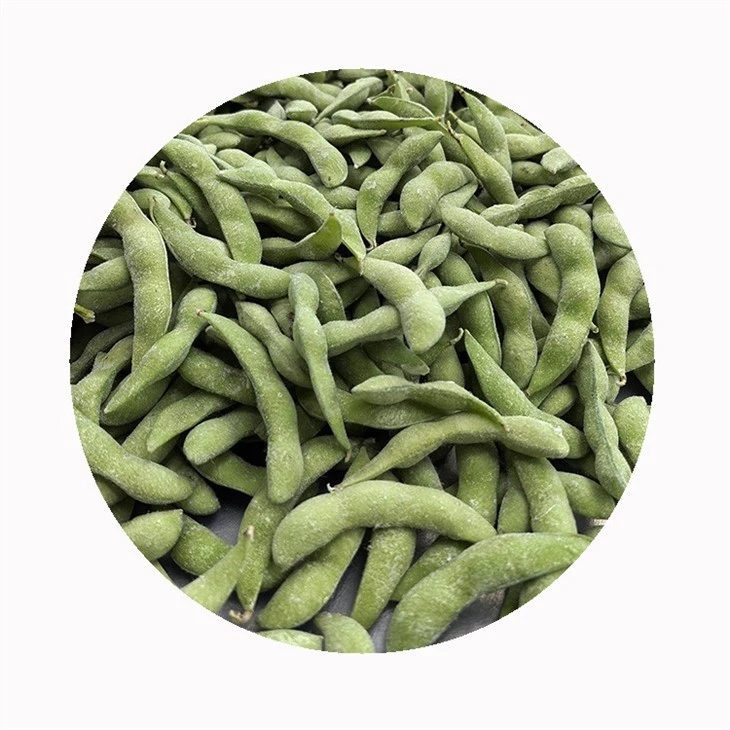
In-pod IQF edamame documents offered form
Boiling changed individual sugars in the original comparison
The published experiment is more informative when individual sugars are read, not only the total. The authors reported sucrose as about ninety percent of the total free sugar in raw samples, with smaller amounts of glucose and fructose. After boiling, most tested cultivars showed some sucrose reduction and produced substantial maltose. 'Fuki' was the notable exception in the reported maltose formation, while its raw sugar advantage did not carry through to the boiled total. The conclusion is about measured composition in that specific study, not a universal percentage loss for every edamame lot.
Maltose formation is related to starch and enzymes during heating, but the route is conditional. Starch needs to become accessible as temperature rises, and enzyme activity has its own temperature window. A seed's initial sucrose concentration cannot encode those thermal behaviors. Later research on black soybean edamame connected maltose production with starch gelatinization properties and maturity effects. That work helps explain why a raw composition snapshot may be a poor selection tool for cooked performance. It does not mean a buyer can infer a commercial lot's maltose gain from appearance or a single cultivar label.
The boiling water is part of the analytical story. Soluble sugars can migrate from the seed into water, while reactions within the seed create other sugars. A profile measured in the cooked seed alone is not a complete mass balance of seed plus water. For a product served drained, the seed composition is highly relevant; for a soup or sauce that retains the cooking liquid, the eating matrix is different. A trial should define whether the seed, cooking liquid or complete dish is analyzed. The original study's reported values are on a fresh-weight basis for its sampled seeds. Direct comparison to a dry-weight commercial certificate requires moisture data and careful conversion.

Boiling and draining transition
If a manufacturer intends to use frozen edamame in a bowl, it may heat shelled beans briefly and drain them. Another manufacturer may add them to a ready meal before a longer heat cycle and chilled hold. The thermal path, water contact and final serving conditions differ, so sugar composition and sensory character may differ as well. The published treatment time is a research condition, not a recommended commercial process time. We would ask the buyer to specify the step at which edamame enters its line and the state in which consumers encounter it. The ingredient trial should recreate that route as closely as feasible.
The most useful small-scale test uses paired material from the same candidate lot. Divide a representative sample, analyze one portion at the defined incoming stage and cook another under the target preparation. State whether measurements are made on drained kernels, in-pod beans, or homogenized finished product. Record cooking water ratio, temperature profile, load, drain time and cooling or hold step when they affect the comparison. Replicate the measurements so a small difference is not treated as a ranking change when it sits within sampling variation. When comparing two lots, keep all preparation details common.
A result sheet should avoid the phrase "sugar increased" without naming which sugar and basis. Sucrose may decline while maltose rises; total free sugar can change in either direction depending on the combination. Moisture uptake or loss can also alter a concentration per 100 grams of product. An absolute mass balance would need additional measurements beyond a simple concentration table. For an ingredient decision, paired profiles and a finished-product test may be enough, provided the limits are stated. The laboratory's precise figures are useful because they show the profile shift; their role is not to replace a customer-specific acceptance criterion.
Research context: original seven-cultivar edamame study. These sources describe their own tested material and conditions.
A single enzyme activity did not explain the difference
The source study measured beta-amylase activity and starch-related properties to explore maltose production. It did not find that one beta-amylase activity value or the original starch amount alone explained the observed cultivar differences. 'Fuki' had lower measured beta-amylase activity than the other cultivars in the described comparison, but "lower" is not "absent." A buyer should not say that it had no enzyme or that a named cultivar will always produce no maltose under every preparation. The defensible statement is limited to what the tested material did after the tested boiling treatment.
The distinction between an enzyme being present and its substrate being accessible is important. Starch in a seed has physical structure, and heating changes that structure. A later edamame study examined starch gelatinization and found associations with maltose productivity. Those results suggest why a single enzyme activity measurement may not predict the final cooked sugar profile. They do not supply a quick formula for a commercial frozen lot, because cultivar, maturity, pretreatment and heating path still matter. The topic here is the stage at which candidates are ranked; a full process model would require its own controlled investigation.

Heated green soybean interior
An enzyme test can still be useful when its question is clear. It can help compare raw biological potential under a specified laboratory condition, just as a starch measurement can describe initial composition. Neither necessarily predicts the amount of maltose in a consumer-ready portion without knowing the heat exposure and material state. This is why a procurement sheet with one "sweetness enzyme" or "starch" line can mislead a team. Use those measurements as supporting evidence, then measure the cooked sugar profile and sensory result if the finished product depends on them.
Commercial IQF edamame introduces an additional distinction. A frozen product may have undergone washing, blanching, cooling and quick freezing before the customer receives it. Blanching is designed for quality stabilization and may alter enzyme activity and soluble components. The source paper tested fresh vegetable soybeans after its own sample handling and boiling protocol. It did not compare GreenLand-food frozen products with or without blanching. A buyer should therefore confirm the supplied pretreatment in the product specification and not use the research figures as expected gains during reheating of IQF kernels.
It is tempting to turn the highest-boiled-maltose cultivar into a sourcing recommendation. The study offers a hypothesis for screening, yet commercial choice also depends on availability, grade, pod appearance, yield, size, texture, food safety documentation and performance in the customer's intended preparation. If the buyer can obtain a named cultivar, a representative lot still needs testing. If cultivar identity is not controlled in an existing frozen program, the first practical requirement may be a stable sensory and specification standard rather than a promise about enzyme activity. We should not claim GreenLand-food supplies a research cultivar unless that supply is actually confirmed.
The most reliable wording for a trial report is plain: the tested samples had a specified raw sugar profile; after a specified cooking route, their sucrose and maltose values and total free sugar changed; the sensory panel observed a separately recorded result. A mechanism may be discussed as an interpretation supported by appropriate measurements, not inserted as a substitute for the result. That leaves room to explain why a raw leader lost its chemical lead without pretending that one biochemical number settled every cultivar and process.
Compare matched raw and cooked ingredient samples
A fair comparison begins with the same physical basis. If two candidates are purchased as frozen shelled beans, sample both at the received frozen stage and prepare both through the same customer heating cycle. If one is in pod and the other shelled, the forms already differ in heating and water exposure, so make that a deliberate form comparison rather than a disguised cultivar contest. Record the exact offered product, lot, harvest or processing period when available, blanching status and storage history. A representative lot sample should come from more than a preferred display bag when the decision will cover a shipment.
For analytical work, specify the chemical method, sample preparation and denominator. The raw or incoming sample and the cooked sample should be analyzed for individual sugars on a common fresh-weight or dry-weight basis with moisture measured as needed. Keep a retained portion and the cooking record. If the cooked portion is drained, standardize drain time before weighing. If the meal includes cooking liquid, analyze or taste the matrix that the consumer actually receives. A ranking is only meaningful when the same metric is measured on equivalent material at equivalent stages.
Sensory evaluation belongs beside the chemistry. Serve coded, randomized samples at the same temperature and without a strongly masking sauce in an initial ingredient test. Ask panelists about sweetness, bean flavor, tenderness, mealiness and overall fit for the intended use. A second test in the real recipe can show whether any ingredient difference survives seasoning, mixing, reheating and hold. The original paper did not report a finished commercial sensory ranking, so a buyer who needs a taste decision should collect that evidence rather than converting grams of sugar into a sweetness score.

Matched incoming and cooked samples
Variability should be visible. Replicate the laboratory measurements and include multiple representative lots when supplier approval has long-term consequences. A raw-to-cooked change observed once may reflect sample heterogeneity or preparation error. A documented sample plan and identical cook route make it possible to tell a stable candidate difference from noise. If the highest raw sugar lot does not lead after cooking, record the specific profile movement and repeat under the same procedure before changing the buying standard. The source study proves such a reversal can occur; it does not establish how often it will occur in a commercial supply program.
The trial can also capture product quality relevant to frozen distribution. Evaluate free-flowing condition, clumping, frost, color after cooking, broken beans, pod defects when in pod, and texture after the customer's hold. Temperature abuse can affect appearance and flavor independently of the research sugar mechanism. Separate those observations from the chemical profile. A lot with appealing cooked sweetness but unacceptable foreign matter or damaged packaging is not suitable for release. Conversely, a compliant frozen lot may need a different final recipe to meet a sweetness target. Approval combines food safety, specification and application fit.
At GreenLand-food, we would use the matched trial to clarify the ingredient brief. The buyer should send the desired in-pod or shelled form, grade, size, packing, quantity, destination, processing stage, final application and requested documents. If raw and cooked sugar reports are being compared, include the sampling basis and treatment conditions for both. Those details let the teams distinguish a genuinely different cooked outcome from a mismatch in form, method or reporting unit. They also prevent an old laboratory cultivar ranking from becoming an unsupported promise attached to a current frozen lot.
Select for the customer cooking stage
The approved sample should resemble the product at the stage the customer needs to control. For an in-pod snack, that may be the served pod and seed after the restaurant's boil or steam. For a ready meal, it may be the shelled kernel after assembly, reheating and a defined hold. For a cold salad, the product may be heated according to its specification, cooled and served with dressing. Each route changes the sensory context and sometimes the measured sugar profile. A raw certificate remains useful for identity and trend monitoring, but its total free sugar cannot by itself settle the final eating result.
Write the buying standard around observable and verifiable attributes: frozen form, cut or pod grade, maturity indicators, color, damaged pieces, packaging integrity, temperature condition, traceability, applicable safety and residue documents, and a signed cooked reference sample where flavor is critical. If the customer chooses to monitor sugars routinely, define sucrose, maltose and total free sugar separately, with method, sampling plan, reporting basis and the stage tested. A single "sweet" label is too vague. Where full chromatographic testing is disproportionate, periodic qualification plus a sensory reference may be more practical, provided the team understands what the routine check can and cannot infer.

Finished foodservice edamame context
The original seven-cultivar work suggests a direct selection rule: do not rank cooked edamame solely from raw total sugar. It does not prescribe a universal boiling time or an ideal cultivar for GreenLand-food supply. A processor should validate its own cooking step for the actual frozen ingredient, including any earlier blanching. It should then choose the candidate that meets the finished product's flavor and texture goals while satisfying normal commercial requirements. If two candidates are close, supply consistency, pack format, lead time and destination documentation may determine the better purchase.
The illustrative buyer scenario can be answered with a small but complete package: raw and cooked sugar profiles on a common basis, the supplied IQF pretreatment record, a matched customer cook trial, sensory notes and a representative lot sample. If the raw high-sugar choice remains preferred after cooking, the trial confirms it for that use. If the rank changes, the team can see whether maltose formation, sucrose loss or other measured factors accompany the shift, while keeping the sensory judgment separate. Either result is valuable because it replaces an assumption with evidence tied to the customer's stage.

Shelled IQF edamame documents offered form
We supply frozen edamame as an ingredient, in pod or shelled according to the confirmed specification. We can help purchasing teams define the offered form, sample basis, packing and supporting documents. The customer's process and finished product determine the cooking test. Once the stage, metric and sample are aligned, the unusual result in the original paper becomes a practical warning against premature ranking rather than a claim about every edamame lot. That is the right place to decide whether a raw sugar lead actually matters.
The sign-off record should preserve the details needed to repeat the decision at renewal. Keep the sample identity, whether it was in pod or shelled, the frozen storage conditions, the heating route, the drain or cooling step and the exact sensory serving condition with the agreed reference. If a later lot appears less sweet, that record helps the customer separate an ingredient shift from a longer boil, a different water ratio or a recipe change. The first response should be a matched retest at the approved serving stage, with raw and cooked chemistry added if it will resolve the question. A raw total-sugar certificate alone cannot explain a cooked complaint.
For procurement, the useful question is therefore narrower than "which edamame is sweetest?" It is which offered frozen lot consistently meets the customer's documented eating and specification target after its normal preparation. That target can include sweetness, but also texture, color, pod quality where relevant, pack integrity and reliable supply. The published cultivar result makes a good reason to run that trial carefully; the customer's own matched outcome determines whether the purchase is approved.
Source Frozen Edamame with GreenLand-food
GreenLand-food is a professional frozen edamame supplier and manufacturer in China, providing factory-direct wholesale supply for importers, food manufacturers, foodservice distributors and private-label programs.
Send your product form, specification, packing, quantity, application, destination, private-label needs and requested documents so we can confirm a relevant sample and supply brief.