


How to Make Frosted Cranberries with Fresh or Frozen Fruit
Sep 23, 2026
Leave a message

APPLICATION GUIDE
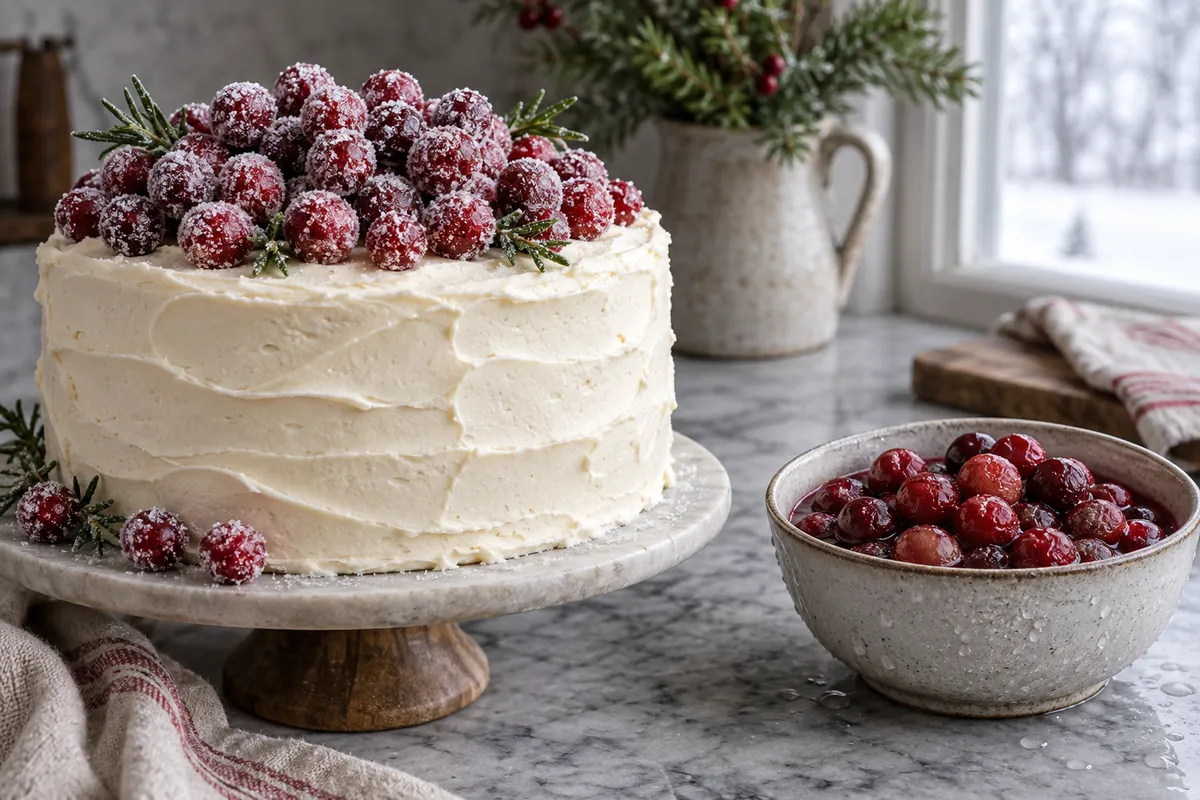
For a dry, sparkling frosted cranberry with an even sugar shell, use fresh, firm cranberries. Coat them in warm simple syrup, let the surface dry until tacky rather than wet, then roll them in dry granulated sugar and leave them in a single layer. Frozen cranberries are a different material after thawing: ice crystals weaken their skins, released juice dissolves the coating, and condensation makes clean crystal adhesion unreliable. They can still be useful when the garnish is rustic, served cold and used quickly, but they should not be promised as a like-for-like decorative substitute. That distinction matters in catering and bakery work because a garnish judged on appearance needs a tighter raw-material specification than fruit headed for sauce or baking.
| Decision | Starting point | Why it matters |
|---|---|---|
| Fresh, firm fruit | Sharp decorative sugar shell | Best route for cakes, platters and cocktail picks. |
| Thawed frozen fruit | Softer, wetter, irregular coating | Use only where a rustic appearance and quick service are acceptable. |
| Frozen fruit cooked first | Compote or glaze, not frosted berries | A strong use of frozen input, but it is a different garnish. |
| Holding | Cool, dry, single layer | Humidity and sealed condensation dissolve the sugar surface. |
Fresh cranberries give the cleanest frosted finish

Working decision: Fresh fruit offers intact skins and a dry, firm surface that can carry syrup evenly and keep sugar crystals distinct. The practical test is the finished application, not the appearance of the ingredient on its own.
The sugar layer depends on a thin syrup film becoming tacky. Intact skins limit juice leakage and allow that film to remain separate from the fruit interior. This is why a useful specification names the intended product behavior as well as the raw material. A berry can meet an incoming appearance check and still perform poorly if the process was designed around a different temperature, particle size or water balance.
A controlled bench method
- Choose firm berries of reasonably even size.
- Keep them cool and dry before coating.
- Run a small adhesion test.
- Reserve the best-looking fruit for visible positions.
Run the first comparison in small, equal pans or containers. Change one variable at a time and keep a control beside the trial. Taste and observe at the intended serving temperature; warm fruit systems often seem sweeter, looser and more aromatic than the same product after chilling. If the product will be baked, frozen or held, the test is incomplete until it has passed that step.
The failure to watch
Very ripe, split or damp fruit creates wet spots where granulated sugar clumps or dissolves. Washing immediately before coating adds the same problem if berries are not dried fully. Correct the cause in the next measured pilot rather than rescuing every batch with unrecorded additions. Rescue work can be sensible for a small kitchen, but it does not establish a formula that another shift can reproduce.
Look at the product again after it has rested. Fruit solids, dissolved sugar and hydrocolloids keep changing as temperature equalizes. A result released immediately from the pan can develop free liquid, a firmer gel or duller flavor later. The release point therefore needs a stated rest time and temperature.
Scaling and purchasing note
For a decorative program, specify firmness, color range, size range and defect tolerance rather than simply requesting cranberries. Appearance yield affects labor and cost. Scaling also changes pan depth, shear, heating rate and cooling time. Preserve ratios, but do not assume that multiplying ingredient weights reproduces the same process automatically.
When discussing frozen fruit with a supplier, share the use and the non-negotiable result. Whole-fruit integrity, broken-piece tolerance, packing size and crop character do not have equal value in every application. A clear brief lets the supplier propose a practical grade instead of treating the request as a generic price comparison.
Record what the team can repeat
Count accepted decorative berries against total fruit and photograph the coating after one and four hours. This gives a realistic usable-yield measure. Add the formula version, date, operator, lot code and one retained sample where the site's control plan permits. The record should be short enough to complete during work but precise enough to explain a complaint or a good result weeks later.
Sort fruit and prepare a coating syrup

Working decision: Sort before syrup touches the batch. A basic equal-weight sugar and water syrup is a useful starting point, but the coating step depends more on temperature and drying than on ornate flavors. A small controlled trial costs less than correcting a full production run after texture has drifted.
Warm syrup coats and sanitizes the process surface more evenly than a grainy mixture, while excessive heat can burst skins and start cooking the fruit. This is why a useful specification names the intended product behavior as well as the raw material. A berry can meet an incoming appearance check and still perform poorly if the process was designed around a different temperature, particle size or water balance.
A controlled bench method
- Remove soft, split and shriveled berries.
- Dissolve sugar in water without heavy caramelization.
- Cool the syrup from boiling to warm.
- Prepare racks, parchment and dry sugar before dipping.
Run the first comparison in small, equal pans or containers. Change one variable at a time and keep a control beside the trial. Taste and observe at the intended serving temperature; warm fruit systems often seem sweeter, looser and more aromatic than the same product after chilling. If the product will be baked, frozen or held, the test is incomplete until it has passed that step.
The failure to watch
Adding butter, starch or opaque icing changes the mechanism and does not make classic frosted cranberries. Strong spices can also stain or obscure the clear crystal appearance. Correct the cause in the next measured pilot rather than rescuing every batch with unrecorded additions. Rescue work can be sensible for a small kitchen, but it does not establish a formula that another shift can reproduce.
Look at the product again after it has rested. Fruit solids, dissolved sugar and hydrocolloids keep changing as temperature equalizes. A result released immediately from the pan can develop free liquid, a firmer gel or duller flavor later. The release point therefore needs a stated rest time and temperature.
Scaling and purchasing note
Set a syrup batch size that lets berries move freely. Repeated additions of cold fruit lower temperature and dilute the syrup with surface moisture. Scaling also changes pan depth, shear, heating rate and cooling time. Preserve ratios, but do not assume that multiplying ingredient weights reproduces the same process automatically.
When discussing frozen fruit with a supplier, share the use and the non-negotiable result. Whole-fruit integrity, broken-piece tolerance, packing size and crop character do not have equal value in every application. A clear brief lets the supplier propose a practical grade instead of treating the request as a generic price comparison.
Record what the team can repeat
Record syrup ratio, coating temperature, fruit load and room humidity. Those details explain adhesion better than timing alone. Add the formula version, date, operator, lot code and one retained sample where the site's control plan permits. The record should be short enough to complete during work but precise enough to explain a complaint or a good result weeks later.
Coat, dry and sugar the berries in stages

Working decision: Move through three distinct states: a thin syrup coat, a tacky dry surface, and a final roll in completely dry sugar. Keep the first trial deliberately simple so each change has a visible cause.
If berries are rolled while wet, syrup dissolves the sugar into a glaze. If they dry completely, crystals will not adhere. The tacky window is the working target. This is why a useful specification names the intended product behavior as well as the raw material. A berry can meet an incoming appearance check and still perform poorly if the process was designed around a different temperature, particle size or water balance.
A controlled bench method
- Dip or fold berries gently in warm syrup.
- Lift and drain excess syrup.
- Spread in one layer until tacky.
- Roll in sugar and return to a clean dry tray.
Run the first comparison in small, equal pans or containers. Change one variable at a time and keep a control beside the trial. Taste and observe at the intended serving temperature; warm fruit systems often seem sweeter, looser and more aromatic than the same product after chilling. If the product will be baked, frozen or held, the test is incomplete until it has passed that step.
The failure to watch
Piling berries during drying creates contact patches and syrup pools. Handling after coating also knocks off crystals, so place finished fruit close to its final service arrangement. Correct the cause in the next measured pilot rather than rescuing every batch with unrecorded additions. Rescue work can be sensible for a small kitchen, but it does not establish a formula that another shift can reproduce.
Look at the product again after it has rested. Fruit solids, dissolved sugar and hydrocolloids keep changing as temperature equalizes. A result released immediately from the pan can develop free liquid, a firmer gel or duller flavor later. The release point therefore needs a stated rest time and temperature.
Scaling and purchasing note
Use several shallow trays rather than one deep pan. Assign small crews a repeatable tray load and test the process at actual room conditions. Scaling also changes pan depth, shear, heating rate and cooling time. Preserve ratios, but do not assume that multiplying ingredient weights reproduces the same process automatically.
When discussing frozen fruit with a supplier, share the use and the non-negotiable result. Whole-fruit integrity, broken-piece tolerance, packing size and crop character do not have equal value in every application. A clear brief lets the supplier propose a practical grade instead of treating the request as a generic price comparison.
Record what the team can repeat
Check coating coverage, clumps, bare patches, loose sugar and surface wetness. Photograph the same tray at release and later holding intervals. Add the formula version, date, operator, lot code and one retained sample where the site's control plan permits. The record should be short enough to complete during work but precise enough to explain a complaint or a good result weeks later.
Why frozen cranberries soften and sweat

Working decision: Freezing forms ice inside the berry. After thawing, damaged cells release juice and the cold surface attracts condensation, so the fruit is softer and wetter than fresh. Temperature, contact time and portion size should stay fixed while the formula is being compared.
Even when a frozen berry looks round, its internal structure may no longer resist pressure. Sugar draws additional moisture to the surface and can quickly turn translucent. This is why a useful specification names the intended product behavior as well as the raw material. A berry can meet an incoming appearance check and still perform poorly if the process was designed around a different temperature, particle size or water balance.
A controlled bench method
- Thaw a small sample under refrigeration.
- Place it beside fresh fruit at the same temperature.
- Blot once and observe renewed moisture.
- Test coating adhesion before committing the batch.
Run the first comparison in small, equal pans or containers. Change one variable at a time and keep a control beside the trial. Taste and observe at the intended serving temperature; warm fruit systems often seem sweeter, looser and more aromatic than the same product after chilling. If the product will be baked, frozen or held, the test is incomplete until it has passed that step.
The failure to watch
Do not hide this limitation with heavier syrup or extra sugar. A thick coating becomes patchy and may slide, while the berry underneath remains soft. Correct the cause in the next measured pilot rather than rescuing every batch with unrecorded additions. Rescue work can be sensible for a small kitchen, but it does not establish a formula that another shift can reproduce.
Look at the product again after it has rested. Fruit solids, dissolved sugar and hydrocolloids keep changing as temperature equalizes. A result released immediately from the pan can develop free liquid, a firmer gel or duller flavor later. The release point therefore needs a stated rest time and temperature.
Scaling and purchasing note
If frozen fruit is the only option, align the menu description and presentation with a rustic result. Avoid using it where identical, dry crystals are a contractual appearance requirement. Scaling also changes pan depth, shear, heating rate and cooling time. Preserve ratios, but do not assume that multiplying ingredient weights reproduces the same process automatically.
When discussing frozen fruit with a supplier, share the use and the non-negotiable result. Whole-fruit integrity, broken-piece tolerance, packing size and crop character do not have equal value in every application. A clear brief lets the supplier propose a practical grade instead of treating the request as a generic price comparison.
Record what the team can repeat
Record thaw loss, berry breakage and the time until the sugar looks wet. That small trial establishes an honest service window. Add the formula version, date, operator, lot code and one retained sample where the site's control plan permits. The record should be short enough to complete during work but precise enough to explain a complaint or a good result weeks later.
Use frozen cranberries when appearance can be less exact

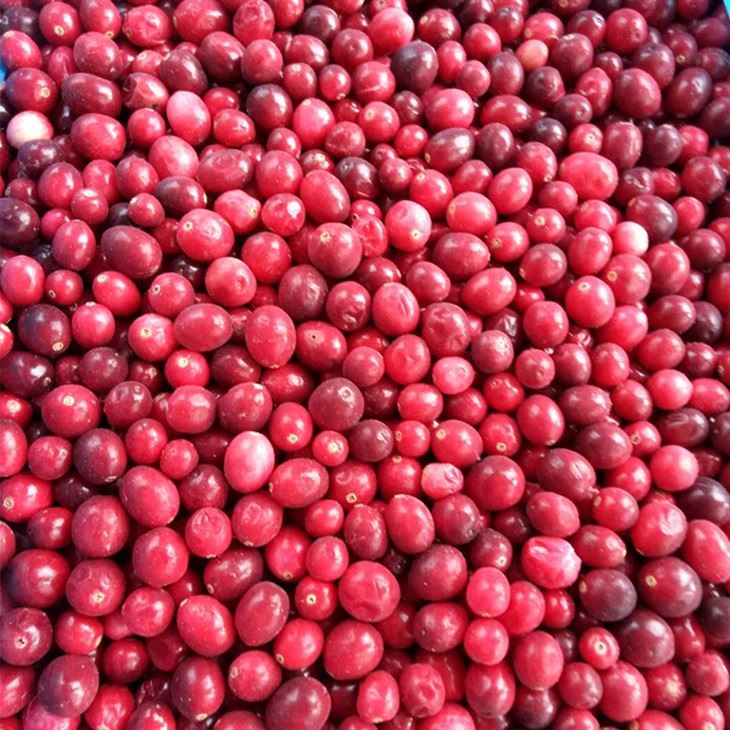
Working decision: Frozen cranberries are practical in compotes, glazes and baked garnishes, and they can work as a lightly sugared cold accent when irregular shape is acceptable. What matters is repeatable eating quality through the real holding period.
Yogurt cups, cold drinks and rustic plated desserts tolerate some moisture better than a white-frosted cake, where red bleeding is immediately visible. This is why a useful specification names the intended product behavior as well as the raw material. A berry can meet an incoming appearance check and still perform poorly if the process was designed around a different temperature, particle size or water balance.
A controlled bench method
- Thaw only the quantity needed.
- Drain and blot gently without crushing.
- Apply a light syrup and sugar coat.
- Serve promptly in an application that can absorb released juice.
Run the first comparison in small, equal pans or containers. Change one variable at a time and keep a control beside the trial. Taste and observe at the intended serving temperature; warm fruit systems often seem sweeter, looser and more aromatic than the same product after chilling. If the product will be baked, frozen or held, the test is incomplete until it has passed that step.
The failure to watch
Do not leave lightly coated thawed berries at room temperature for extended display. Their texture and coating will not improve with time. Correct the cause in the next measured pilot rather than rescuing every batch with unrecorded additions. Rescue work can be sensible for a small kitchen, but it does not establish a formula that another shift can reproduce.
Look at the product again after it has rested. Fruit solids, dissolved sugar and hydrocolloids keep changing as temperature equalizes. A result released immediately from the pan can develop free liquid, a firmer gel or duller flavor later. The release point therefore needs a stated rest time and temperature.
Scaling and purchasing note
Plan the frozen-fruit fallback as a separate garnish with a separate yield and holding instruction. That prevents staff from treating it as an invisible substitution. Scaling also changes pan depth, shear, heating rate and cooling time. Preserve ratios, but do not assume that multiplying ingredient weights reproduces the same process automatically.
When discussing frozen fruit with a supplier, share the use and the non-negotiable result. Whole-fruit integrity, broken-piece tolerance, packing size and crop character do not have equal value in every application. A clear brief lets the supplier propose a practical grade instead of treating the request as a generic price comparison.
Record what the team can repeat
Compare the fallback on the actual plate after the full service interval. Check bleed, softness, crystal loss and guest handling. Add the formula version, date, operator, lot code and one retained sample where the site's control plan permits. The record should be short enough to complete during work but precise enough to explain a complaint or a good result weeks later.
Plan frosted-cranberry service, holding and ingredient supply

Working decision: Produce close to service, hold cool and dry, and keep berries in single layers. Add them to moist cakes or creams as late as practical. Procurement and kitchen teams need the same definitions if the result is to survive a change of lot or shift.
Sugar is hygroscopic, so humid rooms, covered warm trays and contact with wet frosting shorten the crisp appearance. Airflow and temperature must be balanced against food-safety requirements. This is why a useful specification names the intended product behavior as well as the raw material. A berry can meet an incoming appearance check and still perform poorly if the process was designed around a different temperature, particle size or water balance.
A controlled bench method
- Estimate visible berries per portion or display.
- Add sorting and coating yield allowances.
- Schedule small batches near service.
- Hold separately until final assembly.
Run the first comparison in small, equal pans or containers. Change one variable at a time and keep a control beside the trial. Taste and observe at the intended serving temperature; warm fruit systems often seem sweeter, looser and more aromatic than the same product after chilling. If the product will be baked, frozen or held, the test is incomplete until it has passed that step.
The failure to watch
An airtight container can trap condensation if berries are not fully dry and temperature stable. Stacking also abrades the coating. Correct the cause in the next measured pilot rather than rescuing every batch with unrecorded additions. Rescue work can be sensible for a small kitchen, but it does not establish a formula that another shift can reproduce.
Look at the product again after it has rested. Fruit solids, dissolved sugar and hydrocolloids keep changing as temperature equalizes. A result released immediately from the pan can develop free liquid, a firmer gel or duller flavor later. The release point therefore needs a stated rest time and temperature.
Scaling and purchasing note
For year-round menus, use fresh cranberries when the exact frosted look is essential and redirect frozen cranberries to sauce, filling or beverage work where their processing advantages matter. Scaling also changes pan depth, shear, heating rate and cooling time. Preserve ratios, but do not assume that multiplying ingredient weights reproduces the same process automatically.
When discussing frozen fruit with a supplier, share the use and the non-negotiable result. Whole-fruit integrity, broken-piece tolerance, packing size and crop character do not have equal value in every application. A clear brief lets the supplier propose a practical grade instead of treating the request as a generic price comparison.
Record what the team can repeat
Log starting count, decorative yield, labor time and acceptable holding duration. Procurement can then compare seasonal fresh supply with a menu redesign using frozen input. Add the formula version, date, operator, lot code and one retained sample where the site's control plan permits. The record should be short enough to complete during work but precise enough to explain a complaint or a good result weeks later.
Source frozen cranberry for your program
GreenLand-food is a frozen fruit supplier and manufacturer supporting factory-direct and wholesale programs for bakery, dessert, beverage and foodservice development. Share the application, required fruit form, packing, forecast quantity and destination so our team can review a suitable specification, sample route and commercial fit.
Choose the next step below.