


What Do Peas Taste Like? Sweetness, Texture and Product Form
Sep 23, 2026
Leave a message

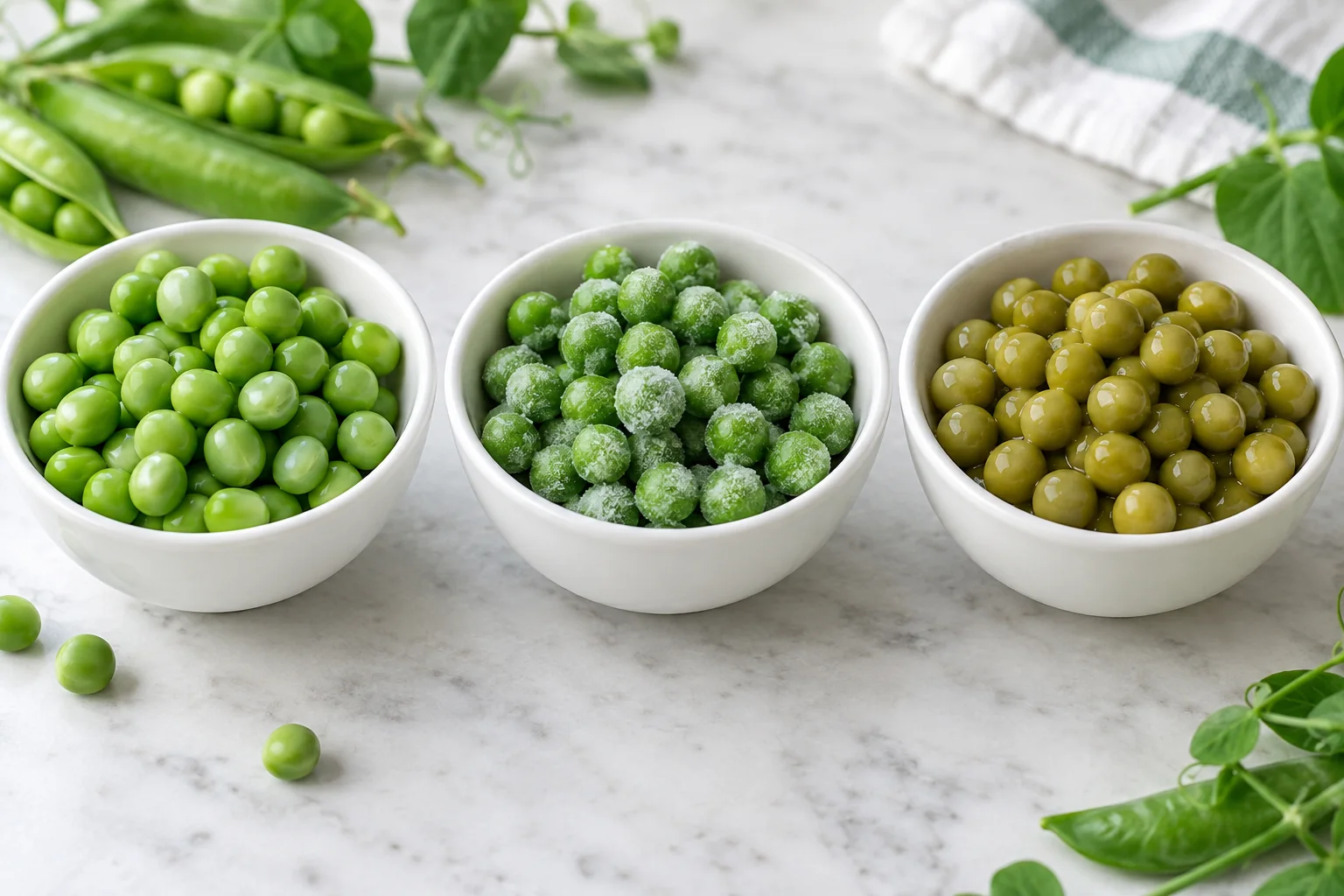
The Basic Flavor of Young Green Peas
Working decision. Describe young peas as mildly sweet and green rather than intensely sugary. Their appeal comes from balance: a fresh plant aroma, slight grassy or legume note, tender skin and creamy center. The eating test should follow the intended application, not an abstract idea of quality.
The sweetness is easiest to notice when peas are tasted warm but not overcooked. A small amount of natural bitterness or earthiness keeps the flavor from resembling confectionery sweetness. Salt can make the sweet impression clearer, while strong spices, smoke or long browning can cover it. These differences are most useful when they are observed in a controlled sample. Keep sample weight, preparation, temperature and evaluation time consistent; otherwise an ingredient may appear better simply because it was served warmer, cooked less or selected more carefully.

Macro cutaway of a young green pea showing thin skin and moist creamy center beside a mature pea with firmer starchy interior, scientifically plausible and without labels.
A repeatable way to evaluate it
Taste a standardized sample after the same brief heating time. Compare aroma before chewing, the first sweet impression, skin resistance, center texture and the flavor that remains after swallowing. Use plain samples before testing butter, sauces or seasonings. Include more than one unit or handful from the lot. Frozen and field products are distributions, not identical objects, so a single attractive pod or pea cannot represent the shipment. Compare an accepted control where possible and separate appearance, aroma, flavor and texture in the notes.
Where quality is usually lost
Avoid a single adjective such as sweet as the full specification. Two lots may have similar sweetness yet differ sharply in grassy aroma, mature flavor, skin toughness or mealiness. A very bright green color also does not prove a sweet flavor. Correcting the process after the raw material has crossed its useful maturity or texture window is rarely efficient. Sorting, trimming or stronger cooking may change appearance, but it can also reduce yield and damage the parts of the lot that were already suitable.
Application and purchasing implications
For menu development, match the sensory target to the dish. Risotto and fried rice usually benefit from visible peas with a short bite; soup or puree can accept softer peas if the flavor remains clean. Buyers should define whether whole shape or creamy breakdown creates the greater value. Cost should be compared on usable finished performance. Include preparation loss, cooking yield, labor, storage and defect removal rather than reading the invoice price as the complete answer.
What to put in the record
Record serving temperature, cooking time, sweetness intensity, green aroma, off-notes, skin resistance and center texture. A short five-point scale with written anchors is more useful than an unstructured tasting comment. Add the date, operator, supplier lot and formula or process version. A concise record backed by photographs and a retained sample gives the next purchasing or production discussion a factual starting point.
Maturity Moves Peas from Sweet to Starchy
Working decision. Pea maturity is one of the strongest drivers of flavor and texture. Small, rapidly developing seeds tend to be sweeter and more tender; older, larger seeds contain more starch and stronger structural material. A side-by-side control makes this change much easier to recognize.
The change is not abrupt. A field lot can contain a distribution of sizes and maturity stages, so the eater may find both tender sweet peas and larger mealy peas in the same portion. That inconsistency is often more noticeable than a small shift in average sweetness. These differences are most useful when they are observed in a controlled sample. Keep sample weight, preparation, temperature and evaluation time consistent; otherwise an ingredient may appear better simply because it was served warmer, cooked less or selected more carefully.
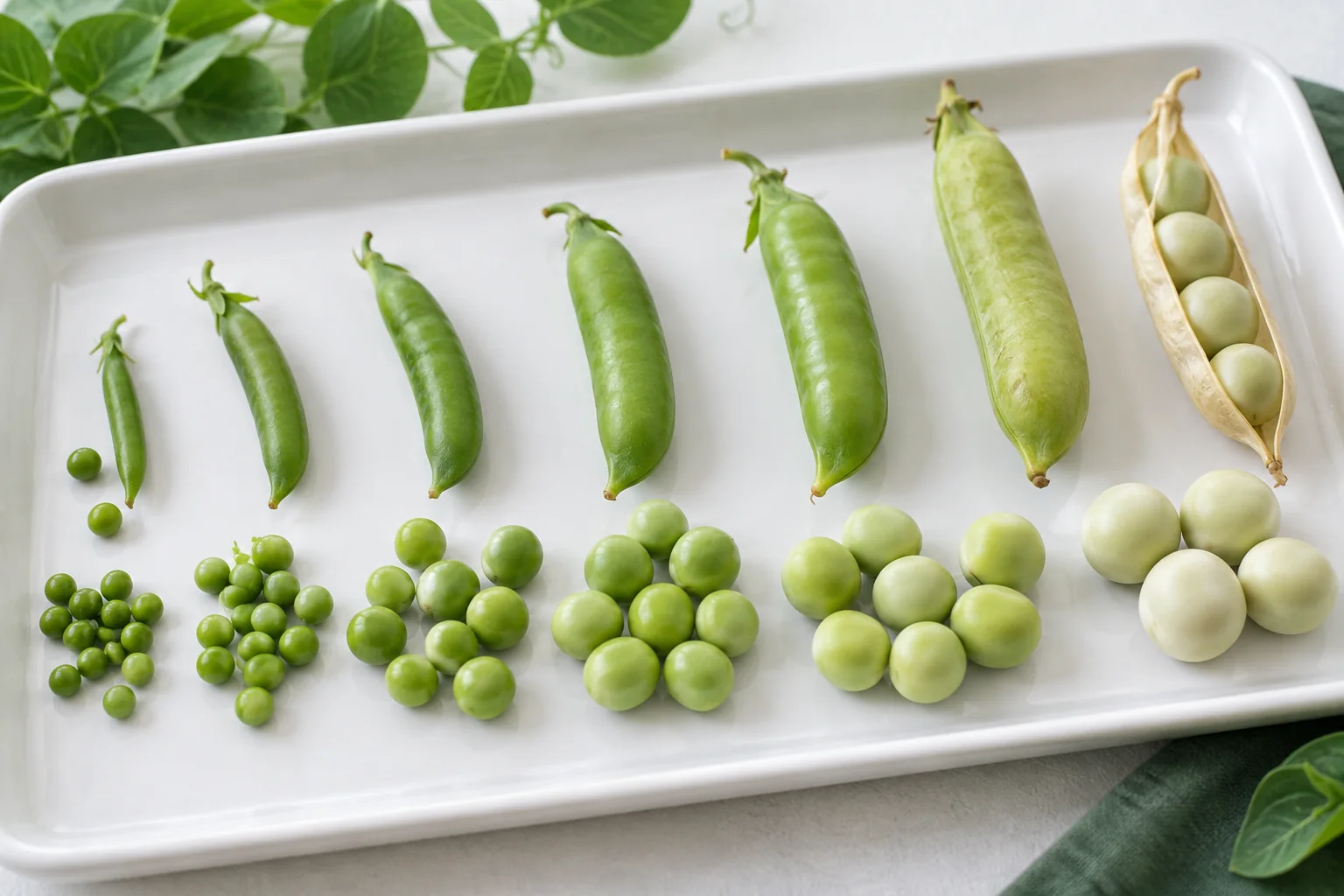
A maturity progression from small tender green peas to larger pale starchy peas, arranged by size and surface appearance on a white inspection tray with no text.
A repeatable way to evaluate it
Sort a representative sample into size bands, cook each band under identical conditions and taste them blind. Cut several peas open to compare skin thickness and center appearance. Relate the results to the supplier's grade or sieve size rather than assuming size is only a visual choice. Include more than one unit or handful from the lot. Frozen and field products are distributions, not identical objects, so a single attractive pod or pea cannot represent the shipment. Compare an accepted control where possible and separate appearance, aroma, flavor and texture in the notes.
Where quality is usually lost
Do not confuse larger diameter with higher quality in every application. Oversized mature peas may look generous but can require longer heating and remain firm at the skin while becoming dry or floury inside. Very small peas may carry a premium that a blended soup cannot recover. Correcting the process after the raw material has crossed its useful maturity or texture window is rarely efficient. Sorting, trimming or stronger cooking may change appearance, but it can also reduce yield and damage the parts of the lot that were already suitable.
Application and purchasing implications
Processors and food manufacturers can use maturity distribution to control finished texture. A narrow grade supports uniform blanching and portion appearance; a broader grade can be acceptable where peas are crushed, pureed or combined with other vegetables. Cost should be compared on usable finished performance. Include preparation loss, cooking yield, labor, storage and defect removal rather than reading the invoice price as the complete answer.
What to put in the record
Record the count or weight distribution by size, the proportion of visibly mature seeds and the sensory result after a fixed cook. These observations help purchasing teams compare usable performance rather than relying on a size name alone. Add the date, operator, supplier lot and formula or process version. A concise record backed by photographs and a retained sample gives the next purchasing or production discussion a factual starting point.
Fresh Peas Taste Best Close to Harvest
Working decision. Fresh shelling peas can deliver the most delicate aroma when they are picked at the right maturity, cooled quickly and eaten soon. The advantage narrows as time and warmth allow respiration and conversion of sugars. Agricultural variation is normal, but the useful range can still be defined.
A pod protects the seed physically but does not stop postharvest metabolism. Peas held warm after picking may taste flat or starchy even when they still look green. Local fresh peas at peak season can therefore outperform every other form, while tired fresh peas may not. These differences are most useful when they are observed in a controlled sample. Keep sample weight, preparation, temperature and evaluation time consistent; otherwise an ingredient may appear better simply because it was served warmer, cooked less or selected more carefully.

Fresh peas being shelled beside a harvest basket and a small timing cue represented by changing pod freshness, no clock face or text.
A repeatable way to evaluate it
Evaluate time from harvest, cooling, pod condition and the interval between shelling and cooking. Taste raw only where the food-safety program permits, then compare a brief cooked sample. Keep the cooking method identical to the frozen control. Include more than one unit or handful from the lot. Frozen and field products are distributions, not identical objects, so a single attractive pod or pea cannot represent the shipment. Compare an accepted control where possible and separate appearance, aroma, flavor and texture in the notes.
Where quality is usually lost
Avoid treating the word fresh as a sensory guarantee. Long distribution, warm handling, dehydrated pods or advanced maturity can erase the expected sweetness. Fresh peas also generate shelling labor and pod waste that must be included in usable-yield comparisons. Correcting the process after the raw material has crossed its useful maturity or texture window is rarely efficient. Sorting, trimming or stronger cooking may change appearance, but it can also reduce yield and damage the parts of the lot that were already suitable.
Application and purchasing implications
Fresh form is valuable for seasonal menus, premium visible garnishes and applications built around just-picked character. For national programs or long production seasons, supply variability and preparation labor may outweigh the best-case flavor advantage. Cost should be compared on usable finished performance. Include preparation loss, cooking yield, labor, storage and defect removal rather than reading the invoice price as the complete answer.
What to put in the record
Record harvest or receipt date, pod temperature, shelling yield, pea size, aroma and sweetness. Compare cost per kilogram of usable peas, not cost per kilogram of pods, and include labor when the operation shells in-house. Add the date, operator, supplier lot and formula or process version. A concise record backed by photographs and a retained sample gives the next purchasing or production discussion a factual starting point.
Frozen Peas Preserve a Bright, Clean Pea Character
Working decision. IQF peas are normally harvested, shelled, blanched and frozen in a short processing window. When raw material and process are well controlled, the result is sweet, clean and green with separate pieces and a tender bite. The field or kitchen method must be simple enough for another shift to repeat.
Blanching is necessary to control enzymes, yet it also changes raw plant aroma. Correct blanching removes the harsh raw edge without pushing the product toward a canned flavor. Rapid freezing keeps pieces separate and makes portioning convenient. These differences are most useful when they are observed in a controlled sample. Keep sample weight, preparation, temperature and evaluation time consistent; otherwise an ingredient may appear better simply because it was served warmer, cooked less or selected more carefully.

Bulk IQF green peas showing round shape and color distribution.
A repeatable way to evaluate it
Cook frozen peas directly from frozen for a short, defined time, then taste at the intended service temperature. Inspect frost, clumping, color distribution, skin split and broken-piece level before cooking. Compare the same weight and endpoint across lots. Include more than one unit or handful from the lot. Frozen and field products are distributions, not identical objects, so a single attractive pod or pea cannot represent the shipment. Compare an accepted control where possible and separate appearance, aroma, flavor and texture in the notes.
Where quality is usually lost
Long boiling wastes the advantage of frozen peas. It drives off fresh aroma, softens skins and can turn the color dull. Thawing in a warm room also releases water and creates uneven handling without improving flavor. Correcting the process after the raw material has crossed its useful maturity or texture window is rarely efficient. Sorting, trimming or stronger cooking may change appearance, but it can also reduce yield and damage the parts of the lot that were already suitable.
Application and purchasing implications
For prepared meals and foodservice, IQF peas support year-round availability, controlled portioning and low preparation loss. Confirm grade, packing, origin, crop, blanching performance, cold-chain condition and the tolerance for broken or discolored pieces. Cost should be compared on usable finished performance. Include preparation loss, cooking yield, labor, storage and defect removal rather than reading the invoice price as the complete answer.
What to put in the record
Record frozen free-flow condition, cook yield, color after heating, sweet/green balance, skin resistance and center tenderness. Retain a reference sample so a later lot can be assessed against an actual accepted product rather than memory. Add the date, operator, supplier lot and formula or process version. A concise record backed by photographs and a retained sample gives the next purchasing or production discussion a factual starting point.
Canned Peas Are Softer and More Cooked in Flavor
Working decision. Canned peas taste milder, more thoroughly cooked and sometimes slightly savory or mineral compared with fresh or frozen peas. Their soft texture is a result of heat processing and time in the packing liquid. The result should be judged after the full holding or processing step.
The flavor may be entirely appropriate in a nostalgic soup, mash, institutional dish or recipe where peas should blend into the base. Draining and rinsing can reduce some packing-liquid character, but it cannot restore the bite of a briefly cooked IQF pea. These differences are most useful when they are observed in a controlled sample. Keep sample weight, preparation, temperature and evaluation time consistent; otherwise an ingredient may appear better simply because it was served warmer, cooked less or selected more carefully.

A controlled cooking comparison of blanched bright peas, briefly steamed peas and overcooked dull peas in identical small pans, no labels.
A repeatable way to evaluate it
Drain a fixed sample for a fixed time and taste both as packed and gently reheated. Note salt, sweetness, cooked aroma, skin presence and whether the center remains distinct or becomes cohesive. Compare drained weight as well as declared net weight. Include more than one unit or handful from the lot. Frozen and field products are distributions, not identical objects, so a single attractive pod or pea cannot represent the shipment. Compare an accepted control where possible and separate appearance, aroma, flavor and texture in the notes.
Where quality is usually lost
Do not present canned peas as a failed version of frozen peas; they are a different product form. The mistake is using them where bright color and a clean pop are critical, or assuming their low purchase price automatically means lower cost per usable portion. Correcting the process after the raw material has crossed its useful maturity or texture window is rarely efficient. Sorting, trimming or stronger cooking may change appearance, but it can also reduce yield and damage the parts of the lot that were already suitable.
Application and purchasing implications
Canned format offers ambient storage and immediate readiness. Those advantages can be decisive where freezer capacity, preparation equipment or labor is constrained. The buyer should weigh texture expectations against logistics. Cost should be compared on usable finished performance. Include preparation loss, cooking yield, labor, storage and defect removal rather than reading the invoice price as the complete answer.
What to put in the record
Record drained yield, sodium impression, color, softness, split skins and liquid character. If the application contains sauce, test the complete dish after holding because very soft peas can continue breaking under agitation. Add the date, operator, supplier lot and formula or process version. A concise record backed by photographs and a retained sample gives the next purchasing or production discussion a factual starting point.
Cooking Method Changes Sweetness, Aroma and Bite
Working decision. Peas need less heat than many cooks expect. Brief steaming, blanching or sautéing preserves sweetness and a clean snap; long boiling encourages softness, dull color and a heavier cooked-legume aroma. Raw appearance and finished eating quality must be considered together.
Dry heat can add toasted notes, but peas contain enough moisture that surface browning is limited until water evaporates. In soups and braises, the time of addition matters: peas added near the end remain distinct, while early addition lets them soften into the base. These differences are most useful when they are observed in a controlled sample. Keep sample weight, preparation, temperature and evaluation time consistent; otherwise an ingredient may appear better simply because it was served warmer, cooked less or selected more carefully.
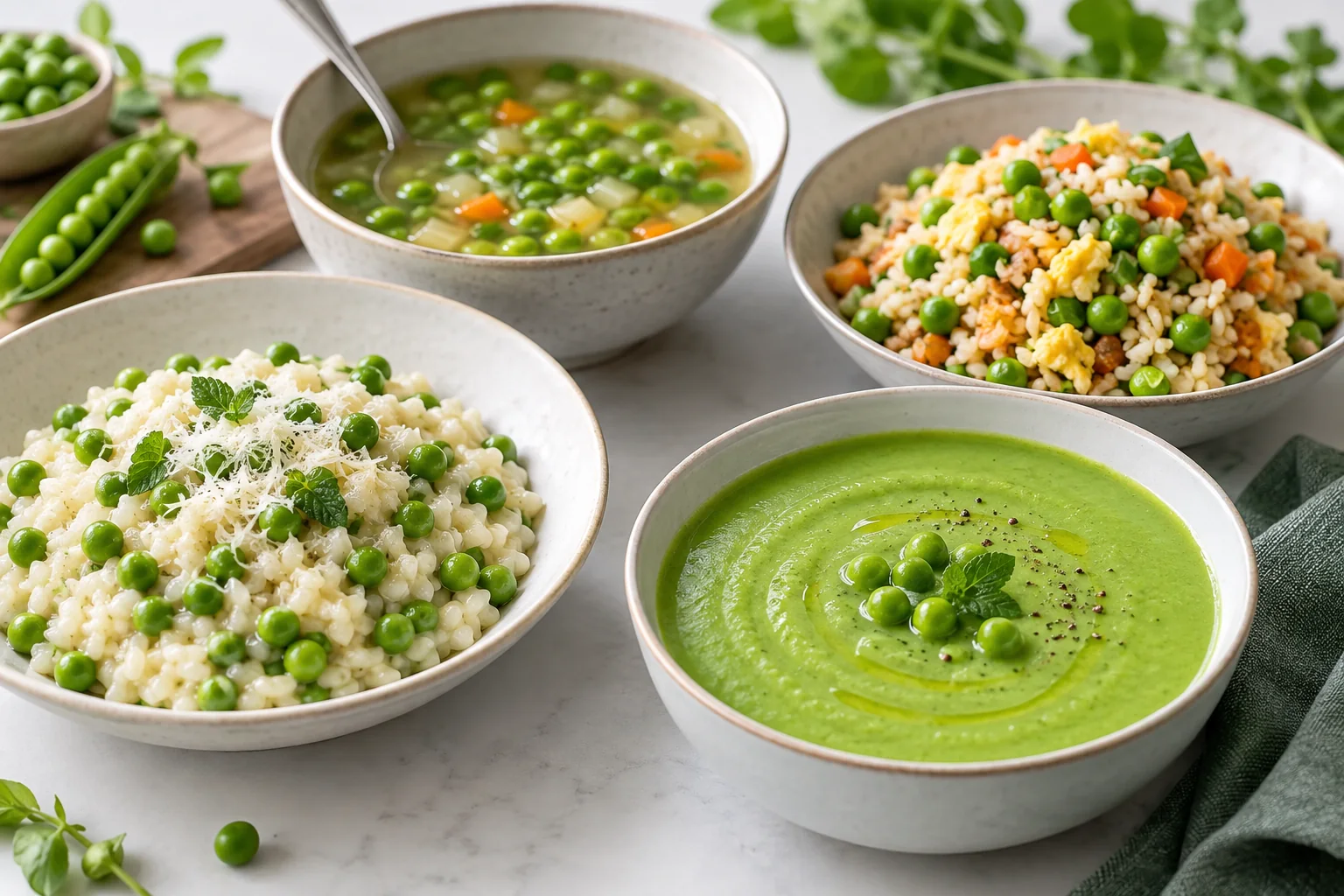
A food application spread showing distinct pea texture needs in risotto, soup, fried rice and smooth puree, coherent editorial composition without text.
A repeatable way to evaluate it
Define a target core texture and test time-temperature combinations in the actual equipment. Stop cooking by serving promptly or cooling according to the product process. For frozen peas, account for the temperature drop when fruit enters a kettle or pan. Include more than one unit or handful from the lot. Frozen and field products are distributions, not identical objects, so a single attractive pod or pea cannot represent the shipment. Compare an accepted control where possible and separate appearance, aroma, flavor and texture in the notes.
Where quality is usually lost
A bright pea can still be underheated and chalky, while a very soft pea can taste sweet but lack freshness. Do not use color as the sole endpoint. Reheating cycles in prepared meals may matter more than the first cook. Correcting the process after the raw material has crossed its useful maturity or texture window is rarely efficient. Sorting, trimming or stronger cooking may change appearance, but it can also reduce yield and damage the parts of the lot that were already suitable.
Application and purchasing implications
Choose a form and process together. Whole IQF peas suit rice, pasta, salads and visible sides; puree specifications can tolerate more breakage; canned peas suit products where softness is intentional. The lowest-cost ingredient is not economical if the method destroys its useful trait. Cost should be compared on usable finished performance. Include preparation loss, cooking yield, labor, storage and defect removal rather than reading the invoice price as the complete answer.
What to put in the record
Record kettle load, water ratio, time, final temperature, hold and reheat exposure. Sensory checks should follow the full production path, not a small saucepan method that the factory never uses. Add the date, operator, supplier lot and formula or process version. A concise record backed by photographs and a retained sample gives the next purchasing or production discussion a factual starting point.
Turn Sensory Words into a Buyer Specification
Working decision. Translate pleasant language into observable acceptance criteria. Sweet, tender and bright should point to an agreed tasting method, sample preparation and defect boundary. Commercial language becomes useful only when it points to a shared test.
A workable brief combines product facts with application facts: pea type, size grade, maturity distribution, color, broken-piece tolerance, blanching, packing, intended cook and desired bite. It should also state unacceptable flavors such as fermented, oxidized, scorched or excessively grassy notes. These differences are most useful when they are observed in a controlled sample. Keep sample weight, preparation, temperature and evaluation time consistent; otherwise an ingredient may appear better simply because it was served warmer, cooked less or selected more carefully.

Close bulk view of frozen green peas with surface frost.
A repeatable way to evaluate it
Approve a reference lot and write a simple tasting protocol. Prepare equal samples by weight, cook them in identical water or steam conditions, serve within the same temperature range and use a small trained panel. Keep commercial identity hidden during comparison where practical. Include more than one unit or handful from the lot. Frozen and field products are distributions, not identical objects, so a single attractive pod or pea cannot represent the shipment. Compare an accepted control where possible and separate appearance, aroma, flavor and texture in the notes.
Where quality is usually lost
Avoid specifications so narrow that natural crop variation makes supply impossible. Equally, avoid adjectives without thresholds. A practical tolerance should protect the finished product while leaving room for normal agricultural variation. Correcting the process after the raw material has crossed its useful maturity or texture window is rarely efficient. Sorting, trimming or stronger cooking may change appearance, but it can also reduce yield and damage the parts of the lot that were already suitable.
Application and purchasing implications
Ask suppliers for origin, crop, processing window, size, packing, load quantity, quality documents and sample support relevant to the program. Share whether the peas will be visible whole, blended or reheated after freezing so the proposed grade matches the value driver. Cost should be compared on usable finished performance. Include preparation loss, cooking yield, labor, storage and defect removal rather than reading the invoice price as the complete answer.
What to put in the record
Record the approved sample, sensory scale, preparation method, defect limit and corrective route. Link incoming lot results to finished-product performance. That feedback lets procurement discuss evidence instead of negotiating around impressions. Add the date, operator, supplier lot and formula or process version. A concise record backed by photographs and a retained sample gives the next purchasing or production discussion a factual starting point.
Source frozen green peas with GreenLand-food
GreenLand-food is a frozen-food supplier and manufacturer supporting factory-direct wholesale programs. We match the requested product form and coordinate the commercial details. Tell us the pea grade, tenderness target, pack, application and annual volume. We will review frozen green pea options and the specification points worth confirming.