


How to Use Cranberry Relish Beyond a Side Dish
Sep 23, 2026
Leave a message

APPLICATION GUIDE
Cranberry relish works best when it is treated as a bright condiment rather than a large side portion. A small spoonful can cut the richness of cheese, roast meat or a breakfast pastry; a thinner layer can replace a sweeter sandwich spread; and a measured swirl can sharpen yogurt, oatmeal or a dessert cream. Match the relish texture to the job. Keep it coarse for a cheese board, pulse it finer for sandwiches, or loosen a cooked version for glazing. Frozen cranberries are a practical year-round input, especially when the finished relish is chopped, but they should be thawed under refrigeration and their released juice should be measured rather than ignored. In foodservice, portion control is the difference between a balanced accent and a plate dominated by acid and moisture.

| Decision | Starting point | Why it matters |
|---|---|---|
| Dollop | Cheese board, roast plate, parfait | 15-25 g; keeps identity and limits moisture. |
| Thin spread | Sandwich, wrap, crostini | 8-15 g; finer texture prevents pieces from falling out. |
| Fold-in | Yogurt, cream cheese, butter | Start near 10%; protect the base from excess free liquid. |
| Glaze base | Roast vegetables or meat | Loosen and cook as required; treat it as a new sauce, not raw relish. |
Match cranberry relish to the job on the plate


Working decision: Decide whether the relish should act as an accent, spread, inclusion or sauce base. Portion and texture follow that role. The practical test is the finished application, not the appearance of the ingredient on its own.
Coarse fruit delivers bursts of acid and aroma; a finer relish distributes sweetness and moisture more evenly. Neither is universally better. This is why a useful specification names the intended product behavior as well as the raw material. A berry can meet an incoming appearance check and still perform poorly if the process was designed around a different temperature, particle size or water balance.
A controlled bench method
- Name the food that needs contrast.
- Choose a portion that supplies acidity without flooding it.
- Match particle size to the eating method.
- Test after the complete plate has rested.
Run the first comparison in small, equal pans or containers. Change one variable at a time and keep a control beside the trial. Taste and observe at the intended serving temperature; warm fruit systems often seem sweeter, looser and more aromatic than the same product after chilling. If the product will be baked, frozen or held, the test is incomplete until it has passed that step.
The failure to watch
A generous side-dish scoop can make bread soggy or overwhelm mild cheese. Conversely, a token garnish may disappear against fatty meat. Correct the cause in the next measured pilot rather than rescuing every batch with unrecorded additions. Rescue work can be sensible for a small kitchen, but it does not establish a formula that another shift can reproduce.
Look at the product again after it has rested. Fruit solids, dissolved sugar and hydrocolloids keep changing as temperature equalizes. A result released immediately from the pan can develop free liquid, a firmer gel or duller flavor later. The release point therefore needs a stated rest time and temperature.
Scaling and purchasing note
Create portion tools for each menu use: a small spoon, scoop, piping bag or weighed spread. Consistency helps costing as much as flavor. Scaling also changes pan depth, shear, heating rate and cooling time. Preserve ratios, but do not assume that multiplying ingredient weights reproduces the same process automatically.
When discussing frozen fruit with a supplier, share the use and the non-negotiable result. Whole-fruit integrity, broken-piece tolerance, packing size and crop character do not have equal value in every application. A clear brief lets the supplier propose a practical grade instead of treating the request as a generic price comparison.
Record what the team can repeat
Record portion weight, application area and liquid migration after five and fifteen minutes. Menu photos should show the real service amount. Add the formula version, date, operator, lot code and one retained sample where the site's control plan permits. The record should be short enough to complete during work but precise enough to explain a complaint or a good result weeks later.
Build appetizers, cheese boards and spreads

Working decision: Pair cranberry relish with creamy, salty or aged cheese and use toasted bread or nuts to add structural contrast. A small controlled trial costs less than correcting a full production run after texture has drifted.
Goat cheese, cream cheese, brie-style cheese and mature cheddar all offer fat or salt that balances cranberry acidity. Orange, herbs and toasted nuts can bridge the flavors. This is why a useful specification names the intended product behavior as well as the raw material. A berry can meet an incoming appearance check and still perform poorly if the process was designed around a different temperature, particle size or water balance.
A controlled bench method
- Drain the relish to the moisture target.
- Spread cheese before adding the relish.
- Use a small centered portion on crostini.
- Assemble close enough to service to protect crunch.
Run the first comparison in small, equal pans or containers. Change one variable at a time and keep a control beside the trial. Taste and observe at the intended serving temperature; warm fruit systems often seem sweeter, looser and more aromatic than the same product after chilling. If the product will be baked, frozen or held, the test is incomplete until it has passed that step.
The failure to watch
Wet relish placed directly on crisp bread migrates quickly. A cheese barrier helps, but it does not make unlimited holding possible. Correct the cause in the next measured pilot rather than rescuing every batch with unrecorded additions. Rescue work can be sensible for a small kitchen, but it does not establish a formula that another shift can reproduce.
Look at the product again after it has rested. Fruit solids, dissolved sugar and hydrocolloids keep changing as temperature equalizes. A result released immediately from the pan can develop free liquid, a firmer gel or duller flavor later. The release point therefore needs a stated rest time and temperature.
Scaling and purchasing note
For events, keep components separate and assemble by tray. Define relish grams per piece and a maximum assembled hold based on a real trial. Scaling also changes pan depth, shear, heating rate and cooling time. Preserve ratios, but do not assume that multiplying ingredient weights reproduces the same process automatically.
When discussing frozen fruit with a supplier, share the use and the non-negotiable result. Whole-fruit integrity, broken-piece tolerance, packing size and crop character do not have equal value in every application. A clear brief lets the supplier propose a practical grade instead of treating the request as a generic price comparison.
Record what the team can repeat
Count intact pieces, soggy pieces and relish loss after the target hold. This produces a useful event yield rather than relying on presentation at minute zero. Add the formula version, date, operator, lot code and one retained sample where the site's control plan permits. The record should be short enough to complete during work but precise enough to explain a complaint or a good result weeks later.
Use relish in sandwiches, wraps and savory mains

Working decision: Apply relish as a controlled layer with roast poultry, pork-style dishes, sharp cheese or roasted vegetables. It can replace part of a sweet sauce while adding texture. Keep the first trial deliberately simple so each change has a visible cause.
A thin layer spreads acidity across each bite. On plated mains, a small spoonful beside the protein lets the diner control the balance. This is why a useful specification names the intended product behavior as well as the raw material. A berry can meet an incoming appearance check and still perform poorly if the process was designed around a different temperature, particle size or water balance.
A controlled bench method
- Pulse coarse relish slightly finer for spreading.
- Place it away from exposed bread when possible.
- Balance with a fat, cheese or savory seasoning.
- Rest the assembled item and inspect moisture movement.
Run the first comparison in small, equal pans or containers. Change one variable at a time and keep a control beside the trial. Taste and observe at the intended serving temperature; warm fruit systems often seem sweeter, looser and more aromatic than the same product after chilling. If the product will be baked, frozen or held, the test is incomplete until it has passed that step.
The failure to watch
Thick pockets fall from sandwiches and create uneven sweetness. Too much orange pith or raw bitterness also becomes more obvious in a concentrated spread. Correct the cause in the next measured pilot rather than rescuing every batch with unrecorded additions. Rescue work can be sensible for a small kitchen, but it does not establish a formula that another shift can reproduce.
Look at the product again after it has rested. Fruit solids, dissolved sugar and hydrocolloids keep changing as temperature equalizes. A result released immediately from the pan can develop free liquid, a firmer gel or duller flavor later. The release point therefore needs a stated rest time and temperature.
Scaling and purchasing note
Standardize the application with a measured spatula or squeezeable finer relish. For hot service, decide whether the relish is cold contrast or warmed sauce. Scaling also changes pan depth, shear, heating rate and cooling time. Preserve ratios, but do not assume that multiplying ingredient weights reproduces the same process automatically.
When discussing frozen fruit with a supplier, share the use and the non-negotiable result. Whole-fruit integrity, broken-piece tolerance, packing size and crop character do not have equal value in every application. A clear brief lets the supplier propose a practical grade instead of treating the request as a generic price comparison.
Record what the team can repeat
Weigh sandwiches before and after holding only if the program needs exact yield; otherwise photograph the crumb and wrapper for visible seepage and record eating quality. Add the formula version, date, operator, lot code and one retained sample where the site's control plan permits. The record should be short enough to complete during work but precise enough to explain a complaint or a good result weeks later.
Move relish into breakfast, bakery and desserts

Working decision: Use relish where a tart fruit accent can replace some jam or syrup: yogurt, oatmeal, scones, quick breads, cheesecake plates and cream-filled pastries. Temperature, contact time and portion size should stay fixed while the formula is being compared.
Plain cultured dairy and rich pastry both benefit from acid, but their moisture systems differ. A relish suitable for a yogurt swirl may be too wet inside laminated dough. This is why a useful specification names the intended product behavior as well as the raw material. A berry can meet an incoming appearance check and still perform poorly if the process was designed around a different temperature, particle size or water balance.
A controlled bench method
- Taste the base before selecting relish sweetness.
- Use a small ribbon or side portion first.
- Drain or thicken for bakery contact.
- Check color bleed after the intended hold.
Run the first comparison in small, equal pans or containers. Change one variable at a time and keep a control beside the trial. Taste and observe at the intended serving temperature; warm fruit systems often seem sweeter, looser and more aromatic than the same product after chilling. If the product will be baked, frozen or held, the test is incomplete until it has passed that step.
The failure to watch
Baking a raw relish into every product without testing can create gummy zones. For filled pastries, a cooked or thickened derivative may be safer than the raw preparation. Correct the cause in the next measured pilot rather than rescuing every batch with unrecorded additions. Rescue work can be sensible for a small kitchen, but it does not establish a formula that another shift can reproduce.
Look at the product again after it has rested. Fruit solids, dissolved sugar and hydrocolloids keep changing as temperature equalizes. A result released immediately from the pan can develop free liquid, a firmer gel or duller flavor later. The release point therefore needs a stated rest time and temperature.
Scaling and purchasing note
Portion breakfast cups in advance only after a separation trial. In bakery, treat relish as a fruit preparation with defined solids, not as an interchangeable spoonful. Scaling also changes pan depth, shear, heating rate and cooling time. Preserve ratios, but do not assume that multiplying ingredient weights reproduces the same process automatically.
When discussing frozen fruit with a supplier, share the use and the non-negotiable result. Whole-fruit integrity, broken-piece tolerance, packing size and crop character do not have equal value in every application. A clear brief lets the supplier propose a practical grade instead of treating the request as a generic price comparison.
Record what the team can repeat
Record visual bleed, base thinning, crumb wetness and flavor at service temperature. A successful idea must remain clean through the real holding period. Add the formula version, date, operator, lot code and one retained sample where the site's control plan permits. The record should be short enough to complete during work but precise enough to explain a complaint or a good result weeks later.
Adjust texture, sweetness and acidity for each use

Working decision: Make one controlled base, then adjust small sub-batches for coarse service, spreading or sauce work. Avoid repeatedly processing the full lot. What matters is repeatable eating quality through the real holding period.
Sugar softens perceived acidity but can draw more juice from chopped fruit. Citrus zest adds aroma without the same water load as juice. This is why a useful specification names the intended product behavior as well as the raw material. A berry can meet an incoming appearance check and still perform poorly if the process was designed around a different temperature, particle size or water balance.
A controlled bench method
- Measure the base before adjustment.
- Pulse only to the required particle size.
- Add sweetener or acid in recorded increments.
- Rest cold and reassess before release.
Run the first comparison in small, equal pans or containers. Change one variable at a time and keep a control beside the trial. Taste and observe at the intended serving temperature; warm fruit systems often seem sweeter, looser and more aromatic than the same product after chilling. If the product will be baked, frozen or held, the test is incomplete until it has passed that step.
The failure to watch
Overprocessing turns skins into a pasty, bitter texture and removes the distinction between relish and sauce. Adding liquid too early makes later recovery difficult. Correct the cause in the next measured pilot rather than rescuing every batch with unrecorded additions. Rescue work can be sensible for a small kitchen, but it does not establish a formula that another shift can reproduce.
Look at the product again after it has rested. Fruit solids, dissolved sugar and hydrocolloids keep changing as temperature equalizes. A result released immediately from the pan can develop free liquid, a firmer gel or duller flavor later. The release point therefore needs a stated rest time and temperature.
Scaling and purchasing note
Set separate specifications for coarse count, spreadability and glaze viscosity. One base can be versatile without pretending every derivative is identical. Scaling also changes pan depth, shear, heating rate and cooling time. Preserve ratios, but do not assume that multiplying ingredient weights reproduces the same process automatically.
When discussing frozen fruit with a supplier, share the use and the non-negotiable result. Whole-fruit integrity, broken-piece tolerance, packing size and crop character do not have equal value in every application. A clear brief lets the supplier propose a practical grade instead of treating the request as a generic price comparison.
Record what the team can repeat
Use a simple fork spread, sieve drain and spoon-trail check with fixed times. These low-cost controls are easier for multiple shifts to repeat. Add the formula version, date, operator, lot code and one retained sample where the site's control plan permits. The record should be short enough to complete during work but precise enough to explain a complaint or a good result weeks later.
Batch, portion and source cranberry input for foodservice
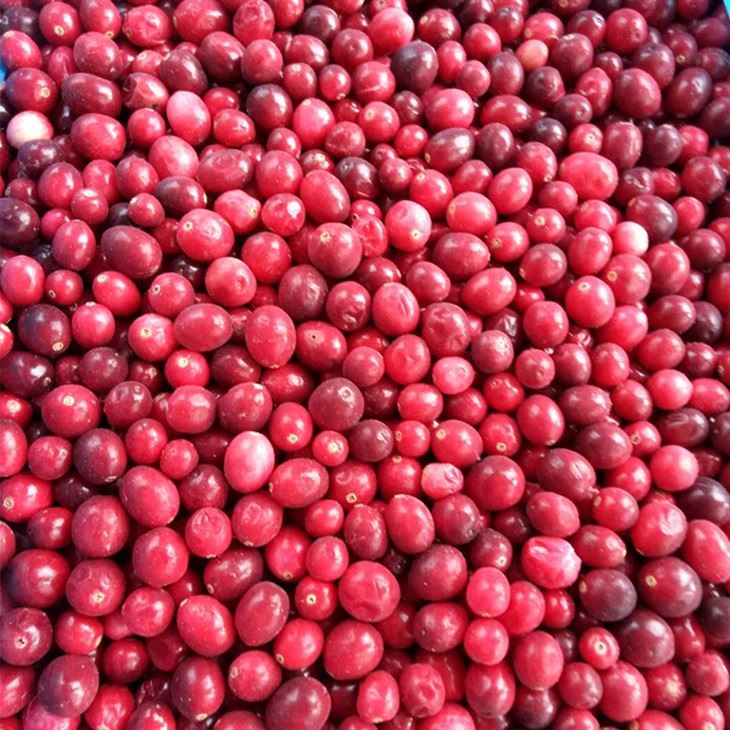
Working decision: Build the batch around usable yield, planned portions and open-pack control. Frozen cranberries allow year-round planning when thaw and chop steps are standardized. Procurement and kitchen teams need the same definitions if the result is to survive a change of lot or shift.
Whole IQF cranberries allow inspection and flexible chopping. A processed format can reduce labor, but only if its texture, sugar and ingredient statement match the menu brief. This is why a useful specification names the intended product behavior as well as the raw material. A berry can meet an incoming appearance check and still perform poorly if the process was designed around a different temperature, particle size or water balance.
A controlled bench method
- Calculate portions and add a measured process allowance.
- Thaw fruit under refrigeration in shallow covered containers.
- Weigh released juice before deciding whether to return it.
- Pack the finished relish in service-sized units.
Run the first comparison in small, equal pans or containers. Change one variable at a time and keep a control beside the trial. Taste and observe at the intended serving temperature; warm fruit systems often seem sweeter, looser and more aromatic than the same product after chilling. If the product will be baked, frozen or held, the test is incomplete until it has passed that step.
The failure to watch
Refreezing a partially used case or leaving deep containers to thaw unevenly undermines both quality and control. Oversized finished packs also invite repeated opening and temperature fluctuation. Correct the cause in the next measured pilot rather than rescuing every batch with unrecorded additions. Rescue work can be sensible for a small kitchen, but it does not establish a formula that another shift can reproduce.
Look at the product again after it has rested. Fruit solids, dissolved sugar and hydrocolloids keep changing as temperature equalizes. A result released immediately from the pan can develop free liquid, a firmer gel or duller flavor later. The release point therefore needs a stated rest time and temperature.
Scaling and purchasing note
Confirm product form, origin, crop, packing, documents, cold-chain expectations and sample support. Align case size with batch size and forecasted portions. Scaling also changes pan depth, shear, heating rate and cooling time. Preserve ratios, but do not assume that multiplying ingredient weights reproduces the same process automatically.
When discussing frozen fruit with a supplier, share the use and the non-negotiable result. Whole-fruit integrity, broken-piece tolerance, packing size and crop character do not have equal value in every application. A clear brief lets the supplier propose a practical grade instead of treating the request as a generic price comparison.
Record what the team can repeat
Track input weight, thaw liquid, trim, finished yield and portions. Link those records to the supplier lot so procurement decisions reflect actual menu performance. Add the formula version, date, operator, lot code and one retained sample where the site's control plan permits. The record should be short enough to complete during work but precise enough to explain a complaint or a good result weeks later.
Source frozen cranberry for your program
GreenLand-food is a frozen fruit supplier and manufacturer supporting factory-direct and wholesale programs for bakery, dessert, beverage and foodservice development. Share the application, required fruit form, packing, forecast quantity and destination so our team can review a suitable specification, sample route and commercial fit.
Choose the next step below.