


Repeat supply planned around your next shipment
We help connect repeat demand with the product standard, packing readiness and dispatch plan. Our planning discussion focuses on your actual SKU and shipment window, bringing seasonal raw material, production, packing and loading into one practical view.

Keep the product standard through seasonal changes
We review repeat supply against the agreed form, size range, grade and application. Seasonal changes in raw material can affect fruit color or sweetness, vegetable grading and mushroom trimming yield. Keeping the comparison method consistent helps distinguish an acceptable crop variation from a change that affects your operation.
The useful planning question is how the selected SKU reaches its shipment window. Sorting, cutting, freezing, packing and cold-store handling can have different bottlenecks. Our production capacity and supply planning guide explains why total output alone does not describe readiness for a particular product.

Turn mixed quantities into a workable load
We convert net quantities into case counts, then consider dimensions, gross weight, pallet arrangement and reefer airflow. This connects the commercial order with the physical load, especially when several SKUs share one shipment.
| Worked example | Net product | 10 kg net cases |
|---|---|---|
| SKU A | 5 tonnes | 500 |
| SKU B | 4 tonnes | 400 |
| SKU C | 3 tonnes | 300 |
| Total | 12 tonnes | 1,200 |
The example gives 1,200 cases from net product weight. Container suitability then depends on carton volume, packaging weight, pallet or floor-loading arrangement and circulation space. We review those together when discussing the load.

Connect available stock with usable remaining life
We discuss stock by lot, available quantity and release condition, alongside production and expiry dates. The remaining shelf life needs to work for transport, receiving, distribution and the end application, not simply be valid on the dispatch day.
Packing readiness can set a different timetable from product availability. A lot may be available while bags, cartons or printed artwork still need attention. Our team brings those dependencies into the discussion, including reservation arrangements and the proposed shipment date. Printed-pack planning is explored further in our retail private-label specification guide.

Use forecasts for planning and releases for dispatch
We use a repeat-order forecast to discuss seasonal demand and packing needs, while each confirmed order establishes its own product quantity and commercial terms. The shipment release then identifies the goods and destination for the actual dispatch.
This separation helps when demand changes. We review which SKU, quantity, packing or shipment date is affected, then coordinate the resulting decision and updated version. A revised forecast should lead to a clear discussion of the impact on the next release.
Keep repeat-order comparisons measurable
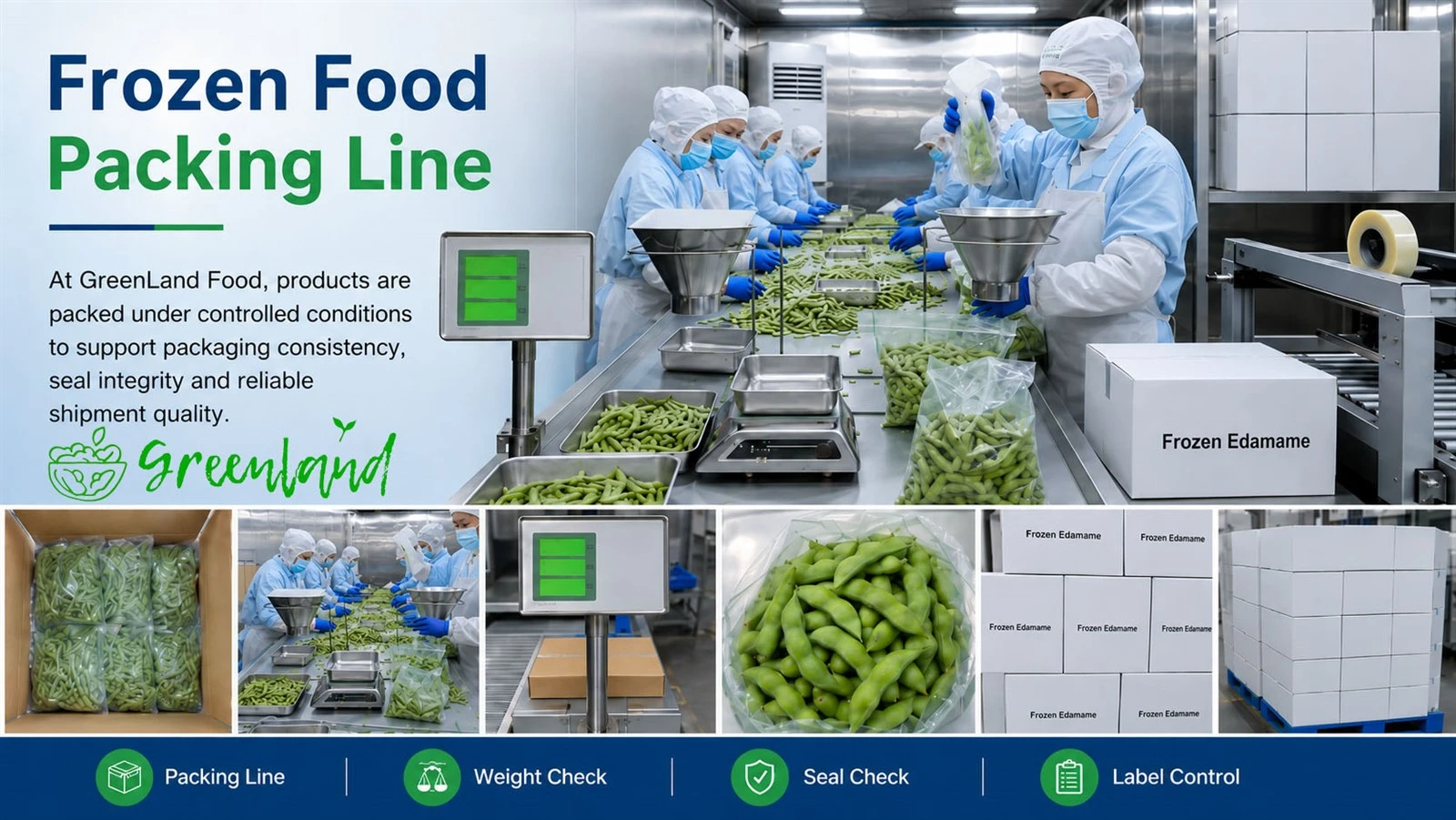
We compare the next lot against the approved size range, color, specified broken rate, free-flowing condition and pack configuration. A consistent preparation method makes those comparisons useful for a kitchen or manufacturing process, rather than relying only on product names or photographs.
For mixed loads, we also review how each SKU retains its own product identity while sharing the shipment. Compatible case arrangements, clear carton marks and agreed loading details help receiving teams separate and use the goods as planned.

Start with the shipment you are planning
Tell us which product you are considering or what you need next. We will help clarify the supply and shipment options.
A product name or brief message is enough to start. If you already have a specification or photo, you can share it too. Our team will follow up to clarify the details.