


GREENLAND-FOOD AUTHOR
I have many years of experience in the frozen food industry and write GreenLand-food's sourcing guides. I focus on the details that change a purchasing decision: the right form and grade for an application, sample comparisons, packing performance and shipment preparation.
I use product photographs, measurements and production examples to make those details easier to discuss. The guides below connect product selection with the inspection, packing and supply questions that follow.

JACKY, author of GreenLand-food frozen food sourcing guides.
Articles & sourcing guides by JACKY
50 selected articles across eight frozen-food subjects.
Frozen Vegetable Specifications
I begin a vegetable comparison with the form and the job it needs to perform. Broccoli florets, edamame, cauliflower and mixed vegetables need different measurements. Cut size, stem content, small pieces, color and ingredient proportions help explain whether a sample suits the intended product.
A grade becomes useful when its measurement basis is clear. I connect the defect definition, sample preparation and net-weight basis to the agreed specification, so purchasing and quality teams can discuss the same result.

Cauliflower, broccoli and edamame: the product form determines the grading and appearance checks.

Cauliflower size reference: record the measurement basis before comparing grades.
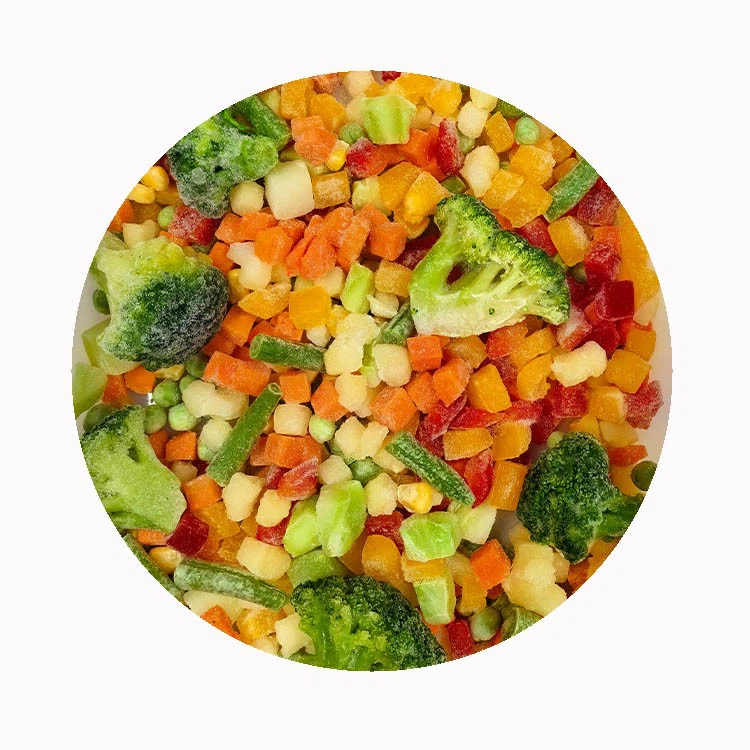
Mixed vegetables: define the blend by ingredient weight and cut size.
Frozen Vegetables Specifications Guide for Buyers
Define product identity, cut size, defects and acceptance limits before comparing a sample with an order specification.
Frozen Vegetable Defects & Tolerance Standards Guide
Separate defect types and measurement bases so the agreed tolerance can be applied consistently to a frozen vegetable lot.
How to Choose the Right Cut Size for Frozen Vegetables
Match vegetable dimensions and size distribution to portioning, heating and the finished product.
Understanding Grades in Frozen Vegetables
Connect a grade name to measurable limits, sample preparation and the purchasing specification.
Net Weight vs Gross Weight: Common Pitfalls in Frozen Vegetables
Clarify product weight, packaging tare and glaze before comparing carton prices or investigating a receiving shortfall.
Foreign Matter Control in Frozen Vegetables
Trace potential foreign matter from field and processing steps through detection records, complaint handling and corrective action.
Frozen Fruit Specifications & Applications
For frozen fruit, I connect the physical form with what happens during preparation. Whole raspberries need an integrity standard; mango pieces need a defined cut; fruit for drinks or fillings needs an application trial that captures texture, water release and usable yield.
Brix is one useful measurement within that discussion. I keep it alongside fruit form, defects, thawing conditions and the finished-product requirement. A practical comparison gives both samples the same preparation before judging the result.

Mango size check: record thickness or cut dimensions with the acceptable variation.

Raspberry measurement: size and whole-berry integrity should be evaluated separately.

Whole raspberries: specify the required whole-fruit and broken-piece standard.
GreenLand Food - Frozen Strawberries Specification Sheet
Compare strawberry form, size, Brix, defects and packing on a consistent specification sheet.
The Same Brix, Different Sugar Profile: When Frozen-Fruit Buyers Need HPLC Data
Understand when the same Brix can conceal different sugar profiles and when targeted HPLC data adds value.
How to Choose the Best Quality Frozen Raspberries
Assess whole-berry integrity, broken pieces, thawing behavior and usable cost for your raspberry application.
How to Ensure Frozen Fruit Quality: From Field to Your Warehouse
Follow the quality questions that connect fruit selection, processing, shipment and warehouse receiving.
IQF vs Block Frozen Strawberries: Buyer's Guide
Choose strawberry freezing format by portioning needs, thawing method, application and usable cost.
Mango Puree for Drinks: Frozen Input, Brix and Pourability
Compare IQF mango and prepared puree through fiber loss, pourability, sediment and finished-drink yield.
Blueberry Cake Filling from Frozen Fruit: Layer Hold, Berry Distribution and Moisture Control
Select frozen blueberry form and trial the filling for fruit distribution, layer hold and moisture transfer in cake production.
Product & supply information
Frozen Mushroom Forms & Specifications
Mushroom selection needs a precise description of species, form and trimming. I look at cap size, slice thickness, stem content and broken pieces before comparing grades. For a mixed mushroom product, the species proportions and the way the blend is measured also belong in the specification.
Pretreatment and preparation can change the appearance and texture you see in a trial. I use those details to connect the sample with a foodservice dish, a prepared meal or a manufacturing application.

Shiitake slice measurement: thickness and stem content are different specification fields.

Shiitake product views: compare the agreed form and trimming criteria.
Frozen Mushroom Cuts Explained: Whole, Sliced, Diced, Strips
Write the mushroom form and cut tolerance clearly, including slice thickness, small pieces and trimming.
Frozen Button (Champignon) Mushrooms: Forms, Specs, Buyer Notes
Compare button mushroom forms, pretreatment, breakage and water release against the intended application.
Frozen Shiitake Mushrooms: Specs, Grades, Best Applications
Define shiitake cap size, stem content, slice form and grade before approving a product sample.
Frozen Mixed Wild Mushrooms: Blend Design, Consistency, Labeling
Specify species proportions and cut forms in a mixed wild mushroom blend so batches can be compared fairly.
Blanched vs Unblanched Frozen Mushrooms: Buyer Guide
Compare mushroom pretreatment routes by color, water release, texture and intended use before approving a specification.
Frozen King Oyster Mushrooms: Slice Styles, Yield, Applications
Specify king oyster mushroom cuts against cooked yield, breakage, bite and the intended foodservice or manufacturing use.
IQF Processing & Product Form
I explain the processing route together with the form you receive. Raw-material preparation, blanching where applicable, surface water, freezing and packing all provide context for color, texture, separability and the handling of a frozen lot.
An IQF discussion also needs the actual dosing task. The useful comparison is how the material portions, feeds and behaves in your operation. Glaze, clumps and thawing behavior each need their own measurement basis.

Strawberry processing equipment: product form and process route are connected.
IQF Processing Explained: From Harvest to Packing
Follow the processing stages that connect raw-material condition, preparation, freezing and final packing.
IQF vs Block Frozen Vegetables: Pros, Cons & Use Cases
Choose a freezing format against portioning, thawing, handling and the way vegetables enter your production line.
Glazing in Frozen Vegetables: Buyer Specification Guide
Agree the glaze and net-weight basis, measurement method and reporting language before comparing quotations.
Blanching in Frozen Vegetables: When It's Necessary
Connect blanching decisions with enzyme control, color, texture and the limits of blanching as a safety step.
How Freezing Speed Affects Texture in Vegetables
Relate freezing speed and later recrystallization to vegetable texture, drip loss and buyer acceptance checks.
How Free-Flowing Is an IQF Lot? Test Clumps Against the Actual Dosing Task
Test an IQF lot against the actual dosing process, documenting clumps, portion variation and product damage.
Product & supply information
Quality Inspection & Sampling
I connect an inspection result to an identified lot. Representative carton positions, sample weight, preparation and the definition of a defect determine what the result can tell you. A finding in a damaged carton needs a different interpretation from a representative sample across the shipment.
When results differ, I look at sample identity, preparation and test method before deciding whether further analysis or new sampling is needed. For a complaint, batch records, photographs and the receiving conditions give our team a clear starting point for review.

Inspection example: identify the sample and the applicable acceptance criterion.
Quality Inspection & Sampling Plan for Frozen Vegetables
Connect lot definition, representative sampling, defect criteria, retained samples and retest decisions.
Inspection & Sampling SOP for Frozen Mushrooms (Receiving Checklist)
Organize mushroom receiving checks around carton identity, condition, sampling and complaint evidence.
Composite Samples vs Individual Packs: What Frozen-Food Testing Can Miss
Understand which questions composite samples answer and which single-pack variations they can conceal.
Frozen Strawberry Inspection & Sampling SOP (Inbound Acceptance)
Inspect frozen strawberry arrivals with lot-aware sampling, temperature evidence, drip testing and documented claim records.
When Two Labs Disagree on a Frozen-Food Quality Result: Retest or Resample?
Decide whether conflicting frozen-food results call for repeat analysis, fresh preparation or new lot sampling.
An Accredited Food Lab Is Not Accredited for Every Test: Read the Scope
Check that a laboratory's accreditation scope covers the exact matrix, analyte, method and testing location requested.
Product & supply information
Cold Chain, Storage & Shipping
Temperature records become useful when the shipment context is retained. I look at logger position, sampling interval, time zone and the duration of a change together with loading and receiving evidence. The air beside a logger and a product temperature measurement describe different things.
Storage condition, carton damage, frost and clumping also need to be read together. I connect the receiving observation, its lot identity and the relevant shipment record so the review starts from the evidence available.

Reefer interior: cargo position and airflow affect the interpretation of temperature records.
Cold Chain Logistics for Frozen Vegetables
Review loading, temperature monitoring and receiving evidence as connected parts of a frozen shipment.
Temperature Control & Data Loggers in Frozen Shipments
Read temperature records in relation to logger position, timing, air temperature and receiving condition.
Frozen Mushroom Storage & Shelf Life: Temperature Rules and Failure Signs
Review frozen mushroom storage conditions, clumping and other changes that warrant a closer receiving check.
FOB vs CIF for Frozen-Food Reefers: Cost, Risk, Insurance and Temperature Evidence
Compare FOB and CIF reefer quotations with clear risk transfer, insurance wording and temperature-evidence responsibilities.
Freeze–Thaw Stability Tests for IQF Produce: A Stress Test Is Not a Shelf-Life Claim
Design a matched freeze–thaw stress trial to assess product and pack changes without treating it as a shelf-life result.
Bulk Frozen Edamame Buying and Storage Guide
Match bulk edamame format and packing with receiving checks and frozen-storage practice for foodservice or processing.
Product & supply information
Packaging & Private Label
I connect the unit pack to the case and then to the shipment. Net weight, bags per case, carton marks and barcode fields need to agree. A private-label discussion also covers artwork, product identity and how the finished pack will be handled.
Seal strength, leak integrity and carton condition answer different questions. I keep these checks close to the filled product and its handling conditions, so the packaging discussion covers performance as well as appearance.

Carton identity: the label, packing list and product specification must agree.
Frozen Corn Packaging for Bulk & Private Label
Match corn pack size, seal performance, cartons and artwork with bulk, foodservice or retail requirements.
Frozen Vegetables for Retail Private Label Programs
Connect a retail vegetable specification with pack identity, label fields and the records needed for a repeat order.
Packaging for Frozen Mushrooms: Bags, Cartons, Palletizing & Damage
Review mushroom bags, cartons and pallet arrangements against handling damage and shipment requirements.
Seal Strength vs Leak Integrity in Frozen Packs: Why a Strong Seal Can Still Fail
Assess filled frozen packs with both seal-strength and leak-integrity evidence after realistic handling.
How Are Mangoes Packaged? Fresh, IQF & Puree
Choose distinct packaging and approval checks for fresh mango, IQF pieces and puree formats.
Non-GMO Frozen Corn: Documents Buyers Need
Link a non-GMO claim on frozen-corn artwork or contracts to raw-material, segregation, test and shipment records.
Product & supply information
Sourcing & Supply Planning
I connect an enquiry with the practical points that affect supply: product form, application, packing, crop timing and the expected order pattern. Comparable quotations need a common specification and a clear understanding of what each price includes.
For repeat supply, I look at the product and packing schedule together with seasonal availability and shipment timing. Start with the product you are considering or a difficulty in your current supply; our team can work through the relevant details with you.
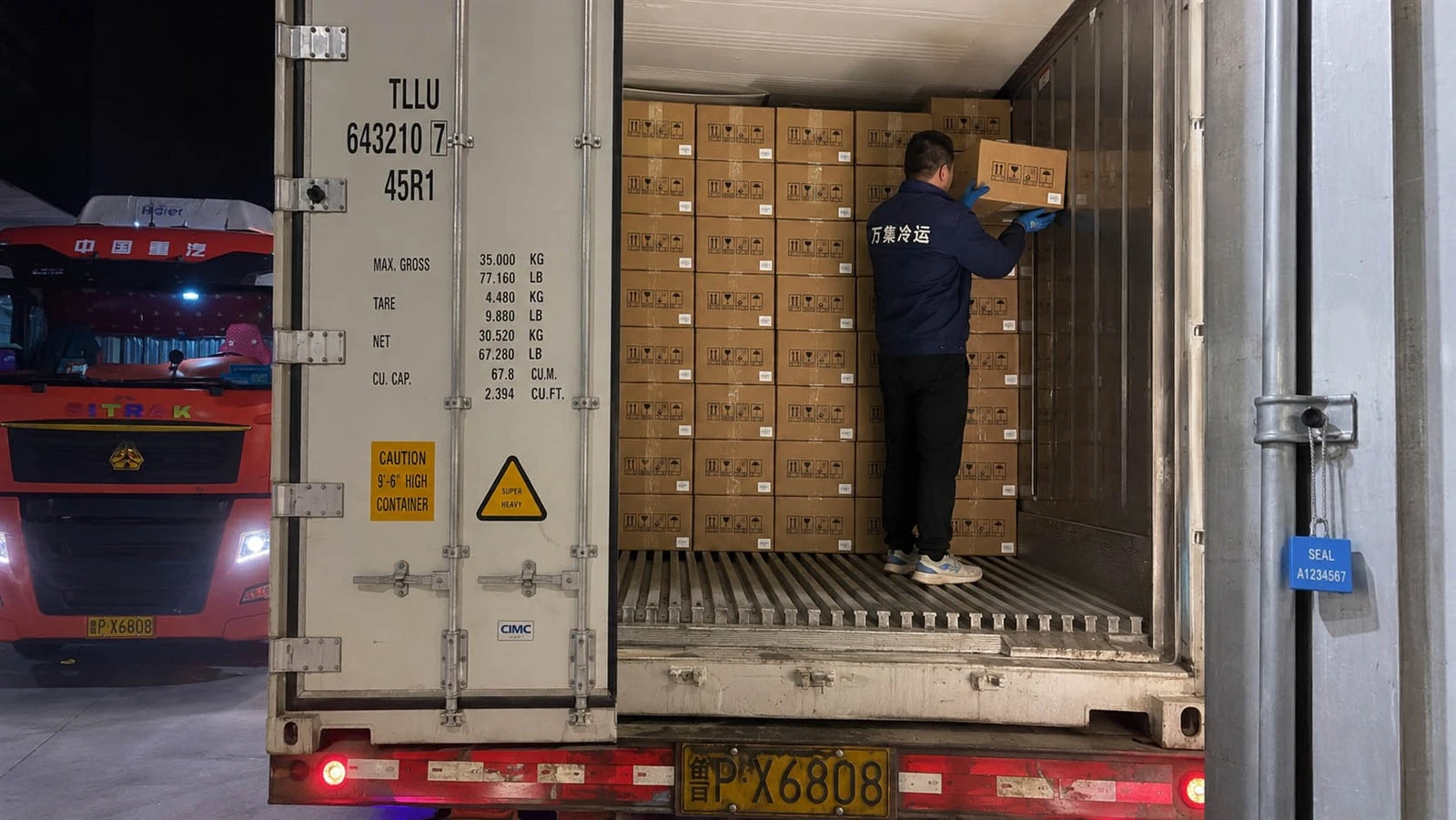
Loading example: retain shipment identity when connecting a receiving finding to the dispatch.
RFQ Template for Frozen Mushrooms: Compare Quotes Fairly
Align mushroom specifications, packing and quotation terms to make competing offers easier to compare.
Production Capacity & Supply Stability in Frozen Vegetable Factories
Evaluate capacity through the intended product, packing schedule, crop availability and shipment timing.
Frozen Corn Crop Windows and Annual Supply Planning
Plan frozen-corn variety, inventory, packing and shipment around crop windows and monthly demand.
How to Source IQF Frozen Corn from China
Build comparable frozen-corn RFQs by aligning form, Brix, defects, packing, volume, documents and trade terms.
Common Import Risks When Sourcing Frozen Vegetables
Review document consistency, pallet rules, cold-chain records and claim evidence before a frozen-vegetable import shipment.
Red Flags to Avoid When Choosing a Frozen Vegetable Supplier
Screen frozen-vegetable suppliers for factory identity, certificate scope, records, specifications and realistic capacity.
When Should Buyers Add a Second IQF Vegetable Supplier? A Heat-and-Drought Escalation Checklist
Use crop, inventory and logistics evidence to decide when a second IQF vegetable source needs qualification.
Product & supply information
Follow GreenLand-food on LinkedIn
Our company LinkedIn page shares frozen-food product discussions, sourcing articles and updates from GreenLand-food. Follow Xiamen GreenLand Food Co., Ltd. to keep up with the subjects you want to discuss with our team.
A sourcing question is enough to start
Tell me which frozen product you are considering or what is difficult about your current supply. Our GreenLand-food team can help discuss the product form, specification, packing and shipment details from there.
Email: sale1@greenland-food.com