


What Is a Pie Pumpkin? Choosing Pumpkin for Puree and Bakery Filling
Sep 27, 2026
Leave a message

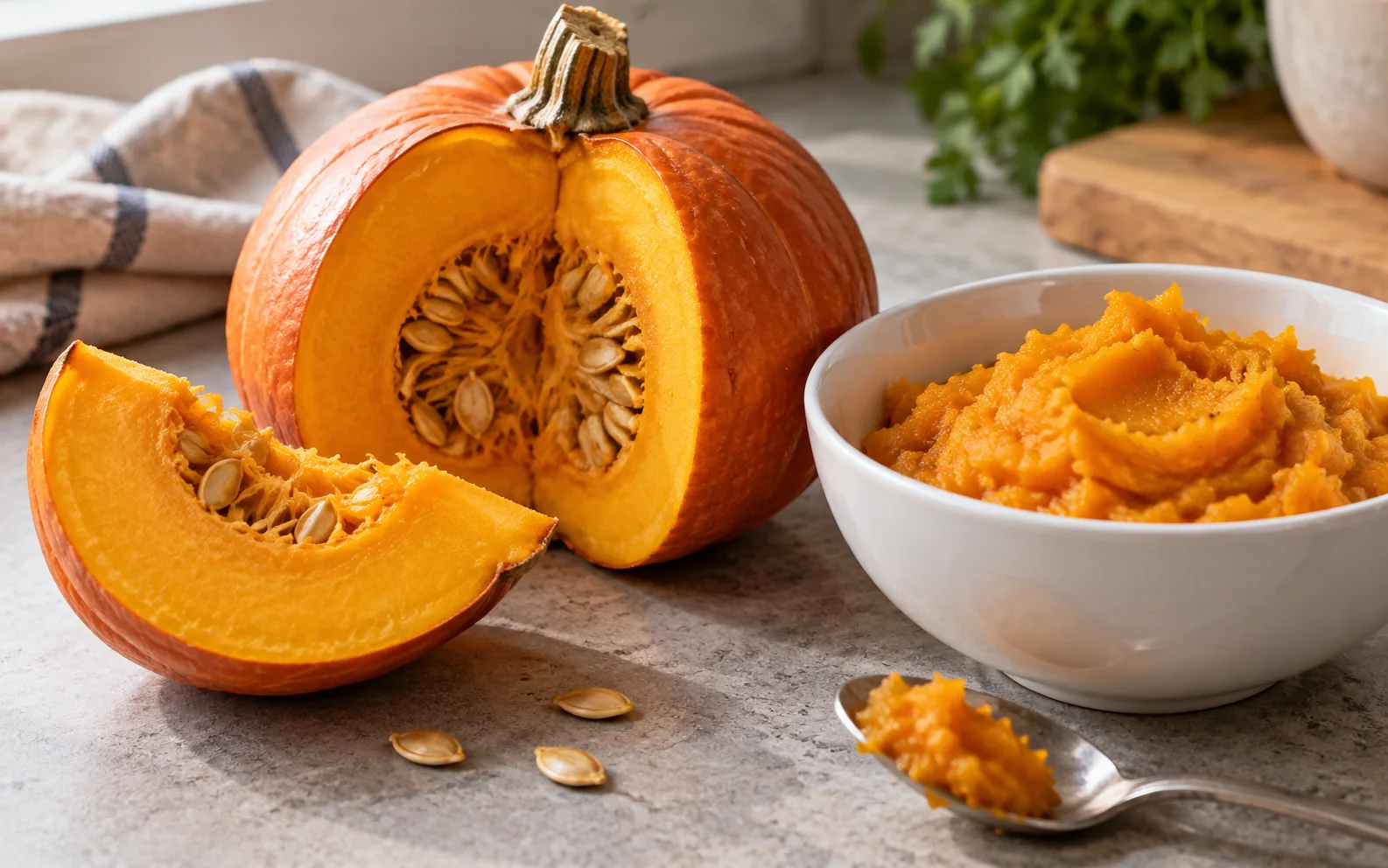
For a bakery buyer, the meaningful question is whether the available pumpkin form produces a predictable filling. That may begin with a whole pumpkin, peeled pieces, cooked puree, or a frozen cut ingredient. GreenLand-food offers frozen pumpkin pieces, but its public product pages do not establish a pie-pumpkin cultivar or a ready-to-use pie puree. We would evaluate the actual frozen form, process status, edible yield, and result in the formula before describing it as suitable for a particular bakery product.
What pie pumpkin means in a purchasing specification
University of Illinois Extension guidance distinguishes cooking or pie pumpkins from large pumpkins grown mainly for carving or display. A cooking pumpkin is chosen for its flesh rather than its exterior size. The distinction helps a home cook find a practical starting point, but it is too loose to serve as a factory acceptance standard. The word "pie" describes an intended use; it does not specify cultivar, species, maturity, soluble solids, fiber, peel proportion, or water release. A buyer should ask which of those variables matters to the finished filling.
Size can mislead. A smaller pumpkin may be easier to roast and handle, and a large display pumpkin may indeed have a watery or stringy result. Yet the actual cooking behavior depends on genetics, maturity, storage, and preparation. A small fruit is not automatically sweet or dense. A bakery that buys by appearance alone risks changing filling solids between deliveries. The first practical step is to define the output: perhaps a spoonable puree with a fixed usable yield, a smooth baked slice, and a familiar orange color after the specified bake.
There are several input forms to compare. Whole pumpkins give the kitchen control over cutting and cooking but bring peel, seeds, trim, and variable labor. Peeled cubes reduce preparation work but still need a defined cooking and pureeing procedure. Frozen pieces can help a factory buy a prepared form outside the fresh harvest period, yet their thaw or cooking behavior must be measured. Finished puree may simplify the line, though its concentration and texture need approval. None of these forms should be called interchangeable simply because the invoice says "pumpkin."
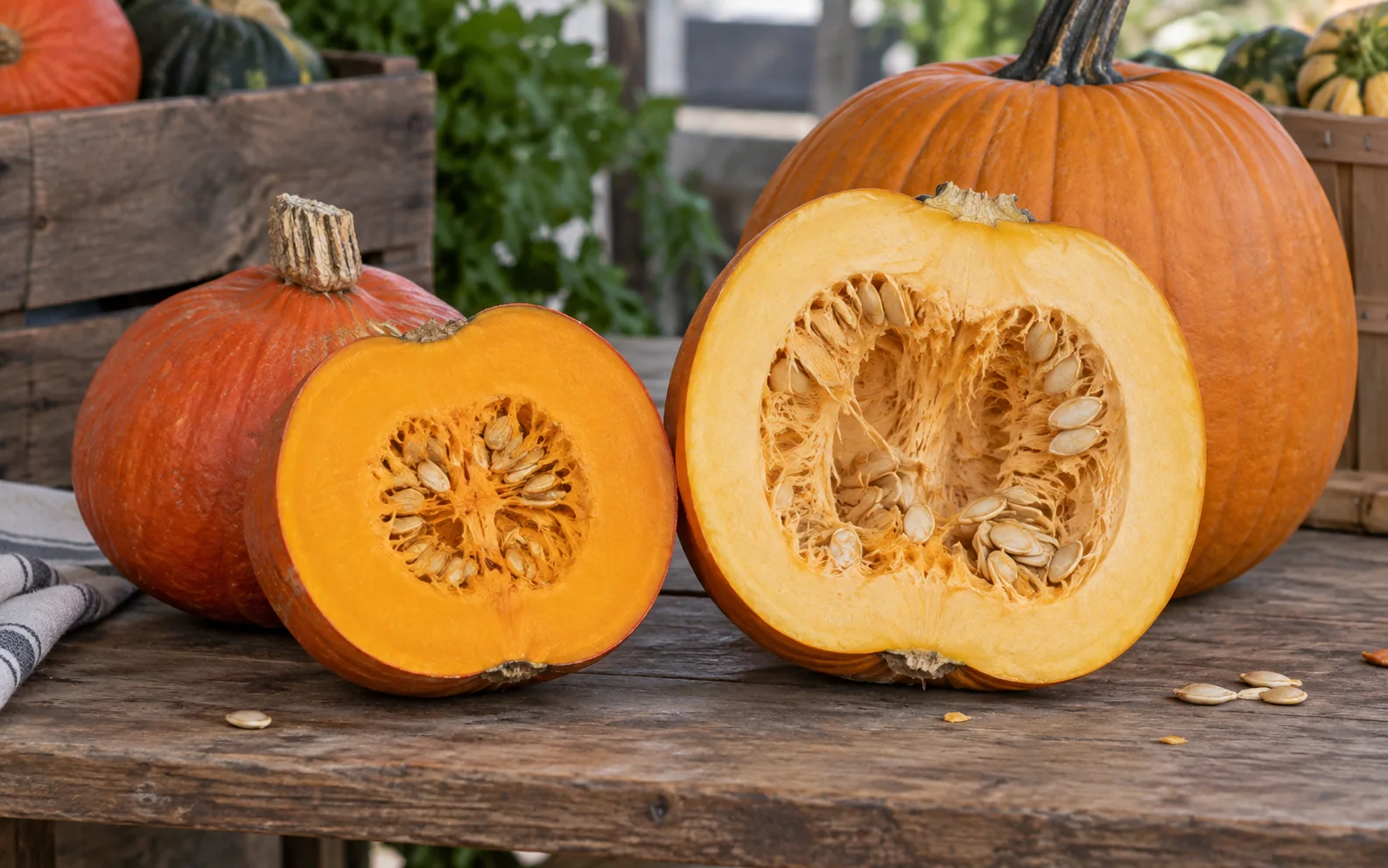
The size and flesh comparison is a visual starting point, not a standardized grade.
A useful ingredient specification states the actual form and processing status. Is the frozen pumpkin raw, blanched, fully cooked, or ready to eat? Are pieces skin-on or peeled? What cut size and size distribution are expected? Is the botanical identity or cultivar important to a claim? What storage and use instructions apply? Ask these questions before deciding how to cook the ingredient, because the correct process depends on what has already happened upstream. A photograph of orange cubes in a bag cannot answer all of them.
There is also a language issue worth resolving before artwork or sales copy is approved. A home recipe may use "pie pumpkin" as an ordinary cooking description, while a commercial label may imply a specific ingredient identity to the customer. The relevant rules depend on the market and the final product, so the buyer should review the exact proposed wording with its own labeling team. Keep the supplier's formal product designation, botanical information if requested, and lot records with the formula file. That makes a later claim review far easier than reconstructing the ingredient's history after launch.
For a new product, write the recipe around a tested puree target rather than a picturesque vegetable name. Record the amount of cooked, drained pumpkin that enters the formula, the ingredient temperature, and any added liquid. Set the bakery's target for slice set, surface appearance, spice balance, and water migration during storage. A supplier can then provide a candidate lot and a documented description. The approval can be based on measured outcome and a retained reference sample instead of a broad "pie pumpkin" promise that different parties may interpret differently.
Flesh traits that make a reliable puree
Dense flesh is useful because a pie filling must set in a controlled way. Excess free water can dilute flavor, lengthen bake time, encourage a soft center, or leave moisture at the crust. But density is not something a buyer can judge completely from a cut photograph. We prefer a simple material-balance test: weigh the prepared pumpkin, cook it by the intended method, drain if the process calls for draining, and weigh the usable puree. Record the liquid lost. Repeat across representative samples to see whether the result is stable enough for production.
Texture deserves a closer look than "smooth or not." Fibers may remain visible after ordinary pureeing, and the impression can change after baking with eggs, starch, or other setting ingredients. A pastry shop might tolerate a little rustic texture in a hand pie, while a retail custard pie may need a smooth slice. Define the sieve, mill, or blender method used in the test so samples are compared fairly. If one lot only looks smooth after much longer processing, include that labor and equipment cost in the buying decision.
Natural sweetness and pumpkin flavor vary. A sweeter pumpkin may allow a slightly different formula, but a bakery should not change declared sugars or nutritional claims based on a casual taste. Measure the puree and bake the complete formula. Spice, dairy, sweetener, and fat can cover or amplify the vegetable note. A raw cube tasting strongly of pumpkin does not guarantee the pie will. Conversely, a moderately flavored input may be adequate in a heavily spiced product. The sensory target belongs to the finished food, not to an isolated raw ingredient.
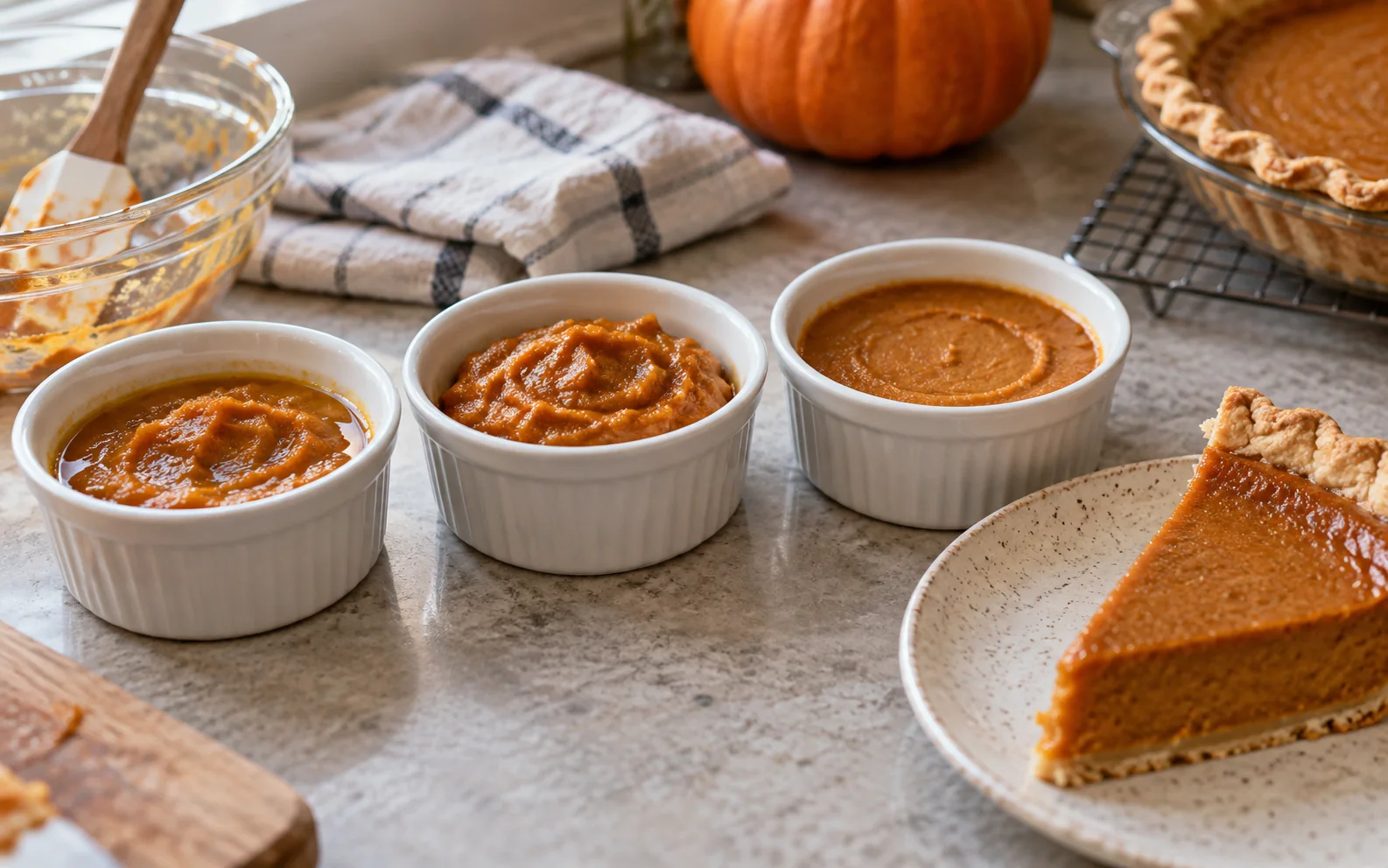
Cooked puree consistency needs testing in the finished bakery formula.
Color is another finished-product property. Bright orange flesh looks attractive in a bowl but can darken, fade, or shift in a baked filling. Compare the same baking endpoint and lighting across candidates. If the product is sold in transparent packaging, examine it after the intended storage period as well as immediately after baking. Do not try to control color through vague words such as "rich orange" alone. Retain a physical or photographed benchmark under standard lighting and set a practical acceptable range.
Finally, consider variability within a lot and across lots. A few perfect pieces selected for a photo are not a representative sample. Pull from more than one bag or pallet when the purchase is substantial, and note the spread of firmness, color, peel remnants, cut size, and defects. A buyer can tolerate some natural variation if the formula is robust. If the filling only works with an unusually narrow solids range, the supplier may need a tighter grade or the bakery may need a controlled concentration step. That tradeoff should be explicit before the product is launched.
Make the puree check reproducible for the next shift, not just persuasive in one demonstration. Record the starting mass, the amount of water added during cooking, the drain time and screen, the temperature at weighing, and the puree tool used. If one team includes the cooking liquid and another discards it, their yield figures describe different ingredients. Ask quality staff to repeat the check on a separate bag from the same lot. A small difference is expected in agricultural material; a large difference needs investigation before a bakery writes a fixed filling formula around that sample.
Turn raw or frozen pumpkin into a comparable cooked base
The only fair way to compare different pumpkin inputs is to process them into the same intended base. Start with a representative quantity and record incoming weight and condition. If the product is whole, document peeling and seed removal. If it is frozen cut pumpkin, record the pack state and follow its declared use instructions. Decide whether thawing is part of the actual production method; an artificial thaw step can exaggerate water loss or create handling conditions that the factory will never use. Keep the process matched to the real line.
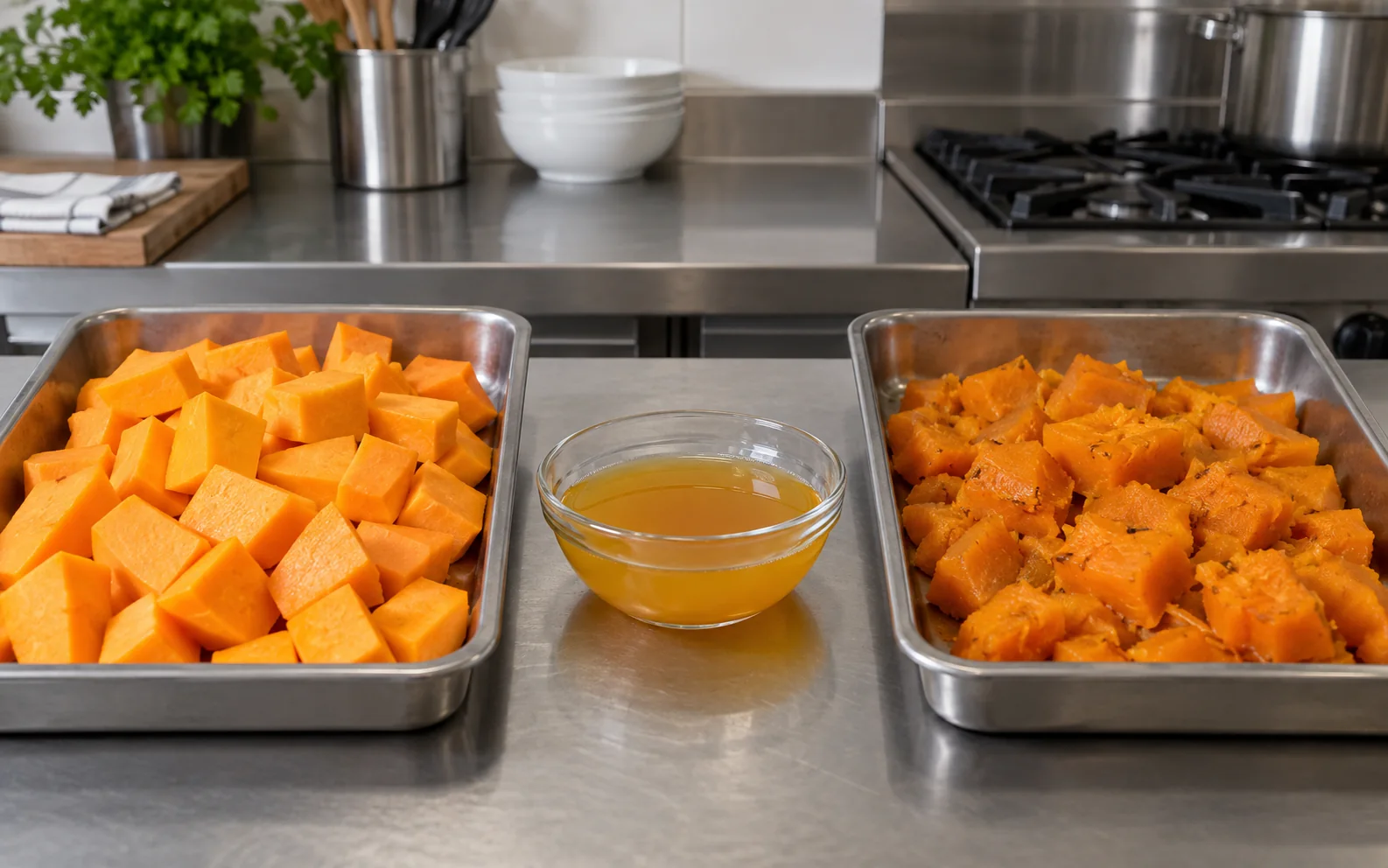
Weigh raw, cooked and drained fractions to compare usable yield.
Cooking method affects concentration. Roasting can drive off water and create a different flavor from steaming or boiling. A pressure or kettle process may alter yield and texture again. None is universally correct; the bakery should test the method it can repeat at scale. Use a documented time and endpoint, then record mass before and after cooking. If the method includes draining, measure the drained liquid. If it includes a reduction step, record the additional yield loss and energy or labor cost. These numbers turn an attractive raw price into a meaningful cost per usable kilogram of puree.
Pureeing adds its own variation. An industrial mill, food processor, and fine sieve can produce different particle sizes and recoveries from the same cooked pieces. State the equipment and setting in the pilot trial. A puree that is smooth at high shear may become thin because of cell breakdown, while a coarser puree may look irregular in a custard. The target should match the intended filling rather than an arbitrary ideal of maximum smoothness. Save enough processed puree from each candidate to run the same bake test.

A real supplier photograph shows frozen cut pumpkin, not ready-to-use pie puree.
Frozen pieces require a specific check for released liquid. Ice formation and subsequent warming can change cell structure, so the cut may soften and leak as it cooks or thaws. That does not automatically make it unsuitable for pie. A controlled cook and drain can produce a useful base, and the labor saved by a prepared cut may outweigh a modest yield difference. Record the full process, including whether the liquid is discarded or incorporated into the recipe. Otherwise, two tests that begin with equal frozen weights can end with very different solids in the mixing bowl.
GreenLand-food's frozen pumpkin photographs show actual cut product formats; they do not establish the vegetable's species, cultivar, cook status, or puree performance. We use them to discuss physical form and packing, then request the current specification and representative lot. If a bakery needs peeled cubes of a particular size, say so. If the bakery needs a finished puree rather than pieces, that is a different product request. Clear form language prevents a supplier and a buyer from agreeing in principle while imagining different inputs.
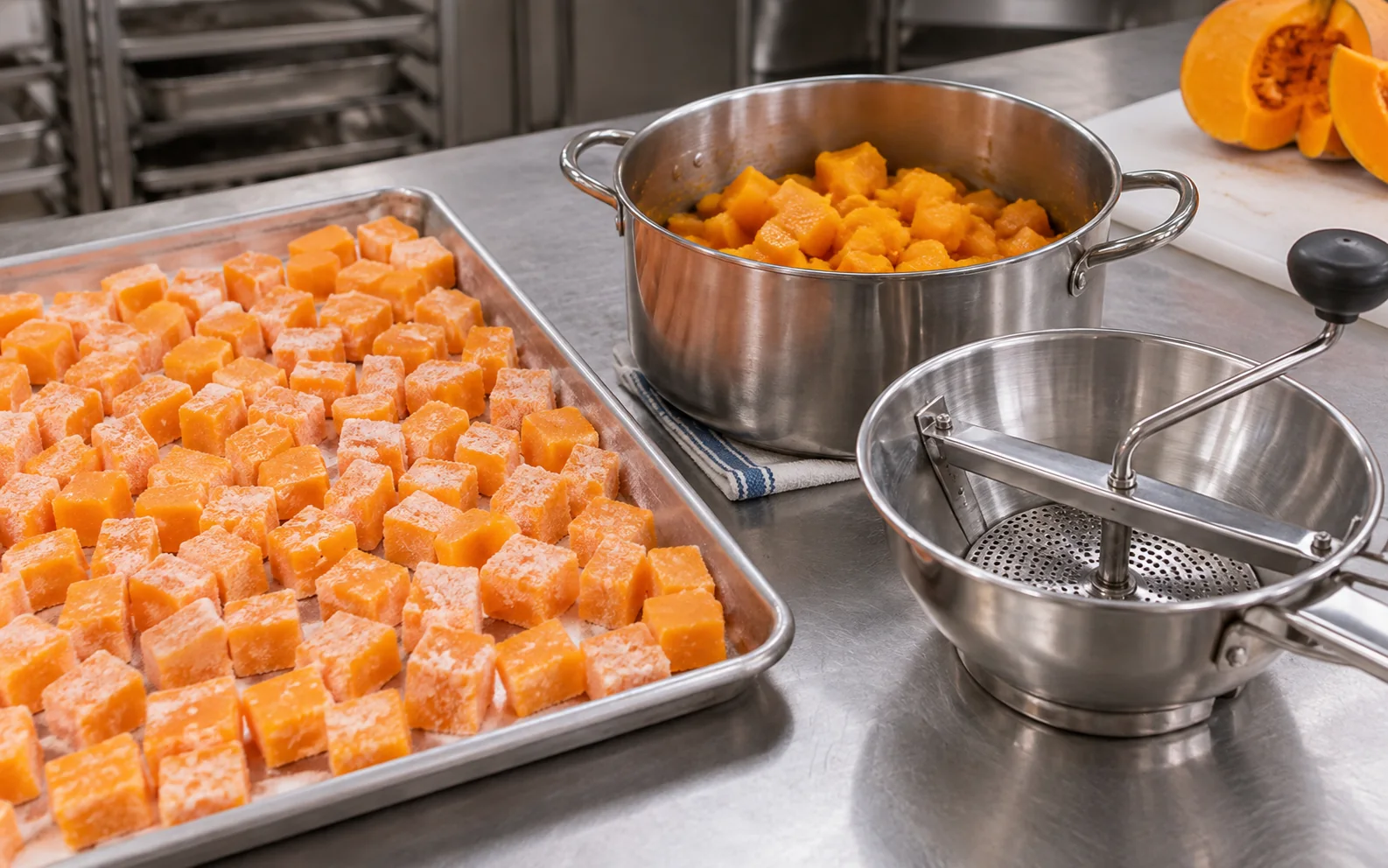
A frozen input still requires a defined cooking and pureeing trial.
At the end of this stage, calculate a comparable base yield: kilograms of acceptable cooked puree per kilogram of purchased input. Add preparation labor, peel or seed waste, cooking loss, and any reject rate. A low-price whole pumpkin may be costlier to use than a frozen prepared cut, while a convenient cut may release more liquid than expected. The numbers have to come from the actual application trial. Once the base is controlled, the bakery can learn whether its filling formula needs an adjustment or whether the ingredient is simply a poor fit.
Do not let a single unusually good batch set a misleading standard. Repeat the base-yield test on separate bags or lots when the program is material to the business. If the range is broad, ask whether an incoming solids band, cut change, or controlled drainage step would stabilize it. Sometimes the most economical answer is a recipe designed to tolerate a realistic range rather than paying for extremely tight agricultural sorting. The right choice depends on how much finished-product variation customers will accept and how much process adjustment the bakery can manage.
Test filling set and color after baking
A puree trial is only the middle of the decision. Pie filling is a formulated food: eggs, starch, sweetener, dairy or plant ingredients, fat, spices, and baking conditions all affect set. Hold the formula and process constant while comparing candidate pumpkin bases. Weigh the puree as a cooked, drained ingredient rather than comparing equal weights of raw pumpkin. If one puree contains much more water, the same nominal addition can mislead the test. Record solids or a practical concentration measure alongside the batch weights.
Bake in the production geometry. A deep pie, shallow tart, hand pie, and baked cheesecake swirl do not heat or cool the same way. Use the intended crust, fill depth, pan, oven profile, and target endpoint. Examine the center after the normal cooling period, not only while hot. A filling can appear set as it leaves the oven and then weep under refrigeration; another may look loose when hot and slice cleanly after cooling. State the evaluation time so the test can be repeated.
Score several attributes separately. Slice integrity tells whether the filling holds its shape. Surface cracking or shrinkage may signal a formula or bake mismatch. Free water on the plate or under the crust is an important defect. Color and pumpkin aroma matter to the customer, while fiber and graininess affect mouthfeel. One candidate may yield a firmer slice yet taste flat; another may taste excellent but require a small reduction in liquid. A structured scorecard helps the team make a deliberate adjustment instead of choosing by first impression.
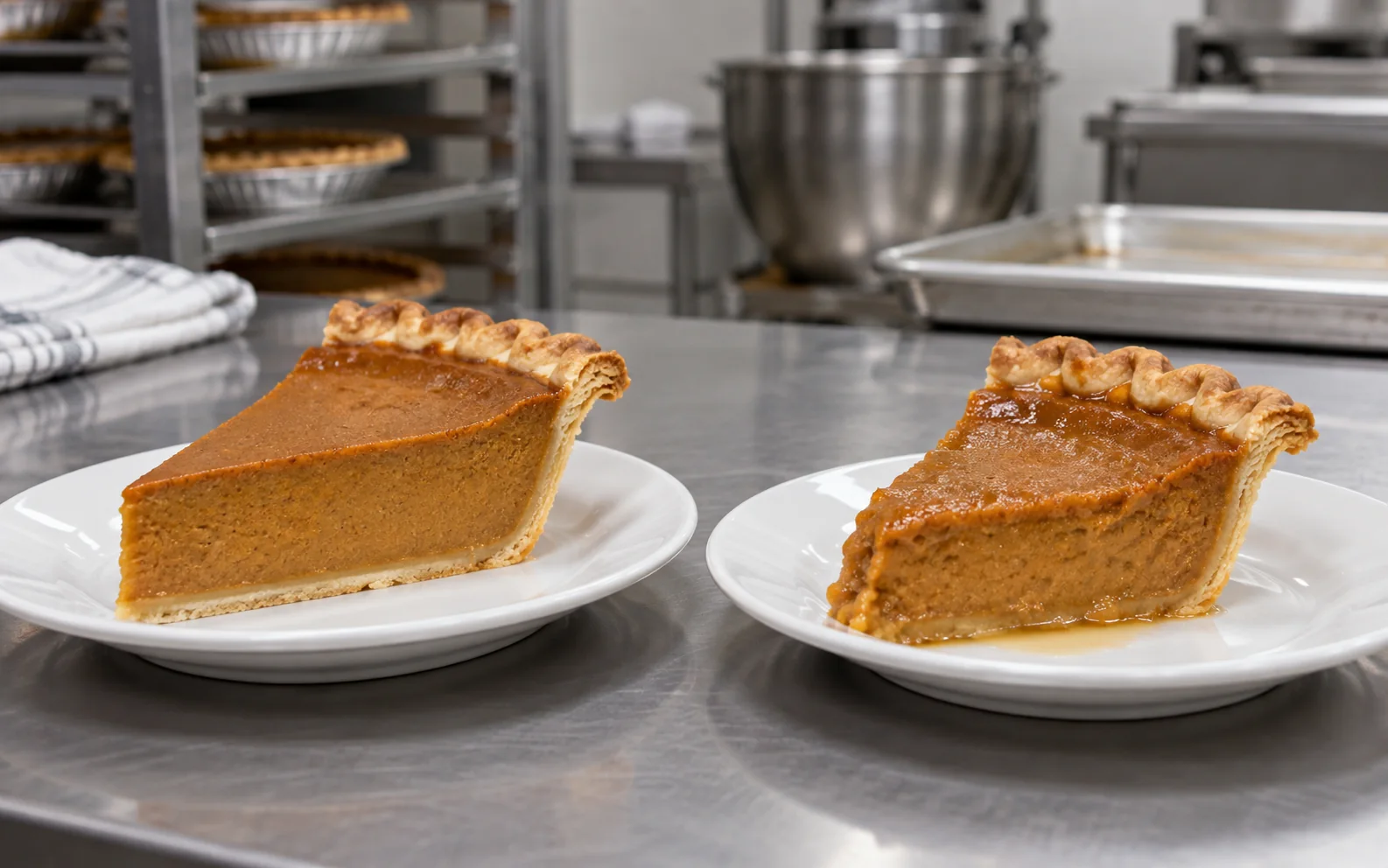
Evaluate final set and free moisture after baking, not puree appearance alone.
Storage and distribution can reverse an early winner. If the product will be chilled, frozen, thawed, or reheated, include that sequence in the pilot. Freeze-thaw stress can change the structure of a finished pie even when the pumpkin puree itself looked stable. The ingredient supplier can describe the frozen pumpkin, but the bakery owns the validation of its finished product and shelf life. Do not assume that a pumpkin cut's frozen shelf-life statement transfers to a custard filling or a finished pie.
If the bakery changes the recipe to accommodate a new input, document it as a new approved combination. An extra starch addition may solve water release but change texture and labeling. A longer bake may set the filling but increase crust browning. A new puree process may improve smoothness while increasing labor. Approval should identify the ingredient lot, process, formula version, and finished-product target together. That record lets quality staff recognize a drift later and lets purchasing know what can or cannot be substituted.
This is also the point to decide how much variability the line can absorb. A small artisan bakery may adjust water by feel each morning. A large retail program may need a much tighter puree solids band to protect consistency. Neither operating model is wrong, but the specification should match it. When requesting a quote, tell the supplier whether the ingredient enters a flexible kitchen recipe or a fixed high-volume line. The tolerance and sample program can then be sized to the real risk.
Approve the actual variety and supply form
The final buying decision should name an actual material. If botanical identity or a named cultivar is required for the product story, obtain supporting documentation and traceability. If the bakery primarily needs a functional puree, define that by form, yield, solids, texture, color, flavor, and application test. Avoid silently changing between those two types of promise. A pumpkin that performs beautifully in pie may still be wrong for a specific cultivar claim, while a correctly named cultivar may be a poor performer in the chosen process.
For frozen pumpkin pieces, ask for the current ingredient declaration, process status, cut and size range, peel and seed tolerance, pack weight, shelf-life and storage basis, lot coding, origin, and destination documents needed for the market. Clarify whether the supplied ingredient requires cooking before use. The word "frozen" is a storage condition, not a ready-to-eat designation. If the use is in a baked food, the bakery should still validate that its complete process delivers the intended safe, stable finished product.
Run a pilot with the approved sample at a meaningful scale. A tabletop roast and a production kettle can concentrate puree differently, so compare material balance and filling quality after scale-up. Keep a retained sample and a concise record of the selected lot. On future deliveries, check pack condition, temperature, cut distribution, and a quick cooked-base benchmark. Escalate a lot that falls outside the agreed range instead of quietly correcting the formula in a way that changes the product.

This product image documents one frozen piece form; variety and process status still need written confirmation.
Buying economics should use the finished pie as the denominator. Compare usable puree yield, labor, energy, rejects, storage, and any recipe changes, not only price per kilogram of raw or frozen pumpkin. A prepared frozen cut may reduce labor but require drainage; a whole cooking pumpkin may offer good flavor but create substantial trim and processing work. When the finished slice meets its target consistently, the full cost picture becomes easier to interpret.
GreenLand-food can discuss its published frozen pumpkin forms and arrange a specification and sample review for a bakery or prepared-food program. We would ask for the desired cut, processing status, monthly volume, pack format, destination, and the bakery's puree or filling target. The public pages reviewed do not verify a particular pie-pumpkin cultivar or ready-made pie filling. Those details need a direct confirmation, and the final bakery claim must reflect the actual lot. A careful trial can still reveal a good functional match even when the product is sold under the broader name "frozen pumpkin."
The approval file should state who owns each later decision. Purchasing confirms the agreed frozen form and commercial terms; quality compares incoming lots with the retained ingredient sample; production follows the recorded cook and puree method; and the bakery team checks the baked result. If a new lot needs a different drain time, that change should be documented and assessed against the finished pie before routine use. This division of checks matters when a supplier offers a different cut or origin midseason. It prevents a visually similar cube from bypassing the trial that originally made the filling work.
The answer to "What is a pie pumpkin?" is therefore a cooking-purpose pumpkin chosen for good puree and bakery use, not one guaranteed variety or a shortcut to a finished filling. For a buyer, the next step is to define the cooked base and baked result, then test the supply form that will actually enter production. That turns an appealing market name into an ingredient decision the bakery can repeat.
Questions from bakery buyers
Are pie pumpkins always sweeter than carving pumpkins? Cooking pumpkins are selected for culinary use, but sweetness varies by cultivar and lot. Test the cooked puree and the finished formula rather than treating the name as a sugar measurement.
Can frozen pumpkin cubes go straight into pie filling? Confirm whether the product is raw or cooked, follow its declared use, and make a cooked puree trial. Water release and cut form may require a controlled drain or process adjustment.
Does small size guarantee a good pie pumpkin? No. Size is an imperfect shopping clue. Flesh density, usable yield, fiber, flavor, color, and baking set are better purchase criteria.
What should be retained after approval? Keep the ingredient specification, sample lot, cooked-base yield, recipe version, baked evaluation, and a representative benchmark for future deliveries.
Source Frozen Pumpkin with GreenLand-food
GreenLand-food is a professional frozen pumpkin supplier and manufacturer in China, providing factory-direct wholesale supply for importers, processors and foodservice buyers.
Send the required cut, peel status, cooking status, puree target, packing, quantity, application and destination. We can compare an available frozen pumpkin sample with your bakery process; cultivar and ready-to-use puree status require separate written confirmation.