


Why Do Beets Taste Like Dirt? Natural Earthiness, Off-Flavors and Frozen-Lot Approval
Sep 27, 2026
Leave a message

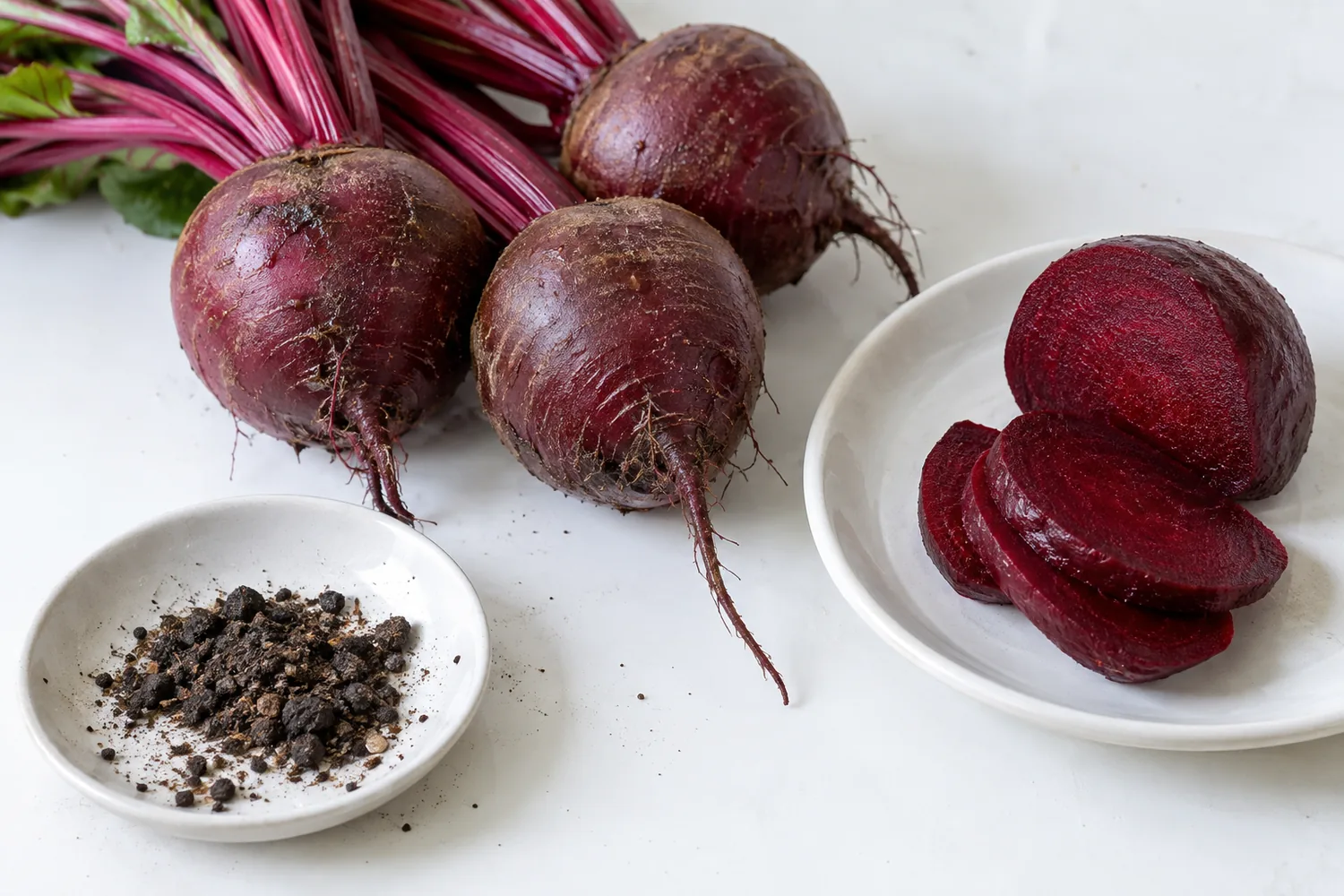
For frozen beetroot, the phrase "tastes like dirt" is too imprecise to accept or reject a shipment. One taster may be describing a recognizable earthy note; another may be describing sand between the teeth, a muddy surface, or a stale smell after thawing. Those observations call for different checks. GreenLand-food can discuss the product form, preparation method and lot documents with a buyer, while the buyer's sensory panel and foreign-material controls establish whether a particular lot suits its application. A molecule name by itself cannot approve the product.
Separate beet earthiness from dirt and off-odor
Real GreenLand beetroot product condition for the earthy-vs-dirt discussion
Start with the ordinary character of cooked beetroot. A clean beet may have a pronounced earthy aroma alongside sweetness and a mild vegetal note. The balance changes with variety, maturity, processing and the way it is served. A person who dislikes this profile might call it "dirt," even when the sample is clean. The word is useful as an alert, but it is a poor specification until the panel describes what it actually detected.
Actual dirt is a physical matter. Visible soil, sandy particles, grit between teeth or sediment left after a controlled rinse should be recorded as a separate observation. A supplier should not answer a grit complaint by saying that geosmin is natural. Conversely, a clean sample with no particles should not automatically be treated as contaminated merely because someone recognizes an earthy smell. Keep sensory character and physical cleanliness on different lines of the inspection record.
A third category is an odor that does not resemble the approved product. Sour, fermented, musty, chemical or otherwise unusual notes require a hold and an investigation under the buyer's normal quality procedure. The panel should describe the odor without guessing its cause from a single sniff. Frozen storage history, package condition, adjacent odors, thawing practice and time at room temperature can all complicate the observation. None of these can be diagnosed reliably from the word "earthy."
The first inspection is easiest when it is staged. Note the bag and outer carton condition before opening. Pour a representative portion into a clean tray and inspect the frozen pieces for color, cut, foreign matter and excessive clumping. Prepare a second portion using the agreed cooking method. Let every sample reach the same serving temperature before comparison. Record aroma first, then texture and flavor. If a complaint specifically mentions grit, use a dedicated physical check; do not use tasting as a substitute for an inspection that could find particles.
Ask the person who raised the complaint to describe the moment it appeared. Did the smell come from a sealed package, from cooking steam, or only from a finished dish? Was the gritty sensation present in one piece or across several portions? Was the product served plain or with a sauce? This context narrows the next test. A bag that smells unusual on opening may point to a different line of inquiry from a clean bag whose beet flavor becomes prominent after concentration in a puree. Keep the original complaint wording alongside the more precise follow-up description.
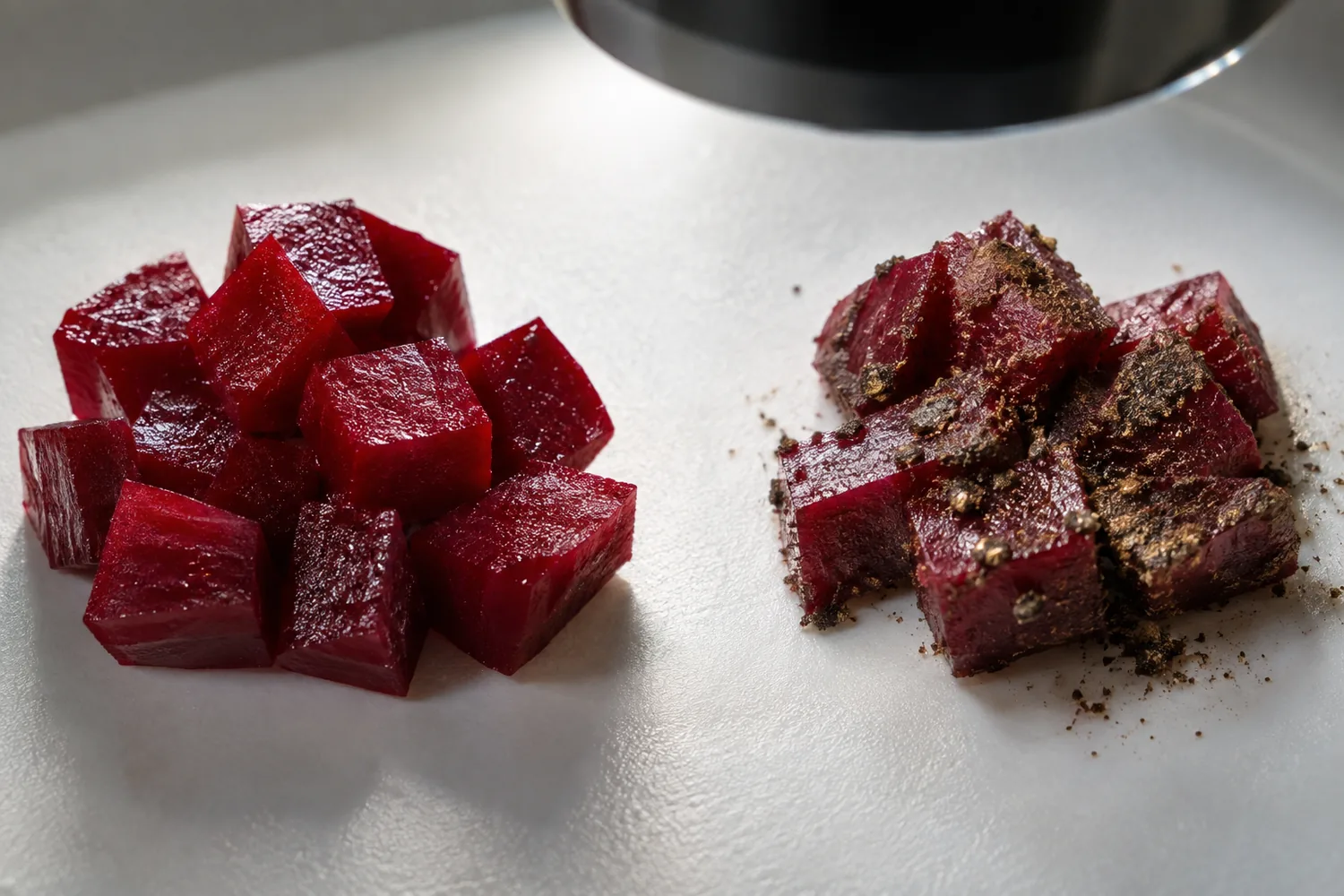
Macro photo comparison of a clean cooked beet dice sample and a separate visibly gritty unwashed sample under inspection light. Keep the two samples physically apart, believable food texture, no tasting, no labels, no false test data.
This separation matters commercially. A naturally earthy but clean beet lot may work well in a soup or a savory filling while being too assertive for a delicate color application. A lot with visible grit should not be "rescued" by a stronger recipe. A lot with an unexpected odor is a different decision again. The purchase agreement should state which characteristics are allowed, which are measured or observed, and who signs off before routine use.
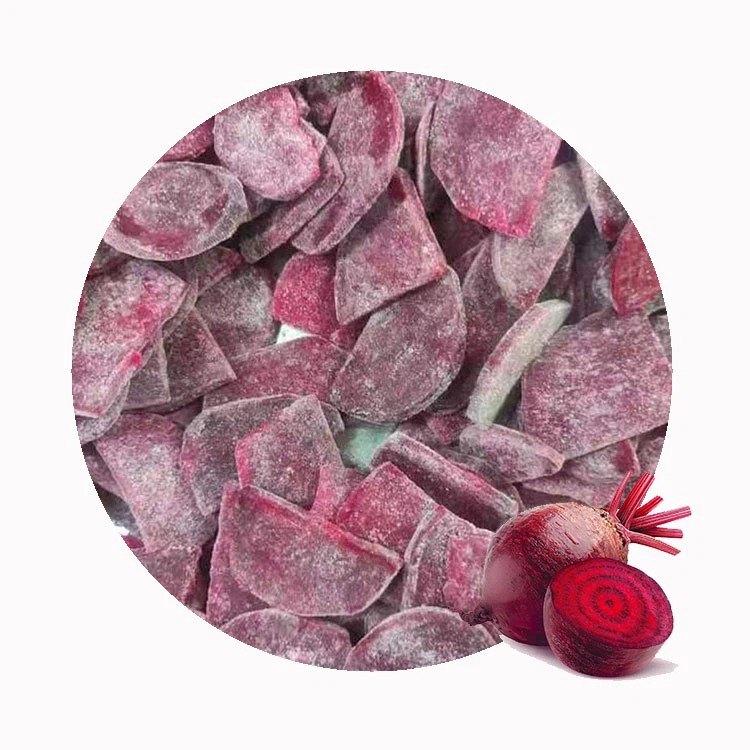
The real GreenLand product photographs in this article show offered frozen beetroot forms. The adjacent illustrative comparison shows how to keep a clean cooked sample apart from a visibly gritty sample during discussion. It is an explanation of the inspection distinction, not a photograph of a GreenLand defect or a documented test result. Buyers should assess actual production samples and lot records for their own order.
What geosmin explains and what it cannot predict
Geosmin is a plausible part of the explanation for beetroot's characteristic earthy aroma. It occurs in the discussion of many earthy foods and environments, which is why a beet smell can remind someone of soil after rain. Yet the presence of one aroma compound does not describe the complete eating experience. Perceived sweetness, texture, other volatiles, serving temperature and the food around the beet all influence what a person reports.
The research boundary is especially important here. In an original study of steamed table beet, researchers reported that geosmin concentration was not the central determinant of hedonic liking. Their measured concentration did not serve as a simple stand-in for perceived earthiness or liking in that study. This is not proof that geosmin never matters. It is evidence against using a single geosmin number as a universal acceptance score for every beet ingredient or finished food.
Other work has examined geosmin and beet sensory character, including research indexed by PubMed. Such studies help explain why the note is recognizable. They do not provide a ready-made acceptance limit for frozen dice, slices and puree from a supplier. The USDA ARS sensory work on geosmin descriptors also reinforces the need for clear language, but the summarized work used solutions rather than GreenLand frozen beet lots. We therefore treat these studies as context for designing a sensory check, not as evidence that our commercial lots receive routine geosmin laboratory testing.

Sensory evaluator smells cooked beet samples in a neutral booth
For a practical panel, define the reference before debating intensity. Cook an approved reference lot and the candidate lot in the same way, then serve coded portions at the same temperature. Ask the panel to describe aroma and flavor in plain terms: earthy beet, sweet, vegetal, musty, sour, or another clearly recorded term. If panelists differ, capture that difference rather than averaging their words into a false certainty. A complaint rate or a recipe-specific score can be useful if the buyer has already established what those numbers mean and how repeatable the method is.
Preparation can change perception. Boiling can dilute some flavor into the cooking water; roasting can concentrate sweetness and browned notes; acid, dairy or herbs in a finished dish can change the balance. These effects are reasons to test the ingredient as it will actually be used. They are not permission to conceal a quality defect. If the buyer wants beetroot as a color ingredient with minimal flavor contribution, test the proposed inclusion rate and final pH. If the buyer sells a beet-forward soup, assess whether the earthy note is part of the desired identity.
Some consumers are more sensitive to earthy aromas than others. That variation explains why a panel should include the people who understand the target product and should use a written reference rather than a casual vote. It does not establish a universal genetic explanation for any one buyer's complaint. In purchasing terms, the actionable question is whether the defined customer and recipe accept the prepared ingredient. A panel can record both the strength of a note and whether that note is desirable; those are separate answers.
Avoid a laboratory-looking claim that the evidence cannot support. If a certificate or specification lists microbiological, pesticide or other criteria, read those criteria on their own terms. Do not infer that they measure earthy flavor. If a buyer has a research reason to quantify geosmin, agree on sampling, test method and interpretation separately. For ordinary ingredient qualification, a clear sensory protocol and product inspection usually answer the purchasing question more directly than a lone number detached from the recipe.
Compare frozen forms with one preparation method
Frozen beetroot can arrive as pieces, slices or another specified form. The cut affects thaw behavior, cooking time and the way flavor spreads through a recipe. Small dice have more exposed surface relative to each piece and may distribute color and beet aroma quickly; thick slices may keep a distinct bite and visual identity. Puree behaves differently again because it is already dispersed. These are formulation differences, not a ranking of which form is inherently "less earthy."

Real GreenLand beetroot product condition for the frozen-beet-forms discussion
A fair comparison holds the preparation constant. Take the same mass from each candidate and document whether it is cooked from frozen or thawed first. Use the same water volume, vessel, heat, cooking endpoint and holding time. Record drained weight if the recipe uses drained solids. Photograph the prepared sample under the same light. Compare one form with another only after accounting for particle size and concentration; otherwise a stronger impression may simply reflect a larger dose of beet solids in the spoon.
Freezing and thawing can soften tissue and release liquid. A thawed slice may look and feel different from a cooked-from-frozen dice even when both originate from sound raw material. A buyer who needs intact pieces should inspect breakage and size distribution after its actual handling process. A buyer who blends the beet into soup may care more about color release, smoothness and flavor at the finished inclusion rate. The target application determines which observation deserves weight.
Ask for the offered cut dimensions, tolerances, packing format, net weight, storage requirements and any declared processing steps. Clarify whether the quoted item is raw IQF beetroot, cooked frozen beetroot, a puree or another formulation. "Frozen beetroot" alone is too broad for a sensory comparison: a pre-cooked puree and raw pieces will respond differently to the same kitchen instructions. The ingredient statement should also reveal additions such as salt, acid or other components where relevant.
Use a small matched trial before setting a bulk specification. One sample can be cooked and tasted unseasoned to identify the ingredient character. A second can be prepared in the target recipe, with the same inclusion rate and process as the approved reference. If the finished product uses a heat step, freezing and thawing sequence, or prolonged holding, include those steps. Record texture, color, aroma and yield after the final process, not only immediately after opening the bag.
For comparisons across suppliers, keep the raw-material and process questions visible. A darker-looking sample might reflect cultivar, concentration, cooking or photography, and a paler sample is not automatically weaker or fresher. Request an actual sample with its product specification and lot identification. Note whether added water or other ingredients change the net beet content. If a puree and a dice are being evaluated for the same finished recipe, calculate an equivalent beet solids input or state that the trials answer different questions. This avoids drawing a flavor conclusion from an unequal dose.
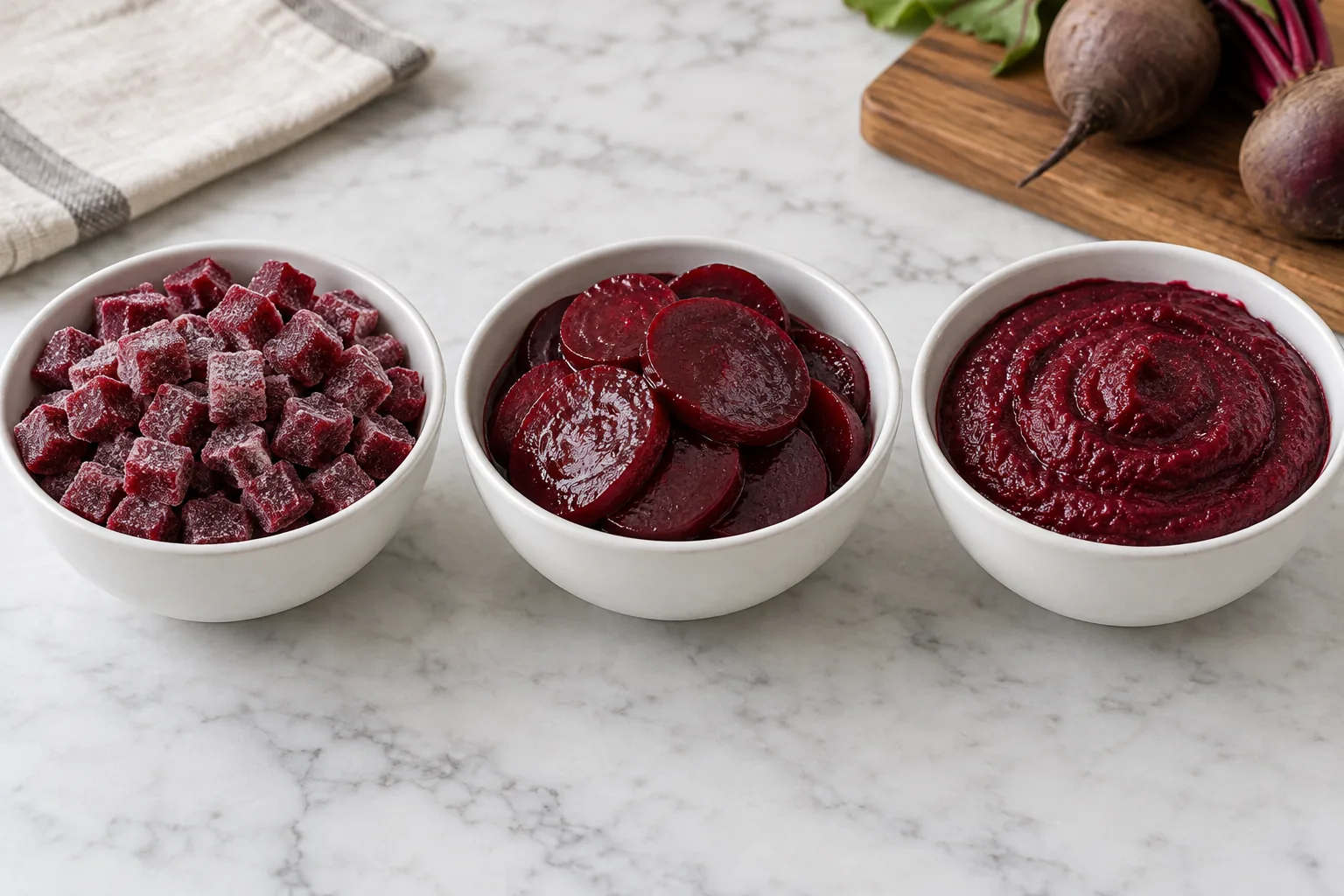
IQF dice, thawed slices and cooked puree under matched light
The form comparison image is an illustrative arrangement of IQF-style dice, thawed slices and cooked puree. It does not certify that every pictured form is a current GreenLand SKU. The real product photograph beside this section provides product context; the current offer, cuts and processing status still need confirmation against the product page, sample and quotation. Confirming the current offer against a sample and quotation prevents a pictured form from becoming an accidental promise about available stock.
Build sensory and foreign-material acceptance
An acceptance method is most useful when two teams could repeat it and reach a comparable decision. Begin with a named reference: an approved lot, a retained sample or a documented sensory profile from a prior successful production run. Record how that reference is stored and how long it remains valid. Without a reference, "too earthy" often becomes a dispute over individual preference rather than a traceable product requirement.
Draw representative portions from the lot according to the buyer's sampling plan. Keep lot code, carton location, date, product temperature and package condition in the record. A small single scoop from one opened bag cannot speak for an entire container. At the same time, a sensory trial does not replace the routine incoming controls required by the buyer's food safety system. The buyer should decide sample size and release authority through its own quality procedure.
Blind coding helps the panel focus on the product rather than a supplier name or the color of a package. Prepare candidate and reference portions in the same cookware, with the same water, time and serving temperature. If the panel must compare several lots, randomize presentation order and provide plain water between samples. Have evaluators record observations independently before discussion. This reduces the chance that the first confident speaker sets everyone else's answer.
Keep physical foreign-material checks separate. Inspect frozen product under good light. Where the complaint concerns sand or grit, use the buyer's defined rinse, sieve or sediment procedure and record the result as visible particles, not "earthy flavor." If a suspected piece is found, preserve it under the site's normal incident procedure so the supplier and buyer can assess the same evidence. Do not taste a sample known to contain foreign material to decide whether the defect is acceptable.
A short acceptance sheet can put these decisions in parallel: package and temperature condition; product identity and cut; color and visible foreign matter; reference sensory comparison; cooked texture; finished-application result; and hold or release decision. Attach photographs and preparation details to any exception. A simple "pass" with no method gives little help if a second production batch behaves differently. A precise note such as "candidate has stronger earthy aroma than reference after 12 minutes in the agreed preparation, while no visible grit was found" tells both parties what to investigate.
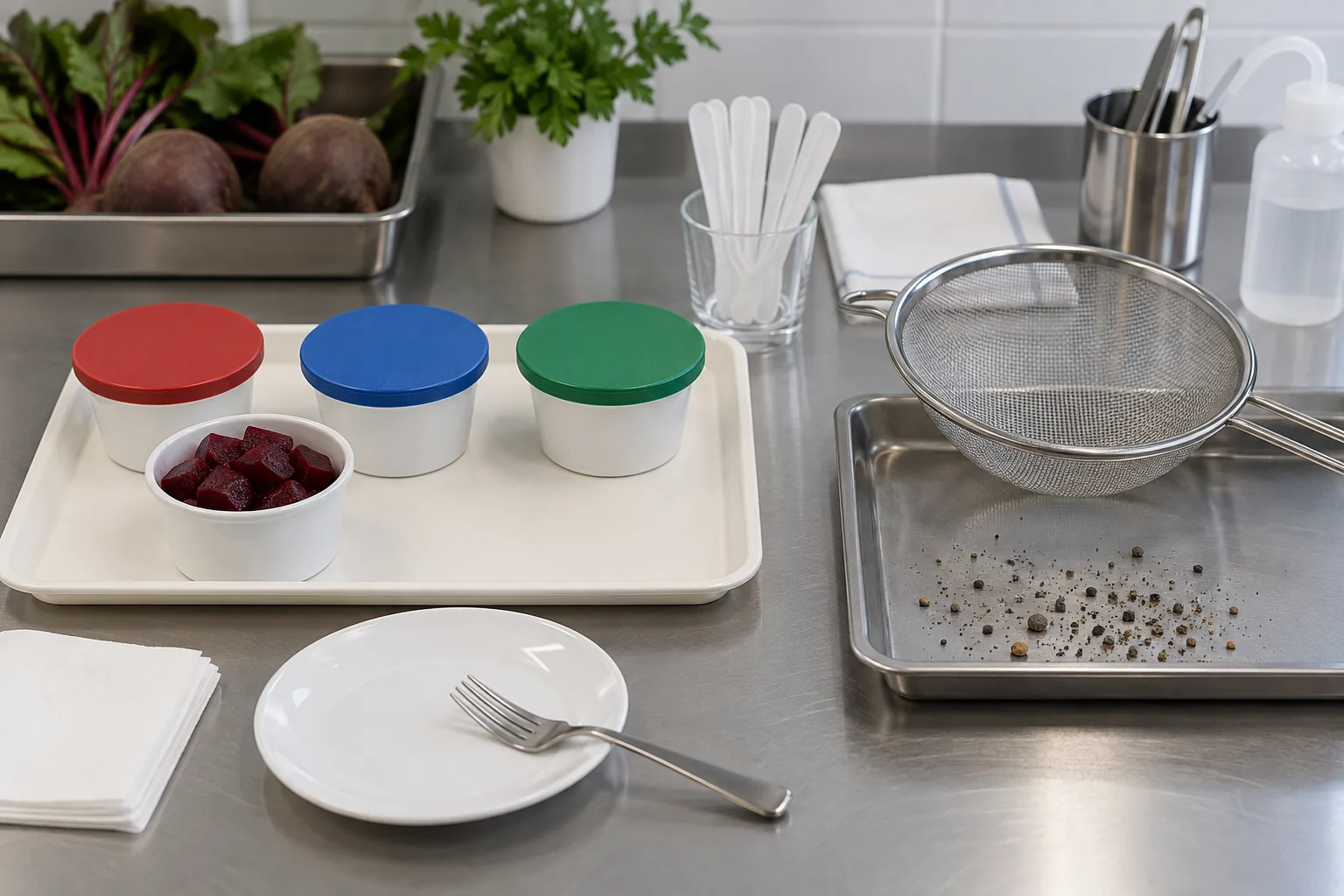
Separate sensory panel and visible-grit inspection stations
Set a sensible escalation path. If the candidate differs from the reference, the buyer can repeat the preparation with a second representative sample, convene a trained panel, or run an application trial. If there is visible foreign matter, package damage, abnormal odor or another safety concern, hold the lot under the buyer's procedure immediately. The supplier can review traceability, processing and shipment information, but neither a marketing article nor a cooking suggestion should override a formal hold.
Records matter for frozen supply because transport and storage can blur an otherwise sound comparison. Note receiving temperature, logger evidence if agreed, seal and carton condition, and how long the sample remained outside controlled storage. An overheated or repeatedly thawed sample should not be compared casually with a properly stored reference. If the agreed cold-chain evidence is missing, resolve that gap as a shipment issue as well as a sensory one.
Set the decision rule before the panel sees supplier identities. It may specify that the candidate must match the reference within an agreed sensory range, that any visible grit triggers a hold, and that a finished application trial resolves borderline but clean flavor differences. The exact range belongs in the buyer's validated specification; this article cannot supply a number that fits every recipe. When the result is borderline, document the second trial and final approver. A repeatable escalation rule protects both buyer and supplier from shifting standards after a shipment arrives.
Decide fit in the final application
The final question is whether a clean, conforming beet ingredient performs in the buyer's recipe. A savory soup, salad component and color puree expose different parts of the beet profile. In soup, beet aroma mixes with vegetables and broth; in a salad, a diced piece is tasted directly; in a color application, even a small flavor contribution may matter if the surrounding base is delicate. The same lot can therefore be suitable for one approved use and unsuitable for another without being defective.
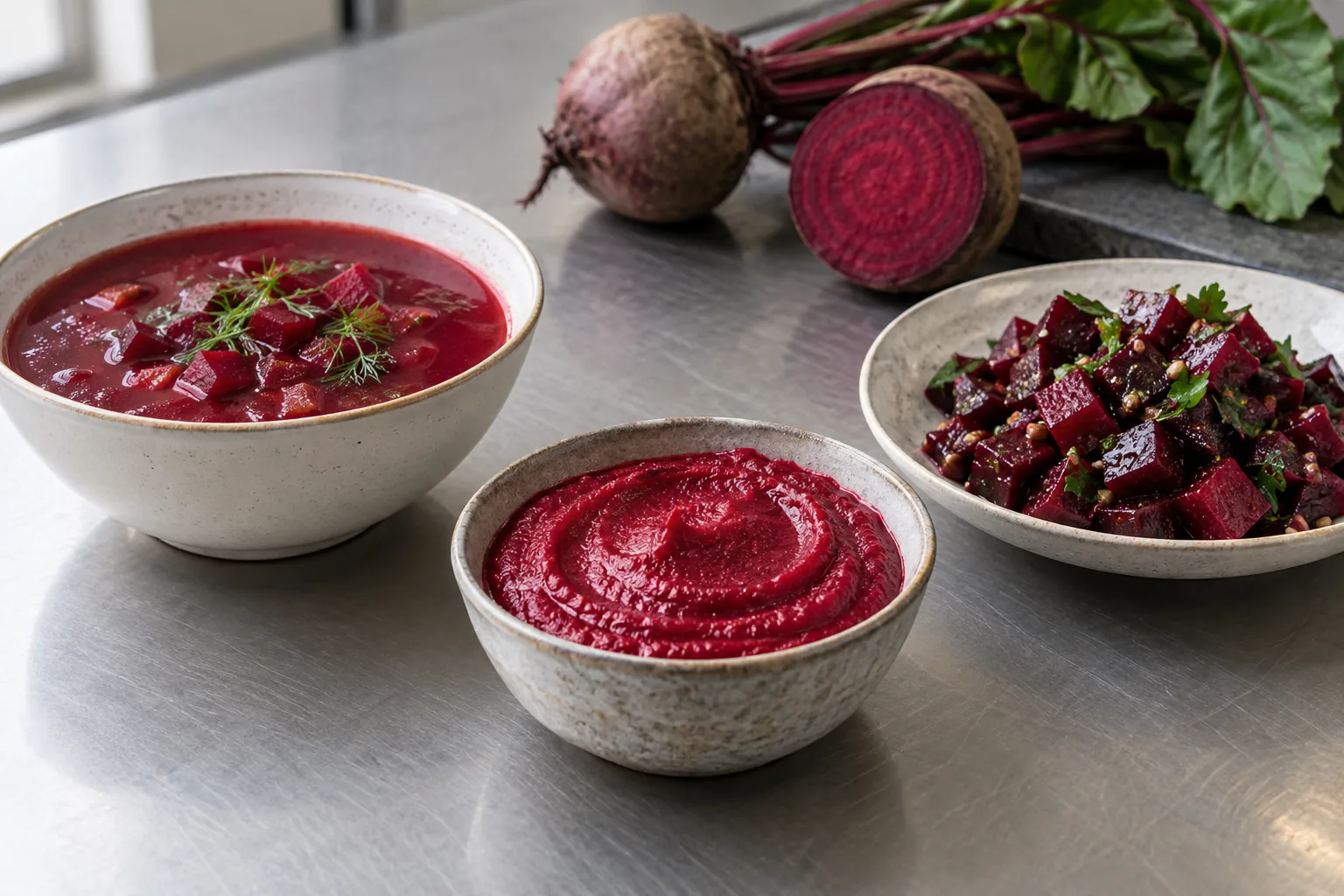
Beetroot in soup, puree and salad development samples
Test at the proposed inclusion rate. For a soup, hold a batch through the normal cook and service window, then inspect color, aroma and piece integrity. For a chilled salad, evaluate after the actual thaw, drain, dressing and refrigerated holding steps. For a puree used to color another food, compare the finished product with the approved color and flavor reference after heat, acid or storage changes relevant to that recipe. Record the sample mass and yield so a good result can be reproduced in production.
If the formulation team wants to soften a normal earthy note, it can adjust the recipe based on its sensory objective. Acid, sweetness, fat and aromatic ingredients may shift the perception in a particular food. Run the adjustment on clean, approved material, and document what the change does to the finished product. A recipe adjustment should never be the response to grit, an abnormal odor or a failed incoming control. Those findings need quality action first.
For a purchasing brief, state the botanical product name, frozen form, cut, processing status, packing, target use and reference preparation. Add the specific sensory language that matters: for example, "characteristic beet aroma permitted, no abnormal musty or sour odor, no visible grit under the agreed inspection." Define who approves the sample and whether approval applies to the named lot, a recurring specification or both. Ask the supplier to confirm current availability and documents before a purchase order is finalized.
If a brand is deliberately developing a mild beet product, make that design goal explicit in the brief. A supplier cannot reliably choose material for "less dirt taste" without knowing the preparation, serving temperature and other ingredients. Share a benchmark sample or an agreed sensory description. If the first sample does not fit, ask whether a different cut, process or approved source is available, then repeat the same trial. If no available frozen beet form can meet the target, change the formulation or choose another ingredient rather than silently relaxing an incoming standard.
Our frozen beetroot range and IQF beetroot product page are starting points for an actual offer discussion. We can confirm the available form, packing and lot information for a specific inquiry. We cannot infer from an illustrative image that an unlisted cut or puree is for sale, nor can this article certify a shipment's sensory profile. The buyer's agreed sample, documentation and incoming checks remain decisive.
The practical answer to "why do beets taste like dirt?" is therefore a sequence. Recognize that an earthy beet note can be natural. Inspect separately for actual soil, grit and unexpected odor. Then compare the clean, prepared ingredient with an approved reference in the intended application. That sequence gives the supplier a concrete issue to investigate and gives the buyer a defensible reason to accept, hold or reject a frozen lot.
Source Frozen Beetroot with GreenLand-food
GreenLand-food is a professional frozen beetroot supplier and manufacturer in China, providing factory-direct wholesale supply for importers, food manufacturers, foodservice distributors, and private-label programs.
Send the product form, specification, packing, quantity, application, destination, private-label needs, and requested documents. We will confirm the current offer and documentation for your order.