




Frozen Cherries supply for commercial buyers
We supply frozen cherries for bakery, fruit preparations and foodservice, with sweet or sour fruit and whole or pitted styles specified separately. Color and diameter cannot replace a clear variety and pit-status declaration.
For a pitted order, we agree the inspection method and residual-pit limit before approval. We also check stems, split fruit and juice release against the application, keeping each cherry type on its own sample standard.

Product forms
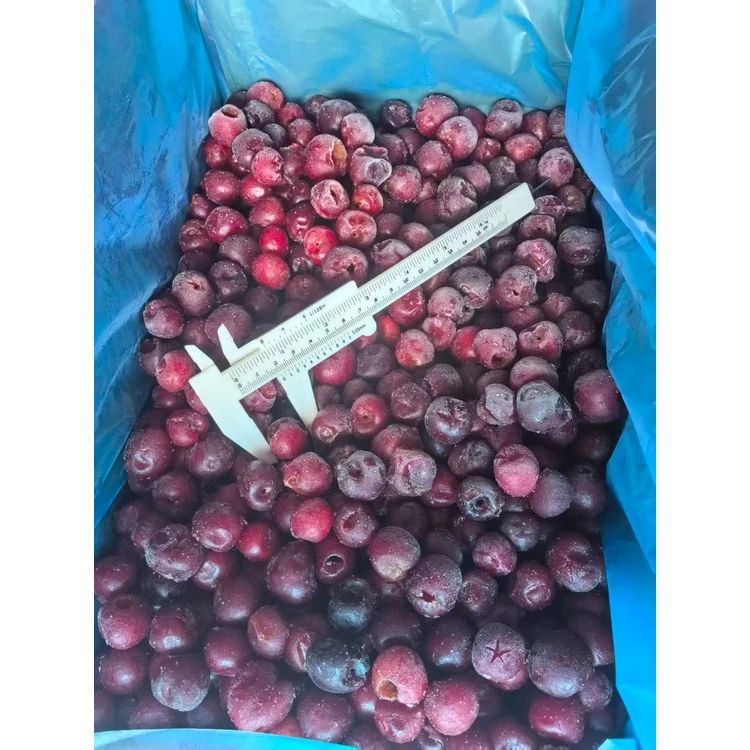
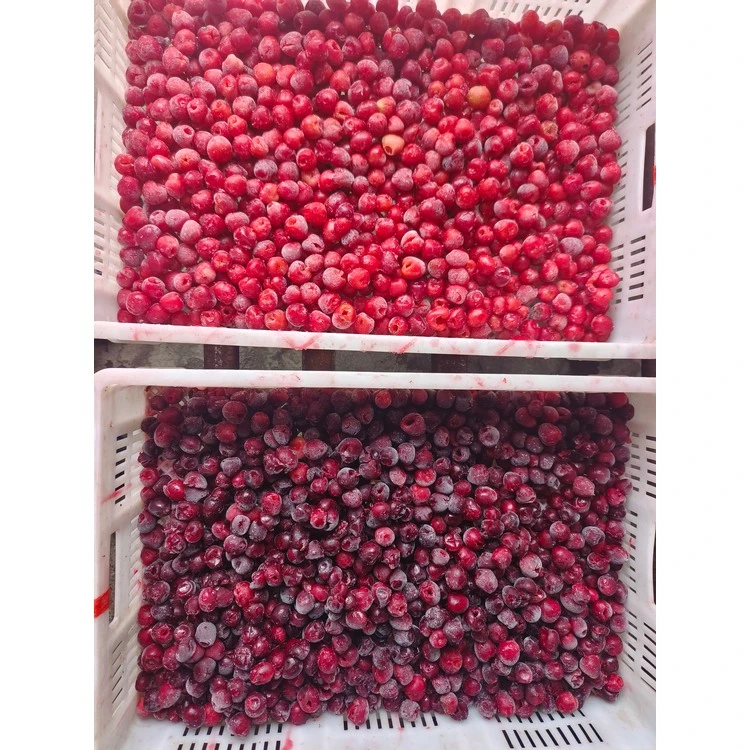
Whole cherries by verified fruit type
A photograph cannot establish sweet or sour identity, cultivar, pit status or an A/B grade.
Pitted cherries by separate grade
Specify sweet versus sour first, then whole with pits versus pitted; set a residual-pit limit for pitted fruit. Pitting needs its own residual-pit standard, damage allowance and production evidence.
Purchasing risks and acceptance checks
Appearance and identity: sweet or sour identity, variety and red shade.
Confirm sweet or sour identity from source-lot records and use a separate approved sample for the relevant variety. Red shade alone is insufficient.
The buyer receives a sweet or sour identity record for the selected lot.
Foreign parts and defects: pits in a pitted order, stems, split skins and crushed fruit.
For a pitted order, verify the pitting operation and residual-pit limit on the lot. Stem, split-skin and crushed-fruit tolerances are inspected separately.
Remaining pits, stems and crushed fruit are controlled as separate defects.
Functional performance: pit status ambiguity and pit fragments.
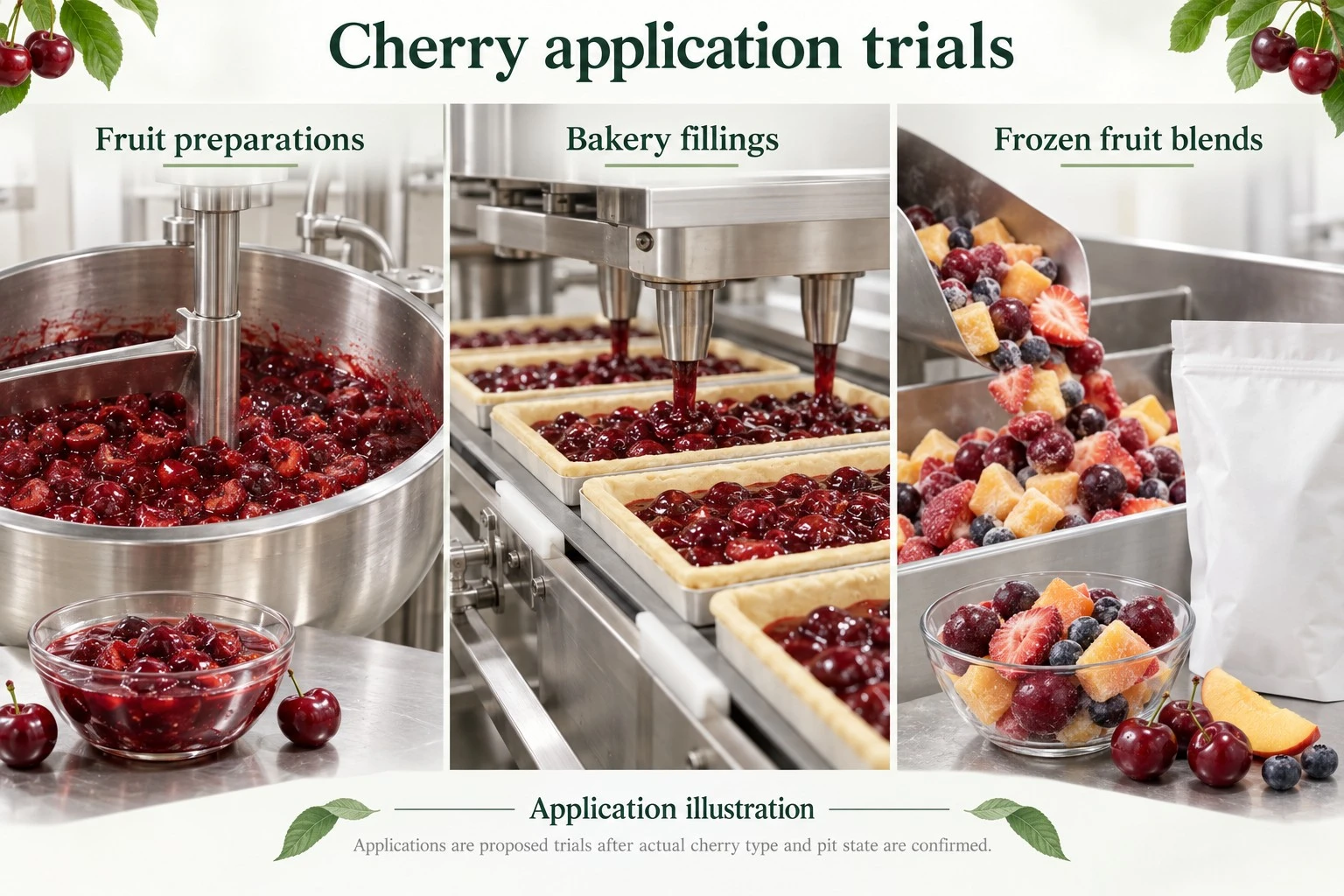
We test the chosen cherry in the buyer's filling or fruit preparation and measure pit fragments, tearing and juice release.
A bakery or fruit-preparation trial shows whether the chosen cherry holds its intended appearance.
Product specifications
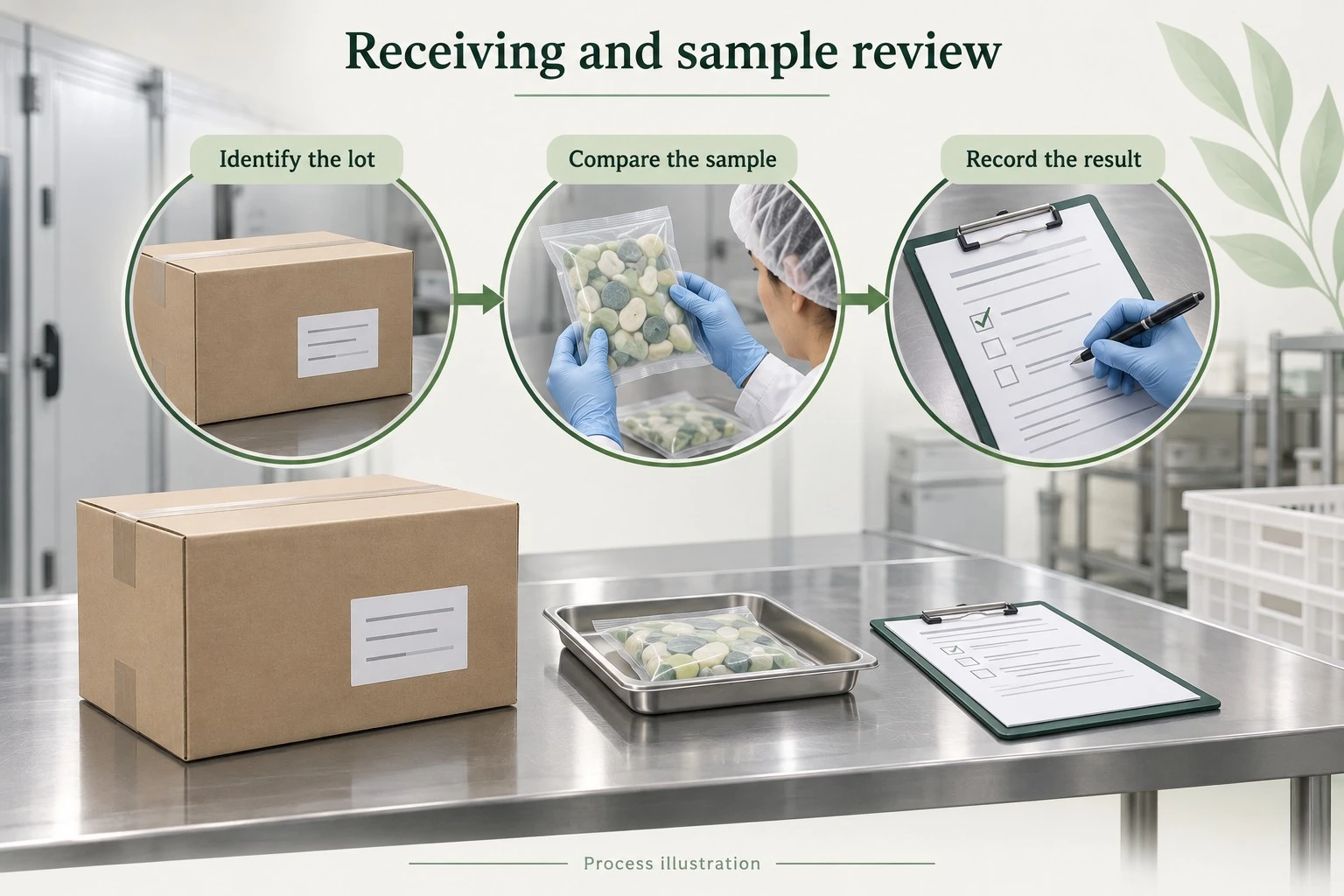
We match the form, grade and acceptance method to the agreed sample and your application.
| Item | Requirement |
|---|---|
| Product identity | Sweet or sour cherry identity and variety must be verified from source-lot records; photo color is not proof. |
| Primary form | Whole cherry lots photographed. Pitted status is not verified from the selected photos. |
| Sweet or sour identity | Confirm sweet versus sour variety from source-lot records and a separate approved sample; photo color alone does not establish either identity. |
| Pit status | State whole with pits or pitted. A pitted order requires a residual-pit tolerance and inspection method. |
| Appearance | Agree a reference for sweet or sour identity, variety and red shade; define acceptable natural variation and reject defects separately. |
| Size and grade | Define sweet or sour identity, whole or pitted form, size and a residual-pit limit where pitting is required. |
| Critical defects | Agree inspection limits for pits in a pitted order, stems, split skins and crushed fruit, including how a buyer will sample a received carton. |
| Analytical targets | Any sweetness, acidity or microbiological target is set for the chosen sweet or sour cherry lot and tested by an agreed method. |
Preparation and frozen processing
- Cherries lot selection. We begin with the selected fruit lot and record the identity relevant to cherry color and firmness vary by sweet versus sour variety.
- Preparation and removal. Sorting, stem removal and optional pitting have distinct inspection requirements. A pitted claim needs a defined residual-pit control.
- Form and size control. We record sweet versus sour identity and whole versus pitted status separately. A pitted order needs a residual-pit inspection result on the actual lot.
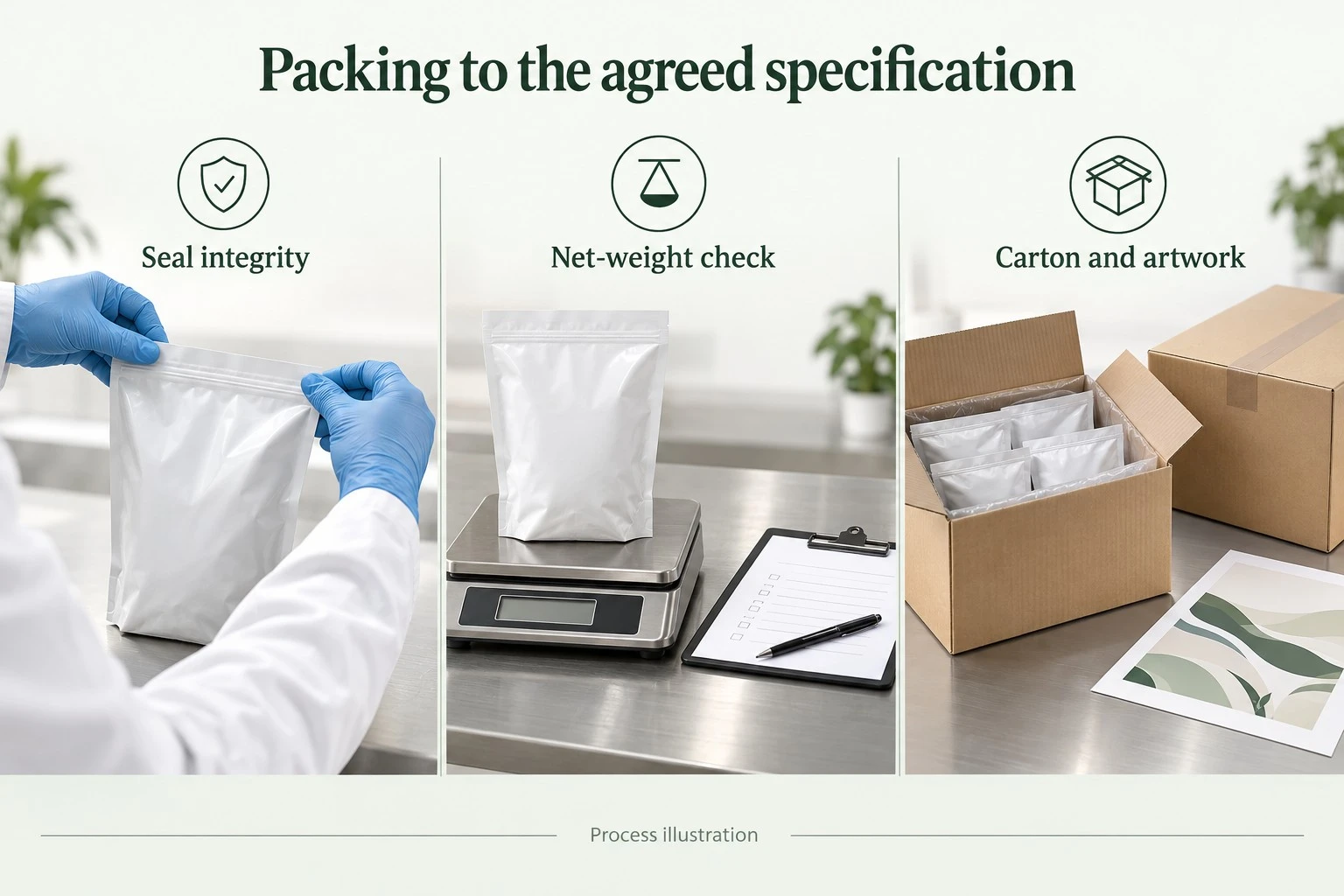
- Packed cherries release. We inspect for pits in a pitted order, stems, split skins and crushed fruit, check net weight and seal integrity, and match carton identification to the lot record.
Quality control
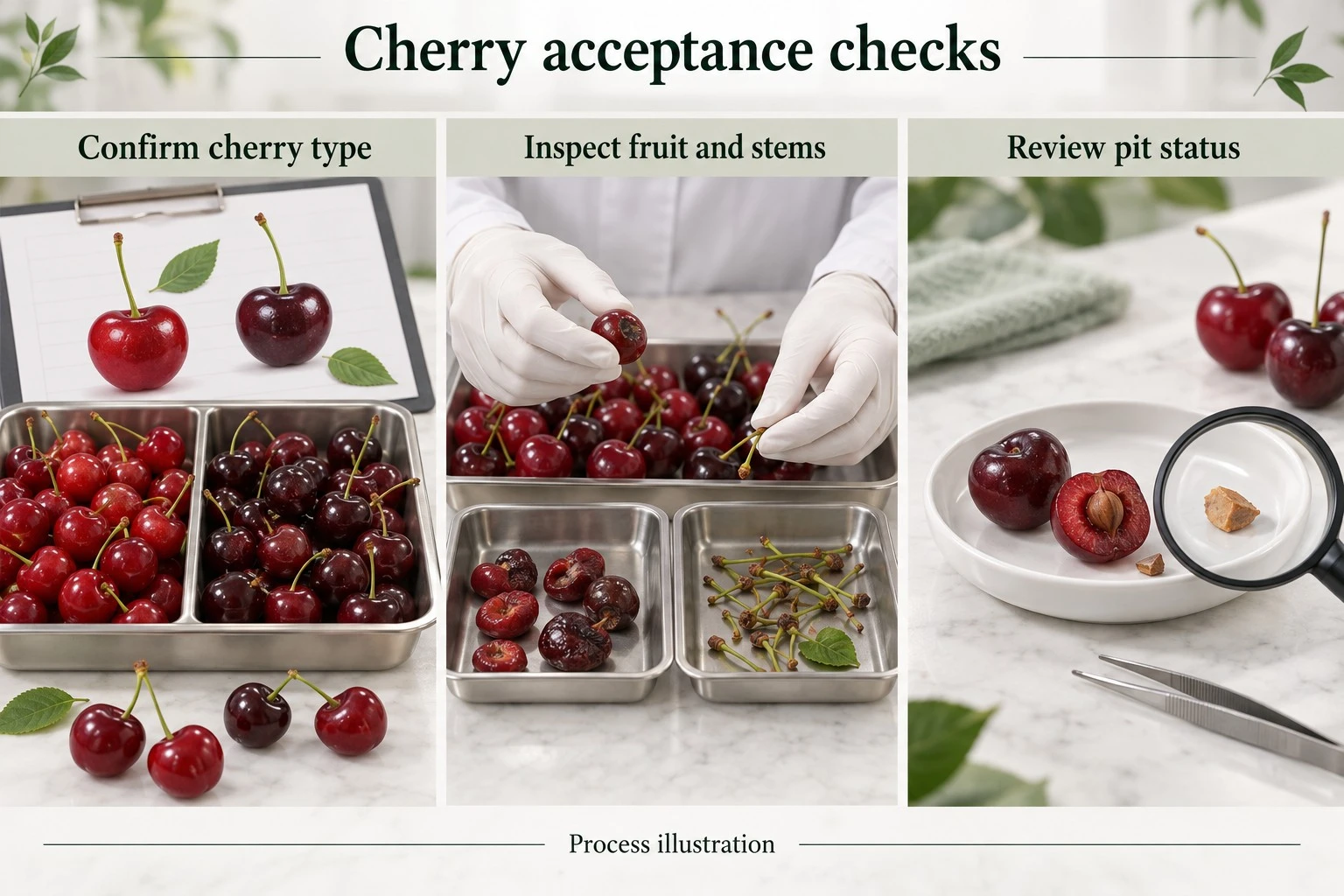
A cherry receiving standard starts with verified sweet or sour identity, then states whole or pitted form. For pitted fruit, residual pits and fragments require their own sampling and limit; split skins, stems and juice loss are separate visual defects.
We inspect sweet and sour lots under separate records. For pitted fruit, we need a defined method to detect residual pits and fragments, alongside a measure of tearing caused by pitting. Whole cherries with pits cannot quietly substitute for a pitted bakery specification.

Applications and quality requirements
| Application | Buyer channel | Purchasing requirement |
|---|---|---|
| Sour-cherry bakery fillings | Bakery ingredient manufacturers | Confirm sour identity and pitted state separately, then check color, juice release and any pit fragments in the buyer’s filling process. |
| Sweet-cherry fruit preparations | Fruit-preparation plants | Approve variety and size on a lot sample before choosing whole or pitted fruit for the formula. |
| Whole-cherry foodservice packs | Foodservice distributors | State clearly whether pits remain and match the handling instructions and pack label to that verified form. |
Packing and private label
For bulk ingredients we confirm the liner and carton around whole frozen cherries in sweet or sour programs. The pack must protect the fruit from the pressure and moisture issues associated with pit status ambiguity and pit fragments.
Whole fruit and pitted cherries may compress differently. We inspect breakage and free juice in the packed sample, while a label must state the correct fruit type and pit status without relying on photo color.
Documents and traceability
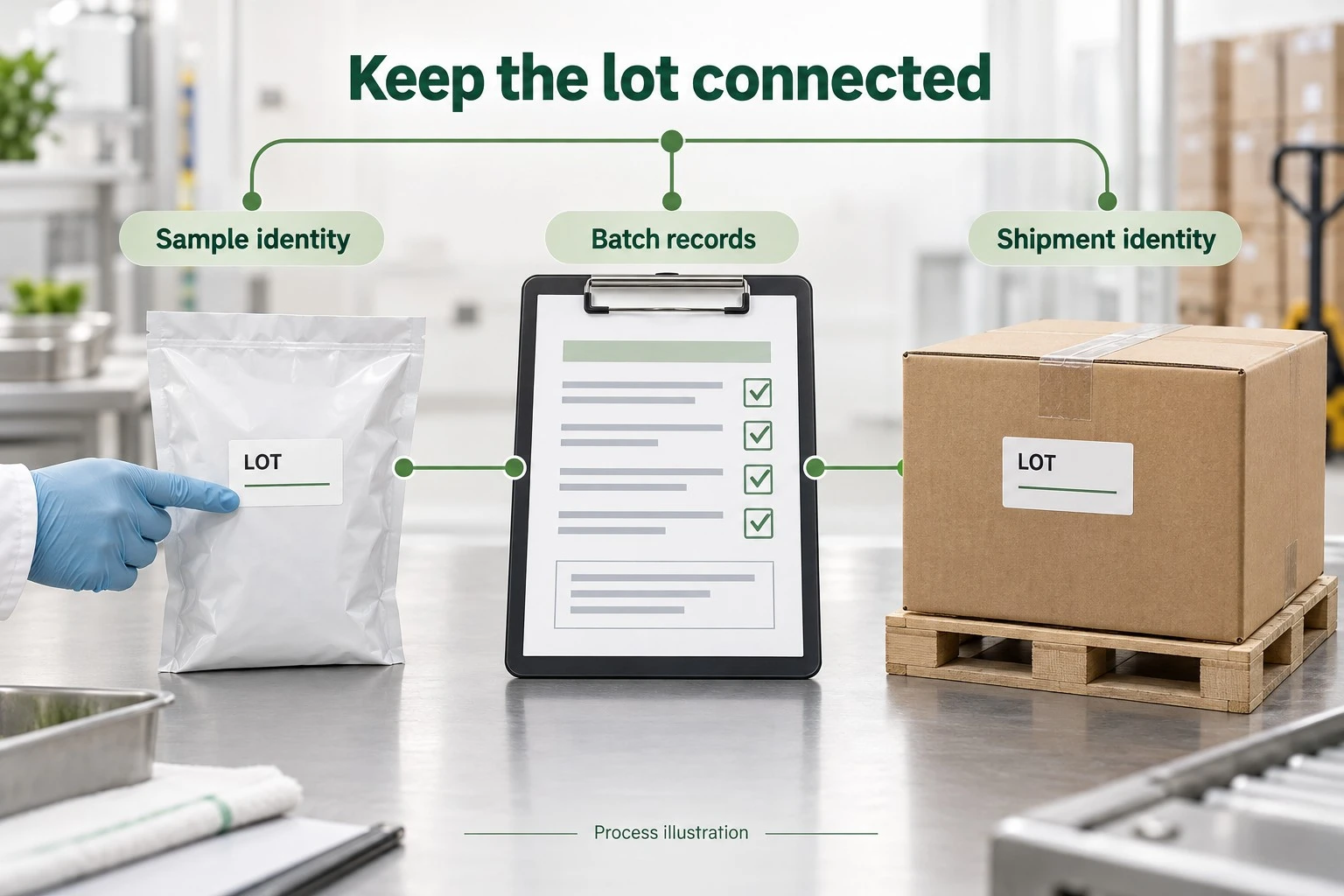
Cherry records keep sweet and sour lots distinct and link pit status, inspection method and residual-pit result to the batch.
Commercial papers describe the actual fruit type and pitted or whole form; photo color does not provide that evidence.
Frozen storage and delivery
Pitted fruit may release more juice than whole cherries. We inspect the chosen pack after handling and protect it in frozen loading.
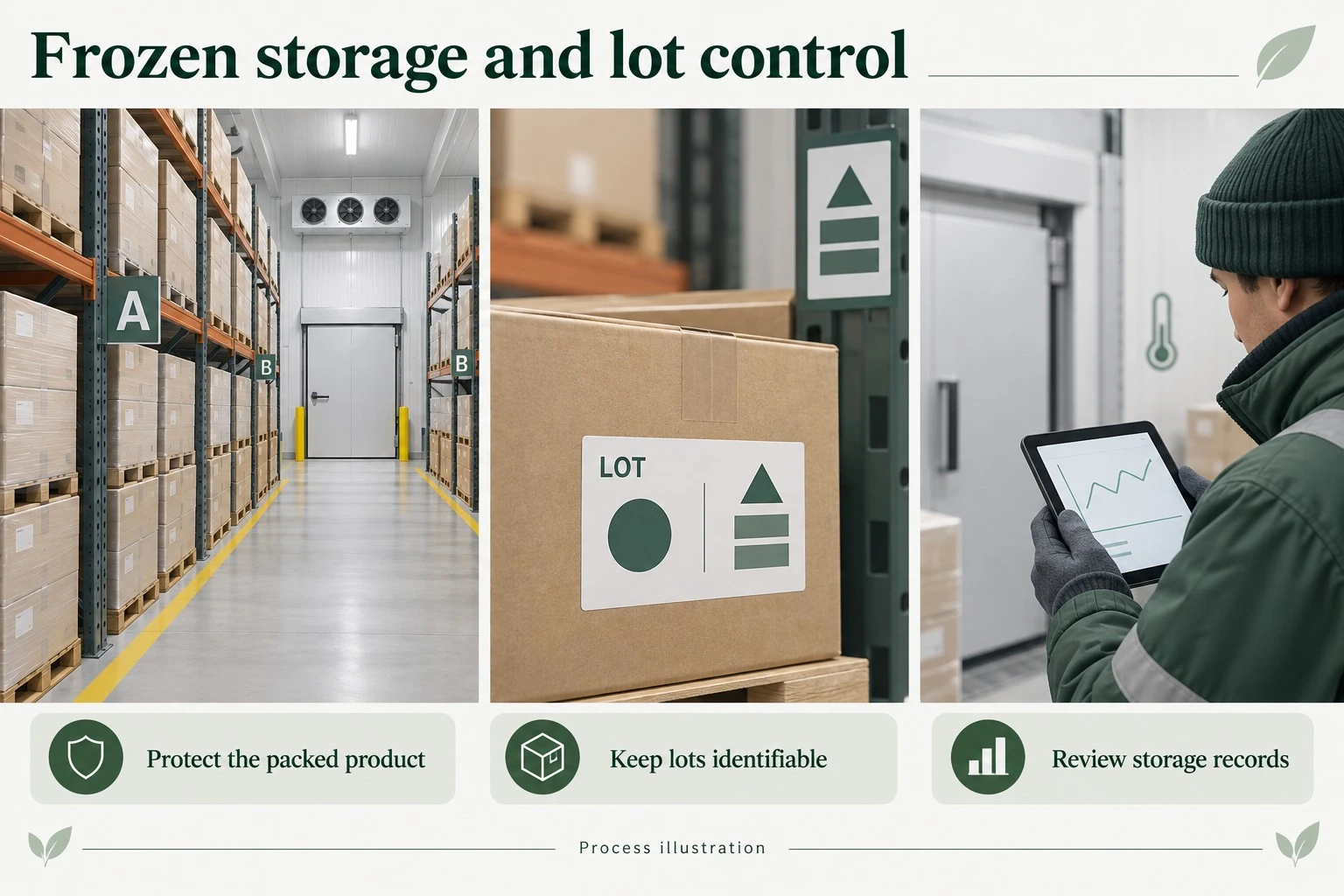
Pitted and whole cherry cartons carry different marks and handling plans. We calculate load quantity from the chosen pack and protect pitted fruit from leakage.

Frequently asked questions
Do the photos identify sweet or sour cherries?
No. The images show color differences but not confirmed variety or sweetness class.
Are the photographed cherries pitted?
Pit status cannot be established from these images. The order and lot records must state it explicitly.
What extra control does a pitted order need?
A defined residual-pit tolerance, sampling method and inspection result are needed before release.
Can sweet and sour cherries share one specification?
No. Their identity, intended use and sensory targets must be approved separately.
How is whole-fruit size agreed?
We confirm a measured diameter range and split-fruit allowance on the specific lot.
What does the darker photo prove?
It documents the appearance of one source lot, not its confirmed cultivar, pit status or grade.
How is stem residue checked on cherry lots?
We inspect the selected whole or pitted lot for attached stems and detached pieces. Fruit color does not answer this check.
What is the key control for pitted cherries?
A residual-pit and fragment inspection method with an agreed tolerance. We also count flesh torn during removal.
Can one label cover sweet and sour cherries?
Only if it accurately declares the delivered fruit and meets the agreed formula. We keep the lots and artwork separate by default.
Why do pitted and whole cherries need separate quotes?
Pitting changes yield, inspection and damage levels. We quote the approved fruit type and pit status.
Which cherry records follow the shipment?
Fruit type, pit status, size and defect checks should be linked to the packed batch and commercial documents.
Can a pitted cherry be assumed free of every pit?
No absolute claim is made. The agreed residual-pit standard and inspection method govern release.
Discuss your sourcing requirement
Tell us sweet or sour, whole or pitted, and the end use; we will review the matching cherry lot and inspection standard.
Send an inquiryView product catalogAs one of the most professional frozen cherries manufacturers and suppliers in China, we're featured by quality products and good service. Please rest assured to wholesale high-grade frozen cherries from our factory.