




Frozen Shimeji Mushrooms supply for commercial buyers
We prepare frozen shimeji mushroom specifications for meal producers, soup plants and foodservice. Small caps and slender stems provide a recognizable appearance, while root-base remnants, cap breakage and wet clumps can change portioning.
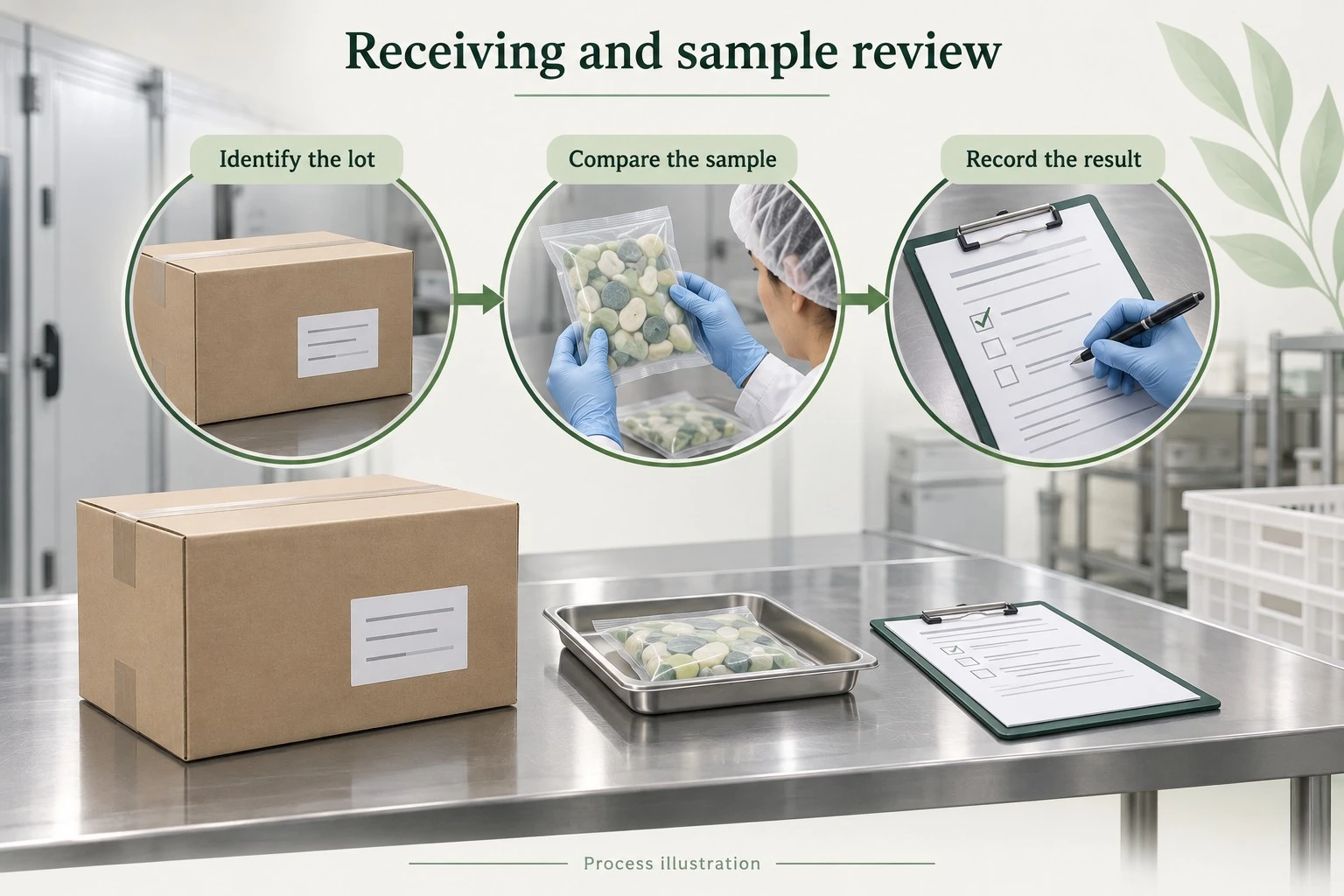
We confirm lot identity and compare cluster separation, cap-to-stem balance and base trim on a finished sample. The selected form is then tested in the intended heating process before we agree the grade and packing.

Product forms
Loose small caps and stems
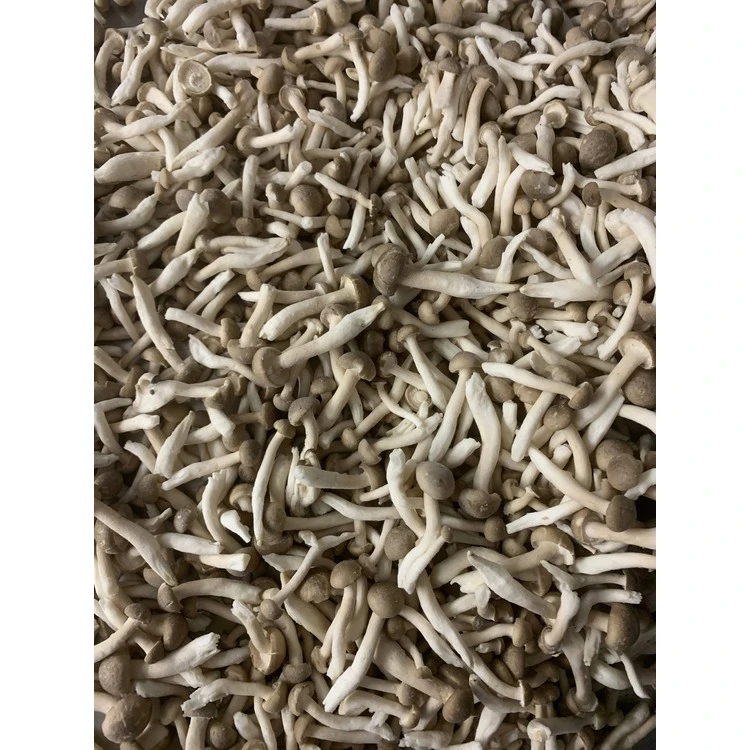
The reviewed image shows separated small capped mushrooms with stems, rather than intact growing clusters or a calibrated dice. We discuss cap diameter, stem length, loose cap percentage and fragment allowance on a sample. The commercial name remains Shimeji until source records establish a more specific identity.
Cluster or base decision
A buyer may need mushrooms separated from the growing base, or may accept a different amount of connected stem. The photo cannot set a root-base tolerance. We record how much firm base, substrate or compact cluster material is permitted in the finished ingredient.
Color and grade boundary
Cap and stem shade can differ within one lot. We agree the acceptable reference range and reject dark decay, bruised tissue or unrelated mushroom material separately. No white, brown or botanical species label is assigned from the photograph alone.
Purchasing risks and acceptance checks
Caps detach while stems remain long.
We check a frozen carton for intact capped pieces, loose caps and excessive long stems, then define the grade against the buyer's portion or blend. A production-line sample is also assessed after packing.
A shape standard that reflects the ingredient the customer actually dispenses.
Growing base or substrate remains on separated mushrooms.
We specify how clusters are separated and where the firm root base is trimmed. Representative pieces are inspected for substrate and tough connected stems.
A clear reject condition for the part that does not perform like an edible cap and tender stem.
Moisture, frost and clumps affect handling.
We review wash, drainage, pretreatment and freezing decisions for the actual lot and test separation after packing. A buyer trial checks water release during the relevant heating step.
A practical receiving criterion for portions, blends or soup additions.
Commercial name is mistaken for verified species.
We keep Shimeji as a commercial label until supplier records and buyer requirements settle species identity. The product specification should use only verified naming and any market-specific declaration.
A label and order description that do not overclaim what a photo can establish.
Product specifications
We match the form, grade and acceptance method to the agreed sample and your application.
| Item | Requirement |
|---|---|
| Product name | Frozen Shimeji Mushrooms as a provisional commercial market name; exact source species or cultivar only after record verification. |
| Photographed form | Loose, small capped mushrooms with slender stems; no intact-cluster or diced grade is established by the source image. |
| Cap and stem grading | Agree cap diameter, stem length, detached-cap percentage and broken fragments from an actual sample. |
| Base and foreign material | Set root-base, substrate and unrelated-mushroom limits; distinguish natural color variation from decay or damaged tissue. |
| Processing state | Confirm cleaning, base trim, optional pretreatment, freezing route and required subsequent cooking for the actual SKU. |
| Frozen handling | Agree separation, frost and excess free-water limits after the selected packing format is handled normally. |
| Packing and labeling | Confirm liner, net weight, carton, marks, accepted commercial name and destination-language ingredient declaration. |
| Commercial terms | MOQ, availability, lead time, shelf-life statement, loading quantity and port depend on the verified order and are not fixed by this page. |
| Document package | Confirm batch identity, approved specification, requested test reports and normal shipment documents before order commitment. |
Preparation and frozen processing
- Source and name verification. We first link the proposed shimeji lot to a source record that supports the commercial name and, if required, a species declaration. The photo shows form and appearance, not a taxonomic result. A mismatch in identity changes labels and buyer formulas, so it is resolved before acceptance.
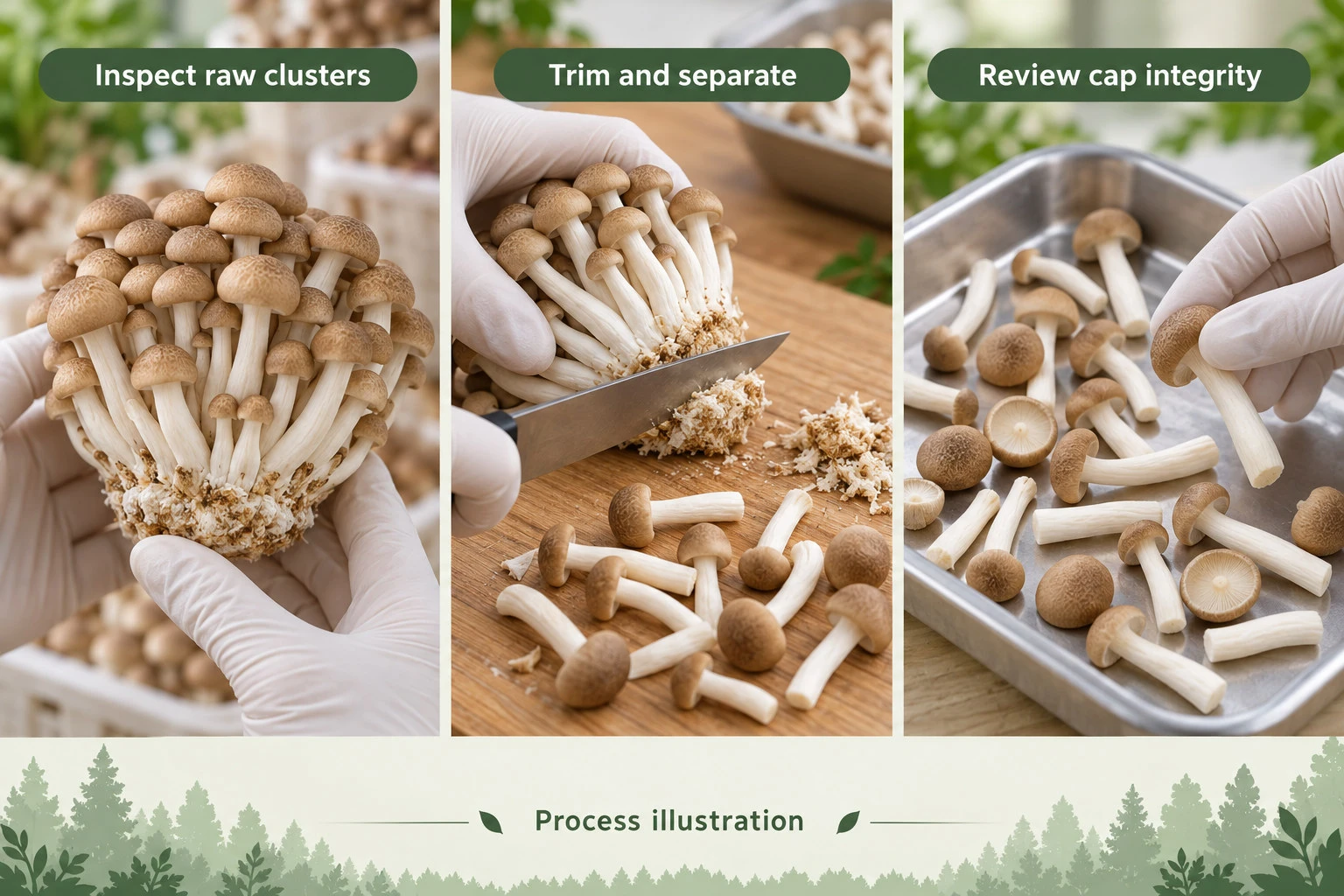
- Cluster separation and trim. We discuss how mushrooms are separated from the growing cluster and where the firm base is removed. Excessive trim reduces yield, while inadequate trim leaves substrate or connected tough stem; the approved sample balances both concerns.
- Cleaning and preparation. The order plan addresses visible foreign material, washing or other cleaning, drainage and any pretreatment. We do not assert that a photographed sample was blanched, cooked or sterilized. Treatment and intended further cooking belong in the verified production specification.
- Freeze and inspect. We check the frozen sample for cap retention, stem condition and loose separation. A carton opened after normal handling gives a better view of breakage and clumping than an isolated attractive handful.
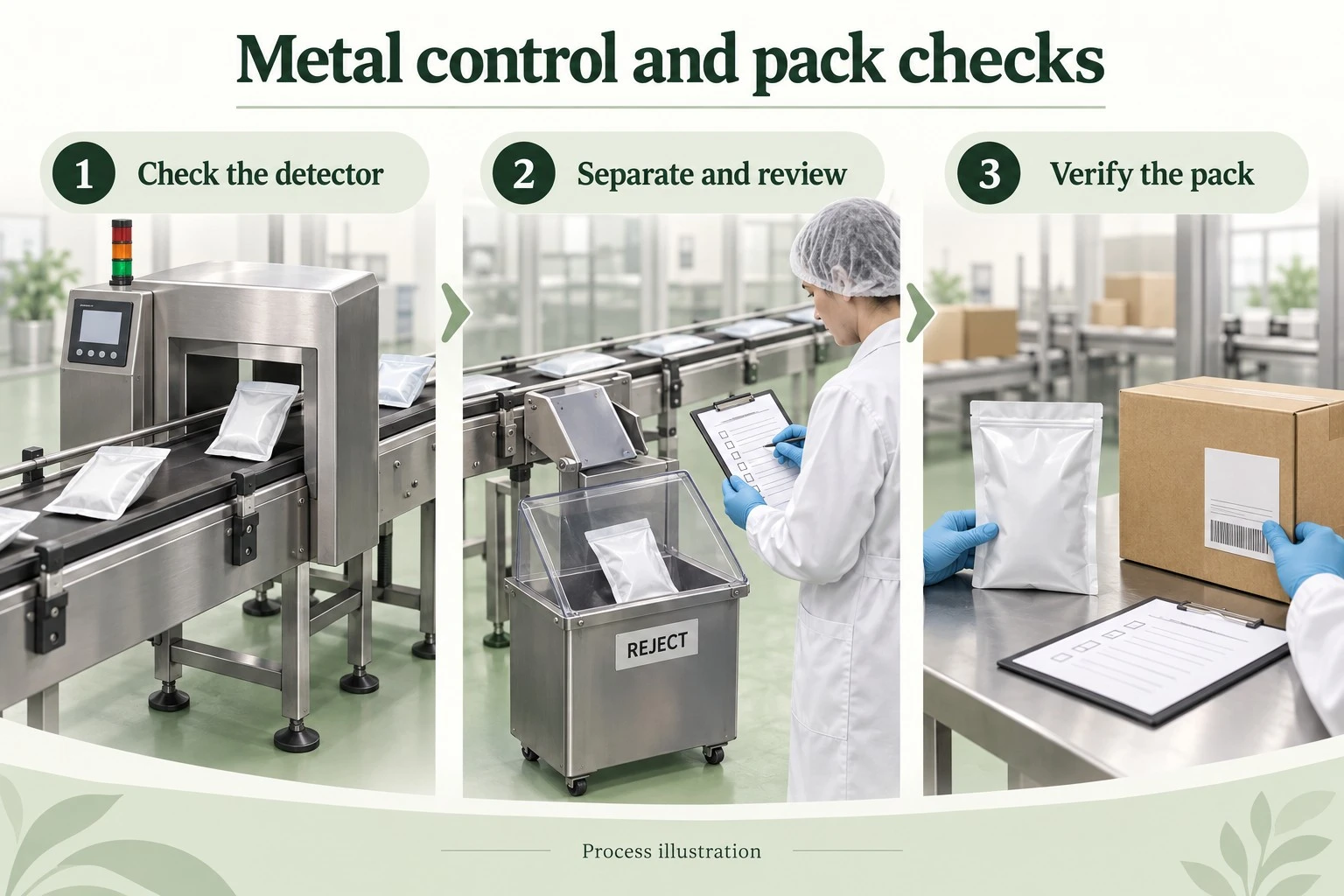
- Pack and batch release. The final sort targets base remnants, detached caps, discolored tissue and foreign material. We connect the accepted grade to net weight, bag seal, carton mark and batch identification for shipment review.
Quality control
A shimeji-style lot is judged through both shape and cleanliness. We agree how many caps can be detached, which stem lengths are useful in the buyer's product, and when a connected base or substrate trace becomes a reject. For a verified frozen SKU, we would inspect color and texture on the lot, then test water release and cap retention in the intended cooking operation. Those results are more relevant than applying a broad mushroom grade to every small capped variety.
Our order file connects the commercial name, lot identity, selected form, approved sample and packed cartons. If an importer asks for microbiological, residue or other analytical results, we confirm the test scope and lot before promising a document. The page does not assert an organic status, a particular certification, a fixed capacity or a species unsupported by the source evidence.
Applications and quality requirements
| Application | Buyer channel | Purchasing requirement |
|---|---|---|
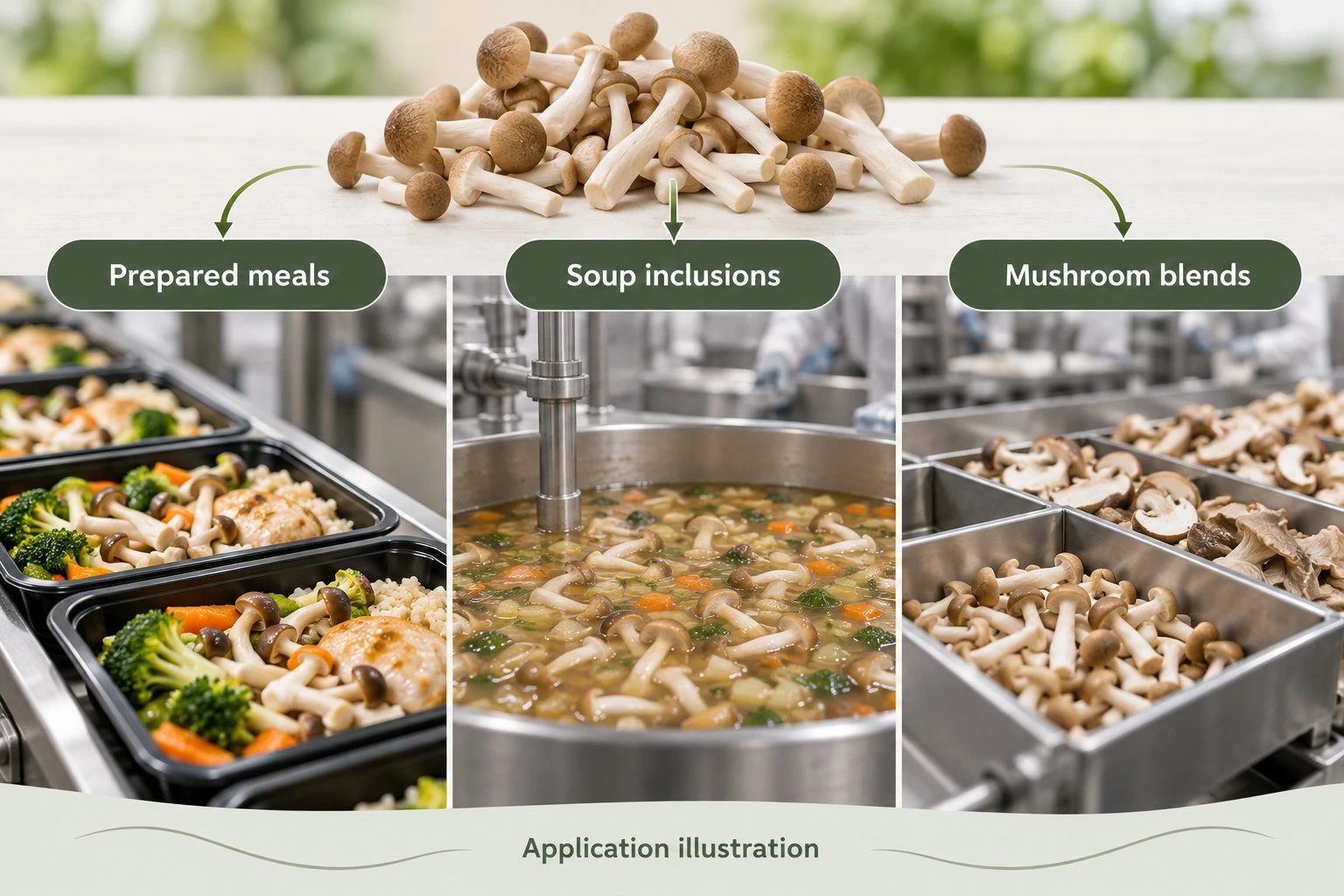
| Small-cap prepared meals | Ready-meal factories | Choose a cap-and-stem grade that remains recognizable after the meal's heating process. A trial can check detached caps, moisture release and portion weight in the final recipe. |
| Mushroom soup inclusions | Soup and sauce manufacturers | Agree stem length and root-base removal so pieces distribute evenly and tough cluster material does not appear in a serving. Process performance is assessed after the buyer's heating step. |
| Mushroom blend components | Ingredient blenders | Verify the shimeji commercial identity and component weight separately from the other mushrooms. Match cap size, color and cooking response to the blend without assuming species from a photo. |
| Foodservice portions | Distributors and central kitchens | Select a pack that can be portioned in frozen condition, with a cap-integrity and clump limit that still makes sense after transport. Intended cooking instructions follow the verified SKU. |
Packing and private label
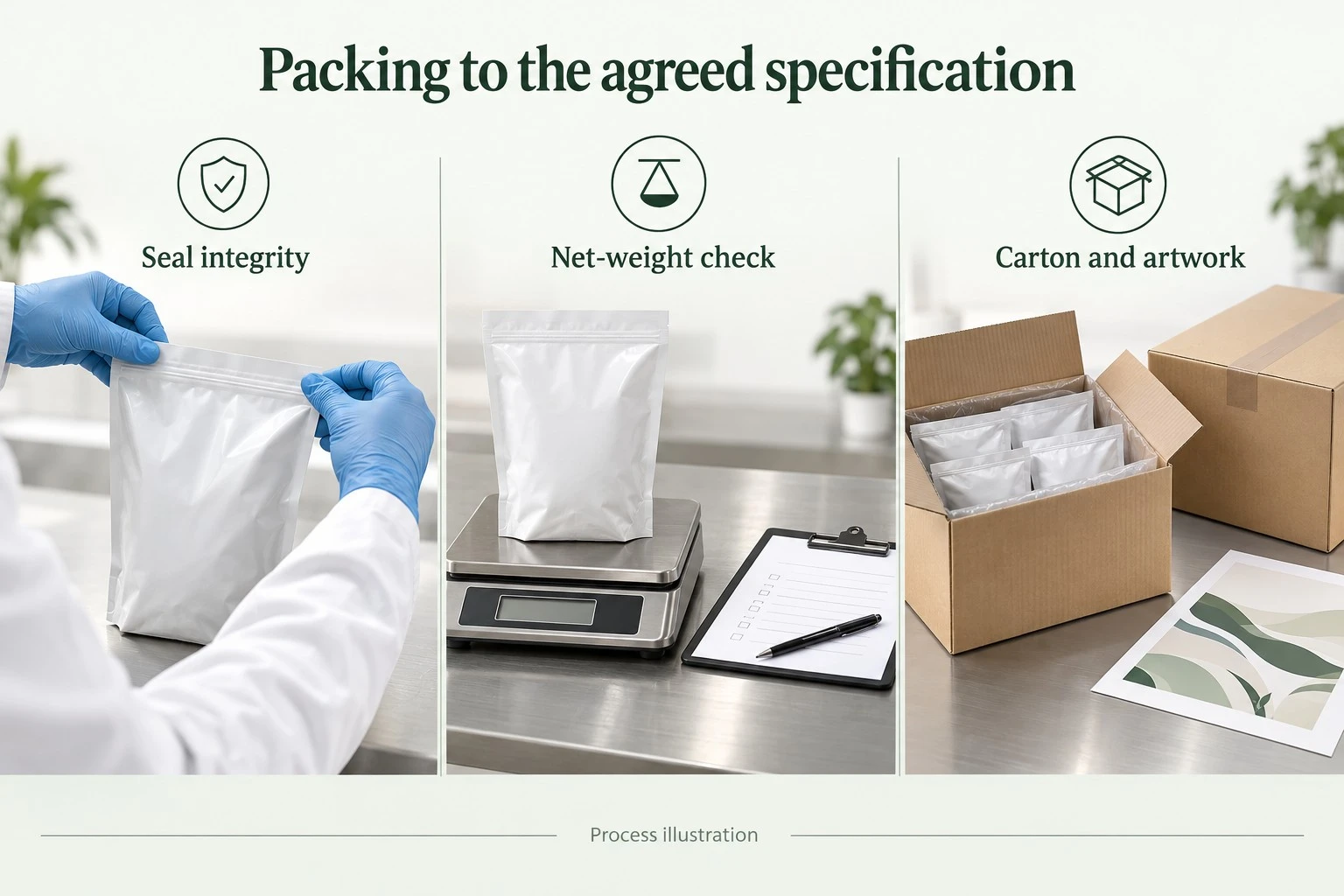
Loose capped mushrooms can compress and shed caps if the carton is overfilled. We discuss inner liner, net weight, fill level and carton support around the accepted cap-and-stem grade. A representative packed sample should be opened after normal frozen handling to check whether the separation and detached-cap allowance still match the approved standard.
Retail or private-label packing begins with the verified commercial name and the actual finished state. We review artwork, ingredient wording, barcode, carton marks and destination language before printing. A connected cluster image must not be used to sell loose separated mushrooms, and a loose photo cannot promise an intact cluster SKU.
Documents and traceability
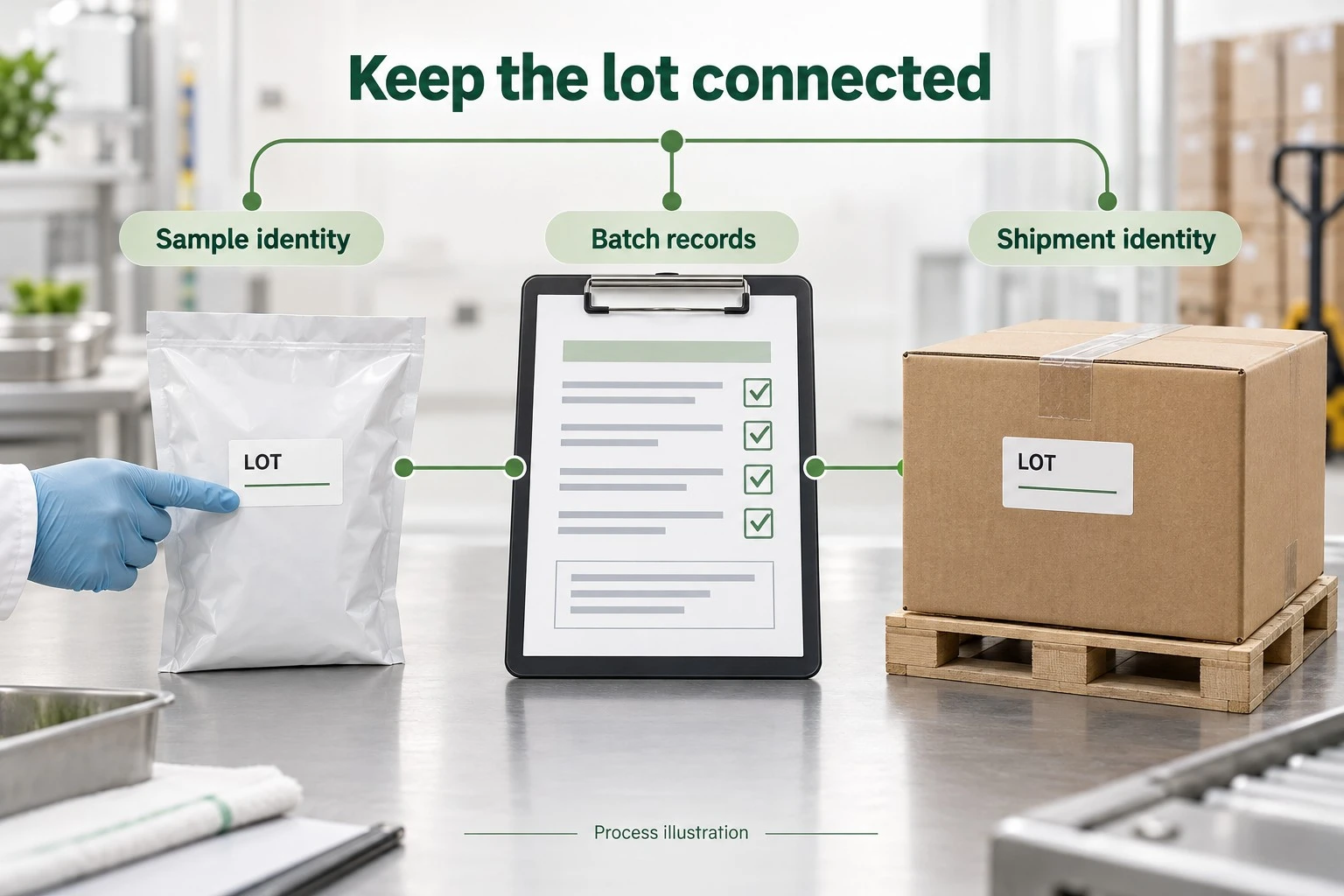
We prepare an order specification with the accepted Shimeji name, lot source, cap and stem grade, base-trim condition, processing state and packing format. Batch references connect that specification to the carton and shipment. If the buyer needs a particular species declaration, we obtain source evidence before the wording is used in a label or QA file.
The commercial invoice and packing list follow the approved shipment. COA, testing or market documents are discussed by lot, destination and buyer requirement. We make no general promise about certification coverage or analytical results based solely on a photograph of mushrooms.
Frozen storage and delivery
We agree the frozen storage and transport condition for the final pack and inspect carton seals, marks and physical condition before loading. At receipt, the buyer can compare cap retention, clumping and visible frost with the sample used to approve the order. A temperature or handling concern is investigated against the relevant lot.
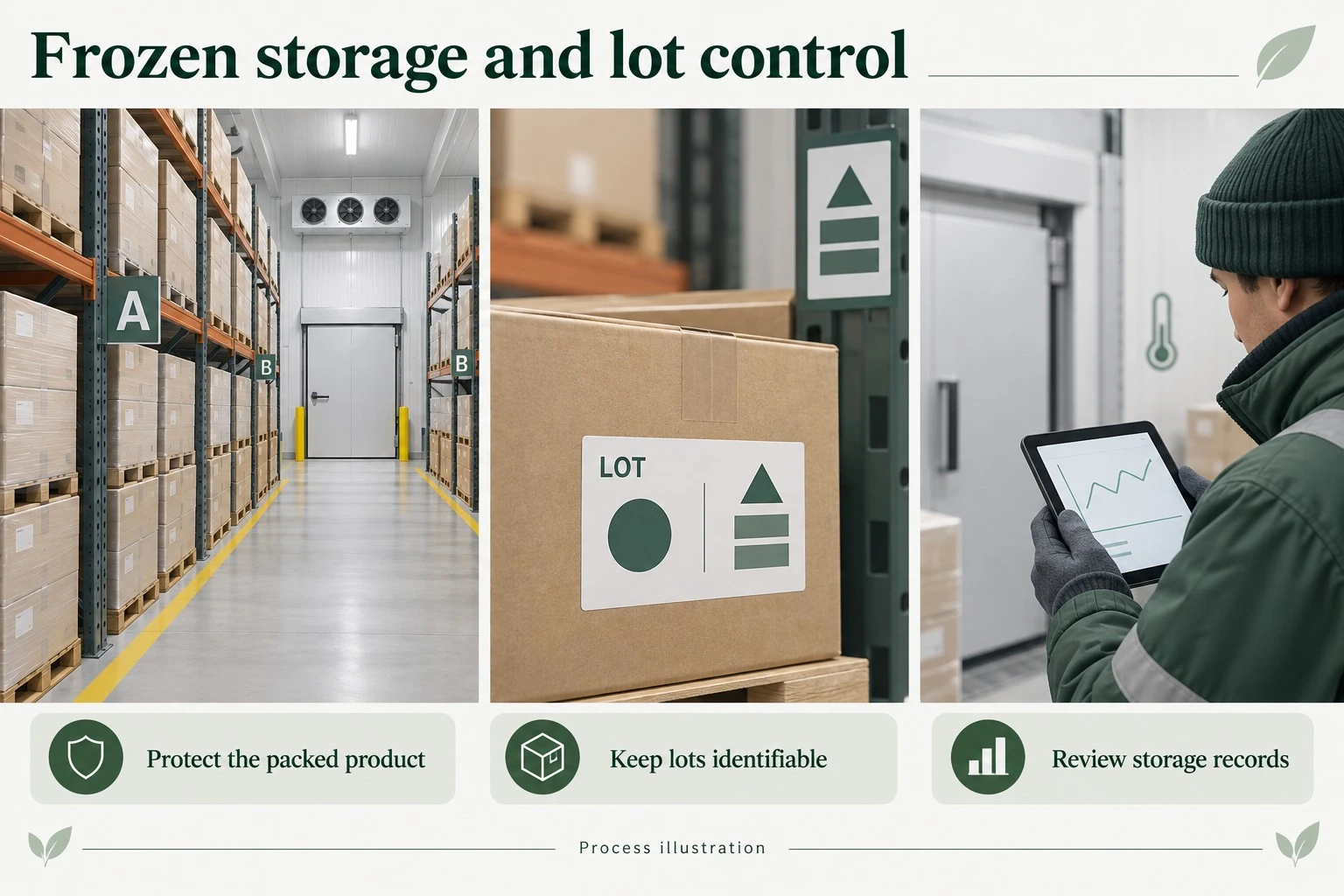
The carton size and accepted pallet pattern drive loading quantity and mixed-container planning. We confirm schedule and port with the actual order, keeping each mushroom SKU identifiable so a shimeji lot is not confused with enoki or another small mushroom in receiving records.

Frequently asked questions
Does Shimeji identify a verified species here?
No species is inferred from the photo. We use Shimeji as a commercial name pending source-record and buyer-market verification.
Are the photographed mushrooms in clusters?
They appear loose and separated, with small caps and stems. An intact-cluster grade would need separate source evidence.
How is the root base handled?
We define the trim point and acceptable firm-base or substrate residue. A representative lot sample is checked after separation.
What happens to detached caps?
We agree a limit for loose caps and broken stems. The packed carton is assessed after frozen handling, not only at the sorting table.
Is white or brown shimeji guaranteed?
The source image alone does not establish a species or named color variety. The approved lot and commercial declaration settle identity and appearance.
Are these mushrooms cooked before freezing?
No treatment is proven by the photograph. We confirm pretreatment and intended further cooking from the actual production specification.
How do we check a soup application?
Stem length, base trim and water release matter in soup. A buyer trial tests distribution and texture after its heating process.
Can shimeji enter a mushroom blend?
Yes after its identity and grade are verified. The blend recipe and component weight are approved separately.
Can you discuss small retail bags?
We can review them after the lot form and run size are known. Label identity, seal integrity and carton marks must match the verified product.
Which inspection records can be requested?
We discuss the product specification, batch identity and relevant lot tests. Exact report availability is confirmed for the order.
Are MOQ and shelf life fixed for all lots?
No common number is asserted. Both depend on the confirmed product, packing and commercial schedule.
What should we send first?
A brief description of the use and preferred cap-and-stem form through our inquiry page is sufficient. We will review the sample and remaining order detail together.
Discuss your sourcing requirement
Tell us whether your line needs loose shimeji caps and stems for meals, soup or a mushroom blend through our inquiry page. We will verify the source identity and match an actual lot sample to the intended use.
Send an inquiryView product catalogAs one of the most professional frozen shimeji mushrooms manufacturers and suppliers in China, we're featured by quality products and good service. Please rest assured to wholesale high-grade frozen shimeji mushrooms from our factory.