




Frozen Redcurrants supply for commercial buyers
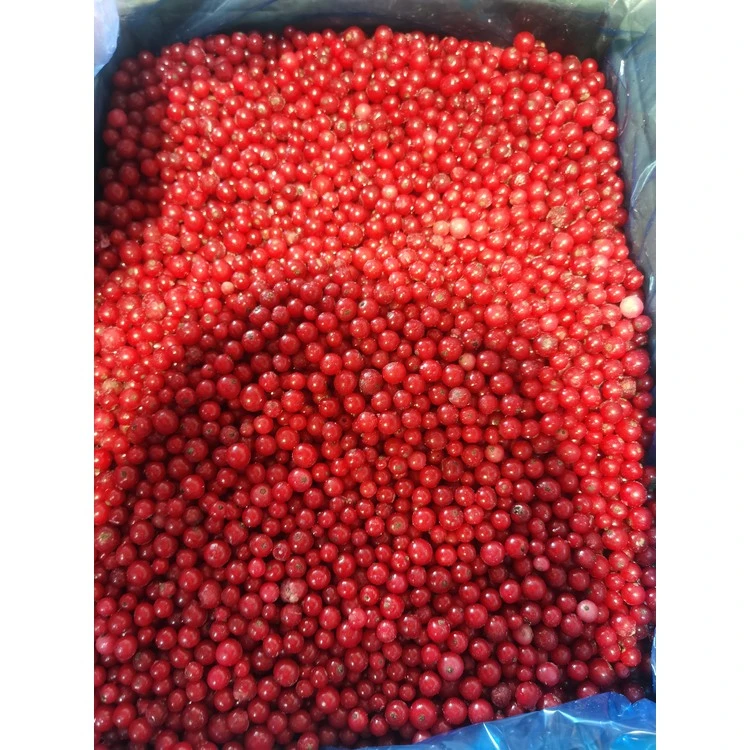
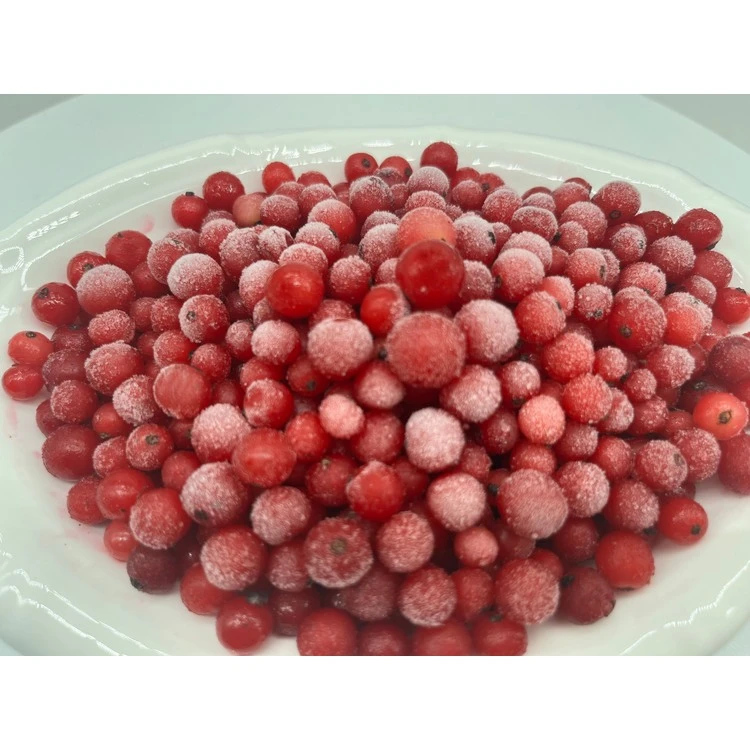
We supply loose frozen redcurrants for fruit preparations and berry blends. Small berries can conceal stem remnants, crushed skins and fused clusters, so a top-of-carton view alone does not represent the packed grade.
We agree whole-fruit recovery, stem limits and separation on a representative sample. Tell us whether the berries must remain distinct or will be cooked into a base; that decision guides the appearance and juice-release standard.

Product forms
Loose frozen redcurrants
A raw cluster image is a fruit reference; the commercial loose-berry grade needs a destemming and breakage check.
Processing-grade redcurrants
A process grade with a different broken-fruit allowance needs a separate reference. A processing grade can allow a different broken-berry share, but stems and foreign material remain separately controlled.
Purchasing risks and acceptance checks
Appearance and identity: red shade and natural size variation.
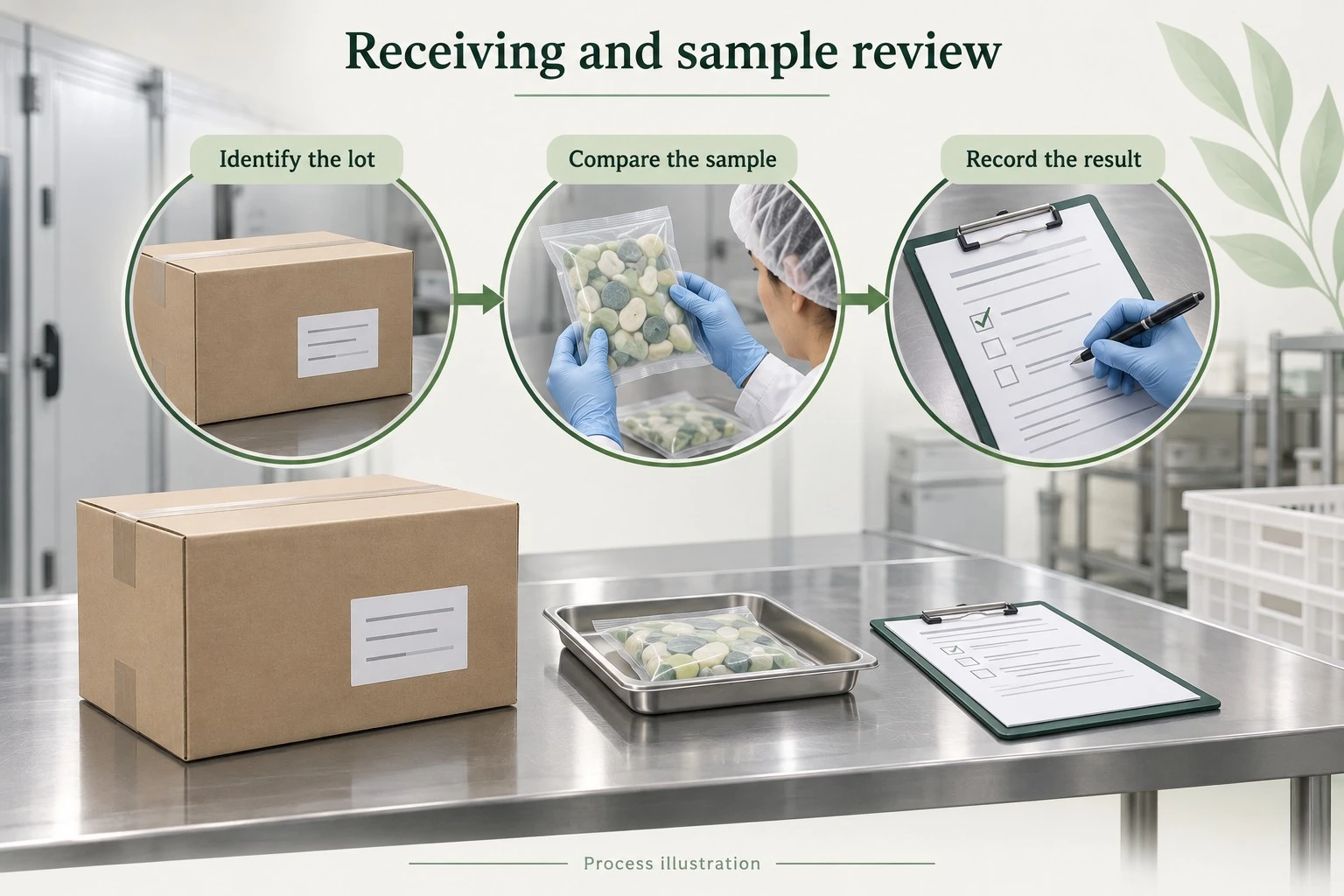
We set a lot reference for the visible color and selected form of redcurrants.
The lot can be judged for red shade and sound skins without treating natural size variation as damage.
Foreign parts and defects: green stems, leaf fragments, split berries and excessive ice.
We sample for fine stems, split berries and free juice and agree which findings are defects versus allowed natural variation.
The receiving team can count stem remnants and crushed fruit separately.
Functional performance: stems and crushed fruit.
We pass a packed sample through the buyer's blending or filling operation and check berry retention, fines and stem carryover.
A sieve or blend trial shows whether the small berries remain distinct enough for the application.
Product specifications
We match the form, grade and acceptance method to the agreed sample and your application.
| Item | Requirement |
|---|---|
| Product identity | Frozen Redcurrants; exact fruit variety or source lot to be confirmed where it affects small tart red berries with fragile skins. |
| Primary form | whole redcurrants; any alternate form requires its own sample and order confirmation. |
| Appearance | Agree a reference for red shade and natural size variation; define acceptable natural variation and reject defects separately. |
| Size and grade | Count loose whole berries, broken fruit and attached or detached stem pieces in a handled carton. |
| Critical defects | Agree inspection limits for green stems, leaf fragments, split berries and excessive ice, including how a buyer will sample a received carton. |
| Analytical targets | Acidity or soluble-solids results, if needed for a fruit preparation, must refer to the sampled redcurrant lot and agreed method. |
Preparation and frozen processing
- Redcurrants lot selection. We begin with the selected fruit lot and record the identity relevant to small tart red berries with fragile skins.
- Preparation and removal. Destemming and gentle sorting are central because fine stems are easy to miss among red berries.
- Form and size control. We check stem tolerance, whole-berry percentage and size range against the order instruction.
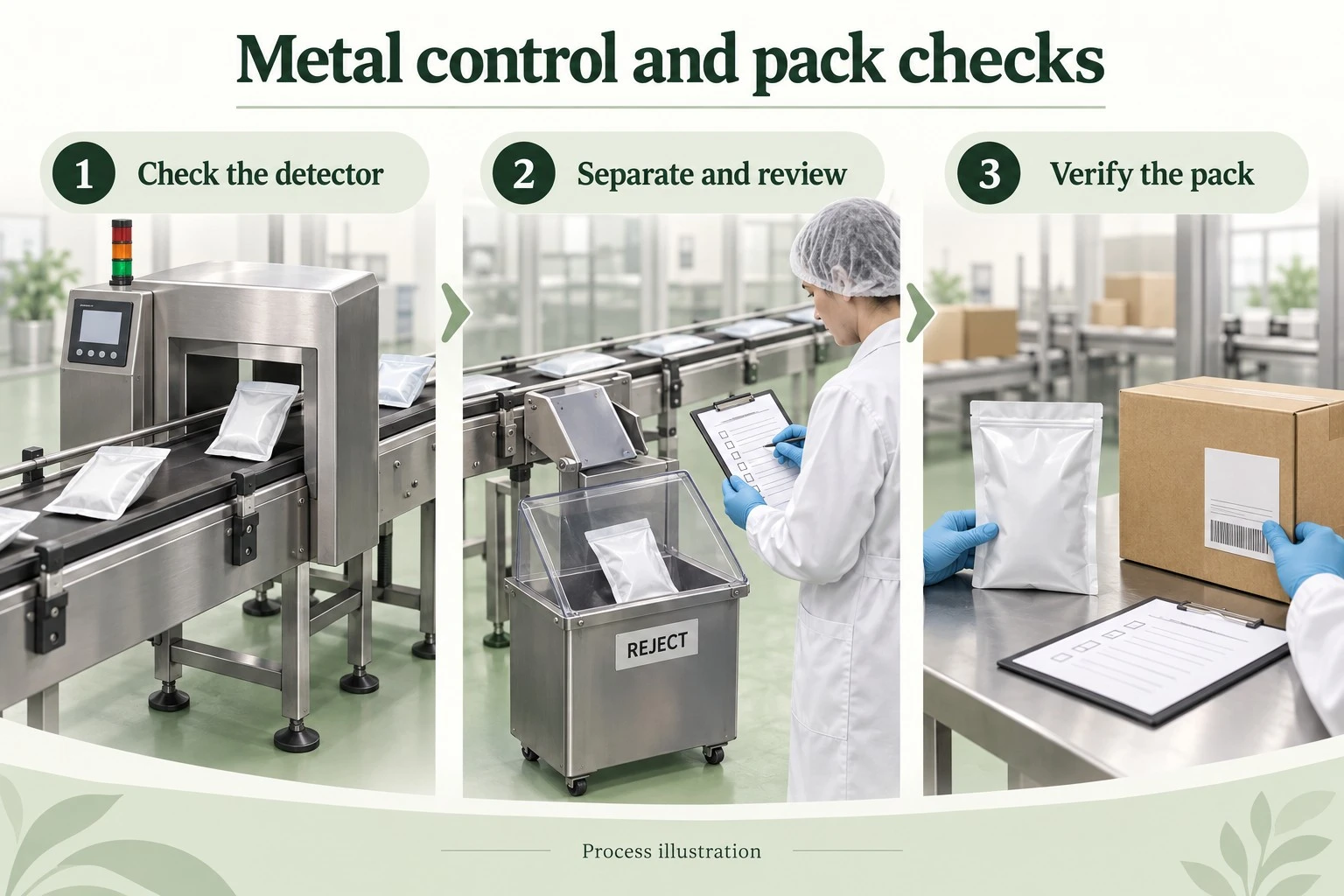
- Packed redcurrants release. We inspect for green stems, leaf fragments, split berries and excessive ice, check net weight and seal integrity, and match carton identification to the lot record.
Quality control
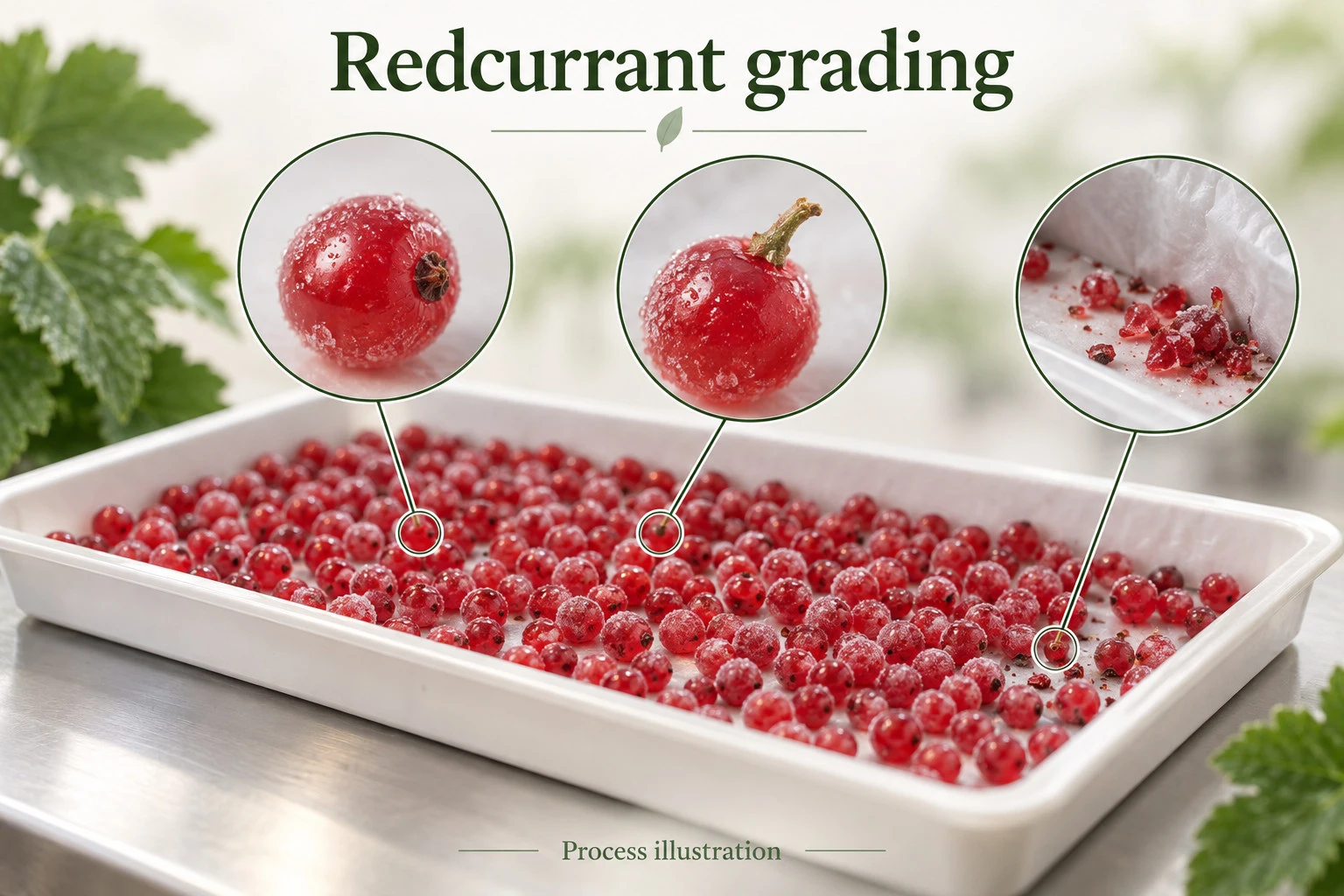
Our lot review focuses on fine stems, split berries and free juice.
We inspect loose berries after opening the actual pack, including the base where fine fragments settle. Attached stems, detached stem pieces and broken berries receive different counts; a raw bunch photo cannot substitute for this check.
Applications and quality requirements
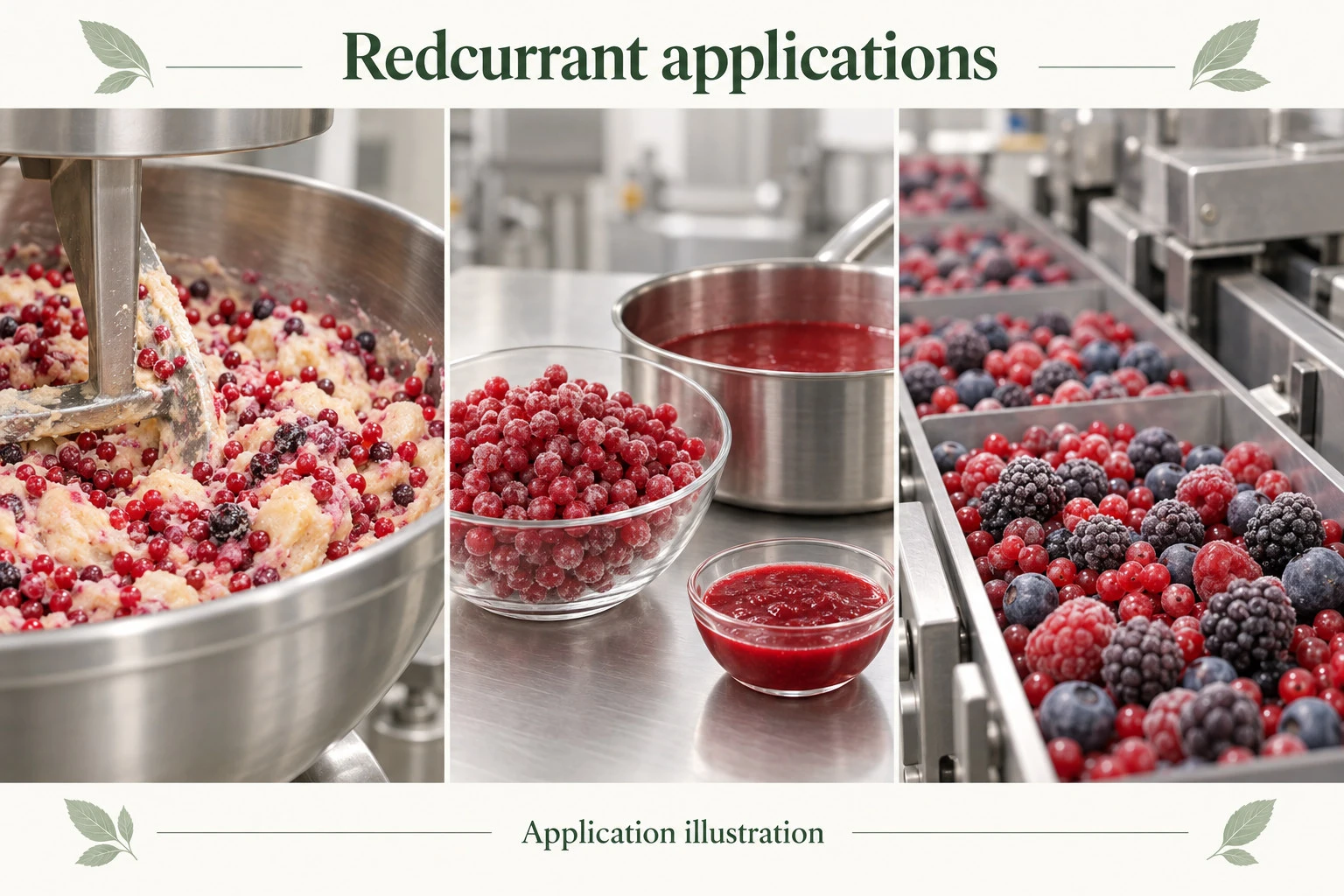
| Application | Buyer channel | Purchasing requirement |
|---|---|---|
| Bakery fruit preparations | Bakery ingredient producers | Measure how the berries hold shape and distribute in filling, with stem residue and juice release stated in the acceptance criteria. |
| Redcurrant sauce processing | Sauce and fruit-base plants | Agree a process grade for whole versus broken berries and check acidity and yield on the actual lot if the formula requires it. |
| Mixed-berry manufacturing | Frozen-fruit blenders | Set redcurrant component weight and berry grade separately from the other species so small berries do not disappear into an unverified recipe. |
Packing and private label
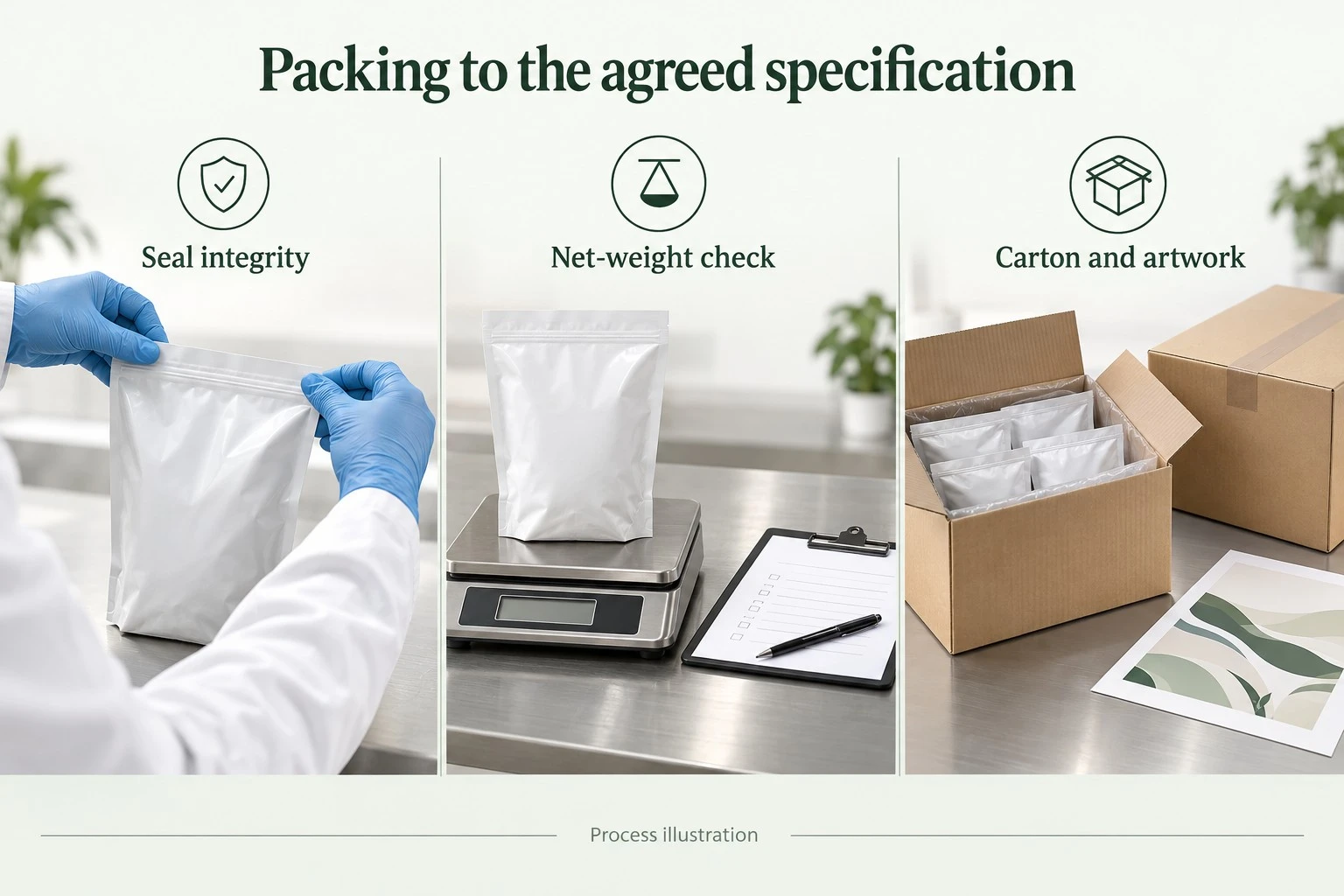
For bulk ingredients we confirm the liner and carton around whole redcurrants. The pack must protect the fruit from the pressure and moisture issues associated with stems and crushed fruit.
A shallow fill can protect small redcurrants from compression; the required carton weight must be balanced against that handling result. We review liner closure and label wording for loose fruit, not clusters.
Documents and traceability
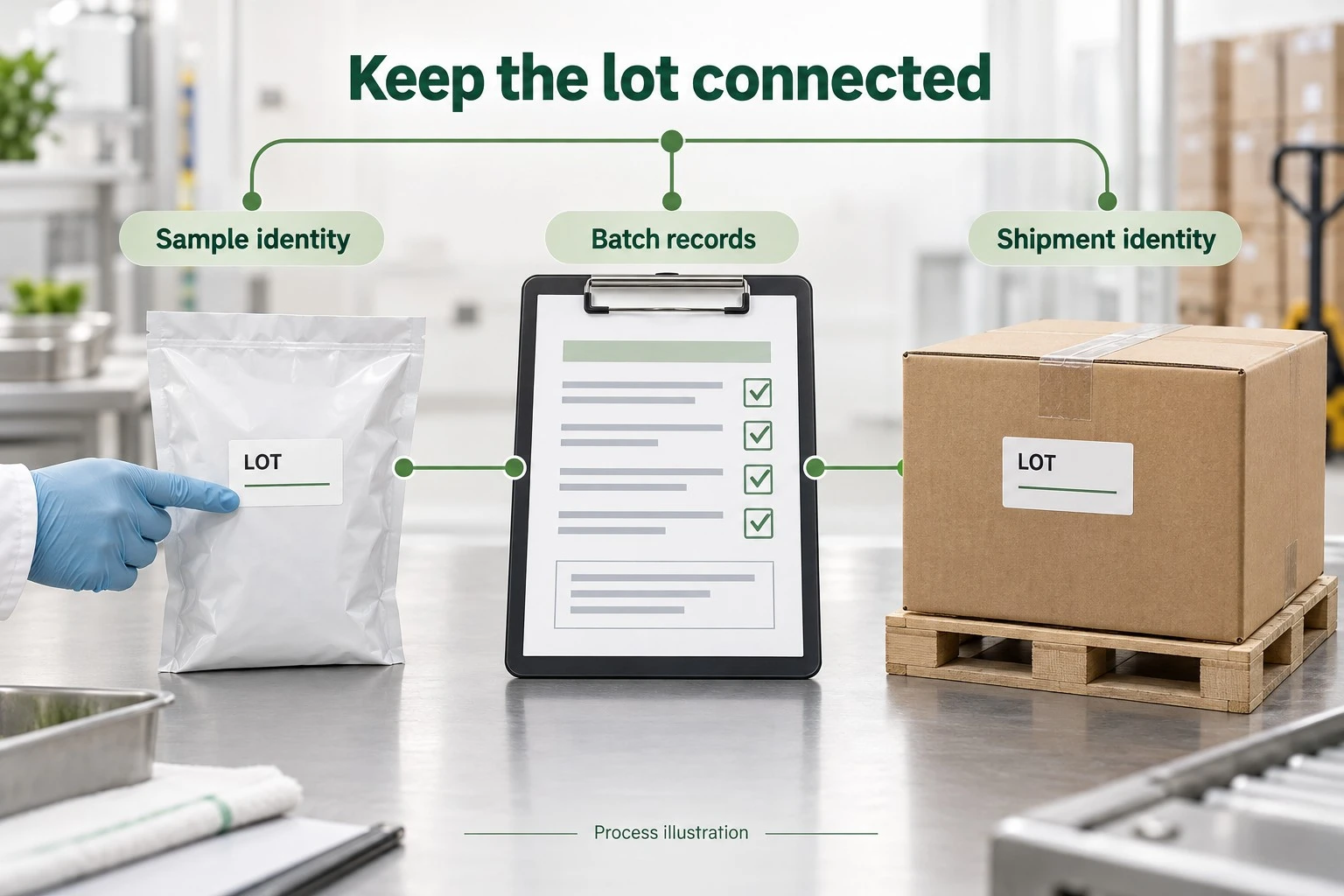
The redcurrant lot record links destemming, whole-fruit and broken-fruit checks with the selected packed sample.
Shipment documents identify loose frozen berries; raw clusters in reference imagery are not the delivered form.
Frozen storage and delivery
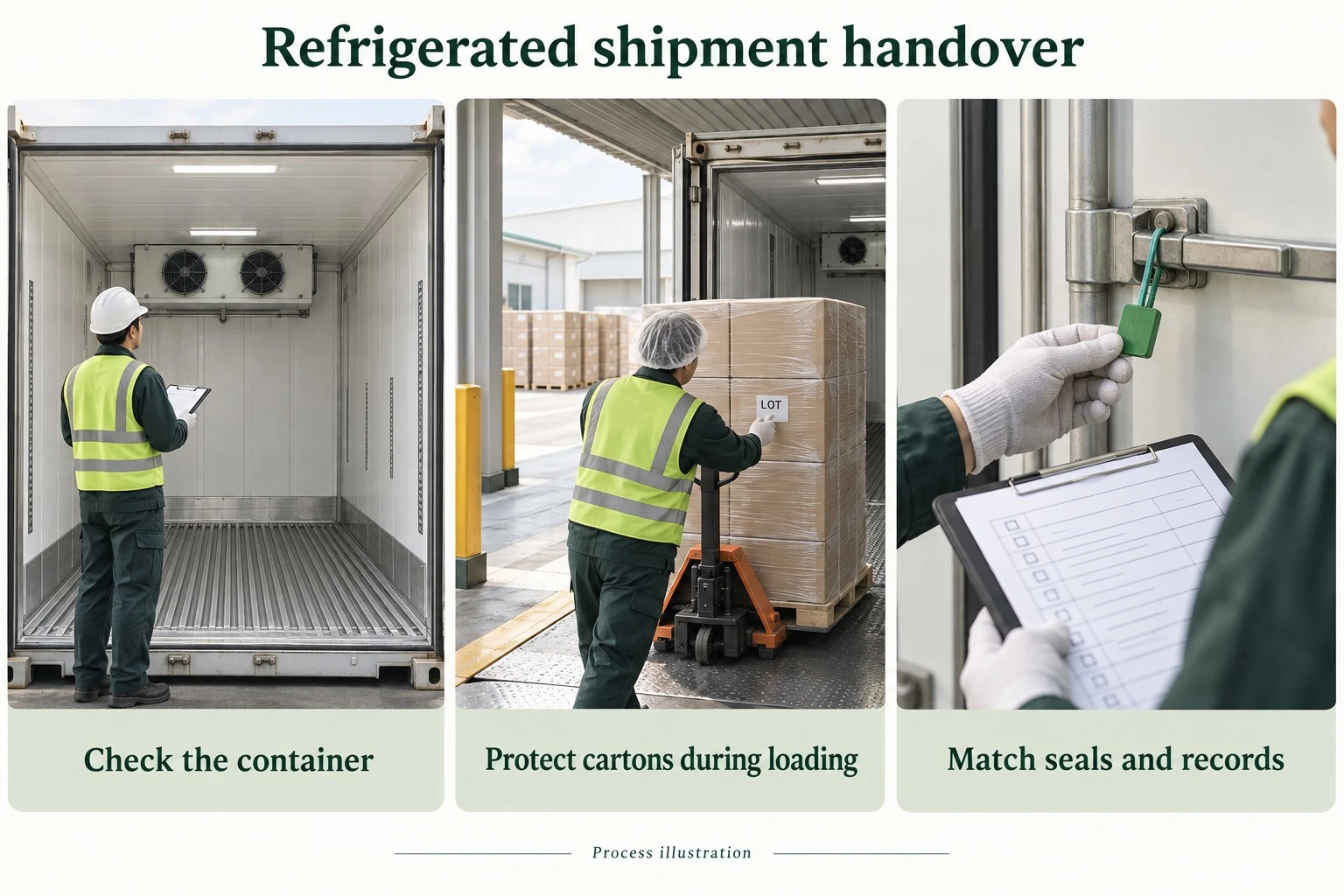
Small berries and fines can shift during frozen transport. We check base-of-carton condition and protect the redcurrant lot from heavier cartons.
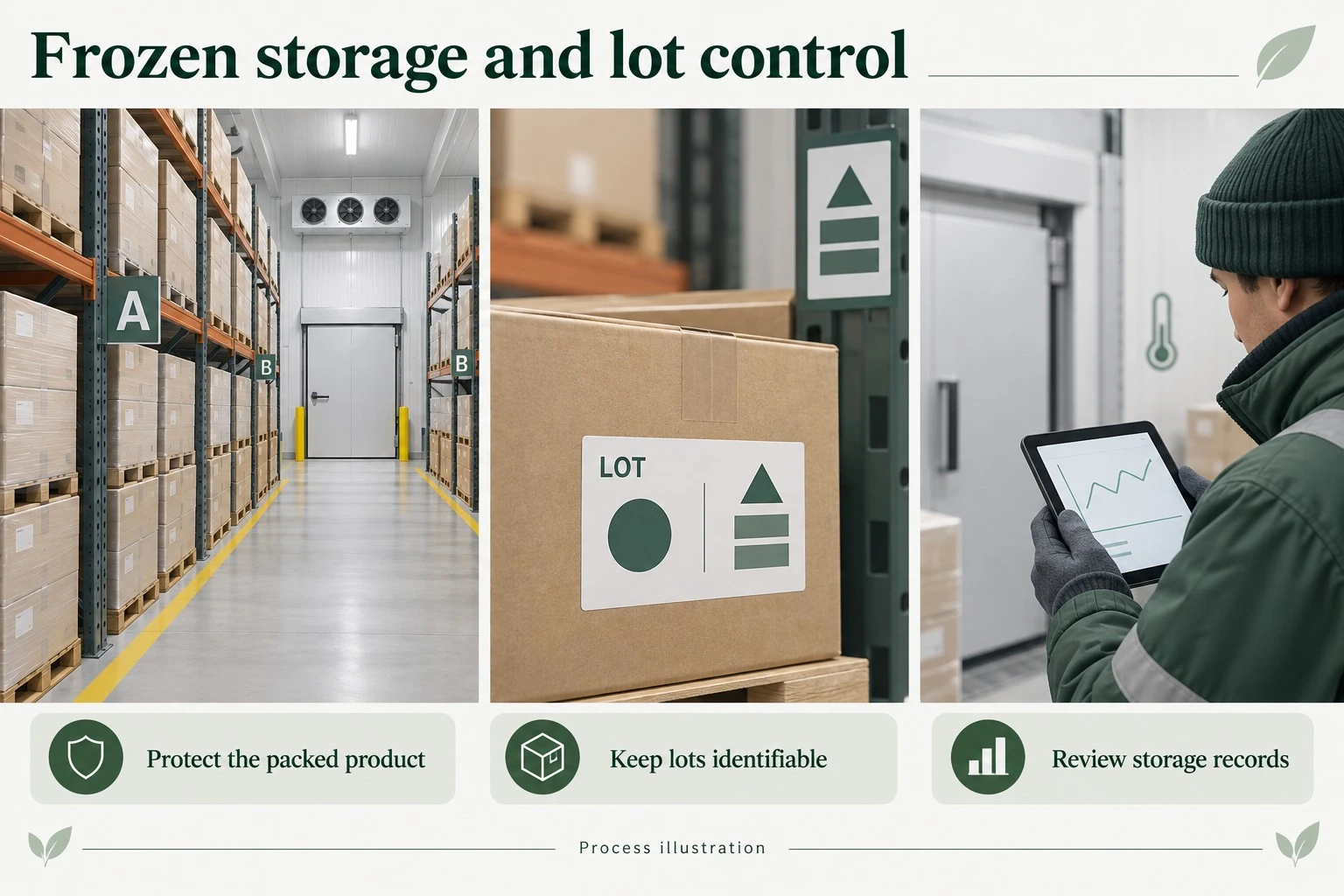
We keep small-fruit cartons upright and away from heavier loads that could increase fines. Pallet count follows the accepted redcurrant fill.
Frequently asked questions
Are the berries loose or on stems?
The selected frozen photos show loose berries. Stem tolerance must still be defined for an order.
How is the whole-berry grade judged?
We agree a reference sample and a broken-fruit limit, then inspect the carton after normal frozen handling.
Will there be natural size variation?
Yes; the approved sample and measurable size range should define what is acceptable for the buyer’s process.
What is the main sorting risk?
Fine stems, leaf fragments and crushed berries are the most visible concerns in the reviewed material.
Can redcurrants go into a berry blend?
Yes under a written component ratio and grade. The mix must be approved separately from the loose-berry lot.
Is acidity fixed for every crop lot?
No value is asserted here. A buyer who needs a target can agree a test method and lot-specific result.
How should a loose-berry carton be sampled?
Take fruit from the top and base, where small fines or stems may collect. Count whole and damaged berries separately.
Where do redcurrant fines collect?
Small fragments and loose stems may settle at the carton base. We sample there as well as the top.
Can a retail bag show redcurrant bunches?
Artwork must not imply that clusters are delivered if the ingredient is loose berries. We review it against the actual pack.
Does a sauce plant need the same whole-fruit grade as a bakery?
Usually the tolerance question differs. We quote against the declared breakage and stem limits for that process.
What is recorded with a redcurrant batch?
The whole-fruit, stem and defect checks should be tied to the lot, pack marks and any requested analysis.
How do redcurrants behave in a mixed-berry carton?
Their small size can settle below larger berries. A trial should check separation, ratio at filling and the buyer's portion method.
Discuss your sourcing requirement
Share the redcurrant application and the acceptable stem and broken-fruit limits; we will review a packed lot sample.
Send an inquiryView product catalogAs one of the most professional frozen redcurrants manufacturers and suppliers in China, we're featured by quality products and good service. Please rest assured to wholesale high-grade frozen redcurrants from our factory.