

Frozen Shimeji Mushrooms
Description
Technical Parameters
Frozen Shimeji Mushrooms for controlled commercial portions
We supply frozen shimeji mushrooms for cooked noodle dishes, soup mixes and prepared meal components. Our starting point is the agreed form - small caps with stems, separated or in agreed small groups - and a sample that your receiving and production teams can compare with the delivered lot. We connect the commercial description to the actual pack, intended use and acceptance method.
The trade name shimeji is not a complete identity specification. Color type, actual mushroom identity and the balance of caps to stems affect the visual result and cannot be settled by a generic product name.
We record the declared mushroom identity before final quotation. The shimeji trade name does not establish a specific Latin species or a branded producer strain.
Choose the shimeji mushrooms form before the grade
White, brown, loose and small-cluster formats require separate identity and sample confirmation. The current photo is not a certified botanical identification or a color-type guarantee.
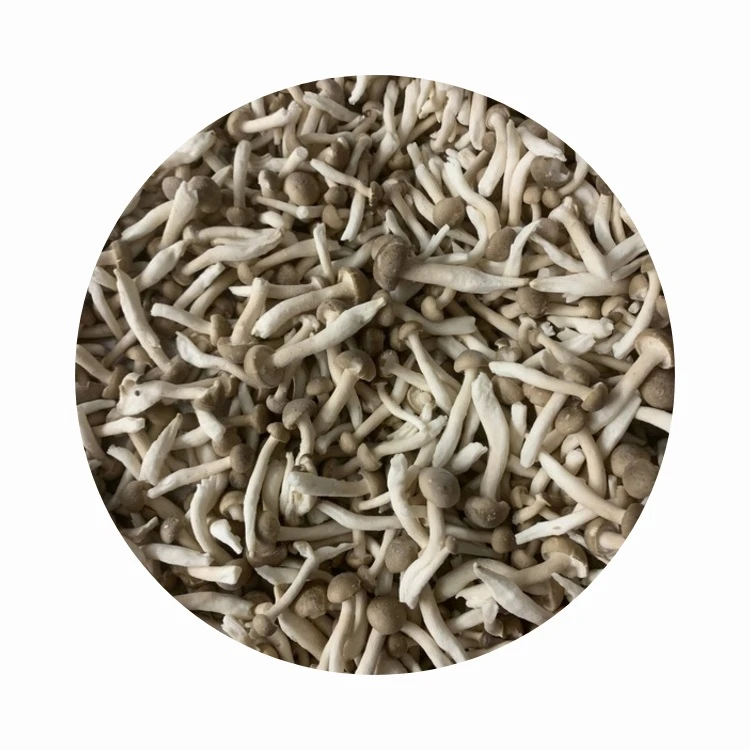
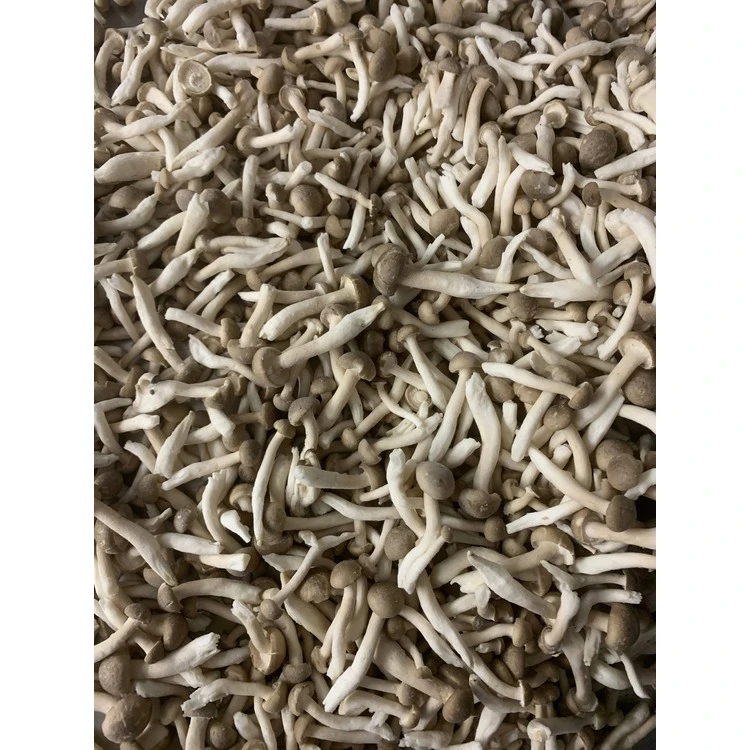
Small caps and stems shown as a form reference; finished frozen grade is agreed on the order sample.
| Form / decision | Order basis |
|---|---|
| Main presentation | small caps with stems, separated or in agreed small groups |
| Appearance | small mushroom caps and slender attached stems |
| Measurement | cap diameter, stem length and the proportion of separated stems |
| Alternative form | Discuss separately against a sample and quotation; not assumed interchangeable. |
What we check before shimeji mushrooms is accepted
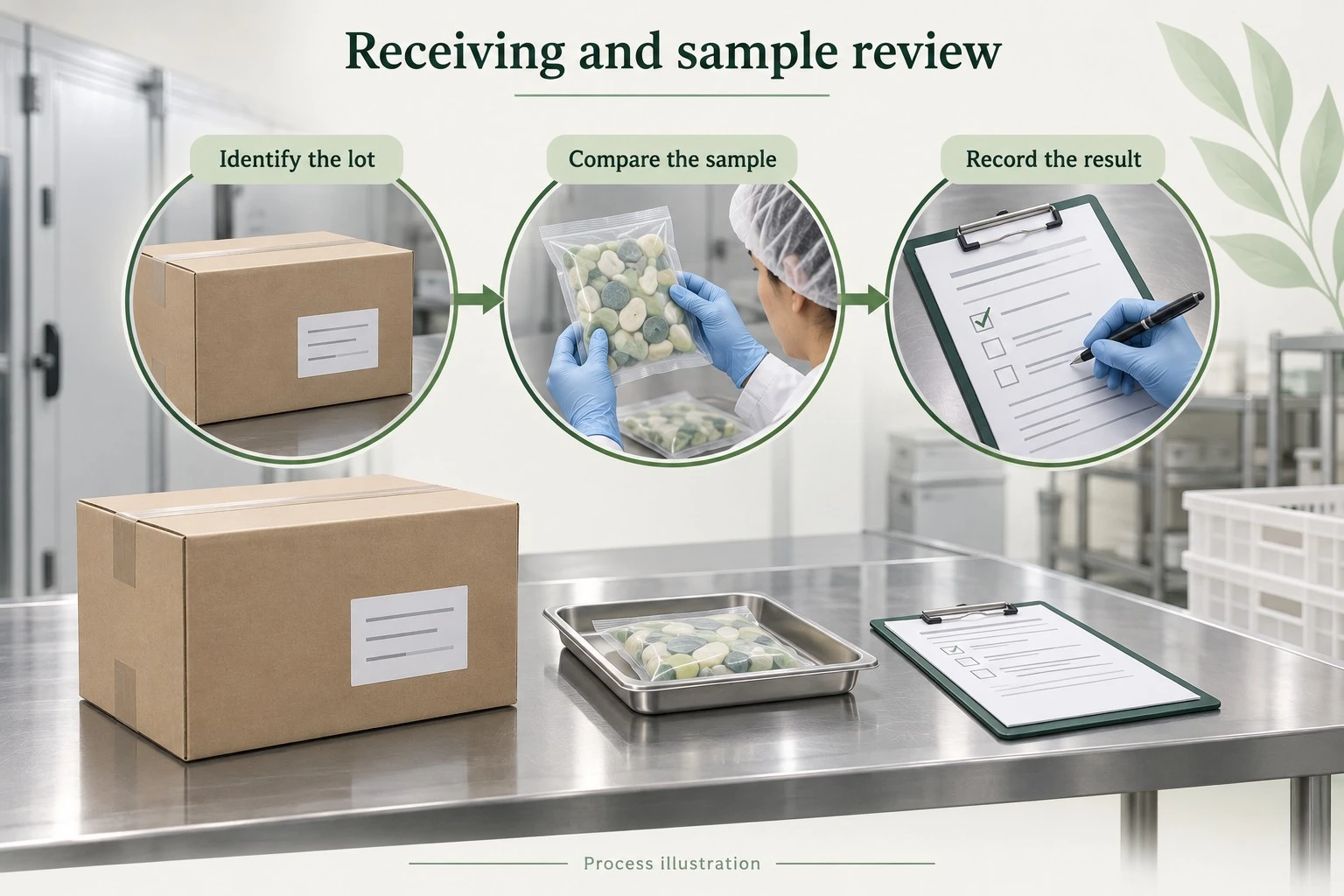
We connect the trade name to the supplier declaration and approved sample, then check stem trim and cap retention. We examine detached caps, bare stems and small groups separately, so an apparently full carton is not accepted on bulk appearance alone.
| Receiving risk | Our control | Result |
|---|---|---|
| Incorrect form or trim | Compare the declared form, dimensions and trim with the approved sample. | The supplied item matches the intended portion. |
| Loss of usable grade | untrimmed growing base, crushed caps, excessive bare stems and deteriorated tissue are reviewed as separate defects. | Reject and allowance decisions use written categories. |
| Clumps, frost or damage | Open a handled carton and inspect separation, ice and package condition. | Receiving checks reflect bulk handling, not a selected top layer. |
Frozen Shimeji Mushrooms commercial specification
We quote shimeji mushrooms against a defined sampling and evaluation basis. Size, acceptable fragments and usable yield are separate fields: one cannot compensate for failure in another. Numerical tolerances become binding only when they appear in the accepted order specification.
| Parameter | Order basis |
|---|---|
| Product | Frozen Shimeji Mushrooms |
| Primary form | small caps with stems, separated or in agreed small groups |
| Size / trim | cap diameter, stem length and the proportion of separated stems |
| Sensory reference | small mushroom caps and slender attached stems; typical cooked character with no foreign odor. |
| Defects | untrimmed growing base, crushed caps, excessive bare stems and deteriorated tissue |
| Process and intended use | Confirm pretreatment and freezing; supplied for further cooking. |
| Packing | Bulk, foodservice or private-label proposal by confirmed pack design. |
| Commercial terms | MOQ, lead time, loading, port and price confirmed for the order. |
Preparation and quality control for shimeji mushrooms
We review base removal and separation carefully because a common growing base can retain material between stems. The order sheet states the proposed cleaning, any heat treatment and frozen presentation. We do not substitute a brown or white type without written agreement.
We compare cap retention and stem bite after the food factory's heating cycle. A sample that looks tidy while frozen may separate differently during mixing, so the intended mixer and holding step are useful parts of the approval trial.
We retain the agreed acceptance points with the order so the next shimeji mushrooms lot can be evaluated by the same method. If a process or source changes, we review the effect on the sample, ingredient declaration and inspection scope before treating it as a repeat supply.
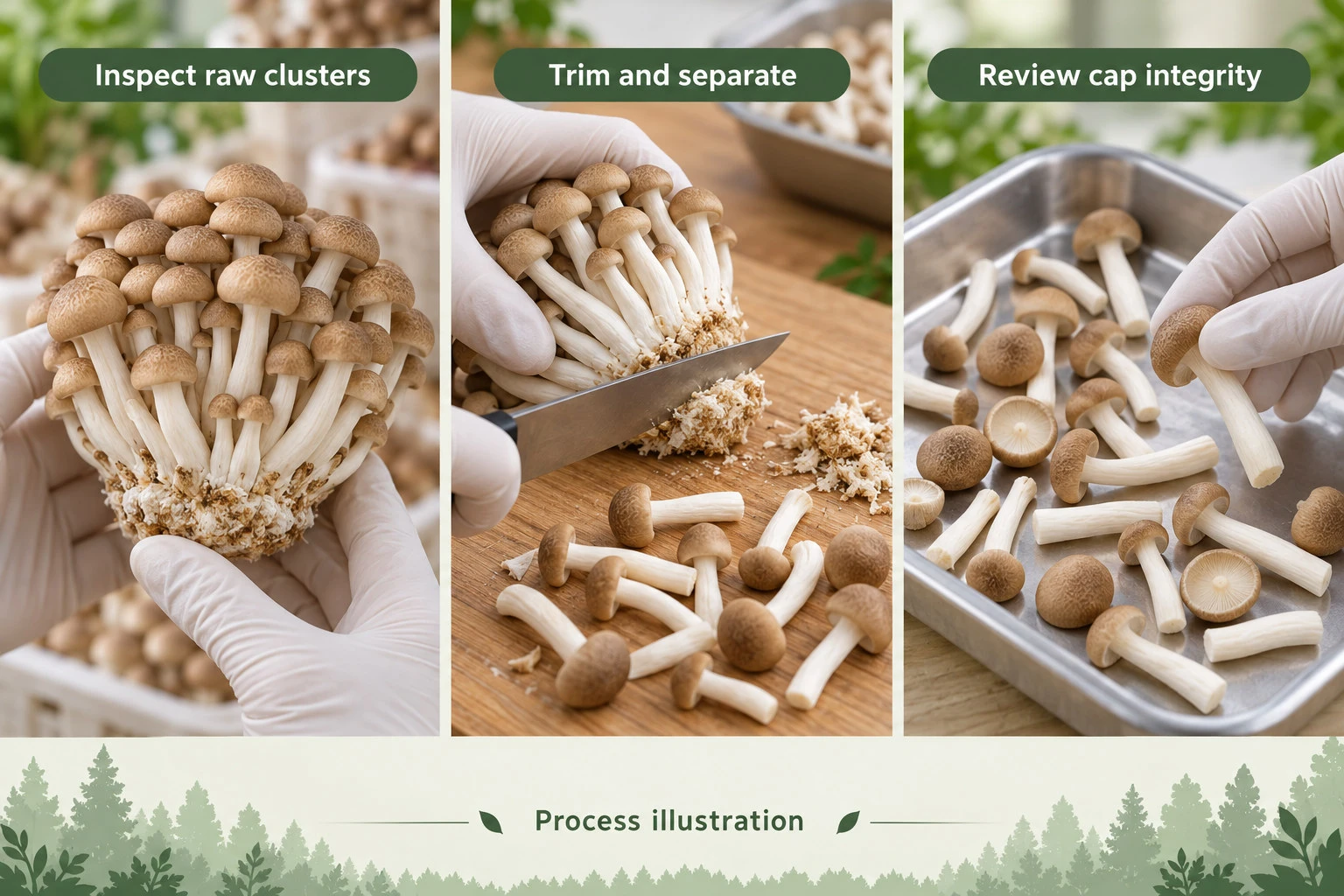
Match the shimeji mushrooms grade to the line
For noodle and soup portions, we review stem length against the pack dimensions and the amount of cap visible in a serving.
For mixed-mushroom or vegetable components, we check separation so large groups do not create uneven ingredient distribution.
| Channel | What we confirm |
|---|---|
| Foodservice distribution | Portion appearance, pack handling and the intended cooked preparation. |
| Prepared-food manufacturing | Mixing damage, heating behavior, usable yield and filling consistency. |
| Retail / private label | Pack size, ingredient wording, intended-use instructions and label approval. |
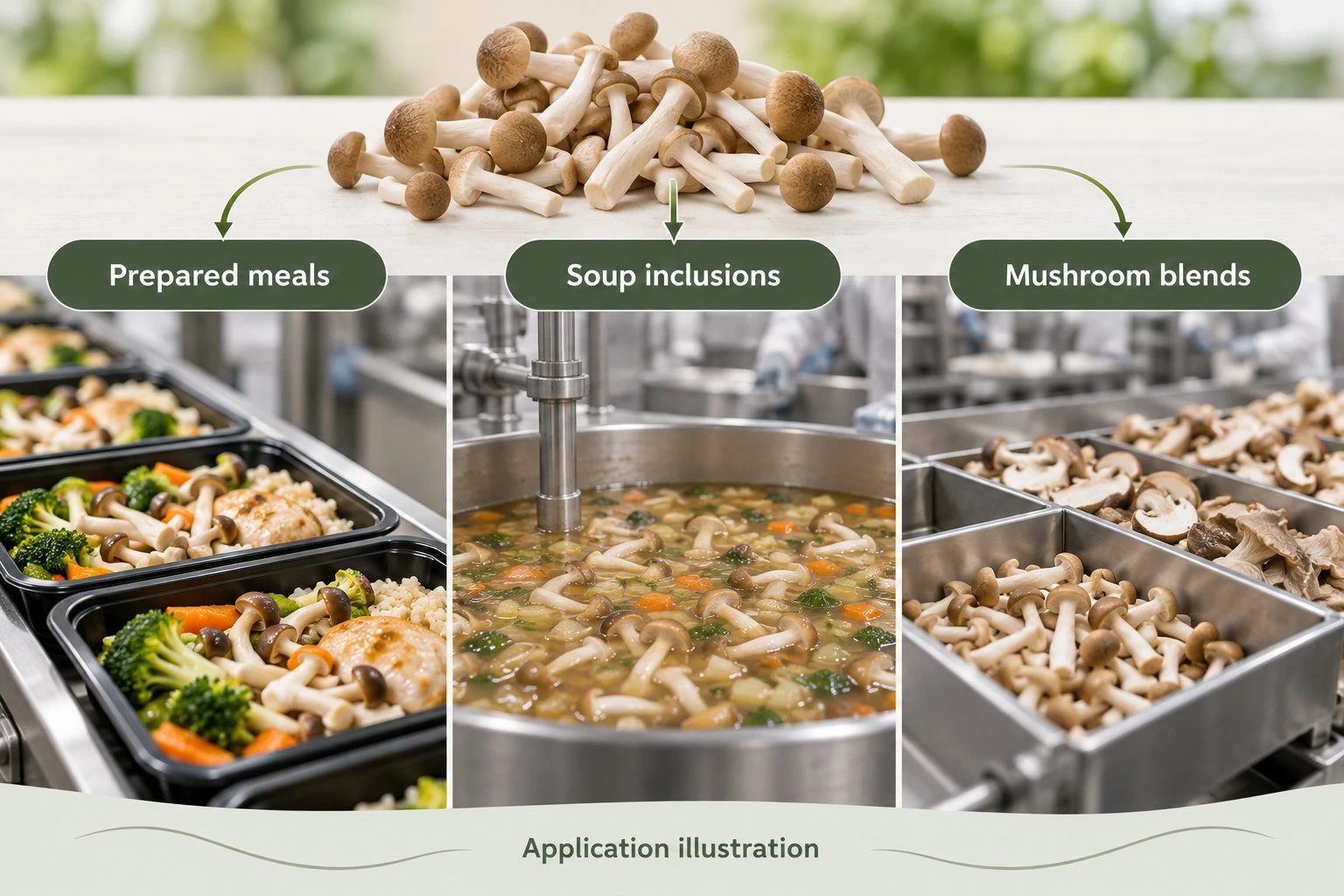
Packing that protects shimeji mushrooms through distribution
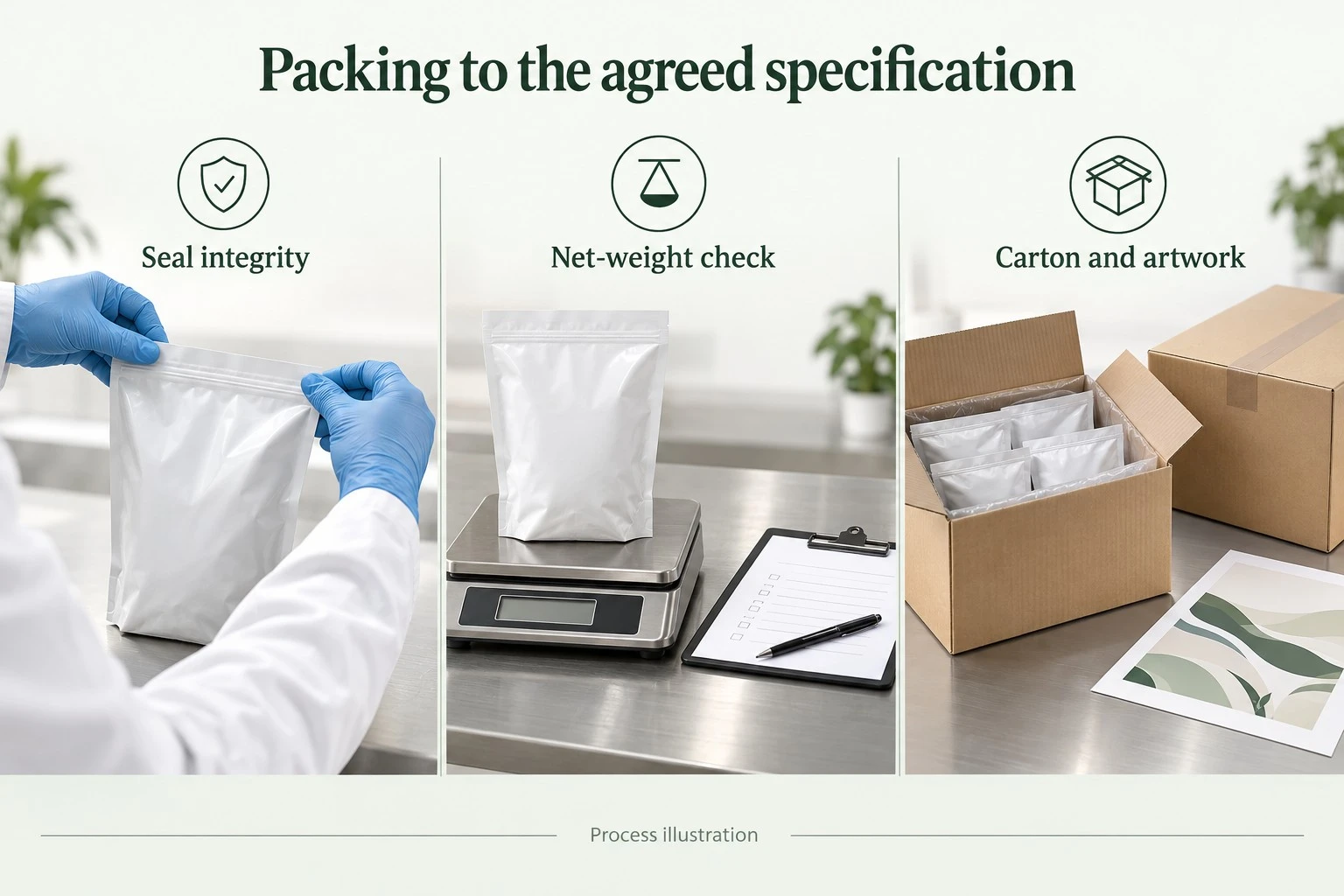
We review liner fit and carton strength around the chosen small caps with stems, separated or in agreed small groups. A pack must protect the agreed grade during normal stacking and unloading, while still opening cleanly for the receiving check. We agree net weight and carton count before loading calculations are finalized.
For foodservice bags or private-label retail packs, we review bag dimensions, seal area, barcode, storage wording and carton marks with the buyer. Artwork approval and pack trials are part of the order schedule. We quote minimum quantities and lead time for that actual pack rather than borrowing a figure from another product.
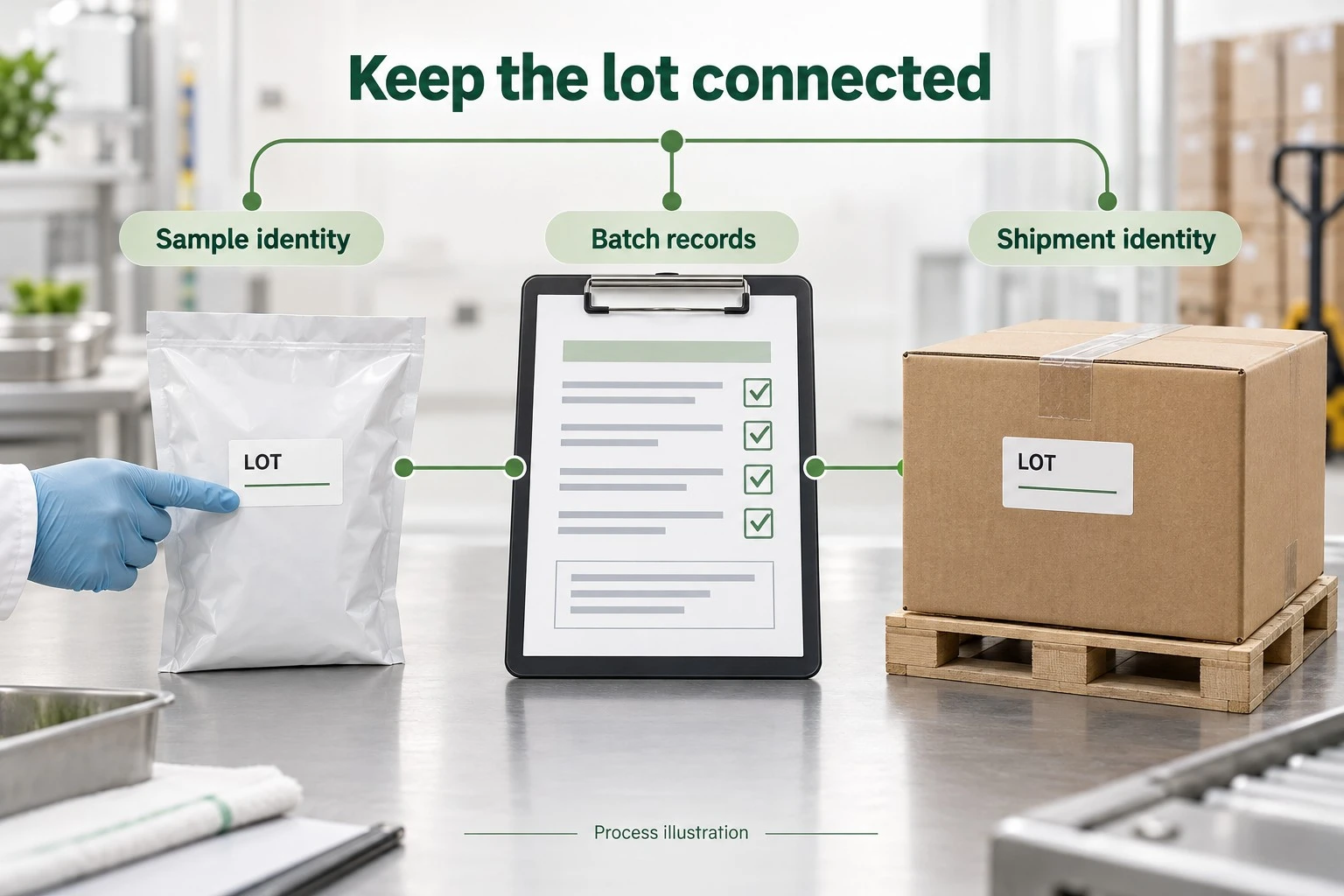
Shimeji Mushrooms documents and lot identification
We keep the shimeji mushrooms description, sample approval and technical parameters linked to the order. We agree which residue, microbiological or contaminant reports are required, including the sample plan, test method and reporting units, before commissioning work. A product photograph is not a test result or certificate.
We prepare the shipment document set around the accepted order and destination, including commercial invoice and packing list. Origin declarations, health documentation and certification claims are checked for their actual scope and validity. Lot identifiers connect the supplied packs with the relevant raw-material, production and shipment records.
Frozen shipment and receiving for shimeji mushrooms
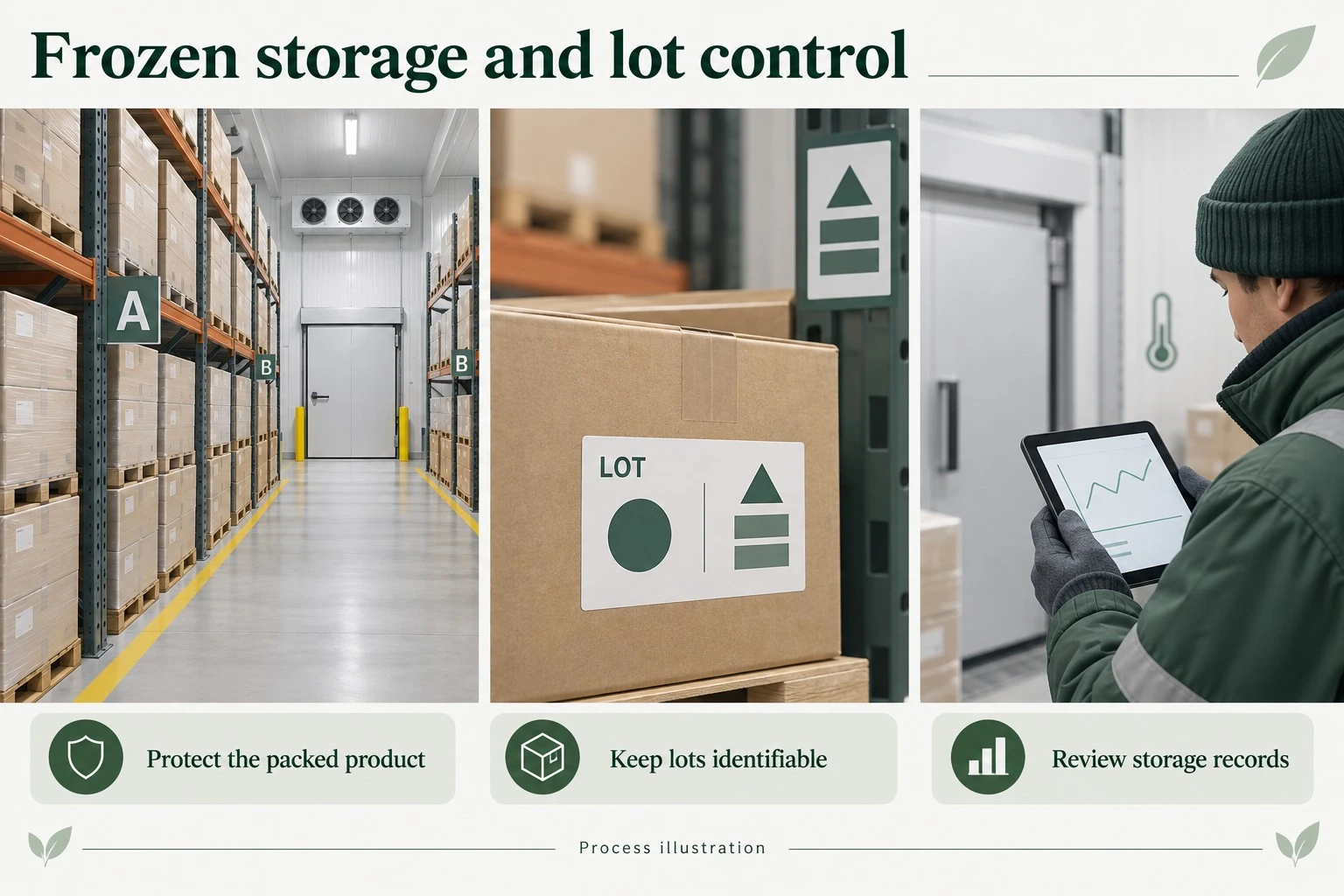
We plan frozen storage and reefer handling for the approved shimeji mushrooms SKU, normally at -18 C or below unless its confirmed specification requires a stricter condition. The label and order establish shelf life; a competitor's stated life is not a validation for this product. We review temperature records alongside frost, clumping, pack damage and any evidence of thawing.
Mixed-container loading is assessed against carton strength, pallet dimensions, temperature compatibility and the shipping schedule. At destination, keep the lot code and inspection record together so a quality query can be traced to the correct shipment. Send us your intended use and packing preference to start a practical quotation.
Frozen Shimeji Mushrooms: purchasing questions
What is the main form?
We quote small caps with stems, separated or in agreed small groups. Other presentations need their own approved sample and commercial confirmation.
How is size defined?
We record cap diameter, stem length and the proportion of separated stems, the measurement method and the allowed out-of-range share.
Which appearance defects matter?
We review untrimmed growing base, crushed caps, excessive bare stems and deteriorated tissue against the agreed packed-sample standard.
Does the photograph define the delivered grade?
Small caps and stems shown as a form reference; finished frozen grade is agreed on the order sample. The accepted frozen sample and written order define delivery.
Is this a ready-to-eat product?
No ready-to-eat status is implied. We supply for further cooking and confirm the declared process and intended use.
How do we approve processing performance?
We compare cap retention and stem bite after the food factory's heating cycle. A sample that looks tidy while frozen may separate differently during mixing, so the intended mixer and holding step are useful parts of the approval trial.
Can you offer bulk and retail packing?
We review both against the product form, bag or liner, net weight, artwork and confirmed order quantity.
What storage condition applies?
Maintain the approved frozen cold chain, normally -18 C or below. Follow the SKU label and agreed specification.
What is the shelf life?
We confirm it for the actual process, packaging and storage conditions; it is not a universal figure across the range.
Which technical documents are available?
We provide the product technical sheet and agree lot-linked reports, test scope and shipment documents for the order.
Can this join a mixed frozen container?
We assess compatible temperature, carton protection, pallet layout and the shipping plan before confirming loading.
How do you confirm MOQ and lead time?
We quote them for the selected form, packing, quantity and destination. Start with your application and preferred pack.
Plan your frozen shimeji mushrooms order
Tell us your application and preferred packing. We will help confirm the product form, order specification and shipment plan.
Discuss Your Order
Hot Tags: frozen shimeji mushrooms, China frozen shimeji mushrooms manufacturers, suppliers, factory
These technical parameters set out the product and order controls we agree before supply. Numerical limits, methods and test scope follow the accepted SKU specification. The downloadable technical sheet carries the same parameters.
01 Physical and sensory
| Parameter | Specification / agreement | Verification |
|---|---|---|
| Presentation | small caps with stems, separated or in agreed small groups | Approved representative frozen sample |
| Appearance | small mushroom caps and slender attached stems; no foreign or deteriorated odor. | Frozen inspection and agreed cooked evaluation |
| Size and trim | cap diameter, stem length and the proportion of separated stems; limits agreed before order. | Recorded measurement method and sample weight |
02 Physicochemical and residue controls
| Parameter | Specification / agreement | Verification |
|---|---|---|
| Residue program | Pesticide and contaminant criteria selected for the ingredient, origin and destination. | Agreed test scope, method and reporting limit |
| Yield / moisture | Evaluate released liquid or usable yield only under the agreed preparation method. | Trial record; no untested numerical guarantee |
03 Microbiological criteria
| Parameter | Specification / agreement | Verification |
|---|---|---|
| Test panel | Agree relevant organisms, sample plan, units and limits for intended use. | Lot-linked report where commissioned |
| Use declaration | For further cooking; no ready-to-eat status implied by freezing. | Approved SKU declaration and validated downstream process |
04 Freezing and cold chain
| Parameter | Specification / agreement | Verification |
|---|---|---|
| Freezing style | Confirm loose-frozen or portion-group presentation and handling allowance. | Pack inspection and lot process record |
| Storage | Maintain at -18 C or below, subject to approved SKU and label requirements. | Temperature records; investigate excursions and thaw evidence |
05 Pack size and shelf life
| Parameter | Specification / agreement | Verification |
|---|---|---|
| Net weight | Bulk liner/carton or agreed foodservice/retail pack; final weights by quotation. | Net-content and seal checks |
| Shelf life | Assigned to the actual SKU, process, packaging and storage conditions. | Approved shelf-life basis and best-before code |
06 Process controls
| Parameter | Specification / agreement | Verification |
|---|---|---|
| Preparation | Base removal, separation, stem trim and declared pretreatment; identity and type agreed before supply. | Current process sheet for proposed SKU |
| Post-process handling | Review drainage, freezing, packing and storage conditions. | Lot record and agreed verification points |
07 Ingredients, additives and allergens
| Parameter | Specification / agreement | Verification |
|---|---|---|
| Ingredient declaration | Confirm the named product and all processing aids or additives used for the order. | Signed ingredient and process declaration |
| Allergen assessment | Review ingredient status and shared-line cross-contact for the destination. | Supplier declaration; no blanket allergen-free claim |
08 Defects and foreign matter
| Parameter | Specification / agreement | Verification |
|---|---|---|
| Product defects | untrimmed growing base, crushed caps, excessive bare stems and deteriorated tissue; limits and sample basis agreed. | Representative packed-sample inspection |
| Foreign material | Review unwanted plant material, soil and other foreign matter. | Sorting and agreed detection/inspection records |
09 Packaging materials and label
| Parameter | Specification / agreement | Verification |
|---|---|---|
| Materials | Food-contact liner and outer carton suitable for the agreed frozen distribution. | Material declaration and pack approval |
| Label | Product name, ingredient, lot, net weight, storage and intended use; destination requirements checked. | Approved artwork and carton marks |
10 Detection and traceability
| Parameter | Specification / agreement | Verification |
|---|---|---|
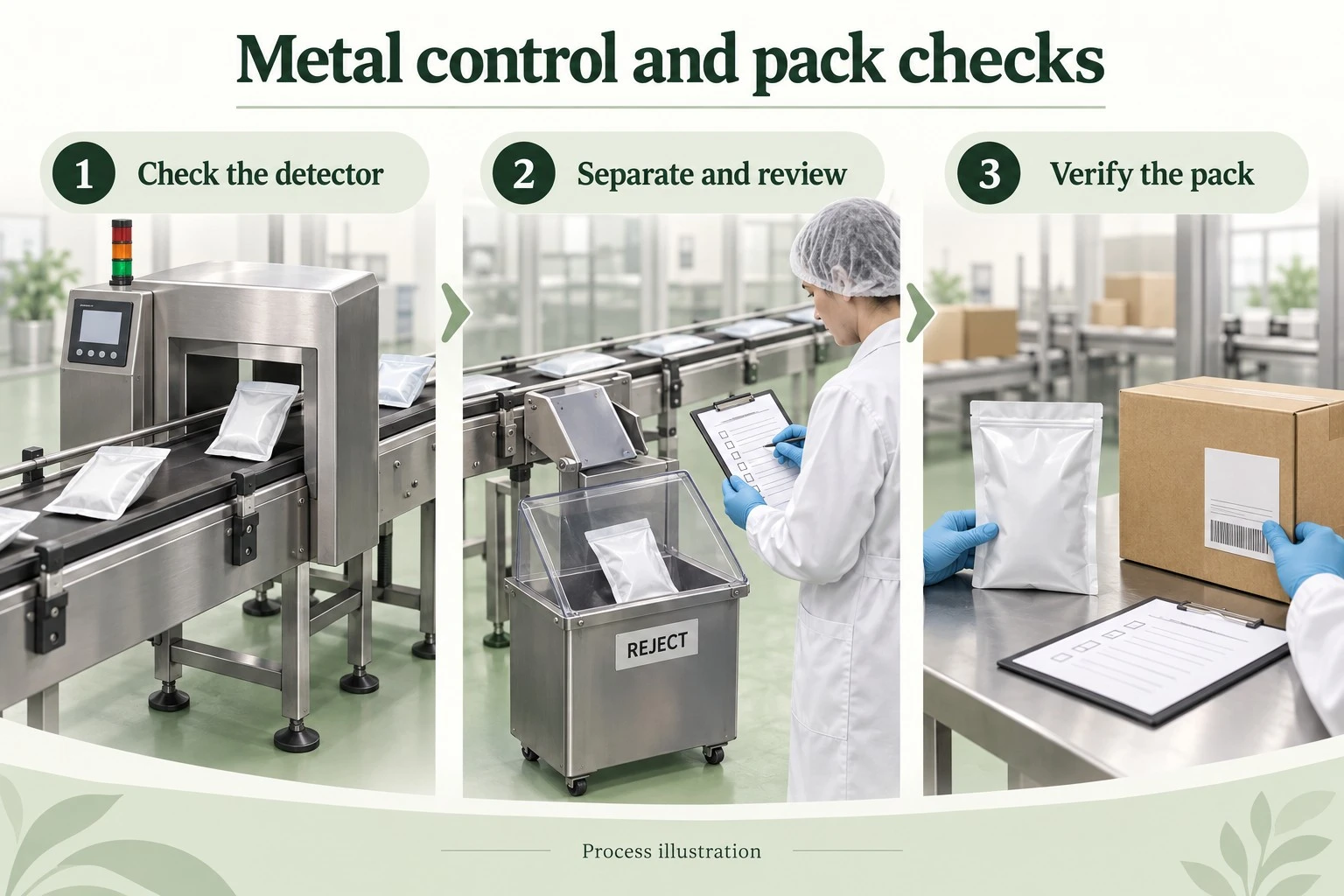
| Detection program | Confirm equipment, verification pieces, check frequency and reject handling for the SKU. | Relevant line verification records; no invented sensitivity |
| Traceability | Link raw-material lot, production, packing and shipment identifiers. | Lot record, packing list and shipment file |
Previous
No InformationNext
No Information


