


How to Cook Frozen Fava Beans: Skin, Doneness and Hot Dishes
Oct 19, 2026
Leave a message

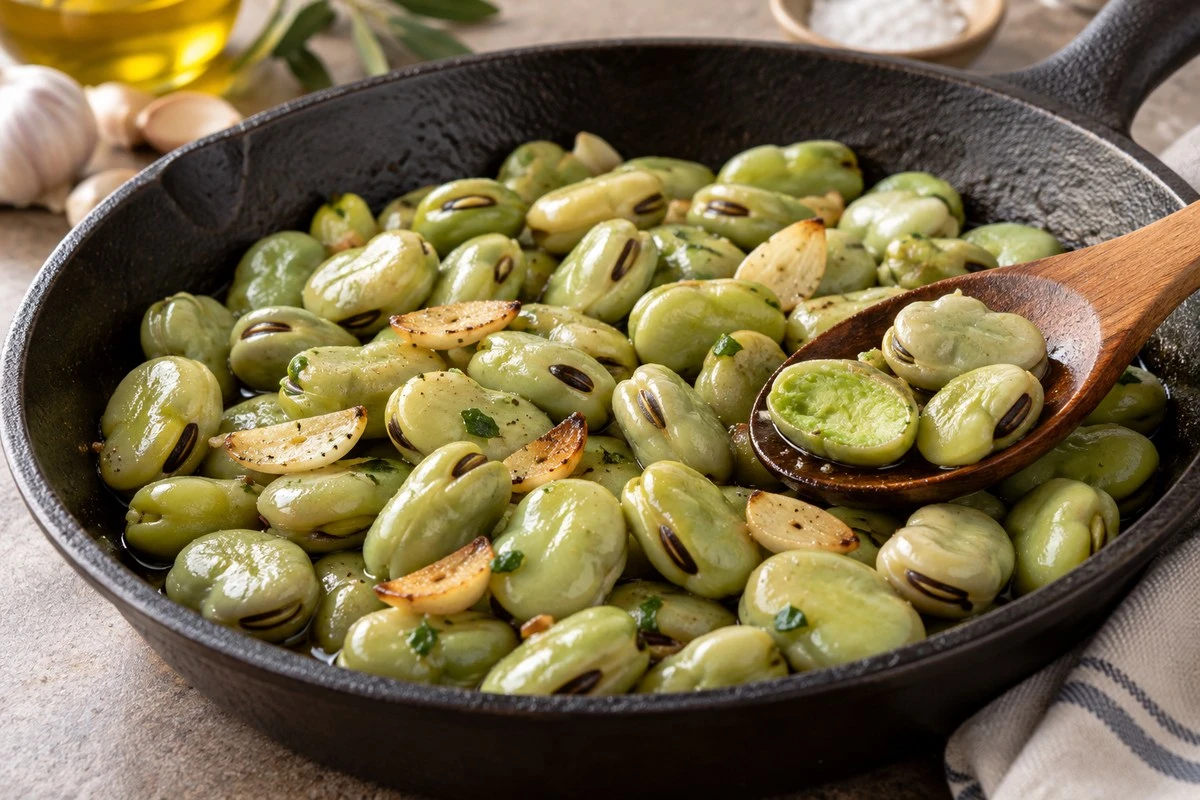
Fava beans and broad beans are names for Vicia faba. This guide concerns green frozen shelled beans, which may retain the skin around each seed. Mature dried fava beans require their own preparation. Even within the frozen category, a peeled, previously cooked ingredient and a skin-on bean requiring further cooking can need different handling. The package and approved specification should resolve that difference before the pan is heated.
For a commercial kitchen or prepared-food line, a useful cooking instruction describes more than minutes. It identifies the bean, equipment load, liquid or steam conditions, required cooking treatment and acceptable finished texture. At GreenLand-food, we would use those details to review a sample against the customer's actual dish and to keep repeat orders consistent.
Check the frozen form before heating
Start by confirming that the pack contains shelled green broad beans. Shelled means the large pod has been removed; it does not necessarily mean the individual seed coat has been peeled away. The pale skin around each bean can remain visible, often with a darker attachment scar. A product that retains that coat will look and feel different from a peeled sample whose brighter inner bean is exposed.
The GreenLand broad bean product description keeps the seed-coat status, size distribution and further-cook instruction separate. That is a useful approach for a kitchen brief. Confirm the actual SKU and process rather than assuming that every frozen bean sold under the same common name arrives at the same stage of preparation.
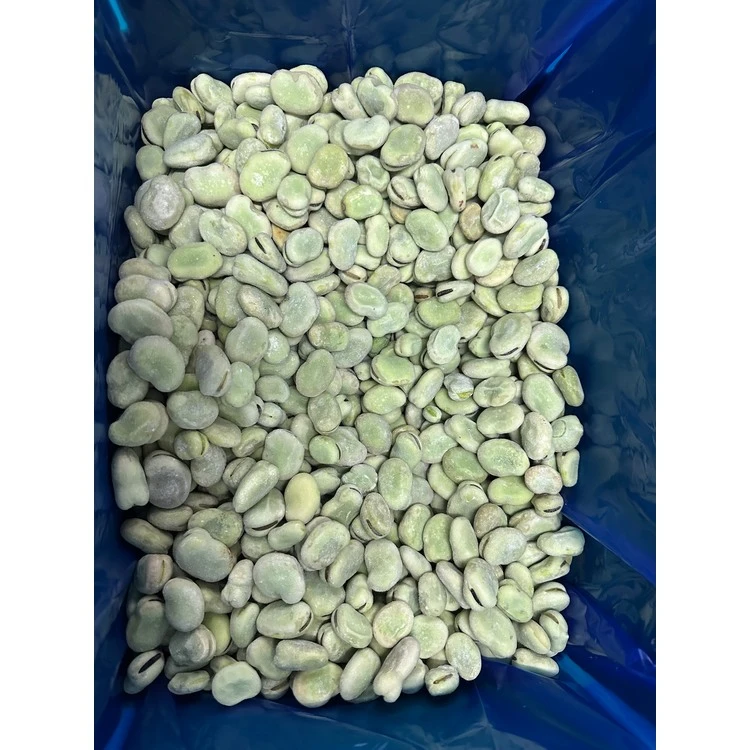
Shelled skin-on broad beans in a lined carton.
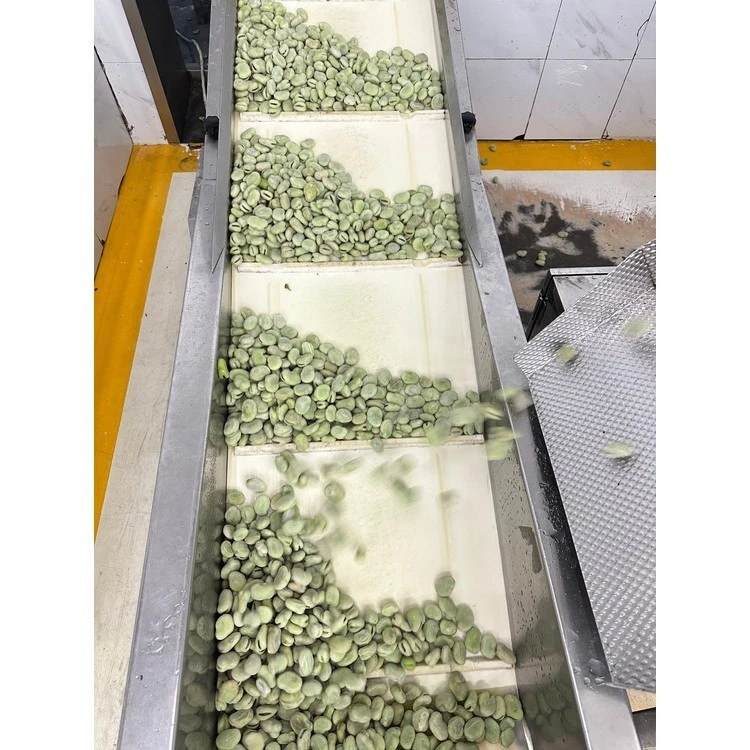
Shelled broad beans at a conveyor transfer point.
Read the cooking direction before choosing whether to thaw. If the instruction specifies cooking from frozen, prepare the equipment and add the measured frozen quantity as directed. If a different process requires controlled thawing, follow that process and account for the released liquid. Thawing on a worktop to make peeling easier should not become an informal substitute for a defined commercial preparation method.
Inspect the pack condition as part of normal receiving and preparation checks. Note damaged seals, unusual clumps, excessive loose frost or an identity mismatch. A loose individual bean is easier to portion than a compact mass, and a dense cluster can heat differently. Record and investigate abnormal conditions against the approved product and transport information rather than assuming that all clumping has the same cause.
Look at the size range in a representative portion. A few substantially larger or thicker beans can remain firmer while smaller beans begin to split. A narrow range can simplify cooking, but a broader range may be acceptable in a stew or blended preparation. The appropriate grade depends on the dish. A kitchen should decide which variation affects its result before requesting a tighter specification.
Confirm the actual heat-treatment status. Blanching, cooking and freezing describe different operations, and an appealing green appearance does not establish ready-to-eat status. The Food Standards Agency's cooking guidance emphasizes following product instructions and cooking frozen vegetables thoroughly. For a commercial operation, the responsible team should check that the method works with the actual product and equipment.
This first check also prevents a maturity error. Frozen green seeds are not the same starting material as mature dry whole beans or dried peeled splits. Do not transfer a dried-bean soaking process to every green frozen SKU, and do not give a dry bean the brief treatment used to loosen the skin of a green bean. Keep the correct instruction attached to the ingredient code used in production.
Cook with a controlled load and a clear end point
For a product intended to be boiled from frozen, use the quantity of beans, water and heat specified by the supplier or the site's validated method. Bring the liquid to the required starting condition, add the frozen load and restore the cooking condition as instructed. The return to that condition matters: adding a large frozen mass can lower the water temperature substantially, especially in undersized equipment.

Broad beans cooking with water circulating between the seeds.
Record when the instructed timing begins. Some methods time from addition, while others specify a return to boiling or another condition. Those are different procedures. Staff should not have to guess which one applies during a busy service. A written instruction that states the load and timing reference is more repeatable than a note saying only "cook for a few minutes."
A publicly available broad bean product sheet in the NHS Supply Chain library illustrates this specificity: it links a stated frozen quantity, water quantity and cooking sequence to a named product. The document is a historical supplier sheet, not an instruction for a current GreenLand lot. Its useful lesson is the structure of the method. The actual product's approved instructions must provide the operating values.
Keep water or heat circulation around the beans. Follow the instructed stirring or separation step where needed, without rough agitation that damages softened seeds. A crowded pot and a shallow controlled batch do not behave identically. If the kitchen must process a larger quantity, test that realistic load instead of multiplying a small-pan time by the number of portions.
The required safety treatment and the desired eating texture are separate acceptance points. First, achieve the cooking conditions established for the product and use. Then assess whether the bean has the desired bite, creamy centre and shape. Color, floating or a softened skin alone cannot demonstrate that a commercial process has adequately heated the whole load.

Cooked broad beans draining before entering a hot dish.
Drain the cooked beans by a repeatable method when the next dish does not need their cooking water. A deep pile in a colander retains liquid differently from a shallow layer. Excess water can dilute a sauce, loosen a rice mixture or change the amount of fat and seasoning that adheres to the beans. Record the drainage method when comparing samples or calculating usable yield.
Microwave and steam routes also need exact instructions. Wattage, container shape, portion depth, added liquid, stirring and standing can influence the result. A stovetop time is not a microwave instruction, and a small domestic trial does not establish a factory steam process. Use a supported method for the actual product and verify the commercial load with the responsible technical team.
If the product lacks clear instructions for the proposed use, resolve that gap before releasing the recipe. A general internet cooking time cannot supply the missing process information. The supplier can clarify the ingredient's preparation and intended use, while the customer establishes how its equipment, batch size and finished food meet the applicable requirements. That division of work avoids treating a culinary suggestion as a validated manufacturing process.
Judge the skin and the inner bean separately
A cooked broad bean can have a tender centre inside a noticeable skin. That does not mean the whole bean simply needs unlimited additional boiling. Further heating may break down the interior while leaving an unpleasant outer coat. Assess the two components separately so that the adjustment addresses the actual problem: skin retention, maturity, size, cooking exposure or the chosen application.

Cut broad bean showing the seed coat and cooked inner cotyledons.
After the required cooking treatment, take representative beans from the prepared portion and let tasting samples cool enough to handle safely. Cut across the larger seeds to examine the centre, then assess the skin and inner bean separately. Record firmness, mealiness or creaminess, skin resistance and any splitting. Use the same preparation and assessment point for every sample being compared.
Peeling may be appropriate when the dish requires a delicate texture or bright exposed green bean. Open the loosened seed coat and ease the inner bean out without crushing it. This removes the individual skin, not a second large pod. If peeling is part of production, measure the labor, acceptable peeled yield and breakage rather than treating it as a cost-free improvement.
Some recipes use a brief initial blanch specifically to make peeling easier, then cook the peeled beans further. The Mayo Clinic fava beans with garlic recipe, for example, separates an initial skin-removal step from a later simmer in stock. Reading only the first short heating instruction would miss the rest of that recipe. The same distinction matters when adapting a recipe to a supplied frozen form.
Tender skin-on beans can work well where the whole seed is part of the expected eating experience. Peeling every bean may be unnecessary for that application. Conversely, calling the skin edible does not establish that a particular lot's skin will be pleasant in a fine puree or a lightly dressed dish. Sensory acceptance should describe the customer's intended food, with an agreed method and examples.
If one portion contains beans at noticeably different stages of tenderness, examine the size distribution and starting condition. A mixture of loose beans and compact clumps can produce uneven heating. A broad maturity range can also affect the result. Repeat the cook with a controlled portion before changing the instruction, then decide whether grading or another supplier-side specification is needed.
The condition of the bean after peeling deserves attention too. Exposed cotyledons can split or crumble during stirring. A fine green garnish may need a low level of broken material, while a thick soup can accommodate more. Set the accepted whole and split form against the dish. Otherwise, the kitchen may spend time discarding material that would be entirely suitable in its intended application.
Skin removal does not resolve the specific risk of fava beans for people with G6PD deficiency. UCLH patient guidance identifies fava or broad beans as a trigger to avoid. Do not describe peeled, cooked or frozen fava beans as suitable for someone advised to avoid them. Maintain clear ingredient identification in product and foodservice communication.
Add the beans where the hot dish needs them
The best addition point depends on what the rest of the dish still needs to do. A rice dish that is nearly finished can receive appropriately cooked beans near the end, limiting additional agitation. A stew may incorporate beans earlier if their texture is intended to soften into the sauce. The preparation must still provide the required complete cooking treatment; a late addition cannot be used to leave an ingredient undercooked.

Cooked broad beans being folded into a hot rice dish.
For rice, start with the desired distribution and portion. Large broad beans occupy more visible space than peas or finely diced vegetables, so equal weights can change the appearance and eating rhythm. Fold them gently if intact seeds matter. Record how much free liquid accompanies the beans, because that water can loosen an otherwise well-controlled rice mixture or collect in the bottom of a packed meal.
In a sauce, compare the bean on its own and in the finished recipe. Salt, fat, acidity and other ingredients can alter the perceived flavor and texture. A strong sauce can hide a mild flavor difference but leave a tough skin obvious. If two bean samples receive different sauce quantities, the tasting may reveal the sauce variation rather than a useful difference between the ingredients.
Stews and braises require assessment of the whole time in the pot. A bean that is tender when first added may become very soft by service. Decide whether intact seeds, partial breakdown or a thickened bean-rich sauce is the target. The same change can be a benefit in one recipe and a defect in another. Name the expected result in the development brief before selecting a grade.
For sauteed dishes, drainage affects contact with the pan and the coating of seasonings. Use the instructed preparation first, then add the beans to the final cooking stage in a way that avoids excessive surface water. A pan filled with wet beans may steam rather than give the intended finish. Test the actual pan load and handling instead of adding more oil to compensate for uncontrolled moisture.
| Hot dish | Bean characteristic to protect | Useful final assessment |
|---|---|---|
| Rice or grain component | Distribution and intact seed shape | Portion consistency and loose water after holding |
| Light sauce or vegetable side | Pleasant skin and distinct bite | Seed coat resistance after normal service exposure |
| Stew or braise | The intended amount of softening | Whole beans, loose skins and sauce body at service |
| Reheated prepared meal | Consistent centre and acceptable final texture | Complete consumer heating cycle in the actual pack |
Do not assume that a bean which works in one hot dish will suit every product using the same ingredient name. A creamy stew can tolerate a softer interior than a lightly dressed vegetable side. A retail meal may expose the bean to manufacturing heat and consumer reheating. Keep the intended application in the supplier sample request so the proposed product is evaluated against the correct end point.
Where recipes use a mixture of peeled and skin-on beans, make that choice deliberate. It can create a range of color and texture, but it also complicates specification and portion consistency. A supplier should not deliver an accidental mixture under an unclear description. If mixed skin states are acceptable, define how they are identified and what variation the finished food can tolerate.
Test the full hold and reheat sequence
A freshly cooked tasting provides only the first observation. Foodservice beans may remain hot before serving, travel in a delivery container or be incorporated into a meal that is chilled and reheated. Those stages can continue softening the interior, loosen the skin or change the amount of liquid in the dish. Approval should represent the point at which the customer actually eats the food.

Broad bean texture and loose skin visible in a reheated stew.
For immediate service, compare the first portion with one held for the planned service interval under the site's required controls. Assess the same characteristics each time: skin resistance, centre texture, splits, loose coats, flavor and appearance. Record the actual conditions and interval. A description such as "holds well" is not specific enough to repeat or to use when discussing a later quality concern.
Hot holding requires a suitable safety procedure. The FDA Food Code 2022 model generally uses 57°C or 135°F as the hot-holding minimum for time/temperature control for safety food. The site's jurisdiction and approved plan govern the actual requirement. That temperature control does not establish an unlimited sensory holding period. A safe holding condition and an attractive bean texture must both be achieved.
For a chilled preparation, cooling needs to be designed for the actual food mass and equipment. A deep container of beans or a dense finished dish may cool differently from a small tasting portion. Use the operation's approved cooling method and records. Avoid simply leaving the product on a counter until it feels cool, then assuming that refrigeration has resolved the earlier handling period.
Reheat the actual packed dish during development. Container shape, depth, frozen or chilled starting temperature and component arrangement can affect heat distribution. In a microwave route, stirring and standing instructions may matter. Check the relevant thermal conditions through the load and assess texture after the full procedure. An attractive surface is not a complete indication of what happened at the centre.
If beans become too soft after reheating, investigate the complete sequence. Possible adjustments include a different supplied form, a narrower size range or a change in when the beans enter the dish. Any revised preparation must still provide the required safety treatment. Reducing heat solely to preserve a green appearance is not an acceptable substitute for a process review.
Repeat a promising trial after the planned storage period where shelf-life validation requires it. The freshly made meal may not represent the texture of the product near the end of its intended life. Temperature control, packaging and the formulation all contribute. Use the approved shelf-life program for the finished food; a general statement about frozen vegetables cannot establish the storage life of every bean dish.
Do not treat repeated cooling and reheating as a routine way to extend a service batch. Follow the site's controls and keep the preparation history clear. When investigating a complaint, the number and nature of heating cycles can be as relevant as the ingredient grade. Accurate batch records help distinguish a crop or specification issue from additional exposure introduced after delivery.
Turn a successful cook into a repeatable instruction
Once the kitchen obtains the desired result, write down the conditions that produced it. Identify the supplier SKU, green or mature form, seed-coat state, frozen input weight and relevant size range. Record the vessel, water or steam method, load, timing reference, required cooking treatment and drainage. Include the next dish stage so staff understand whether the beans are being served, peeled, held or cooked further.

Cooked small and large broad beans compared for consistent tenderness.
A useful proposed trial follows a clear sequence. First, confirm the ingredient and its instructions. Second, prepare a representative measured portion using the required method. Third, assess the skin and centre after cooking. Fourth, put the accepted beans through the actual dish, hold and reheating sequence. Finally, record yield and the finished-food decision. These are development steps to perform, not evidence that a particular GreenLand lot has already passed them.
Define the tasting language before comparing alternatives. "Tender" can mean a firm intact bite to one person and a creamy mashed interior to another. Use a reference sample and describe skin resistance, centre firmness and the accepted amount of splitting. Photographs can support appearance, while tasting and a preparation record capture characteristics that a frozen image cannot show.
Measure usable yield on the correct basis. If the customer removes skins, record acceptable peeled cooked output against frozen input. If skins remain, record drained cooked output using the same drainage method each time. A hypothetical 900 grams of acceptable output from a 1,000-gram input represents 90 percent yield; it is an arithmetic example, not a claimed production result. Measure actual lots before building cost assumptions around it.
Labor and equipment capacity belong in the comparison. A bean requiring additional peeling may produce the desired texture but occupy staff or equipment that the customer does not have available. A larger pack can lower handling frequency while creating a portioning problem in a small kitchen. Evaluate the complete preparation cost per acceptable serving rather than comparing unopened pack prices alone.
For a new order, we would ask for the dish, required form, packing, quantity, destination and requested documents together with the trial result. That information allows the sample and quotation to address the intended cooking route. Availability of a peeled form, custom grade, private-label pack or particular dispatch window needs confirmation against the actual program. Public product descriptions do not replace that agreement.
At receipt, preserve the link between the delivered lot and the approved specification. Check identity, packaging and the agreed frozen transport evidence, then use the same cooking method for any acceptance sample. If the result differs, record where the difference appeared: before cooking, in the skin, at the centre or after holding. The more precise the observation, the easier it is to investigate constructively.
Revisit the instruction when the ingredient or process changes. A new size range, peeled form, different equipment load or altered meal pack can change performance even if the menu name remains unchanged. Keep the approved method version with the ingredient record. That gives the next shift and the next shipment a reliable starting point for cooking frozen fava beans consistently.
Continue reading
How to Cook Frozen Mixed Vegetables Without Making Them Soggy
Extend load, drainage and equipment checks to mixed vegetable preparations.
Source Frozen Broad Beans with GreenLand-food
GreenLand-food is a professional frozen broad beans supplier and manufacturer in China, providing factory-direct wholesale supply for importers, food manufacturers and foodservice buyers.
Send your product form, specification, packing, quantity, application, destination, private-label needs and requested documents so we can review the proposed order.