


What to Do With Raspberries
Jun 08, 2026
Leave a message
Research This Article & Topic with AI
Verify key claims, compare reliable sources, and explore GreenLand-food's practical frozen food knowledge.
Article details and research questions are prepared in the links. Sign-in or sending may be required.
Raspberries are one of the most flexible berry ingredients. You can eat them fresh, freeze them, blend them into puree, cook them into sauce, turn them into jam, add them to smoothies, bake them into muffins, use them in yogurt, make dessert toppings, or process them into commercial fruit preparations. The best use depends on whether the raspberries are fresh, frozen, whole, broken, pureed or strained.
Fresh raspberries are delicate and visually attractive, so they are useful for toppings, fresh desserts, fruit bowls and garnish-style applications. Frozen raspberries are more practical when the final product will be blended, cooked, baked or processed. After freezing and thawing, raspberries become softer and release juice, which is useful for puree, sauce, smoothies, bakery fillings and dairy fruit bases.
For B2B buyers, the question is not only what to do with raspberries. The better question is which raspberry format fits the final product. Whole frozen raspberries, raspberry crumble, raspberry puree, raspberry sauce and raspberry fruit preparation all perform differently in bakery, beverage, dairy, foodservice, retail and private-label applications.
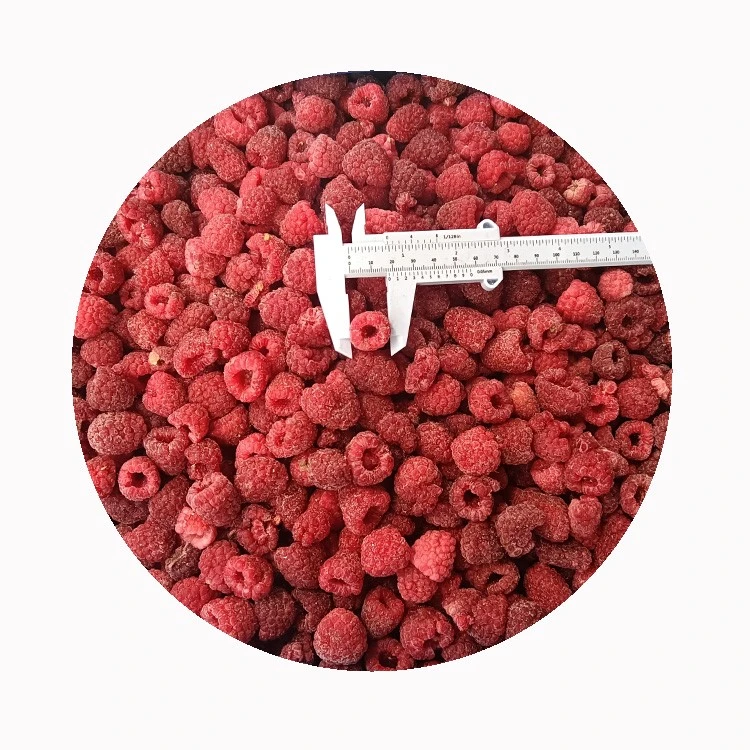
The Short Answer: Use Raspberries Where Color, Tartness and Berry Flavor Matter
Raspberries are best used in products where bright red color, tart-sweet flavor, soft texture and strong berry identity are useful. They work well in desserts, sauces, jams, smoothies, smoothie bowls, yogurt, ice cream, bakery fillings, muffins, cakes, fruit drinks, dairy products and foodservice toppings.
Use fresh raspberries when appearance and fresh bite matter. Use frozen raspberries when the final product will be blended, cooked, baked or processed. Use raspberry puree when smooth texture and even fruit distribution matter. Use raspberry sauce or fruit preparation when the final product needs controlled sweetness, acidity, viscosity and color.
| Raspberry Format | Best Use | Main Advantage |
|---|---|---|
| Fresh raspberries | Toppings, fresh desserts, garnish, fruit bowls | Fresh appearance and whole berry identity |
| Frozen raspberries | Smoothies, sauces, jams, baking, dairy, fruit preparations | Convenient year-round use and easy processing |
| Raspberry puree | Beverages, yogurt, sauces, desserts, bakery fillings | Smooth texture and even fruit distribution |
| Raspberry sauce | Cheesecake, ice cream, pancakes, plated desserts, foodservice | Controlled sweetness, acidity and pourable texture |
| Raspberry fruit preparation | Yogurt, dairy desserts, bakery, private-label products | Stable formula, controlled Brix and application performance |
1. Eat Raspberries Fresh
Fresh raspberries are best when they are ripe, firm, clean and not leaking juice. Their value is appearance, aroma and delicate berry texture. They can be used directly in fruit bowls, breakfast plates, salads, desserts, yogurt bowls and garnish-style presentations.
Because raspberries are fragile, they should be handled gently. Do not press them heavily or soak them for a long time. If they are very soft, broken or beginning to leak, they may still be useful for sauce, puree or smoothies, but they are less suitable for fresh topping applications.
- Fruit bowls: use whole fresh raspberries for color and berry identity.
- Breakfast plates: pair with yogurt, oats, granola, pancakes or waffles.
- Fresh desserts: use as topping for cakes, mousse, panna cotta and cheesecake.
- Salads: combine with greens, nuts, cheese-style ingredients or vinaigrette.
- Garnish: use firm, intact berries where appearance matters.
2. Make Raspberry Sauce
Raspberry sauce is one of the most practical uses for raspberries that are very ripe, soft, frozen or slightly broken. The berries cook down quickly and release juice, creating a bright red sauce with a tart-sweet flavor. The sauce can be served smooth or slightly textured depending on the final use.
- Add fresh or frozen raspberries to a small pan.
- Add sugar, syrup or honey according to the sweetness target.
- Heat gently until the berries release juice and soften.
- Blend or press if a smoother texture is needed.
- Strain seeds if the sauce needs a fine mouthfeel.
- Reduce gently until the sauce reaches the target thickness.
Raspberry sauce works well with cheesecake, pancakes, waffles, yogurt, ice cream, mousse, panna cotta, chocolate desserts and plated foodservice desserts. For commercial use, the key controls are Brix, acidity, viscosity, seed content, color and packaging format.

3. Make Raspberry Puree
Raspberry puree is useful when you need smooth fruit distribution instead of whole berries. It can be made from fresh or frozen raspberries by blending the berries and straining the seeds if a smoother texture is required. Frozen raspberries are especially practical because they soften quickly after thawing and release juice easily.
The main decision is whether to strain the seeds. Unstrained puree works for smoothies, rustic sauces, jams and some bakery fillings. Seedless raspberry puree is better for beverages, dairy products, premium dessert sauces and smooth fruit preparations.
| Puree Style | Best Application | Control Point |
|---|---|---|
| Seeded puree | Smoothies, rustic sauces, jams, bakery fillings | Natural texture and higher yield |
| Seedless puree | Beverages, yogurt, dessert sauces, dairy products | Smooth mouthfeel and lower seed feel |
| Sweetened puree | Desserts, toppings, ice cream ripple, foodservice sauces | Brix and acidity balance |
| Reduced puree | Bakery filling, fruit preparation, thick sauce | Viscosity and water control |
4. Use Raspberries in Smoothies and Smoothie Bowls
Raspberries are excellent for smoothies because they add red color, tart berry flavor and acidity. Frozen raspberries can usually go directly into the blender. They pair well with banana, mango, strawberry, blueberry, peach, pineapple, yogurt, milk, plant-based drinks, oats and protein-style ingredients.
Because raspberries are naturally tart, smoothie formulas often need a sweeter fruit or mild dairy base for balance. Banana, mango and peach can soften the acidity, while yogurt and milk can create a smoother mouthfeel. For commercial smoothie bases, raspberry puree may be easier to dose than whole berries.
- Raspberry banana smoothie: banana balances tartness and adds creamy texture.
- Raspberry mango smoothie: mango adds sweetness and tropical body.
- Raspberry yogurt smoothie: yogurt supports a creamy dairy-style profile.
- Raspberry oat smoothie: oats add body for breakfast-style products.
- Raspberry smoothie bowl: frozen raspberries help build color and fruit identity.
5. Use Raspberries in Baking
Raspberries are useful in muffins, cakes, tarts, pastries, loaf cakes, cookies, pies and bakery fillings. They add color, acidity and fruit contrast. Fresh raspberries can be used when gentle mixing is possible. Frozen raspberries are often practical because they are easier to source year-round and may hold shape better during mixing if added directly from frozen.
The main issue in baking is juice release. Raspberries can release liquid during baking, which may create wet pockets or color bleeding. For bakery production, the best format may be whole frozen raspberries, broken raspberries, raspberry crumble, puree or prepared filling depending on the product design.
| Bakery Product | Recommended Raspberry Format | Main Control Point |
|---|---|---|
| Muffins | Whole frozen raspberries or raspberry crumble | Color bleeding and batter moisture |
| Tarts | Fresh raspberries, puree or prepared filling | Appearance, seed feel and sauce thickness |
| Cakes | Puree, sauce or fruit preparation | Even distribution and controlled moisture |
| Pastry filling | Reduced puree or prepared filling | Viscosity, bake stability and water activity |

6. Make Raspberry Jam, Compote or Fruit Filling
Raspberries cook down quickly, which makes them suitable for jam, compote, fruit filling and dessert topping. Fresh raspberries can be used, but frozen raspberries are also practical because they release juice easily and can be processed directly into a cooked fruit base.
For jam and compote, the natural tartness of raspberries helps create a bright flavor. For bakery fillings, the formula must control thickness, sweetness, acidity and seed feel. For commercial fruit preparation, buyers should define Brix, fruit content, viscosity, pH, particle size, seed content and packaging.
7. Use Raspberries in Dairy Products
Raspberries work well with yogurt, drinking yogurt, frozen yogurt, ice cream, cream desserts, dairy puddings and plant-based dairy alternatives. Their acidity gives contrast to mild dairy bases, while their red color gives strong visual appeal.
For dairy products, whole berries are not always the easiest format. Raspberry puree, seedless puree, sauce or fruit preparation may be more suitable because they distribute evenly and allow better control of sweetness, acidity and texture. Seed content is especially important in smooth dairy bases.
8. Use Raspberries in Beverages
Raspberries can be used in smoothies, fruit teas, mocktails, cocktails, sparkling drinks, dairy drinks, plant-based drinks and juice blends. Their flavor is bright and tart, so they are useful when a beverage needs acidity and color rather than only sweetness.
For beverage factories, raspberry puree or seedless raspberry puree is usually more practical than whole berries. Puree can be dosed more easily, mixed more evenly and tested by Brix, acidity, viscosity and color. Whole berries may be used only when visible fruit pieces are part of the beverage concept.
9. Use Raspberries in Breakfast Products
Raspberries are useful in breakfast products because they add bright color and a tart fruit note. They can be used in oatmeal, overnight oats, granola bowls, pancakes, waffles, smoothie bowls, breakfast muffins and yogurt cups.
- Oatmeal: stir in fresh or frozen raspberries during cooking or add as topping.
- Yogurt bowls: use fresh raspberries or raspberry fruit preparation.
- Pancakes and waffles: use raspberry sauce or fresh berries as topping.
- Breakfast muffins: use frozen raspberries directly in the batter when the formula allows.
- Smoothie bowls: blend frozen raspberries with banana or mango for body and color.
10. Freeze Raspberries for Later Use
If raspberries cannot be used fresh in time, freezing is a practical option. Sort the berries, remove damaged fruit, wash gently if needed, drain very well, and freeze them in a single layer on a tray before packing. This helps keep them easier to portion later.
Frozen raspberries are best for smoothies, sauces, jams, bakery, dairy products and fruit preparations. They are less suitable when the final product requires the same fresh appearance as newly picked raspberries, because thawed raspberries become softer and may release juice.
How to Choose the Right Raspberry Format
Different raspberry formats serve different needs. Whole berries are visually strong. Broken berries and crumble are practical for bakery and fillings. Puree is useful for beverages and dairy. Sauce is suitable for desserts and foodservice. Fruit preparation is better when the final product needs controlled texture, sweetness and stability.
| Format | Best Application | Buyer Focus |
|---|---|---|
| Whole raspberries | Retail packs, toppings, bakery decoration, smoothie bowls | Berry integrity, color and appearance |
| Broken raspberries or crumble | Bakery, sauces, fillings, jams, fruit blends | Cost, color, berry flavor and application fit |
| Raspberry puree | Beverages, dairy, sauces, desserts, fruit preparations | Brix, acidity, viscosity and seed content |
| Seedless raspberry puree | Premium sauces, drinks, dairy, smooth dessert products | Smooth mouthfeel and lower seed feel |
| Raspberry fruit preparation | Yogurt, bakery, dairy desserts, private-label products | Formula stability, Brix, pH and texture control |
Common Mistakes When Using Raspberries
Mistake 1: Using soft berries for fresh topping
Soft, leaking or broken raspberries may not look good as fresh toppings. They are better used in puree, sauce, jam, smoothies or bakery fillings where visual whole-berry quality is less important.
Mistake 2: Washing raspberries too roughly
Raspberries are delicate. Strong water flow, long soaking or heavy handling can damage the fruit. If washing is needed, keep it gentle and drain the berries well before use or freezing.
Mistake 3: Ignoring seed feel
Raspberry seeds are noticeable. They may be acceptable in rustic sauces, smoothies and jams, but can be less suitable for smooth beverages, dairy products and premium dessert sauces.
Mistake 4: Using whole berries when puree would perform better
Whole raspberries are visually attractive, but they are not always the best format. For beverages, dairy products, sauces and fruit bases, raspberry puree or fruit preparation may give better consistency.
Mistake 5: Treating all raspberry products the same
Fresh raspberries, frozen raspberries, broken berries, puree and fruit preparation have different uses. B2B buyers should match the raspberry format with the final application instead of choosing only by price.
B2B Applications for Raspberries
For commercial buyers, raspberries can support many product categories. The right format should be selected according to processing needs, texture target, color requirement, seed tolerance, packaging and final consumer use.
- Bakery manufacturers: raspberry fillings, cake layers, muffin inclusions, tart fillings, pastry sauces and fruit glazes.
- Beverage factories: raspberry puree for smoothies, fruit teas, mocktails, juice blends, dairy drinks and plant-based beverages.
- Dairy processors: raspberry fruit preparation for yogurt, frozen yogurt, ice cream ripple and dairy dessert cups.
- Foodservice operators: raspberry sauces, toppings, smoothie bases, dessert plates and breakfast menu applications.
- Retail brands: whole frozen raspberries, frozen berry blends, smoothie packs and private-label fruit products.
- Jam and sauce producers: raspberry puree, broken raspberries or whole fruit according to texture and seed requirement.

How We Look at Raspberry Applications at GreenLand-food
At GreenLand-food, we look at raspberries from the buyer's final application. A whole frozen raspberry for retail packs is not the same sourcing decision as raspberry puree for beverages, raspberry crumble for bakery, or raspberry fruit preparation for yogurt and dairy products.
We provide frozen raspberry products in practical commercial formats according to buyer requirements. For importers, distributors, beverage factories, bakery manufacturers, dairy processors, foodservice operators, retail brands and private-label buyers, the right raspberry specification should match fruit form, berry integrity, color, acidity, Brix, seed content, packaging, cold-chain capacity and final application.
Need frozen raspberries for commercial use?
Tell us your target product, required raspberry format, seed requirement, packaging needs and destination market. We can help you match frozen raspberry specifications with smoothie, puree, sauce, bakery, beverage, dairy, foodservice, retail or private-label use.
Send InquiryFor more product details, you can explore our Frozen Fruits and Frozen Raspberry pages to compare product formats and sourcing options.
FAQ About What to Do With Raspberries
What can I do with fresh raspberries?
Fresh raspberries can be used for fruit bowls, yogurt toppings, desserts, salads, pancakes, waffles, cakes, fresh garnish, sauces and smoothies. Firm berries are best for fresh presentation, while softer berries are better for puree or sauce.
What can I do with frozen raspberries?
Frozen raspberries are useful for smoothies, sauces, jams, compotes, muffins, cakes, bakery fillings, yogurt, dairy products, desserts and fruit preparations. They can often be used directly from frozen.
Can raspberries be made into puree?
Yes. Fresh or thawed frozen raspberries can be blended into puree. The puree can be strained if a seedless texture is needed for beverages, dairy products or smooth dessert sauces.
Are raspberries good for baking?
Yes. Raspberries can be used in muffins, cakes, tarts, pastries, pies and bakery fillings. Frozen raspberries may be added directly to some batters, but moisture and color bleeding should be considered.
Should raspberry sauce be strained?
It depends on the final use. Rustic sauces can keep the seeds. Premium dessert sauces, beverages and smooth dairy products usually benefit from straining for a finer mouthfeel.
Can raspberries be used in dairy products?
Yes. Raspberries work well in yogurt, drinking yogurt, frozen yogurt, ice cream, dairy desserts and plant-based dairy alternatives. Puree or fruit preparation is often more practical than whole berries for commercial dairy applications.
Can I freeze raspberries if I cannot use them fresh?
Yes. Raspberries can be frozen, preferably by tray freezing after gentle sorting and draining. Frozen raspberries are useful for smoothies, sauces, baking, puree and commercial fruit processing.
Can I request frozen raspberries from GreenLand-food?
Yes. If you need whole frozen raspberries, raspberry crumble, raspberry puree-style raw material, raspberry fruit preparation or customized raspberry specifications for commercial use, you can send us your inquiry with your target application, packaging format and destination market.