



Frozen Lemon
Description
Technical Parameters
Frozen Lemon for processing and foodservice programs
We supply frozen lemon for beverage and foodservice programs. We agree peel-on slices, wedges or other cut pieces with the intended use, then set a sample standard for peel condition, seeds, pith and citrus flavor.
For beverage ingredient development, the useful result is finished frozen cut in the buyer's extraction or infusion process. Buyers serving foodservice citrus applications may give more weight to appearance, intact pieces and pack handling. We use the frozen sample in both the application trial and the receiving standard so the commercial grade reflects the real use.
The main tradeoff is peel-to-pulp balance, seeds and pith in the chosen cut. A tighter preparation or intact-piece standard can reduce sorting and improve presentation, while a clearly defined processing grade may offer better value when the fruit is screened, blended or cooked. We quote after form, grade, pack, destination and volume are clear.
Select the lemon form by application
Our first sample is order-specific lemon slices or wedges. The buyer can assess physical form, useful fruit share and pack behavior together, then convert those observations into order limits.
We also review another peel-on or peeled cut agreed by application for equipment that needs a different feed. Its size basis, broken-piece allowance and price are agreed from a separate frozen sample.
The category photograph shows fresh lemon as a visual reference. We approve the order from finished frozen slices, wedges or cut pieces, including the peel-to-pulp balance and seed condition.
| Form | Commercial decision |
|---|---|
| Main order form | order-specific lemon slices or wedges; approve piece distribution, useful portion and sound-fruit share. |
| Alternative | another peel-on or peeled cut agreed by application; separate sample, limits and quotation. |

Receiving controls for lemon
The receiving plan concentrates on peel-to-pulp balance, seeds and pith in the chosen cut. We pull units from more than one part of the lot, inspect them while frozen and repeat the agreed application check after controlled handling. This shows whether variation is isolated or representative of the shipment.
We list seeds, excess pith, peel damage and bitter extraction separately because they do not have the same commercial effect. Some reduce edible yield, some interrupt equipment, and others mainly affect presentation. The specification says whether each finding is counted, weighed or judged against the approved reference.
A peel-on slice contributes citrus oils as well as acidity; a wedge changes the peel-to-pulp balance and the number of visible seeds. We agree cut thickness, peel condition and seed tolerance against the beverage or foodservice use.
| Receiving risk | Control | Decision supported |
|---|---|---|
| peel-to-pulp balance, seeds and pith in the chosen cut | Inspect multiple sample units and record finished frozen cut in the buyer's extraction or infusion process. | Grade matched to the application |
| seeds, excess pith, peel damage and bitter extraction | Apply the agreed count, weight or visual method. | Consistent release and receipt |
| Frost, clumps or thaw evidence | Compare pack condition, seals and temperature records. | Handling review with lot evidence |
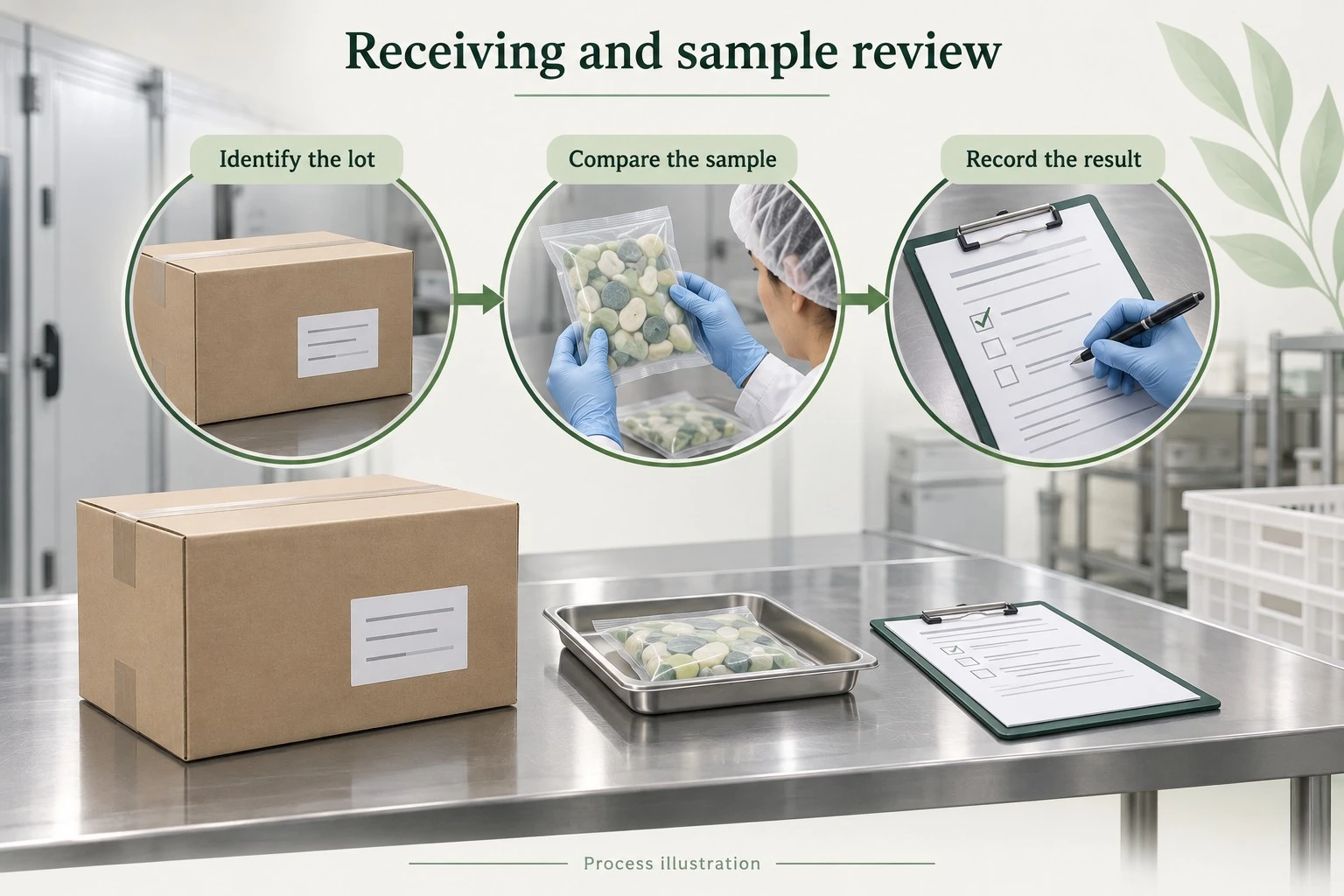
Write a measurable lemon specification
We describe the order as order-specific lemon slices or wedges, followed by attributes the receiving team can verify: preparation, size distribution where relevant, color and maturity range, sound-piece share, seeds, excess pith, peel damage and bitter extraction, net weight and inspection method. The approved sample supports the wording but does not replace the written fields.
Measured targets for lemon are chosen for the finished product. Soluble solids or acidity may guide beverage ingredient development, while a visible inclusion often needs stronger physical limits. Any chemistry, residue or microbiological result names the represented lot and method. Port, timing, quantity and trade terms remain in the quotation.
| Parameter | Order basis |
|---|---|
| Product and preparation | Frozen Lemon; order-specific lemon slices or wedges. |
| Alternative form | another peel-on or peeled cut agreed by application; separate approval. |
| Appearance and defects | Agree color, maturity, seeds, excess pith, peel damage and bitter extraction and inspection method. |
| Useful yield | Measure a lot sample and evaluate finished frozen cut in the buyer's extraction or infusion process. |
| Analytical reports | Name required analytes, methods and represented lot. |
| Commercial terms | Confirm pack, quantity, timing, port and trade terms in the quotation. |
Prepare and freeze lemon for the agreed form
The working instruction starts with fruit identity and incoming condition, then covers the trimming, peeling, coring, deseeding or separation needed for order-specific lemon slices or wedges. The relevant steps differ by fruit, so release inspection follows the order specification rather than a broad frozen-fruit description.
During packing we check piece condition, loose ice or clumping where relevant, net weight, seals and lot marks. The record links the finished sample to the packed lot. If preparation changes to another peel-on or peeled cut agreed by application, we repeat the review because surface area and handling can alter breakage, color and juice release.
We ask the buyer to reproduce finished frozen cut in the buyer's extraction or infusion process under normal line conditions. The trial records usable output and changes in texture, color or free juice. Those observations become repeat-order limits and keep a visually attractive sample from being approved for the wrong process.

Use lemon where its form adds value
In beverage ingredient development, we choose the lemon form by the output the recipe needs. A screened or blended product may prioritize recoverable fruit and flavor balance, while a visible preparation needs a stronger whole-piece or cut-piece standard. The line trial shows which attributes justify a tighter grade.
For foodservice citrus applications, we assess how lemon survives packing, portioning and the planned preparation. We can present separate samples when it will serve both a visible premium line and a further-processed line, allowing each specification to carry an appropriate defect allowance and cost.
| Channel | What we confirm |
|---|---|
| Beverage ingredient development | Result for finished frozen cut in the buyer's extraction or infusion process, relevant defects and usable yield. |
| Foodservice citrus applications | Visible condition, pack handling, portioning and breakage tolerance. |
| Importer or distributor | Destination label, documents, carton marks and receipt plan. |

Pack lemon for handling and repeat orders
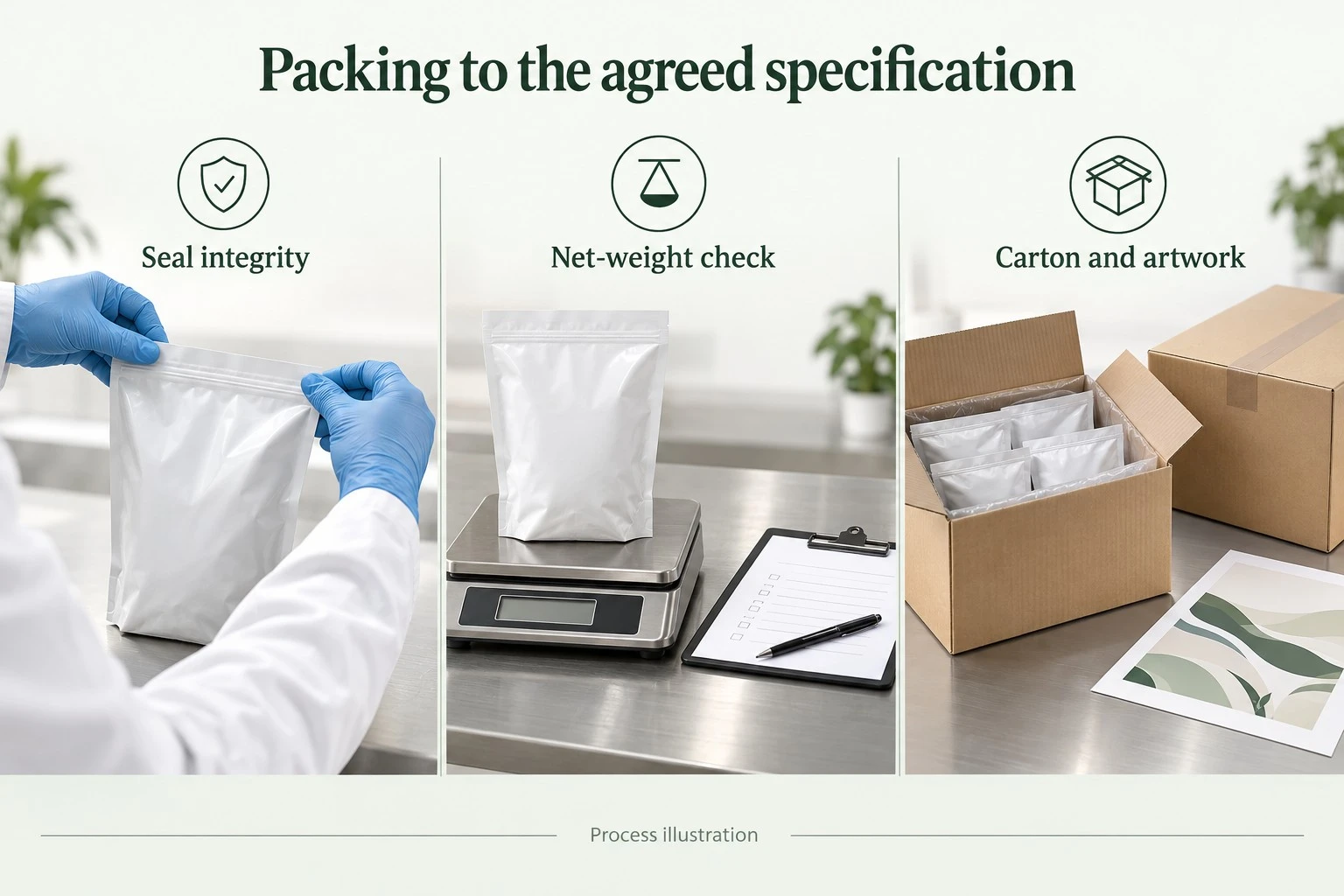
We choose the liner, carton and net weight around order-specific lemon slices or wedges, the handling route and order volume. A packed sample lets us check sealing, piece compression and distribution before fixing the carton plan. This is especially relevant where peel-to-pulp balance, seeds and pith in the chosen cut can worsen under pressure or long handling.
Private-label artwork for lemon follows the approved identity and order-specific lemon slices or wedges. We review the ingredient statement, required origin wording, barcode, date coding, lot mark and destination language before printing. Mixed-container orders receive a loading and pallet plan that keeps every SKU identifiable at receipt.
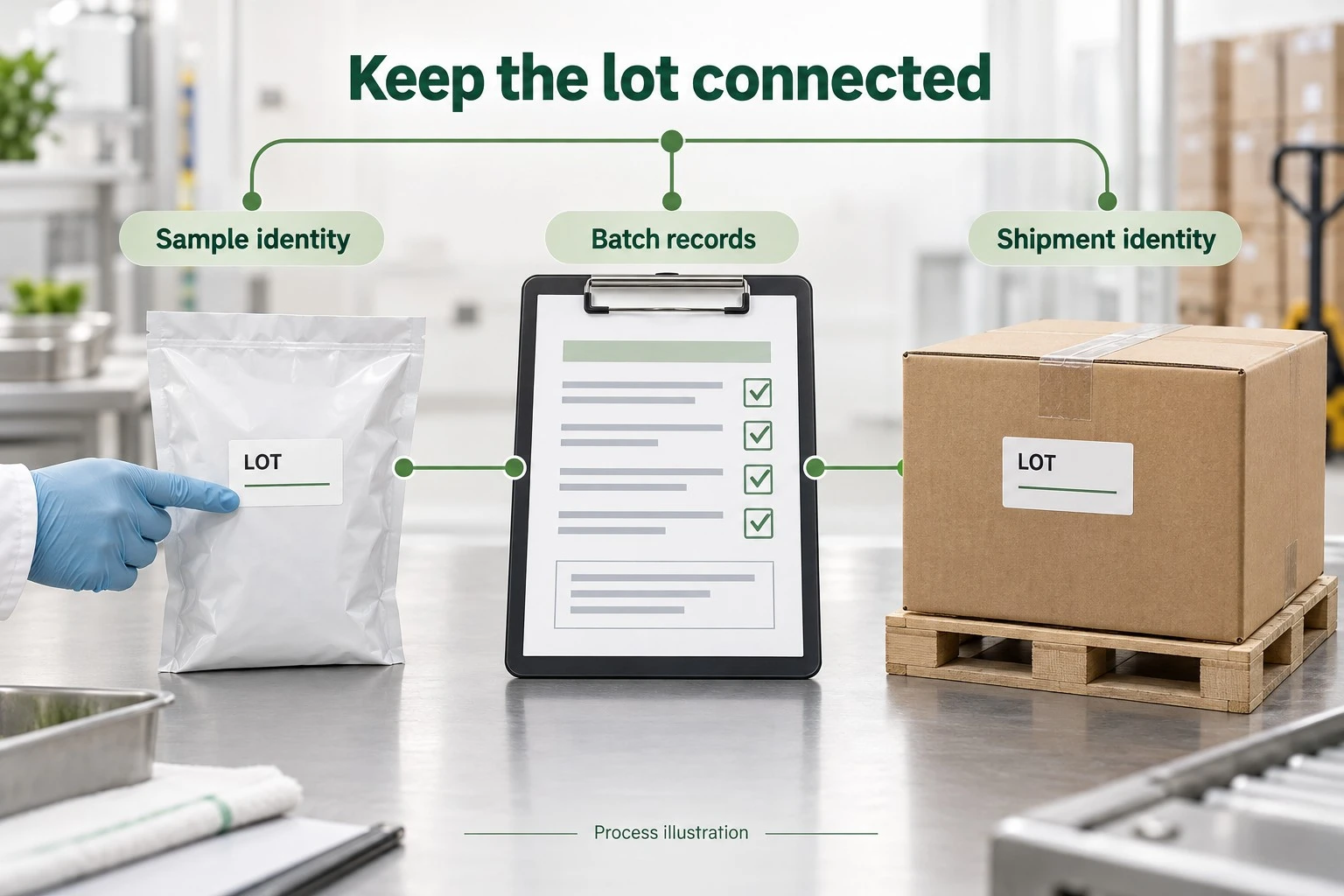
Keep the lemon lot and claim record connected
We connect the lemon source-lot record, preparation, packing code and shipment through the batch reference. Identity details that affect acceptance, including fruit type, pit or seed status and blend recipe, appear only when the order records support them. The receiver can then match the label and packing list to the sampled lot.
The lemon shipment file is agreed by destination and may include the commercial invoice, packing list, specification and requested batch reports. When the buyer asks for microbiological, residue, heavy-metal or other evidence, the order names the analytes, method and represented lot. Artwork and inspection approvals stay with the same file.
Protect the agreed frozen condition through dispatch
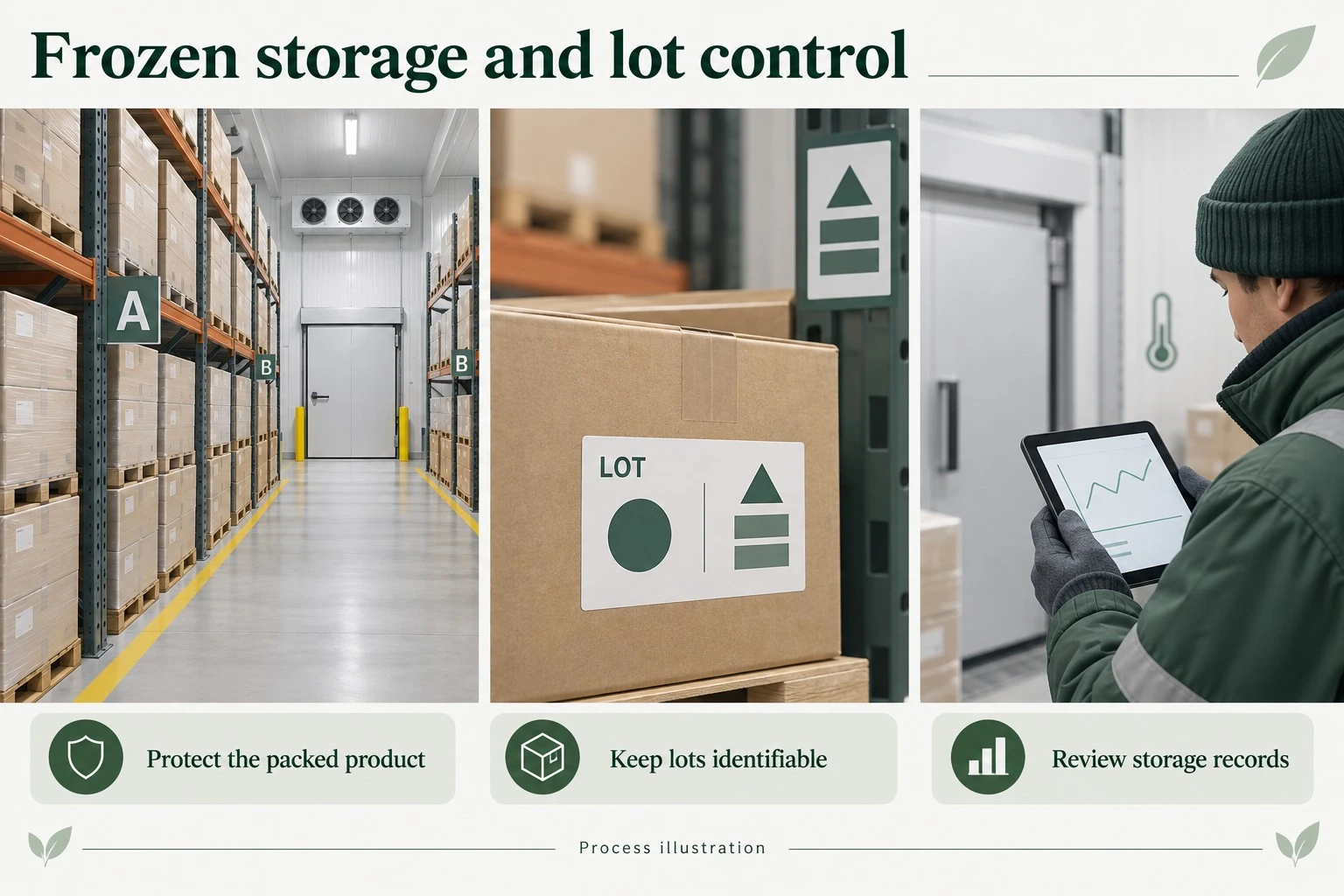
We set frozen storage, loading and transport conditions in the approved specification. Minus 18 degrees C is a common reference, while the actual set point, permitted tolerance and monitoring record are confirmed for the route. This matters because peel-to-pulp balance, seeds and pith in the chosen cut may be harder to separate from handling damage after partial thawing.
Before handover we reconcile lemon carton marks and counts with the shipment file and check visible carton and seal condition. At receipt, clumps, heavy frost, leakage or damaged packs are recorded with lot and temperature information. That evidence helps distinguish a product-grade issue from a transport or storage event.
Frozen Lemon: purchasing questions
Which form of lemon do you supply?
We offer order-specific lemon slices or wedges for this program and confirm its packed frozen condition against the approved order sample.
Can we order another cut or preparation?
We can review another peel-on or peeled cut agreed by application with a separate sample, size basis, defect limits and quotation.
How are size and broken pieces specified?
We measure a representative sample and agree a distribution and broken-piece tolerance for your application.
Which lemon defects matter at receipt?
We define acceptance for seeds, excess pith, peel damage and bitter extraction and record the sampling method.
Can the order specify fruit type, cultivar or origin?
Yes, when the selected supply lot and quotation support it. We state only the identity verified for that order.
Can you provide a soluble-solids or acidity target?
We can discuss a lot-specific method and result where your formulation requires one; no fixed value is assumed.
How should we evaluate the fruit in our process?
Test a representative sample for finished frozen cut in the buyer's extraction or infusion process under your actual processing conditions.
Which bulk and smaller packs are available?
We confirm net weight, liner, carton and any smaller format by order and packing trial.
Can the pack carry our own label?
We review artwork, language, barcode, date coding and the verified product declaration before printing.
What frozen temperature applies?
The approved specification governs storage and transport; minus 18 degrees C is a common reference, not an automatic guarantee.
What documents come with the shipment?
We agree the invoice, packing list, specification and any batch reports needed for the destination.
How are MOQ and lead time set?
We quote them from the confirmed form, pack, quantity and shipment plan.
Plan your frozen lemon order
Tell us your application and preferred packing. We will help confirm the product form, order specification and shipment plan.
Discuss Your Order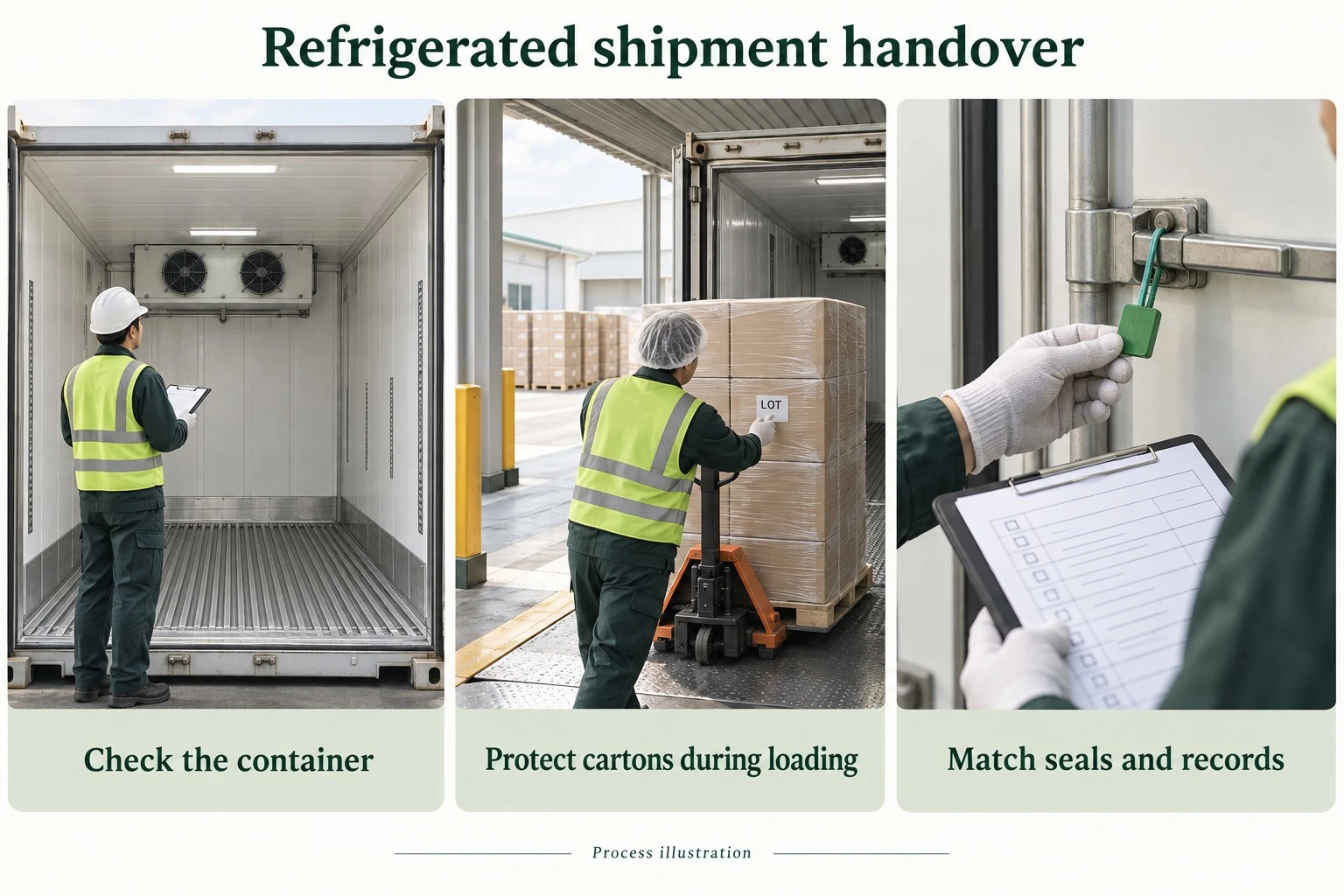
Hot Tags: frozen lemon, China frozen lemon manufacturers, suppliers, factory
These technical parameters set out the product and order controls we agree before supply. Numerical limits, methods and test scope follow the accepted SKU specification. The downloadable technical sheet carries the same parameters.
01 Physical and sensory
| Parameter | Specification / agreement | Verification |
|---|---|---|
| Form | order-specific lemon slices or wedges | Approved frozen sample |
| Color and condition | Agree maturity, shade and peel-to-pulp balance, seeds and pith in the chosen cut. | Lot visual check |
02 Physicochemical and residue
| Parameter | Specification / agreement | Verification |
|---|---|---|
| Soluble solids/acidity | Set only if the application requires measured targets. | Named lot and method |
| Residues | Destination limits by agreement; no blanket value. | Relevant lot report |
03 Microbiological
| Parameter | Specification / agreement | Verification |
|---|---|---|
| Microbial criteria | Agree organism, method and acceptance for destination. | Batch test if ordered |
04 Freezing and cold chain
| Parameter | Specification / agreement | Verification |
|---|---|---|
| Frozen condition | Set point and tolerance by approved specification. | Storage/loading record |
| Clumps and frost | Define acceptable level on packed sample. | Carton inspection |
05 Pack and shelf life
| Parameter | Specification / agreement | Verification |
|---|---|---|
| Net weight and pack | By final quote and artwork proof. | Weight/seal check |
| Shelf Life | Set only after SKU and pack evidence. | Approved specification |
06 Process
| Parameter | Specification / agreement | Verification |
|---|---|---|
| Preparation | order-specific lemon slices or wedges | Process and lot record |
| Alternate preparation | another peel-on or peeled cut agreed by application | Separate trial and approval |
07 Ingredients, additives and allergens
| Parameter | Specification / agreement | Verification |
|---|---|---|
| Ingredient declaration | Verify fruit and any processing aid/additive for final SKU. | Formula and label review |
| Allergen declaration | Confirm against actual site and destination rules. | Approved label |
08 Defects and foreign matter
| Parameter | Specification / agreement | Verification |
|---|---|---|
| Fruit-specific defects | seeds, excess pith, peel damage and bitter extraction | Agreed count/weight method |
| Foreign material | Define exclusions and inspection method. | Inspection record |
09 Materials and label
| Parameter | Specification / agreement | Verification |
|---|---|---|
| Contact material | Confirm liner and carton suitability. | Supplier declaration as needed |
| Label and marks | Verify identity, lot, dates, net weight and market language. | Artwork signoff |
10 Detection and traceability
| Parameter | Specification / agreement | Verification |
|---|---|---|
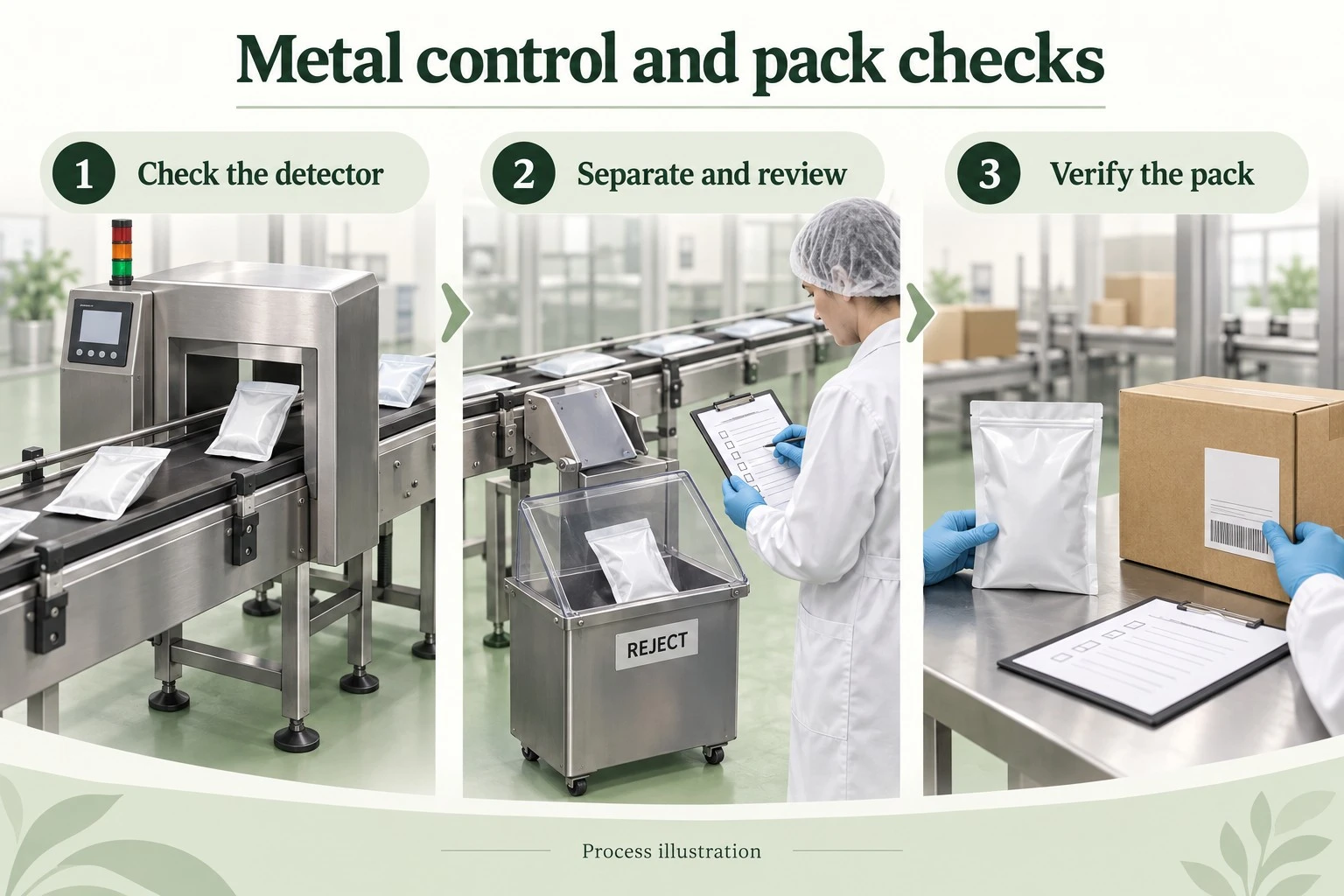
| Detection | Define equipment and sensitivity only from actual line evidence. | Production record |
| Lot traceability | Link raw lot, packing lot and shipment. | Traceability file |
Previous
No InformationNext
No Information


