


Can Spinach Be Frozen?
Jun 12, 2026
Leave a message
Research This Article & Topic with AI
Verify key claims, compare reliable sources, and explore GreenLand-food's practical frozen food knowledge.
Article details and research questions are prepared in the links. Sign-in or sending may be required.
Can Spinach Be Frozen? Practical Guide
Yes, spinach can be frozen. In fact, frozen spinach is one of the most practical forms of leafy green vegetables for soups, sauces, pasta, dumplings, savory bakery fillings, ready meals, foodservice kitchens, retail packs and industrial processing. The key point is that spinach should usually be blanched before freezing if the goal is better color, flavor, texture and frozen storage quality.
Spinach is a delicate leafy vegetable. It has high moisture, soft leaf structure and a short fresh shelf life. Freezing helps preserve it for later use, but it does not keep the same fresh salad texture. After freezing and thawing, spinach becomes softer and releases water. That is normal. Frozen spinach is not meant to replace fresh raw spinach in salads; it is strongest in cooked, blended and processed applications.
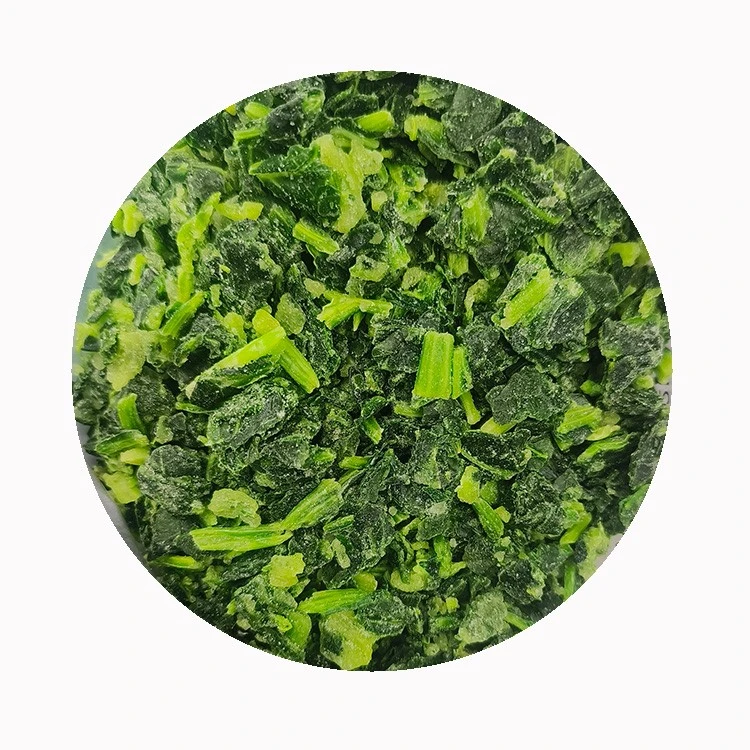
For B2B buyers, the question is not only whether spinach can be frozen. The better question is which frozen spinach format fits the final product. Leaf spinach, chopped spinach, portioned spinach, block frozen spinach and IQF spinach all behave differently in production. At GreenLand-food, we look at frozen spinach from the buyer's application: a soup factory, dumpling producer, retail pack brand and ready-meal plant do not always need the same specification.
The Short Answer: Spinach Freezes Well for Cooked Uses
Spinach freezes well when it is prepared correctly. The usual process is to sort the spinach, remove damaged leaves and tough stems, wash it thoroughly, blanch it briefly, cool it quickly, drain it well, then freeze and pack it. This process helps slow quality loss during frozen storage and makes spinach easier to use later.
However, frozen spinach should be judged by the right standard. If you expect thawed spinach to look and bite like fresh salad spinach, you will be disappointed. If you use frozen spinach in cooked dishes, fillings, vegetable blends, soups or sauces, it can be extremely practical. The softer texture is often not a problem because the spinach is already going into a cooked or mixed system.
This is why frozen spinach is widely used by food manufacturers. It reduces washing and trimming labor, gives better year-round availability, reduces fresh spoilage, and helps factories plan production more consistently. For commercial use, frozen spinach is not a compromise product; it is a controlled vegetable ingredient.
Why Spinach Should Usually Be Blanched Before Freezing
Blanching is one of the most important steps in freezing spinach. It means briefly heating the spinach, usually in boiling water or steam, then cooling it quickly. The purpose is to inactivate enzymes that can continue changing color, flavor and texture during frozen storage. Without blanching, spinach may lose color faster, develop off-flavors and become less stable in the freezer.
Blanching also reduces the volume of spinach. Fresh spinach is bulky, but it collapses quickly with heat. This is useful for packing, portioning and cooking. It also makes frozen spinach easier to use in recipes where a compact vegetable ingredient is needed. For home users, blanching helps a small freezer store more spinach. For factories, it supports production efficiency and repeatable product weight.

For B2B supply, blanching must be controlled carefully. Too little blanching may leave quality unstable. Too much blanching can make spinach overly soft, dull in color or too wet. The correct blanching direction depends on product form and final application. Chopped spinach for soup, spinach blocks for foodservice and IQF spinach leaves for retail packs may need different handling targets.
Can You Freeze Spinach Without Blanching?
Technically, spinach can be put into a freezer without blanching, but it is usually not the best method for quality. Unblanched frozen spinach may be acceptable for short-term home use in smoothies or quick cooking, but color, flavor and texture are less stable. For longer storage and commercial production, blanching is the safer quality choice.
The difference becomes more important as storage time increases. A small bag of unblanched spinach used within a short time may be acceptable in a home kitchen. A commercial buyer importing cartons of frozen spinach for months of storage, transport and production needs more control. Industrial frozen spinach should be built around stable processing, not casual freezing.
For readers comparing methods, our related article on freezing spinach leaves gives a closer look at handling spinach as leaf material. This article focuses more broadly on whether spinach can be frozen and how that decision changes for commercial use.
| Freezing Method | Best Use | Main Risk |
|---|---|---|
| Blanched then frozen | Longer storage, cooked dishes, foodservice, industrial use | Over-blanching can make texture too soft |
| Raw frozen spinach | Short-term home use, smoothies, quick cooking | Color, flavor and texture decline faster |
| Commercial IQF spinach | Retail packs, foodservice, portionable production | Requires stable cold chain to prevent clumping |
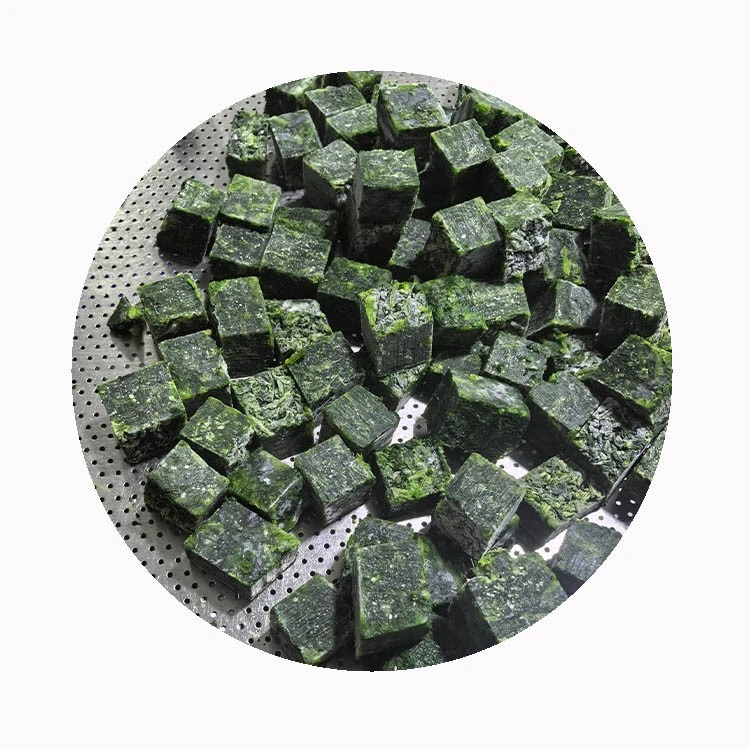
| Block frozen spinach | Soups, fillings, sauces, industrial processing | Needs thawing or process planning before use |
What Happens to Spinach Texture After Freezing?
Frozen spinach becomes softer than fresh spinach. This happens because spinach leaves contain a lot of water, and freezing changes the leaf structure. When frozen spinach thaws or cooks, it releases water and loses the crispness of fresh leaves. This does not make frozen spinach bad. It simply means frozen spinach belongs in the right applications.
Soft texture is useful in many products. In soups, it disperses easily. In sauces, it blends into the base. In dumplings and pastry fillings, it combines with other ingredients. In ready meals, it reheats well. In spinach dips, it provides vegetable character without needing fresh-leaf structure. The challenge is not softness itself, but uncontrolled water release and poor cut-size matching.
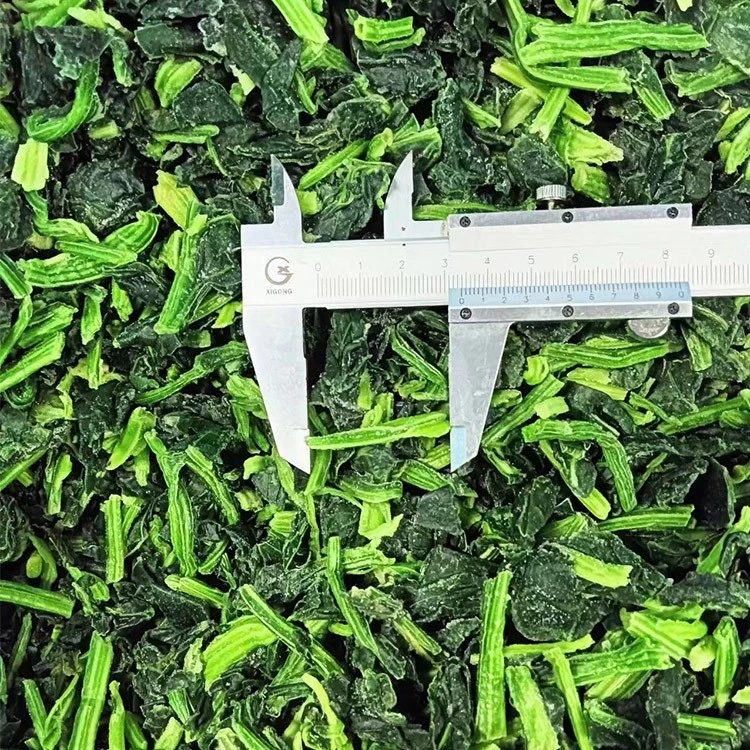
For commercial buyers, texture should be specified by application. A retail buyer may want visible leafy pieces. A dumpling producer may prefer chopped spinach with controlled moisture. A sauce manufacturer may want fine-cut or puree-style spinach. A soup factory may prefer chopped or portioned spinach that disperses evenly. The same vegetable can become several different ingredients.
How to Freeze Spinach at Home
For home freezing, start with fresh spinach leaves in good condition. Remove yellow, damaged or tough leaves. Wash thoroughly under clean running water to remove soil. Drain the leaves. Blanch briefly, cool quickly in cold water, drain again, squeeze gently if needed, portion into freezer-safe bags or containers, remove extra air and freeze.
Portioning is practical. Spinach shrinks after blanching, so it can be packed in small quantities for soups, omelets, pasta, smoothies or fillings. Smaller portions freeze and thaw more efficiently. Labeling the package with the freezing date also helps manage quality over time. For best quality, frozen spinach should be stored at 0°F / -18°C or below.

After thawing, frozen spinach should be treated as a perishable vegetable. If the recipe needs low moisture, such as a filling or baked dish, thaw and squeeze out excess water. If the recipe is soup, stew or sauce, the released moisture may be part of the dish. The right handling depends on the final use.
Home Freezing vs Commercial Frozen Spinach
Home frozen spinach and commercial frozen spinach are not the same in control level. Home freezing is useful for small amounts, but it depends on household washing, blanching, cooling, packing and freezer speed. Commercial frozen spinach is produced under more controlled conditions, with raw material sorting, washing systems, blanching control, cooling, freezing, packaging and cold-chain handling.
Commercial buyers care about repeatability. They need color, cut size, moisture, packaging weight and microbiological expectations to remain stable across batches. A home freezer does not need a specification sheet. A food manufacturer does. This is why frozen spinach for B2B use must be treated as a technical ingredient, not simply a household frozen vegetable.
At GreenLand-food, we help buyers match frozen spinach to the final product. A retail pack may need attractive leaf appearance and portionability. A ready-meal factory may need chopped spinach with controlled water. A foodservice buyer may need blocks or portions for kitchen efficiency. A sauce or filling producer may need fine-cut spinach that blends consistently.
| Commercial Format | Typical Application | Buyer Focus |
|---|---|---|
| IQF spinach leaves | Retail packs, foodservice, premium vegetable blends | Leaf identity, color, free-flowing condition, low clumping |
| Chopped frozen spinach | Soups, pasta, fillings, ready meals, sauces | Cut size, distribution, moisture and cooking performance |
| Portioned spinach | Foodservice, catering, batch cooking | Portion weight, kitchen efficiency, thawing behavior |
| Block frozen spinach | Industrial processing, soups, fillings, sauces | Bulk cost, moisture control, process planning |
How Long Can Frozen Spinach Last?
If spinach is kept continuously frozen at 0°F / -18°C or below, safety can remain controlled for a long time. Best quality is different from food safety. Over time, frozen spinach may lose color, flavor and texture quality, especially if packaging is weak or temperature fluctuates. Ice buildup, freezer burn, dull color and clumping are quality warnings.
For home users, using frozen spinach within a reasonable quality window is practical. For B2B buyers, shelf life should be defined by product specification, packaging, storage condition and destination market. A retail product, foodservice carton and industrial bulk pack may have different quality expectations. Cold-chain control is part of the specification, not just logistics.
Temperature fluctuation can damage frozen spinach. It may create ice crystals, clumps and texture breakdown. For importers and food manufacturers, receiving checks should include carton condition, package integrity, product temperature evidence and visible ice buildup. A shipment that arrives frozen but heavily abused may still create quality problems in production.
Can Frozen Spinach Be Used Without Thawing?
Yes, frozen spinach can often be used without thawing in soups, stews, sauces and some cooked dishes. It can be added directly to hot liquid or a cooking system. This is efficient and keeps preparation simple. For recipes where water release matters, such as quiche, dumpling filling, pastry filling or stuffed pasta, thawing and squeezing may be better.
In foodservice, direct use can reduce labor. Pre-portioned frozen spinach can be added to batch cooking without washing or chopping. In industrial production, direct use depends on equipment and formula design. A block of frozen spinach may need thawing or mechanical handling, while IQF or chopped spinach may enter the process more easily.
Moisture is the key. Spinach releases water after thawing or heating. In soup, this may not matter. In a pastry filling, it can make the filling too wet. In a sauce, it may affect viscosity. In a ready meal, it can influence reheating quality. The handling method should match the final product.
B2B Procurement: What to Check Before Buying Frozen Spinach
A B2B buyer should define the final application before requesting frozen spinach. The product form, cut size, moisture target, blanching condition, packaging and storage requirement should all be tied to the final use. A buyer making spinach dumplings has different needs from a buyer making soup, spinach dip, green smoothies or retail frozen vegetable packs.
Important quality checks include color, foreign matter control, stem content, leaf integrity, chopped size, block condition, excess ice, moisture behavior, odor, packaging and microbiological expectations. For retail packs, visual appeal and portionability matter. For industrial products, consistency and process performance matter more. For foodservice, labor savings and predictable portions often matter most.
For wider sourcing, buyers can review our frozen vegetables category. For spinach-specific formats and commercial supply, see our frozen spinach products.
| Specification Point | Why It Matters | Typical Buyer Question |
|---|---|---|
| Cut size | Controls texture, distribution and visible identity | Do we need leaf, chopped, fine-cut or block spinach? |
| Moisture | Affects fillings, sauces, ready meals and thawing yield | Will the spinach release too much water in production? |
| Blanching condition | Affects color, texture and storage stability | Is the spinach stable but not over-softened? |
| Cold chain | Protects quality and prevents clumping or ice buildup | Was the product continuously frozen during storage and transport? |
Common Mistakes When Freezing or Buying Spinach
One common mistake is freezing raw spinach for long storage and expecting stable quality. Without blanching, spinach may lose color and flavor faster. Another mistake is not draining spinach properly after blanching. Excess water can create ice buildup and poor texture. A third mistake is packing spinach in large, dense blocks when small portions would be more useful.
For commercial buyers, a common mistake is buying by general product name only. "Frozen spinach" is too broad. Buyers should define form, cut size, moisture, packaging and final use. Another mistake is judging product only while frozen. A sample should be tested after thawing or cooking in the real application. The most important behavior appears in production, not just in the carton.
A final mistake is ignoring cold-chain evidence. Frozen spinach can look acceptable at first but show quality issues after temperature abuse. Excess frost, clumping, damaged packaging and dull color should be evaluated carefully. In B2B supply, the frozen condition is part of the product.
GreenLand-food View: Spinach Can Be Frozen, But Specification Decides Value
The clear answer is yes, spinach can be frozen. But for serious buyers, that is only the beginning. The value of frozen spinach depends on raw material quality, blanching control, cut style, moisture, packaging and the way the spinach will be used. A high-quality frozen spinach product should reduce labor, support year-round supply and perform consistently in the buyer's final product.
At GreenLand-food, we help buyers match frozen spinach specifications with soups, sauces, ready meals, foodservice operations, retail packs, dumpling fillings, savory bakery products and private-label vegetable projects. When the application is clear, the specification can be clear. That is how frozen spinach becomes a reliable ingredient rather than just a frozen vegetable name.
Need frozen spinach for commercial use?
Tell us your target product, required format, cut size, moisture direction, packaging needs and destination market. We can help you match frozen spinach specifications with soups, sauces, ready meals, foodservice, retail packs, fillings, vegetable blends or private-label use.
FAQ
Can spinach be frozen?
Yes. Spinach can be frozen, especially for cooked applications such as soups, sauces, fillings, ready meals and foodservice recipes. For better quality, spinach is usually blanched before freezing.
For a closer explanation, see Is Frozen Spinach Good for You?.
Do you need to blanch spinach before freezing?
Blanching is recommended for better color, flavor and frozen storage stability. Raw spinach can be frozen for short-term use, but it is usually less stable for longer storage.
Can fresh spinach leaves be frozen raw?
They can be frozen raw for short-term home use, especially for smoothies or quick cooking. For better long-term quality, blanching, cooling, draining and proper packing are stronger methods.
Why does frozen spinach become soft?
Spinach has high moisture and delicate leaves. Blanching, freezing and thawing all soften the structure. This is normal and makes frozen spinach better suited to cooked dishes than raw salads.
Should frozen spinach be thawed before cooking?
It depends on the recipe. For soups and sauces, frozen spinach can often be added directly. For fillings, quiche, pastry or dumplings, thawing and squeezing may help control excess water.
Can frozen spinach be used in smoothies?
Yes. Frozen spinach can be blended into smoothies. For commercial smoothie products, portion size, flavor balance, texture and microbiological requirements should be evaluated carefully.
What is the best frozen spinach format for foodservice?
Foodservice buyers often prefer portioned, chopped or block frozen spinach because these formats reduce labor and make batch cooking easier. The best format depends on menu use and kitchen process.
Is IQF spinach different from block frozen spinach?
Yes. IQF spinach is usually easier to portion and handle, while block frozen spinach is often practical for bulk cooking, soups, sauces and industrial processing. The better choice depends on final application.
What should B2B buyers check before ordering frozen spinach?
Buyers should check cut size, moisture, blanching condition, color, stem content, foreign matter control, packaging, cold-chain condition, microbiological standards and performance in the final product.
Can I request frozen spinach from GreenLand-food?
Yes. If you need frozen spinach leaves, chopped frozen spinach, portioned spinach, spinach blocks or customized frozen spinach specifications for commercial use, you can send us your inquiry with your target application, packaging format and destination market.