


Choosing Frozen Fruit and Vegetable Suppliers: Product Forms, Packing and Price
Oct 15, 2026
Leave a message


Start with a short description of the finished use. Explain whether the product will be cooked, blended, thawed for an approved cold use, portioned into meals or repacked for sale. Then confirm the form and pack that fit the operation. This gives the supplier enough context to propose a relevant product and identify which details still need agreement.
At GreenLand-food, we help purchasing teams move from that initial description to a clearer product comparison. The discussion connects the crop or variety, cut, component ratio, pack format, sample result and shipment requirements. A useful sourcing decision leaves both sides with the same understanding of what will be delivered and how it will be assessed on arrival.
Match whole fruit, cuts and frozen vegetable forms to use
IQF means individually quick frozen. For suitable products, separately frozen pieces make it easier to take a measured amount from a pack. That handling benefit matters to retail users, foodservice kitchens and production lines that dose small quantities. A block format may be appropriate where the whole input will be thawed or processed together. Confirm the supplied condition rather than treating IQF as a general grade of superiority.
Fruit forms should follow the process. Whole strawberries offer a recognizable shape, while halves or dice distribute differently through fillings and dairy preparations. Pieces intended for further breakdown may tolerate a different appearance standard from whole fruit sold for visual presentation. A buyer can therefore reduce unnecessary cost by specifying the attributes that affect the actual application, while retaining the safety and quality controls required for the product.
Vegetables need the same attention to geometry. Broccoli head diameter and stem profile affect portion appearance and heating. Carrot dice dimensions affect distribution and tenderness. Pepper strips can suit a stir fry but behave differently from dice in a filling. A product name such as frozen vegetables leaves these decisions open. The broccoli floret offer illustrates the value of discussing a defined form and size band.

Fruit form changes portioning, appearance and behavior in the finished application.
Grade language should be translated into measurable differences. Premium, standard and processing grade can mean different things across suppliers or crops. Ask which defects, broken pieces, size variation and sensory characteristics distinguish the offers. When a tolerance is expressed as a percentage, confirm whether the basis is weight or count and how a sample is assessed. The approved description should be clear enough for another inspector to apply.
For fruit processing, flavor and chemistry may also influence the choice. A berry that looks attractive when frozen may release more juice than the recipe expects. A naturally sweeter lot can require a formula adjustment in a beverage or filling. Discuss the attributes that matter to that recipe and test a representative sample. A general catalogue range is useful for the first conversation, while the agreed offer should identify the actual specification available.
Keep intended use in the product comparison. An ingredient requiring cooking should not be treated as interchangeable with one approved for a ready-to-eat process. Ask the supplier to clarify the exact use and instructions before a cold application is developed. A lower price does not resolve a mismatch in use, and an attractive sample cannot establish the missing safety basis.

Size, stem profile and loose material are separate attributes in a floret specification.
Try to keep the first comparison focused. Select a small number of relevant forms and run them through the intended process. Record what changes in texture, output, labor and finished appearance. The result may justify paying for more uniform pieces, or show that a broader form works well. That decision is stronger when it comes from the buyer's actual food rather than a general preference for the most visually perfect frozen sample.
Define mixed assortments and individual components
A mixed vegetable product is a formula. Its commercial identity depends on the vegetables included, their proportions and their forms. A pea-corn-carrot-green bean blend differs from an oriental-style blend containing florets, strips or other cuts. Two offers can use the same mix name while delivering quite different portions, colors and cooking behavior.
Ask for the component list first, then discuss the target ratio and permitted variation. A recipe requiring a consistent amount of broccoli cannot rely solely on a photograph of one scoop. Large and small components may distribute differently during handling. Sampling and portioning should reflect the product's physical behavior, especially when the buyer will divide it into many small retail or meal portions.
Consider whether the components share a useful cooking window. Small peas and thin pepper strips may finish before a thick carrot piece. A broad mixture can still work in a soup or staged preparation, but a short cooking instruction may require more compatible cuts. The blend should be developed for the intended preparation and customer, with the finished result checked through that complete method.
Fruit assortments deserve equally precise descriptions. A smoothie blend may value a repeatable flavor balance, while a dessert blend may depend more on recognizable pieces. If the formula includes sweetened fruit or a prepared component, identify it clearly. The word fruit does not establish a fruit-only ingredient statement, and the same color combination can be achieved with different proportions and costs.
Buying components separately can create flexibility for a factory that uses the same vegetables in several recipes. It also creates more weighing and stock management work. Buying a premix simplifies one part of production, while making the approved ratio more important. Compare the total operating arrangement, including the ability to identify which input lots entered each finished batch.
For a mixed order containing several SKUs, separate the assortment decision from the transport decision. A supplier's ability to quote each item does not establish that every combination can share one shipment in the requested quantity and timing. Confirm product availability, packing readiness, minimum runs, pallet or loading arrangements and the document set. A mixed shipment needs a workable plan for all its components.

Agree the component list and ratio instead of judging a blend from one attractive scoop.
The GreenLand frozen vegetable range is a starting point for identifying relevant products. Once the intended dishes or finished foods are clear, we can discuss which individual forms or blends fit them. This keeps the request short while allowing the detailed formula and tolerances to be settled before a commercial order is approved.
Choose bags, liners and cartons around the operation
Pack size affects much more than shelf appearance. A small retail pouch, a foodservice bag and a bulk liner create different opening, dosing and handling patterns. Choose a format that fits the amount used in a run, available frozen-storage space and the way the product reaches the point of use. A large pack can be efficient when the operation uses it under controlled conditions, while smaller packs may reduce repeated opening and portioning.
Discuss both the inner and outer pack. The inner material protects the food and needs to work with the product's edges, moisture and temperature conditions. The outer case protects the units through storage and transport. Case dimensions, construction, stacking pattern and label position affect handling even when the net content is unchanged. Ask which exact configuration is being quoted.
For retail private label, artwork approval belongs in the production schedule. Product name, ingredient statement, preparation directions, net quantity, codes and destination requirements should be reviewed by the responsible teams. Confirm how the approved artwork version is identified and what happens when a change is requested. A visually similar old file can create an avoidable problem if the formula or instructions have changed.
Printing can affect order economics and timing. Ask how printed materials, setup and remaining packaging stock are handled for the proposed run. Those terms are specific to the offer. They should be understood before a buyer compares a printed retail program with a plain bulk pack. The two prices can include different work and material commitments even when the underlying vegetable is the same.
For foodservice, watch how staff open and dispense the product. A bag that tears poorly or pours an unpredictable amount can slow service. A bulk liner may need a clean transfer or portioning method, while small bags may suit a fixed batch size. Trial the pack with the actual product and working conditions. An empty packaging sample cannot show how frozen pieces flow or catch around the opening.
Packing also affects traceability after opening. If several inner bags share an outer code, the receiving operation needs a way to maintain the relevant identity when the case is divided. A repacker or meal factory may need a different arrangement from a kitchen using a complete bag in one batch. Clarify that requirement during the pack discussion so it can be incorporated into the offered configuration.

Packing should fit the quantity used, dispensing method and storage operation.
The Codex code for quick-frozen foods connects packaging, handling and cold-chain management. It provides a useful general framework, while the actual package and delivery requirements still depend on the product, market and agreement. A catalogue image of a carton cannot establish its strength, food-contact suitability or fitness for the planned route.
| Pack format | Common operational fit | What to trial |
|---|---|---|
| Retail pouch | Consumer sale and measured household use | Opening, seal, instructions and portioning |
| Foodservice bag | Kitchen batches and catering preparation | Dispensing, batch size and remaining-stock handling |
| Bulk liner in carton | Industrial use or controlled repacking | Liner handling, product flow, case protection and coding |
Check whether the quoted pack is the one used in the sample trial. Changing from a small bag to a large liner can affect dispensing and the time needed to stage material for a batch. It may also change how the receiving team maintains lot identity. A later pack substitution should therefore be assessed for its operating consequences, even if the underlying ingredient specification is unchanged.
For a new private-label program, agree on the sequence of product approval, artwork review and production confirmation. This lets the supplier identify dependencies early. A buyer can compare an available plain pack with a future printed run more fairly when the different lead-time and material assumptions are visible. The decision can then reflect the launch schedule as well as the unit price.
Compare suppliers through samples and specific evidence
A supplier comparison should explain who performs each part of the program. The commercial seller, processing site, packing site and logistics provider may have different roles. Ask how those roles connect to the product offered and which party is responsible for resolving an exception. This is particularly useful when a business supplies several origins or uses more than one processing facility.
Certification can form part of the evidence, especially when a customer specifies a scheme. Check the site, scope and current status relevant to the purchase. A company logo beside a certification name is less informative than a document that can be connected to the actual production site and product category. Other requirements may need separate records or technical review.
Samples should have a clear identity. Record the product form, source, date and any information identifying the production material. Ask whether it represents a routine production lot, a development trial or a specially prepared sample. Each can be useful, but it answers a different question. The commercial supply should be assessed against an agreed reference and written limits, rather than a memory of one attractive package.
Inspect the sample while frozen and through its intended use. First assess seal, visible condition, separation, cut distribution and relevant defects. Then cook, blend, bake or otherwise prepare it according to the intended application and safe-use requirements. A product can look acceptable frozen yet produce an unsuitable texture, water release or piece distribution in the finished food.

A dimensional specification makes the cut comparison more precise.
Record a small number of meaningful results. For a vegetable meal, those might include cooked yield, piece integrity and texture after holding. For a fruit filling, they might include flavor balance, released juice and performance after baking and cooling. Use the same method for the alternatives being compared. A different pan load or drain time can make a supplier comparison difficult to interpret.
Testing documents should identify what was tested and how the result relates to the lot. A report covering one set of analytes cannot establish every possible requirement. Discuss the necessary testing plan with the responsible quality team, including product matrix, sampling, limits and destination needs. Where a document is unavailable, keep the gap visible and resolve whether it affects approval.
Assess communication through a realistic technical question. For example, ask how a size deviation would be measured, how a changed crop would be notified or how a receiving concern should be documented. A useful response identifies the information needed and a practical next step. The purpose is to understand how an ordinary commercial issue will be handled when several teams are involved.
For repeat business, keep the approved version of the specification and sample decision accessible to purchasing, production and quality staff. Changes in form, formula, packing or production site should enter the agreed review process. This prevents a later reorder from quietly becoming a different product simply because the broad item name has stayed the same.
Compare quotations and usable cost on the same basis
A price comparison starts with a matched description. Product, origin, crop, form, size, grade, ingredient statement, pack and order quantity can all affect the offer. The quotation should also identify the currency, delivery basis, named location, timing and services included. Two numbers are difficult to compare if one includes a different pack or a different part of the journey.
Separate a current quotation from a general market observation. Frozen produce prices can change with raw material, crop availability, processing, packaging, energy, freight and commercial timing. An old online price or a retail shelf price does not establish the cost of the buyer's bulk program. Ask for a dated offer against the specification and shipment window being considered.
Usable cost provides another perspective. Consider two hypothetical offers with the same defined delivery scope. Offer A costs US$2.10 per input kilogram and yields 90% usable output in the buyer's controlled trial. Offer B costs US$2.25 and yields 97%. Dividing cost by usable yield gives approximately US$2.33 per usable kilogram for A and US$2.32 for B. These are illustrative numbers, not current market prices or GreenLand quotations.
The example does not establish that the higher-priced offer is always better. The yield definition must suit the application. A factory making puree may use pieces that a retail topping program rejects. Water retained in a soup is treated differently from water discarded before pastry filling. Define what counts as usable output before measuring it, then compare the alternatives through the same method.
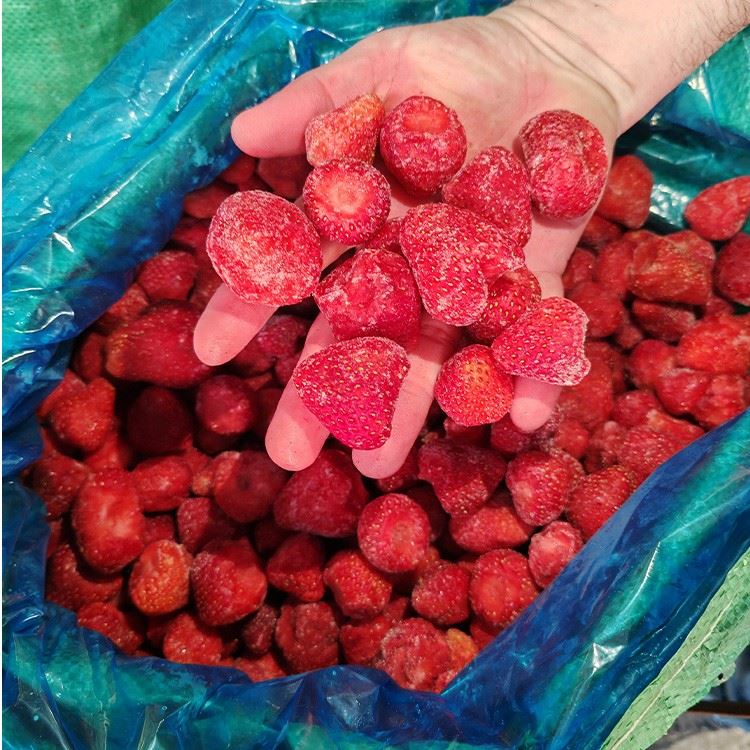
Compare a named fruit form and specification before comparing quotations.
Labor and line performance may change the result again. A block that needs an additional controlled preparation step can fit one operation and slow another. A broader size distribution may require sorting, while a well-matched cut may flow through the line without intervention. Measure these effects where they matter. Avoid assigning assumed savings simply because a supplier describes the product as convenient.
Freight efficiency also needs the actual pack and loading plan. Net product weight, gross case weight, case dimensions, pallet arrangement and equipment limits describe different quantities. A container payload published by another supplier is not a universal capacity for all frozen fruit or vegetables. Confirm the proposed load with the responsible supplier and logistics parties before using it in a landed-cost calculation.
Keep commercial uncertainty visible. If freight is provisional, identify its basis and validity. If a special pack depends on a minimum run, include that assumption in the comparison. If an item is subject to crop confirmation, ask when availability can be finalized. This allows the purchasing team to distinguish a complete offer from an early indication without discarding useful preliminary information.
Cost calculations become more useful when the source of each input is clear. Use the current quotation for product and packing cost, the proposed route for logistics assumptions and the controlled trial for usable yield. Keep estimated items distinguishable from confirmed ones. If a single uncertain assumption changes the ranking, review that assumption before treating the comparison as settled.
Test the size of the difference as well. In the illustrative yield example, the calculated advantage is small. Normal variation in trial yield or a change in freight allocation could reverse it. A repeat trial and a confirmed delivery scope may matter more than another decimal place in the spreadsheet. Purchasing can then discuss price with a realistic view of the evidence behind the apparent saving.
For the final decision, compare the cost per usable unit alongside the attributes the finished food needs. A slight numerical advantage may be less valuable than a more suitable cut, a manageable pack or a delivery plan that supports the launch. Conversely, paying for visual perfection adds little when the application intentionally breaks the fruit down. The strongest specification directs spending toward the characteristics that affect the result.
Plan crop availability, shipment and receiving together
Frozen storage extends the period in which a crop can be supplied, while production and packing still depend on real schedules and available material. Share the expected demand and first-use date early enough to discuss those constraints. A special cut, formula or printed pack may require more coordination than a standard item already available in the requested form.

Record the lot and receiving condition before stock moves into storage or production.
Clarify how the first order and repeat orders will be supplied. Ask which product characteristics can vary with the crop and which attributes remain controlled by the specification. If a proposed substitution becomes necessary, the buyer should understand its effect on the recipe and approval status before shipment. A shared ingredient name does not establish that a new form or origin is interchangeable.
Connect dispatch evidence to receiving. The parties should understand the required packing list, lot information, labels and temperature records, together with the handling responsibilities along the route. Review the relevant documents before release so obvious mismatches can be resolved while the cargo remains accessible. The exact document set depends on the destination and agreed program.
At arrival, identify the shipment and record its condition before it is divided across storage locations. Inspect a defined sample of cases and move the product into appropriate frozen storage promptly. A concern should include the lot, affected quantity, packaging condition and available time or temperature information. This gives the supplier a clearer basis for investigation than a single unmarked photograph.
Continue the comparison after the first commercial use. Review how the delivered lot performs against the approved sample and specification. If a difference appears, check whether the ingredient, preparation or handling changed. Keep observations specific enough to guide a revision. A receiving issue, an application issue and a documentation error need different corrective actions.
For a GreenLand-food enquiry, begin with the product and finished use you have in mind. We can then discuss the appropriate form, packing, sample and commercial details together. The aim is an offer that your purchasing, quality and operations teams can interpret in the same way, from initial comparison through the first delivery and repeat order.
Discuss Frozen Food Supply with GreenLand-food
GreenLand-food is a professional frozen food supplier and manufacturer in China, providing factory-direct wholesale supply for importers, distributors, foodservice businesses and food manufacturers.
Tell us the product and intended use. We can then confirm the product form, specification, packing, quantity, application, destination, private-label needs and requested documents together.