


Sampling Frozen Red Currants for Stalks, Split Skins and Free Juice
Oct 19, 2026
Leave a message

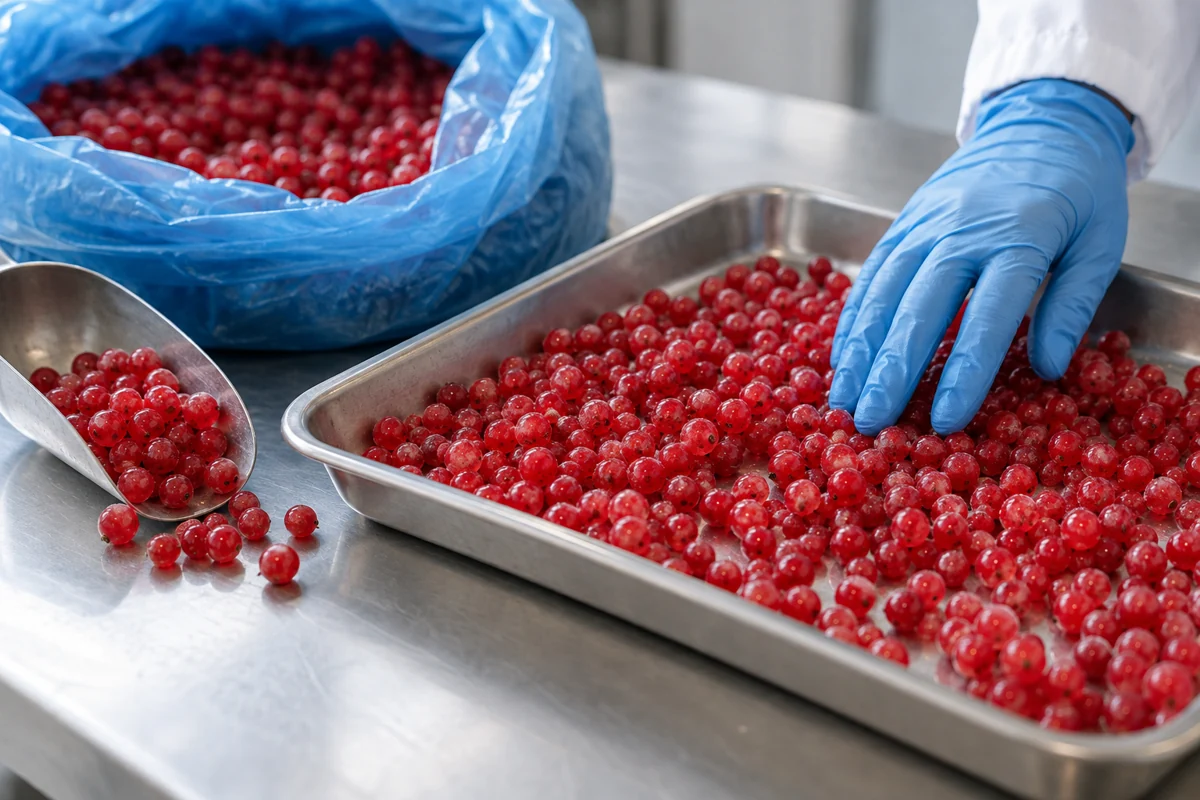
An attractive handful from the top of one carton cannot represent a shipment. We agree the packed form, intended application and sampling method before interpreting a redcurrant grade. Whole berries for a visible dairy inclusion can need a different integrity requirement from fruit going into a screened sauce. This article describes a method-development approach for supplier and receiving teams. Its numerical example explains a calculation; it is not a GreenLand test result, a universal tolerance or a statistical sampling plan.
Define the lot and the condition being purchased
Define the material before selecting sample units. A lot should have a traceable identity connected to production or packing records and to the shipment presented for inspection. Decide whether different packing dates, grades, recipes or source lots can be assessed together. A pallet can be a convenient physical unit while containing more than one inspection lot. The sampling record should make that distinction visible so a finding can be assigned to the correct goods.
Write the purchased form explicitly. Loose destalked frozen redcurrants differ from fruit left on strings and from a processing grade with a higher agreed broken-fruit allowance. Confirm whether the order is intended to retain recognizable berries or to become a puree, filling or screened preparation. That intended use helps determine which defects matter commercially, while safety and foreign-material requirements follow their own approved criteria.
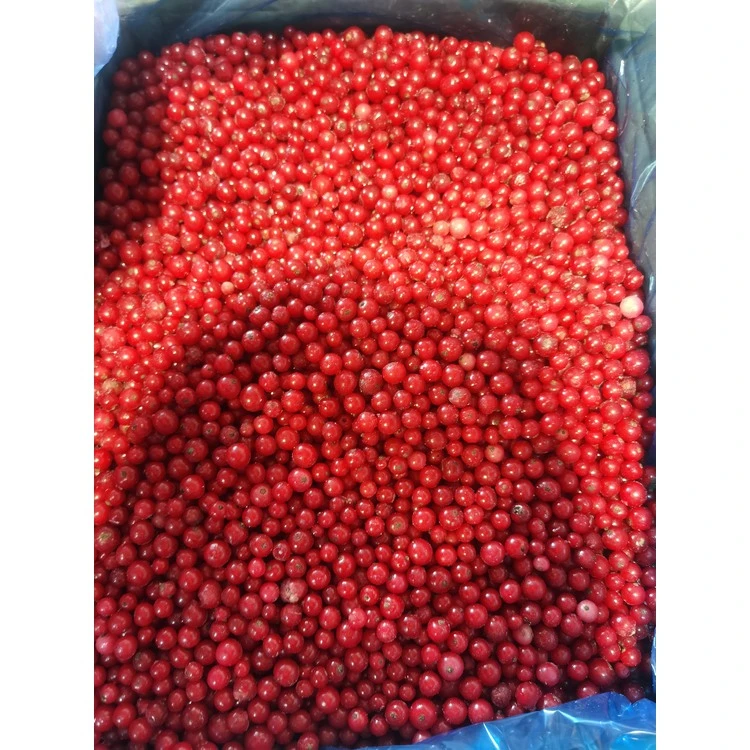
Original product photograph: loose redcurrants in a blue liner.
Document the inspection state. Record whether bags are unopened, the product remains frozen, cartons are dry and seals intact, and there is visible free ice, leakage or clumping. Follow the approved temperature measurement procedure, noting where and how the reading was taken. An air reading, a carton-surface reading and a product reading do not describe the same location. Preserve the instrument and measurement record when it will influence release.
The GreenLand frozen redcurrant page shows the offered loose fruit and describes order-specific acceptance. Its gallery photographs provide product context. They cannot establish a lot's stalk count, free-juice result or percentage of damaged berries. A buyer should approve the written fields and a representative sample, then check the shipment against that same basis.
Be careful with external grade names. USDA's Currants for Processing standard describes currants not separated from their stems. Its Frozen Berries standard covers specified Rubus berries. Neither scope automatically supplies a grade for destalked frozen redcurrants, which are Ribes. Supplier specifications can provide useful field examples, but their tolerances belong to the named product and document revision.
Set the decision responsibilities before opening cartons. The sampler records what was selected and observed. The designated quality authority applies the agreed acceptance rule and handles exceptional findings. A commercial buyer may discuss price or suitability after that assessment, but should not silently change the inspection basis to fit a preferred shipment outcome. Written responsibilities make a later recheck more straightforward.
Draw samples that preserve differences between packs
Choose a sampling plan appropriate to the lot, pack configuration and consequence of a wrong decision. State the number of sample units, how locations are selected, the portion taken from each unit and any acceptance number or escalation rule. These values should come from the agreed technical or statistical plan. A convenient scoop size does not establish how many cartons will adequately represent a shipment.
Selection should give the relevant parts of the lot a chance of being examined. Avoid using only accessible top cartons or packs supplied separately as a presentation sample. Record the selected carton and inner-bag identities and their positions when that detail matters. If part of a pallet is inaccessible, report the coverage limit. A receiving team cannot claim it represented inaccessible goods merely because the sampled fruit looked consistent.
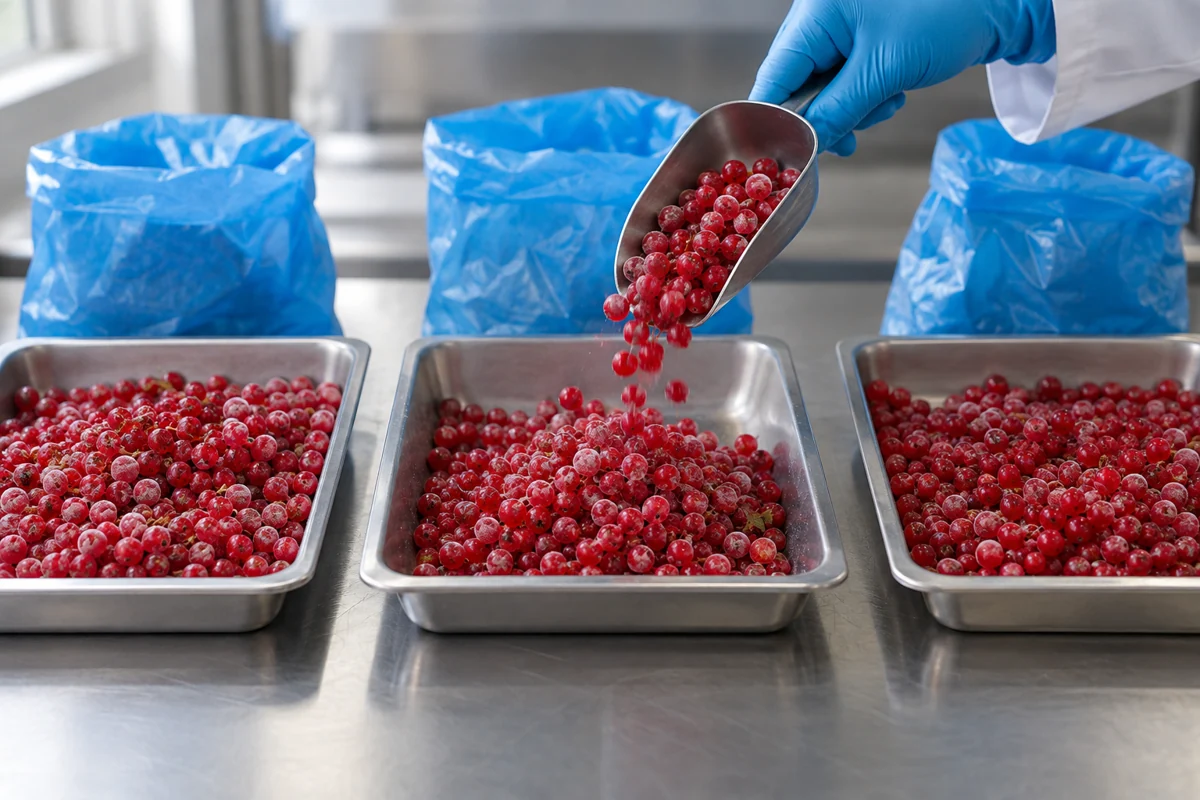
Illustrative photograph: separate redcurrant samples retained from different packs.
Keep pack-level observations before making a composite. One bag may contain a larger stalk fragment or more damaged berries than the others. Combining everything immediately can hide that variation. Depending on the plan, preserve individual findings and prepare a separate representative composite for chemistry or an application trial. The composite's purpose and preparation should be stated; it does not automatically replace the individual physical inspections.
Use clean suitable tools and minimize avoidable warming. A shallow tray makes small redcurrants easier to see, but it also increases exposure and handling. Prepare the work area, balance, collection vessels and record sheet before removing frozen material. Move the sample through the approved inspection procedure promptly and record deviations. Berries squeezed by a scoop or repeatedly rearranged for photographs can acquire damage that did not exist in the unopened pack.
Where the plan requires a portion from a larger pack, define how it is obtained. Fruit size, broken pieces and fine material may be distributed unevenly. Taking only conspicuous whole berries from the surface changes the sample. Avoid shaking or forcefully breaking a frozen mass to obtain an attractive loose portion. If a pack has fused material that cannot be separated by the permitted handling, preserve and report that condition before any further preparation.
Reserve separate material for destructive tests and a retained reference where required. A portion thawed for drainage cannot later serve as an untouched frozen integrity sample. Label the portions with their common source and different uses. Storage conditions and chain of custody become particularly important when the sample will support a claim, an independent laboratory analysis or a dispute between supplier and receiver. The preserved history protects the meaning of the result.
Separate attached stalks, fragments and other material
Separate attached stalks from detached stalk fragments. An attached stalk can interfere with an otherwise intact berry's appearance or use, while a loose fragment may need a different counting convention. Leaves and other plant material also deserve their own classification. The small normal blossom scar on a redcurrant should not be confused with a long stalk remnant. Reference photographs and physical examples can help inspectors make the same distinctions.
Define the inspected dimension where size changes the category. If the specification distinguishes small and large fragments, state how length is measured and what happens to borderline pieces. A branching fragment can be counted as one piece or under another defined rule; the parties should agree that rule in advance. Recording only "stems present" leaves uncertainty about whether the finding concerns one long fragment, several short pieces or berries still attached to a string.
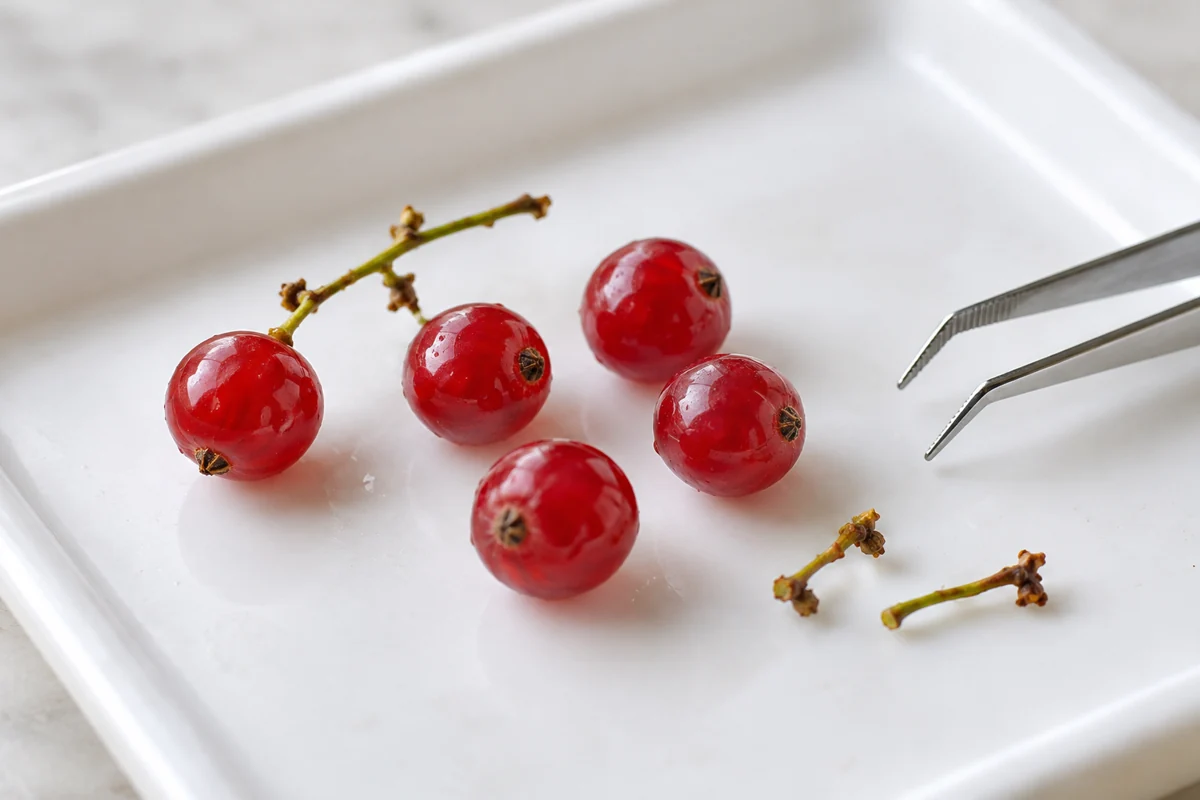
Illustrative photograph: attached stalk and detached fragments beside redcurrant berries.
Decide the denominator for each result. Counts per inspected mass are useful for some extraneous plant-material findings. The mass must refer to the actual sample portion examined, under the method's stated condition. A count per bag changes meaning with bag size. A percentage of berries carrying attached stalks has another denominator again. Keep the raw count and sample mass so a reviewer can reconstruct any normalized report.
For example, if three defined stalk fragments are found in a two-kilogram inspected portion, the normalized observation is 1.5 fragments per kilogram. That is a reporting calculation. It does not mean that each kilogram contains one and a half physical fragments, establish the frequency throughout the shipment, or decide whether the lot passes. The sampling plan and contractual limit determine the decision. Keep the original three-count observation beside the normalized value.
Inspect and preserve unexpected material under the site's quality procedure. Photograph it with an appropriate scale and sample identity, segregate affected material and refer the finding to the designated authority. A hazardous foreign object should not be diluted into an ordinary stalk average. Inspection for visible plant debris also does not establish the absence of microbiological hazards or residues. Those questions need the controls and evidence specified for the intended use.
Tie stalk limits to the process that must handle the fruit. A smooth sauce line may remove some plant material during screening, but the buyer should approve the incoming ingredient on its own agreed terms. A visible dessert inclusion may expose a fragment that would be less obvious in a cooked puree. We discuss the required destemming level with the buyer and record it alongside the sample method, so appearance expectations and receiving decisions remain aligned.
Inspect split skins separately from crushed fruit
Define a split skin as an observable condition before deciding how to report it. A berry can retain its shape while having an open fissure. A crushed berry has lost more of its structure and may release pulp. Skin fragments and fine material are further observations. If these categories matter to the application, record them separately rather than put every imperfect berry into one undefined broken-fruit percentage.
State whether assessment occurs while frozen, after a defined thaw, or at both stages. Frost can hide a small opening in the frozen skin, while softening can make a fissure easier to see. Thawing and manipulation can also alter the condition. Frozen-state observations and post-thaw observations should therefore have separate fields. Their difference can inform an investigation, but it does not automatically identify where the damage occurred.
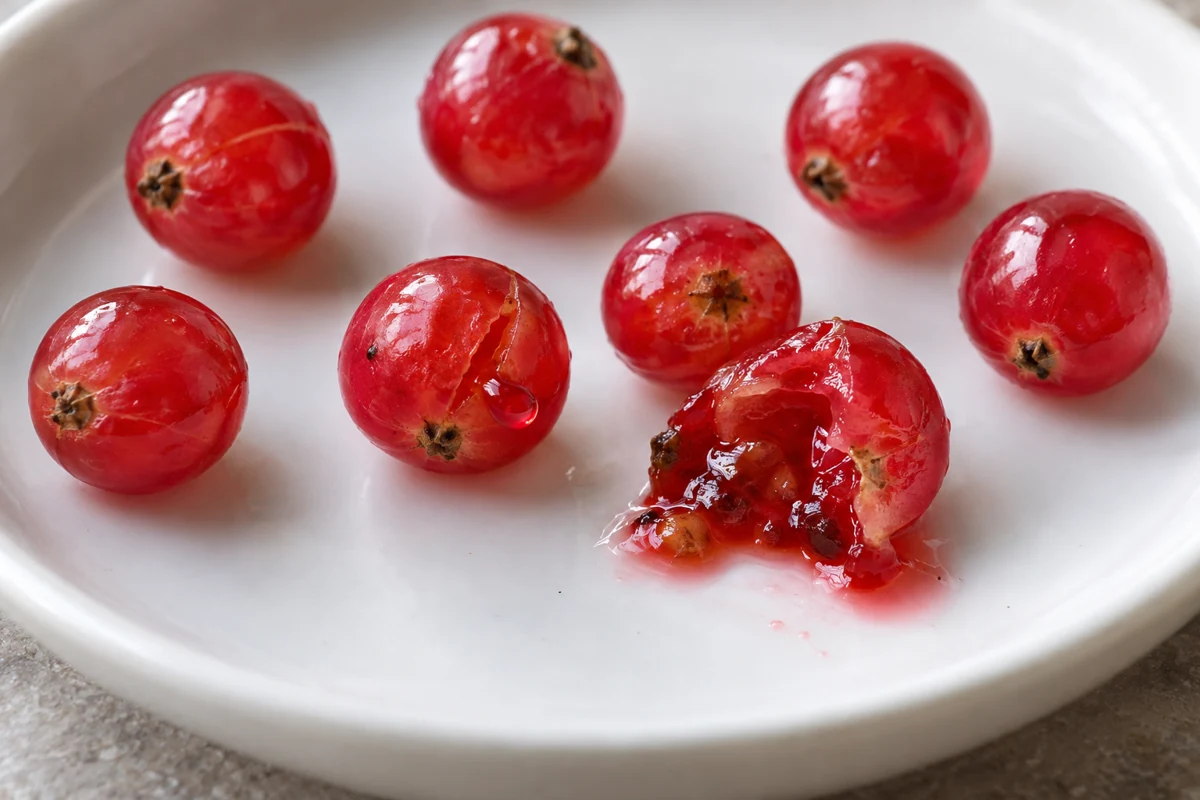
Illustrative photograph: intact, split and crushed redcurrants on an inspection dish.
Choose a count or mass basis that fits the defect. A proportion by berry count describes how often a defined condition appears among counted fruit. A mass fraction describes how much of the sample falls into a defined category. Larger damaged berries can influence the two results differently. If fines cannot be counted reliably, mass may be a more suitable basis for that class. The method must also say how overlapping defects are handled so one fruit does not inflate a total unintentionally.
Use a reference that shows the boundary between classes. Include an intact berry, a berry with an agreed visible split and an example of crushed fruit. Keep their preparation and observation conditions with the images. A supplier and receiver viewing different magnifications may classify a tiny skin mark differently. The decision should follow the written physical definition at a practical inspection scale, with magnification used only as the method specifies.
Review handling that can create additional breakage. Deep trays, forceful scooping, dropping fruit, rubbing off frost and prolonged sorting can change a delicate sample. Train the inspection team to spread the fruit gently and follow a consistent sequence. If a sample is damaged accidentally, preserve the original observation and record the event. Replacing it silently with a better-looking portion would weaken the inspection record.
Application suitability remains specific. Split skins may be commercially important when a product requires distinct whole redcurrants and a restrained release of colored liquid. A screened preparation can tolerate a different physical grade when flavor, hygiene and other criteria are satisfied. The freeze-thaw testing guide explains how controlled comparisons can investigate quality change. Such a study has its own designed exposure; visible splits alone cannot reconstruct the shipment's temperature history.
Measure free juice under one written preparation method
Use "free juice" only with a defined test condition. In a frozen pack, separately frozen liquid or ice, liquid on a partly warmed surface, and liquid released after a complete controlled thaw are different observations. A drainage result describes the material separated by the specified method. It is not automatically a measurement of damaged cells, added water or an out-of-specification temperature event.
Write the preparation in enough detail for another team to repeat it. State the starting sample mass, whether packaging liquid or ice is included, container arrangement, thaw conditions, endpoint, drainage screen, drainage interval and whether the fruit is pressed or disturbed. Record how the endpoint is recognized. An interval described only as "overnight" can vary with freezer starting temperature, pack depth and refrigerator performance.
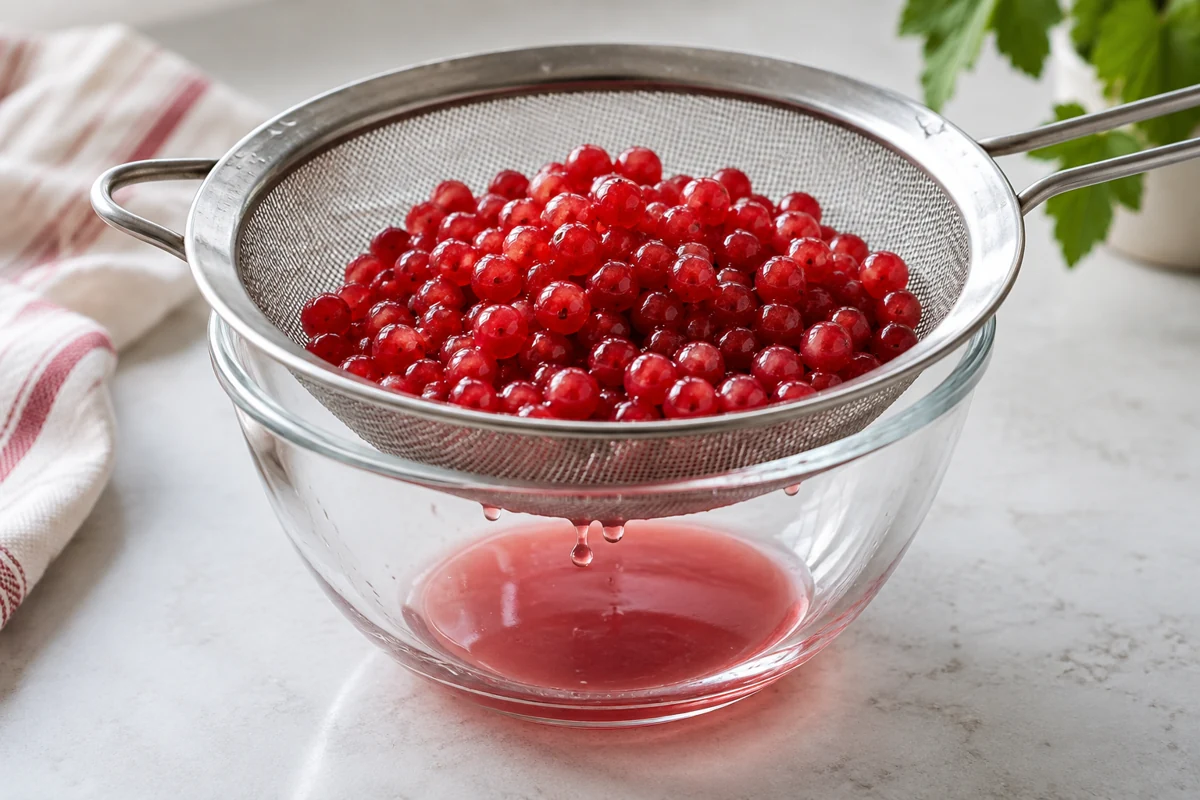
Illustrative photograph: thawed redcurrants in a sieve above collected liquid.
Keep the collection vessel and balance ready before handling the fruit. Record the empty vessel mass or tare, collect the separated liquid under the stated procedure and determine its net mass. Preserve retained-fruit mass as well when a mass balance will help interpret the result. Note material left on the screen or in the original pack. Losses during transfer should not disappear from the record or be assigned automatically to juice.
The denominator belongs beside the percentage. If an illustrative 500 g starting sample yields 35 g of collected liquid under the agreed procedure, the result on that starting-mass basis is 7%. This is an arithmetic example, not an observed redcurrant yield or an acceptance target. A result calculated against drained fruit mass would be a different number. Report the named basis consistently through the supplier sample, release test and receiving assessment.
Drain without pressing if the selected method is intended to assess unforced liquid separation. Pressing, stirring, a different screen or a longer drainage interval can increase the collected quantity. If the customer needs a pressing or extraction yield, define it as a separate test. The fruit-puree separation article develops the related principle that a separated layer requires a measurement method before rejection; puree behavior is not a numerical standard for whole redcurrants.
Decide how the liquid is used in the application trial. A dairy fruit preparation retaining all liquid differs from one made with drained berries. A sauce manufacturer may value the juice contribution and judge the grade through screened yield. Removing liquid for inspection does not mean production should discard it. Follow the actual recipe after the quality test, using separately reserved material where the inspection has already altered the sample.
Use the agreed decision rule for the lot
Review results against the signed specification and sampling plan. A lot average, a sample-unit limit and a lot acceptance number answer different questions. If the plan treats each sampled bag as a unit, preserve its result and identify which units are defective under the defined rule. Averaging all results can conceal a poor unit and may contradict the plan. Conversely, rejecting a lot from one ordinary observation can be unsupported when the agreed rule requires a different assessment.
Write how multiple defect categories interact. A specification may have separate limits for attached stalks, detached fragments, split skins, crushed fruit and collected liquid. It may also have a combined defect criterion. The parties must state how overlapping categories contribute to that total. A split and crushed berry should not be counted twice by accident unless the reporting convention explicitly calls for separate non-additive observations.
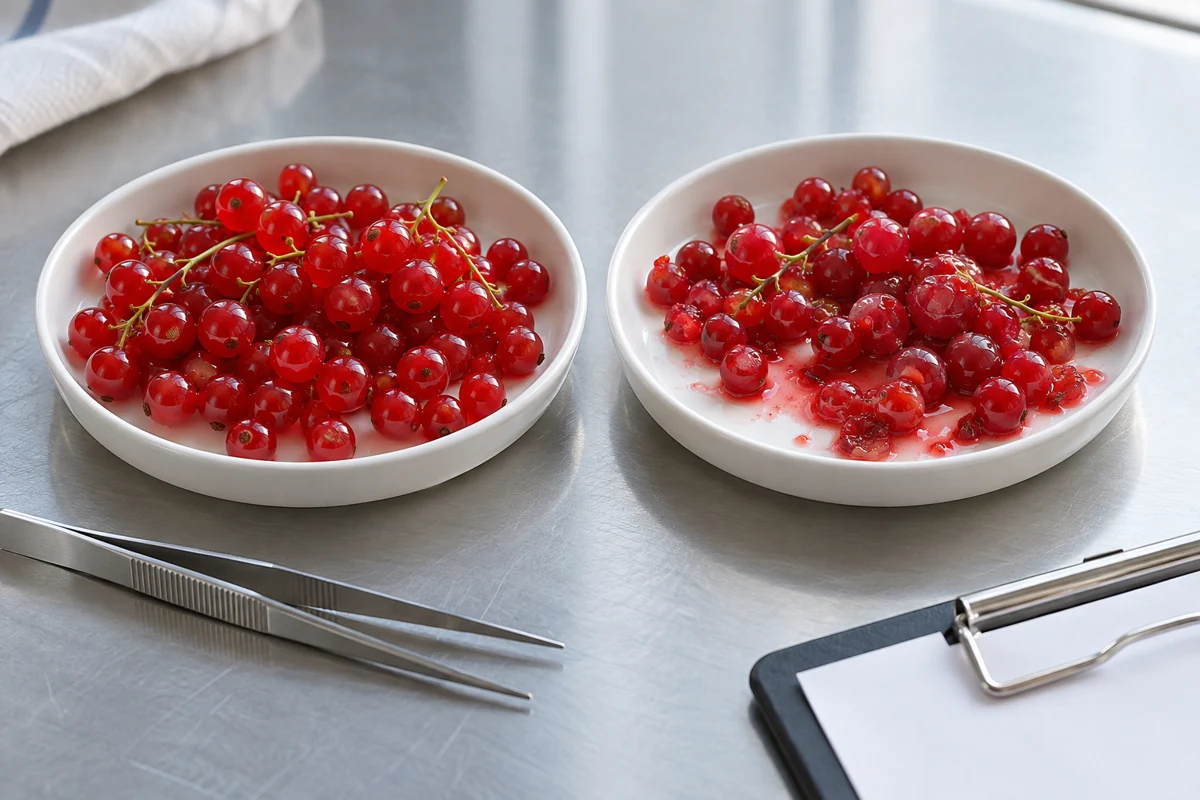
Illustrative photograph: two redcurrant samples with different visible berry integrity.
Treat uncertainty and borderline findings consistently. Physical sorting has repeatability limits, and small samples may contain very few fragments. Where a result is close to a commercial limit, the agreed method should explain rechecking, additional sampling, rounding and decision authority. Do not keep drawing samples until one passes. Preserve the first result and the reason for any further work, then apply the predetermined escalation route.
Condition findings need context. Clumping, frost or a high drainage result can justify a handling review, but they do not prove a specific transport event. Compare pack condition, receiving observations, temperature records and retained references. The GreenLand cold-chain guide explains broader shipment controls; the actual recorded product history remains the evidence for the lot.
Keep physical quality approval separate from suitability for uncooked use. Freezing does not establish a ready-to-eat status, and stalk inspection or a clear drainage result does not validate pathogen control. The Food Safety Authority of Ireland's frozen-berry guidance advises boiling imported frozen berries for one minute before consumption. Commercial intended use, required treatment and destination criteria should be agreed through the appropriate food-safety system.
The disposition record should be explicit: release under the agreed specification, hold for investigation, obtain defined further evidence, or take another authorized action. Where a lower physical grade might suit a screened application, technical and commercial approval should identify the revised use and its conditions. A price adjustment cannot erase a safety concern or convert unapproved material into a suitable ingredient. The signed decision preserves what the team actually authorized.
Connect acceptance to the next production run
Keep the original sample observations with the final decision. The file should connect lot identity, selected units, sample masses, inspection dates, responsible staff, temperature observations, defect definitions, raw counts, calculated results and any deviations. Photographs are most useful when their sample and preparation are known. An attractive image without that history can be difficult to compare with a later shipment or customer complaint.
Retain the correct reference material where the quality system requires it. State its quantity, container, identification and storage conditions. A thawed test portion has a different history from an unopened retained pack. If a supplier and receiver retain different forms, their later comparison must acknowledge that difference. Agree the period and procedure for keeping samples through the commercial relationship rather than assume a photographed sample remains available indefinitely.
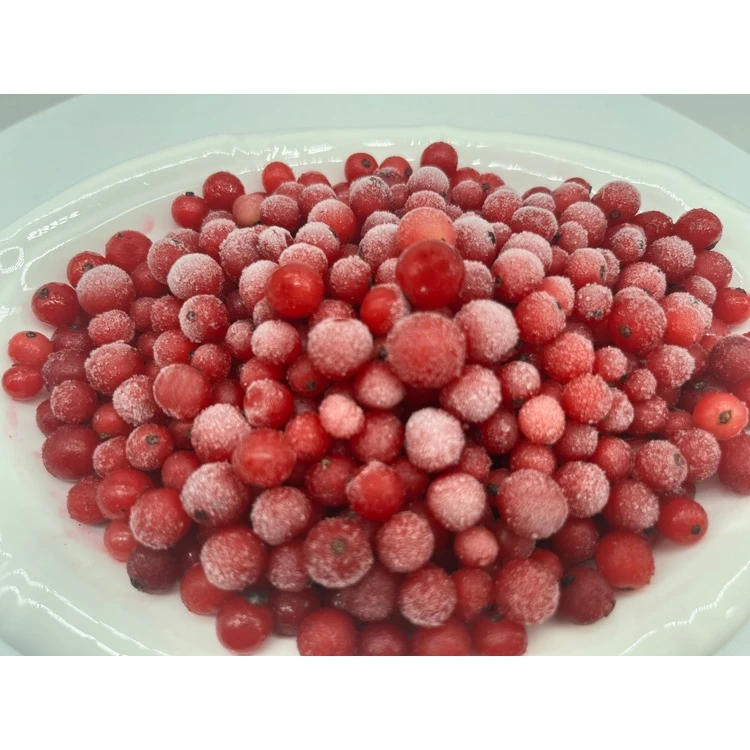
Original product photograph: frozen redcurrants on a plate. No lot measurement is inferred.
Translate recurring findings into a useful supplier discussion. A rise in attached stalk observations suggests a different investigation from an increase in crushed fruit after delivery. Ask which stage, grade or handling change may explain the pattern, and review the related records. Avoid claiming a process failure from a single image. Repeated measurements under a common method provide a stronger basis for deciding whether the specification, preparation or inspection scope needs adjustment.
Check the production consequence with an application sample. A dairy inclusion line can record visible berry recovery and liquid color in its actual preparation. A sauce manufacturer can measure screened yield and inspect retained material. Keep those results separate from incoming defect figures but link them to the same lot. This makes it possible to evaluate whether a tighter integrity limit offers enough operational value to justify a different grade or price.
Where a lot is delivered to more than one site, ask each receiving team to use the same current method and record the actual sample condition. A count from a frozen inspection and a count after a lengthy sorting session can differ through handling. Preserve site-level findings before combining summaries, and compare any complaint with the retained pack from the relevant shipment. This makes a useful supplier review possible when one receiver reports more stalks or juice than another. It also prevents a pooled average from hiding a recurring problem at one destination.
Packing and order details belong in the next quotation. Confirm the required form, pack mass, liner, carton, quantity, destination and requested shipment timing. Include private-label artwork or traceability requirements where relevant. MOQ and lead time follow the actual product and packing arrangement; a general product description cannot guarantee them. We help the purchasing team carry the approved sample definitions into the order specification and receiving instructions.
Review the method when the product changes. A new preparation, a different pack size or another downstream use can change which observation is most informative. Keep the previous revision and state when the new one applies. Supplier release and receiving teams should use the same current definitions. The practical value of sampling comes from that repeatable connection: the fruit selected, the condition measured and the decision made can all be reconstructed when the next lot arrives.
Source frozen redcurrants with GreenLand-food
GreenLand-food is a professional frozen redcurrant supplier and manufacturer in China, providing factory-direct wholesale supply for food manufacturers, importers, foodservice distributors and private-label programs.
Send the product form, specification, packing, quantity, application, destination, private-label needs and requested documents. We help your purchasing team connect the approved frozen sample with the order and receiving method.