


How to Choose Ripe Hami Melon for Fruit Processing
Oct 19, 2026
Leave a message

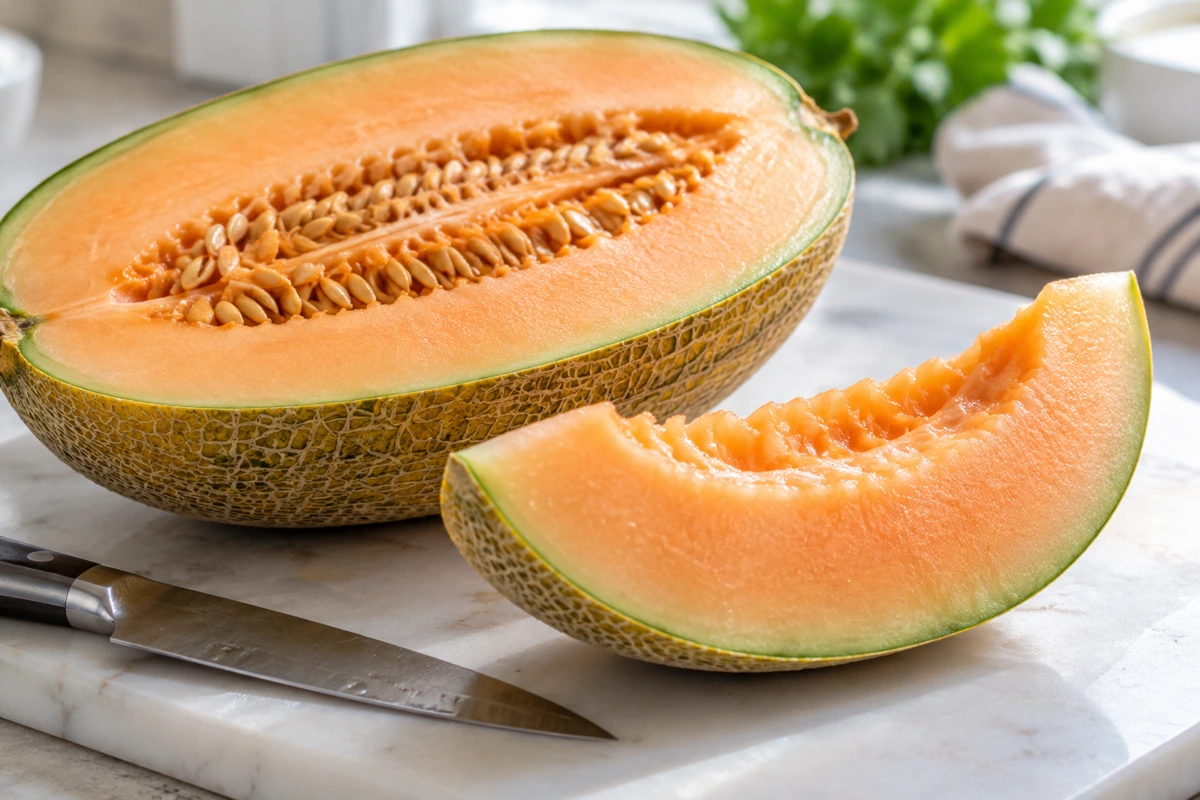
The ripest-looking fruit is not automatically the best processing input. A visible melon piece needs enough structure to survive preparation and handling. A blended base may accommodate softer sound flesh, while still needing characteristic flavour and an acceptable yield. Excessively soft, damaged or deteriorated fruit does not become suitable simply because the next step is pureeing or freezing.
At GreenLand-food, we connect the maturity discussion with the chosen frozen Hami melon form. Wedges, dice and material for further blending require different observations, and each order needs its own approved sample. A useful intake instruction says what the fruit must deliver, how the sample is taken and what happens when a lot falls outside the agreed range. It gives a purchasing team more control than an instruction to buy sweet, ripe melons.
Define ripe for the intended processing route
Begin with the food the melon will become. If the customer wants visible pieces in a chilled fruit preparation, the trial should focus on the final piece's shape, bite, colour and released liquid. If the fruit is blended, assess the flavour and body at the proposed dose and record any material removed during preparation. These requirements can lead to different acceptable maturity windows even when the fruit comes from the same cultivar and growing source.
A maturity window describes a useful range of condition rather than a single ideal-looking melon. The lower end must supply acceptable flavour and eating quality. The upper end must still tolerate the required operations and remain sound. A processor can lose value at either end: very firm fruit may have unsuitable flavour, while advanced softening can increase damage or reduce the proportion of intact cuts. Establish the limits through samples and the actual process instead of assuming that colour alone identifies them.
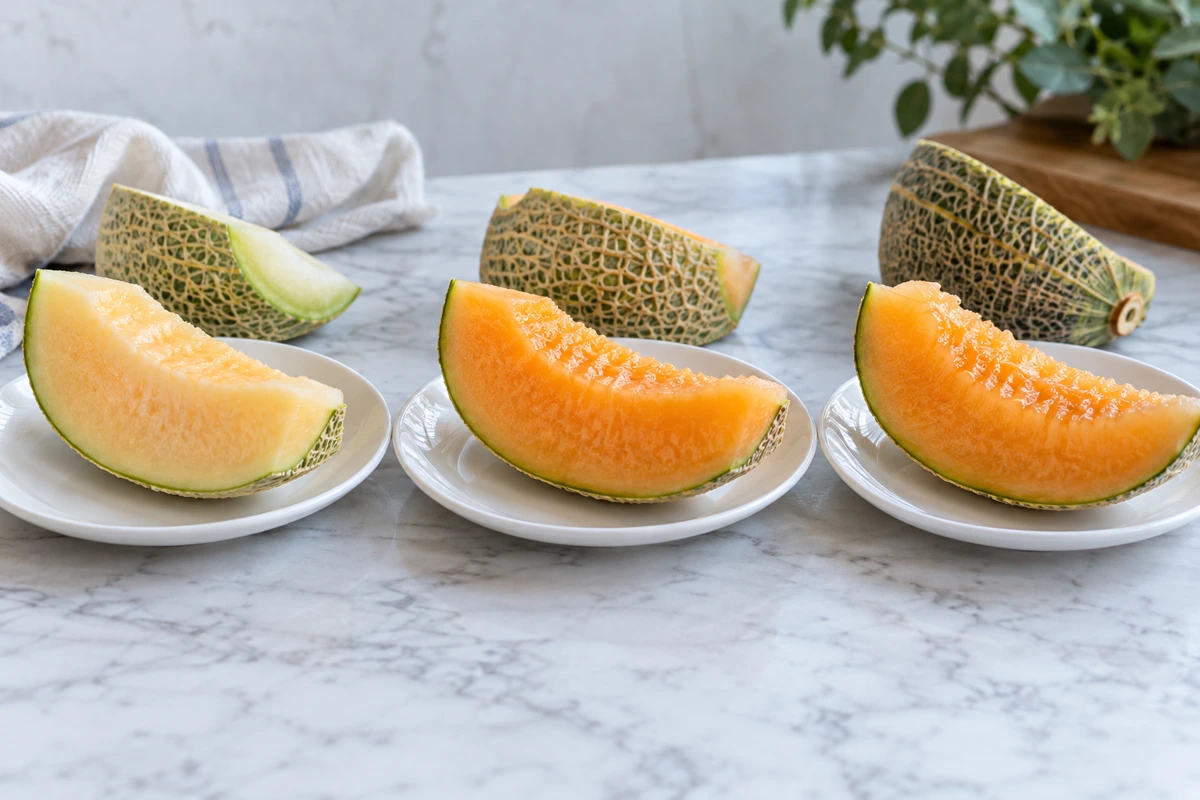
Visible variation prompts a cut sample; firmness needs its own check. Illustrative samples.
Confirm the identity of the material before setting that range. Hami melon is a broad commercial description, and cultivar differences can affect appearance and texture. Request the variety or source information available for the order and keep it with the sample record. Where a precise cultivar cannot be confirmed, say so and rely on a sufficiently detailed reference and performance trial. An uncertain name should not be converted into a confident biological explanation for every observed difference.
Separate harvest maturity from the condition at processing. The fruit may have changed during transport, holding and handling. Record the dates and temperature history available rather than treating a harvest description as a current test result. At intake, inspect the material as received. If it will be held before cutting, qualify that holding stage as part of the plan. A sample approved immediately after arrival may not represent the fruit that reaches the line several days later.
Postharvest softening is also not a reliable promise of increasing sweetness. The UC Davis cantaloupe reference makes that distinction for cantaloupe, while its honeydew reference shows how maturity assessment and handling differ between melon types. These commodity references support caution with universal advice. They do not supply a single storage programme or Brix limit for every Hami cultivar.
Write the intended use in plain terms before discussing a grade. For example, a buyer may need peeled orange cubes that remain identifiable after controlled thawing and gentle mixing. Another may need melon flesh for a drink blended from frozen pieces. These descriptions make it easier to decide which observations matter and which measurements are supporting information. They also prevent a supplier from qualifying an attractive fresh wedge when the customer actually needs a frozen ingredient with a different preparation history.
Use the rind and aroma to guide sampling
Inspect the outside across the lot before selecting fruit for destructive checks. Look for consistency in the expected rind appearance, obvious damage, soft or sunken areas, leakage and deterioration. Netting and surface markings should be interpreted within the known type. A natural pattern should not be confused with a crack into the flesh, and a golden appearance should not automatically be treated as proof of adequate sweetness. Use the outside to identify variation and decide where closer examination is needed.
Check more than the most visible fruit at the top of a container. Handling damage and differences in condition can be distributed unevenly. A sample plan should cover relevant positions and portions of the consignment, with any deliberately selected suspect fruit recorded separately from the random or systematic sample. Mixing those two groups without explanation can distort the apparent defect rate. Both are useful: one estimates the lot's condition, while the other helps investigate a specific concern.
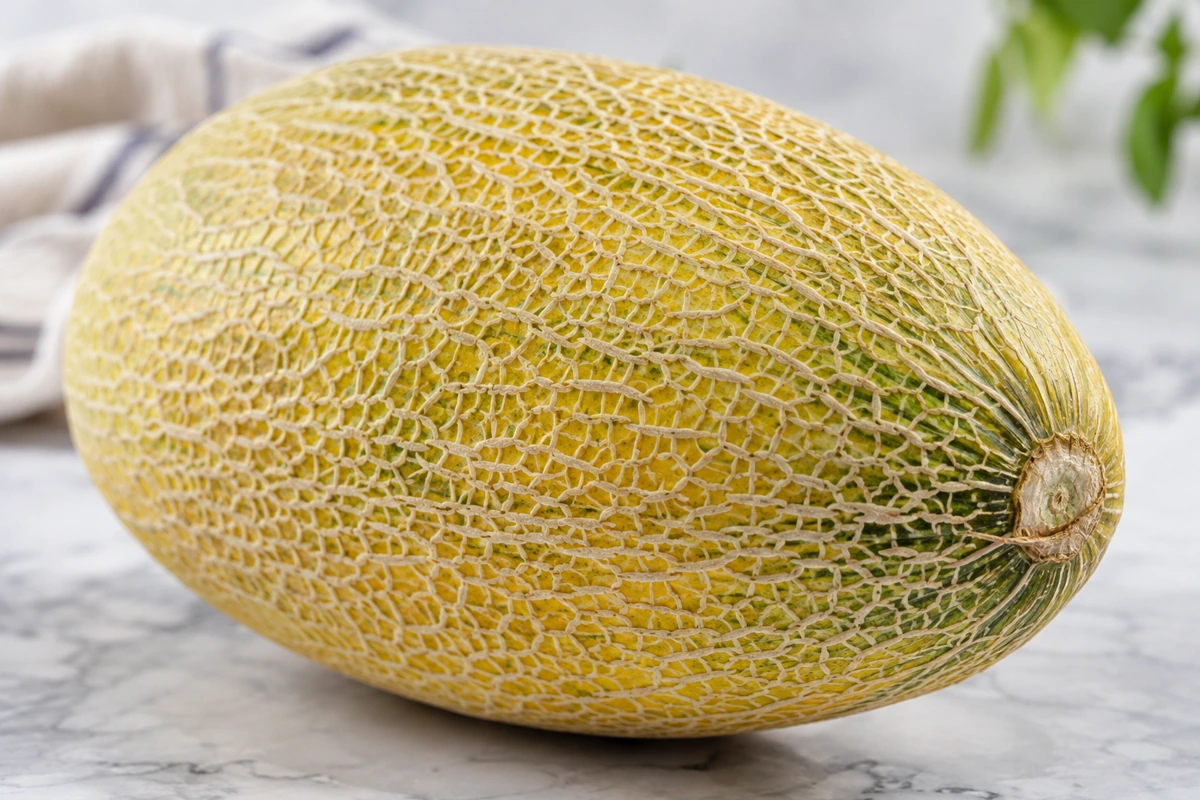
A close exterior inspection provides sampling clues, not a complete maturity decision.
Aroma can contribute to the assessment, but keep the conditions comparable. Fruit temperature, time since removal from storage and whether the rind has been cut can change what an assessor detects. A cold intact melon with little noticeable aroma should not be labelled unripe on that observation alone. When the lot is sound and sensory evaluation is appropriate, compare it with the approved reference under a consistent method. Record an unusual odour as a finding rather than trying to explain it away as a cultivar trait.
Gentle external pressure is a screening observation, not a complete firmness measurement. Pressing hard enough to make an obvious dent can create the damage you are trying to assess. Ask receiving staff to use the agreed method and distinguish general give from a localized soft patch. If different operators describe the same fruit differently, use training samples and a clearer reference before making the wording more elaborate. A practical, repeatable judgement is more useful than several undefined adjectives.
Stem condition can be informative within a known cultivar and harvest system. Consumer advice often emphasizes separation from the vine, but slip behaviour varies among melon types and should not be generalized to every Hami lot. Do not reject an entire consignment solely because a familiar cantaloupe cue is absent. Discuss the expected harvest indicator with the source, then check whether the received fruit meets the agreed internal and functional criteria.
Keep cosmetic condition, maturity and safety findings separate in the record. An external appearance defect may have a different significance from decayed tissue or a leaking fruit. Sorting decisions should follow the company's food-safety and quality procedures, with a clear route for holding or rejecting suspect material. A maturity assessment cannot establish microbial safety, and a pleasant aroma cannot override evidence of deterioration. This separation allows sound fruit with acceptable natural appearance variation to be evaluated fairly without weakening the controls for actual defects.
Open a representative sample of the lot
The internal sample should be planned before anyone chooses the nicest-looking melon. Define the lot, sampling locations and number or mass of fruit appropriate to the purchasing and quality programme. Record who sampled it and when. For a new source or a variable consignment, more extensive evaluation may be needed than for a well-characterized repeat supply. The plan should be agreed by the responsible teams; a convenient handful is not automatically representative.
Prepare the sample hygienically so that inspection does not introduce avoidable contamination. For household-scale handling, FDA's produce-cleaning guidance calls for rinsing before peeling and a clean brush on firm produce such as melons. Commercial sampling needs its own documented sanitation, equipment and handling arrangements. Use clean tools and keep the sample identity with the cut fruit, particularly when several source lots are being examined at once.
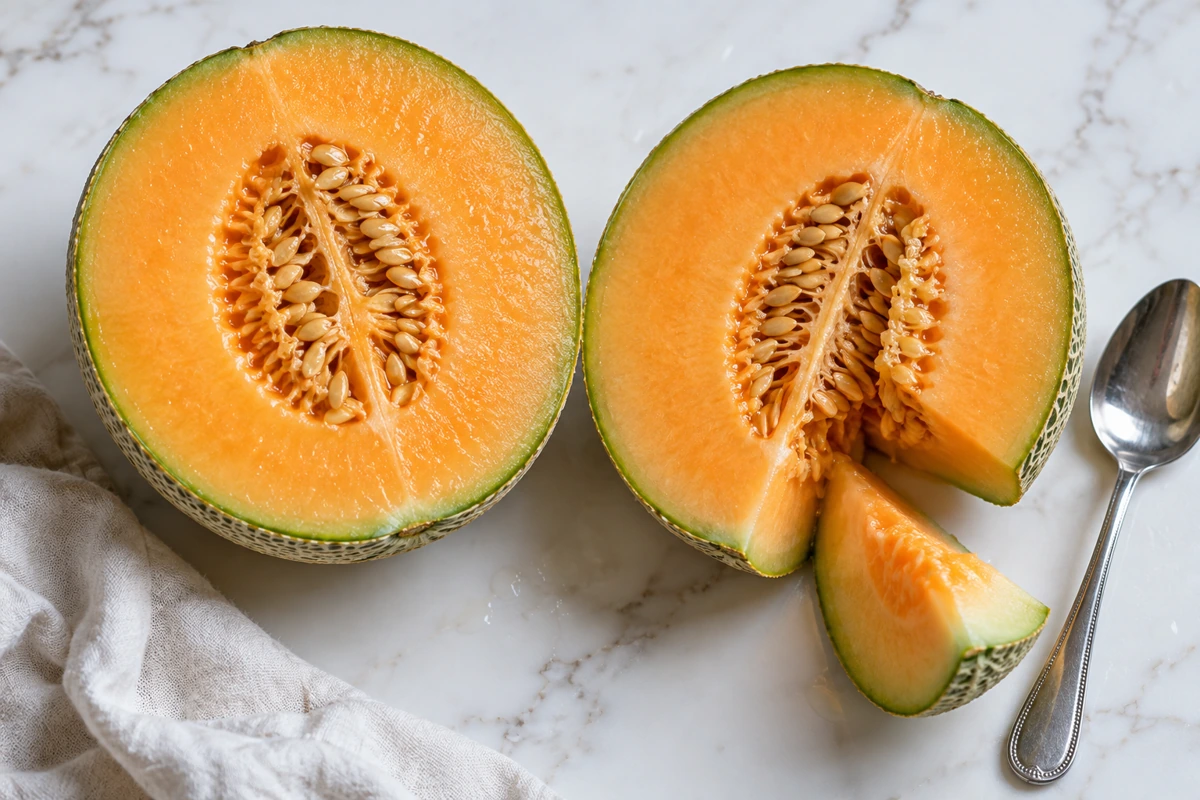
Inspect cavity condition and the flesh toward both ends of the opened fruit.
Open the melon in a consistent orientation and examine the cavity, flesh thickness and tissue condition. Note the distribution of colour and any abnormal wet, discoloured, soft or deteriorated areas. A cavity that occupies a large proportion of the fruit can reduce the flesh available for the desired cut. The observation matters commercially even if the remaining flesh tastes good. Photograph the opened sample where helpful, including enough of the whole cut face to show where the finding occurs.
Use a sampling map showing where each portion came from. For a development check, keep both ends and the middle separately identified, and compare edible flesh near the cavity with accepted flesh closer to the rind. This proposed check asks whether a pleasant centre bite represents the cutter's recovered material; it is not a universal sampling standard. Record those observations before preparing an agreed composite. When the recipe uses most of the peeled flesh, avoid making that composite only from the most attractive area.
Record individual-fruit variation before combining material into a pooled sample. A pooled average can conceal a mixture of acceptable and unsuitable fruit. For a visible-piece programme, the variation may be more important than the mean because an individual poor piece can reach a customer. A blended application may distribute some quality differences more evenly, but the incoming material still needs to meet its safety and quality requirements. Pooling is a measurement choice, not a way to make defects disappear.
Where a finding needs investigation, retain the relevant sample under the applicable procedure and keep the photos, lot references and preparation notes together. Describe what was seen without assigning an unsupported cause. For example, record a localized translucent area and its position rather than declaring a storage failure from appearance alone. A supplier can then compare the observation with harvest, handling and processing records. Clear evidence makes the discussion faster and helps both sides select an appropriate next check.
Measure soluble solids alongside flavour
Soluble solids are useful when sweetness or formulation consistency matters, but the number needs a method and a purpose. Decide whether the requirement concerns raw flesh at intake, prepared fruit before freezing or a thawed finished ingredient. These are different sampling points. State the method on the specification so that a reading taken from drained frozen pieces is not compared casually with a raw-fruit juice composite. The same unit does not make different preparations equivalent.
Use a suitable refractometer and follow its calibration, cleaning and temperature procedure. Prepare the sample consistently and avoid adding water unless the analytical method explicitly requires and accounts for it. Record the result with the sample identity and the preparation basis. When several fruit are measured individually, preserve their results as well as any average. The spread can reveal variation that an overall number hides and can help explain inconsistent flavour in a later application trial.
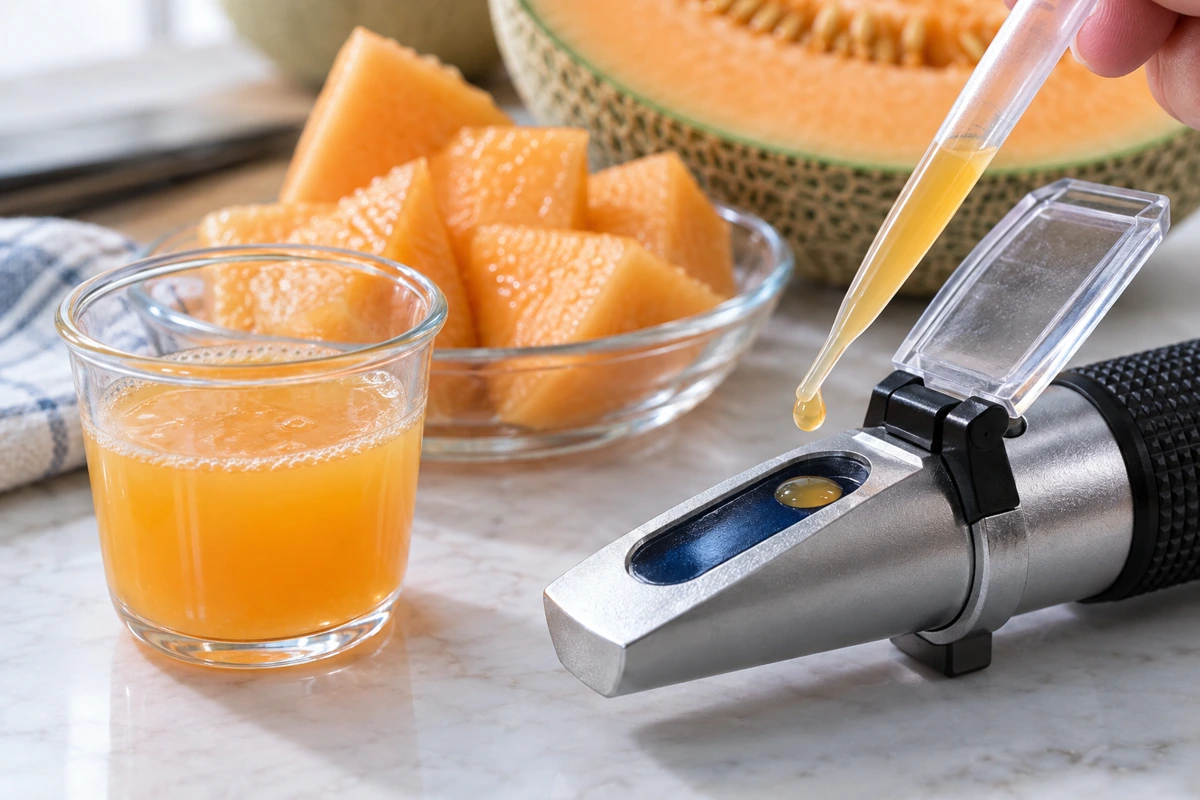
A prepared juice sample belongs to a defined method; no instrument reading is shown.
Degrees Brix are a practical soluble-solids reading; they should not be described as a direct measurement of every aspect of sweetness or flavour. Aroma, acids, serving temperature and the food matrix also influence perception. A buyer who wants a characteristic Hami flavour should assess that character directly. If the sample reaches an agreed solids range yet tastes weak in the recipe, investigate the recipe dose and sensory profile rather than simply raising the numerical limit without testing the consequence.
Avoid importing a Brix range from a retail advertisement or a different melon standard into the order. Such figures may describe selected fruit, a specific cultivar, a study population or a historical grade system. They may be useful leads for a discussion, but they do not establish the performance of the current source lot. Set a target from the application requirement and evidence that the supplier can consistently measure and supply it. Include how borderline and outlying results will be reviewed.
Taste only suitable, sound material within the approved sampling and safety procedure. Use the same portion temperature and preparation for each sample, and ask assessors to describe sweetness, characteristic aroma and unwanted notes separately. A strong aroma can make a sample seem sweeter, while a cold sample may seem quieter. If the product will be diluted, blended with dairy or combined with another fruit, follow the raw-fruit tasting with an assessment in that actual matrix.
For a development trial, keep the original formulation fixed for the first comparison so that the ingredient effect is visible. Adjust the recipe only in a documented second stage if that is commercially acceptable. Otherwise one lot may appear equivalent only because it received extra fruit or sugar without the change being recorded. The final approval should identify the ingredient and the formulation together, including any adjustment that changes cost, label information or the intended eating experience.
Check firmness and usable flesh together
Firmness matters because the fruit has work to do before it reaches the finished food. It may be peeled, cut, transferred, frozen, packed, shipped, portioned and mixed. A raw sample that gives a pleasing bite can still lose too much shape along that route. Define the physical requirement in terms of the intended cut and handling, then choose measurements that help predict or confirm it. A vague requirement for firm fruit leaves too much room for different interpretations.
For a visible wedge, inspect whether the flesh supports the required thickness and whether the cavity side remains sound after cleaning. For dice, observe cut faces, corners and the amount of soft material created during normal cutting. Use the same tools and preparation conditions across trials. Extremely careful hand cutting can make a marginal sample look better than it will under the intended process. The evaluation should represent the conditions against which the ingredient will be judged.

Actual GreenLand-food product photo: the visible rind-on wedge is distinct from a peeled-piece specification.
Instrumental firmness tests can add repeatability when the method is defined. Specify the sample temperature, test position, probe and preparation, and keep the raw observations available. A measurement close to the rind can differ from one near the seed cavity. If the customer and supplier use different instruments or methods, compare results on shared samples before setting a common limit. The aim is an agreed interpretation that supports the product, rather than an impressive number with unclear relevance.
Measure the accepted flesh recovered during preparation. Keep the input weight, removed rind and seed material, rejected tissue and usable cut fraction distinguishable. A ripe lot can have attractive flavour yet yield poorly because the required cut excludes a large proportion of the fruit. Another lot may produce plenty of flesh but fail the desired texture. Reporting both observations prevents the purchasing decision from being reduced to sweetness or raw price alone.
The photographed GreenLand wedge reference includes visible rind, which is why rind status belongs in the trial instruction. A fully peeled application requires a different accepted fraction from a rind-on portion. Define the pale transition layer and cavity-cleaning expectation with an agreed sample. If one trial leaves a broad firm edge while another removes it, their yield and texture results describe different products. Reconcile the preparation before interpreting the difference as a maturity effect.
Use the recovery result to estimate the quantity the process actually consumes. The calculation should show the purchase basis and the accepted output basis clearly. Include normal losses without treating every removed kilogram as a maturity defect. Some losses are inherent in the chosen cut; others may be reduced by adjusting preparation or selecting a different lot. Discuss those causes separately so that a price negotiation does not obscure the technical change needed to improve usable output.
Carry the sample through the actual process
Approve the maturity range through the intended production route, including any freezing and thawing. A raw-fruit assessment is a necessary starting point, but it cannot show the full effect of the later operations. Prepare the chosen cut, use the proposed pack and reproduce the customer's handling as closely as the trial allows. Record deviations from normal production and limit the conclusion to the conditions actually tested.
For frozen Hami dice, examine the material while frozen for portioning and pack condition, then assess it at the intended application state. If it enters a blender frozen, run that blending step. If it is thawed before a fruit preparation is made, use the agreed thawing and drainage method. Keep the released liquid with the measurement record and specify whether the recipe retains it. Otherwise maturity comparisons may be confounded by different liquid handling.

Actual GreenLand-food product photo: confirm the offered dice dimensions and application with a current sample.
A useful trial separates the quality observations. Note whether pieces remain identifiable, whether their bite is acceptable, how much liquid is released and whether the flavour still meets the requirement. One lot can perform well on some of these dimensions and poorly on another. This helps the development team decide whether a different maturity window, cut size or application is needed. It also prevents an overall pass from concealing a defect that will matter during routine production.
Check the pack at a realistic scale. A few pieces spread carefully on a laboratory tray may remain attractive while fruit in a filled carton experiences more contact and pressure. Include normal transfer and portioning where those steps are important. Record the location of any compressed or fragmented material within the pack. The finding may relate to packing and handling as well as maturity, and the corrective action should follow the evidence rather than defaulting to firmer raw fruit.
For a blended drink or dessert base, evaluate the finished recipe at its intended serving condition. Keep fruit dose, other ingredients and processing settings fixed for the first comparison. Observe flavour, colour, body and any coarse material. If the trial uses a treatment or heat step, its safety and process requirements need separate validation by the responsible team. The fact that the melon was frozen or tasted pleasant does not establish the suitability of the finished product for storage or consumption.
The GreenLand-food Hami melon product page provides the commercial form reference for discussion. We confirm the selected sample and order requirements around the customer's application. Keep an alternative form, such as a wedge replacing dice, as a separate qualification. Its apparent firmness and packing behaviour cannot simply be carried across to another cut. The finished application result should remain the deciding evidence for the maturity range chosen.
Make the maturity window part of intake approval
Turn the successful trial into an instruction that receiving and production teams can use. Identify the product and source description, approved form, expected external and internal condition, relevant measurement methods and application reference. Include a clear distinction between natural variation and reject conditions. A specification that says only ripe and sweet transfers the real decision to the operator at the moment the fruit arrives, often without the context used during development.
Define how the lot will be sampled and what evidence accompanies acceptance. If the programme uses individual soluble-solids readings, firmness results or prepared-yield checks, state how those results will be evaluated. Agree a route for a borderline finding, including who can authorize further sampling or a limited application trial. Avoid ad hoc averaging after an unfavourable result. The decision method should be understood before the shipment is inspected so that both sides have the same expectations.
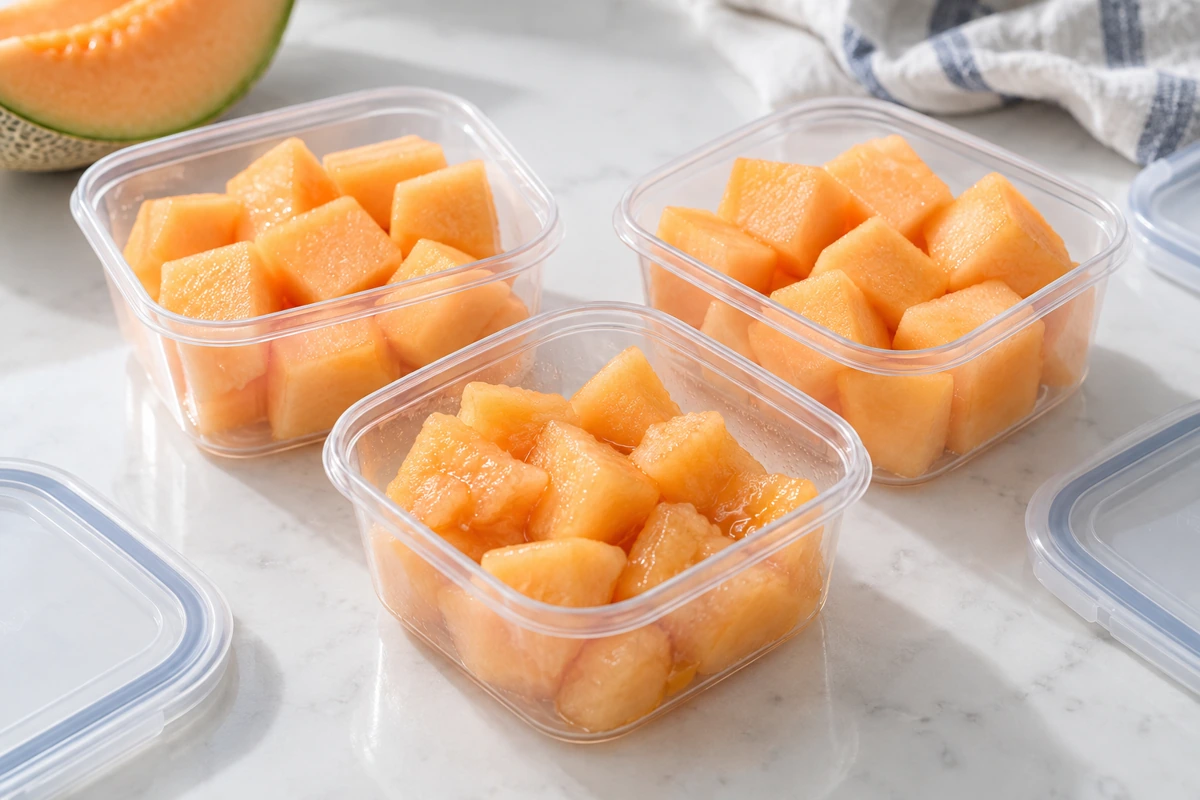
Retain the agreed sample identity and observation conditions. Illustrative comparison samples.
Keep a reference that can be interpreted over time. Photographs should show the relevant cut and defects clearly, while written sensory and texture descriptions should refer to the agreed test conditions. Retained physical samples have practical limits and need appropriate storage and use procedures. Review the reference when the cultivar, source, crop, cut or process changes materially. A sample that qualified one supply programme should not silently approve a different one.
Planning matters because the fruit's condition at processing depends partly on when it is used. Confirm order quantity, anticipated production window, packing and destination requirements with the supplier. Discuss current availability and lead time rather than assuming that the exact trial lot can support every future order. If stock or crop conditions require a change, assess the proposed replacement against the agreed maturity and application criteria before committing it to production.
Document requirements should follow the real product and intended market. Request the relevant lot identification, specification, analytical information and applicable production or certification records. Check their scope and dates with the responsible quality team. A maturity report is one part of this file; it does not replace food-safety controls, traceability or the customer's verification obligations. Keeping these records connected makes it easier to investigate a later concern without treating every quality change as a ripeness problem.
An effective intake agreement allows staff to make a clear decision and retain useful evidence. Sound fruit within the approved range proceeds through the qualified route; questionable material is held for the defined review; unsuitable material follows the rejection procedure. For the buyer, that creates a repeatable way to obtain melon that tastes right and performs as expected. For GreenLand-food, it makes the enquiry concrete enough to match the proposed frozen form, sample and supply plan to the work the fruit must do.
Related fruit-processing reading
See how apricot harvest cues change with the intended eating or processing use.
Understand why a named frozen-peach grade does not by itself establish the required firmness.
Separate a firm-piece result from recoverable juice in an apricot processing trial.
Source frozen Hami melon with GreenLand-food
GreenLand-food is a professional frozen Hami melon supplier and manufacturer in China, providing factory-direct wholesale supply for importers, food manufacturers, foodservice distributors, and private-label programs.
Send the required wedge or dice form, rind condition, size specification, packing, quantity, application, destination, private-label needs and requested documents. Include the sample preparation and acceptance conditions so we can discuss the appropriate offered product.