


Hami Melon vs Cantaloupe and Honeydew: Flavor, Flesh and Food Uses
Oct 19, 2026
Leave a message

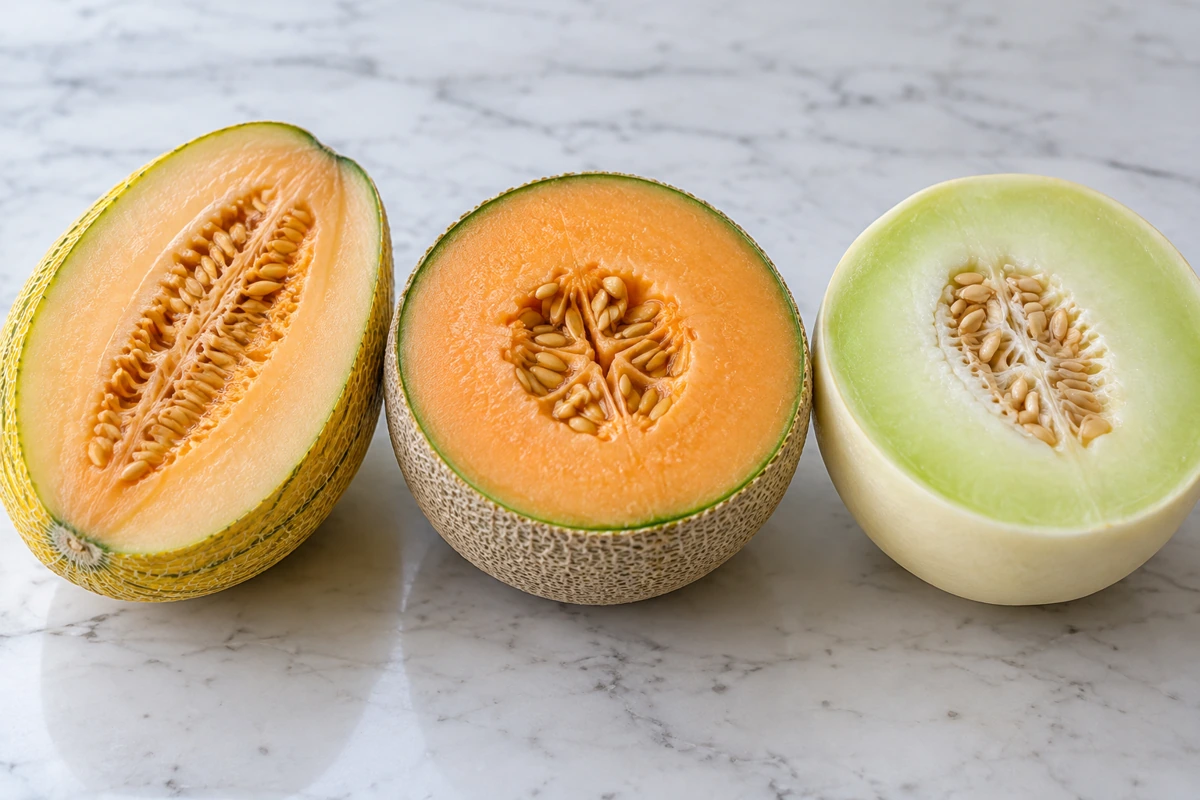
For food processing, compare the identified melon, its maturity and the form you will actually buy. A fresh Hami wedge and a thawed cantaloupe cube have passed through different treatments, so their texture tells you little about a fair substitution. Bring samples to the same preparation and serving conditions, then assess flavour, flesh condition, usable quantity and performance together.
At GreenLand-food, we use the application to frame a frozen melon enquiry. A buyer making a blended drink may accept a softer piece that would fail a visible fruit portion. A customer who wants green flesh needs an explicit colour reference; the word honeydew alone cannot settle every cultivar question. The comparison becomes useful when these expectations are attached to the sample and order.
Read the melon name before comparing the flesh
Hami, cantaloupe and honeydew are commercial names within the diverse Cucumis melo group. Their everyday use is less tidy than a three-column supermarket display suggests. In North America, cantaloupe commonly means the netted orange-fleshed muskmelon. Other markets use cantaloupe or rockmelon more broadly, and European cantaloupe types can look different. Hami is associated with Chinese melon traditions and includes variation in shape, rind and flesh. Ask which fruit the supplier means before carrying a comparison into a purchasing specification.
The most recognizable Hami example is elongated, with yellow-green skin, netting or markings and orange flesh. It is a helpful reference image, but it should not become a rule that every Hami melon must match. Likewise, pale-green flesh and a smooth light rind are familiar honeydew characteristics, yet honeydew types can also have white or orange flesh. The Mid-Atlantic extension description of melon types illustrates why a trade name needs a cultivar or sample reference when colour matters.
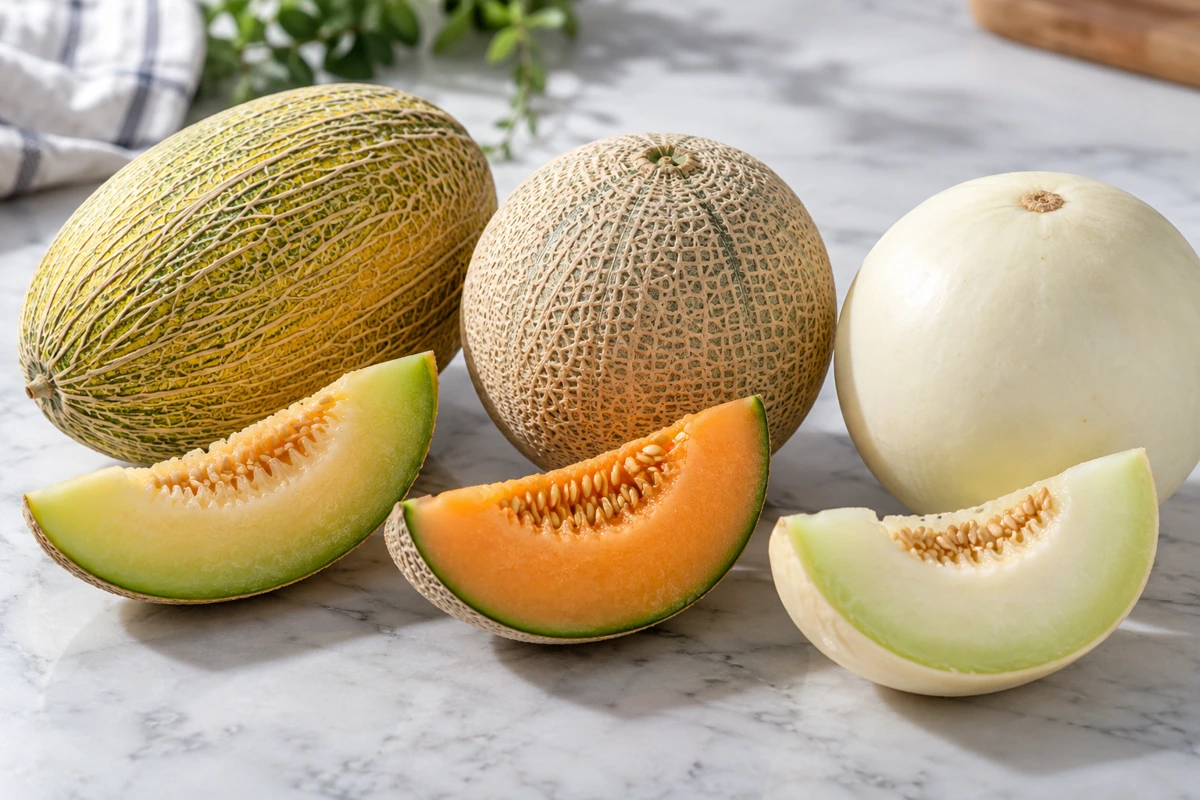
Rind pattern and shape help describe the sample, but do not replace its cultivar identity.
For a recipe developer, the immediate question is whether the name identifies the eating characteristics expected by the customer. A premium fruit cup sold around orange melon pieces may tolerate several orange-fleshed types if the label and specification permit them. A named Hami product carries a different identity expectation. Sensory resemblance alone does not authorize substitution, and a generic melon declaration should not be assumed acceptable without reviewing the intended market and label.
Keep origin separate from type. A Hami-style melon name does not by itself prove the growing location of a particular lot. If origin is commercially important, request the relevant lot and shipment information and agree what documentation will support the statement. Photographs of a growing region, a cultivar description and an invoice each answer different questions. Connecting them accurately prevents a marketing description from becoming an unsupported origin claim.
The same care applies when ordering a sample. Record the supplier's product name, stated variety where available, crop or production lot, cut form and date received. Photograph the outside and cross-section if whole fruit is involved. With frozen pieces, request the corresponding raw-material identity rather than trying to reconstruct it from orange flesh alone. That record makes a later discussion about flavour variation much more productive: both teams can establish whether they tested the same kind of fruit before debating whether one lot was better.
| Market name | Common appearance | Starting sensory comparison | What the sample must establish |
|---|---|---|---|
| Hami melon | Often elongated and netted; pale to orange flesh in the examples here | Sweet, crisp fresh character is a useful starting expectation | Actual cultivar, maturity, cut and behaviour in the finished recipe |
| North American cantaloupe | Usually round, netted and orange-fleshed | Often a fuller musky melon aroma | Aroma strength and texture at the same serving condition |
| Honeydew | Often smooth-rinded with pale green flesh; other flesh colours exist | Often a milder aromatic profile | Flavour balance and colour in the intended formulation |
Compare aroma and sweetness under the same conditions
The common flavour descriptions are a starting vocabulary. Hami may be described as floral, honeyed and crisp; cantaloupe as musky and aromatic; honeydew as mild and clean. Each description can be useful in a tasting brief, but the strength of these impressions varies with cultivar, maturity and handling. A fragrant Hami sample is not evidence that every Hami lot will have a stronger aroma than every honeydew lot. For a commercial choice, taste the actual candidates side by side.
Prepare equal edible portions and use the same serving temperature. Keep samples covered until assessment and avoid letting one sit exposed while another comes directly from cold storage. Use plain vessels and neutral sample codes if you want to reduce the influence of the name or expected price. Ask tasters to describe aroma, perceived sweetness, any unwanted flavour and aftertaste separately. A single overall score can conceal the reason a sample suits one application and disappoints in another.

Compare portions at the same serving condition. Illustrative tasting arrangement, not test results.
Soluble solids measured by a refractometer provide useful additional information, but degrees Brix are not a complete flavour verdict. The reading depends on what was sampled and how the juice was prepared. Agree the flesh location or composite method, instrument checks and sample temperature procedure. For frozen material, specify whether the reading uses a representative thawed mixture with its liquid or only drained pieces. Otherwise two certificates can carry similar numbers while describing different fractions of the ingredient.
When sweetness and aroma point in different directions, test the fruit in the food. A melon with an attractive smell alone may lose its identity in a strongly flavoured dairy base. A milder sample can still work where melon provides colour and a refreshing background. In a beverage, assess the proposed fruit dose, water addition and other ingredients together. Increasing the dose to recover a subtle aroma also changes cost, solids and the amount of fruit entering each serving.
Avoid using a very ripe retail cantaloupe as the benchmark for a firm processing Hami lot. The first may be selected for immediate eating, while the second must pass through trimming, freezing, packing and further preparation. The UC Davis cantaloupe fact sheet distinguishes ripening after harvest from an increase in sugar content. That distinction is useful when assessing claims that additional holding will automatically fix a weakly sweet batch. Confirm the fruit's measured and tasted condition before making a production decision.
For repeat orders, retain a short agreed sensory description alongside the approved sample. Terms such as characteristic melon aroma, acceptable sweetness and absence of fermented flavour become more useful when assessors understand the reference and testing conditions. Keep a record of disagreements as well as average preference. If one sample divides the panel because of a strong musky note, that may matter more to the product than a small difference in an overall liking score.
Look at flesh colour, firmness and usable yield
Cutting the fruit reveals differences that the outside can hide. Examine the flesh from the cavity toward the rind, the thickness available for the intended cut, and the amount of seed material that needs removal. A large melon can still give an inconvenient shape for a particular wedge or dice specification. For purchasing whole fruit, count the acceptable prepared flesh recovered from the received weight rather than assuming that the largest fruit offers the lowest ingredient cost.
Colour should be assessed in the condition relevant to the product. Freshly cut opaque orange flesh, frozen surfaces and thawed translucent pieces can look different under the same light. Set up a consistent viewing area and keep photographs as supporting references, with the actual sample available when possible. Phone exposure, white balance and a coloured carton liner can alter the appearance. A photo is useful for explaining a defect or variation; it is a weak substitute for a defined colour assessment.

Actual GreenLand-food product photo: the visible rind-on wedge is distinct from a peeled-piece specification.
Firmness also needs a practical meaning. A piece can resist initial pressure yet break along a damaged edge during mixing. Another can feel tender while remaining intact in a cup. For visible ingredients, examine both the force or bite required and the way the piece fails. If instrumental texture measurements are used, agree the probe, position, sample size and temperature. Readings from different methods should not be placed in one ranking without showing that they are comparable.
The GreenLand product reference pictured here shows orange melon wedges with visible green rind. That is a useful reminder to specify the prepared boundary. A rind-on wedge and a fully peeled cube contain different proportions of the material the customer intends to use. Ask whether the price covers a ready-to-use edible cut, a portion with rind, or material that will be trimmed again. The answer affects recovered quantity, labour and the suitability of the piece for the next operation.
For a trial mass balance, weigh the received sample, the accepted edible portion and the material removed for the agreed reasons. Keep rind, seeds, damaged flesh and out-of-specification pieces identifiable instead of combining every loss into one unexplained number. This makes it possible to discuss a cause: an overly deep trim, an unusually large cavity or a strict cube dimension each calls for a different response. The trial should represent normal preparation rather than unusually careful hand selection.
Compare cost on the same accepted output. A lower purchase price per kilogram can be offset by extra removal or by pieces that fail the finished-product requirement. Equally, a premium melon may offer a flavour advantage that matters only at a lower recipe dose. Bring these observations together before choosing a winner. Yield, dose and texture are separate measurements, and their commercial value comes from how the intended food uses them.
Choose the melon for the food being served
For a fresh fruit platter, the eating bite and visible appearance usually remain prominent. A firm Hami sample can provide a crisp contrast beside softer fruit, while a tender aromatic cantaloupe can make a different contribution. A pale-green honeydew can supply a colour contrast that orange Hami cannot reproduce. Select and portion the fruit with the actual serving arrangement in mind, including whether guests use a fork, spoon or hand-held wedge.
In a chilled fruit cup, consistency across portions can matter as much as the best single bite. Pieces need to fit the container and distribute reasonably with the other fruit. Check whether the selected melon releases liquid during the intended holding period, whether its colour remains acceptable and whether the portion stays easy to eat. The same nominal cube size can look different when one melon has rounded soft edges and another has sharply cut faces. Evaluate the filled cup, not only a tray of freshly prepared pieces.
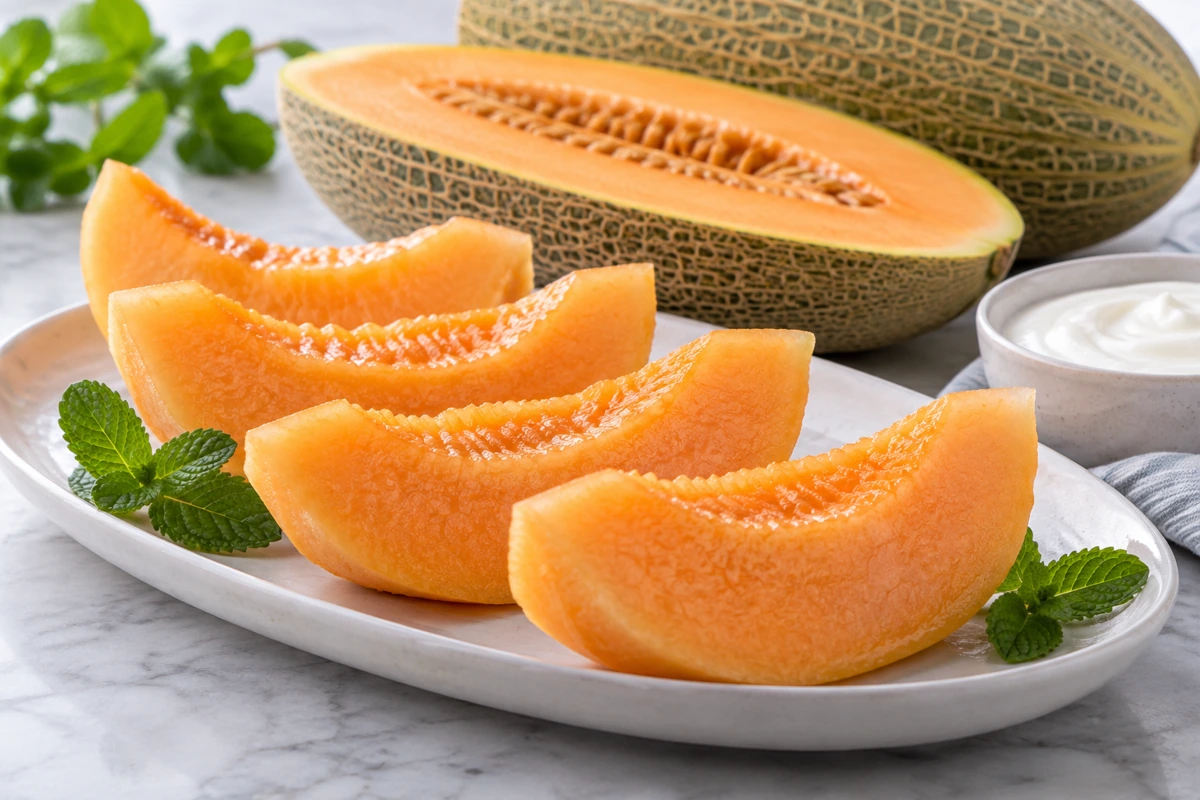
A fresh platter makes the appearance and bite of each portion immediately noticeable.
For blended foods, piece appearance becomes less central once the blender has done its work. Flavour, colour, pulp behaviour and any coarse rind or seed remnants remain relevant. Test at the intended fruit concentration. A colourful melon drink can still have a weak aroma, and a strongly aromatic fruit can change the balance of a delicate recipe. If the blend contains yogurt, coconut ingredients or another fruit, the comparison should include that base because it is the product the customer will actually experience.
Melon desserts create another set of priorities. A spoonable preparation may tolerate softer flesh if the flavour remains suitable and the process produces the required body. A decorative melon piece needs a shape and surface that survive preparation and service. For a frozen dessert, approve the fruit within the complete formulation and serving conditions. Fresh sweetness alone does not determine finished frozen texture, and the fruit name cannot replace a trial of solids, sugar system and processing method.
Savoury pairings can emphasize contrasts in salt, acidity, aroma and texture. Small tasting portions with the proposed accompaniment reveal whether the melon remains identifiable or disappears into the other ingredients. A milder melon may be suitable when the dish needs a gentle background; a more aromatic sample may suit a dish built around melon. These are recipe choices rather than a hierarchy of fruit quality. Document which effect the chef or development team actually wants before changing the ingredient.
Commercial production also needs an intended-use decision separate from flavour. A product destined for a validated heat process and one consumed without a further kill step require different safety assessments and supporting controls. Confirm the supplied ingredient's instructions and suitability for the customer's process. Neither an appealing fresh sample nor a frozen appearance establishes ready-to-eat status. The culinary comparison should be completed alongside the quality and safety review appropriate to the real application.
Recheck the comparison after freezing
Fresh Hami is often chosen for its firm bite, but freezing changes the question. Ice formation and subsequent thawing can alter tissue structure and release liquid. A piece that was crisp when fresh may be softer when thawed. The amount and acceptability of the change depend on the material and processing history, so compare frozen samples through the same route that the customer will use. Fresh-fruit descriptions cannot guarantee a crisp thawed portion.
Specify the purchased form before judging texture. A freeze-dried snack's crispness cannot serve as the acceptance reference for thawed fruit. Decide whether the ingredient enters the application frozen, partially thawed or fully thawed: a blender receiving frozen cubes tests a different condition from a cup filled with thawed pieces. Ice can temporarily conceal softness. Keep preparation state, time and temperature consistent across all three candidates.
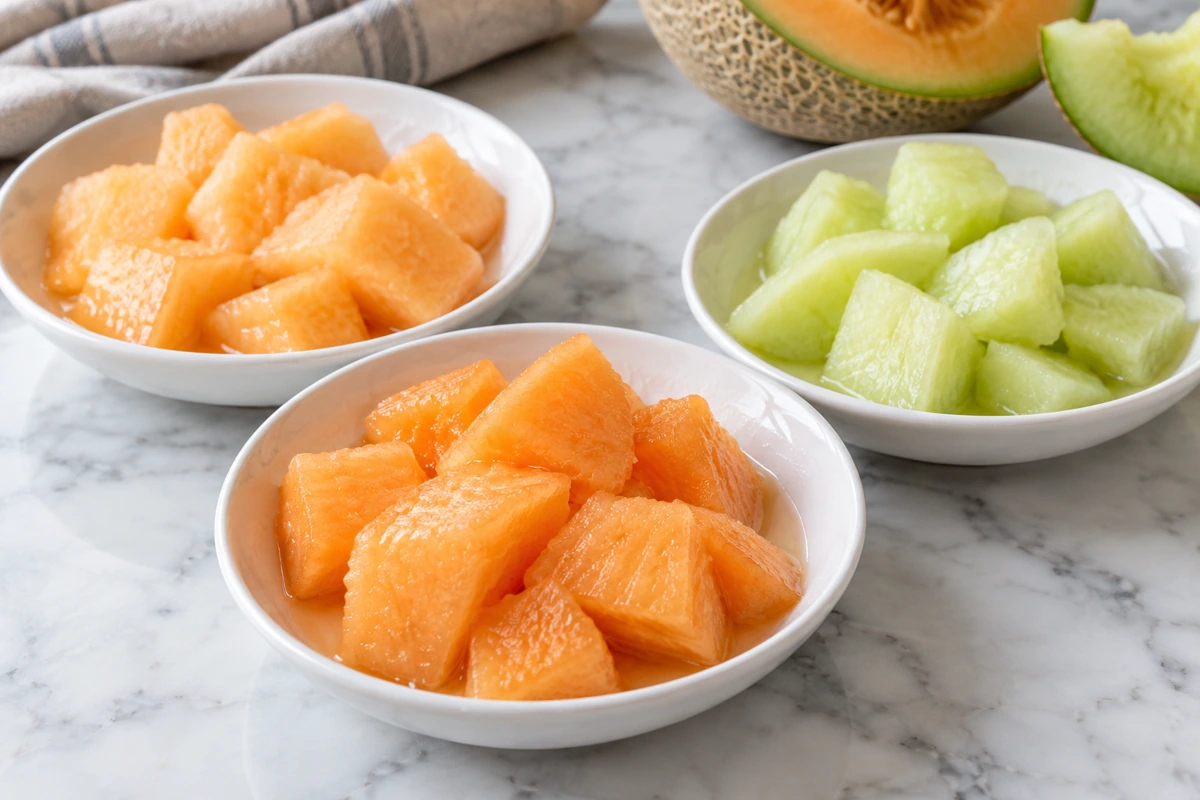
Observe pieces and released liquid after the same thawing method. Illustrative comparison.
When liquid is released, determine how the recipe handles it. A drink process may incorporate the liquid, while a visible-piece application may drain it before dosing. The measured usable quantity will differ. If liquid is discarded in the trial but retained in routine production, the trial's flavour and cost calculation will be misleading. Include the actual drainage or mixing step and use the same container, duration and sample quantity for every candidate.
Check physical handling as well as thawing. Emptying a bag, scooping from a carton and mixing with other ingredients can damage pieces that looked sound in a small laboratory dish. A carton trial can reveal compressed fruit at the bottom, clusters that resist portioning or fragments created during handling. These observations should be attributed to the tested lot and pack, rather than automatically to the melon type. They may reflect cut dimensions, maturity, fill conditions or temperature history.
Freezing is a preservation step, not proof that the ingredient is free from pathogens. Follow the supplier's storage and use instructions and the customer's food-safety plan. For household preparation of fresh melon, FDA recommends rinsing before peeling and using a clean brush on firm produce. Commercial cleaning and processing require their own controls; a consumer washing method does not validate a production line or establish a finished product's shelf life.
The most useful frozen comparison ends with an application result: acceptable fruit identity in a drink, intact portions after defined handling, or a prepared dessert with the intended flavour and texture. Keep fresh observations as context, but base approval on that endpoint. If the customer needs a fresh-like bite and none of the frozen samples meet it, changing the melon name alone will not solve the problem. Reconsider the required form or application and test the revised proposal.
Specify the purchased form and its preparation
The GreenLand-food frozen Hami melon range distinguishes wedges and dice, with the form and sample agreed for the order. A comparison request should identify which of these forms enters the customer's process. Wedge length, maximum thickness and rind status describe a different object from the dimensions and broken-piece allowance of dice. Combining them under a broad description such as frozen melon can leave both price and acceptance open to interpretation.
For peeled cuts, define how rind and the firm pale transition layer will be assessed. Specify seed-cavity remnants separately from intact seeds and from naturally uneven inner surfaces. A photograph of one excellent piece can help explain the target, but acceptance needs representative observations across a pack. Establish how many pieces or what sample mass will be examined, how findings will be counted and which conditions require a lot review. The method should be practical for both supplier and receiver.

Actual GreenLand-food product photo: confirm the offered dice dimensions and application with a current sample.
For free-flowing fruit, agree what the customer needs to portion successfully. Some temporary contact between frozen pieces may be acceptable if they separate with the normal handling method; a hard cluster may be unsuitable for a small dispenser or blender. Avoid a vague promise that every piece will always remain separate. Use the actual pack and intended handling trial to define acceptable condition, including the amount of fragments created when the pack is emptied.
Packing should support the chosen cut. A small retail pack, a foodservice bag and a bulk lined carton expose the fruit to different handling and portioning patterns. Confirm net weight, liner or bag specification, carton strength, label details and storage instructions. If the buyer plans to compare Hami with another melon already in use, match the practical pack size where possible. Otherwise a change in pack handling can be mistaken for an ingredient difference.
The quotation should also state quantity, destination, requested delivery period and the documents needed for the selected product and production source. Availability of an attractive sample does not establish the volume available through the next purchasing cycle. Discuss crop timing, stock position and lead time before locking a substitution into a long-term recipe. Any certification or analytical requirement should be checked for the actual facility, product, lot and market rather than inferred from a general website statement.
A wider frozen fruit sourcing programme may combine several ingredients, but the melon should retain its own specification and lot identity. This allows a receiving concern to be traced to the relevant form and shipment. It also protects a successful recipe from silent changes in cultivar, rind removal or cutting style. Those changes can be commercially reasonable, provided they are disclosed and qualified before the replacement material reaches production.
Approve a substitution in the finished product
Start with the reason for considering a change. The buyer may want a crisper fresh bite, a different colour, a stronger melon note, a more suitable cut or a dependable supply option. Write that purpose into the trial brief. Without it, a team can spend time ranking melons overall while never deciding whether the proposed substitute solves the actual product requirement. A useful trial answers a specific question at an agreed recipe dose and preparation condition.
Include the current approved ingredient as a reference and prepare the proposed Hami, cantaloupe or honeydew alternative through the same process. Record any adjustment required to reach the target. If more fruit is needed for flavour, include the additional dose in the cost comparison. If a cut needs extra trimming, include that recovery loss and labour. If the colour changes the appearance of a mixed fruit product, check whether the change is acceptable to the customer and consistent with its label.
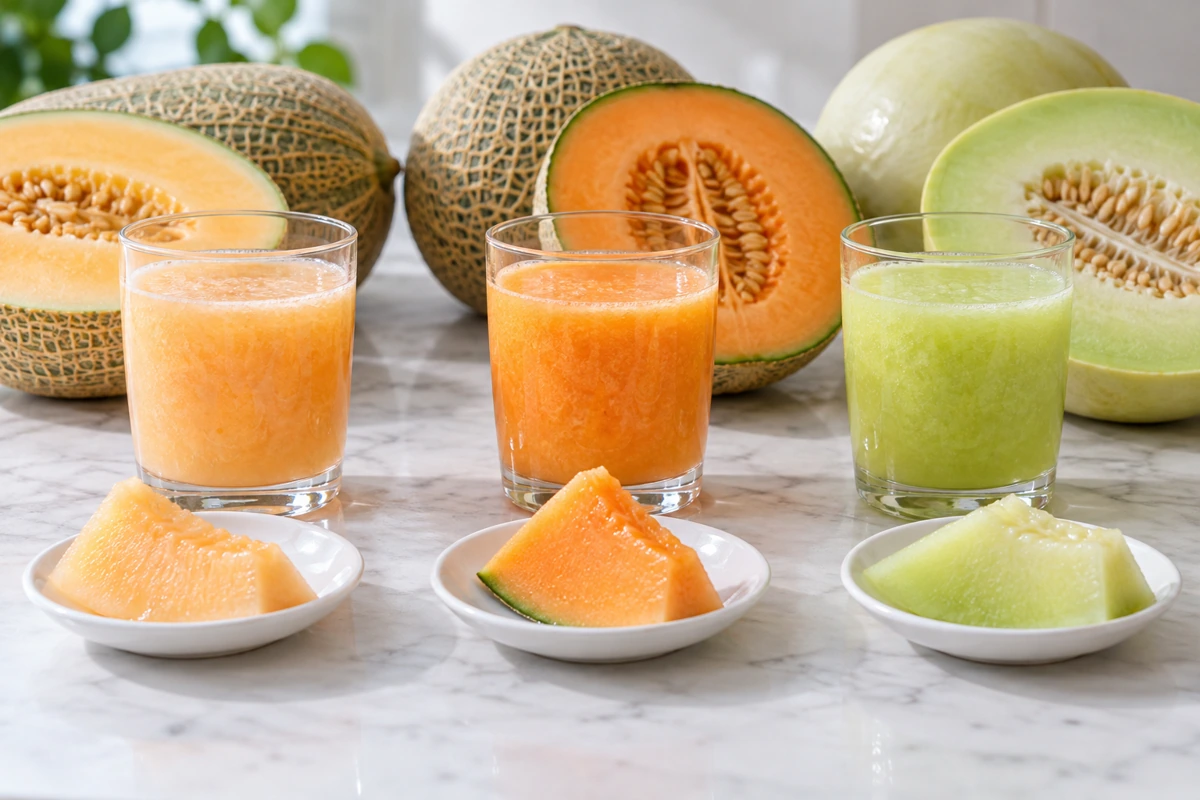
Equal presentation helps focus an application comparison; the photograph does not establish a flavour ranking.
A single promising sample supports development, but repeat supply needs evidence of the range the buyer can accept. Examine more than one relevant lot where the purchasing programme warrants it, and agree how future material will be compared with the reference. Avoid setting narrow limits that the production team cannot measure reliably. Equally, avoid a broad sensory description that allows a visibly or functionally different ingredient to pass without review. The specification should describe the variation the finished product can accommodate.
Keep the approval record connected to the sample, recipe, pack and test conditions. Include the people responsible for sensory, technical and purchasing decisions so that an unresolved issue is not lost between teams. A flavour approval does not settle a microbiological requirement; a satisfactory report does not establish the desired eating quality. Each relevant part should be closed against the intended use before the substitution becomes routine.
When the chosen melon performs well, preserve the basis of that success. The strongest purchasing instruction is a clear identity and form, an approved reference, measurable preparation and defect requirements, and an application test that reflects normal production. That gives GreenLand-food and the buyer a common way to discuss the next lot. It also leaves room for useful alternatives when availability changes, because the required result is understood and can be tested again.
Related fruit-processing reading
Compare another fruit whose flesh colour and cultivar identity do not alone define processing performance.
Follow apricot flavour from ripeness to frozen use, with acidity assessed alongside sweetness.
Distinguish peach juice, puree and nectar before comparing the body of different fruit beverages.
Source frozen Hami melon with GreenLand-food
GreenLand-food is a professional frozen Hami melon supplier and manufacturer in China, providing factory-direct wholesale supply for importers, food manufacturers, foodservice distributors, and private-label programs.
Send the required wedge or dice form, rind condition, size specification, packing, quantity, application, destination, private-label needs and requested documents. Include the sample preparation and acceptance conditions so we can discuss the appropriate offered product.