


Freezing Hami Melon: What to Expect from Thawed Texture
Oct 19, 2026
Leave a message

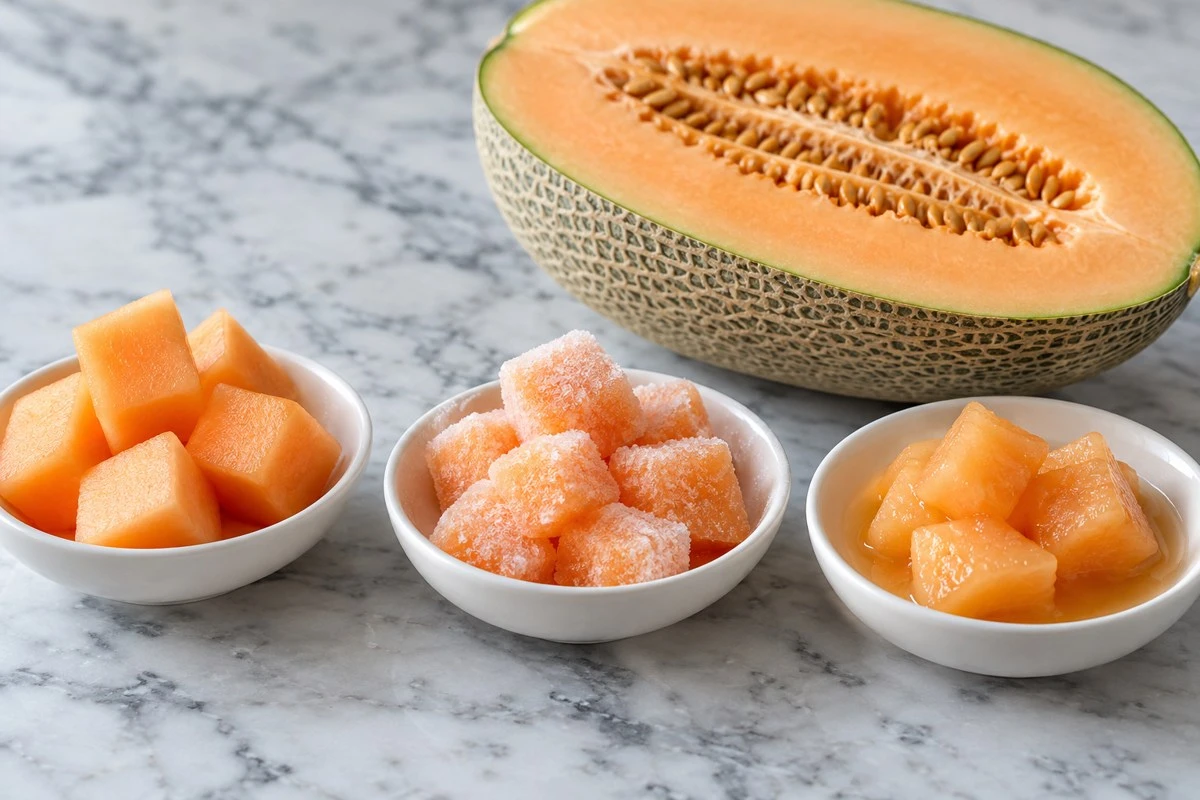
The useful purchasing question is how the fruit behaves after your actual preparation. A photograph of bright frozen wedges cannot answer it. Cut size, maturity, freezing history, packaging and the thawing endpoint all influence what reaches the plate or processing vessel. We recommend approving frozen Hami melon through the intended use, with the sample handling and acceptance method written down alongside the specification.
This article explains the changes to expect and a practical way to compare samples. The trial examples are proposed evaluation methods. They do not report a completed GreenLand trial or establish a guaranteed drip allowance, shelf life or microbiological release standard for an order.
Why frozen Hami melon softens after thawing
Fresh melon tissue has structure as well as water. Intact cells hold liquid within a supporting network, and the pressure inside those cells contributes to the sensation of crispness. During freezing, water forms ice and the remaining liquid becomes more concentrated. Changes to cell membranes and tissue structure can reduce the flesh's ability to hold water when the ice melts. A thawed cube can therefore look recognisable while feeling much softer under a fork.
A published study of frozen Hami melon thawing found differences in drip, hardness and colour among its thawing treatments. Its samples were a named cultivar cut into cubes and frozen under laboratory conditions at minus 60°C. That context matters: the study supports taking thawing conditions seriously, but its microwave power settings and outcomes are not a universal instruction for a commercial carton, a different cultivar or a home appliance.
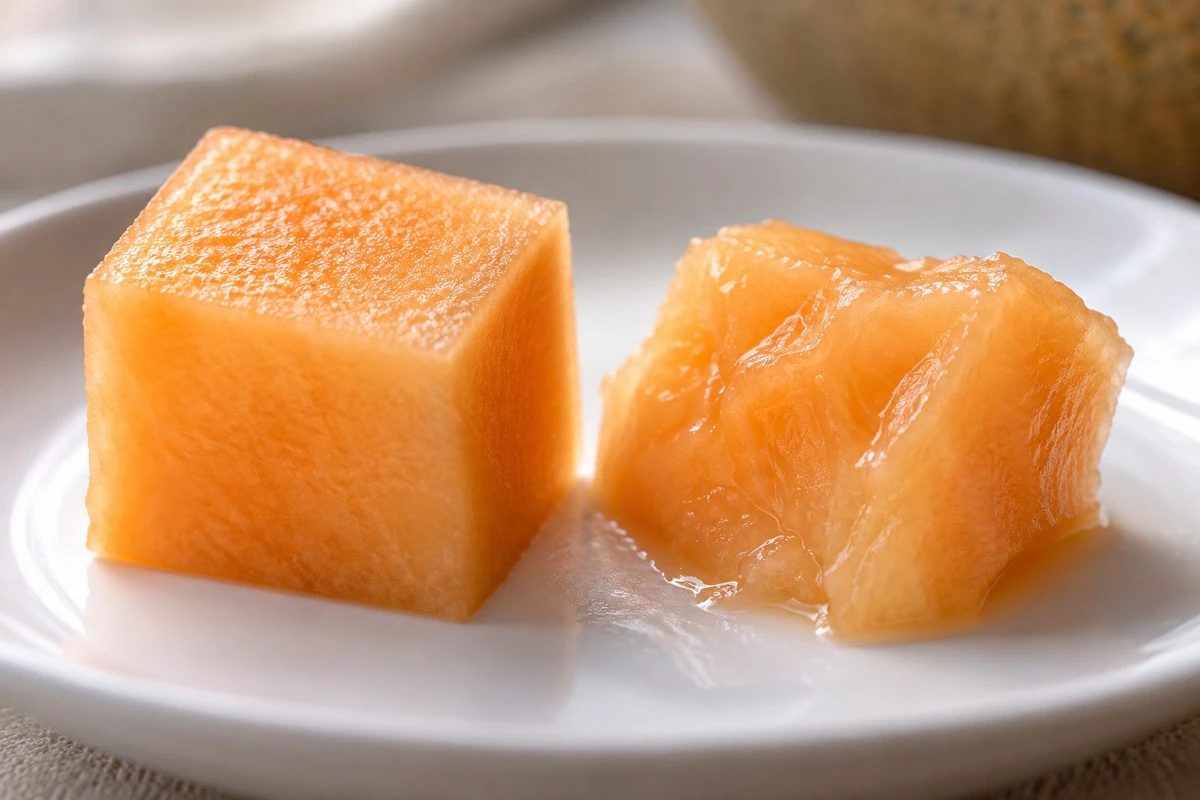
A sharp fresh cut and a softened thawed piece show different tissue structure. Illustrative comparison.
Several visible changes can occur together. Edges may become rounded, the cut surface may look more translucent, and liquid may collect below the pieces. Flesh can separate under gentle mixing even when it survived being lifted from the tray. Each observation describes a different aspect of performance. A clear outline in a photograph does not establish a firm bite, and a small puddle does not quantify the amount of fruit that will remain usable after processing.
Assess flavour separately from structure. Released juice may carry soluble components into the surrounding liquid, so draining changes the composition of the portion that is served. A smoothie that retains the juice uses a different fruit fraction from a drained dessert topping. The same frozen lot may perform differently in these two applications without either trial being conducted incorrectly. The preparation boundary explains the apparent disagreement.
Softening alone also cannot determine safety. Freezing changes the physical state of food, while food-safety suitability depends on the supplied product, its processing, handling and intended use. FDA explains that freezing does not destroy all harmful microorganisms. Follow the product's agreed instructions and the receiving site's controls; a pleasant smell, attractive colour or firm frozen piece cannot replace them.
Start with the fruit and cut you intend to use
Begin with a clear description of the material. Hami melon covers fruit sold with particular commercial and sensory expectations, but its name alone does not specify the cultivar, maturity, flesh colour or measured soluble solids of a shipment. A supplier and buyer need a shared reference for the selected lot. If a recipe depends on a narrow flavour or colour range, include that requirement in sample approval rather than assuming that every orange-fleshed melon will behave identically.
The current GreenLand-food frozen Hami melon page presents wedges, with dice reviewed as a separate cut. The wedge photograph shows rind on the pictured material. A buyer requiring peeled edible pieces should specify rind removal explicitly and approve the corresponding sample. The picture is useful for understanding the offered form; it is not evidence that a photographed wedge is ready to enter every blending or dessert operation unchanged.

Frozen orange Hami melon wedges with visible rind. Photograph shown on the GreenLand-food product page; preparation follows the approved SKU.
Maturity needs the same care. Fruit with an attractive aroma may already have tender flesh before freezing. Firmer incoming material may survive handling differently but still need evaluation for flavour. Comparing the thawed samples without knowing their starting condition can lead to the wrong conclusion about the freezing process. Where possible, record incoming maturity descriptors and retain a description or measurement of the fresh reference used for the approval trial.
Wedges and dice expose different proportions of cut surface and create different handling demands. Small pieces can be convenient for portioning, yet broken fragments and surface liquid become more visible when the fruit thaws. A larger wedge may require additional trimming or cutting at the buyer's site. Evaluate those operations as part of usable yield. Paying for a larger intact shape makes little sense when the next step deliberately purees the fruit, unless another attribute justifies the choice.
Seed-cavity tissue deserves separate attention. Loose seeds, fibrous remnants and a soft area near the cavity may affect eating quality or interfere with an otherwise smooth preparation. Record these findings apart from general softness so that corrective action is specific. A trimming issue should not be hidden inside a broad texture score. We can discuss the product form and defect description with the purchasing team before a representative frozen sample is selected for testing.
Freezing and storage shape the eventual bite
Freezing conditions influence how ice develops inside the fruit, but a process name alone cannot predict the final bite. The size of the pieces, the load, the starting temperature and the actual heat-transfer conditions all matter. A buyer comparing individually separated pieces with a block should ask how each format will be handled on the line. The most useful comparison follows both formats through the complete preparation, including any extra time needed to separate or temper them.
Individual separation mainly helps portioning and access. A bag that pours freely can simplify weighing for a drink or fruit blend, while a block may suit a processor that will thaw the entire quantity under controlled conditions. Neither condition proves fresh-like texture after thawing. Record the frozen state and the thawed result as separate attributes so that a convenient pack is not accepted on a promise it cannot demonstrate.
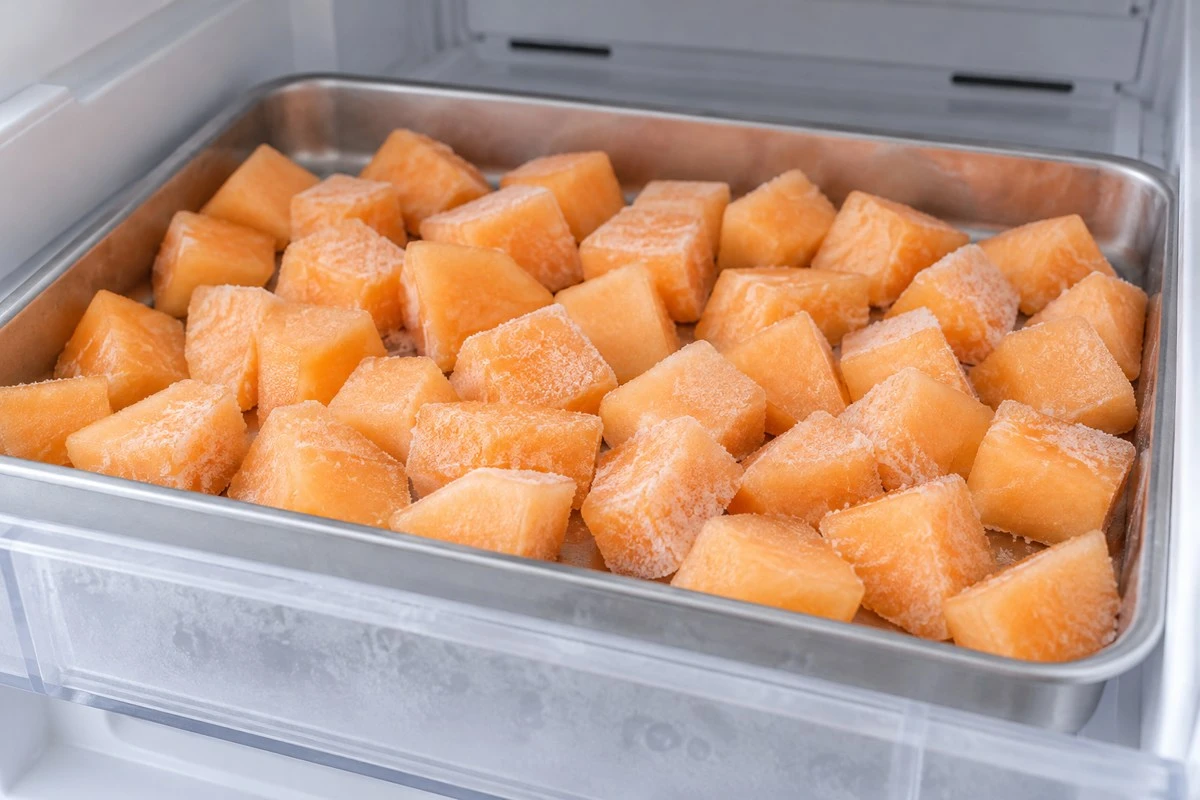
Separated melon pieces make portioning easier; their appearance cannot establish a freezing rate. Illustrative scene.
Storage adds another source of variation. Temperature fluctuations can change the ice structure and promote quality loss. An air-temperature trace, a product-temperature measurement and the appearance of frost answer different questions. Loose frost or a clump may prompt further examination, but it does not reveal the exact temperature history by itself. Keep receipt photographs with the carton code and available transport records before drawing a conclusion about where a problem occurred.
Packaging protects the material from the conditions around it. An open liner or damaged seal can expose surfaces to drying and odours, while physical pressure can damage pieces before the buyer begins a thaw trial. Compare packed samples in the format actually being ordered. A small laboratory pouch has different geometry and handling from a bulk carton; a successful test in one should not automatically qualify the other.
Agree storage conditions and shelf life for the actual SKU, pack and route. Minus 18°C is a common frozen-storage reference, but the specification must state the conditions that apply to the order and how deviations are handled. A generic storage duration taken from a domestic recipe cannot establish commercial performance for a shipment. When texture is critical, a planned study should include the relevant storage stage rather than testing only newly frozen fruit.
For an importer, the receiving record should also preserve where the temperature evidence came from. A logger in the load, a probe reading from sampled product and a reading of the surrounding air are related observations with different meanings. Note the instrument, location and time rather than combining them into one undocumented temperature claim. If several cartons show different conditions, keep their identities separate through the texture trial. Mixing them into one pooled sample can hide a local handling problem and make it harder to decide whether the whole shipment is affected.
Define a controlled thawing endpoint
The word thawed needs a definition before two samples can be compared fairly. A piece with an icy centre can feel firm because some water remains frozen. Another piece from the same lot may have fully softened by the time it is served. If the first is tested immediately and the second waits on the bench, their apparent quality difference may largely reflect their physical state. Use an endpoint suited to the application and record how it is recognised.
For a controlled quality comparison, define the container, sample mass, piece distribution, thawing environment and endpoint measurement. Keep the same arrangement for every candidate. A shallow sample and a tightly packed deep container will not warm in the same way. Record the method without turning the quality trial into a food-safety claim: the site's approved handling controls determine permissible exposure and whether the ingredient is appropriate for the intended finished food.
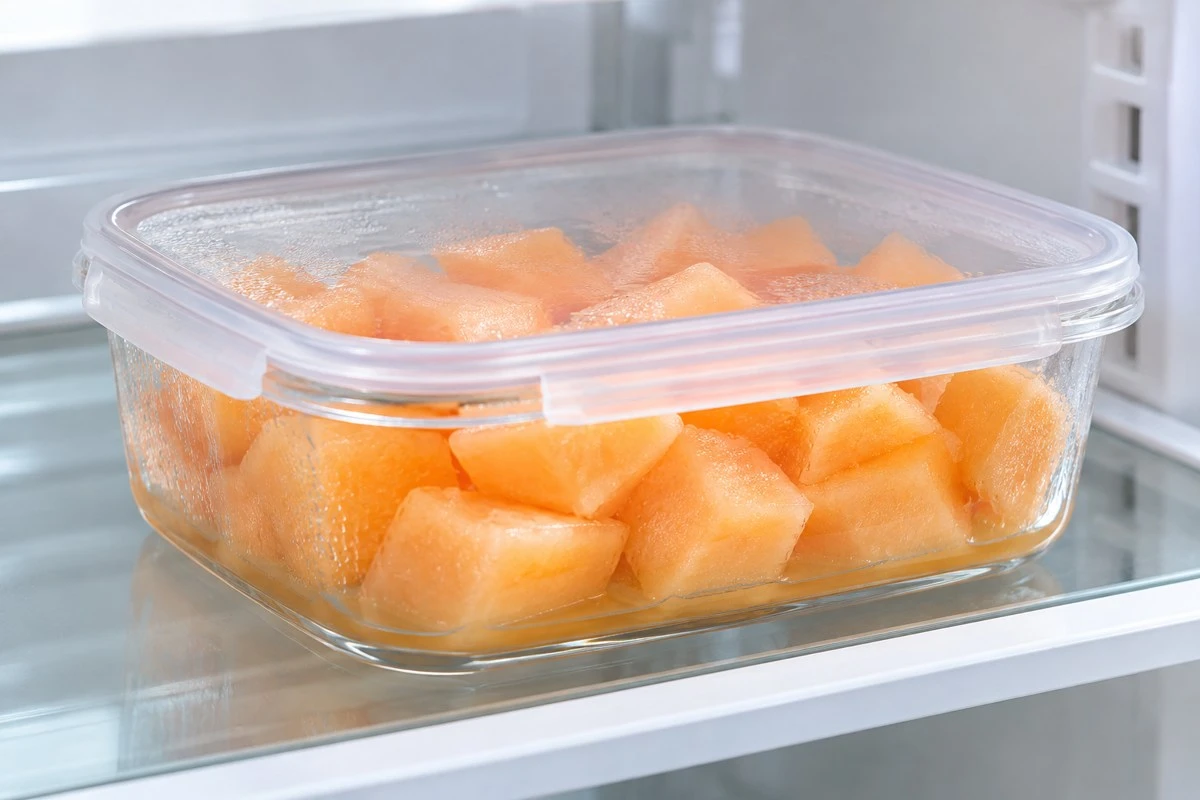
Covered shallow handling keeps the sample arrangement visible during a controlled thaw. Illustrative setup.
Covered refrigerated handling can offer a practical comparison route where it matches the product instructions and the site's procedure. It helps protect the sample from contamination and limits uncontrolled warming. It still requires a defined endpoint and time record. A refrigerator setting does not prove the temperature at the centre of every piece, especially when samples differ in size or packing depth. Measure the attribute that the receiving standard actually relies upon.
The Hami melon research cited earlier compared several rapid thawing treatments, including microwave conditions. It should not be read as a request to microwave an unspecified amount of fruit at a fixed wattage. Equipment, sample geometry, heating uniformity and the desired endpoint need separate assessment. Local hot spots can change the result, and a quality advantage reported for one laboratory treatment does not establish microbial lethality or commercial process validation.
Test the intended route as well as any reference route. If your line blends the fruit while frozen, a fully drained thawed-piece test may provide background information but cannot reproduce the product's main use. If a dessert line tempers and gently folds pieces, reproduce that sequence and mixing intensity. The approval record should say which trial governs acceptance and which measurements are supplementary, so later shipments are judged on the same basis.
Measure released liquid and usable pieces
Released liquid is useful to measure when it affects yield, appearance or formulation. Start with a representative weighed sample and a clean, tared collection arrangement. Specify whether the input mass includes loose ice and how it is treated. The method should then state the thawing endpoint, the draining surface, the drain time and whether the fruit is moved. Squeezing one sample while allowing another to drain freely creates a different test, even if both results are called drip loss.
A simple calculation illustrates the need for a denominator. Suppose a hypothetical 500g sample produces 60g of collected liquid under the agreed method. The collected-liquid fraction is 12% of that input mass. This example is arithmetic, not an acceptable Hami melon limit. Any liquid left on equipment, loss during transfer or excluded ice needs to be accounted for before the result is used to compare suppliers or calculate formulation changes.
The drained fruit mass does not by itself describe useful pieces. Some material may remain on the sieve as crushed fragments that will fail a visible-inclusion requirement. Define what counts as an acceptable piece after the trial: dimensions, retained shape, allowed fracture or another meaningful endpoint. For a puree line, those fragments may still be useful. For a fruit cup, they may reduce saleable yield even when the total drained mass looks favourable.
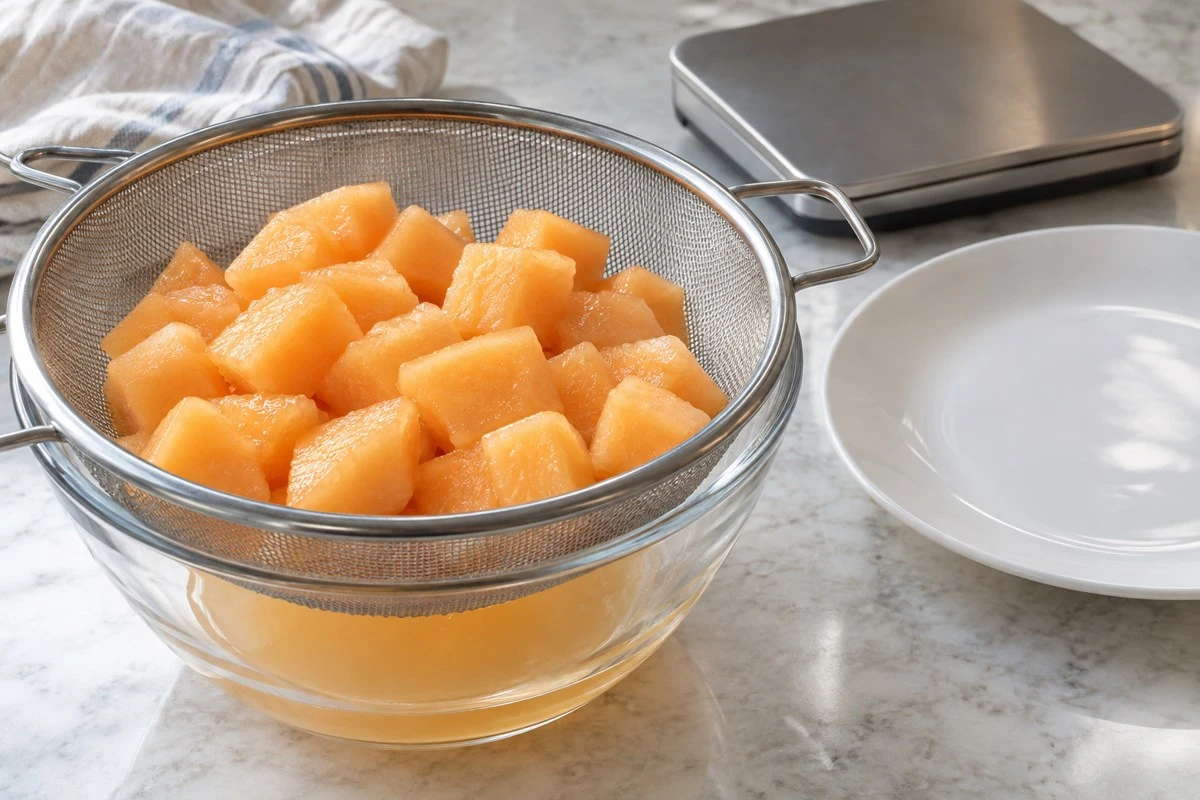
Collect released liquid using a defined draining method before comparing results. Illustrative trial.
Combine an objective record with a simple sensory reference. Photograph samples under the same lighting and at a similar scale. Record whether a piece withstands the actual spooning, mixing or filling operation, and describe the bite with agreed terms. If an instrumental texture test is used, identify sample dimensions, orientation, probe, speed and measurement endpoint. A force value without a method cannot serve as a portable comparison between laboratories.
Replicates and sample distribution matter more than extra decimal places. Draw material from more than one unit or location as appropriate to the lot and keep the sampling plan with the result. A single unusually firm wedge can be an attractive demonstration while telling little about carton variability. Report both typical performance and the spread of relevant observations. That makes it easier to distinguish normal variation from a material change requiring investigation.
The cost implication can then be calculated transparently. A hypothetical ingredient priced at 2.00 currency units per received kilogram with 80% accepted drained-piece yield costs 2.50 per accepted kilogram before labour, packing and other losses. Retaining the liquid in a puree changes that boundary. Compare quotations only after agreeing what output is being valued; otherwise a cheaper received kilogram can become a more expensive usable portion.
Where the buyer uses a visual defect limit, agree the inspection unit. A count of damaged pieces gives a different result from the mass of damaged material, especially when large wedges and tiny fragments occur together. The specification should identify the size threshold for a piece and explain how fragments are classified. Retain representative photographs with a scale reference and a written description, rather than relying on an adjective such as mushy. This makes acceptance less dependent on which inspector happens to receive the next consignment.
Choose applications that welcome the changed texture
Blended applications can use softened Hami melon effectively because they deliberately break down the tissue. A drink or puree developer can retain the thaw liquid and assess the complete ingredient at the intended dose. The important observations then include melon flavour, colour, mouthfeel and how the blend behaves after preparation. A requirement for fresh crispness would add little value to an ingredient that is about to be homogenised.
Frozen drinks offer another route because the fruit can contribute both flavour and cooling. The recipe still needs to account for the fruit's water and the amount of additional ice or liquid. A frozen cube that blends smoothly in a small trial may behave differently in a heavily loaded commercial jar. Use the intended equipment and follow its operating instructions. The finished drink's quality is established at its actual serving state, not solely by the appearance of frozen pieces.
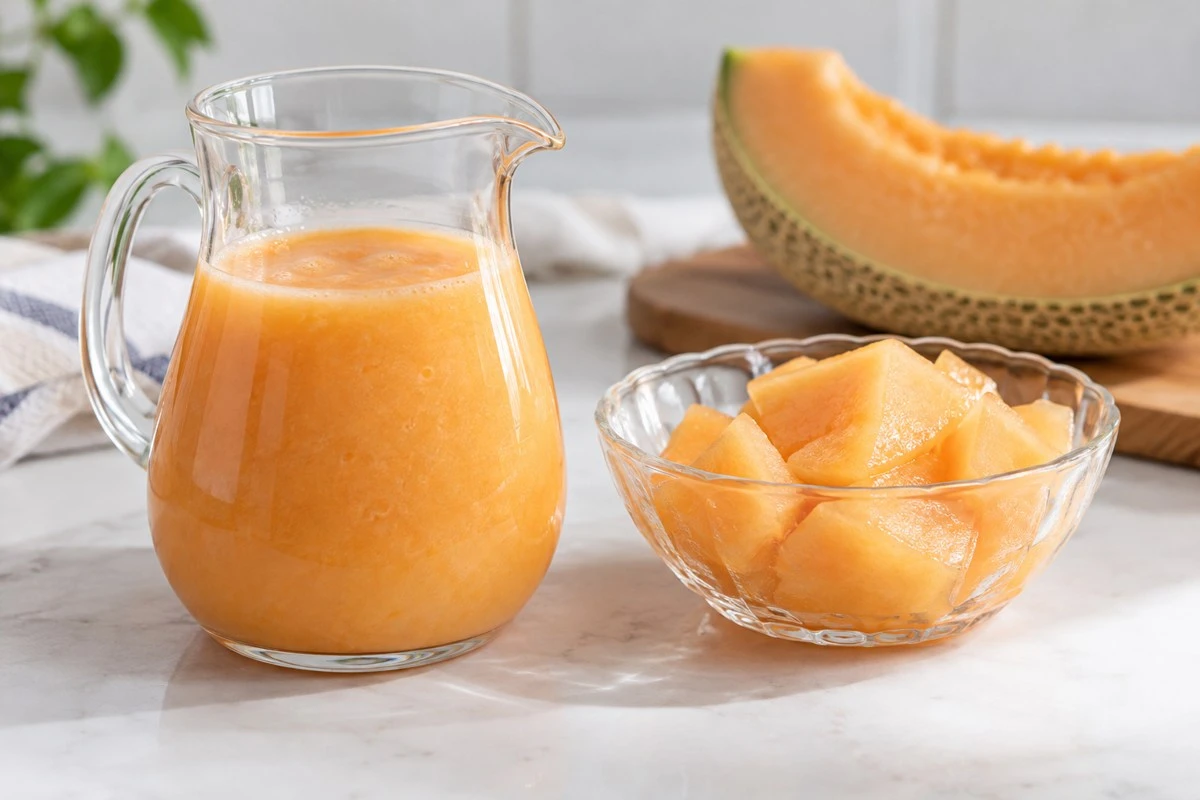
Puree and visible softened pieces need different texture acceptance criteria. Illustrative applications.
Visible chilled preparations demand closer attention to piece survival. A softened cube may be pleasant in a spoon dessert when the surrounding base supports it, yet collapse during vigorous mixing or pumping. Test the complete handling route, including transfer and filling. Measure the relevant result after those operations; checking the fruit before the most demanding step can miss the defect the consumer will actually see.
Fruit cups and fresh-style platters are more demanding when their selling point is a clean, crisp bite. An approval panel should taste the thawed sample at the planned service temperature and after its expected holding period. If the texture misses the product brief, changing the application or selecting another ingredient form may be more realistic than tightening a frozen appearance specification. The frozen photograph cannot reverse the physical consequences of freezing and thawing.
Cooked fruit preparations have their own requirements. Heat, sugar, acid and mixing can alter the final texture further, and an initially firm piece may still break down. A trial should evaluate the finished preparation rather than infer performance from the raw thawed fruit. Processing also brings separate safety and regulatory responsibilities that need an appropriate validated route. We help define the incoming fruit requirement; the finished-food manufacturer qualifies its own process and product.
The liquid surrounding the fruit can also change the eating experience. A drained piece placed in a thick base may remain in position, while the same piece in a thin liquid may move, abrade or release more visible material during handling. Compare the actual finished-food matrix when appearance is critical. A plain thawed sample remains useful for diagnosis, but it cannot reproduce every interaction in a dessert or fruit preparation. Record the point at which the fruit enters that matrix and the operations it experiences before sale.
Write texture acceptance around the actual use
A useful texture specification connects the product, sample and test. State the approved form, preparation, maturity reference, packing and frozen condition, then identify the handling method and the attributes assessed afterward. Keep rind and seed-cavity requirements distinct from softness and drip. This gives the supplier a clear preparation target and gives the receiving team a repeatable way to check the lot without relying on a vague request for premium quality.
Separate mandatory limits from informative observations. An intact-piece share may govern a dessert order, while drip and colour provide supporting information. A blending order may instead prioritise flavour, usable fruit recovery and absence of unwanted hard material. Agree how each result is used, who reviews a deviation and what evidence accompanies a complaint. A specification becomes more useful when it explains the decision that follows each measurement.

Frozen orange Hami melon dice in a blue-lined carton. Photograph shown on the GreenLand-food product page; preparation follows the approved SKU.
Keep the approved sample identifiable. Record its lot, pack, dispatch condition, receipt condition and trial date, together with the preparation notes. A sample that arrives partly thawed may still provide useful information, but it cannot silently replace the agreed frozen reference. If its condition prevents a fair trial, document that limitation and arrange a suitable comparison. Photographs and temperature records help interpret the result; neither substitutes for the other.
The commercial order should carry the same scope. Confirm quantity, packing, destination, shipment timing, private-label requirements and the documents needed for that market. Any analytical report needs a represented lot and an identified method. Do not infer a microbial criterion, residue result or shelf life from a texture trial. The wider frozen fruit range can help a buyer compare ingredient options, but the Hami melon order retains its own acceptance basis.
When a receiving result differs from the reference, retain enough evidence to repeat the comparison. Identify the sampled cartons, save the relevant handling record and describe the defect before mixing the material with another lot. Review whether the reference and disputed samples reached the same endpoint and experienced the same drainage or mixing. If they did, a retained sample can support further investigation under the agreed procedure. If they did not, the first task is to establish a fair comparison. This approach avoids treating an operational difference as a crop defect, while preserving a clear route for investigating a material problem. Any safety concern follows the site's separate hold and assessment process.
For repeat supply, preserve the trial method even when the product performs well. Changes in crop, cut, pack or preparation may justify a fresh application check. A clear record lets both teams discuss a specific difference, such as more fragments after filling or greater liquid release at the same endpoint. That is the practical value of realistic expectations: the ingredient is purchased for the result it can deliver in the finished food.
Source frozen Hami melon with GreenLand-food
GreenLand-food is a professional frozen Hami melon supplier and manufacturer in China, providing factory-direct wholesale supply for importers, food manufacturers, foodservice distributors, and private-label programs.
Send the product form, specification, packing, quantity, application, destination, private-label needs, and requested documents.