


Frozen Cabbage Shred Size and Core Defects for Food Manufacturers
Oct 19, 2026
Leave a message

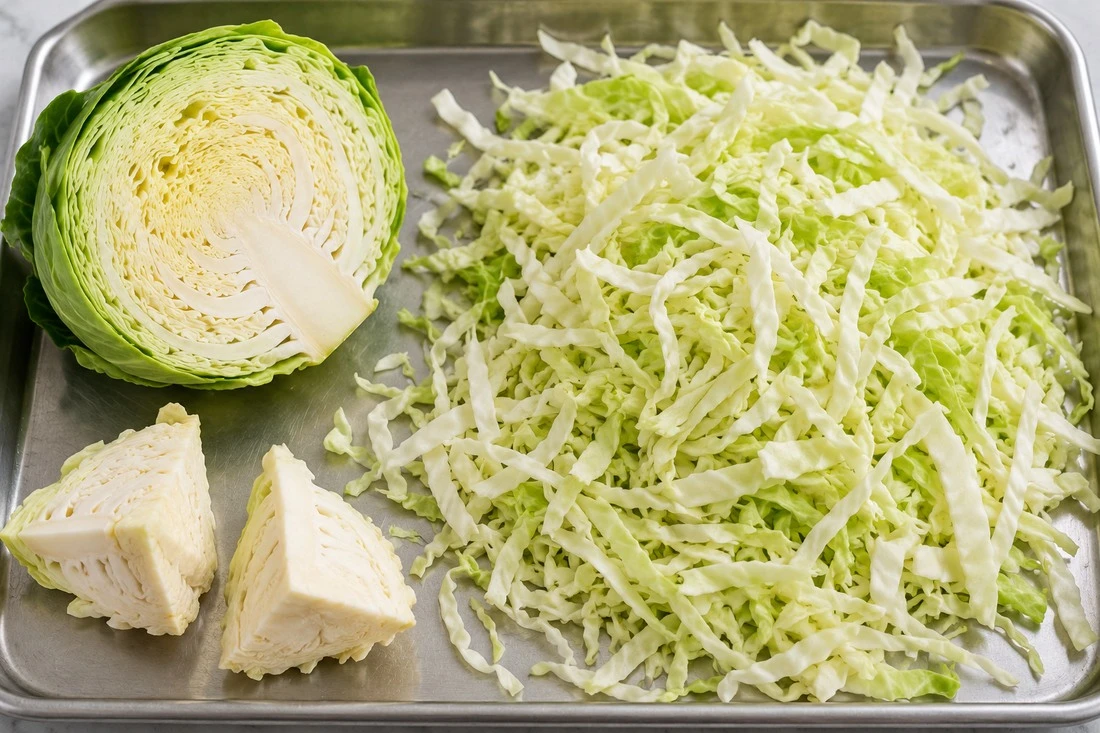
The acceptance method should also reflect the finished food. A long strip may be suitable for soup yet troublesome in a filling depositor; a thick rib may be acceptable while a dense core fragment produces an objectionable bite. We use the intended application to decide which differences deserve a contractual limit and which belong within normal cabbage variation. The result is a specification that receiving, production and the supplier can interpret in the same way.
Separate shreds, leaf cuts and hard core in the product description
Begin with standard round green or white heading cabbage and the actual supplied form. Napa cabbage and bok choy require separate identities. Within heading cabbage, long narrow shreds, shorter strips and irregular leaf cuts can all be sold under broad frozen-cabbage wording. The order should make those differences visible before a sample is approved. Otherwise a receiver can accept the correct vegetable while receiving the wrong geometry for the line.
Describe the prepared ingredient as it is delivered. Identify the intended green or white appearance, degree of trimming, relevant rib condition and declared treatment. If the shipment contains leaf cuts, do not turn their approximate side length into a claimed shred width. If a product is cut while frozen or supplied as a compact block, record that separately from a free-flowing IQF form. Feeding and measurement may require different handling.
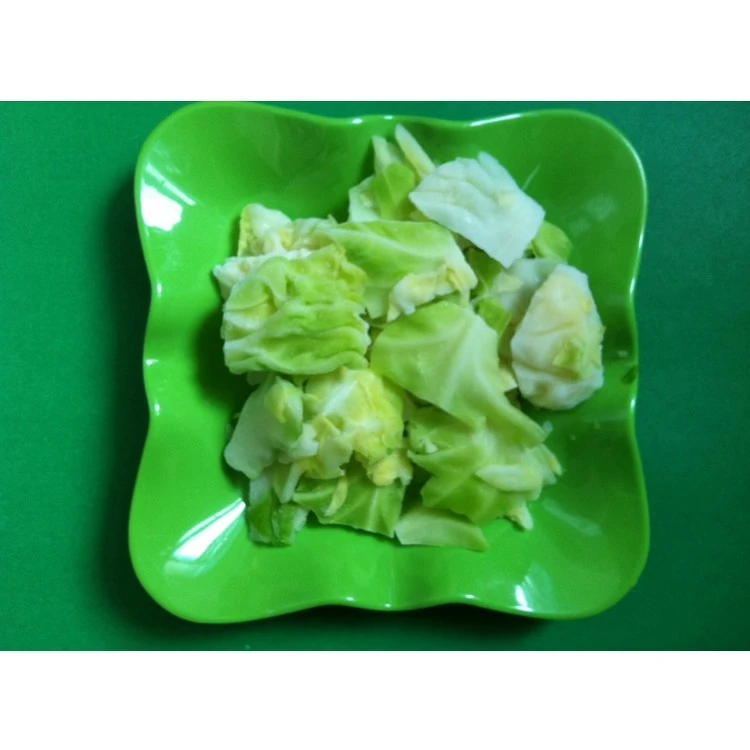
The genuine cut-leaf reference clarifies form; a specified shred program requires its own approval.
Our genuine frozen cabbage product photographs show cut-leaf references in a tray and a carton. They help identify the material under discussion. A fine-shred program still needs its own sample and confirmation. Using a broad leaf-cut photograph as proof of a precise shred distribution would give the receiver a poor reference, even if the cabbage species were correct.
Distinguish the dense central stem core from the leaf's own pale rib. Both can look white, especially under frost, but their structure and effect in food differ. A normal rib supports a leaf and may soften acceptably; a compact triangular or irregular stem fragment can remain hard relative to the leaf. Written definitions and representative reference pieces reduce the chance that one inspector counts every white section as core while another counts none.
Supplier terminology needs scrutiny. During current research, a public cabbage specification used a shredded filename and process description while the product title inside referred to diced cabbage. That inconsistency illustrates why a title alone should not govern receipt. Ask the supplier to reconcile the product name, illustration, cut description and method within the approved version. Keep the final agreed document linked to the quotation and sample.
Raw-material grading standards have their own scope. The USDA standards for cabbage for processing describe heads delivered to processors. Their grade and size provisions do not create a finished frozen-shred specification. Build the receiving agreement around the prepared product rather than transferring a head-grade tolerance into a bag of cut cabbage.
Measure width and length as separate distributions
A shred has at least two commercially relevant dimensions. Width affects the appearance and relative thickness of a strip; length affects visibility, strand behavior and feeding. A cutter may produce a nominal width while the natural leaf shape and subsequent breakage create a broad range of lengths. Calling everything 10 mm, without stating which dimension is meant, does not tell a filling manufacturer what will enter its equipment.
Choose a measurement state that the team can reproduce. A frozen curled strip can be difficult to flatten without breaking. A controlled thaw may make the geometry easier to inspect, while also changing the state from that seen during frozen feeding. State whether dimensions are taken frozen, partly tempered or after a defined refrigerated thaw. Keep handling within the product's instructions and food-safety controls. Do not compare results obtained in different states as if they were equivalent.
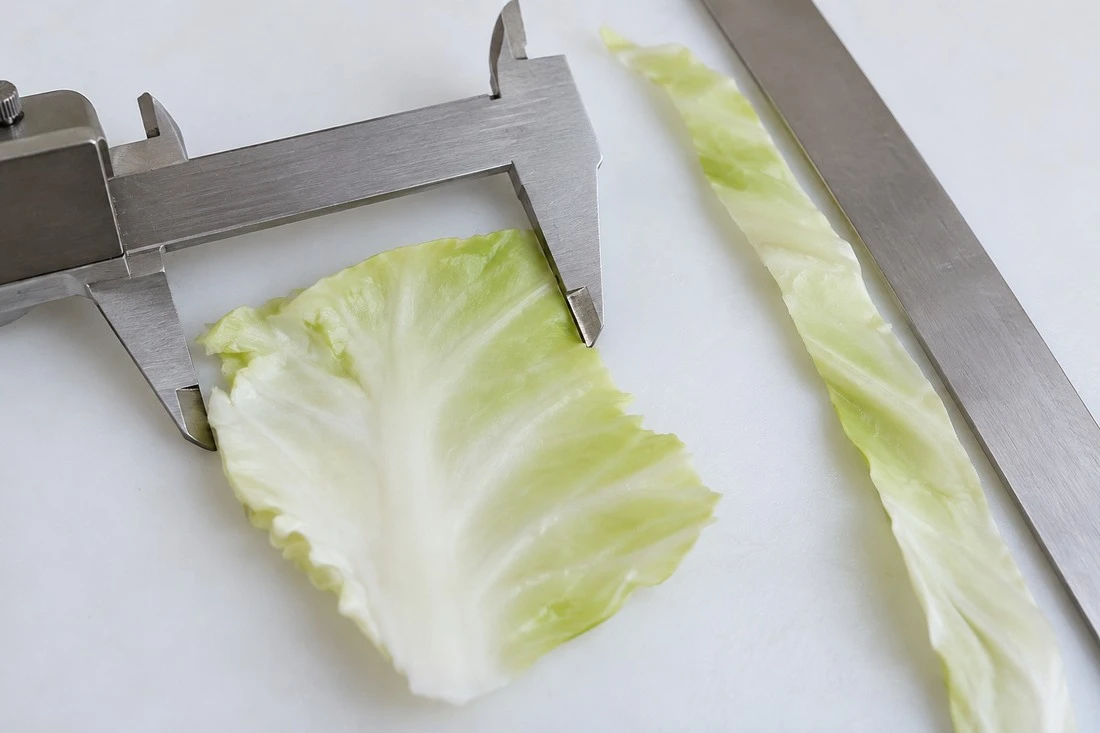
A width check on a leaf piece illustrates the method; it does not establish shred-size conformity.
Define where the width is read on an irregular strip and how length is interpreted. A practical method may use a clear ruler or agreed template on a suitable clean surface, with pieces placed gently rather than stretched. Curved pieces need a stated convention. Decide how a forked or torn shred is handled and whether a compact leaf clump is separated before measurement. These small rules matter when an inspector is deciding a borderline result.
Report a distribution instead of the average alone. Two samples can have the same mean length while one contains many very short fragments and a few exceptionally long strips. The second may feed poorly or look uneven in food. Agree the proportion that should fall within the accepted band and the allowance outside it, with a separate treatment for particularly troublesome long pieces if the line requires it. The numbers should come from the approved application.
Count and mass answer different questions. Counting gives every piece equal influence, which can make tiny fragments dominate a result. A mass-based assessment gives heavier pieces more influence and may better describe the ingredient share. Either approach can be useful if its purpose and rules are clear. Do not label a count percentage simply percent when the contract is expecting a weight percentage.
Separate supplier process settings from finished-product acceptance. Blade spacing can support process control, but receiving staff inspect the product after cutting, blanching, freezing, packing and transport. Measure the state they will actually receive and the state relevant to the application. If normal handling changes the distribution, include that finding in the trial rather than expecting the equipment setting to explain every finished piece.
Define thick ribs and core fragments with reference pieces
Core assessment begins with a physical reference. Retain photographs of representative dense stem pieces and acceptable leaf ribs from the identified product. Show their surfaces and cross-sections where necessary, with a scale reference that is genuine and readable. Photographs should support the written definition. They should not become the sole basis when lighting, frost or a different cutting angle makes the same tissue look different.
A thick rib can be acceptable in one recipe and objectionable in another. Soup may tolerate a broader rib if it cooks within the required process and remains pleasant to eat. A fine filling may require tighter control because a firm pale piece stands out against the mixture. Decide whether the contract limits core alone, ribs above a defined thickness, or both. Combining the categories without explanation makes correction and pricing harder.
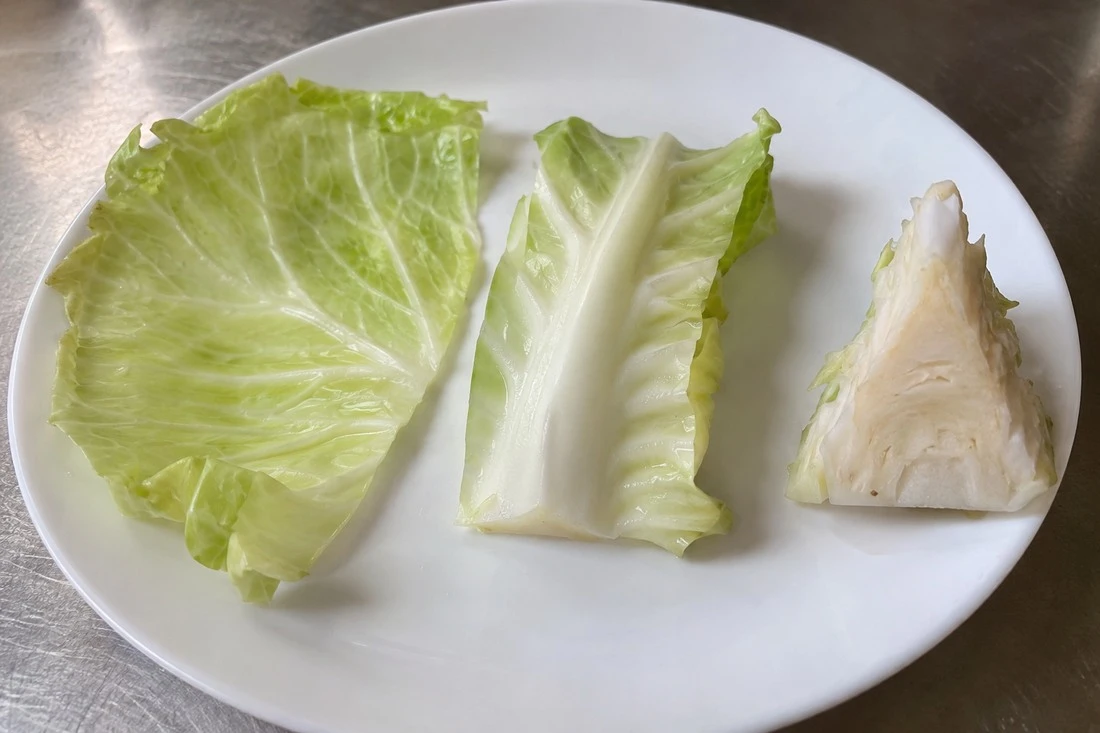
Thin leaf, leaf rib and compact central core are different tissues.
Where weight is the relevant basis, separate the defined defect material from a known sample and weigh it using suitable equipment. State whether attached leaf is trimmed away or the whole offending piece is counted. If attached material is retained for the assessment, apply that rule consistently. Otherwise one inspector may report several times the defect mass of another from essentially the same core fragment.
Keep discoloration and non-cabbage material distinct. A brown leaf piece can affect appearance, while foreign material may require a different response under the site's controls. Harmless extraneous vegetable matter also needs its own definition if used. Avoid borrowing an abbreviation from a supplier sheet without reading what it includes and excludes. A specification should make the relevant categories understandable to the team that will sort the sample.
The following comparison shows different observations that can require different methods. It is a framework for agreeing a specification, not a set of numerical acceptance limits.
Confirm the categories during sample approval. If the buyer and supplier disagree about a particular piece, resolve it while the reference can still be examined together. An unresolved definition often becomes a larger problem at receipt, when the shipment's commercial value depends on the result and neither team can reproduce the other's classification.
Swipe or scroll to compare all columns.
| Material or defect | What the inspector identifies | Useful reporting basis | Application question |
|---|---|---|---|
| Long shreds | Strips exceeding the agreed length rule | Defined piece count or mass distribution | Do strands bridge equipment or seams? |
| Thick leaf ribs | Rib tissue above the agreed physical reference | Agreed count, mass or dimensional check | Does the rib cook within the quality window? |
| Hard core fragments | Dense central-stem material under the agreed definition | Separated defect mass or a specific count rule | Does an objectionable hard bite remain? |
| Small broken leaf pieces | Leaf fragments below the agreed useful size | Defined mass or count distribution | Is cabbage still visible in the food? |
Sample across the lot without hiding variation
A handful taken from the top of one open carton may be useful for orientation, but it cannot describe the whole shipment. Define the lot and the sampling plan before inspection. Identify which production and packing references are represented and how the selected units cover the lot. The appropriate number and size of sample units depend on the purpose and agreed plan; a generic internet sample count should not be treated as automatically sufficient.
Preserve the identity of individual units until the assessment method says to combine them. Mixing all units immediately can conceal one poor pack among several good ones. Separate unit records can show whether a defect is widespread or concentrated. A composite may be appropriate for a stated analysis, but its use and limitations should be explicit. Do not quietly switch between individual-unit and composite results during a dispute.
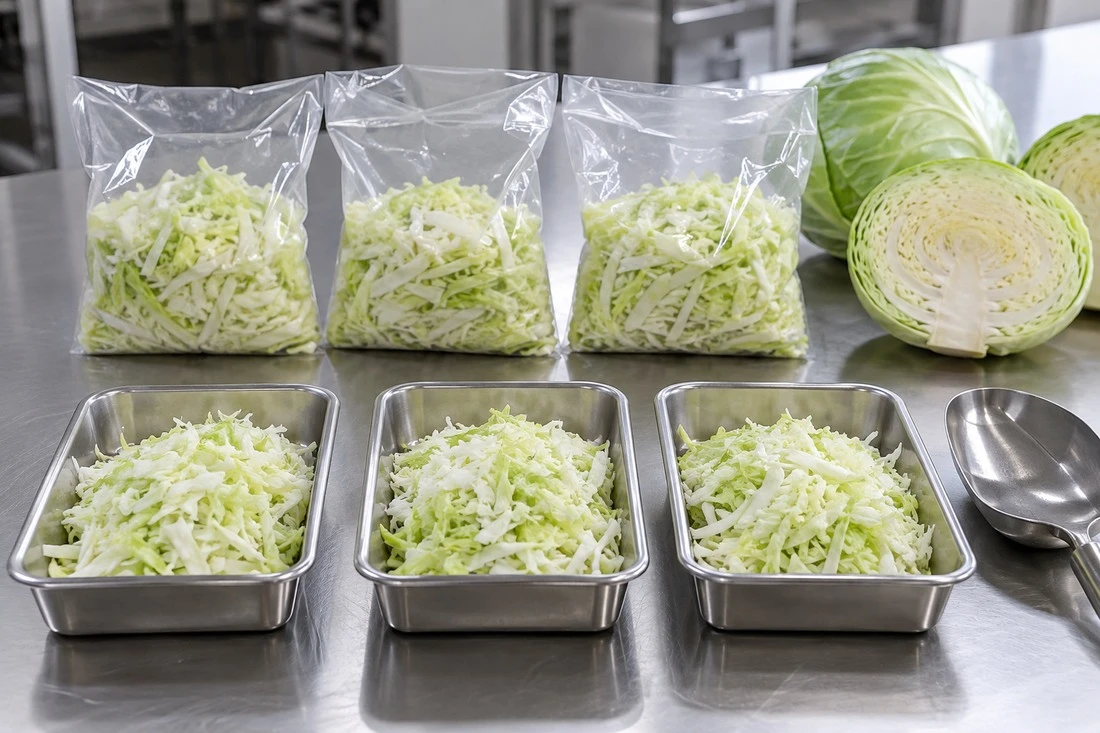
Keep individual sample portions identifiable before deciding whether to combine them.
Handle the frozen ingredient consistently. Protect the remaining material while a portion is being examined, avoid unnecessary thawing and retain the original lot information. If the method calls for thawing, specify the portion, protected refrigerated conditions and endpoint. Different thawing and separation practices can create or conceal broken pieces, change retained liquid and make a sample harder to compare with the supplier's inspection.
Select test pieces without favoring attractive material. For dimensional work, agree how pieces are drawn from the prepared sample and how many are examined. For defect mass, sort the whole defined portion rather than stopping after the first few defects. Clean trays and appropriate tools make it easier to keep categories separate. Record any material lost during preparation instead of silently removing it from the denominator.
Photograph the incoming pack, the spread sample and representative findings. Include a genuine scale reference when size matters, keeping the camera angle suitable for comparison. A photograph is strongest when connected to the lot, sample unit and written method. An isolated close-up of a large core piece may show that the piece exists without establishing its frequency in the shipment.
The final record should distinguish an inspection result from a claim about the entire lot. State what was sampled, what was measured and how the agreed acceptance rule uses those findings. If results suggest uneven distribution, follow the escalation or additional sampling procedure agreed by the teams. Avoid improvising a more favorable sample simply because the first result is inconvenient.
Choose a denominator for each defect result
A percentage is meaningful only when its numerator and denominator are named. For a mass-based core result, one possible method divides the separated core mass by the assessed sample mass and multiplies by 100. State whether that assessed mass is frozen product as received, drained material after a specified thaw, or another defined basis. Different bases can produce different values without any difference in the amount of core originally present.
Consider a purely illustrative calculation: a 500 g assessed portion contains 15 g of material classified as core under the agreed rule. The result is 3% by mass on that basis. Those quantities are teaching examples, not GreenLand measurements or proposed universal limits. If the team instead uses the drained weight as the denominator, it must report that explicitly and use the same method for reference and delivery samples.
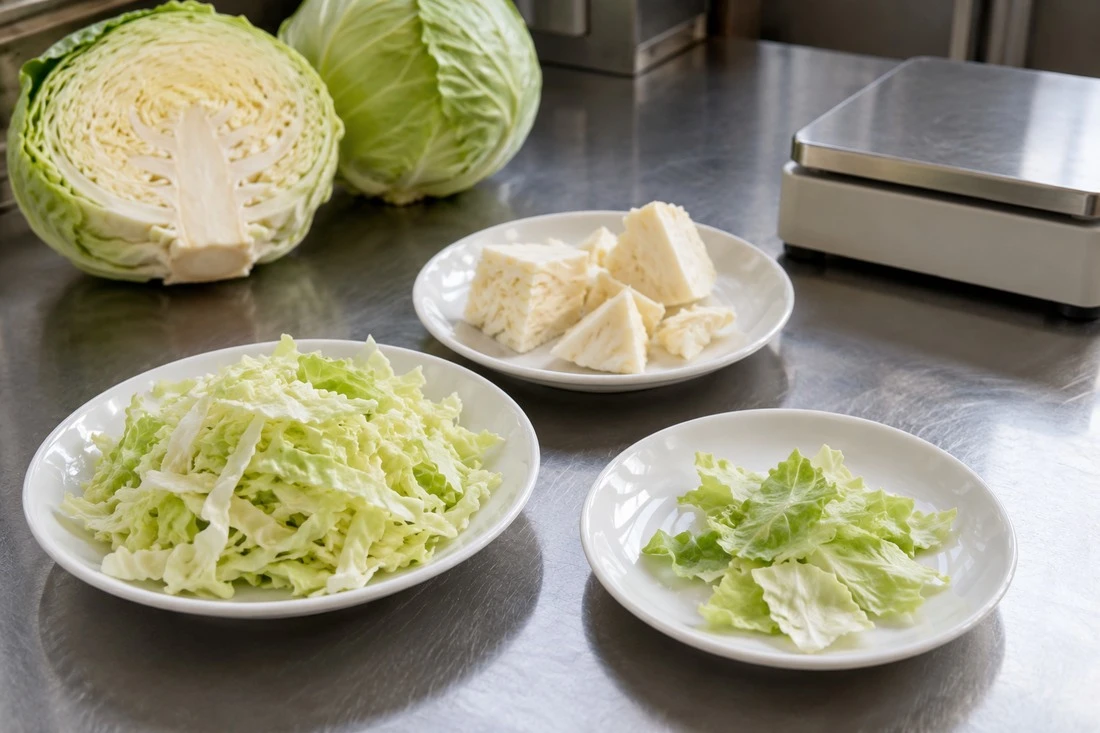
Separate regular shreds, dense stem material and small fragments for the agreed assessment.
Dimensional results require similar care. If 12 of 100 examined pieces exceed the accepted length definition, that is 12% by count in the examined set. It is not 12% of the product's weight. A small number of heavy core pieces may contribute substantially to mass while contributing little to a piece count. Choose the basis around the defect's effect and the method's repeatability rather than whichever figure looks smaller.
Decide how overlapping findings are recorded. A long strip can also be discolored or carry attached core. The contract may allow the same material to appear in separate descriptive categories while using a defined rule for total defective mass. Without such a rule, adding individual percentages can double-count material and overstate the combined reject share. Keep category findings available even when the overall acceptance calculation avoids double counting.
Weighing equipment and rounding can matter near a limit. Use an appropriate balance, a consistent tare procedure and a stated reporting precision. Record the original measurements before rounding. A display photograph can support the record but does not replace equipment suitability or the method. If supplier and buyer use materially different resolution or rounding rules, reconcile them before the first commercial receipt.
Public supplier sheets can illustrate why these details matter, but their tolerances belong to those products and contracts. They do not become GreenLand defaults or legal allowances. We agree the method and limits with the buyer after examining the selected product and application. A repeatable denominator turns the sample observation into a useful purchasing criterion.
Connect frozen inspection with the cooked application
Frozen inspection reveals the supplied cut and visible defects; the application reveals their commercial effect. A core allowance that appears modest by mass can still create an unacceptable number of hard bites in a small portion. A shred distribution that looks irregular on a tray may cook acceptably in a thick soup. Use both views when deciding what to tighten and what variation the finished food can tolerate.
Take a representative portion through the customer's normal preparation. Keep the recipe, equipment, load and endpoint consistent when comparing samples. If the process thaws, drains, cooks or mixes the cabbage, record those stages. Then inspect the finished food after its normal holding or reheating route. A cabbage piece that is unobjectionable immediately after cooking may become conspicuous when the surrounding filling softens further.
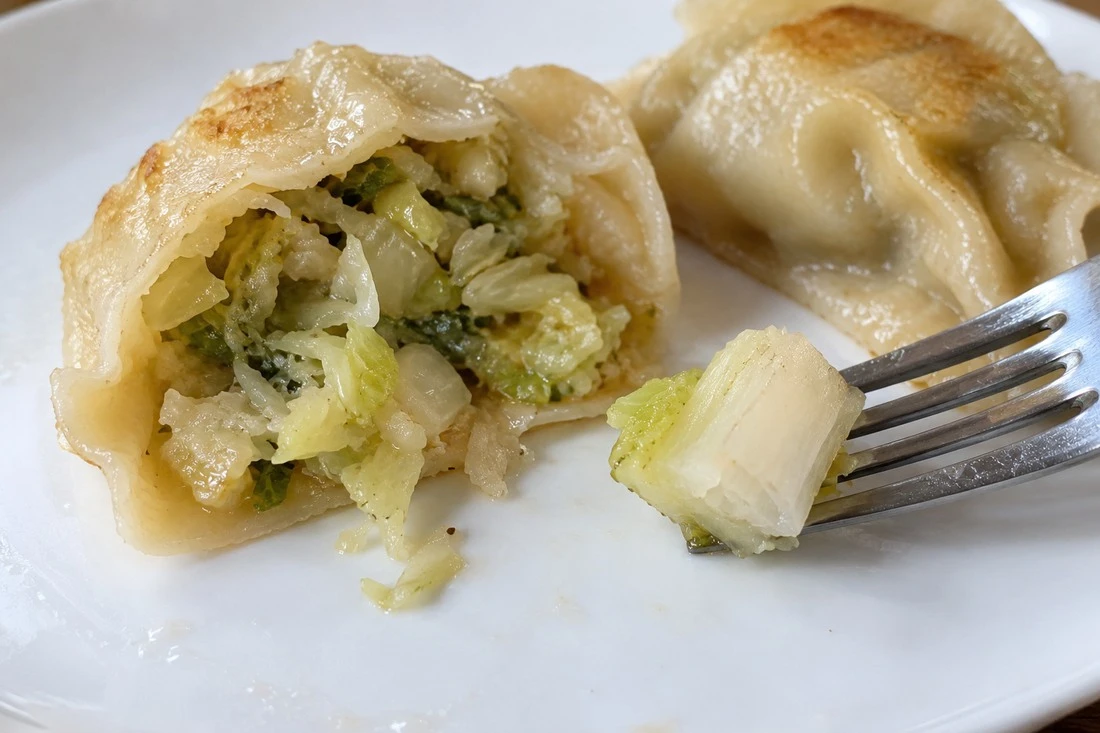
Examine dense pieces in the cooked application as well as in the frozen sample.
For a filling line, observe feeding and forming as well as eating texture. Long strips may affect a depositor before they affect the diner. A coarse rib can interrupt wrapper sealing or portion uniformity. Record where the problem occurs and preserve representative rejected units where appropriate. This helps decide whether the ingredient geometry, machine setting or recipe needs review instead of assigning every issue to the supplier.
For soup or a vegetable side, assess visible cabbage share, rib texture, loose fragments and portion distribution. Examine multiple portions rather than one carefully arranged bowl. If small fragments disappear into the liquid, a frozen appearance standard alone may approve a product with poor serving visibility. A cooked reference photograph can complement the frozen sample when the preparation method is defined.
Yield belongs alongside defect results. Separate core removal, other rejects, drain liquid and cooking loss where the process allows. A tighter core specification may improve accepted output but also affect the supplier's preparation cost. A finer cut may improve feeding while reducing visible texture. Discuss those tradeoffs from the measured application rather than assume the tightest number always produces the best commercial ingredient.
Our guide to vegetables for baking and ready meals provides the broader application context. The cabbage order should retain its own specific reference, including the defined size and core methods. That gives the buyer an incoming control that has a demonstrated relationship to the food being manufactured.
Write acceptance, evidence and dispute rules before ordering
The final specification should identify the product, form, treatment, dimensional method, defect definitions, sample plan and acceptance decision. Include the version and approval date. State which images or retained samples support the written description and how long those references remain valid. When crop or process variation requires a change, review the revised sample and document before it becomes the routine supply basis.
Assign the relevant controls to the appropriate stage. The supplier may inspect preparation and packed product; the buyer may inspect receipt and finished application. A laboratory may provide analytical results under a separate agreed method. Keep those responsibilities clear. A certificate listing a general product name cannot resolve a dimensional dispute if the sample state and measurement method were never defined.
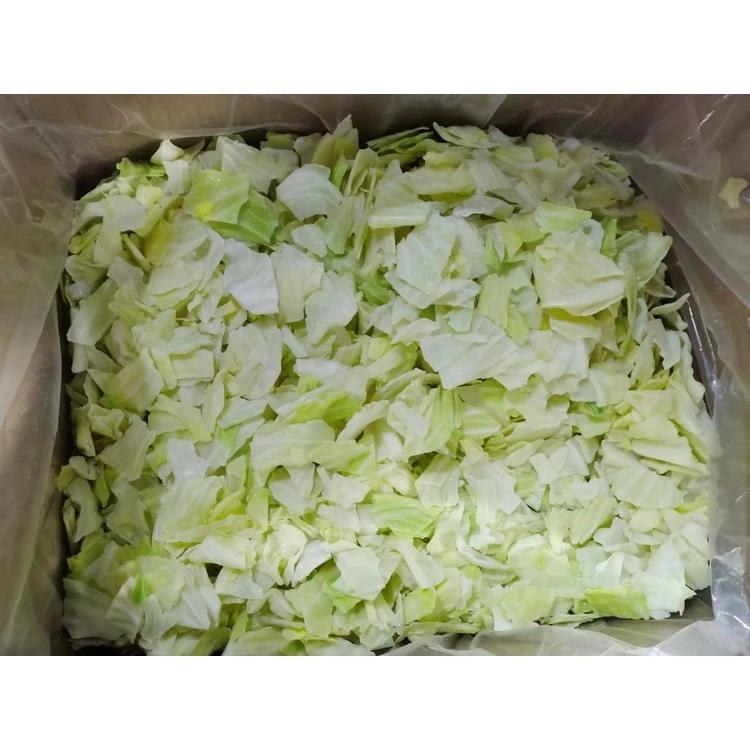
Packed cut leaves provide a form reference; the actual order defines cut, treatment and acceptance.
Agree notification and evidence requirements for a discrepancy. Preserve case marks, sample identity, temperatures where relevant, original measurements and representative photographs. State the process for reviewing a disputed classification or repeating an assessment. The receiving team should know whom to contact and what material to retain before the lot is consumed or mixed into production.
Packaging and cold-chain conditions also belong in the order. Compression, difficult separation and thawing can affect the physical state presented for inspection. Confirm inner packs, net weight, carton configuration, frozen storage instructions and lot coding. Examine handling evidence alongside cut results when the condition appears unusual. A damaged pack and a confirmed cutting defect may require different corrective actions.
We confirm numerical tolerances, available form, packing, quantity, destination and requested reports with the actual order. The approved frozen sample and application result support the specification without replacing it. This gives purchasing a practical basis for comparing quotations and gives quality staff a method they can apply when the shipment arrives.
The most useful agreement is one that two competent inspectors can repeat and that predicts a meaningful production outcome. When a result falls outside it, the teams can locate the difference in the product, sample or method and make a reasoned decision. That is the value of defining shred size and core defects before committing to a repeat supply program.
Source frozen cabbage with GreenLand-food
GreenLand-food is a professional frozen cabbage supplier and manufacturer in China, providing factory-direct wholesale supply for importers, food manufacturers, foodservice distributors and private-label programs.
Send your product form, specification, packing, quantity, application, destination, private-label needs and requested documents. We help your purchasing team confirm the sample, order details and supply plan for the intended use.