


Frozen Daylily Buds in Cooked Dishes: Intact-Bud and Color Trials
Oct 19, 2026
Leave a message

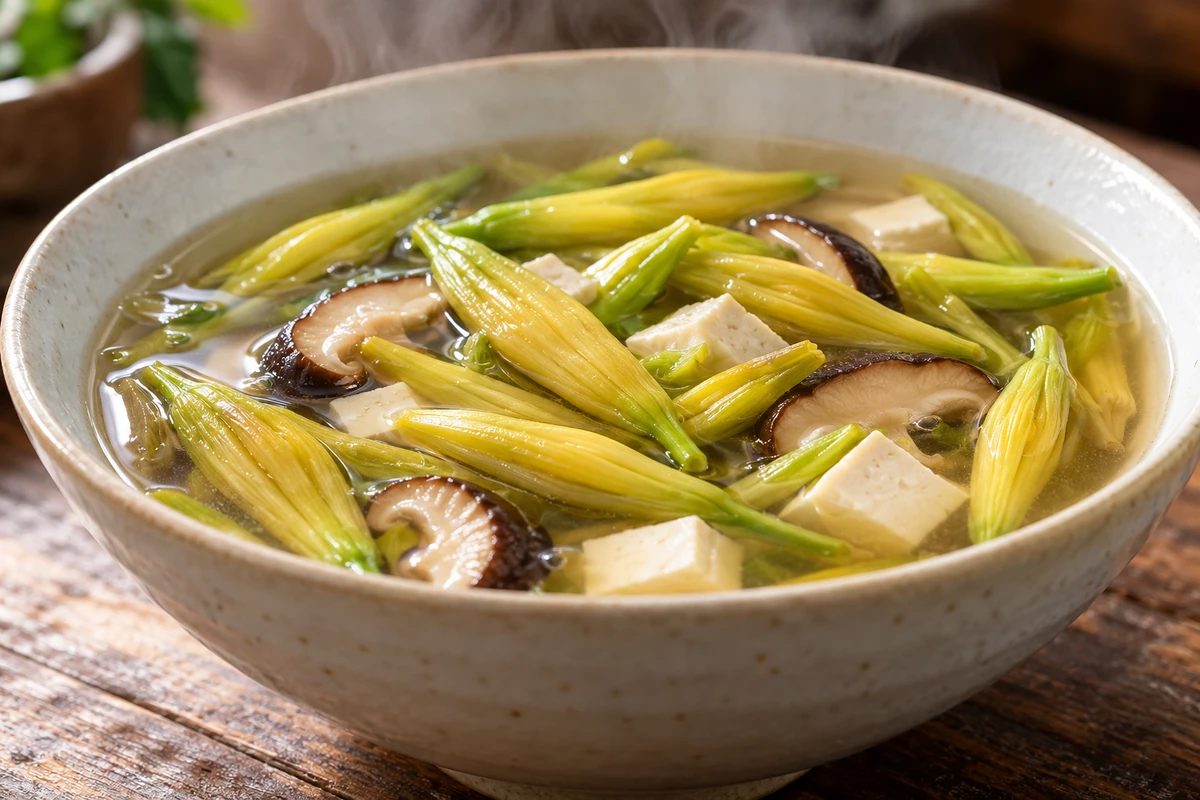
Begin with documented edible species and unopened flower-bud identity, the declared preparation state and the supplier's cooking instructions. Freezing does not establish ready-to-eat status. Once that technical basis is accepted, a controlled kitchen trial can reveal whether the selected bud form fits a clear soup, a regional braise or a prepared meal that will be reheated.
The methods here are proposed development and acceptance procedures. They are not reports of trials already performed on GreenLand-food lots. Each buyer should set the relevant sample size, cooking conditions and acceptance limits with its technical team. That leaves room for different cuisines and equipment while giving the supplier a clear description of the finished result being purchased.
Start with an identified ingredient and a documented cooking route
Keep the first trial tied to a complete ingredient record. Identify the product code, edible botanical identity, unopened-bud part, lot, preparation status and storage instruction. Match the sample bag with the supplier's specification and use direction. If any of these conflict, resolve the discrepancy before tasting or comparing texture. An attractive cooked dish cannot validate the identity of an uncertain raw material.
Hemerocallis citrina is a food-crop species discussed in research, but a general species article does not authenticate a shipment. Other plants and plant parts can also be described with the word lily. Use the supplier's verified food identity rather than replacing an unavailable ingredient with ornamental flowers, bulbs or an unidentified market sample. The dish-development trial should begin with approved food material.
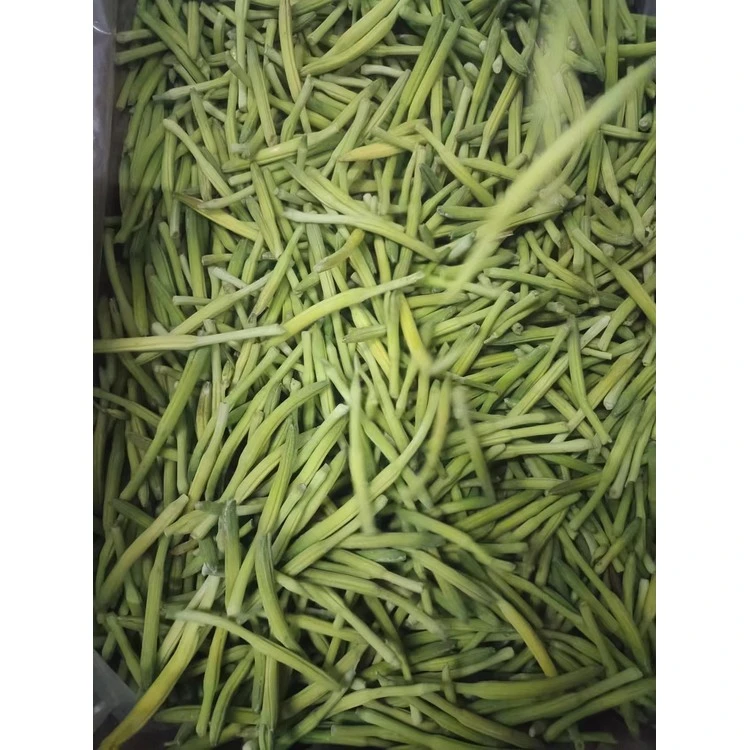
Use the actual supplied bud form as the starting reference for the cooked-dish trial.
The Hong Kong Centre for Food Safety advises thorough cooking of fresh Jin Zhen. For a purchased frozen SKU, establish the corresponding instruction from the supplier and responsible technical reviewer. Neither a frozen surface nor a statement that the buds were blanched provides a complete final cooking instruction. Color and softness are quality observations, not evidence that every required safety condition was achieved.
Clarify how the ingredient enters the equipment. Some products may be intended for direct cooking from frozen; others may have a specified preliminary step. Record that starting state and follow the agreed route. Do not add an informal counter-thaw stage to make a sample easier to handle. If a change is needed for the buyer's line, review it as part of the process rather than allowing each cook to improvise.
The commercial sample should represent the form being quoted. Whole loose buds, a compact frozen pack and a mixture with fragments can behave differently during loading and separation. Confirm the actual packing and freezing format instead of assuming that every frozen bud is freely flowing. If the production order differs from the evaluation sample, decide whether another trial is required.
For the first plain cook, keep seasonings restrained enough to observe the ingredient. Strong sauce can obscure natural color, mask characteristic flavor or make loose fragments difficult to recover. A plain prepared reference makes later changes easier to interpret. The final recipe still needs its own evaluation, because an ingredient that performs well alone may behave differently after mixing, holding and portioning.
GreenLand-food's frozen daylily buds supply page provides a starting point for discussing bud form and order controls. Bring the actual dish and process to that discussion so the sample approval can address the intended use.
Define an intact bud before the pan trial
Define intact before counting it. A useful whole-bud definition may require a recognizable tapered tip, joined sides and an acceptable base after the stated preparation. A long piece with one side split open might fail that definition even though its length is adequate. Conversely, minor surface opening could be acceptable in a soup where the bud remains recognizable. The buyer should decide this from the finished presentation.
Use photographs of acceptable and unacceptable conditions to support the written definition. Show a whole bud, a split bud, a broken tip and loose petal material at a consistent scale. Keep normal variation within the accepted reference rather than choosing an unusually perfect example. The purpose is to help different inspectors make similar decisions when the sample is less tidy than the sales photograph.
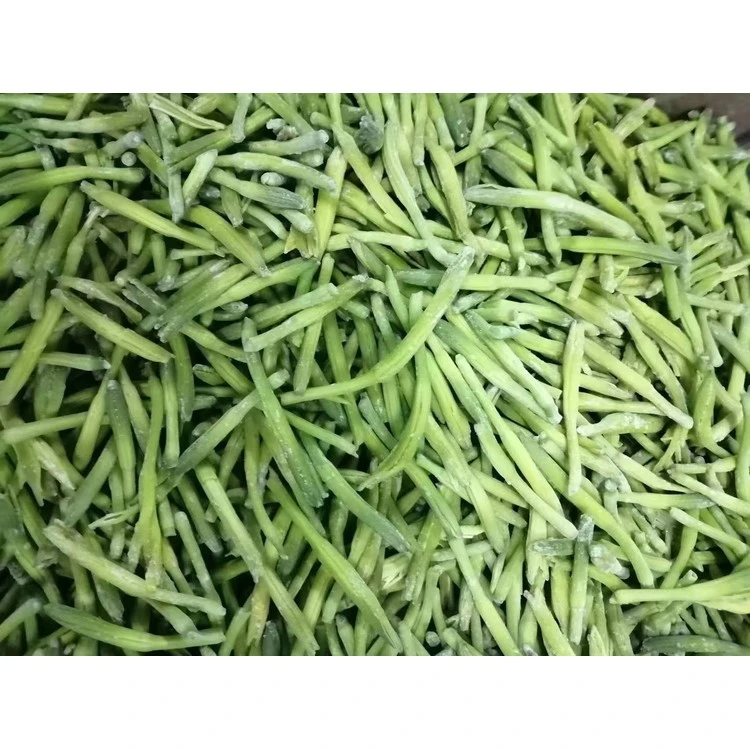
A whole-bud definition should cover tip, sides and base as well as overall length.
Choose a count or weight basis that suits the question. If intact buds are counted in a sample, the denominator must be the defined inspected units. If fragments are weighed, state how the fragments are collected and whether surface liquid is drained first. Count-based intactness and weight-based fragment content describe different things and should not be combined into one unexplained percentage.
Record the frozen baseline before the cook. Spread the selected sample carefully enough to see the pieces without breaking them in the inspection itself. Note any clumps, broken tips and loose material already present. Use the same approach for each lot. This makes the cooked result more informative because it shows whether damage increased during preparation or was already part of the supplied form.
A single final intactness figure can hide the stage that caused loss. Where the application is sensitive, inspect after the required cook, after drainage or transfer, and after final portioning. Use equivalent subsamples or a documented method that avoids repeatedly handling the same fragile pieces. If most damage appears during transfer, changing the raw-material specification alone may not solve the problem.
Sampling should also represent the pack. A small grab from the top of an opened bag can miss fragments that have settled or a clump deeper in the pack. Agree how the sample is drawn and mixed, and retain the bag or carton identity in the record. For larger programs, the buyer's quality team should define the sampling plan across cases and lots.
Set an acceptance limit only after the trial has shown what the dish needs and what the inspection can reliably distinguish. This article supplies no universal whole-bud percentage. A clear broth served in a small bowl may make broken material prominent, while a mixed braise can tolerate a different distribution. The standard should reflect the actual product promise and be achievable under the approved process.
Control loading and handling during cooking
Loading can change the result before the first stir. Record the frozen ingredient weight, vessel size, liquid amount and starting condition used in the trial. A small sample dropped into a large pot does not recreate a heavily loaded production kettle. If the full batch recovers heat more slowly or contains persistent clumps, the process needs evaluation at that scale before the small-pan result is adopted.
Follow the established cooking route throughout the trial. Quality optimization takes place within those required conditions. When a larger load changes heat transfer, the technical team should confirm the process response; the cook should not shorten or extend treatment based only on whether the buds still look yellow-green. A visually attractive sample can be underprocessed, while a safe process may still need a more suitable ingredient form to meet texture targets.
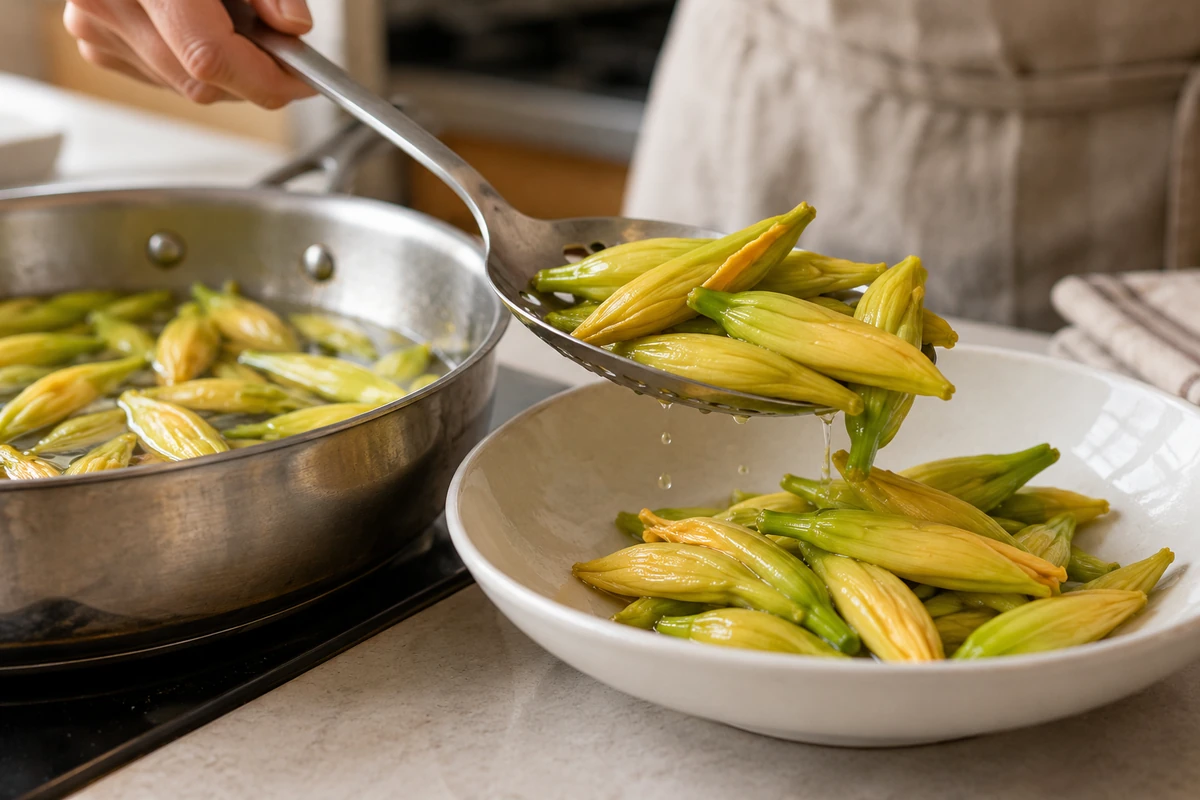
Support tender buds during transfer and record any increase in loose fragments.
Once the buds are moving freely, limit unnecessary mechanical stress. Compare gentle folding with the agitation used on the intended line. A broad utensil can support the buds during transfer, whereas narrow tongs or vigorous stirring may concentrate force on tender sections. These are practical hypotheses to test with the actual product. Record the utensil and handling method rather than assuming that all kitchen movement is equivalent.
Drainage is another handling stage worth observing. A deep colander can compress the lower layer under the weight of the upper buds. A forceful pour can also separate petals or break tips. Where the process allows it, trial a shallower receiving layer or controlled lift and compare both integrity and drainage. A gentler method is useful only if it still fits the required food handling and production needs.
Avoid squeezing a whole-bud ingredient simply to improve its apparent yield or dryness. Strong pressure may reduce free liquid while changing the structure that the customer expects. Record the amount of liquid removed and the amount of damage together. If a drier component is needed, evaluate a suitable drainage method and product specification before compensating with repeated manual pressure.
When comparing two lots, hold the cooking and handling conditions constant. When comparing two methods, use material from the same defined sample where practical. Changing lot, batch weight, stirring and sauce at once can produce a better plate without explaining why. A manageable trial lets the purchasing team distinguish a raw-material improvement from a process change.
Write down exceptions during the cook. A delayed transfer, an unexpectedly large clump or a second operator taking over can explain variation later. Keep those observations with the result instead of discarding them because they make the trial less tidy. Commercial approval depends on understanding normal operating variation, especially when the dish will be prepared by more than one kitchen or shift.
Compare color under the same viewing conditions
Color comparisons need a defined viewing condition. Put the prepared samples in the same type of neutral dish, use the same light and inspect them at the same stage. A wet bud in broth can look different from a drained bud, and a warm kitchen lamp can make a yellow-green sample appear more golden. Control those influences before deciding that one lot has better color.
Keep the frozen and cooked references separate. Surface frost can lighten the uncooked sample, while heating and the recipe can change its appearance. The buyer may need an acceptable range for receipt and another for service. A supplier's frozen product photograph should not become a promise that the finished bud will look identical after the required cooking, sauce and holding route.
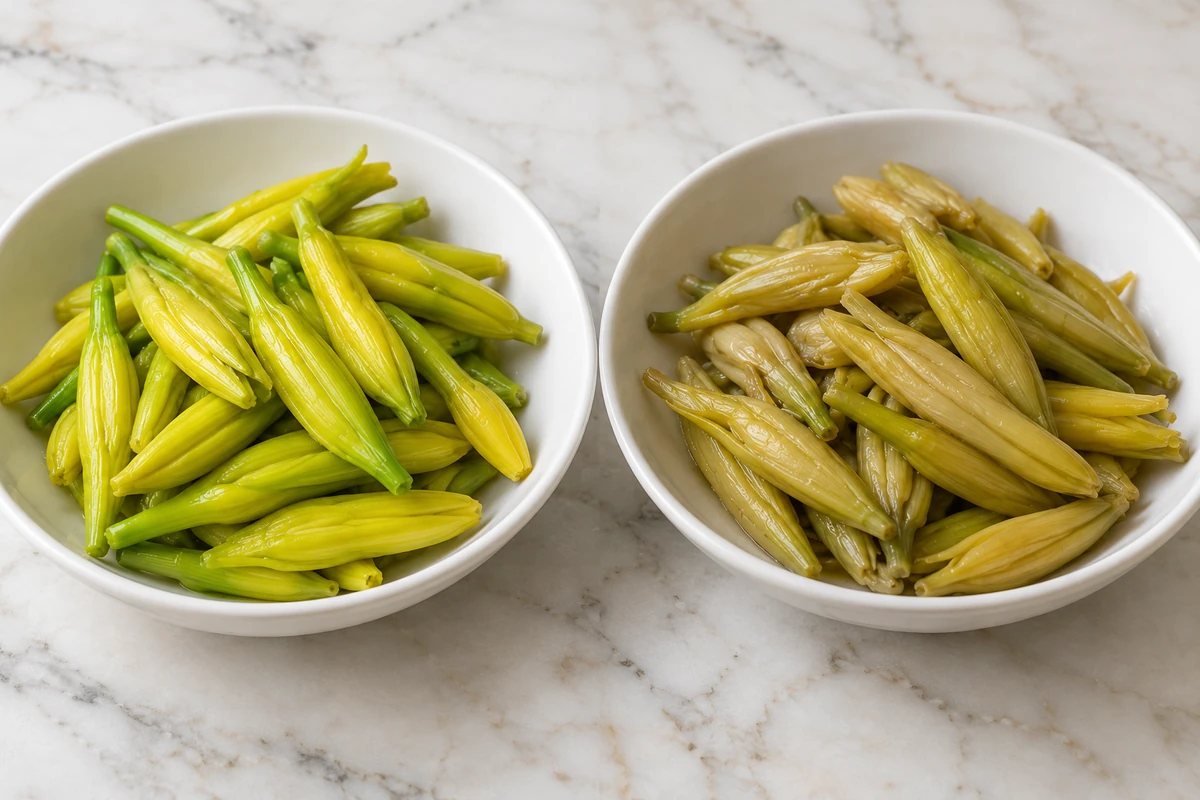
Compare prepared buds under the same light and in equivalent neutral dishes.
Inspect uniformity as well as overall hue. A portion with a few markedly dark buds may attract attention even if its average color appears acceptable. Describe whether the issue is an isolated spot, a dark base, a general dulling or a broad range among pieces. These observations lead to different questions about raw-material condition, preparation and the final recipe.
Photographs help document the comparison when the setup remains consistent. Use the same camera position and exposure settings where possible, and avoid automatic filters that make one sample look brighter. Include an agreed neutral reference when the quality team needs more controlled images. Phone pictures taken under different lamps can record the dish but should not be treated as precise color measurements.
If instrumental color measurement is part of the specification, define the method and sample presentation with the laboratory or quality team. Bud shape, moisture, surface curvature and background can affect what is measured. An instrument value without those conditions can be difficult to reproduce. The number should support the agreed sensory appearance rather than replacing the question of whether the finished serving looks right.
Evaluate color again after the intended hold and reheat. A freshly cooked sample may meet the target but become less attractive before the customer eats it. Use the actual approved route and examine the portion at the specified point. Do not establish a shelf-life claim from a brief kitchen observation; the relevant safety and quality validation remains a separate task.
When color disappoints, investigate the material, process and recipe together. The blanching and frozen-quality guide provides background on process-related appearance. For daylily, the immediate trial should still answer a narrower question: does this identified bud, prepared by this approved method, retain an acceptable appearance in this particular dish?
| Assessment stage | Integrity observation | Color observation |
|---|---|---|
| Frozen receipt | Tip, split sides, base and loose pieces | Compare frozen samples under consistent light |
| After required cooking | Change in opening and breakage | Compare at the same drainage and viewing stage |
| At service | Damage after holding and portioning | Assess the actual broth, sauce and serving condition |
Test broth and sauce without hiding damage
A clear soup exposes the bud's outline, loose fragments and any cloudiness entering the liquid. Keep the broth formula, ingredient weight and cooking route consistent while comparing candidates. Observe the serving with the normal mix of solids and liquid, rather than lifting out the best-looking buds for a photograph. The customer experiences the bowl as a whole.
A sauce changes what can be seen. Dark mushroom or soy-based sauces may cover natural color, while a glossy coating can make a fragmented bud seem more complete at first glance. Inspect the plain cooked reference, then the dressed dish. If the customer promise is recognizable whole buds, the structure should remain identifiable when a normal portion is plated, not only when sauce is rinsed away for inspection.
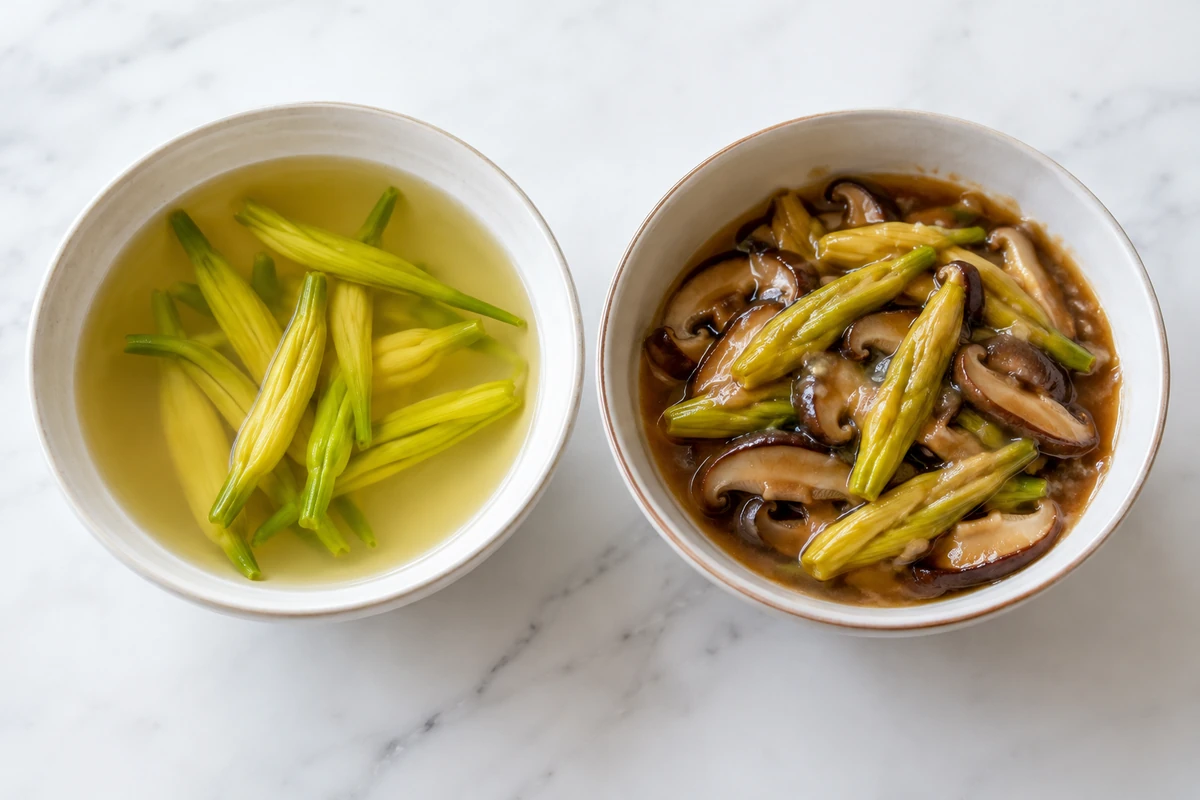
Clear broth and a darker sauce reveal different aspects of bud appearance.
Control the sauce basis by prepared ingredient weight. If one lot contributes more cooking liquid, a fixed sauce addition can produce a thinner or weaker result. Record drainage and the amount of liquid intentionally retained in the formula. Increasing seasoning to correct one watery sample can make the next, better-drained batch too strong. Find the source of variation before adjusting the recipe.
Consider the other ingredients' timing. Mushrooms, tofu, meat or noodles have their own cooking and handling requirements. The daylily component must receive its required treatment, but it need not be subjected to unnecessary extra agitation because another ingredient needs further preparation. The technical and culinary teams can evaluate an appropriate sequence for the complete dish, including any separate cooking stages.
Compare flavor only after the approved treatment is complete. Note the characteristic aroma, the base's bite and how the buds work with the broth or sauce. An unfamiliar flavor should not be diagnosed as a specific chemical hazard by tasting. Unexpected odor, identity uncertainty or a handling problem belongs in the quality review procedure before further sensory work.
For a mixed dish, inspect the first, middle and final portions removed from the batch. Loose petals and sauce can collect at the bottom, while larger buds may be served early. If the last bowl has a noticeably different structure, review the mixing and portioning method as well as the incoming specification. Consistency across the service period is part of application performance.
Record the intended style explicitly. A regional soup may accept a naturally softened bud and some suspended material; a premium plated side may need a cleaner outline and less pooling. Neither style establishes a universal grade. Give the supplier the accepted dish reference and explain which visible and sensory attributes are essential, so sample selection can target that use rather than a vague request for the best quality.
Measure yield through holding and reheating
Usable yield should follow the ingredient to the point where it is portioned. Start with a recorded input weight, then record the prepared weight after the agreed cooking and drainage method. Separate removed fragments or rejected pieces if the method requires it. If the dish intentionally retains broth, define how that liquid is treated in the yield calculation so a wetter sample is not mistaken for more edible bud material.
The basic calculation is straightforward: accepted prepared ingredient weight divided by the stated input weight, multiplied by one hundred. Its meaning depends on the method. State whether input means net frozen product, a drained sample or another agreed basis. Keep packaging, loose ice and added sauce out of an ingredient-yield figure unless the written method specifically accounts for them.
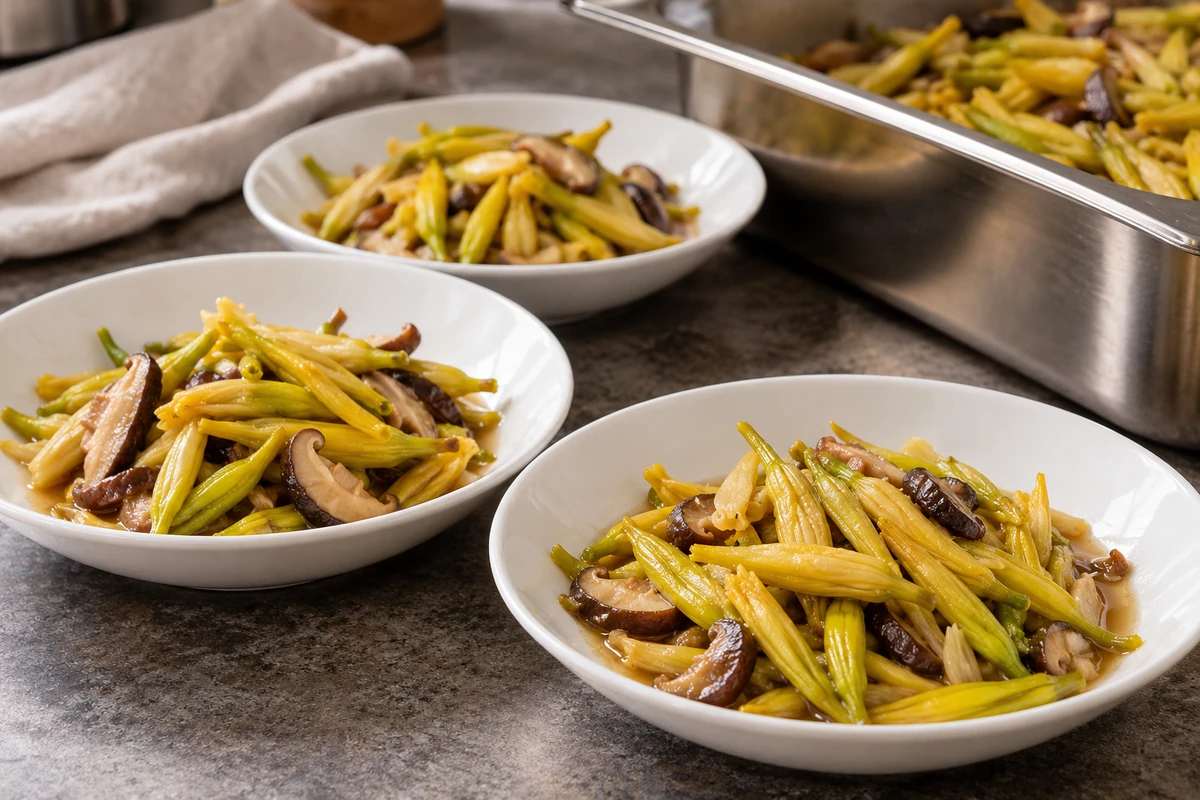
Inspect normal served portions, including the distribution of buds, fragments and liquid.
Count saleable portions alongside weight. A high prepared weight can still produce fewer acceptable bowls if the whole-bud presentation is inconsistent or too many bases need removal. Record the normal portion size and the amount of manual sorting required. That connects the supplier comparison to labor and serving cost, which are often more useful than purchase price alone.
Holding should reproduce the intended operation. Use the approved temperature control, container depth and service interval for the product. A shallow sample left briefly on a bench does not represent a foodservice pan or a packaged meal. Record the authorized conditions and examine the food at the planned service point; sensory testing cannot establish safe holding limits by itself.
Where reheating is part of the product, include the actual reheating equipment and instructions. A component used immediately after cooking may tolerate a different structure from one that goes through cooling, packing and another heat cycle. Evaluate bud opening, loose fragments, base texture and liquid release after that complete route. Approval at an earlier stage can miss the result the customer ultimately receives.
Keep the container and portioning method realistic. A deep pack can compress the buds, and a small retail compartment may trap more liquid around them than an open ceramic bowl. Use the intended fill weight and headspace in development. If the dish is sold frozen after preparation, its further freezing and reheating performance needs direct evaluation as a finished product.
When a trial fails, retain the observations and choose a focused next step. Damage during filling suggests a different response from damage already visible after the first cook. Excess liquid after reheating may require review of drainage, recipe and package design. Change a manageable number of variables, repeat the agreed method and preserve both results. The purpose is to establish a repeatable dish, not to select the most flattering photograph from unrelated trials.
Turn the accepted dish into a supply specification
Translate the accepted dish into an ingredient specification that a supplier and receiver can use. Include the confirmed edible identity and bud part, preparation state, size or maturity description, base trim and agreed integrity definition. State the approved cooking route and the conditions used for physical assessment. Keep the finished-dish reference linked to those details so repeat orders have a common target.
Use limits that correspond to an agreed inspection method. If intactness is counted after cooking, specify the cooking and sampling basis. If fragments are measured by weight, describe drainage and collection. If color is assessed against photographs, retain the image version and viewing conditions. A numerical limit without a shared method can produce disagreement even when both parties inspect carefully.
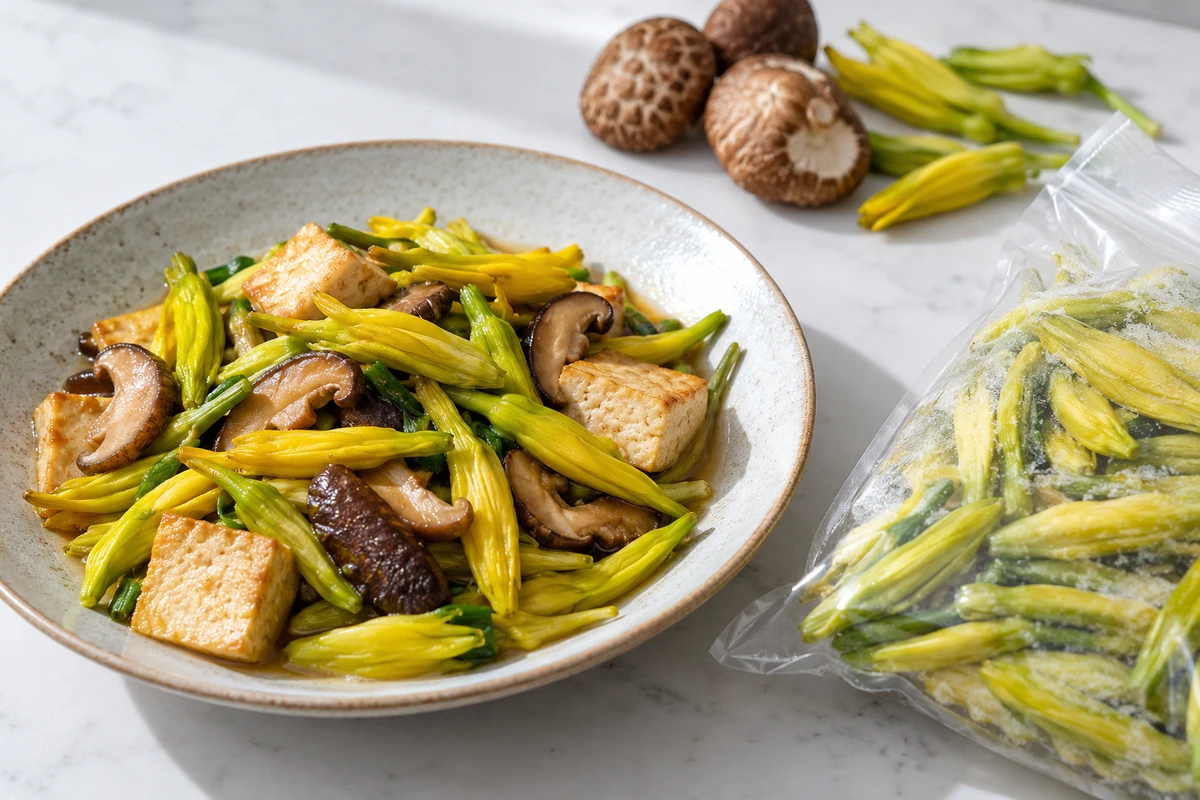
Connect the accepted plated result with the ingredient form used to produce it.
Packing should match the production batch. Small additions may require reliable separation and convenient inner bags, while a large kettle may use a full pack. Confirm the quoted format and practical handling with a sample. Avoid setting a bag size solely from freight efficiency if it forces the kitchen to thaw or break apart more product than its approved process can manage.
The supplier's retained reference and the buyer's accepted sample should be identifiable by lot and date. Record the specification version, preparation instruction and relevant recipe version together. If the source, cut, process or packing changes, agree how the change is notified and whether it triggers a new application trial. This prevents an old approval from being stretched across a materially different ingredient.
For incoming shipments, review the physical condition and supporting records together. Frozen temperature evidence, intact seals and clear lot marks support receipt checks, while the documented species and process establish what was supplied. If a lot differs from the approved sample, keep the discrepancy visible and agree the disposition. Reworking a dish in the kitchen should not quietly replace a technical acceptance decision.
When requesting a quotation from GreenLand-food, include the dish, required bud appearance at service, cooking and reheating route, portion size and packing preference. We can use that information to discuss the proposed ingredient form and the order details that need confirmation. Add quantity, destination, private-label requirements and requested documents so the commercial offer addresses the same product the kitchen evaluated.
Finish the approval with a practical handover. The kitchen needs the use instruction and recipe; purchasing needs the accepted item and commercial terms; quality needs the specification, sampling method and lot evidence. A clear intact-bud and color trial gives all three teams a shared basis for evaluating the next shipment and for identifying which part of the process needs attention when the finished dish changes.
Source frozen daylily buds with GreenLand-food
GreenLand-food is a professional frozen daylily buds supplier and manufacturer in China, providing factory-direct wholesale supply for importers, food manufacturers, foodservice distributors and private-label programs.
Send your required product form, specification, packing, quantity, application, destination, private-label needs and requested documents. Include the accepted cooked result and preparation route so we can discuss the sample and order details that need confirmation.