


Frozen Fava Beans for Falafel: Can They Replace Soaked Dried Beans?
Oct 19, 2026
Leave a message

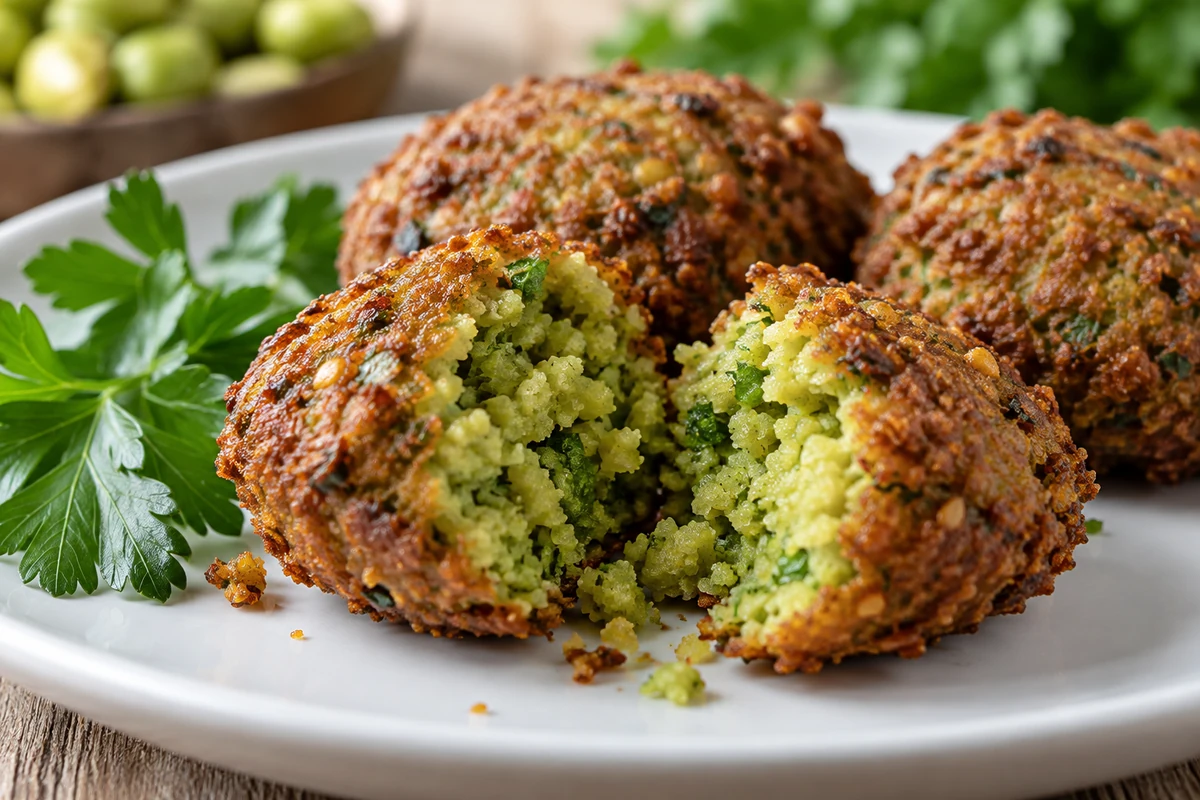
First establish what "frozen fava beans" means in the offer. Immature green beans frozen after preparation are different from dried mature fava beans that were soaked and then frozen. Fully cooked frozen beans are another starting material. The freezing step does not erase these differences or prove that the ingredient is ready to eat.
For a manufacturer, the practical question is whether the proposed bean can produce the intended crumb, crust and handling strength through the complete cooking and distribution route. We would begin with the finished-product brief, confirm the fava form and processing state, then test a controlled formulation. A successful green fava version can be approved on its own merits, with clear ingredient identity and preparation instructions.
Start with the right fava bean form
Fava and broad bean are names used for Vicia faba. The crop can supply green vegetable seeds as well as mature dry seeds. Kew's botanical profile describes both uses. For falafel development, that maturity distinction matters more than whether the beans happen to be stored in a freezer at the moment they enter the kitchen.
Many fava-based falafel recipes begin with dried peeled or split mature beans, hydrated before grinding. A community recipe contributed to the City of Monash cookbook is one example of that starting form. It establishes a culinary reference for the ingredient; its household method is not a validated schedule for a factory's fryer or a different frozen input.
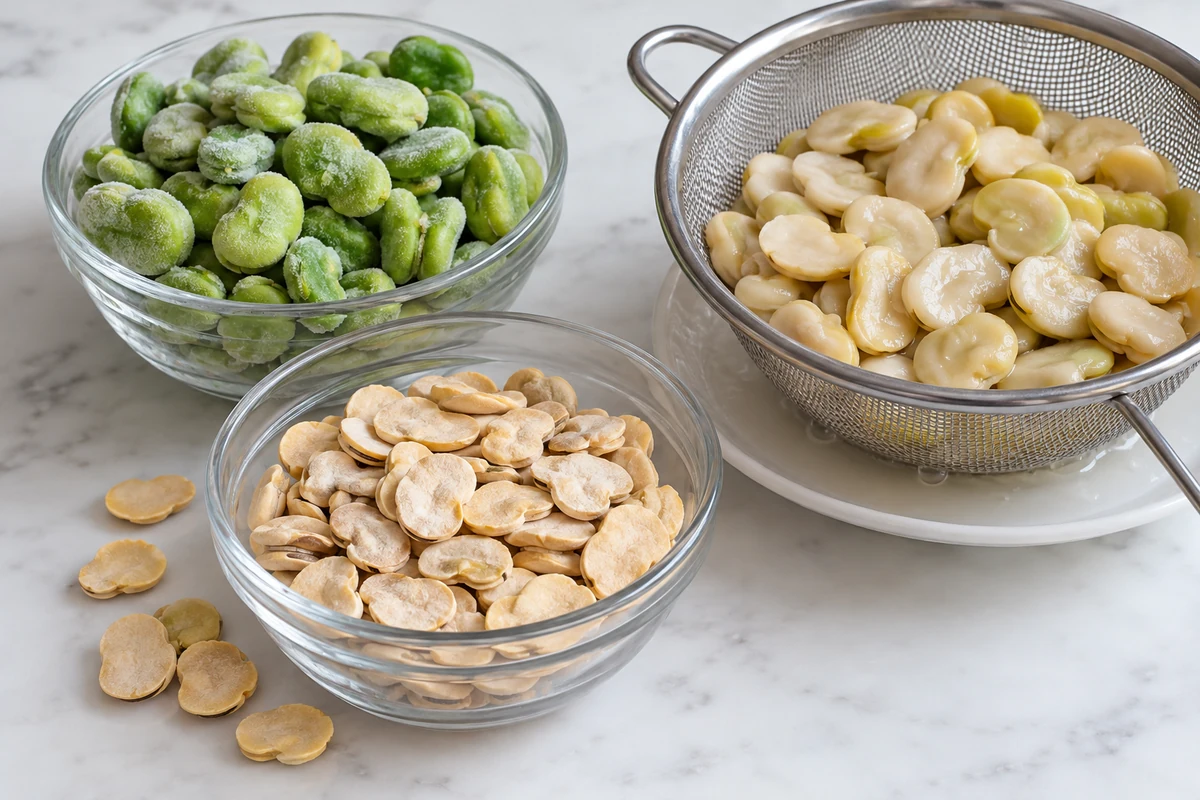
Frozen green, dried split and hydrated fava bean forms. Illustrative food photograph.
Green frozen broad beans are typically offered as a vegetable ingredient. They may retain their individual seed coats even though the pods have been removed. They can arrive with a blanching history that affects their response to grinding and subsequent heating. The specification should therefore state the physical form, the applied treatment and the required further preparation as separate facts.
A dried bean that has been hydrated and frozen is a more closely matched starting point for a soaked-dried-bean formula, but it still needs assessment. Freezing, thawing and drainage can affect the consistency delivered to the grinder. Confirm whether the beans were merely soaked or also cooked before freezing, and whether the supplied moisture and handling instructions suit the intended process.
Fully cooked fava beans should be evaluated as a cooked ingredient. They may work in a deliberately formulated patty, but a soft cooked mash cannot be assumed to recreate the same particle structure as hydrated uncooked mature beans. Canned beans add the further influence of their packing liquid and thermal process. The ingredient name alone does not provide enough information to choose among these routes.
Use the actual purchase sample in development. A cook may create an excellent test product with hand-peeled fresh beans, then request a frozen skin-on commercial pack for production. That introduces a material change after the trial has already been judged. A representative frozen sample, accompanied by its current specification, makes the result much easier to repeat and discuss with a supplier.
The finished product's naming should reflect its formulation and market expectations. If the customer expects a familiar dried-fava falafel, establish which features are essential before changing the ingredient. If the brief welcomes a bright green broad-bean fritter, there may be more room to adjust texture and shape. Both are workable development objectives when they are agreed at the beginning.
Why the same weight gives a different mixture
An equal weight comparison can conceal unequal quantities of bean solids and water. Hydrated dried beans have absorbed water during soaking; green beans already contain substantial moisture before freezing; a cooked product has undergone another change. The relevant question is how much usable material each route contributes after the specified preparation and draining steps.
Start by weighing the actual inputs and their prepared outputs. Record thaw liquid, discarded skins and other losses separately. Avoid using a cup measure for one bean and a drained mass for the other. The comparison should state whether the recipe weight means purchased frozen beans, thawed skin-on beans or peeled usable beans. Otherwise the formulation can appear consistent on paper while changing substantially at the mixer.
Particle structure then determines how the mixture behaves during forming. A coarse ground mixture contains recognizable small particles held together by the rest of the formulation. A very smooth green mash behaves differently when portioned or pressed. Neither appearance automatically establishes quality, but the chosen structure should fit the intended bite and cooking route.
Observe how the mix responds to handling before changing ingredients. Does a portion keep its outline on the tray? Does it smear onto the forming surface, crack when released or break when moved? Those observations provide more useful direction than describing it simply as wet or dry. Record them with the grinder setting, batch load and resting period used for that trial.
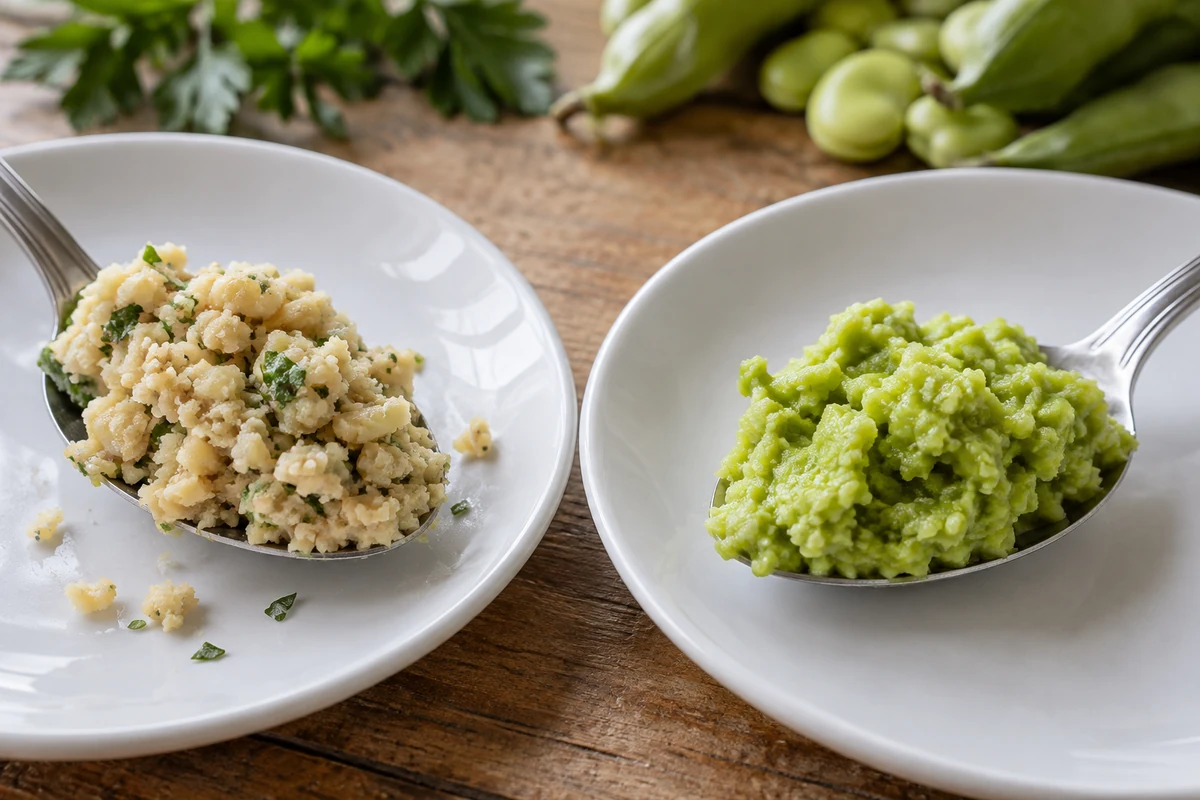
Coarse hydrated fava mixture and moist green fava mixture. Illustrative food photograph.
Onion, washed herbs and other ingredients add their own water. If the fava substitution is evaluated while the herb preparation also changes, it becomes difficult to identify the cause of a softer mix. Keep the seasoning preparation consistent during the first comparison. Weigh the additions and record whether herbs were drained or dried, rather than relying on a loosely filled handful.
Binders can improve cohesion, but they also change flavor, texture, ingredient declarations and cost. A large addition made to rescue an excessively wet batch may produce an acceptable shape while diluting the bean character. Before adding more flour or starch, confirm that the input state and drainage match the planned process. A process correction may be more appropriate than a formulation correction.
The grind should be judged in the cooked result. A mixture that looks attractive in the processor may produce a dense centre or an unexpectedly fragile crust. Examine cut pieces after the normal serving interval and describe particle size, openness, moisture and bite. For a frozen finished product, repeat that assessment after the intended reheating route, when differences can become more apparent.
These observations are development tools, rather than a claim that every green fava behaves identically. Cultivar, maturity, skin state and previous heat treatment can change performance. Approval should be attached to the tested form and process. A generic statement that frozen beans work for falafel gives a purchasing team too little information to protect repeat production.
Control drainage, skin and grinding
Choose a handling route that keeps the ingredient within its documented conditions while making preparation repeatable. If the approved formulation requires thawing before grinding, define how it occurs and how the product is protected during that stage. A commercial process needs a time and temperature plan supported by its food-safety assessment; leaving a bag on the bench until it seems workable is not a controlled method.
Drainage should have a clear endpoint that staff can reproduce. Specify the equipment, batch loading and method of collecting the liquid. Gentle draining, pressing and towel drying are different operations and can give different results. If the trial uses one of them, assess whether it can be repeated at the intended volume and whether it introduces additional handling or labour.
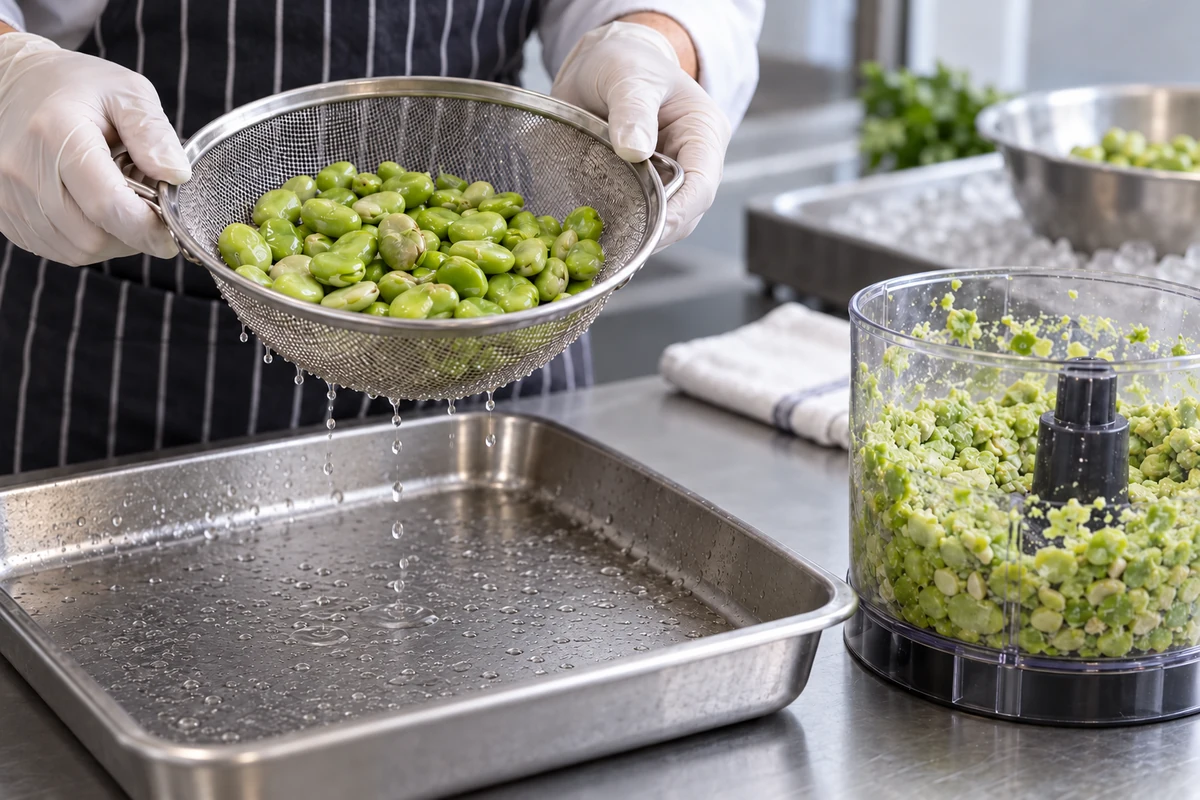
Draining green fava beans before controlled grinding. Illustrative food photograph.
Skin-on green broad beans can leave fragments in the finished crumb. Those fragments may be acceptable in a rustic fritter and distracting in a very fine interior. Compare a representative cooked piece before deciding to remove the skins. Peeling changes yield and preparation cost, so it should respond to a defined eating-quality target rather than an assumption that every fava must be peeled.
If a peeled form is required, confirm its actual availability and condition with the supplier. The GreenLand broad bean detail page provides a shelled commercial reference, with seed-coat status addressed separately. A photo of shelled beans does not establish a peeled ingredient offer. The sample and written specification need to agree before a production quotation is compared.
Set the grinding method around the desired particle distribution. Batch size, blade arrangement, processing duration and the order of adding wet ingredients can all influence the result. Keep those conditions fixed for the first controlled comparison. Where a food processor is used for bench work, document how the proposed production equipment will reproduce the same practical outcome.
Avoid chasing a smooth appearance simply because a puree is easier to produce. Falafel development often needs a perceptible bean structure, and repeated processing can move the mixture toward a paste. Stop at the planned endpoint, form a test piece and assess it after cooking. If a finer crumb is wanted, change the setting deliberately and compare the new result with the original sample.
A short resting or chilling stage may be part of a recipe, but its effect should be recorded rather than assumed. Check whether the mixture releases liquid, becomes easier to portion or changes during the normal waiting period. A mixture that forms well immediately after grinding may behave differently at the end of a production batch. That observation can affect both the allowed hold and the practical batch size.
The preparation record should finish with usable yield and a clear description of the mix. Those two pieces of information connect development to purchasing. The buyer can then ask for an ingredient that delivers the required prepared amount and particle behaviour, while the supplier can investigate a specific issue if a later lot needs more drainage or produces more skin fragments.
Develop a green fava version in measured trials
Begin with a reference product that the customer already accepts. Keep its ingredient and preparation route documented, then decide whether the green fava version is intended to reproduce that result closely or offer a distinct alternative. That decision determines how to score color, crumb and flavor. A green interior can be desirable, but it should not compensate for unacceptable breakage or a pasty bite.
- Confirm the proposed fava SKU, its processing state and the preparation required before use. Record the lot and retain the supplier specification with the trial sheet.
- Prepare a controlled quantity, measuring incoming mass, drainage loss, any peeled material and the usable bean mass. Keep the herb and onion preparation unchanged.
- Grind to the chosen particle endpoint and form pieces with consistent mass and thickness. Record the amount of binder already in the reference recipe before making changes.
- Cook through an appropriate, technically approved process, then assess representative cut pieces, handling strength, flavor and the exterior after the usual service interval.
- Change one influential variable for the next trial, such as drainage, grind or binder level. Repeat the successful version through the complete frozen storage and reheating route before approving it.
This sequence separates a useful comparison from an uncontrolled rescue. If a batch is too soft, adding flour, changing the shape and increasing the cooking time simultaneously may produce a good fritter, but it will not show which change was necessary. A small series of clear trials gives the team a more reliable basis for deciding what belongs in the final recipe.
Piece geometry deserves attention. A flatter patty and a larger ball differ in surface area, centre heating and the amount of crust experienced in each bite. Select the format the customer will actually buy and use it throughout the trial. A successful thin test patty should not authorize a thicker retail piece without further process and quality review.
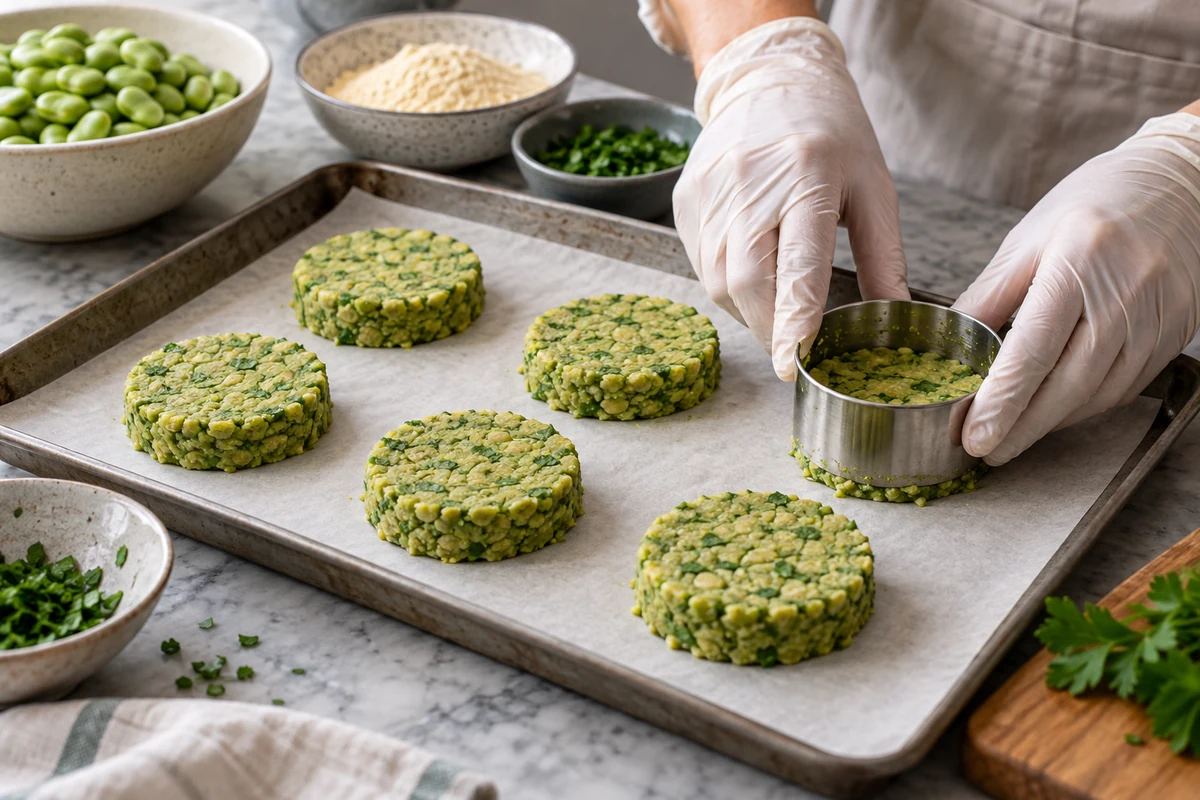
Equal fava patties prepared for a controlled trial. Illustrative food photograph.
Count usable pieces at each stage. Record pieces that crack during forming, break during transfer, lose material in the cooker or fail after reheating. Distinguishing the stage helps identify the cause. A mix that forms poorly may need a different preparation method, while a piece that survives cooking but breaks in packing may need a different finished-product handling arrangement.
Assess flavor with the final serving context, while also tasting the fritter plainly. Tahini, pickles and a strongly seasoned sauce can hide some differences and amplify others. For a retail pack, the customer may serve the product without the same accompaniments. The acceptance brief should state whether the fritter is sold as a plain component or as part of a complete meal.
Repeat the promising formulation using another representative lot. The purpose is to learn whether normal ingredient variation remains within an acceptable operating range. A recipe that succeeds only with a hand-selected sample may be difficult to supply reliably. Use the repeat results to set practical limits for skin, maturity, moisture handling and piece condition on the incoming bean specification.
A wrap producer also needs to assess the assembled food. Put the accepted patty into the intended bread with the planned sauce and vegetables, then examine it at the relevant service point. A piece that feels pleasantly crisp on a plate may soften in a wrapped sandwich, while a firm patty may fracture when folded into bread. These are application observations to test, not predicted failures of a particular bean. Keep the preparation and cooking method unchanged during this assessment so the team can identify whether the remaining adjustment belongs to the patty, the sauce amount or the assembly sequence.
Confirm cooking before judging the crust
A browned exterior does not establish that the centre has received the required treatment. Frying, baking and reheating create different heat-transfer conditions, and frozen pieces add another starting state. The safety process must be established for the real recipe, piece dimensions, equipment load and starting temperature. A household recipe's frying time cannot be transferred unchanged to every commercial fava product.
The ingredient's treatment history is part of that assessment. Blanching may have been used during frozen-vegetable preparation, but its presence does not automatically establish a validated kill step for the finished fritter. Likewise, freezing preserves a product under specified conditions; it does not turn an incompletely prepared bean into a ready-to-eat component. Confirm the exact starting state before choosing the final cooking route.
Quality observations should follow the approved process rather than replace it. After the required treatment has been achieved, examine the centre for the intended crumb and moisture. If the exterior becomes too dark before the process can meet its requirements, the formulation, geometry or cooking arrangement needs technical review. Serving a less-treated centre to preserve a preferred color is not a suitable correction.
Fava identity also carries a separate medical consideration. UCLH's guidance on G6PD deficiency identifies fava or broad beans as a trigger of haemolysis in susceptible people. Do not claim that frying, peeling, freezing or a bright green appearance makes the product suitable for people with G6PD deficiency. Keep the ingredient identity clear through development, labeling and customer communication.
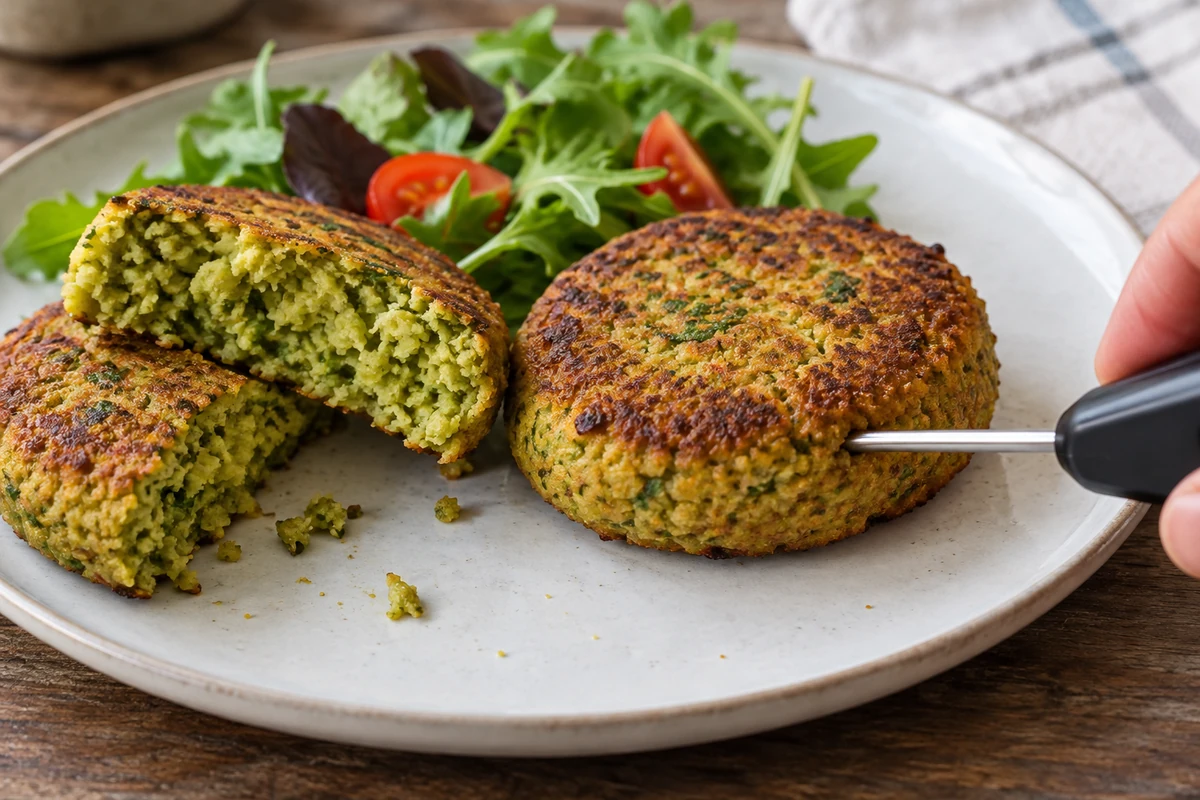
Checking the centre of a cooked fava fritter. Illustrative food photograph.
This consideration cannot be substituted with ordinary allergen wording. The team responsible for the intended market and consumer group should review the actual formulation and any relevant exclusions. Added binders and accompaniments can introduce their own allergens, so a change from one falafel recipe to another needs a complete ingredient review rather than a check of the fava alone.
After cooking, protect the product through the next stages. A finished fritter intended for chilled or frozen distribution needs an appropriate cooling, handling and storage process. Packaging can affect crust quality, condensation and the customer's reheating experience, while hygienic handling remains necessary after the heat step. Those controls belong to the finished-food process and cannot be inferred from an ingredient supplier's specification.
For a ready-to-cook frozen product, the customer instructions become part of the design. Validate the intended cooking method with the actual pack and piece range, then make the instructions consistent with the product's supplied state. For a fully cooked product, confirm whether the consumer step is reheating and what evidence supports that status. Keep those two offers distinct in the technical file and artwork.
The same discipline applies to sampling. Development staff should know which samples are awaiting process review and which are suitable for sensory evaluation. Clear handling prevents an attractive but unapproved test piece from being treated as a finished food. It also lets the team focus its tasting notes on texture and flavor once the process requirements have been met.
Approve the frozen ingredient and finished product together
The incoming fava specification should identify the species, maturity, shelled or peeled form, size or piece distribution and actual processing state. Include the defects that affected the trial, such as loose skins, darkened pieces or excessive fragmentation. A general description of green color and good quality is too broad to protect the mixture behaviour that development has approved.
Connect that specification to the preparation record. If the formula depends on a particular drained yield or skin-removal step, define the method used to measure it. State whether the recipe's bean weight is frozen input or usable prepared material. This prevents a later change in draining or peeling from being mistaken for a supplier shortage or an unexplained formulation variation.
The real carton view helps illustrate shelled skin-on broad beans as a commercial form. It does not prove the batch's cooking status, microbiological suitability or performance in falafel. We confirm the relevant product documents and requested reports for the proposed order, and the buyer verifies the final application on its own process. Each piece of evidence should answer the question it can actually support.
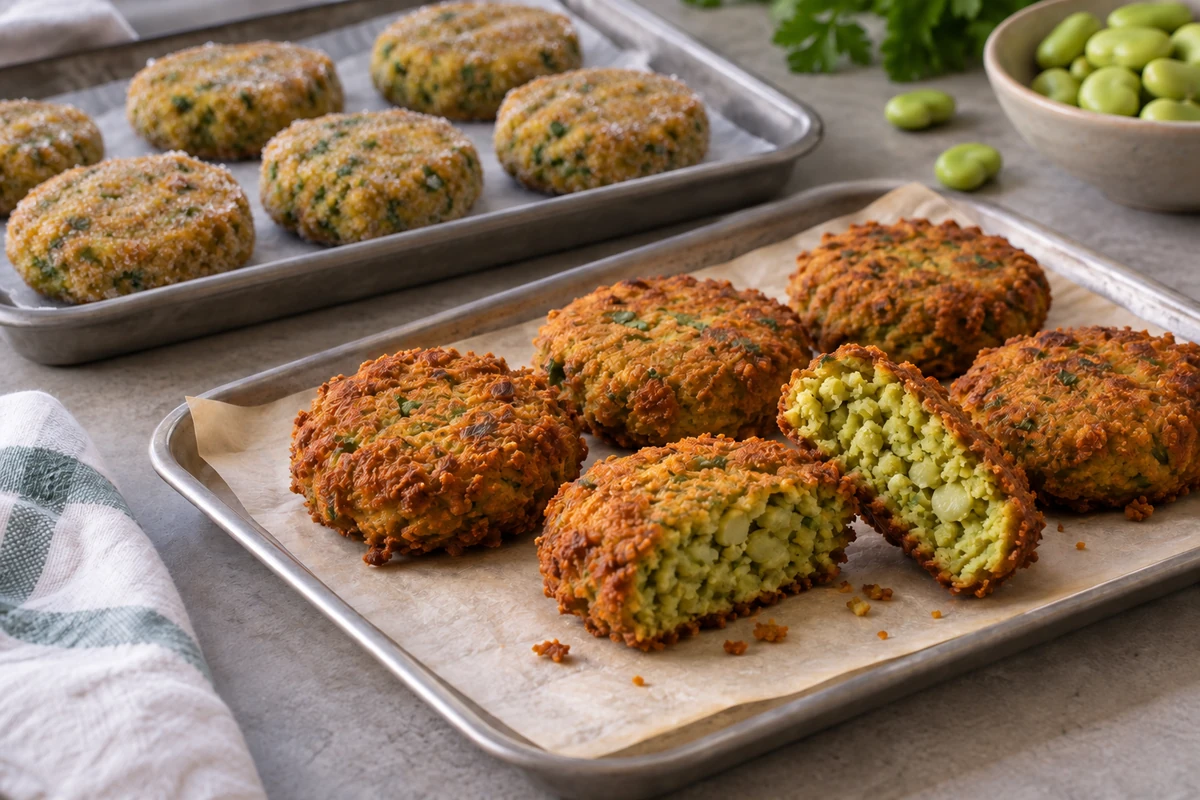
Frozen and reheated fava fritter samples. Illustrative food photograph.
Packing needs to fit the preparation route. A small kitchen may need manageable inner bags, while a factory may use full case quantities in each batch. Agree net weight, liner handling and lot coding so the product can be traced from receipt through the finished fritters. If a pack is opened over several production runs, the approved storage and handling arrangements should address that practice.
Compare cost per acceptable finished unit after the process is stable. Include the bean's usable yield, preparation labour, binder requirement, forming loss, cooking loss and rejected pieces. A frozen ingredient may simplify one operation while creating another. The relevant advantage is the one demonstrated in the buyer's actual process, rather than an assumed benefit attached to the word frozen.
For shipment planning, give us the destination, order quantity, intended pack and required supply window alongside the finished-product brief. We can then discuss the available broad bean form and the documents needed for the proposed program. Any peeled alternative, different treatment or private-label arrangement needs its own confirmation before it is included in the commercial offer.
Retain both the ingredient approval and the finished-fritter approval when the product is launched. A later change in bean maturity, treatment, binder, piece thickness or customer cooking method may affect the result. Define which changes require review and keep an accepted reference description. That turns a promising green fava experiment into a repeatable product with a clear purchasing basis.
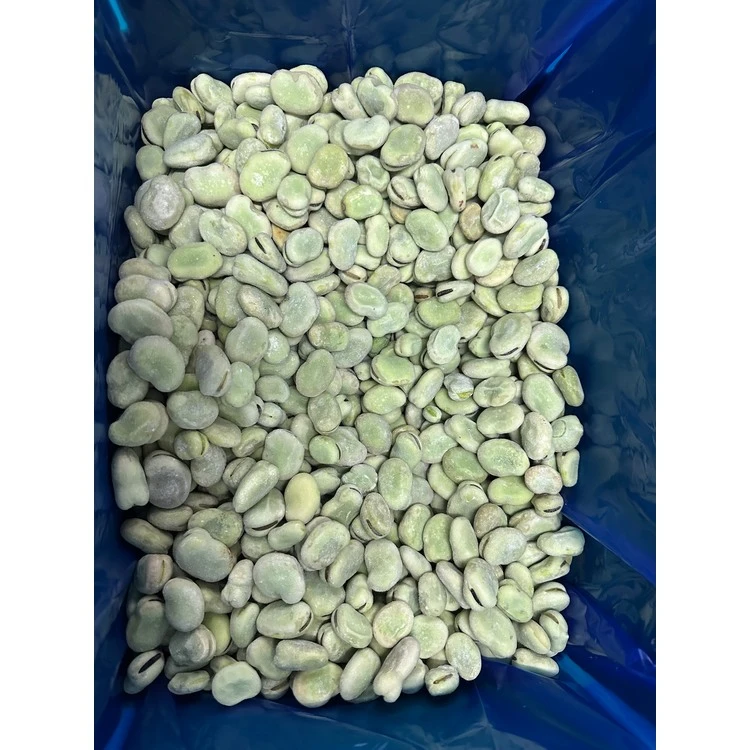
Shelled skin-on broad beans in a lined carton.
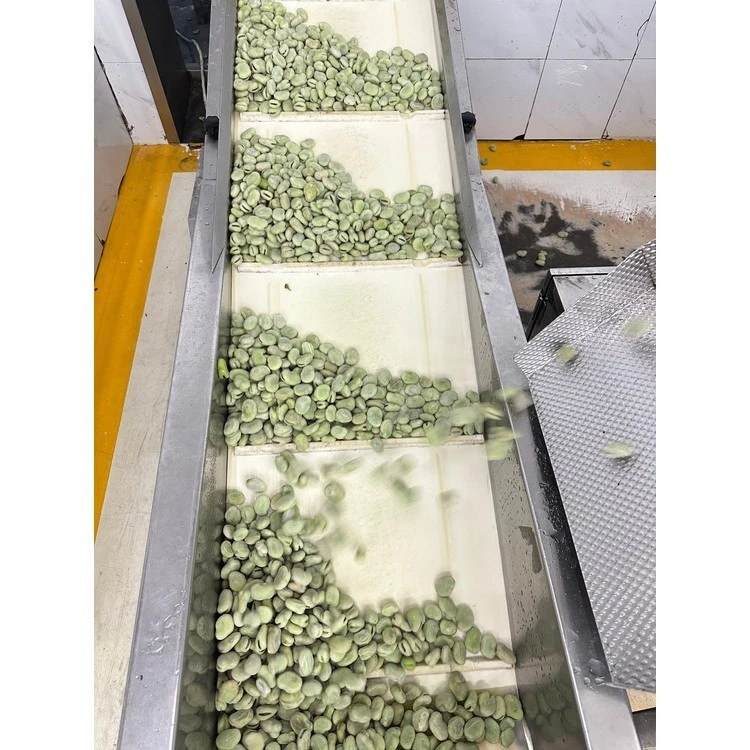
Shelled broad beans at a conveyor transfer point.
Continue reading
Can You Make Falafel with Canned Chickpeas? What Changes with Cooked IQF Beans
Compare how a cooked chickpea starting material changes the structure and trial design of a falafel-style patty.
Source frozen broad beans with GreenLand-food
GreenLand-food is a professional frozen broad beans supplier and manufacturer in China, providing factory-direct wholesale supply for importers, food manufacturers, foodservice distributors, and private-label programs.
Send the product form, specification, packing, quantity, application, destination, private-label needs, and requested documents.