


How to Cook Frozen Vegetables: Stove, Air Fryer, Oven and Steam Methods
Oct 15, 2026
Leave a message


The quality of the frozen ingredient matters before the pan heats. Pieces that are separate and close in size portion and cook more evenly than a compressed mass. Frozen broccoli may have been blanched before freezing, but blanching is an ingredient process, not a guarantee that a particular dish is ready to eat. Follow the product's directions and a validated foodservice process where applicable. At GreenLand-food, we help buyers match the vegetable form, cut and pack to a planned cooking method. A small controlled test with the actual equipment is the reliable way to approve a frozen vegetable for repeated service or a prepared meal.
Choose a cooking method by cut and desired finish
Begin with the desired plate or finished product. If the vegetable needs charred edges beside a protein, choose a method that allows surface water to leave: roasting, air frying or a hot open pan. If it will be folded into a soup, rice dish or sauce, a tender heated piece may be more useful than a browned one. Steam or a microwave can heat many small pieces rapidly with limited added water. The method is therefore a choice about moisture, surface area and the next production step, not an automatic preference for whichever appliance is available.

Different component sizes affect the cooking method.
The cut sets the heating problem. Small peas, corn and carrot dice warm quickly and can become dull or soft if held in heat while a much larger component catches up. Broccoli florets have a delicate crown and a thicker stem; their tips can dry while the stem remains firm. Cauliflower and root pieces may need a longer center check, while thin pepper strips soften sooner. Mixed blends should be assessed as a blend, not as a single vegetable. Look at the proportion and size of the slowest component, then decide whether to stagger additions or specify a more compatible cut distribution.
A direct comparison can be done in the kitchen with a fixed frozen weight. Prepare the same lot on a skillet, tray and steamer using realistic equipment loads. Record the cooked yield, the amount of drain water, the color and bite of the largest piece, and how the result holds for the intended serving interval. An air fryer may produce attractive tips in a small batch but lose that advantage when the basket is overloaded. Steam may deliver a vibrant tender vegetable that suits a sauced ready meal. The buyer should approve the outcome required by the menu, not a method name.
Texture also changes after the first heating step. A roasted floret served at once can have dry tips, while the same floret under a lid may soften as steam condenses. A steamed pea mixed into a cold salad has another target altogether. Write the time between cooking and eating into the trial. For a distributor, ask the customer whether vegetables will be reheated, hot held, chilled or served immediately. The same frozen cut may perform well in one route and poorly in another without any defect in the ingredient. This context prevents a supplier and kitchen from talking past each other about the word "crisp."
This broad decision guide complements GreenLand-food's specific air-fryer method article and sauteing guide, which give more detail for their individual appliances. For the ingredient side, the frozen mixed vegetables category shows why the formula and cut sizes should be specified before a commercial trial. A dish made from a broccoli-cauliflower-carrot blend is a different heating task from a fine pea-corn-carrot mix.
Prepare frozen vegetables for heat and moisture control
Check the package and the product first. Plain IQF pieces should be reasonably free flowing, with a light frost level compatible with the specification. Some contact between pieces can occur, but a large hard block, torn bag or heavy ice shell calls for an assessment of receiving and storage history. Do not force a frozen block into a dry-heat process and treat its poor result as normal cooking performance. Separate loose pieces and portion by weight. If a formulated vegetable product includes sauce, oil or seasoning, its pack instructions may require a different method from an unseasoned IQF ingredient.

Loose pieces and surface frost affect the first cooking stage.
Thawing is usually unnecessary for a saute, roast or air-fry preparation. As vegetables warm, ice and cellular water appear on their surfaces. If they sit in a thawed pile before heat is applied, that water can enter the pan all at once and promote steaming. A well-heated surface and a shallow load allow it to evaporate. There are exceptions: a frozen leaf block intended for a filling may be thawed and squeezed because the next step needs a relatively dry chopped ingredient. A large icy clump may need controlled thawing and drainage under safe chilled conditions. The intended recipe, pack directions and food-safety plan decide these cases.
Prep time is also a temperature-control point in commercial work. Stage only the amount that can enter the equipment promptly. Keep unused bags frozen, reseal them, and record the time a portion spends outside controlled storage when the operation requires it. A foodservice line using several small batches should not leave the entire carton on the counter while waiting for a pan. This protects both safety and consistency: the first pan should not be cooked from fully frozen pieces while the last pan begins with wet, partially thawed vegetables.
Do not wash or soak a commercially prepared frozen vegetable merely to remove a normal film of ice unless its specification or process requires it. Added water makes a dry-heat trial harder to interpret and may change portion mass. If foreign material or unusual frost is suspected, isolate the lot and inspect it under the receiving procedure rather than attempting to fix the defect in the cooking step. The cook can improve moisture management; the cook should not hide an ingredient nonconformance.
Saute and stir fry in a shallow hot pan
A skillet works when released water has room to evaporate. Preheat a wide pan, add a manageable quantity of frozen pieces and keep the pan open. At first, the cold vegetables reduce surface temperature and may produce steam. Let that water leave before expecting color. Stir enough to expose new surfaces, but avoid constant motion that prevents contact with the hot metal. Add oil according to the recipe and the pan's behavior; an early oil coating can help some pieces, while a very wet initial stage may call for allowing moisture to clear before final seasoning and browning.

A shallow pan load lets released water evaporate.
Do not fill a small skillet with a whole large bag. A deep bed heats by trapped steam and yields a mixture of pale wet pieces and overcooked pieces at the bottom. If the kitchen needs high output, use more pan area or cook in repeatable batches rather than extending a crowded cycle. Record the frozen load per usable pan surface, the pan setting and the point when visible liquid has evaporated. These conditions make a successful test reproducible. The GreenLand-food sauteing article develops this moisture sequence for a dedicated pan method.
Stir frying uses a similar moisture principle but usually shorter contact and active movement. Choose a blend with compatible cuts; add dense pieces earlier if the kitchen process allows component staging. Thin pepper strips can soften before thick carrot pieces, so a fixed premix may impose a compromise. Cook the vegetable to the desired bite before adding a wet sauce, or the sauce may slow evaporation and hide whether the ingredient itself reached the right texture. For ready-meal production, test the sauced and reheated product as well as the first pan. A vegetable that tastes good straight from the wok may become soft after assembly, cooling and later reheating.
Seasoning can be adjusted at the end when the surface water is largely gone. Salt added at the very start is not automatically wrong, but the cook should recognize that released water can carry it into a drain or sauce and make the final seasoning inconsistent. Fresh herbs and delicate aromatics may lose impact in a long wet stage. Add them at a point appropriate to the finished dish. The key inspection remains the vegetable: center hot, intended bite, no unwanted pool under the portion, and a color that matches the approved sample.
Air fry with space for circulating hot air
An air fryer moves hot air around exposed pieces. Its advantage disappears when vegetables form a deep pile that blocks airflow. Preheat according to the appliance directions, place frozen pieces in a shallow layer and shake or turn once the surface moisture begins to leave. An initial setting around 190–205°C can be a trial range for many plain vegetables, but the appliance, basket area, cut size and load are too variable for a universal timer. Begin checking early. The dedicated air-fryer article gives more detail on calibration and load.

Basket spacing lets hot air reach distinct pieces.
Large broccoli florets illustrate the reason for a center check. The crown can darken rapidly while the stem remains cool or tough. A gentle oil coating and a shallow basket may improve the outside, but the cook still needs to inspect a representative thick stem. Small peas or corn can move through basket holes or dry out before a large floret finishes. Use a suitable perforation size or a different method for these pieces; avoid improvising unsafe liners that block airflow or conflict with the appliance instructions. A mixed blend should be tested in the actual basket with its real component ratio.
The sensory endpoint depends on service. A vegetable served immediately can be approved for dry edges and a tender center. A pre-cooked vegetable that will be hot held or mixed into sauce may lose the crisp surface within minutes. Test a portion after the planned hold and delivery step. Compare cooked yield and loss of small pieces. If the appliance needs three cycles to deliver one service batch, its attractive test plate may not translate to the operation's throughput. An honest method choice accounts for both the cooked quality and the equipment schedule.
Air frying does not replace pack directions or food-safety controls. Some frozen vegetables are processed as ingredients that require cooking, and a browned exterior cannot prove the center has reached a safe or desired endpoint. Keep raw and cooked handling separate, clean the basket as required, and follow the approved kitchen process. For procurement, request consistent floret size, broken rate and surface ice condition, because these change airflow and the proportion of small dark pieces. The best trial compares several incoming lots at a fixed load before the product becomes a standing menu item.
Roast on a heated, uncrowded tray
An oven tray is well suited to larger florets and sturdy cut vegetables when the goal is dry, browned edges. Give pieces physical space and place the tray in a properly heated oven. If the pan is packed tightly, released water collects underneath and the vegetables steam. A heavy load may also cool the oven and lengthen the wet stage. Keep the product in a reasonably even layer and turn it when the recipe calls for it. Broccoli, cauliflower and carrot pieces can share a tray if their sizes and desired endpoints are compatible; otherwise stagger the addition or separate the pans.

Tray space supports dry edges and an even cook.
Do not infer doneness from the darkest broccoli tips alone. Check a thick stem or carrot center, and look for an acceptable overall distribution of color rather than one perfect piece. The tray's material and the oven's airflow change results. A bakery convection oven loaded with several trays behaves differently from a single home sheet pan. Record tray load, shelf positions, oven setting and the time at which the slowest component is satisfactory. If the recipe will later add sauce or cheese, test whether the initial roast still contributes the desired texture after that step.
Surface ice deserves inspection before roasting. A light film can melt and evaporate, but an unusually icy bag adds water and changes the time to browning. Patting or draining may be reasonable in a controlled recipe if the product has legitimately thawed under chilled conditions, yet it should not become a routine workaround for a poorly controlled incoming ingredient. Compare the new lot with a retained approved sample. If one shipment consistently releases more water, ask about pack integrity, frozen transport and the product's size or cut distribution before rewriting the whole menu process.
Roasting is often described as the method that makes every frozen vegetable crisp. That claim is too broad. Peas and small corn kernels can dry or scatter; spinach and other leafy blocks are better suited to a drained ingredient preparation. A dense root piece may need enough time that a neighboring delicate cut overbrowns. Use the oven because its heat and tray area fit the ingredient, not because roasting appears on a general list of methods. The finished sample should show what the buyer needs to purchase and the cook needs to reproduce.
Steam, boil or microwave for a tender finish
Wet heat is appropriate when the dish needs a tender, bright vegetable without browned edges. Steam exposes the pieces to moist heat while allowing condensate to drain. Keep the load shallow enough for steam to circulate, and begin checking the largest piece before everything softens. The vegetable can move immediately into a bowl, sauce or rapid cooling step according to the recipe. An extended hold above hot water continues cooking and can dull color or soften the product. A perforated pan or basket makes the drainage visible and repeatable.

Drain condensate after the vegetable reaches its intended bite.
Boiling can be useful for a fast addition to soup, pasta water or another liquid system, but it is less useful if the final side dish must be dry. Use only the water and time the recipe requires, then drain promptly when the vegetable is meant to stand alone. A fine pea mix may heat very quickly; thick broccoli stems need a different check. In a soup, some flavor and soluble material remain in the cooking liquid, so drainage is not the same concern. The process decision belongs to the whole dish. Avoid repeating a claim that one wet method is always inferior: a moist tender result may be exactly what the product needs.
A microwave can heat small portions conveniently, provided the container, cover, stirring and standing time follow the equipment and product directions. Cold spots can persist in a deep container, especially with mixed cut sizes. Stir or rearrange when directed, then inspect a representative portion. A ready-meal producer should test the actual package geometry and appliance program rather than a loose bowl of ingredients. Packaging must be suitable for the heating method; do not assume an ordinary freezer bag can go into the microwave.
The best result after wet heat still depends on the ingredient grade. A fine cut that suits a short steam can become soft during an additional hot hold, while a large floret may retain a firmer center. If the vegetable will be cooled and reheated, test that complete route. Record cooked yield, drain loss and texture after reheating. This supplies a much better basis for procurement than a vague instruction to "steam until done." It also helps the kitchen identify whether a problem came from raw ingredient size, heating time or holding practice.
Season and validate the cooked result for service
Season after observing the vegetable's own flavor and moisture behavior. Oil, salt, acid, spices and sauces interact differently with a dry roasted surface and a wet steamed one. A sauce that clings to roasted broccoli may slide from a very wet floret. A delicate herb added early to a boiling process may disappear in the cooking liquid. Use a weighed reference recipe, taste at the intended service temperature and look for seasoning consistency across pieces. If a vegetable is intended for a prepared meal, assess its color and bite after packing, chilling or freezing, and reheating.
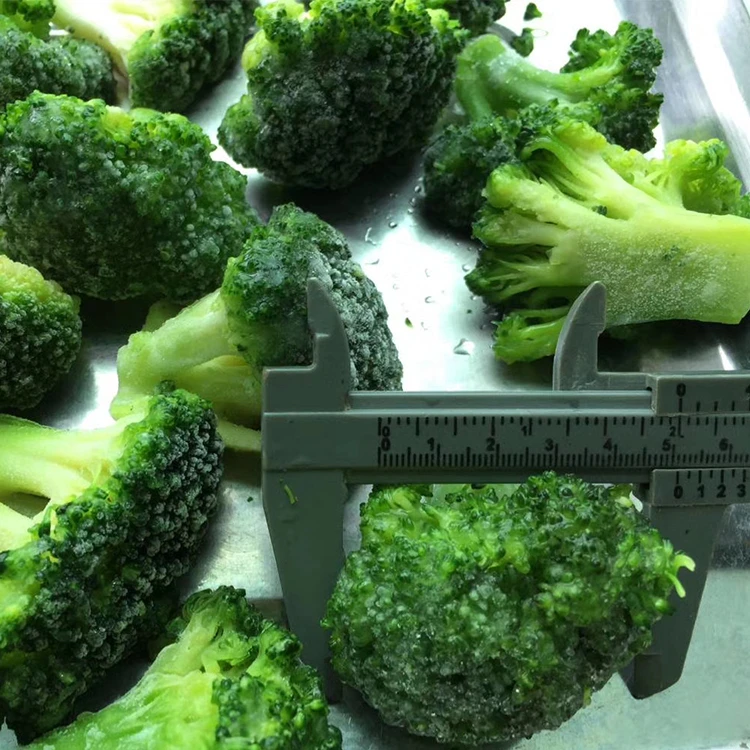
Floret size and stem ratio should match the cooking trial.
Build a repeatable service trial around the exact product form. Record the supplier lot, blend ratio, cut distribution, frozen weight, pack temperature at opening, equipment model or pan area, heat setting, load depth, cook time, drainage and final use. Compare the largest and smallest pieces. Ask the team to note whether broccoli tips break, whether carrot centers remain hard, and whether the finished pan leaves an unacceptable pool of water. These observations can become measurable acceptance conditions after several representative runs. They are more useful to a supplier than the statement that one bag cooked badly.
For a foodservice distributor or manufacturer, confirm the specification before ordering: vegetable identity, cuts, typical size range, acceptable broken pieces, blanching or processing state where documented, component ratio for a blend, packing unit, quantity, destination and requested documents. A product photograph helps inspect form but does not validate every lot or cooking method. The frozen vegetables category provides the sourcing scope, while an actual sample and specification confirm the ingredient for a named recipe. GreenLand-food can help a purchasing team compare candidate forms and obtain the information needed for that test.
If a method underperforms, change one variable at a time. Reduce pan load before increasing heat, or select a smaller floret before lengthening the cook. If the surface is wet, look at free water and drainage; if the center is firm, look at cut size and heating path. A good result should survive the next step of service, not only the first photograph after cooking. That gives the kitchen a practical route from one successful test pan to a repeatable menu or prepared-food process.
For recurring purchases, retain both a frozen reference sample and a photographed cooked reference. The frozen sample helps assess form, frost and breakage; the cooked one records what the menu expects. If a later lot gives a different result, cook the retained and new samples in the same equipment with equal weights. Compare center tenderness, drain loss and color after the planned hold. This simple paired trial helps identify whether the change arose from the ingredient or from a different load, oven condition or operator step. GreenLand-food can review the ingredient specification and shipment details once the purchasing team provides the lot and observations.
Source Frozen Vegetables with GreenLand-food
GreenLand-food is a professional frozen vegetables supplier and manufacturer in China, providing factory-direct wholesale supply for importers, food manufacturers and foodservice distributors.
Send the product form, specification, packing, quantity, application, destination, private-label needs and requested documents so we can confirm a suitable supply option.