


Frozen vs Dried or Canned Fava Beans in Prepared Foods
Oct 19, 2026
Leave a message

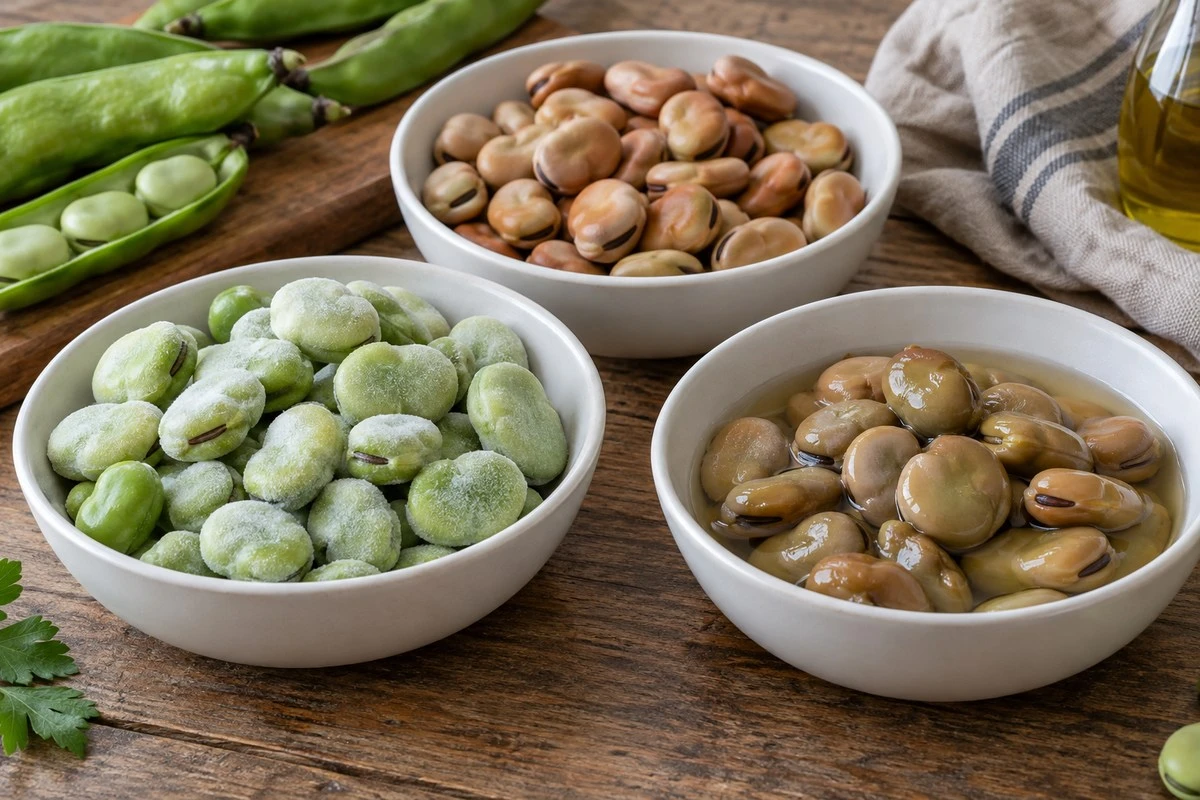
An equal purchased weight is rarely enough to make the comparison fair. Dry beans gain water during preparation; canned contents may include liquid that the recipe discards; frozen beans may lose water or skins before entering the dish. A useful comparison therefore begins with the exact supplied form and ends with the same acceptable prepared-food output.
At GreenLand-food, we would ask whether the customer wants a visible green bean, a creamy mature-bean texture or a convenient cooked ingredient for a particular recipe. We then review the frozen broad bean specification against that requirement. The decision should fit the customer's food and operation, including the preparation work that takes place after the ingredient is delivered.
Compare the actual bean forms
The first distinction is maturity. A green broad bean harvested as a vegetable has a different starting condition from a seed allowed to mature and dry. Freezing preserves the green product in a frozen state; drying removes water from the mature product. Canning involves its own formulation and thermal process. The package format and the crop stage should therefore be stated separately when comparing samples.

Green whole, dry whole and dry peeled split fava beans.
Market names can obscure this difference. Fava and broad bean both refer to Vicia faba, but some suppliers use fava particularly for mature dried forms. British supplier Hodmedod's explanation of fava names describes that regional usage while acknowledging American use for green beans. A buyer should confirm maturity and form instead of using the common name as a proxy for them.
Skin state adds another distinction. A shelled frozen bean has been removed from its large pod but may retain the individual seed coat. A peeled product has that coat removed, and it may contain whole inner beans, splits or a defined mixture. Dry beans can also be supplied whole or peeled and split. A canned product's skin status depends on the actual item. None of these details can be inferred reliably from preservation format alone.
The same caution applies to cooking status. Frozen does not automatically mean ready to eat, while a canned product needs to be assessed according to its label and intended use. Read the specific ingredient and preparation information. A food manufacturer should know which treatment has already been applied and which safety controls remain within its own process before considering flavor or cost.
| Supplied form | Starting condition to confirm | Main preparation issue | Weight basis to clarify |
|---|---|---|---|
| Frozen green broad beans | Green seed, skin state and actual heat treatment | Required cooking, drainage and any peeling | Net frozen input and acceptable prepared output |
| Mature dried whole beans | Dry mature seed with coat retained | Hydration and appropriate complete cooking | Dry input and cooked drained output |
| Mature dried peeled splits | Dry cotyledons with defined split size | Hydration, cooking and degree of breakdown | Dry input and usable cooked mass |
| Canned prepared beans | Actual bean, ingredients, skin and packing medium | Draining, rinsing if appropriate and recipe integration | Net contents, drained beans and any liquid used |
This comparison also leaves room for products outside the most familiar examples. Not every canned broad bean has the same maturity, salt content or degree of softness. Not every frozen bean has the same size or skin treatment. Ask for the exact specification and sample of the product being offered, rather than approving an entire category from a generic description.
For a purchase meeting, place the actual packs and prepared samples together. Confirm their identities, then record what preparation each required. That simple exercise can expose a mismatch before the team begins scoring taste. It also prevents a peeled cooked sample from being used to represent a quotation for unpeeled frozen beans whose extra preparation has not been included.
Match flavor and texture to the prepared food
Green frozen broad beans often suit dishes where a recognizable vegetable seed and green appearance are important. Properly prepared mature beans can provide a different, fuller or creamier texture in soups, stews and spreads. The exact result depends on variety, maturity, skin, cooking and formulation. These are useful tendencies to test, rather than a ranking in which one preservation method is always better.

Green broad beans in rice beside mature broad beans in a thick stew.
Consider a rice meal with visible green beans. Its customer may expect distinct pieces, a mild green flavor and enough structure to survive mixing. Replacing those beans with a soft canned mature bean can change the visual scale and eating texture even if the replacement is convenient. The recipe may still be attractive, but it has become a different formulation that should be assessed as such.
A thick mature-bean stew asks another question. It may depend on the way the cooked beans soften and contribute body to the liquid. A green frozen bean could remain more distinct or introduce a greener flavor and color. The replacement may require changes in liquid, cooking and seasoning. An equal-weight swap cannot establish that the stew's expected character will remain the same.
Canned beans can be a practical starting point where their prepared texture already matches the dish. Goya's canned fava product is one concrete example marketed for dips, stews and foul mudammas. That product description illustrates a use case; it does not establish the texture, ingredients or claims of every canned fava bean. Review the actual pack and specification offered to the customer.
Skin behavior can be more decisive than the choice between frozen and canned. A creamy interior surrounded by a noticeable coat may be acceptable in a rustic dish but distracting in a smooth filling. Peeled splits may be suitable where the bean is intentionally broken down. If the recipe needs whole exposed green kernels, the peeling yield and breakage of the selected frozen ingredient become important parts of the trial.
Compare samples plainly before putting them into a strongly flavored sauce. Record the skin, interior, aroma and aftertaste separately. Then assess the actual food after its normal cooking and holding sequence. A sauce can reduce a perceived flavor difference while leaving a tough skin or a soft collapsed seed obvious. The prepared dish is the acceptance point, but a plain tasting helps explain why the result changed.
Color comparisons need equivalent conditions. A frosted frozen bean, a rinsed canned bean and an oiled warm sample reflect light differently. Prepare and present samples consistently when comparing the desired cooked appearance. If the final product includes sauce, evaluate how much bean color is still visible through that sauce. A visually expensive peeled grade may add little value when the ingredient is fully covered or blended.
Avoid making nutrition the deciding factor from mismatched numbers. Water content changes nutrient concentration per unit weight, and a seasoned canned formulation may differ from a plain bean. Compare appropriate food states and the actual final recipe. A product-specific nutrition claim needs the relevant supporting information and market review; the words frozen, dry or canned do not establish that claim on their own.
Put every quotation on the same weight basis
Purchasing compares the cost of material received, while production uses the material that remains after preparation. The difference can be substantial when one format absorbs water and another arrives in liquid. Establish the acceptable cooked ingredient or finished-meal portion as the comparison basis. Then measure how much purchased material and preparation work each option requires to reach that output.

Cooked broad beans separated from their packing liquid.
For canned beans, distinguish net contents from drained bean weight. If the recipe discards the packing liquid, that liquid is not part of the usable bean portion. If the recipe incorporates it, its flavor, salt and solids become part of the formula. Record which route is used. A drained-weight comparison followed by a recipe that also uses the liquid mixes two different accounting bases.
Drainage should have a reproducible method. Specify the sieve or colander, load and drainage condition used in the trial. Vigorous shaking or pressing may remove more liquid but can also damage the beans. Use a method the kitchen or line can reproduce at its actual throughput. An unusually meticulous laboratory drainage result is of limited value if production uses a different routine.
Dry beans require a separate yield calculation from dry input to acceptable cooked output. Water uptake can increase mass, while sorting, peeling, broken material or discarded cooking liquid can affect the usable result. Whole dry beans and peeled dry splits can behave differently. Measure the proposed ingredient under its appropriate preparation instead of assigning one general conversion factor to every fava product.

Dry and hydrated broad beans with visible size and moisture differences.
Frozen green beans may be cooked and drained directly, or may also be peeled before use. Record those outputs separately if peeling is required. The customer buying a kilogram of skin-on beans cannot assume that a kilogram of peeled cooked kernels will enter the recipe. The loss and labor may still be acceptable, but they should be visible in the comparison from the beginning.
For a hypothetical calculation, suppose one option costs 2.40 currency units per kilogram purchased and gives 0.80 kilograms of acceptable prepared beans. Its ingredient purchase cost is 3.00 units per kilogram of accepted output, before labor, energy and other costs. The values are illustrative arithmetic, not current prices or measured GreenLand yields. Apply the same formula to actual trial results and quotations.
Then add the costs that differ between routes. These may include sorting, soaking space, peeling, cooking time, water, energy, drainage, waste handling and the labor of opening or portioning packs. A factory with spare cooking capacity may assess dried beans differently from a small kitchen without the staff or equipment to prepare them consistently. The lowest unit price is not necessarily the lowest cost per acceptable meal.
Keep the yield result connected to quality. Maximizing output mass by retaining excess liquid can make a bean appear economical while weakening the finished sauce. Aggressive draining or peeling can improve appearance while reducing yield. The comparison should use the same acceptance target for texture, moisture and portion, so a cost reduction represents a product the customer can actually sell or serve.
Account for preparation and storage capacity
Every format places a different demand on the operation. Frozen beans need an appropriate frozen chain and enough storage and handling capacity for the intended stock. Dried beans need suitable dry storage and a controlled preparation process. Canned products use their specified unopened storage conditions and require a different plan once opened. Read the exact pack instructions instead of assuming that any format can be stored indefinitely.

Soaking and cooking stages for mature dried broad beans.
For dried beans, hydration and cooking can occupy containers, water supply, heating equipment and staff for a meaningful period. Those steps may be manageable in a central kitchen with predictable demand. They can be harder to fit into a small site that prepares many recipes in limited space. Include the preparation schedule in the comparison, especially where a long process must begin before the next shift or production day.
The cooking process must be appropriate to the actual dried product. The European Food Safety Authority's 2026 lectin assessment summary explains that inadequate preparation of beans can pose a risk. It should not be interpreted as permission to use a slow warm hold in place of a required cooking treatment. Equally, mature dry-pulse advice should not be copied indiscriminately onto a young frozen green bean with a different supplied state.
Frozen beans can reduce some preparation steps, particularly pod removal, but the customer must still confirm cooking and any peeling. Free-flowing pieces may help with partial-bag use where the product is designed for that handling. A large pack that repeatedly warms during portioning can undermine the intended process. Select inner-pack size and handling methods that fit the customer's demand and storage arrangement.
Canned beans can reduce hydration and initial cooking work when the supplied prepared state suits the recipe. They also introduce can opening, drainage and management of unused opened contents. The site's throughput determines whether a large pack is convenient or leaves an awkward remainder. Evaluate packaging waste, safe handling and the storage procedure after opening together with the food's texture and cost.
Salt and other ingredients require a label review. Some canned products include salt, sauces or seasonings, while others have different formulations. Rinsing may change the product but does not create a reliable universal nutrition value or erase every formulation difference. Decide whether rinsing is part of the process, measure its effect where relevant and calculate the final recipe using appropriate information.
All three forms need lot identification. A dried ingredient transferred to a preparation container, an opened can decanted into a pan and frozen beans moved into a production hopper can each lose their original pack connection. The system should retain enough identity to investigate a complaint or trace the ingredient into finished food. Convenience at the preparation stage should not erase the lot record.
The chosen format also affects supply planning. Discuss order quantity, packing, dispatch period and expected consumption with the supplier. Frozen crop availability, a special peeled grade, dry-bean sourcing and canned production programs may have different lead times. Confirm them for the actual offer. A long nominal shelf life does not compensate for an unsuitable pack or a specification that production cannot use.
Run a substitution trial in the complete recipe
Begin with the reason for changing forms. The customer may need a greener appearance, less preparation labor, a different texture, improved supply continuity or a lower usable cost. Write the objective and the quality conditions that must remain acceptable. Otherwise, the team can approve an attractive sample that fails the original purpose of the substitution.

Two bean forms assessed in the same prepared sauce.
Confirm the identity, maturity, skin state, ingredients and cooking instructions for both products. Prepare each appropriately before comparing the same acceptable edible quantity. This initial comparison separates ingredient characteristics from an unequal preparation. A dry bean that has not received its required hydration and cooking cannot provide a fair comparison with a prepared canned bean or a properly cooked green frozen seed.
Use the actual formulation for the next trial. Keep the other ingredient quantities, equipment and preparation consistent unless a deliberate adjustment is being tested. Record any change in water, salt, sauce or cooking time needed by the substitute. These adjustments are part of the replacement cost and process, not incidental details to omit from the approval record.
Assess the product at its final use point. A foodservice dish should undergo the intended service hold; a chilled meal should follow the relevant cooling and reheating process; a frozen meal should be tested in its actual package and consumer heating route. Those stages may reveal differences in splitting, skin separation or sauce consistency that were absent in the first tasting.
Use distinct observations for appearance, flavor, skin resistance, centre texture and liquid behavior. A single "like" or "dislike" score gives little guidance for improvement. If the substitute creates a thinner sauce but an acceptable bean, the next trial can adjust the liquid basis. If the bean itself has the wrong maturity character, further seasoning changes may not solve the problem.
Review ingredient communication as part of approval. Both fava and broad bean names should remain clear where needed. People with G6PD deficiency may be advised to avoid these beans; UCLH guidance identifies fava or broad beans as a trigger. Switching from dried to canned or frozen does not justify a claim that this issue has been removed by processing.
A successful small trial should be followed by a realistic production test before a routine change. Equipment load, mixing, heating recovery and drainage can behave differently at scale. The customer should document the approved process and any limits on the substitution. An emergency purchasing replacement should not silently become a permanent ingredient change without the recipe and quality teams' agreement.
Keep a clear record when a replacement fails. State whether it failed the food target, the process capacity or the economics. A canned product may be excellent for one recipe but too soft for another; a dry product may taste right but require unavailable preparation capacity. That distinction helps purchasing consider the next option without treating an entire format as unsuitable for every application.
Choose the supply format the operation can use
Choose frozen green broad beans when the approved dish benefits from that green vegetable form and the operation can provide the required frozen handling and cooking. Choose a mature dried form when its texture and preparation process fit the food and the available equipment. Choose a canned product when its actual cooked condition, ingredients and usable yield meet the recipe. Each decision should rest on the confirmed product rather than the category name alone.
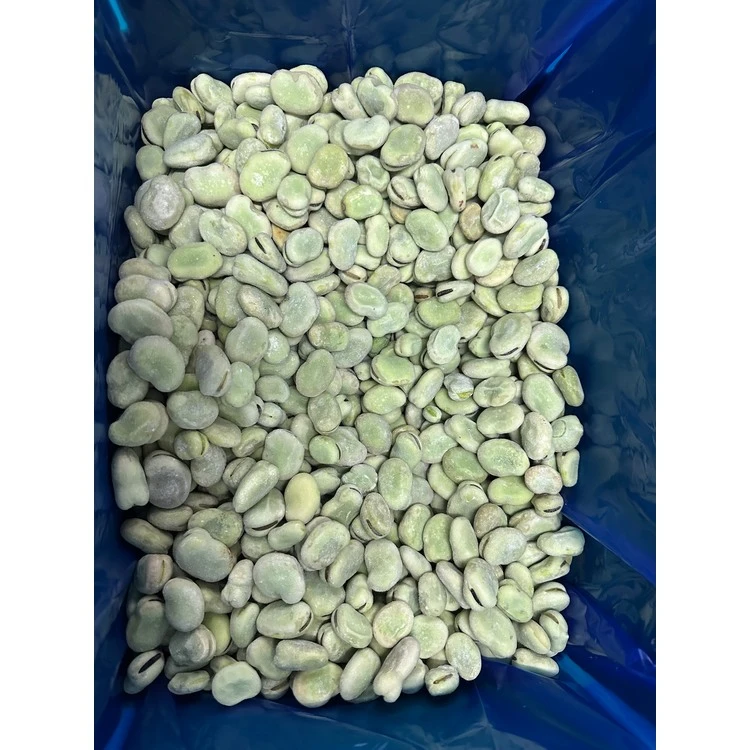
Shelled skin-on broad beans in a lined carton.
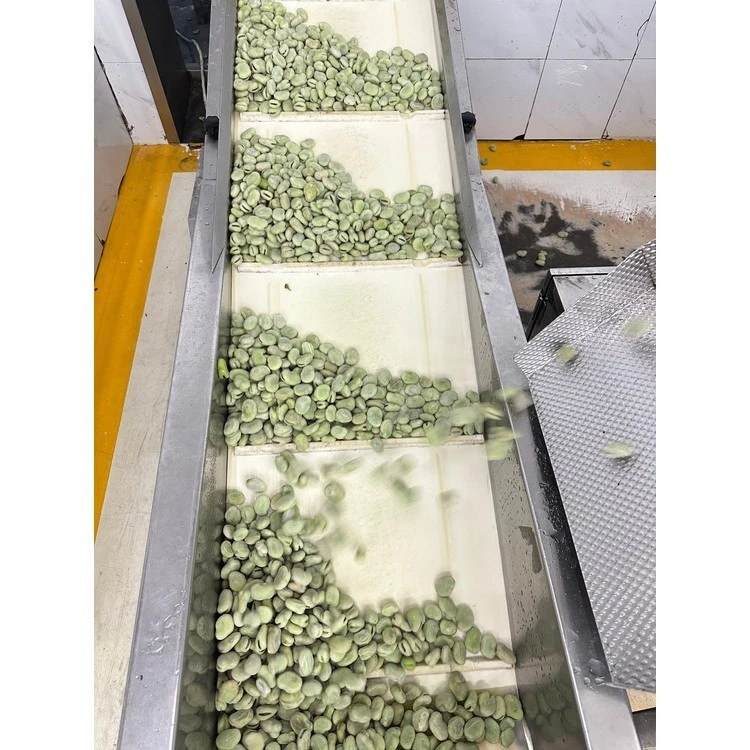
Shelled broad beans at a conveyor transfer point.
For a frozen order, the GreenLand broad bean product page provides a starting point for shelled beans with seed-coat status separately specified. We would confirm the requested form, size range, splits, preparation status and packing against the application. A peeled variant or other special presentation needs its own availability and sample confirmation.
The final specification should connect the received ingredient to the approved prepared result. Include the relevant form, defect definitions and sample method, then reference the customer's cooking and assessment procedure. For canned and dry alternatives, retain equivalent information from their suppliers. A comparison file is most useful when it records what each offer actually delivers and how the accepted output was measured.
Ask for the documents needed by the destination and customer approval program. Product specifications, ingredient statements, relevant reports and traceability information should match the proposed item and scope. Do not assume that a certificate displayed by one supplier applies to another format or site. Confirm requested evidence before the order is released, including any lot-specific reporting requirement.
Keep commercial terms aligned with the accepted trial. An order for a cheaper grade may change the split level, skin condition or size range that made the recipe successful. If the specification changes, assess the effect before production. A savings calculation based on one sample cannot automatically be attached to a quotation for another form merely because both are called fava beans.
Plan the transition between formats. Production may need revised instructions, pack handling, ingredient codes or label information. Staff should know which product is approved and whether the previous recipe remains applicable. Where two forms are retained as alternatives, document the separate preparation and formula for each. This makes supply flexibility practical without leaving the kitchen to improvise at every delivery.
Monitor early production against the trial. Compare usable yield, preparation time and final-food observations from actual runs with the assumptions used in the decision. Investigate material differences and update the agreement where necessary. The preferred form is the one that repeatedly meets the food target within the customer's operating conditions, with its full preparation and supply cost understood.
Continue reading
Are Edamame and Lima Beans the Same?
Review species identity and formulation checks when a proposed replacement changes the bean itself.
Source Frozen Broad Beans with GreenLand-food
GreenLand-food is a professional frozen broad beans supplier and manufacturer in China, providing factory-direct wholesale supply for importers, food manufacturers and foodservice buyers.
Send your product form, specification, packing, quantity, application, destination, private-label needs and requested documents so we can review the proposed order.