


Are Edamame and Lima Beans the Same?
Sep 07, 2026
Leave a message
The direct answer
Edamame is Glycine max; lima bean is Phaseolus lunatus. Compare plain cooked edible portions in matching states. Edamame generally stays firmer, while lima beans often become creamier. Introducing edamame also introduces soy, so a substitution needs a full recipe and label review.
Keep these distinctions in mind
Two different beans despite similar green color
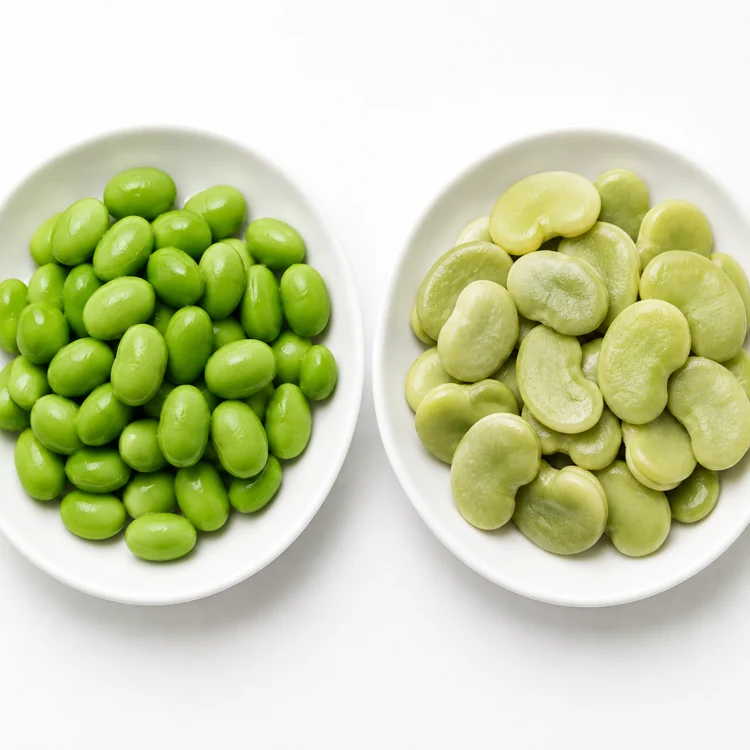
Edamame and lima beans are not the same. Edamame is young soybean, Glycine max; lima bean is Phaseolus lunatus. Both belong to the legume family, and both can be sold as green frozen beans, but they differ in species, shape, flavor and cooking behavior. Edamame usually gives a firmer, slightly nutty bite, while cooked lima beans often become softer and creamier.
The difference matters when replacing one with the other. In a vegetable bowl, the change may be welcome. In a recipe designed around a creamy bean, firmer edamame can alter the texture. In a product with an allergen-controlled formula, introducing edamame introduces soy and requires a much more deliberate review than changing the color of the vegetable component.
Compare the edible beans in the same preparation state. Frozen shelled edamame and frozen green lima beans make a useful kitchen comparison. In-pod edamame and a can of cooked lima beans do not provide an equal weight or moisture basis. Dry mature beans introduce another set of differences in soaking, cooking and yield.
For a commercial order, a photograph and the word "green" are insufficient. We would confirm the species, maturity, shelled form and cooking status before discussing size, packing or price. That sequence prevents a small naming mistake from becoming a recipe, labeling or production problem.
Species, maturity and the meaning of baby lima
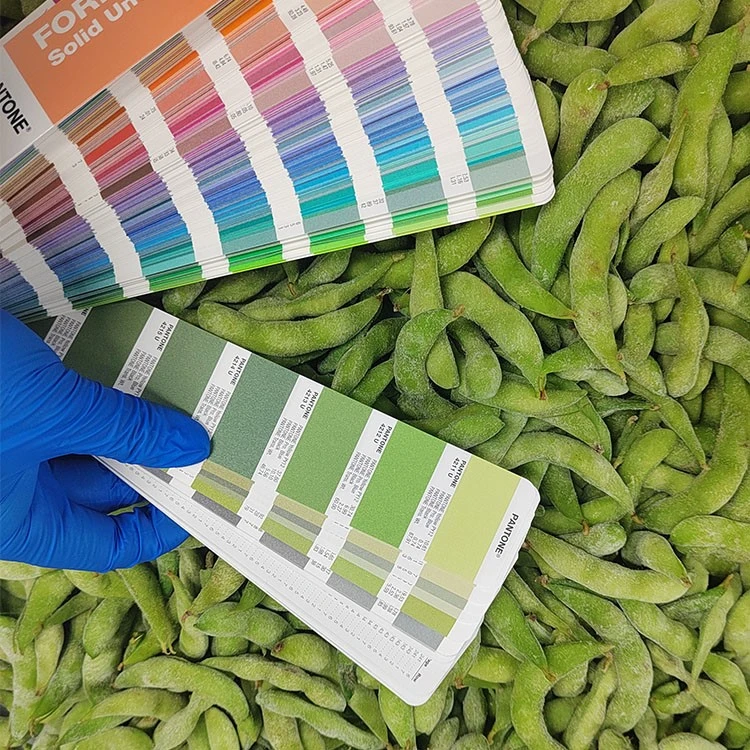
Soybean and lima bean are relatives at the family level, rather than two names for the same plant. NC State Extension identifies soybean as Glycine max. Edamame refers to its young vegetable-use seeds, usually harvested while the pods and beans remain green. Lima beans belong to a separate species and are grown in different types and harvested for different markets.
The word "baby" can create another misunderstanding. Baby lima commonly describes a small-seeded type; it should not automatically be interpreted as a bean harvested earlier than every larger lima bean. Size type and maturity stage are separate characteristics. A purchase description should state both where they affect the product.
"Butter bean" is another market name associated with lima beans, often particularly larger or mature forms. Usage varies, so the name alone does not reliably identify whether the pack contains young green beans, mature dried beans or a prepared canned product. Check the label, species and actual contents before designing a substitution.
Edamame also has cultivar differences. The fact that it is soybean does not mean any mature soybean can be processed into an equivalent green vegetable bean. Harvest timing and cultivar suitability influence fullness, tenderness and flavor. Virginia Tech's production guide explains the importance of the full-seed harvest stage for edamame quality.
For ingredient format details, see When to Harvest Edamame: Pod Fill, Green Color and IQF Raw-Material Quality.
In practice, ask two questions: what plant is this, and at what stage and in what form is it supplied? Those questions are more reliable than sorting beans by common name, color or apparent size alone.
Compare flavor, texture and appearance
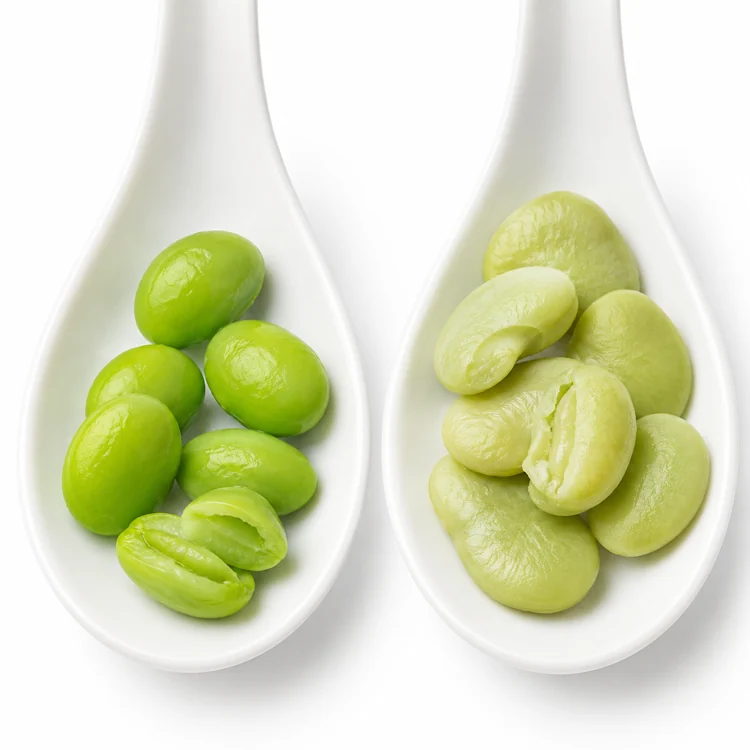
Shelled edamame is generally plump and oval, with a fairly vivid green appearance and a firm bite after suitable cooking. Young lima beans are typically flatter and more kidney-shaped, often with a paler green appearance. They can become creamy or mealy in a way that gives a different mouthfeel from edamame.
These are tendencies rather than absolute guarantees. Cultivar, maturity, storage and heat exposure can narrow or widen the difference. A poorly controlled cooking trial can make either bean seem inferior simply because the chosen method suited the other ingredient better.
| Comparison | Edamame | Green lima beans |
|---|---|---|
| Plant identity | Young soybean | Lima bean, a different species |
| Typical shape | Plump, oval kernels | Flatter, often kidney-shaped seeds |
| Flavor direction | Mild, slightly sweet and nutty | Mild, earthy and often buttery when cooked |
| Texture direction | Firm and substantial | Often softer and creamier |
| Common frozen presentation | Pods or shelled kernels | Usually shelled beans |
| Important label issue | Soy identity and allergen declaration | Correct ingredient identity and the full product allergen review |
For a light salad, both color and bite can influence the finished appearance. In a thick stew, sauce absorption and how the bean breaks down may matter more. A bean that contributes body to a sauce can be desirable in one recipe and an unwanted source of cloudiness in another.
Taste the ingredients plainly first, then in the actual dish. A strongly flavored sauce can hide flavor differences but will not necessarily hide texture differences. Check the food after its normal holding period, because a freshly cooked spoonful may not represent the product served twenty minutes later or reheated the next day.
Nutrition comparisons need matching product states
Edamame and lima beans both contribute useful nutrients, but they are not nutritionally identical. In comparable plain cooked forms, edamame generally provides more protein and fat, while lima beans tend toward a starchier profile. The exact values depend on the food-composition entry or the actual product being evaluated.
Avoid comparing a dry-bean value per 100 grams with a cooked-bean value per 100 grams. Water absorbed during preparation changes the concentration of nutrients by weight. The same problem occurs when one figure includes a sauce or added salt and the other refers to a plain, drained ingredient.
An in-pod edamame portion introduces a further issue: the pod is normally discarded. Nutrition and recipe calculations should use the edible portion where appropriate, rather than assuming the full plated pod weight becomes food consumed. A shelled product makes that calculation simpler, but the cooked yield still needs to be defined.
For a private-label meal, use the supplier's relevant nutrition information and the final recipe. If a nutrition claim is intended, review it under the destination market's rules and the actual serving size. Replacing lima beans with edamame does not automatically authorize a protein claim or any other front-of-pack wording.
There is no useful universal winner for every buyer. A manufacturer may need a certain texture, an ingredient cost, a nutrient target or a familiar flavor. Those requirements can point in different directions. A sound comparison states the objective and the measurement basis instead of presenting one bean as categorically healthier.
Soy allergy changes a substitution decision
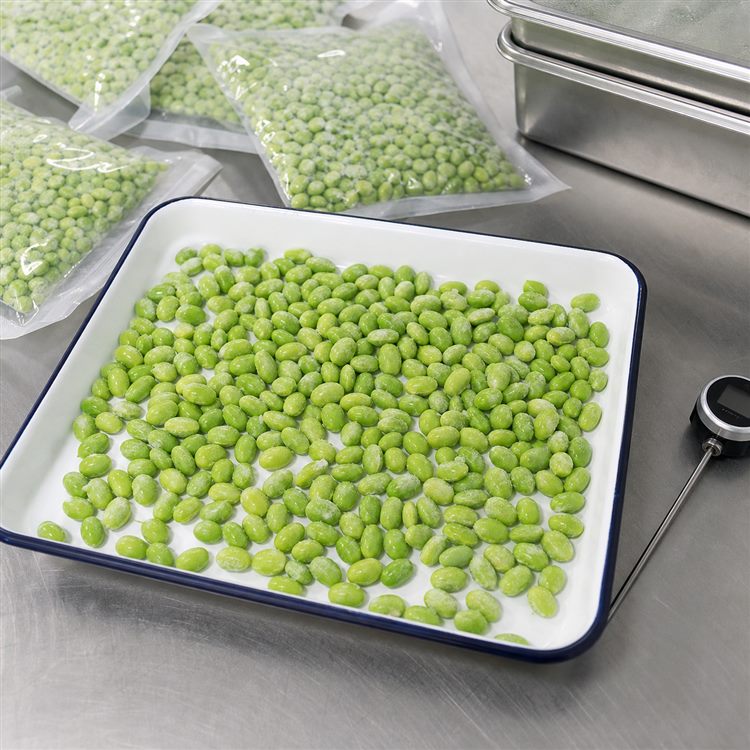
Edamame is soy even when its green appearance makes it look like an ordinary mixed vegetable. Adding it to a recipe requires review of ingredient declarations, allergen information and handling. The FDA's food allergy guidance identifies soybeans among the major food allergens in the United States.
Replacing lima beans with edamame is therefore not just a culinary substitution. A restaurant needs accurate menu and staff information, while a manufacturer needs the appropriate label and production controls. Calling the ingredient mukimame does not change the soy identity or remove the need for that review.
The reverse substitution also needs care. Replacing edamame with lima beans does not automatically make a dish safe for someone with a soy allergy. Other ingredients may contain soy, and shared equipment or preparation areas can create cross-contact. Suitability depends on the complete recipe and the handling system, not on removing one visible bean.
Do not describe either ingredient as universally allergy-free. People can react to foods outside the major-allergen lists, and legal declaration requirements vary by destination. The practical purchasing task is to obtain accurate information and have the responsible quality or labeling team assess it.
Before approving a change, identify who owns each action: the recipe owner confirms the formulation, quality reviews the allergen implications, production checks handling, and the commercial team updates the product description. A well-liked tasting sample is only one part of that approval.
What fresh, frozen, canned and dried packs mean
Fresh green beans of either type need the preparation and storage controls appropriate to that product. Pods may need shelling, and usable yield depends on their condition and fullness. The apparent low cost of a whole fresh ingredient can change after shelling labor and waste are included.
Frozen packs reduce some preparation work, but their processing status still needs to be clear. A blanched frozen bean should not automatically be treated as ready to eat. Follow the product's cooking instructions and confirm the intended use with the supplier, particularly for a chilled dish with no later heating stage.
Canned lima beans have already undergone a different process and usually come with packing liquid. Their texture, sodium content and drained yield may differ from a frozen product. If the recipe uses drained beans, compare drained weights and the actual ingredient list rather than the unopened can's gross weight.
Dried mature beans are a separate kitchen proposition. They need the appropriate preparation for the species and product, and their cooked yield depends on hydration and cooking. They cannot simply replace frozen young beans at equal dry weight in a short heating step. Keep validated or labeled preparation instructions with the ingredient.
| Pack type | Weight basis to clarify | Process question |
|---|---|---|
| Fresh pods | Purchased weight versus shelled edible yield | Who shells and cooks the beans? |
| Frozen shelled beans | Net frozen input and acceptable cooked output | Cook from frozen, thaw first, or another instructed route? |
| Canned beans | Net contents versus drained bean weight | Is the packing liquid used or discarded? |
| Dried beans | Dry input versus hydrated cooked yield | What preparation and cooking are required? |
When comparing quotations, keep these forms separate until their usable costs have been calculated.
Where each bean works in cooking
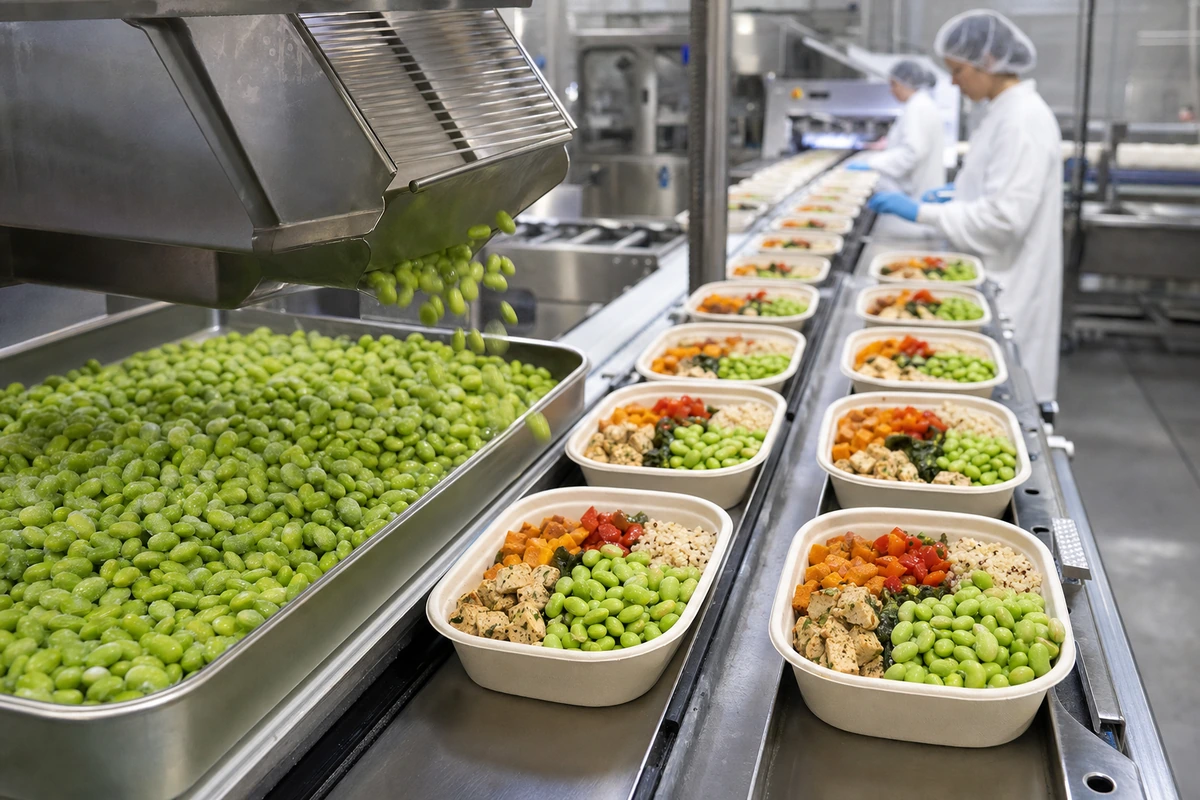
Edamame can bring a distinct green bean shape and a firm bite to rice bowls, mixed grains and vegetable combinations. It also works where a small, identifiable protein-containing vegetable component is wanted. The final result depends on using the correct cooking route and avoiding unnecessary extra heating.
Lima beans often suit dishes where a softer, creamier bean is welcome, such as stews, braises and vegetable sides with a substantial sauce. A larger lima bean can also create a different visual scale from edamame. That may be a benefit in a composed dish but a problem in a tightly specified mixed vegetable portion.
For purees and fillings, test how each ingredient breaks down. Edamame can produce a greener, firmer-textured mixture, while lima beans may give a different degree of creaminess. Oil, liquid, salt and the blending method influence the result, so an equal-weight swap may still require a formula adjustment.
In a clear soup, loose skins and broken beans can affect appearance. In a thick sauce, the same amount of breakdown may be less visible or even contribute body. Define the defect in relation to the intended dish instead of assuming that every broken piece has the same commercial consequence.
For a frozen ready meal, include the customer's reheating stage in the assessment. A bean that performs well in the manufacturer's first cook may soften too much later. Conversely, a bean chosen only for firmness before packing may be unpleasant if the final instructions do not bring it to the desired eating condition.
How to run an edamame-to-lima substitution trial
Begin with the reason for substitution. Is the objective to maintain supply, reduce usable cost, change texture, improve portion appearance or alter the nutrition profile? Write that objective before tasting. Otherwise, a panel may approve a bean for its flavor while overlooking the very requirement that prompted the change.
- Confirm the identity, form and cooking instructions for both products.
- Prepare each safely according to its own appropriate method.
- Compare equal edible cooked weights in a simple tasting.
- Add each to the same finished recipe at the intended inclusion level.
- Assess the normal hold, chill or reheat stage.
- Review yield, cost, labeling and handling before approving the change.
Keep the recipe variables controlled. If one batch gets more sauce or a longer hold, it becomes difficult to attribute the result to the bean. Use coded samples if a panel is likely to be influenced by familiarity or expected price, and record comments in terms of specific properties rather than "better" or "premium."
A useful score sheet separates firmness, creaminess, flavor, color, broken material and sauce behavior. It also records any recipe adjustment needed. If the replacement requires more sauce, longer cooking or additional labor, include those changes in the commercial comparison.
Repeat the promising result at a realistic production load. A small saucepan can recover heat much faster than an overloaded kettle or a deep microwave container. The approved process should represent the operation that will make the food, with the necessary safety controls maintained throughout.
Specifying frozen beans without an identity error
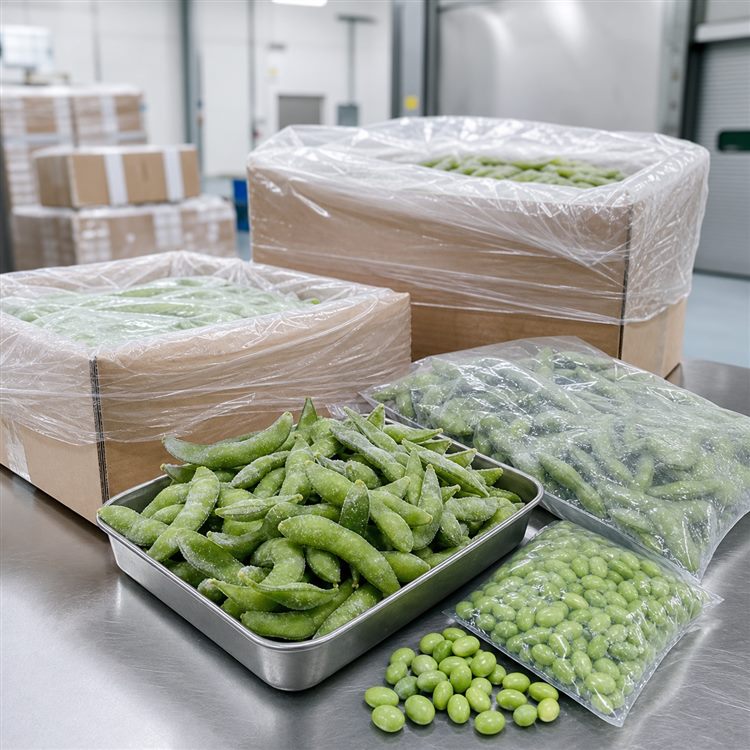
Write the ingredient name in full, including shelled or in-pod form and the relevant maturity description. For edamame, "frozen shelled young soybeans" is a useful clarification. For lima beans, specify the type and size approach that the recipe requires rather than relying solely on the word baby or butter.
For a closer explanation, see Is Edamame a Bean? Young Soybeans, Pods & Mukimame.
Size can be expressed through an agreed grading method, but the method must be clear. A broad visual category may be sufficient for one application, while another needs tighter consistency. Define broken pieces, loose skins and color variation with representative samples and agreed tolerances instead of an unsupported marketing adjective.
The processing description should state whether the beans are blanched, seasoned or otherwise prepared, and whether they require cooking before eating. Ingredient and allergen information belong in the same approval package. A clean-looking frozen sample does not answer those questions on its own.
We supply frozen edamame and can review the pod or kernel requirement against the customer's application. This comparison does not imply that every alternative bean is part of the same supply offer. If a buyer needs another species, its availability and documentation should be confirmed separately.
Carry the approved identity into the quotation, purchase order, carton marking and specification. An informal conversation can use shorthand, but the documents that control production and receipt should not leave the key ingredient open to interpretation.
Receiving and preserving the agreed quality
At receipt, match the shipment to the approved form and grade. Check the carton and inner-pack identity, lot codes, quantities and package integrity. A shelled-bean order should not require the receiving team to infer its identity from a generic vegetable carton or an unmarked clear bag.
Review the agreed transport temperature information and place frozen goods promptly into suitable storage. Follow the product's labeled conditions, commonly at or below -18°C. Keep the lot connection when cartons are split between storage locations or ingredients are decanted into production containers.
Large clumps, damaged seals or unusual surface frost may indicate a handling issue, but they do not provide a complete temperature history. Investigate against the product's normal characteristics and the transport record. A single photograph cannot establish whether a lot remained within its agreed conditions throughout the journey.
For kitchen use, portion only the amount required for the instructed process. Repeated warming to loosen frozen stock can undermine both quality and control. If the product is consistently difficult to portion, review pack size, storage practice and the specified separation characteristics with the supplier.
Retain a clear route for reporting deviations. Include the batch code, storage conditions, photographs and the preparation method used when the problem appeared. This makes it possible to distinguish a product mismatch from a cooking or handling difference and to decide what corrective action is appropriate.
Calculate usable cost and request the right documents
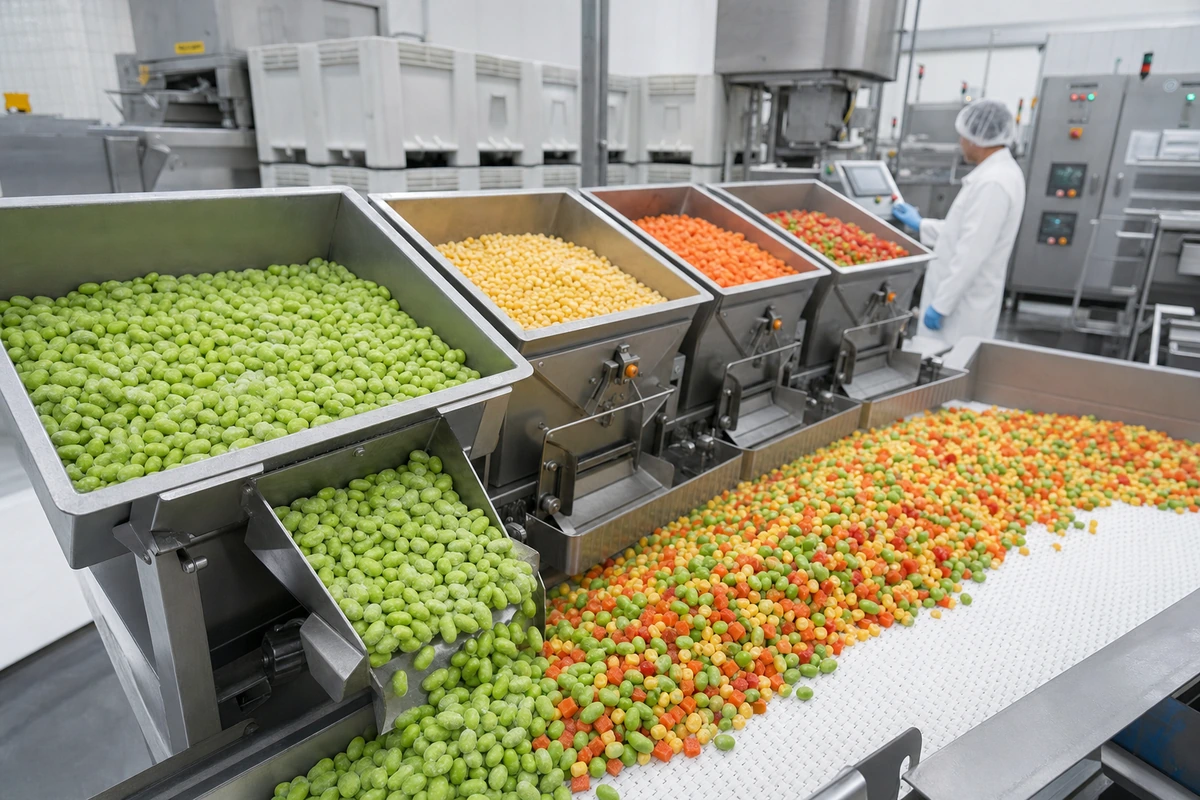
Usable cost is the cost of the acceptable ingredient in the finished dish. It includes more than the purchase price: shelling, draining, cooking loss, rejected pieces, labor and recipe adjustments can all change the result. Compare the same output basis before deciding which bean is cheaper.
For example, a restaurant replacing pods with shelled edamame removes a preparation step but changes the serving format. A manufacturer replacing canned lima beans with frozen kernels changes drainage and cooking requirements. Neither comparison can be settled accurately by lining up the unopened pack prices alone.
Request the product specification, ingredient and allergen statement, relevant test information and the documents needed for import or supplier approval. Confirm that certificates and reports cover the proposed product and production scope. Where a lot-specific result is required, a general product brochure will not meet that need.
Packing and minimum order quantity should be reviewed with the expected demand. A private-label bag, a particular inner-pack weight or a custom grading requirement may affect lead time and order economics. We confirm those details against the actual request, including destination, quantity and required dispatch window.
The most useful inquiry states the intended dish, the current bean, the reason for considering a change and the acceptance criteria. Add the form, packing and documents required. That allows the sample and quotation to answer a practical purchasing question while keeping edamame and lima beans accurately identified throughout the decision.
Source frozen edamame with GreenLand-food
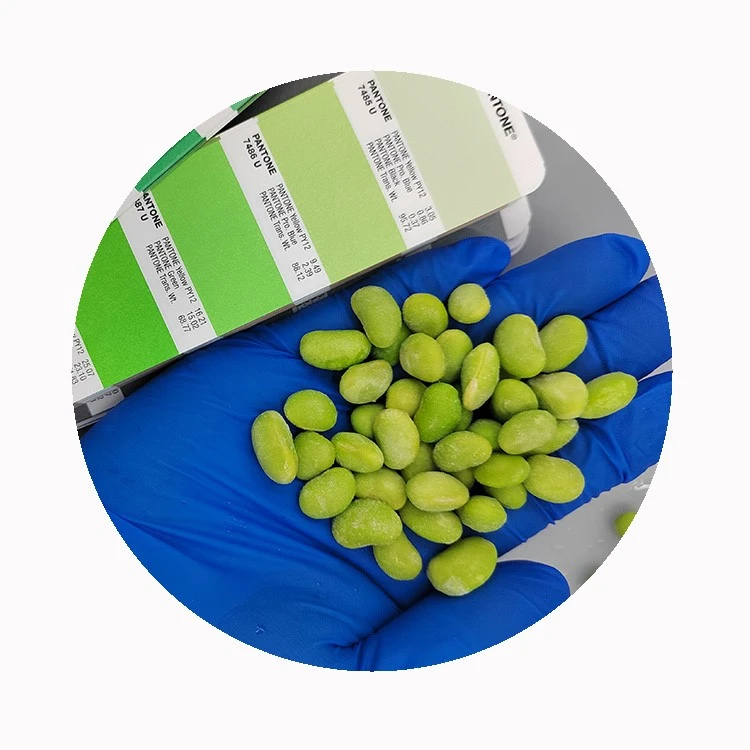
GreenLand-food is a professional frozen edamame supplier and manufacturer in China, providing factory-direct wholesale supply for importers, food manufacturers, foodservice distributors and private-label programs.
Describe the current bean, the reason for considering edamame and the texture and label changes that your team needs to assess.
Send your product form, specification, packing, quantity, application and destination, together with private-label needs and requested documents. We will review the requirement and confirm the available sample, packing and commercial options for your order.