


How to Prepare and Cook Eggplant: Cooking Methods and Storage
Oct 15, 2026
Leave a message


Prepare skin, slices and cubes for the dish
Choose firm fruit with intact skin and a fresh-looking calyx. Look for bruises, extensive soft areas, mold or other signs of deterioration. A large globe fruit is convenient for broad rounds and planks; a slender fruit often works well for narrow batons or wedges. Shape does not guarantee tender skin or a particular seed level. Cut a representative sample when evaluating a batch, especially if the finished dish must show uniform slices or pieces that retain their skin.
Wash the intact eggplant under running water and dry it before cutting. Clean the board and knife, and keep them away from raw meat juices. The FDA's produce guidance recommends water rather than soap or household detergents. Washing still matters when a recipe calls for peeling because a knife can transfer material from the outer surface. Remove the stem and calyx carefully, allowing for any prickly material, then inspect the exposed flesh before making the final cuts.
Leave tender skin on when it gives the dish a useful colored border and acceptable bite. Skin-on wedges can remain visibly distinct after the flesh softens in sauce. Peel fully or in strips when the skin is tough or when a pale, smooth result is desired. The decision affects usable yield and the way pieces hold together. A slender Chinese eggplant can have tender skin, but judge the actual fruit and recipe rather than apply that description to every market type.
For pan cooking or roasting, begin with reasonably even cubes around 20–25 mm. Make a stable flat surface first, cut slabs, then strips and cubes. Do not leave the tapered end much smaller than the rest of the batch if all pieces will cook together. Broad rounds or planks around 10–15 mm thick can suit grilling or layered dishes. These are practical starting dimensions. Thinner cuts soften sooner; thicker ones may require a gentler finish after the outside colors.

Even pieces support a consistent cooking check across the batch.
The cut surface can darken during preparation, so organize the work to minimize unnecessary waiting. If a recipe uses a specific acidulated-water treatment, follow its amount and time, then drain and dry as required. A wet cut placed into hot oil can splatter and spend more time steaming. For home freezing, acid and blanching instructions have a specific preservation purpose; they should not be improvised into a claim that the fresh vegetable has been sanitized or commercially preserved.
Large, overmature fruit may have conspicuous seeds or less desirable flesh. Removing the skin alone will not correct that interior. Consider a cooked purée or another suitable use only if the fruit is sound, and reject spoiled material. For purchasing, distinguish trimming loss, cosmetic variation and actual deterioration. A supplier conversation works better when the buyer describes the observed condition and intended dish rather than calls every seed, discoloration or soft cooked piece the same defect.
For a frozen ingredient, confirm what preparation has already taken place. A bag may contain wedges, segments, dice or another form, and the pieces may have been blanched or otherwise treated. Do not automatically wash or thaw them as though they were fresh whole fruit. Follow the pack instructions and keep the product at its specified temperature. The term IQF describes the freezing format; it does not establish readiness to eat or replace the required final cooking method.
Decide whether salting helps the result
Salting can season cut eggplant and draw some moisture to its surfaces. A cook may use it before frying or assembling layers where excess liquid would be inconvenient. It is an optional process choice for many sound, tender eggplants, rather than a mandatory step for every recipe. Young slender varieties often cook satisfactorily without a lengthy rest. The useful question is whether the salt treatment improves your particular texture and moisture target enough to justify the added time and handling.
For a first comparison, prepare equal fresh slices from the same fruit. Salt one portion lightly and evenly, let it rest for about 20–30 minutes and blot the moisture. Keep the other portion unsalted until the cooking stage. Cook both with the same cut thickness, oil quantity and heat. Compare tenderness, oiliness, surface color and salt level. This small test gives more useful information than assuming that a traditional instruction must improve every variety and method equally.
Recipes differ about rinsing after the rest. Rinsing removes surface salt but adds water that must be dried before browning; blotting keeps more of the seasoning. Choose one method and account for it in the final salt addition. Strong salting followed by a casual blot can make the finished dish unpleasantly salty once cheese, sauce or other seasoned ingredients are added. Do not mix a heavily salted preparation with a recipe developed for unsalted eggplant without checking the whole dish.

If the recipe calls for salting, remove the released moisture before continuing.
Salting should not be described as a way to make spoiled or unidentified fruit safe. It is a culinary treatment with effects on flavor and moisture. Bitterness can reflect type, maturity and condition, and a salt rest is not a guarantee that every source of bitterness disappears. If a food has an unexpected objectionable taste or evidence of deterioration, investigate the ingredient rather than cover it with stronger seasoning. Preserve the distinction between cooking-quality adjustment and rejection of an unsuitable input.
The next heat method can make a salt rest less valuable. In a long braise, the eggplant has time to soften within a sauce, so an added draining step may not improve the final result enough to matter. Roasting spread-out cubes can evaporate moisture without prior salting. A layered dish that relies on well-defined slices may benefit from a more controlled precooking and draining sequence. Test the process as a whole, including any later sauce and cheese addition.
Frozen eggplant needs its own comparison. A thawed piece may already release liquid, while a product intended to cook from frozen should follow that direction. Fresh-fruit salting advice cannot simply be transferred to a cold, prepared frozen cut. Confirm whether seasoning or another treatment is already present and whether thawing is permitted. If the recipe requires a thaw-and-drain stage, measure its conditions and yield. Adding a salt rest without that information can introduce more variation than it removes.
In foodservice, a salt step also consumes space and labor. Trays must be clean, the ingredient must remain under appropriate handling controls, and staff need a consistent amount and rest period. Include those demands when comparing a salted and unsalted route. The accepted method should record the preparation state and final texture. An attractive browned sample is insufficient if a busy service cannot reproduce the same drained weight or finished seasoning across several batches.
Pan-cook, steam or simmer until the flesh softens
For a pan trial, use around 400–500 g of fresh 20–25 mm cubes and start with approximately 1–2 tablespoons of oil in a wide skillet. Heat over medium-high heat, spread in a loose layer and allow the contact faces to color before turning. Cook in batches when necessary. Begin checking around 8–10 minutes and allow roughly 10–15 minutes or longer for tenderness, depending on the cut and load. The center should yield easily rather than remain raw and rubbery.
Raw eggplant can take in oil quickly because of its porous structure. Measure the initial oil and resist adding a large amount whenever the pan appears dry. A nonstick or well-managed pan can reduce sticking, while a controlled small splash of water followed by a brief covered finish can help thick pieces soften. That moist finish changes the surface texture and should suit the dish. It is useful for sauced pieces but less helpful when a crisp outside is the main target.

Judge the soft interior as well as the shape when using steam or simmering liquid.
Keep garlic, dried spices and small aromatics from scorching during the vegetable's longer cooking period. Add them once some color has developed or prepare them separately before combining. A burned aromatic can make a sound eggplant taste bitter and confuse the ingredient assessment. Finish with the sauce only after the pieces are near their intended tenderness when browning matters. If the recipe is a deliberate braise, adding liquid earlier can be appropriate, with a different final texture.
Steaming gives a softer, moist result without pan browning. Cut slender fruit into reasonably even batons or wedges, place them with space for steam circulation and start checking after about 8–10 minutes. Some pieces need 10–15 minutes or longer. Pierce the thickest part to judge softness. Dress the cooked pieces with the recipe's sauce after draining any collected liquid. A glossy cooked surface and yielding flesh are more useful cues than trying to match the appearance of a roasted cube.
Simmering or boiling suits soups, sauces and preparations where a gentle moist texture is wanted. For an initial trial, small fresh cubes may soften in approximately 5–8 minutes, while larger pieces can take 8–12 minutes or longer. Begin testing as soon as the smaller pieces yield. Keep the liquid at a gentle simmer so the outside is less likely to break away before the center cooks. Our dedicated boiling article explores that narrower timing question; the full dish still determines the desired endpoint.
Drain boiled pieces when the next recipe cannot use their cooking liquid. For a soup, that liquid may belong naturally in the dish. If you intend to brown the pieces after a moist cooking stage, remove surface water carefully and assess whether their softened structure tolerates turning. A pre-softened cube can break more easily than fresh firm flesh. Evaluate the complete route rather than assume that a useful preliminary step leaves every later technique unchanged.
For any method, check a representative thick piece and judge the final service. A stew can continue softening during holding, while a freshly sautéed piece may lose its browned appearance under sauce. Keep the cooking utensil and tasting utensil separate as needed, and follow the handling directions for purchased frozen products. These short method ranges guide a kitchen trial; they do not validate a commercial heat process or establish a shelf life for a prepared meal.
Roast and grill with control over oil and heat
Roast fresh cubes at a starting temperature around 220°C/425°F. Toss approximately 500 g of cubes with a measured 1–2 tablespoons of oil, spread on a shallow tray and begin checking at around 20 minutes. A loose layer of 20–25 mm pieces often needs roughly 20–30 minutes or longer to develop color and tender centers. Turn once when the lower faces have browned. Adjust the oil for the recipe and judge whether the pieces are pleasantly coated rather than heavily saturated.

Check the softened interior as well as surface browning.
Tray space is part of the method. A deep pile releases vapor that keeps surrounding pieces moist, while a single layer exposes more surface to hot air. Several packed trays can change oven recovery and airflow. Scale by adding suitable tray area and checking each load, not simply by extending one crowded tray's time. If the pieces are pale but already soft, the next trial may need better spacing or stronger effective heat rather than a longer bake that makes the flesh collapse.
For broad slices, use a similar preheated oven and begin checking earlier, often around 15–20 minutes for relatively thin pieces. Brush both faces lightly and turn if the method calls for it. A slice for a layered bake needs enough tenderness and structure to handle during assembly, while a slice served alone may need a more browned surface. If cheese and sauce will be added later, include that final bake when deciding how far to cook the first stage.
Whole or halved eggplant suits dips and preparations using scooped flesh. Pierce whole fruit as the recipe directs, or cut halves and prepare their exposed surfaces, then roast until the flesh is thoroughly soft. Larger fruit can need substantially longer than thin slices, commonly 35–60 minutes depending on the oven and size. Allow it to cool enough for safe handling before scooping. Discard the calyx and use the edible flesh according to the dish, draining released liquid if the purée needs to be thick.
Grill broad planks around 10–15 mm thick on a clean, preheated grate. Brush lightly with oil and start checking around 3–5 minutes per side over medium-high heat. Turn when the contact surface has colored, then judge the center with a fork. Move the pieces away from the strongest heat if the outside is darkening too quickly. Grill marks can look finished while the interior remains firm, so a thinner consistent cut or a gentler finishing zone can be more effective than stronger direct heat.
Avoid excessive oil that drips into the heat source and causes flare-ups. Keep the grill managed according to its instructions and turn pieces with tools that support them as they soften. Narrow segments or small cubes may need a basket or griddle. Slender fruit halved lengthwise can offer a convenient shape, but its thick end still needs checking. The final goal is a tender edible portion with the desired surface flavor, rather than maximum charring on a piece that remains spongy inside.
Air frying follows the same principles of controlled cut and available airflow, with a smaller load and the appliance's directions. Begin with a modest portion, turn as needed and check the center before setting a repeat time. A coating needs room to set without rubbing away. Keep any breading or seasoned oil within the recipe's allergen and nutrition description. Roasting or air frying does not automatically establish a low-fat claim; the actual amount retained in the served portion matters.
Refrigerate, freeze and reheat with clear boundaries

Keep prepared portions covered and distinguish chilled cooked food from the frozen ingredient.
Use fresh eggplant promptly and protect it from bruising, drying and unsuitable storage conditions. Purdue Extension suggests a cool place away from direct sun or short refrigerator storage and emphasizes using it soon. The condition of the actual fruit matters more than a guaranteed calendar day. Refrigerate cut pieces promptly in a clean covered container and keep them separate from raw meat. A whole-fruit storage suggestion should not be extended to exposed cut flesh or a cooked dish.
For home freezing, the National Center for Home Food Preservation's eggplant method gives a specific preparation involving peeled slices, water blanching with lemon juice, cooling and packing. Use its actual slice thickness and timing when following that route. The acid helps the prescribed quality treatment; blanching manages quality changes during frozen storage. Neither step makes the product sterile or preserves its raw crispness. Freeze in usable portions and protect the food against air and moisture loss.
Cooked roasted or grilled eggplant can also be portioned for later dishes, with suitable cooling and packing. Expect a softer result after freezing and reheating. A purée may tolerate that change well, while an intact grilled slice deserves its own trial. Decide the future use before choosing the freezing form. A large frozen block can be inconvenient when service needs small portions, and repeated thawing to remove part of a pack creates unnecessary handling complications.
Refrigerate cooked perishable food within two hours, or within one hour when the surroundings exceed 32°C/90°F. Use shallow containers and keep the refrigerator at 4°C/40°F or below. Household leftover guidance commonly allows 3–4 refrigerated days for cooked meals; a commercial operator must apply the relevant food-code controls. Reheat leftovers to 74°C/165°F, checking the center with a thermometer. This safety endpoint is separate from the first cooking decision about the vegetable's desired tenderness.
Thaw in the refrigerator when the recipe requires thawing, or use a safe faster method with the required immediate cooking. Avoid counter thawing and do not let a cold exterior hide a warm center during handling. For a purchased frozen ingredient, follow its directions rather than improvise a home preservation process. Keep its pack identity and date available so staff can distinguish an uncooked ingredient from a fully cooked leftover. Those states may require different final steps even when the pieces look similar.
Match frozen eggplant and cut specifications to service
Our frozen eggplant supply page is a starting point for confirming the offered form and packing. A whole slender fruit, a short segment and a packed wedge have different preparation implications. We confirm the cut, skin condition and cooking instructions with your purchasing team. Real product photos show the incoming ingredient; they do not prove a finished roasted application or identify every treatment. Keep the agreed specification connected to the sample you actually cook.
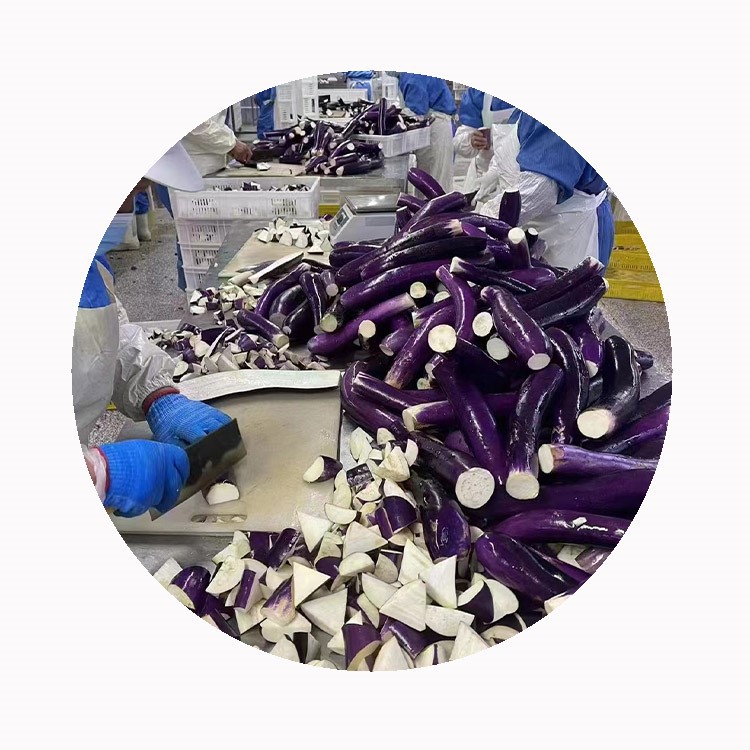
A cutting view shows how the raw fruit becomes skin-on pieces; the agreed finished cut still needs confirmation.
Run equal-weight trials in the intended equipment. Record incoming weight, any liquid removed, cooked usable weight, visible seed level, skin tenderness and piece breakage. Include the planned hot hold or reheat when relevant. For example, a 1 kg trial yielding 800 g of usable cooked pieces would have an 80% yield under that method; this is illustrative, not a promised product figure. The useful purchasing cost is the cost of the serving result under a repeatable process.
Define acceptance in terms staff can observe. A roasted side may need intact cubes with browned faces; a sauce may accept softer pieces but need a controlled liquid contribution. Confirm cut range and defect tolerance, pack size, approximate quantity, destination and requested documents in the supply discussion. Start with the dish and service conditions rather than a long generic checklist. We can then help resolve which frozen ingredient form warrants a sample and what needs confirmation before an order.
Keep comparison conditions stable when reviewing another delivery. A thicker cut, a heavier pan load or a longer hot hold can change tenderness even without a change in the incoming ingredient. If a result differs from the accepted sample, record photographs of the actual pieces, the preparation method and the observed yield before drawing a conclusion. The pack identity and temperature history may also help explain the difference. A clear description supports a useful supplier discussion and avoids replacing a suitable ingredient to correct a problem caused by the cooking load.
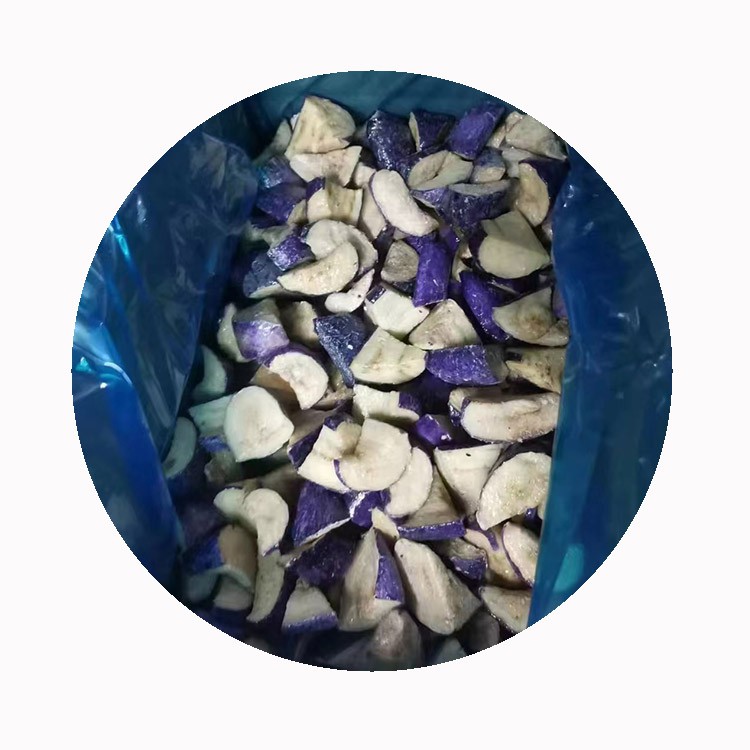
A packed wedge is a distinct form from a prepared Parmesan slice.
Where the menu uses several eggplant dishes, approve each important texture separately. A cut accepted for a soft dip may still need another trial for browned cubes or intact grilled planks. The broader purchase can remain coordinated, while the kitchen keeps application instructions that make those different results achievable.
Source frozen eggplant with GreenLand-food
GreenLand-food is a professional frozen eggplant supplier and manufacturer in China, providing factory-direct wholesale supply for importers, food manufacturers, foodservice distributors and private-label programs.
Tell us the application and destination, then share any requirements for product form, specification, packing, quantity, private-label needs and requested documents. We can help clarify the details for the proposed ingredient supply.