


Can You Freeze Garlic Chives? Aroma and Cooked-Use Fit
Oct 19, 2026
Leave a message

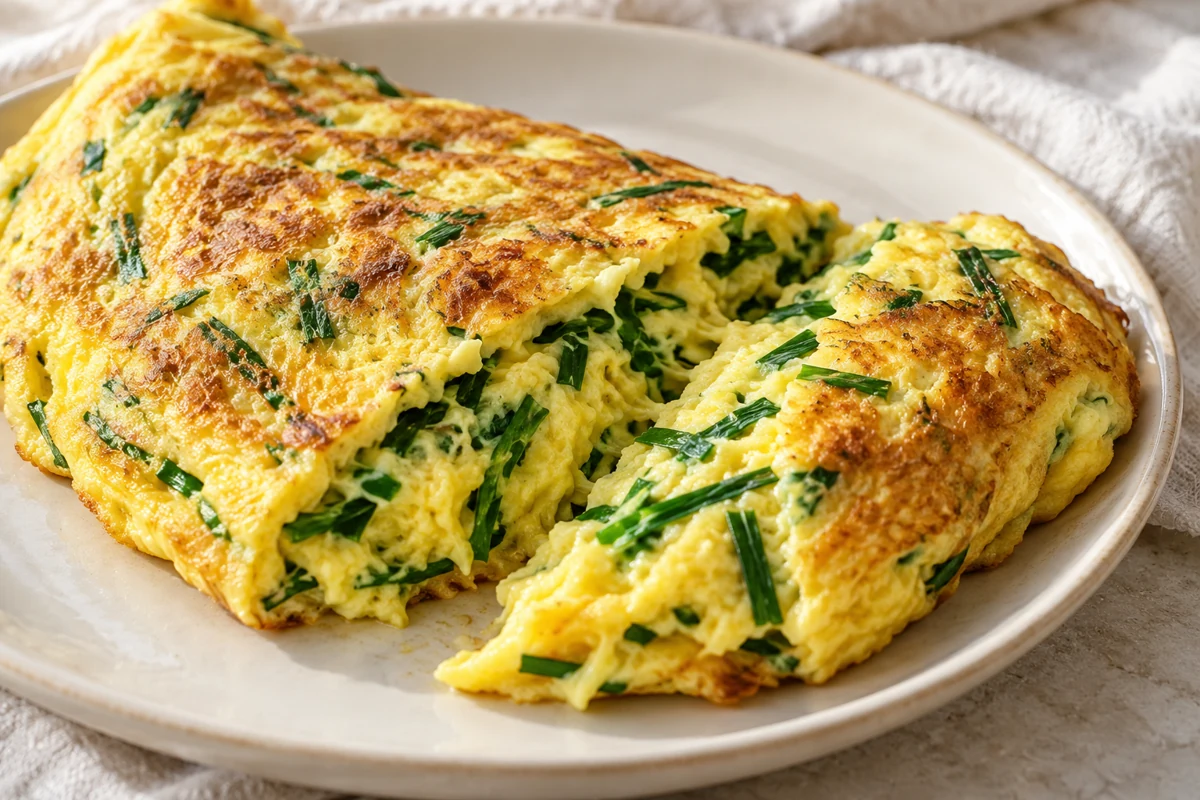
For a food manufacturer or foodservice buyer, the useful question is therefore more specific than whether the leaves survive the freezer. Will the frozen cut give the right distribution, water contribution and garlic-chive character in your recipe? A kitchen trial can answer an early development question. A commercial order also needs a defined ingredient, a representative sample and handling instructions tied to the supplied product.
The guidance below connects those two levels without treating a household freezing method as an industrial specification. Garlic chives here means the flat-leaved ingredient usually identified as Allium tuberosum, also called Chinese chives or nira. Confirm that identity when ordering; ordinary hollow-leaved chives and garlic shoots are different ingredients.
Freezing is practical when the final use welcomes softer leaves
Choose the dish before choosing the preservation format. If the chive will be cooked into an omelette or mixed through a filling, a tender leaf may fit the expected bite. If it must stand upright as a fresh garnish, freezing is a less promising route. This is an application decision, not a judgment that one form is universally better. Fresh and frozen ingredients can serve different jobs within the same kitchen or product range.
The most useful starting point is the role of the leaf. Is it a visible vegetable, a background aromatic ingredient, a green accent throughout a mixture, or a finishing garnish? Those roles demand different appearances and amounts. A small cut that distributes readily through egg may disappear visually in a noodle dish. A longer cut may remain recognizable but need a closer check for bite and portioning. Preserve the form that the dish actually needs.
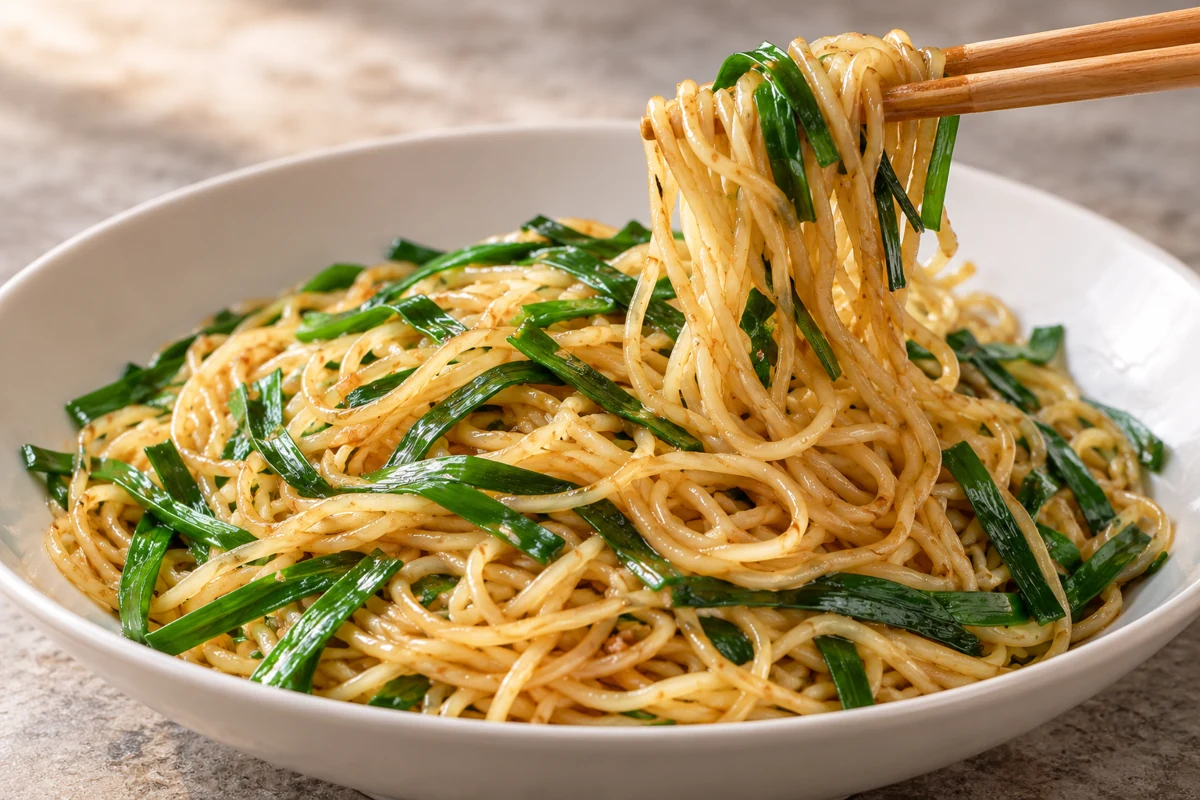
Illustrative noodles; cooked suitability requires a trial of the actual ingredient.
A garlic-chive ingredient guide from Just One Cookbook includes freezing chopped leaves and describes familiar cooked applications. That supports the basic practicality of freezing, but it does not establish how a particular commercial lot will perform. Recipe references are useful for choosing trial foods. They do not supply your acceptance limits, your factory process or the shelf life of a proposed ingredient.
Look at the complete serving experience. A chive omelette eaten immediately after cooking is different from a frozen prepared meal reheated later. A soup held for service is different from one served straight from the pan. Include the relevant later step in the trial, even when the first sample looks attractive. It is the food at the point of eating that determines whether the ingredient format fits the product.
For mixed-use operations, consider keeping separate specifications or stock forms for separate jobs. A fresh garnish requirement should not force the same format onto a cooked filling, and a convenient frozen cut should not automatically replace the garnish. Clear use instructions reduce that confusion. They also help staff portion the ingredient correctly rather than making their own assumptions from the word chives on a container.
Start with one representative cooked dish and a realistic portion. A small, recorded trial gives a better basis for discussion than adding frozen leaves to several unrelated recipes and relying on memory. Note the cut, dose, preparation and cooking route. If the result suits the dish, broaden the assessment to the other intended uses. If it does not, identify the specific limitation before changing several variables at once.
Expect the aroma and texture to need separate judgments
Freezing can change plant tissue, so a thawed leaf may be more flexible and release liquid. General herb-preservation guidance from Penn State Extension, available in this university-hosted copy, highlights the softer texture of thawed herbs and their suitability for cooked dishes. The practical consequence is to plan around the cooked result instead of expecting a thawed bunch to behave like freshly cut leaves.
Texture and aroma should still be assessed separately. A leaf can be soft while providing useful allium character, and a bright green appearance cannot prove strong flavor. Record what each observation means for the recipe. If the food needs visible pieces with some bite, softness may matter more. If the leaves are finely distributed through a cooked filling, the aroma and water contribution may be more important than the firmness of an isolated piece.
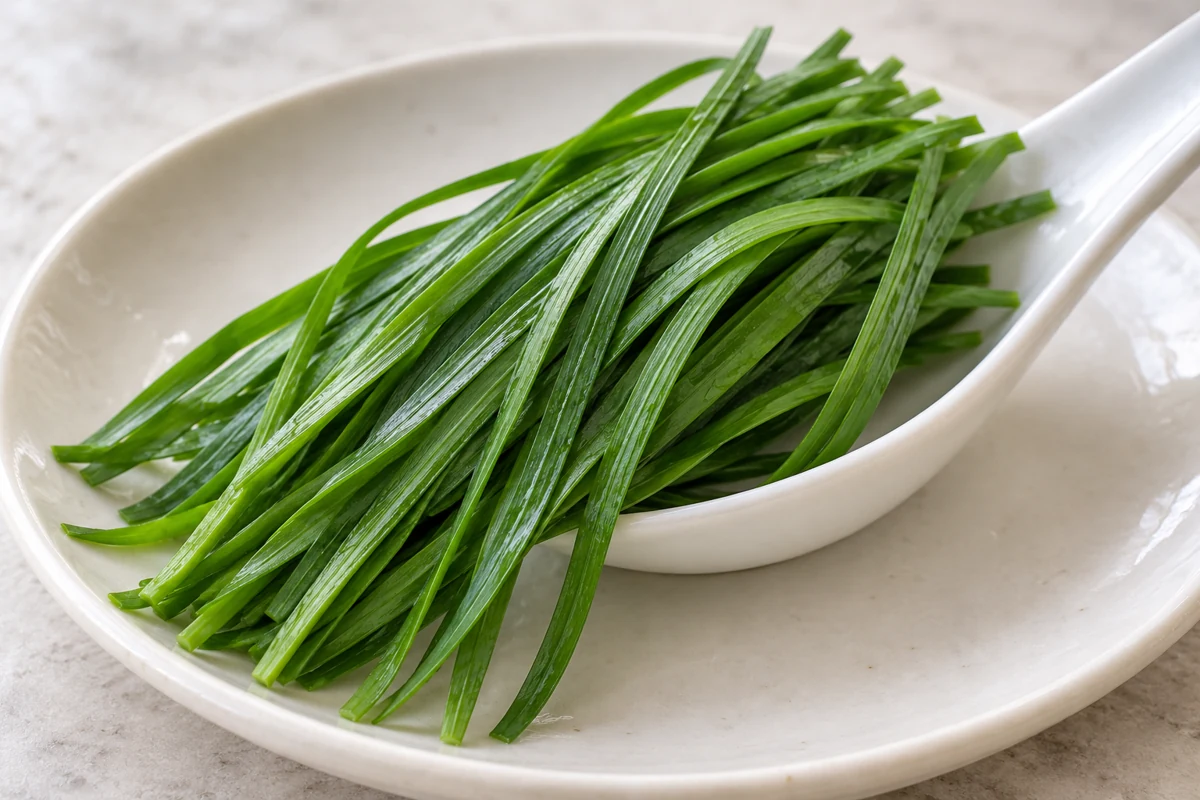
Illustrative flexible leaf form, not a measured before-and-after freezing result.
Do not translate a general statement about preserving flavor into a percentage. Different raw materials and handling histories can produce different outcomes. Comparing a fresh bunch from one source with frozen material from another does not isolate the effect of freezing. It compares two supplied ingredients. That can still be a useful purchasing exercise, provided the report describes the question accurately and does not invent a before-and-after history.
Evaluate the ingredient at the point where the customer will encounter it. The smell from an opened pack and the flavor in a cooked egg dish answer different questions. Strong garlic, oil, seasoning and browning elsewhere in the recipe can obscure the chive contribution. A simple cooked base can help during development, followed by the complete formulation. Keep both observations, rather than allowing the simpler screen to stand in for final approval.
Watch for changes that affect usability as well as eating quality. A loose frozen cut is easier to portion than a tightly fused mass, but free movement alone does not prove good flavor or safe handling. Frost, clumps and package condition should be considered with the available storage information and product requirements. Investigate an unexpected condition through the normal quality procedure. Do not decide the entire history of a lot from one visual clue.
Keep claims about safety separate from sensory suitability. Freezing is a preservation step, not a general guarantee that an ingredient is ready to eat. Follow the supplied product's instructions and your established cooking and food-safety process. An acceptable smell cannot replace required release checks. If material appears spoiled or has an unexplained abnormal odor, stop normal use and follow the appropriate assessment or rejection procedure.
Prepare and portion with the future dish in mind
For a small kitchen development trial, start with sound, identified leaves and an appropriate clean preparation area. Remove unsuitable material, wash as required for the fresh ingredient, drain away surface water and choose the cut for the planned food. Do not use freezing as a way to rescue deteriorating produce. The condition of the starting material remains part of the result, even when later cooking changes its appearance.
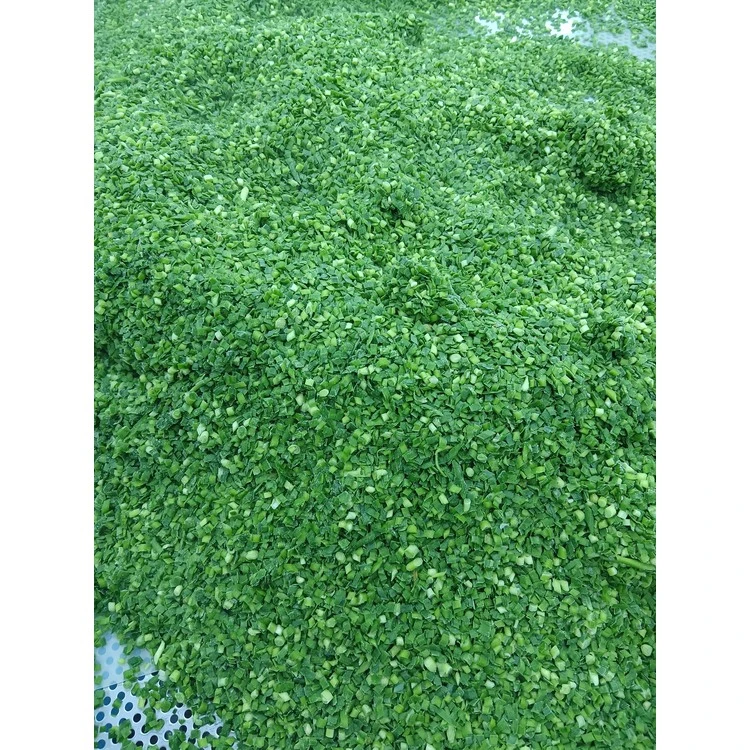
The product-page view shows a very fine cut; request identity and dimensions in the current specification.
Record the preparation and portioning sequence for the development sample.
- Select sound identified leaves and clean them appropriately.
- Remove excess surface water.
- Cut and divide for the intended dish.
- Freeze by an appropriate recorded method.
- Package and identify the portions for controlled storage and use.
Keep the recorded route with the trial result so it can be repeated or changed deliberately.
Excess surface water can create ice around the leaves and make the resulting material harder to separate. Removing that water is different from trying to dehydrate the leaf. Aim for a repeatable preparation condition and record it during a trial. If one sample enters the freezer visibly wet and another is well drained, their later portioning behavior may differ for reasons unrelated to the species or the quality of the original bunch.
Choose the cut before freezing when that suits the intended method. Purdue's herb-preservation guidance describes chopped chives frozen on a tray and then bagged for use. That is a household portioning approach. A buyer should still specify the desired commercial cut and its distribution, rather than treating a kitchen cutting suggestion as a universal size requirement for every filling, soup or sauce.
Portion according to use. A development kitchen making small batches may benefit from several small packs that can be opened individually. A production line may require a different pack size and handling routine. The useful unit is the amount that can be handled within the established process without repeatedly exposing the remaining stock. Include the packaging and portioning behavior in the trial, not just the appearance of a handful on a plate.
Keep the identity and date attached to the portions, along with the preparation route when this is development material. If several treatments are being compared, give each a clear code and retain the key. A well-labeled sample makes it possible to connect the cooked result to the preparation choice. An anonymous bag of green leaves may still be usable in a kitchen, but it is poor evidence for a commercial ingredient decision.
Choose a format that fits the recipe water balance
Loose frozen cuts, a compact frozen portion and leaves frozen with added water are different formats. Their behavior during weighing and cooking will differ. A water-based herb cube includes water that must be accounted for in the recipe. Its total mass is not the mass of chive leaves. Make that distinction explicit when comparing a cube with a loose frozen ingredient or converting a fresh-herb recipe.
Health Canada's fresh-herb storage guide includes freezing chopped herbs with water in ice-cube trays. That format can be convenient in a dish that already welcomes liquid. It is less straightforward in a preparation where added water changes the desired texture or slows surface browning. Treat the cube as a recipe component with a known composition, not as a universal substitute for a spoonful of leaves.
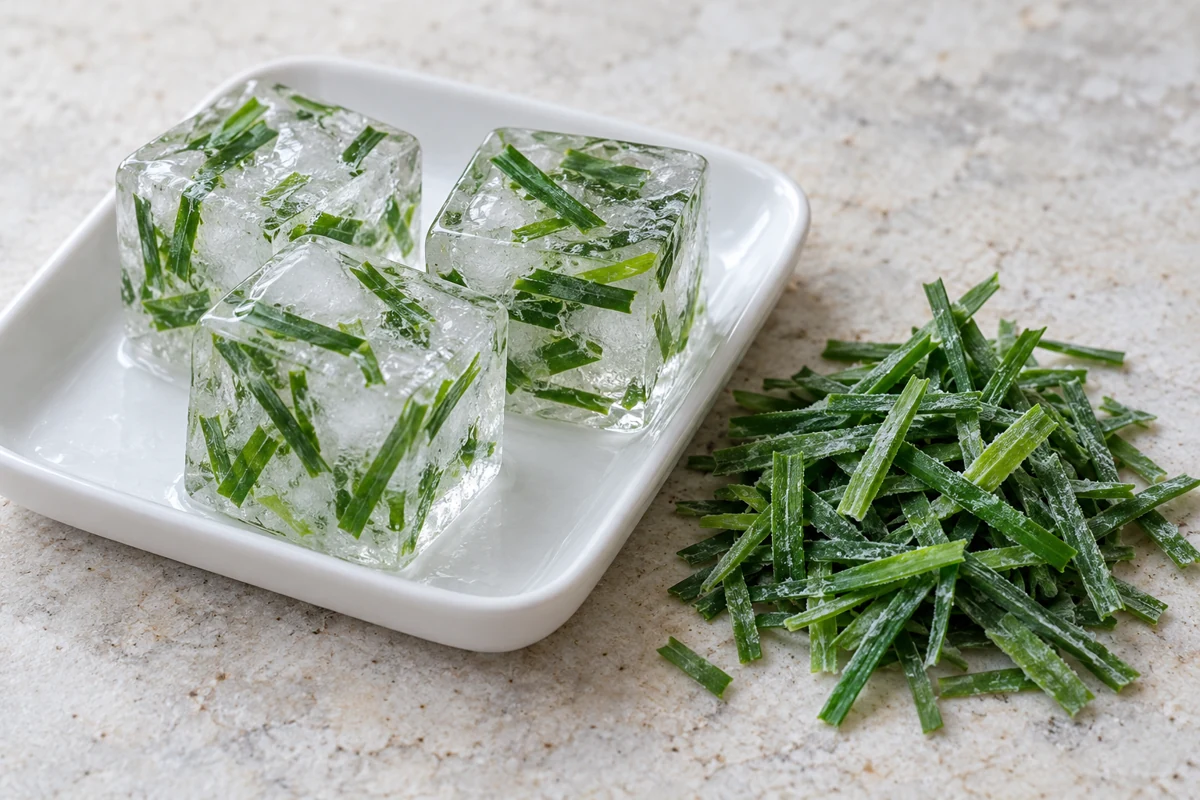
Illustrative formats; the cube mass includes added water and is not an equal leaf dose.
For an egg dish, extra liquid can change the mixture you are trying to set. For a soup, the same amount of water may be easier to accommodate within the batch formulation. A filling or batter may have a narrower working range. These differences are reasons to measure and test, not reasons to declare one format unsuitable in every case. The final decision belongs to the recipe and production route.
Record the basis used in the formulation. If the recipe specifies received frozen mass, keep that basis when comparing samples. If it specifies prepared or drained mass, describe the preparation and record the yield. Changing the basis without notice can change the actual ingredient dose. It can also make an apparently cheaper ingredient more expensive in use once handling loss or additional preparation is included.
Avoid squeezing, draining or rinsing by habit. Each can change the input to the food, and the best route depends on the ingredient and application. Follow the supplier's instructions and the chosen trial method. If a preparation step is necessary, include its labor, time and yield in the comparison. A route that gives a good small sample but cannot be repeated in normal production is not yet a practical solution.
Keep plain frozen leaves distinct from leaves mixed with oil, stock, salt or other ingredients. Those additions affect the recipe and its labeling or handling requirements. They also make comparisons more complicated. This article focuses on garlic-chive leaves and their fit in cooked foods; it does not provide a room-temperature herb-in-oil preservation method. Choose any composite ingredient through an appropriate specification and food-safety review.
Use the frozen chives through an appropriate cooking route
Many small frozen herb portions can be added during cooking, and household guidance commonly uses that approach. For a supplied commercial ingredient, begin with its handling instructions and the requirements of the food you are making. Direct addition and controlled preparation before mixing are different routes to evaluate. Neither should be declared mandatory for every garlic-chive product merely because it worked in one recipe.
Consider what happens to the cooking system when the frozen ingredient is introduced. The amount, temperature and physical form of the addition can affect the progress of the batch. A small portion in a hot soup behaves differently from a large addition to a shallow pan. Record batch size and addition point during trials. If you change the scale, confirm that the resulting cooking and quality controls remain appropriate.
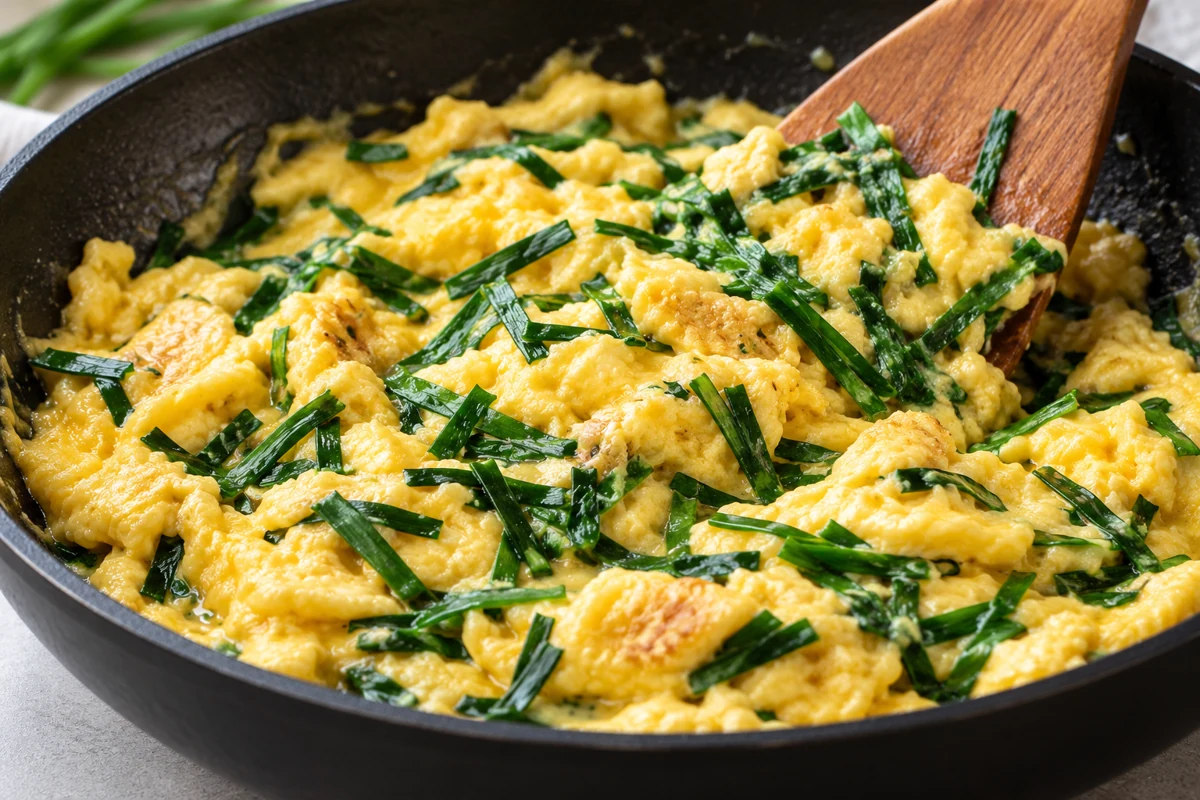
Illustrative cooking scene, not a validated cooking time or endpoint.
For an omelette or scrambled-egg application, pay attention to leaf distribution, liquid in the pan and the finished set. Adding the chives at a different stage can change how evenly they spread and how much cooking they receive. Compare a planned route against a defined target instead of adjusting by eye until each sample looks acceptable. If adjustment is needed, record it as part of the proposed formula or method.
In soups and sauces, consider both the initial cooked impression and the normal later hold or reheat. A dish can look and smell appealing immediately after preparation but give a different impression at service. Use the intended portion and serving conditions. If the food will be sold with a preparation instruction, the trial should eventually include that route. A development chef's preferred method may not represent how the customer will use it.
For enclosed fillings, water and cut distribution can affect more than taste. The leaf must mix through the base, fit the wrapper and remain acceptable after cooking. For batters, the addition must distribute without making portions inconsistent. Those applications deserve their own focused trials. The broader lesson is to test frozen garlic chives as part of the food's structure, rather than treating them only as a flavor sprinkled into an otherwise finished recipe.
Do not use an attractive browned surface as the only cooking check. The complete product needs the safe process appropriate to its ingredients, size and intended use. Follow established controls for cooking, holding, cooling and reheating where relevant. This article provides no universal time or endpoint for every chive-containing food. Keep sensory approval and process validation connected, with each based on the information needed for that decision.
Compare a kitchen freeze with a commercial frozen ingredient
A kitchen-freezing experiment can show whether the concept is worth pursuing. It cannot establish the properties of a future commercial product. The raw-material selection, preparation, freezing conditions, pack size and storage history may differ. Treat the experiment as a development reference, then obtain representative supplied material for the next stage. That avoids approving a recipe with one ingredient and ordering another under a broad shared name.
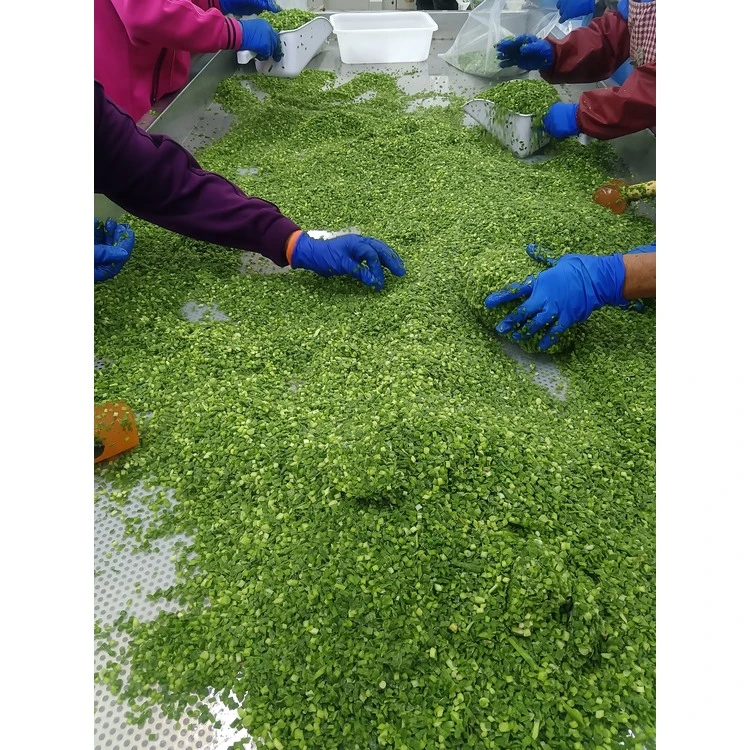
This source photograph shows material being handled on a sorting table; process and acceptance details require the current specification.
Ask the supplier to describe the proposed product precisely. Confirm the species or agreed identity, plant part, cut, processing declaration, pack configuration and storage instructions. Find out whether a heat treatment is part of the supplied route. General herb guides offer different preparation methods, so a buyer should not infer blanching or its absence from the word frozen. The declaration must relate to the product being quoted.
The term IQF describes a freezing approach; it does not replace the rest of the specification. A buyer still needs to assess the received material, its portioning behavior and its performance in the intended food. Nor does the term supply a universal aroma-retention figure or shelf life. Request the current documents relevant to the order and confirm the commercial conditions rather than importing values from another supplier's website.
Evaluate the working pack as well as the sample cup. Check how the proposed pack fits storage, handling and batch preparation. A sample that is easy to spoon from a small bag may not represent how staff will handle a larger commercial unit. Consider whether the normal production batch uses the full pack or requires controlled partial use. Include any necessary tools and handling steps in the practical assessment.
Compare cost on the same usable basis. Fresh whole leaves may require selection, trimming, washing and cutting. A supplied frozen cut may reduce some preparation, depending on its specification, while introducing frozen-storage and handling requirements. Record the actual work and yields in your operation. Avoid a generic claim that one format always saves a fixed percentage of labor or waste; the useful comparison depends on the starting products and process.
For GreenLand inquiries, send the target application and the cut and packing requirements with the expected quantity and destination. Ask for the current specification and a suitable sample for that application. Product-page photographs can help start the conversation, but they do not prove a precise cut tolerance, treatment or future lot performance. Confirm those details through the product information and the sample you actually evaluate.
Approve the sample through the food you plan to sell
Define a small set of acceptance observations before cooking. Include the chive's distribution, visible form, bite, contribution to the recipe's liquid balance and garlic-chive character. Add the requirements specific to the product, such as wrapper sealing or the appearance of a cut slice. Keep the list short enough to use consistently. A broad statement such as looks good is difficult to apply to the next sample.
Use a controlled first comparison. Keep the base recipe, ingredient dose basis, equipment and preparation route consistent. Retain the lot identification and actual handling notes. Assess the finished food at the planned point, then repeat any result that could be explained by an uncontrolled change. This is a proposed development approach, not a claim that GreenLand has tested a particular recipe or achieved a particular score.
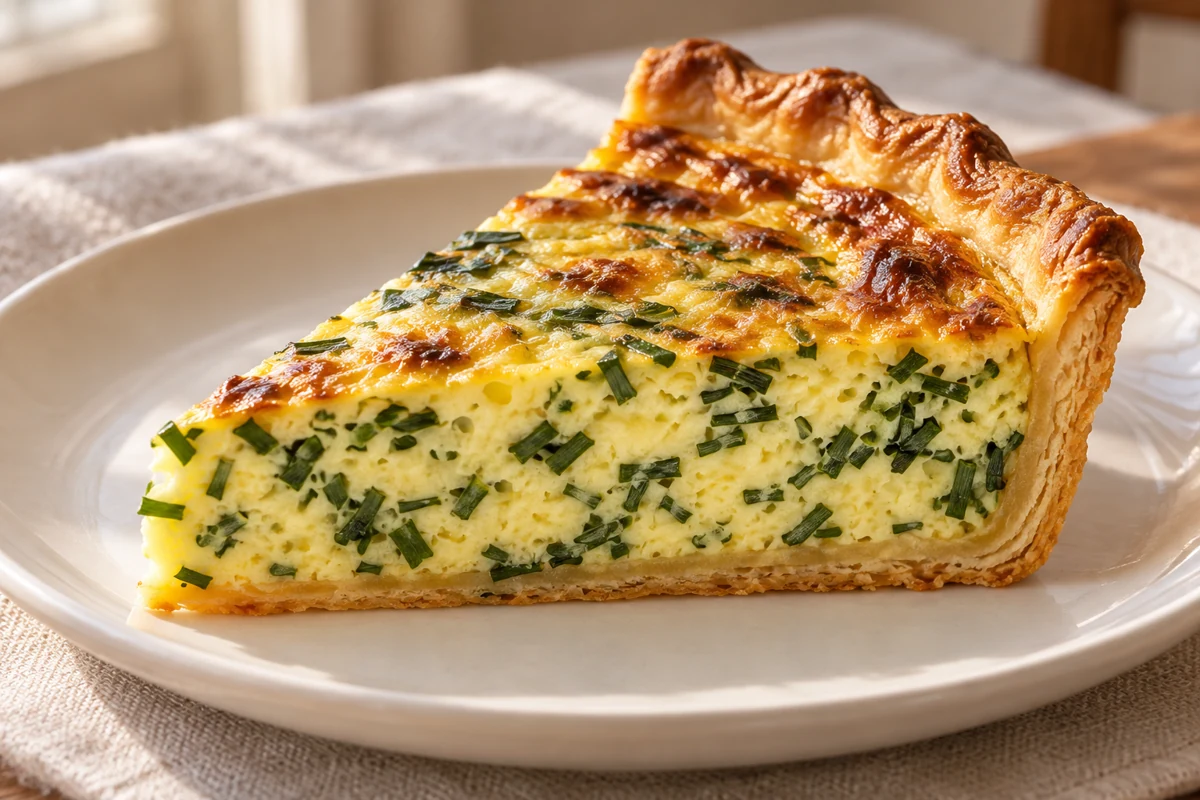
Illustrative cut slice for considering distribution and eating quality.
If the first result misses the target, identify the problem before choosing a remedy. Weak allium character, excessive liquid, poor distribution and an unsuitable bite call for different investigations. Increasing the chive amount may improve one attribute while worsening another. Changing the cut may improve portioning but alter visual recognition. Make one purposeful change at a time where practical, and keep the earlier result for comparison.
Include the relevant commercial route before final approval. A product intended to be frozen again as a finished meal should be assessed through its proposed finished-product process. A foodservice preparation should be checked after its normal service hold. A retail item should be prepared by the intended instruction. One successful freshly cooked sample is a useful milestone, but it does not answer every later quality or safety question.
Agree the storage period and conditions for the supplied ingredient from its current documentation and the requirements of your operation. Household guides and informal online estimates are not a commercial shelf-life specification. If your intended use needs evidence beyond the supplier's declared basis, discuss an appropriate study or obtain the required support. Keep aroma observations, packaging condition and food-safety requirements within that broader assessment.
Freezing garlic chives is worthwhile when the resulting ingredient fits the food and the workflow. The strongest approval connects an identified product to a recorded preparation and an acceptable cooked result. Preserve that connection in the order specification and change-control record. It gives the next production batch a clear starting point, while leaving room to investigate real variation instead of expecting frozen leaves to reproduce every feature of a fresh bunch.
Related reading
Frozen Spring Onion: Applications, Benefits, and Uses in Foodservice
Explore commercial cooked applications for another frozen allium ingredient.
Source Frozen Chinese Chives with GreenLand-food
GreenLand-food is a professional frozen Chinese chives supplier and manufacturer in China, providing factory-direct wholesale supply for importers, food manufacturers and foodservice distributors.
Send the product form, specification, packing, quantity, application, destination, private-label needs and requested documents so we can discuss a suitable sample and quotation.