


Garlic-Chive Aroma After Freezing: How a Buyer Can Compare Lots
Oct 19, 2026
Leave a message


There is no single aroma-retention percentage that a buyer can apply to all frozen garlic chives. Harvested material, processing, packaging, storage and the recipe can differ. Even the way a sample is presented changes what the assessor encounters. A useful comparison starts with a modest question: does this proposed lot deliver the required garlic-chive character through our normal production and serving route?
We recommend separating an incoming-ingredient check from a finished-food trial. The first helps you notice a change and discuss it with the supplier. The second tells you whether the change matters commercially. The following approach is a proposed buyer method, not a report of GreenLand taste-panel results or a substitute for your food-safety release process.
Define the aroma decision before opening samples
Write down what the decision will change. A buyer replacing an approved ingredient needs evidence of acceptable continuity. A developer reducing added garlic may want more garlic-chive character. A soup manufacturer may need a gentle background note that remains recognizable after reheating. These are different targets, even when all three teams use the word stronger. Without an agreed target, a lively first impression can become an accidental acceptance rule.
Name the product and the point of evaluation. For a foodservice dumpling, that might be the cooked filling after the normal service hold. For a retail frozen pancake, it could be the product prepared by the intended consumer instruction. Include the normal portion size and any accompanying sauce. A dipping sauce that dominates the plate should not unexpectedly appear halfway through a comparison. Assess without it first if that is the agreed diagnostic step, then assess the actual serving combination separately.
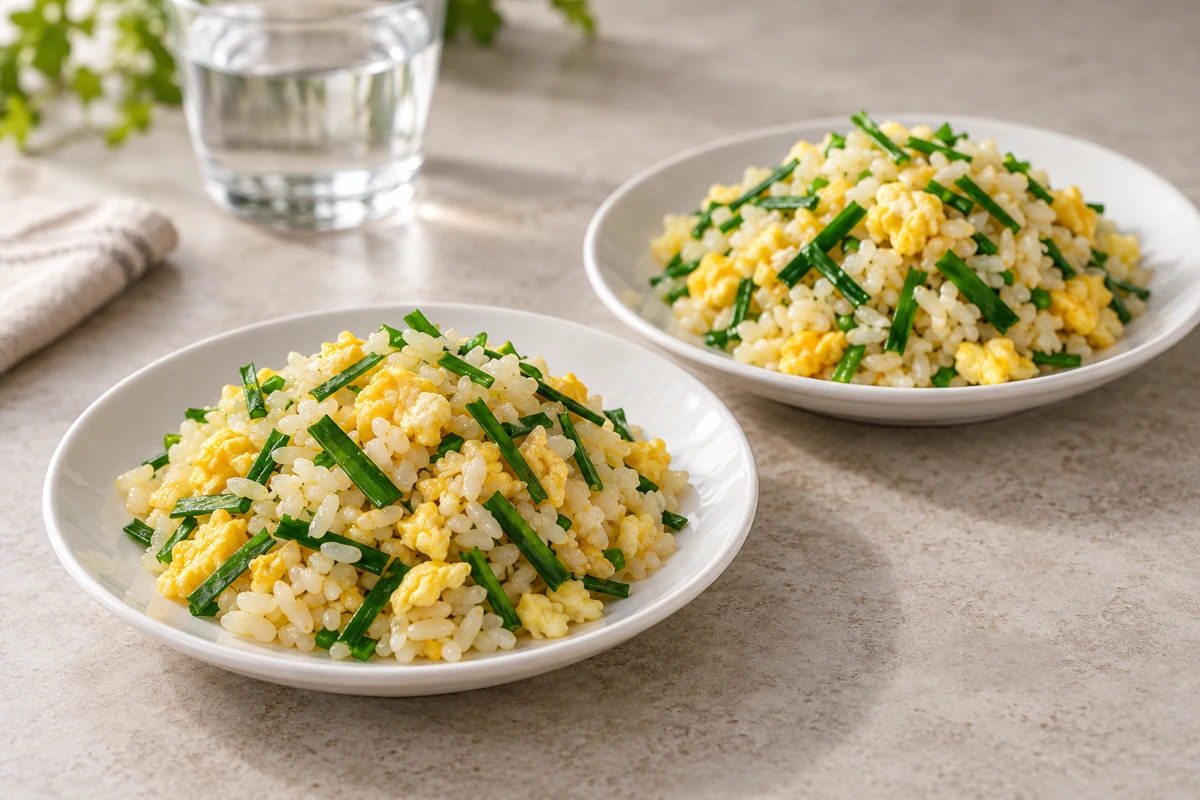
Illustrative matched food presentation, with no measured result or preferred sample.
Choose an appropriate reference. An approved retained sample from a traceable lot can anchor a continuity discussion, provided its condition still represents the target. A memory of last month's production is much weaker. A fresh bunch from a local shop may be useful during development, but it introduces another source, harvest and physical state. It cannot isolate the effect of freezing. Record what the reference represents and what it cannot establish before assigning it authority.
Keep intensity apart from character. A sample can smell more strongly of cooked allium while contributing less of the green character expected in the recipe. Another can be less forceful on opening yet fit the cooked dish better. Use a few clear, shared descriptors rather than a long list of impressive words. Garlic-like, green, cooked-allium and any clearly abnormal note can be starting terms for discussion, with definitions agreed by the people doing the work.
Decide how much evidence the decision needs. An initial kitchen screen can eliminate an unsuitable option or identify questions for a second trial. It should not become a statistically supported equivalence claim because two colleagues reached the same opinion. A high-volume replacement with a narrow sensory target may justify a properly designed panel study. The important distinction is between a useful development observation and evidence strong enough to release a changed supply source.
Keep the identity and sample history attached to each lot
Confirm that the material is the intended garlic or Chinese chive, normally specified as Allium tuberosum, and that the supplied plant part matches the order. Ordinary chives, garlic shoots and leeks create different comparisons. Common names alone can be unreliable in international trade. Use the supplier's current product specification and lot documentation to resolve identity. A photograph of green cut material is a supporting view, not botanical confirmation.
Record the sample's lot code, production information supplied with it, arrival date and package condition. Ask whether it is a representative production sample or material prepared specially for development. A small demonstration pack may have a different journey from a commercial carton. That does not automatically make it unsuitable, but it changes how far the observation can be extended. Keep the supplier correspondence beside the sample record so later reviewers understand the origin of the material.
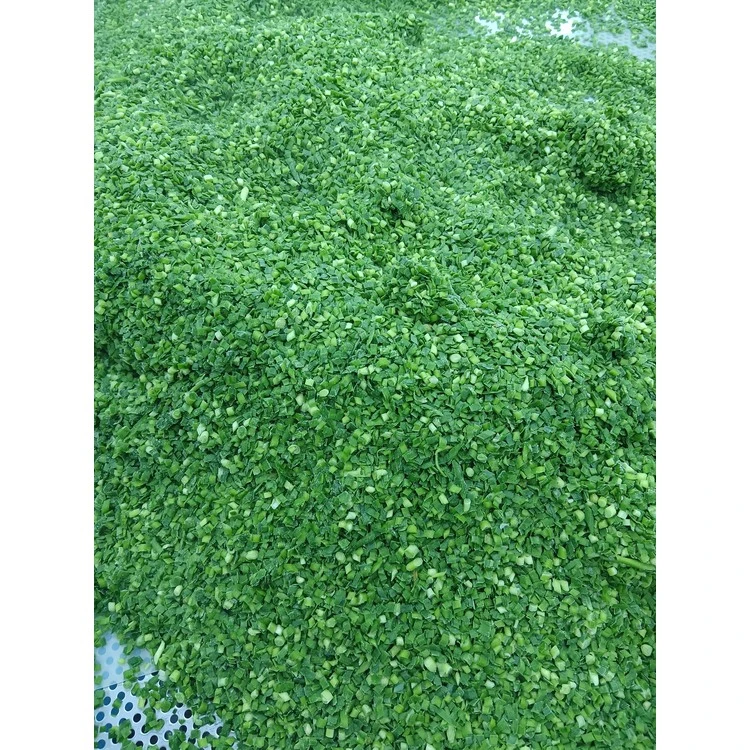
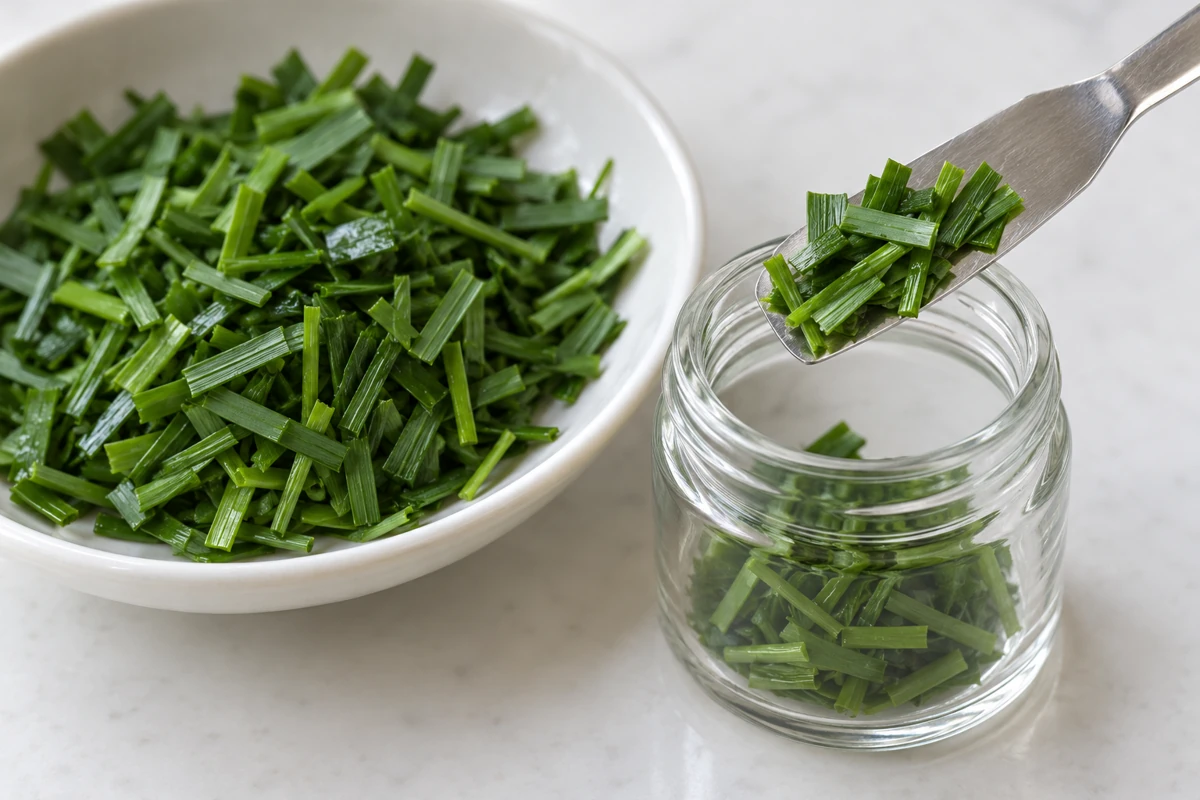
The product-page view shows a very fine cut; request identity and dimensions in the current specification.
Storage history matters to the interpretation of a difference. Follow the supplier's stated frozen-storage conditions and your own receiving procedure. Record the available temperature evidence and any handling deviation. Do not assume that visible frost proves abuse or that a tidy pack proves an uninterrupted cold chain. Package appearance can prompt investigation; the actual records and product assessment are needed to decide what happened and whether the sample remains usable.
Ask about the preparation before freezing rather than guessing from the ingredient's appearance. Washing, cutting and any heat treatment belong in the product description. An untreated cut and a heat-treated cut are different starting points for an aroma discussion. If a supplier changes the declared process, repeat the relevant application assessment instead of treating a familiar product name as proof of identical behavior. Obtain confirmation for the proposed SKU and production route.
Do not compare a newly opened test pack with a reference that has been repeatedly opened and partially warmed. Divide retained material under your controlled procedure into suitable evaluation portions when that is practical. Keep each portion identifiable and protect it according to the established storage method. The aim is to prevent the reference from acquiring a more complicated history than the candidate. If reference condition is doubtful, resolve that problem before blaming the new lot.
Document missing information plainly. If the production date or process declaration is unavailable, write that into the trial report and request it. A sensory result can still be an observation about the sample in front of you, but its connection to a future order is incomplete. This is especially important when procurement and development teams receive samples separately. Both teams need to know which physical material produced the recommendation.
Prepare comparable portions without changing the question
Use the same sampling and preparation procedure for the lots being compared. Define how material is taken from each pack, the amount used, the vessel, the handling state and the interval before evaluation. Choose conditions that your team can repeat. A procedure that depends on an assessor deciding when a sample feels ready introduces avoidable variation. Record actual conditions when they differ from the plan rather than silently correcting the story afterward.
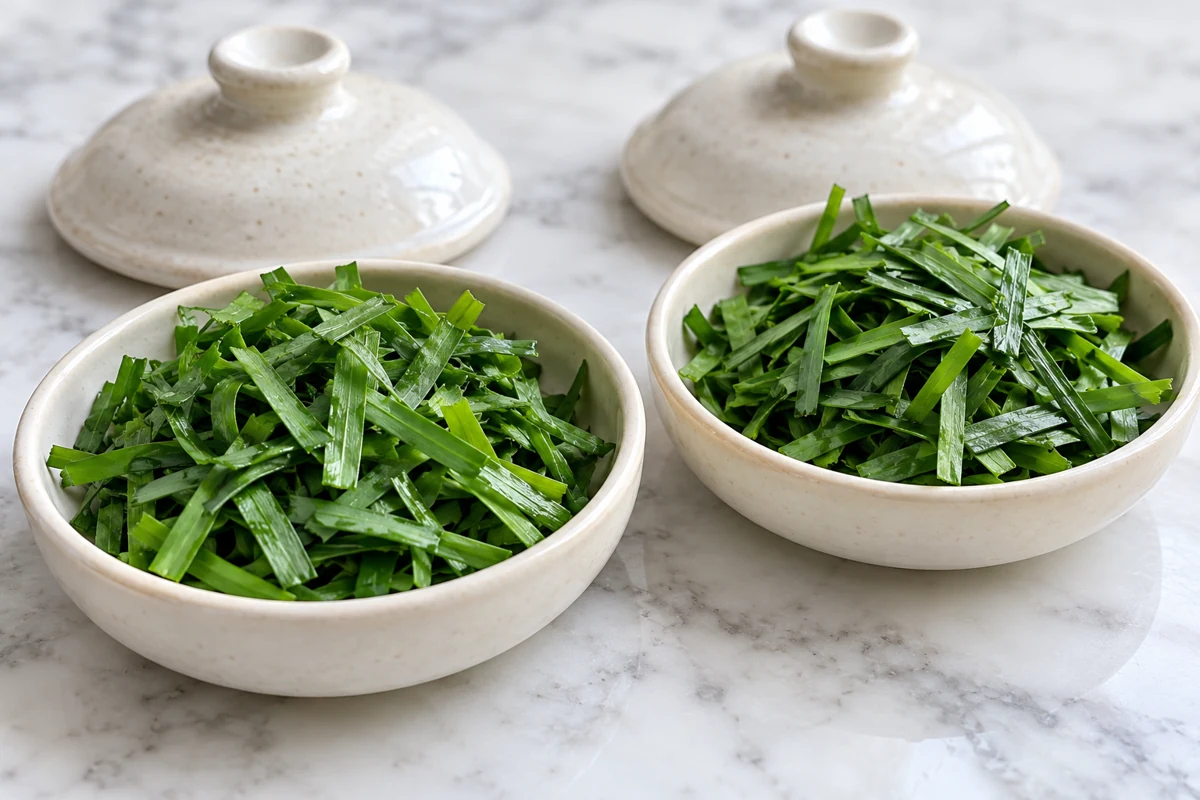
Illustrative leaf portions and matching vessels; exact masses and handling conditions are not shown.
Use a recorded preparation and presentation sequence for the initial comparison.
- Identify the sample portions and retained reference.
- Prepare each by the same recorded route.
- Present portions in matching vessels.
- Assess them at the agreed temperature and elapsed time.
- Record observations before discussion or decoding.
Keep the recorded route with the trial result so it can be repeated or changed deliberately.
Match the basis of the ingredient dose. Equal masses of received frozen material answer a purchasing and recipe-input question. Equal masses after a defined drainage step answer a different question about the prepared ingredient. Neither basis should be substituted for the other without explanation. If preparation removes liquid, record the change and keep the route the same. Otherwise one lot may appear weaker simply because the trial delivered a different amount of leaf material or liquid to the food.
Do not add an unplanned chopping step to make the samples look alike. Further cutting changes the physical preparation and can change what is released during handling. If the intended process includes chopping, apply and record that step consistently. If it does not, evaluate the supplied cut as supplied. Differences in cut distribution can be relevant to real use, even when the first question concerns aroma. Decide whether to investigate those differences separately rather than hiding them.
Presentation temperature and waiting time deserve the same attention as sample mass. Comparing a cold sample directly from storage with another that has stood on the bench does not isolate a lot effect. Use a controlled, appropriate preparation route and a scheduled evaluation point. Keep food handling within your established safe procedure. This article does not prescribe room-temperature thawing, a universal warming period or tasting of an ingredient that requires cooking.
Use clean vessels without a distracting odor, and keep cleaning-product smells, perfume and active cooking fumes away from the evaluation area. Cover prepared portions when the chosen method calls for it, using the same vessel and covering practice for each sample. If one portion has stood uncovered for longer, record and repeat it. These controls make the comparison easier to interpret without requiring a photograph of a laboratory to make it look scientific.
Compare aroma character separately from strength and preference
Ask one clear question at a time. Can the assessors detect a difference? Which sample has more of an agreed attribute? Which sample fits the target food better? Which is preferred? These questions produce different information. A detected difference does not automatically mean a defect, and a preference does not identify its cause. Procurement can use the answers more effectively when the report preserves these distinctions.
Tamil Nadu Agricultural University's sensory-method overview distinguishes difference tests from acceptance testing. A formal triangle test presents three coded samples, with two the same and one different. Its result requires an appropriate design and analysis; simply arranging three dishes does not establish significance. For a supplier-change decision, involve someone able to select the method and interpret the number of correct responses properly.
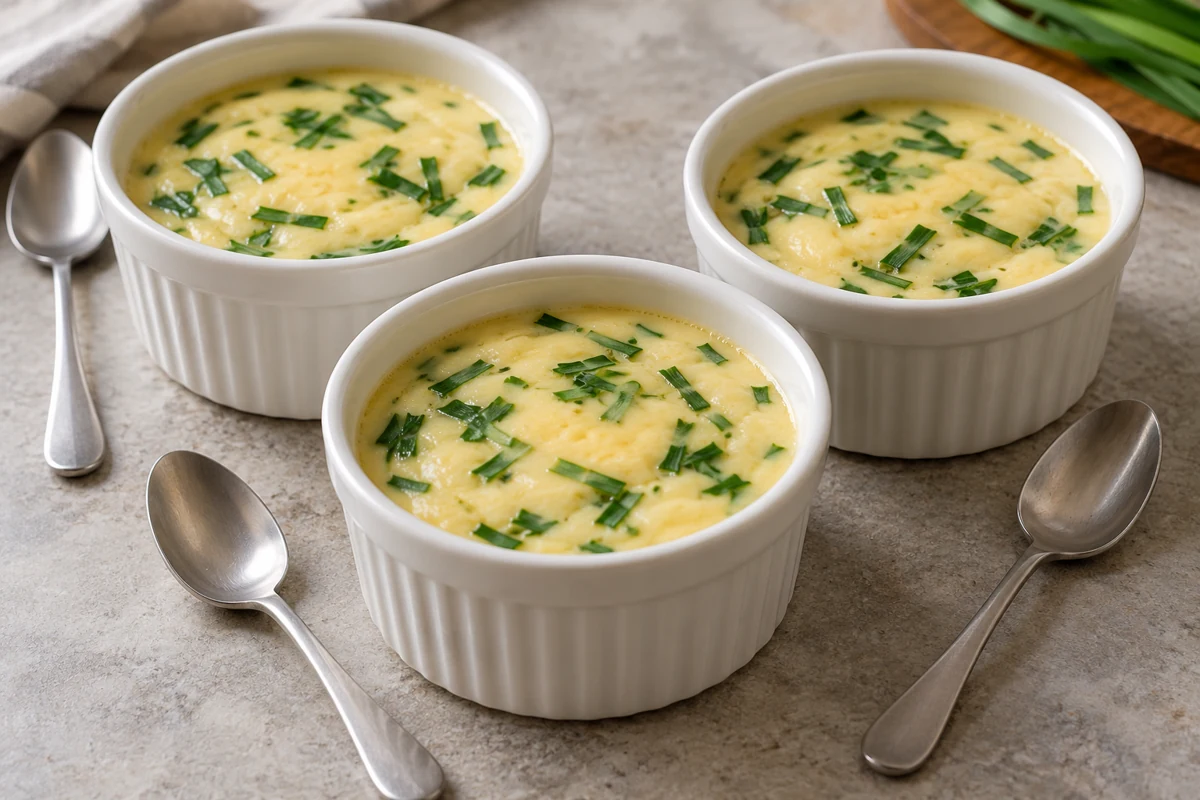
Illustrative food portions, not an actual panel or completed triangle test.
For a practical development screen, use neutral sample codes and avoid telling assessors which is the new supplier or more expensive lot. Change presentation order across assessors or sessions according to the planned method. Give people space to record their observations before group discussion. A confident colleague's first comment can otherwise become everybody's description. Keep the code key separate until the initial observations are complete.
Agree the meaning of the descriptors before evaluating candidates. If one person uses fresh to mean a grassy smell and another means recently harvested, their scores cannot be combined meaningfully. Short written definitions and suitable agreed references can help. Record intensity and the direction of a difference in ordinary language. Avoid turning every observation into a number unless the scale has a clear purpose and the assessors understand how to use it.
Provide appropriate breaks and a manageable number of samples. Repeated exposure to strong allium aromas can make later judgments harder. Follow the chosen sensory method for pacing, palate cleansing and repeat presentation rather than improvising a marathon session. If assessors disagree strongly, retain the disagreement in the record. It may signal a descriptor problem, preparation variation or a real difference in perception that needs a more careful second assessment.
Treat an unexpected or abnormal odor as a reason to stop the normal acceptance discussion and follow the quality investigation process. Do not taste questionable material to settle whether it is safe. Sensory checks can identify a concern, but they cannot certify microbiological safety or replace the required release checks. Keep the aroma decision connected to the quality system while allowing each type of evidence to answer its own question.
Check the same lots in the finished food
Move promising lots into the actual formulation at the agreed dose and ingredient basis. Keep the other ingredients, cooking equipment, batch size and process as consistent as the trial allows. A rice dish made with different oil or browning can create a stronger difference than the chives. Record unavoidable departures and avoid attributing the entire plate impression to one ingredient. Repeat a trial when the confounding change could alter the decision.
Start with the standard recipe before adjusting it. If the candidate needs more chive, less added garlic or a different cooking point, that may be a viable formulation option. It is a second result, however, with its own cost and process implications. Preserve the first result so the buyer can distinguish direct replacement from reformulation. This prevents a successful adjusted sample from being presented as proof that the existing formula can remain untouched.

Illustrative soup application for considering the complete food.
Assess at the selling point that matters. A soup judged immediately after cooking and the same soup after its normal reheating route may give different impressions. A dumpling's wrapper, filling moisture and serving sauce all influence the eating experience. A pancake's browned surface contributes its own aroma. These are reasons to test the intended product, not reasons to assume that one lot must always perform better in every application.
Use a relatively simple cooked base when you need to diagnose an ingredient difference, then return to the full recipe for approval. An egg-and-rice screen may make the allium character easier to discuss than a strongly seasoned filling. That screen remains a development tool. It cannot replace the finished-food check if the final product contains ingredients or processing steps absent from the screen. Record both stages without blending their conclusions.
Keep texture, visual distribution and aroma observations separate, even though the eating experience combines them. A long leaf piece can be noticed because it catches in the bite, leading an assessor to focus more on the chive. A greener portion can create an expectation of greater freshness. Where appearance is a potential bias, discuss with the sensory specialist whether the evaluation design should control it. For commercial acceptance, restore normal presentation and assess the whole product.
Include the intended holding or storage route in any claim about performance over time. One freshly cooked sample supports an observation at that point only. A proposed retail shelf life needs an appropriate study and release criteria beyond aroma. For a short development trial, state exactly which time points were checked and which remain open. That gives the next team a useful work list instead of an unsupported promise of lasting flavor.
Use laboratory results to investigate a specific difference
Laboratory analysis can help investigate why samples differ, particularly when a repeated sensory observation cannot be explained by preparation or formulation. Start with the question. Are you comparing the same material by the same analytical method, investigating an unexpected note, or trying to connect an attribute to particular compounds? Ask the laboratory what its proposed method can establish and what additional information it needs about the ingredient and trial.
Illustrative sampling scene; no GreenLand laboratory, method or result is represented.
A primary study of Chinese-chive volatile analysis optimized headspace extraction conditions before identifying aroma-related compounds. Sample amount, temperature, timing and the extraction system influenced the analytical response. The study helps explain why method details matter. It was not a commercial frozen-storage shelf-life test, and its laboratory preparation cannot be treated as a buyer's sensory serving procedure or a target for a supplied lot.
Request the method and sample basis with the result. Ask whether the reported values are concentrations, relative peak areas or another measure, and whether the two lots were prepared and analyzed comparably. A large chromatographic peak is not automatically the largest contribution to perceived aroma. Compounds differ in sensory impact, and the food matrix also matters. A chromatogram therefore needs interpretation rather than being converted into a general quality score.
Do not label a ratio of two analytical results as aroma retention unless the study design supports that interpretation. A defensible before-and-after question needs a suitable starting material, controlled treatment and comparable measurement. Two commercial lots with different origins and histories do not provide that baseline. They may be compared for the question you actually have, but the result cannot reconstruct an unknown fresh precursor or isolate freezing from every other change.
Keep the sensory and analytical sample identities aligned. Send the laboratory material from the relevant retained portion with its documented handling history, following the laboratory's shipping and sampling instructions. If the laboratory receives a different carton or a later production lot, record that distinction. The report may still be useful, but it cannot explain a kitchen observation by assumption. A small break in sample traceability can undermine an otherwise careful investigation.
Use the laboratory finding to plan the next useful action. That might be a repeat sensory session, a review of preparation, a request for process clarification or a targeted follow-up test. Avoid commissioning a broad list of measurements merely because the equipment can produce them. The buyer needs an interpretable decision about the ingredient, and the laboratory needs a question specific enough to design work that helps answer it.
Make the reference and acceptance rule repeatable
Write the agreed decision in terms another team can apply. Identify the approved lot or reference, the tested application, dose basis, preparation route and evaluation point. Record the outcome and any conditions attached to approval. If a candidate was accepted only after changing the recipe, include the revised formula reference. An email saying good aroma leaves too much work for the next buyer or production technologist to reconstruct.
Keep the acceptance rule proportionate to the evidence. A development screen may support further trialing. A qualified sensory comparison may support a defined replacement decision. Neither should be broadened into a claim that every future lot is identical. Decide what will be checked on routine receipts and what event triggers a new application trial. Changes in declared process, source, cut or relevant handling history deserve consideration within that change-control procedure.
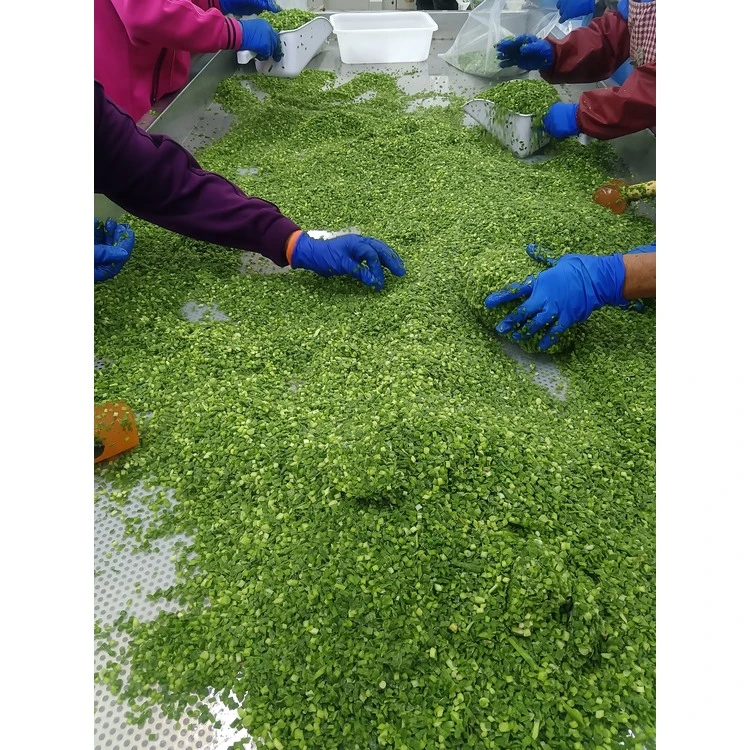
This source photograph shows material being handled on a sorting table; process and acceptance details require the current specification.
Maintain retained references under an agreed system. Specify who holds them, how they are identified, how they are portioned and when their suitability is reviewed. A reference cannot remain unquestioned indefinitely while the candidate is scrutinized. If the retained sample is exhausted or no longer representative, establish the next reference through a documented comparison. Photographs and written descriptors help continuity, but neither can preserve the smell of the original material.
Share a useful request with the supplier. Include the product identity, intended application, observed difference, preparation conditions and the lot details needed for investigation. A precise report such as a weaker agreed garlic-like note in the standard cooked soup is more actionable than a general complaint about quality. Attach the relevant sensory record and keep the retained sample available through the agreed process. Avoid suggesting a cause that the evidence has not established.
When ordering frozen Chinese chives from us, bring the application and the comparison basis into the specification discussion. Ask for the current product details and a representative sample, then evaluate that material through your own production route. Confirm the processing declaration, cut description, packaging and supporting documents for the proposed order. Those details help connect the sample decision to the commercial product without treating an attractive product photograph as a sensory guarantee.
A useful final record says what was compared, how it was prepared, what was observed and what decision followed. It also keeps the unresolved questions visible. That allows procurement to buy against a defined target, development to reproduce the result, and quality staff to investigate a later difference. The value is a repeatable basis for the next lot, supported by the actual food and actual evidence your team assessed.
Related reading
How to Eat Scallions: Raw, Cooked and Frozen Uses
Compare how another allium changes role across raw, cooked and frozen uses.
Source Frozen Chinese Chives with GreenLand-food
GreenLand-food is a professional frozen Chinese chives supplier and manufacturer in China, providing factory-direct wholesale supply for importers, food manufacturers and foodservice distributors.
Send the product form, specification, packing, quantity, application, destination, private-label needs and requested documents so we can discuss a suitable sample and quotation.