


Frozen Cabbage Shreds for Fried Cabbage: Moisture and Browning
Oct 19, 2026
Leave a message

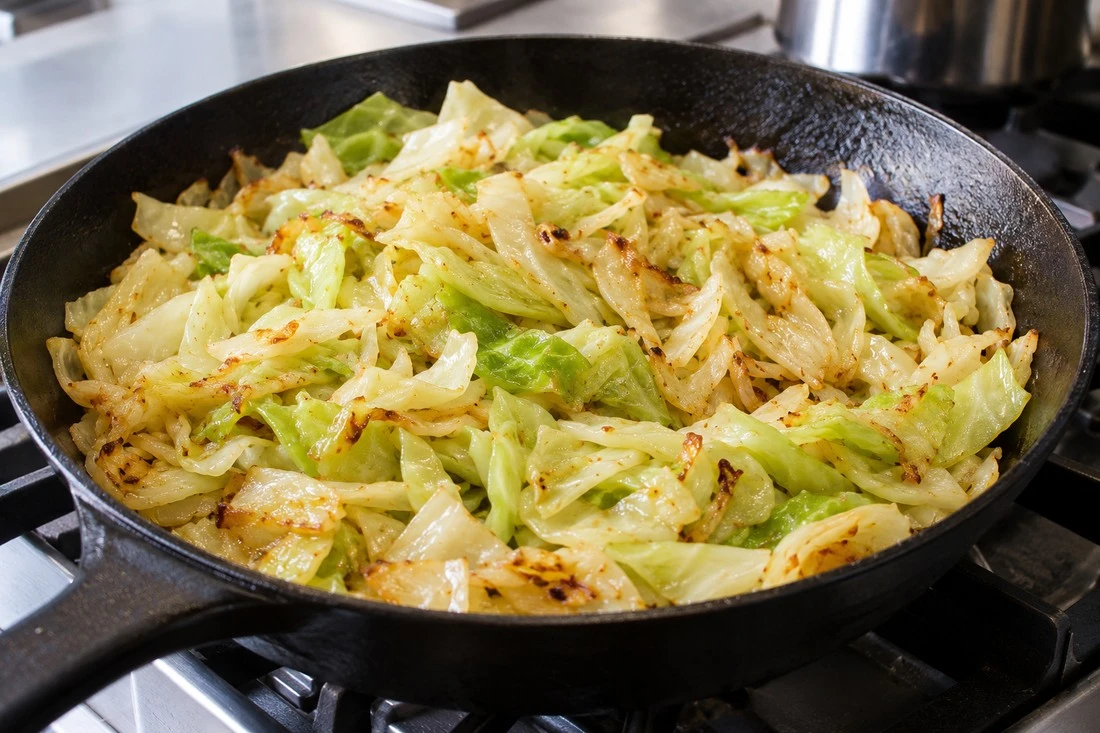
The process has two connected quality tasks: heat the cabbage appropriately, then develop the desired surface color without drying or burning its thin leaves. A crowded wet pan can soften the cabbage for a long time while producing very little browning. For foodservice and prepared meals, we assess the finished portion after its real holding or reheating route, because a good-looking skillet at the stove may behave differently in a covered service tray.
Choose cabbage shreds that can survive the pan
Specify standard round green or white heading cabbage and the actual cut. Napa cabbage has different leaf and rib proportions and should be evaluated separately. Long narrow shreds, short strips and broad leaf pieces can all appear in frozen-cabbage offers. Their contact with the pan, water release and eating texture differ. A recipe that calls only for a bag of frozen cabbage leaves the cook to solve those differences during service.
For a visible side dish, look for pieces that remain recognizable through the approved cook. Very fine fragments can soften rapidly and disappear between larger strips, while a few thick core pieces may remain hard. Broad ribs can be acceptable when they cook within the same quality window as the leaf. The sample should represent the actual range inside the pack rather than a selected handful of attractive shreds.
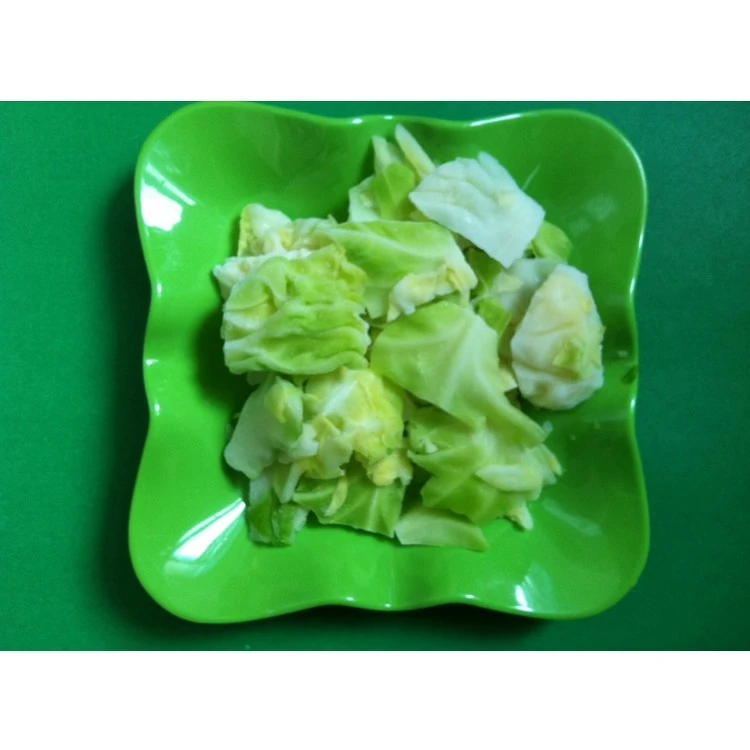
The genuine cut-leaf reference clarifies form; a specified shred program requires its own approval.
Our frozen cabbage product references show genuine cut leaves. Use those photographs to discuss form and preparation; confirm a specific shred program separately. A photograph cannot establish the distribution of length or the cooking performance of a shipment. We connect the agreed form to a representative application trial before setting repeat-order expectations.
Confirm previous treatment and the required cooking instructions. A cabbage that has received a quality blanch can already be softer than an untreated ingredient. It still needs the preparation appropriate to its actual status. Do not infer ready-to-eat status from the IQF description or reduce the required heating because the leaf looks tender. Food businesses should preserve their safety process while improving quality through cut, load and sequence.
Inspect the pack before cooking. Note heavy loose ice, unusual clumps, damaged seals and other conditions needing review. Surface ice adds water and heat load, but visible frost alone does not reconstruct the product's storage history. Keep the lot information and any relevant temperature evidence. If the material arrives in a condition outside the agreed specification, investigate that condition before adjusting the recipe to accommodate it.
Develop a reference with simple seasoning first. Strong sauces and dark spices can hide differences in cabbage color and make a wet pan appear browned. A restrained trial makes leaf integrity, rib bite, released liquid and contact patches easier to judge. Once the ingredient and pan method are suitable, return to the complete commercial recipe and assess its flavor and appearance.
Decide between direct cooking and controlled thawing
Direct cooking can reduce handling and keep the remainder of a pack frozen while one portion is prepared. It also puts the ingredient's ice and releasable water into the pan. That route can work when the product instructions permit it and the equipment can heat the load appropriately. A compact frozen mass in a small skillet may behave differently from loose shreds in a wide foodservice pan, even at the same ingredient weight.
A controlled thaw and drain can remove some liquid before frying when the approved method calls for it. Use protected refrigerated handling, suitable food-contact containers and a defined drainage step. Follow the product instructions and the site's food-safety procedure. Leaving cabbage on a warm bench until it looks dry creates an uncontrolled process and does not establish a dependable quality endpoint.
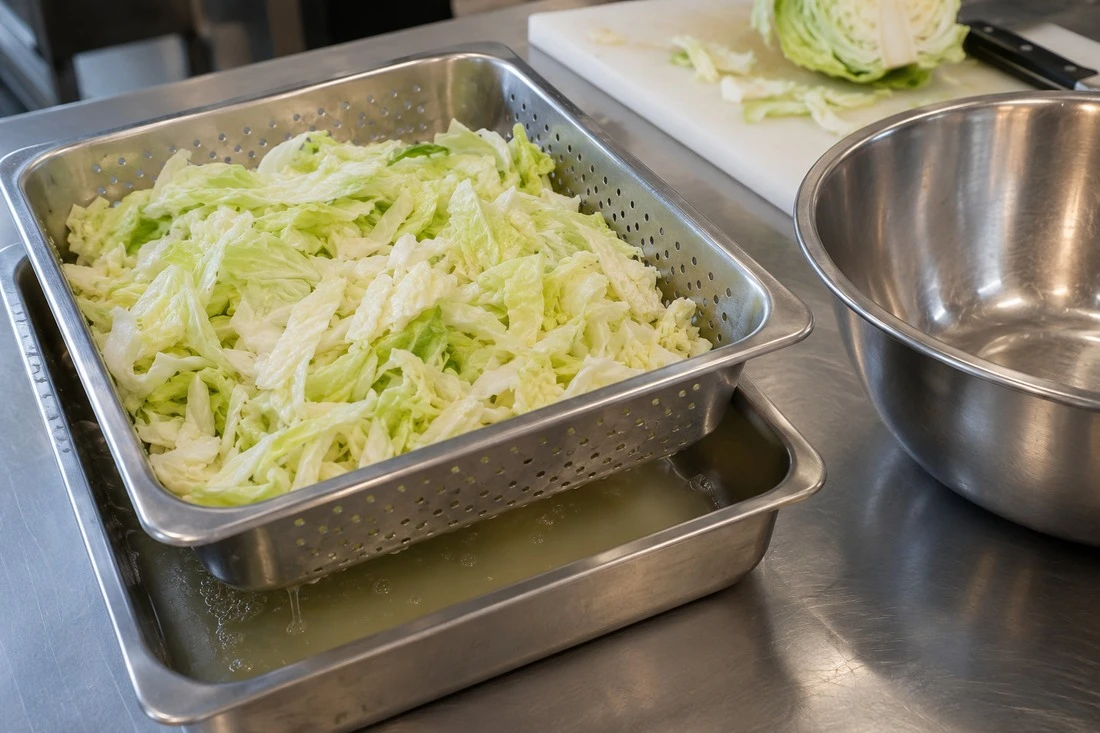
A defined drainage stage changes the liquid entering the pan.
Record the weight basis for either route. If a recipe uses 500 g of frozen cabbage in one test and 500 g of drained cabbage in another, the comparison has changed the amount of incoming material as well as the preparation. Weigh the starting frozen portion and record the drained output before fixing the pan load. This reveals the effect of the route on both cooking behavior and ingredient cost.
Drainage should be repeatable. A fixed support, portion depth and draining period are more useful than telling operators to squeeze out as much as possible. Strong pressing can damage leaves and create a denser mass that needs separating in the pan. Compare accepted finished output and eating texture before deciding that more dewatering is always beneficial. The commercial goal is a suitable fried side at a workable yield.
The two routes can be compared using the same finished target. Keep cabbage identity, pan area and required cooking controls consistent, while recording the deliberate differences in preparation. Do not hide the drained liquid or extra handling from the cost comparison. Direct cooking may require more evaporation; thawing and draining may require more preparation capacity and temperature-controlled space.
Swipe or scroll to compare all columns.
| Preparation route | Water entering the pan | Handling requirement | Main trial question |
|---|---|---|---|
| Direct from frozen | Ice and liquid released during heating remain in the pan | Portion suitable frozen material and follow cooking instructions | Can the pan heat the load and evaporate water before quality declines? |
| Controlled thaw and drain | Some free liquid is removed beforehand | Protected refrigerated thawing and a defined drainage step | Does reduced pan water justify the yield and handling change? |
| Prepared cooked component | Depends on its prior cooking, draining and formulation | Follow the component's actual storage and heating directions | Does the second heating preserve the accepted texture and color? |
Match the frozen load to the usable pan surface
Pan surface area matters because it controls how much cabbage can contact the heated vessel and how readily vapor can escape. A tall mound behaves differently from a loose shallow layer. Choose a vessel and portion that let the operator turn the cabbage without compressing it into a wet heap. For a commercial trial, record the usable heated area and the actual ingredient load alongside the equipment description.
Preheat the pan according to the equipment and recipe method, then add a manageable quantity. Avoid an extreme heat setting that burns thin leaves at contact points while the center of a clump remains cold. The pan's material, heat source and recovery all affect the result. A setting labeled high on one appliance does not describe the same performance on another.
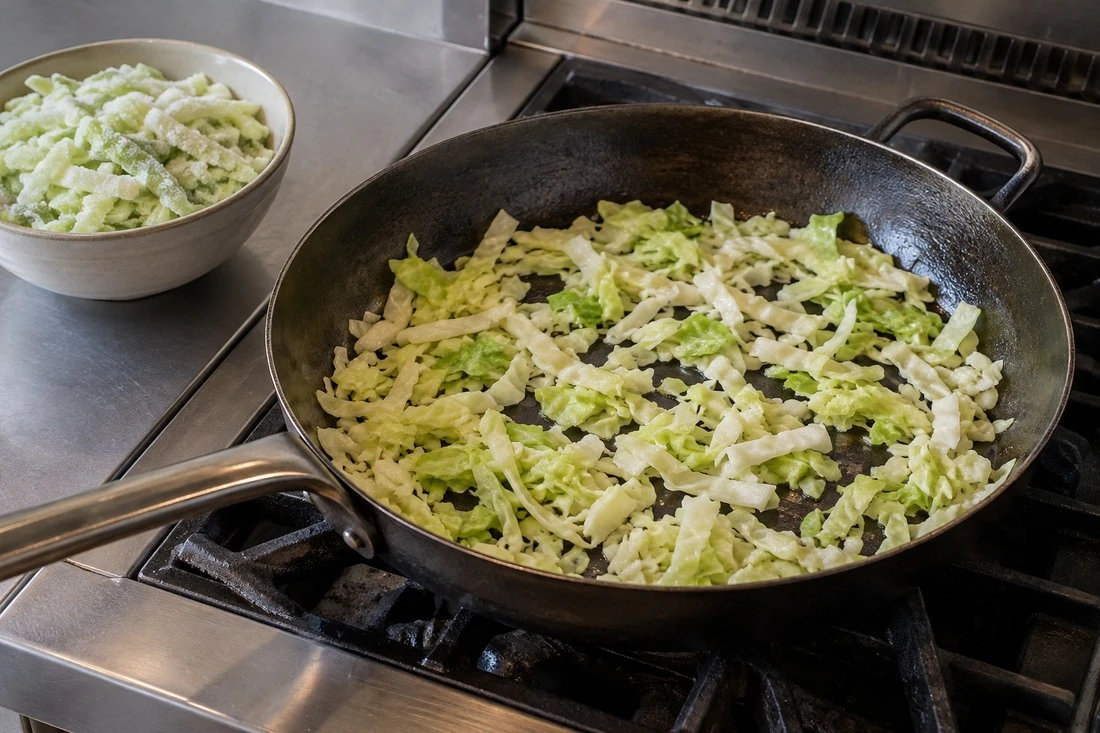
A manageable layer leaves heated pan surface available between cabbage pieces.
Separate loose pieces gently during heating where the product and process permit it. If a pack cannot be portioned without substantial thawing or breakage, review the incoming condition and pack plan. Forcing apart a hard mass with a utensil can create small fragments and a safety problem for the operator. A suitable free-flowing form should support the intended portioning operation under its approved storage conditions.
Keep subsequent portions under the required frozen conditions until needed. Placing the entire service supply beside a hot stove may make later batches appear easier to cook while changing their starting state and handling history. Use a portioning arrangement that preserves product identity and condition. Consistent starting material makes pan results easier to reproduce across the service period.
Record pan recovery as an observation rather than assuming a universal minute count. Does the cabbage release a large pool of water? Does vigorous boiling continue while the leaves collapse? Does a small batch reach the desired cooked state before browning develops? These findings help identify whether the next trial should change load, cut or preparation. Simply adding time to the same crowded pan can worsen softness.
Scale the method with another trial when equipment changes. Multiplying a domestic recipe by ten does not preserve surface area, heating or agitation. A tilting pan, wok and skillet move water differently. Use the production vessel and normal operator sequence before approving the ingredient. The supplier can confirm the agreed cabbage form, while the kitchen establishes the workable load on its own equipment.
Let water leave before developing browned edges
As the cabbage heats, its ice melts and the plant tissue can release water. The pan supplies energy to heat the food and evaporate that water. When liquid surrounds the shreds, their wet surfaces have limited opportunity to develop the dry contact areas associated with browning. This explains why a pan can be very hot at the burner while the cabbage remains pale and soft.
Give released water a controlled route. For a frying method, that usually means leaving the pan uncovered during the appropriate drying stage, with enough space and ventilation for vapor to leave. A lid traps moisture and changes the process toward steaming. A short covered stage may belong to a particular validated recipe, but its role and timing should be deliberate. Removing the lid later does not recover texture already lost through prolonged heating.
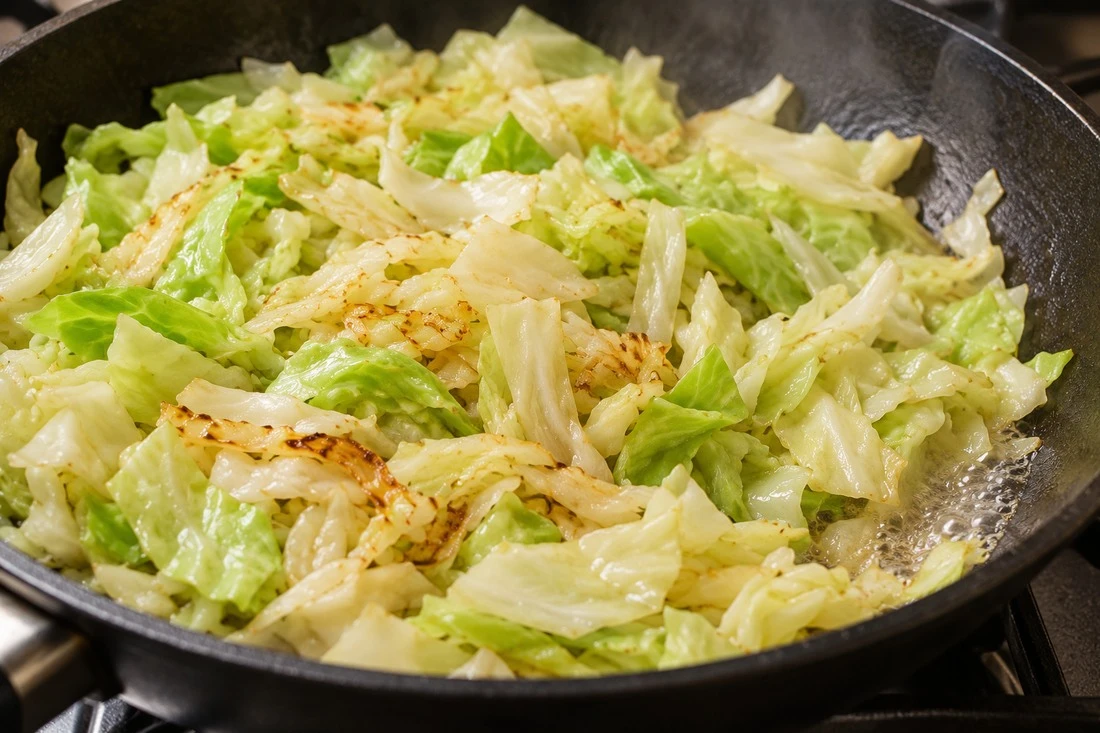
Released water must leave before the intended dry contact areas can develop.
Watch the physical transition. Free liquid diminishes, the pan sound changes and some cabbage surfaces begin to contact a less wet vessel. Turn the shreds enough to expose different surfaces without constantly breaking or scraping them. A few golden contact patches can be a suitable result for tender cabbage. Trying to brown every surface evenly can dry or burn the thin leaf before thick pieces have an acceptable texture.
Do not assume that every brown area is desirable frying color. The incoming sample can contain discolored tissue, and a scorched garlic piece or dark sauce can produce a misleading appearance. Examine unseasoned cabbage and keep a reference for the accepted cooked color. If dark edges appear while a large amount of liquid remains elsewhere, the load or heat distribution may be uneven rather than successfully browned.
The original Love and Lemons sautéed cabbage recipe describes moisture evaporating before browned patches develop. That is useful culinary context, but its fresh-cabbage quantities and times do not validate a frozen foodservice process. Use the principle to interpret a trial, then confirm the actual product's full cooking requirement and quality outcome under the kitchen's conditions.
If the cabbage becomes too soft before the pan dries, reassess the route. A smaller load, a better suited cut or an approved drainage stage may help. More oil cannot remove a pool of water, and stronger heat can create burnt contact points without resolving the bulk moisture. Keep the desired tenderness and required cooking fixed as constraints while finding a workable combination of ingredient and equipment.
Add fat, aromatics and seasoning at workable stages
Fat supports the recipe's flavor and contact behavior, but it should be measured rather than added repeatedly in response to a wet pan. Record the starting amount and any deliberate addition. Oil floating on released liquid does not establish a useful frying surface. Excess fat can remain on the finished cabbage once water evaporates, changing both eating quality and the declared recipe.
Aromatics need a sequence that suits the cabbage's water load. Thin garlic can burn before frozen cabbage completes heating if it is exposed too early to dry hot spots. Onion or other vegetables may need their own preparation stage. Develop the timing in the actual vessel, then record when the aromatics enter. The appropriate sequence depends on the recipe rather than a rule that every ingredient must enter together.
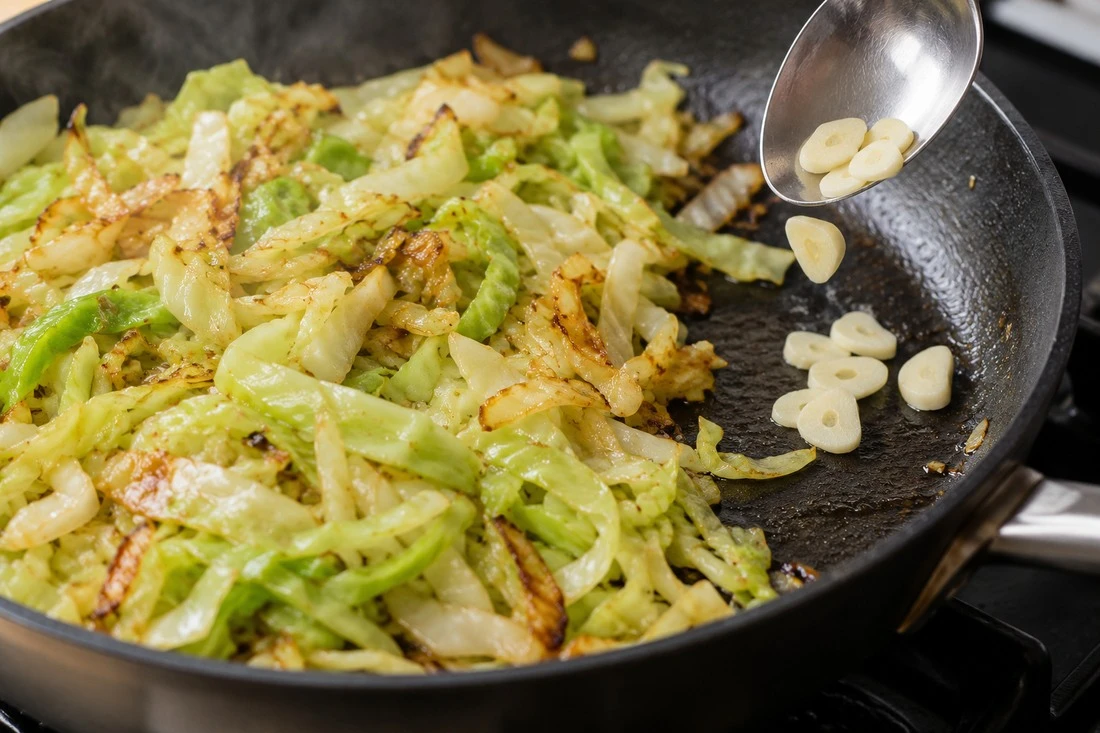
Add delicate aromatics at a stage where they can cook without burning.
Salt and sauces also change the comparison. Adding salt before a drainage step can affect liquid removal and the retained seasoning level. Adding a salty sauce at the end changes the finished mass and surface appearance. Keep these additions measured and preserve their order during a supplier trial. Otherwise a sweeter or saltier sample may be preferred for reasons unrelated to the cabbage's physical performance.
Liquid sauces can reintroduce water after browned patches develop. That may be exactly what a glazed side needs, provided the recipe has room for the added liquid and the required final handling. If a drier fried side is the target, a large late sauce addition may soften the appearance. Judge the finished food after its normal standing period, since sauce can redistribute through the cabbage after it leaves the pan.
For prepared meals, assess how fat and seasoning behave after cooling and reheating. A coating that appears light when hot can look different in a chilled tray; reheating can release additional liquid and redistribute it. Confirm the complete ingredient declaration and allergen information for sauces and seasonings. Plain cabbage does not remove the need to review the rest of the formula.
We recommend keeping the initial ingredient comparison simple enough that the team can identify the cause of a difference. Once the cabbage form and pan method are accepted, test the full recipe and record any adjustment. A repeat order should reproduce the finished side under that recipe, rather than rely on an operator making unrecorded additions until each batch looks acceptable.
Check fried cabbage after holding and reheating
Define the intended service route before calling the skillet result acceptable. Cabbage served immediately has a different quality challenge from a side held in a covered pan or a component reheated inside a meal tray. Include the actual route in the application trial, with the operation's required food-safety controls. A short visual demonstration at the stove does not establish the quality or safety of a later held product.
For foodservice, compare a freshly prepared portion with one taken at the end of the approved holding period. Examine free liquid, separation of shreds, rib bite and browned appearance. Covered holding can retain moisture, while prolonged exposure can dry the top surface. Choose a method compatible with the required holding conditions and the accepted serving quality. Do not change a safety requirement merely to preserve browning.
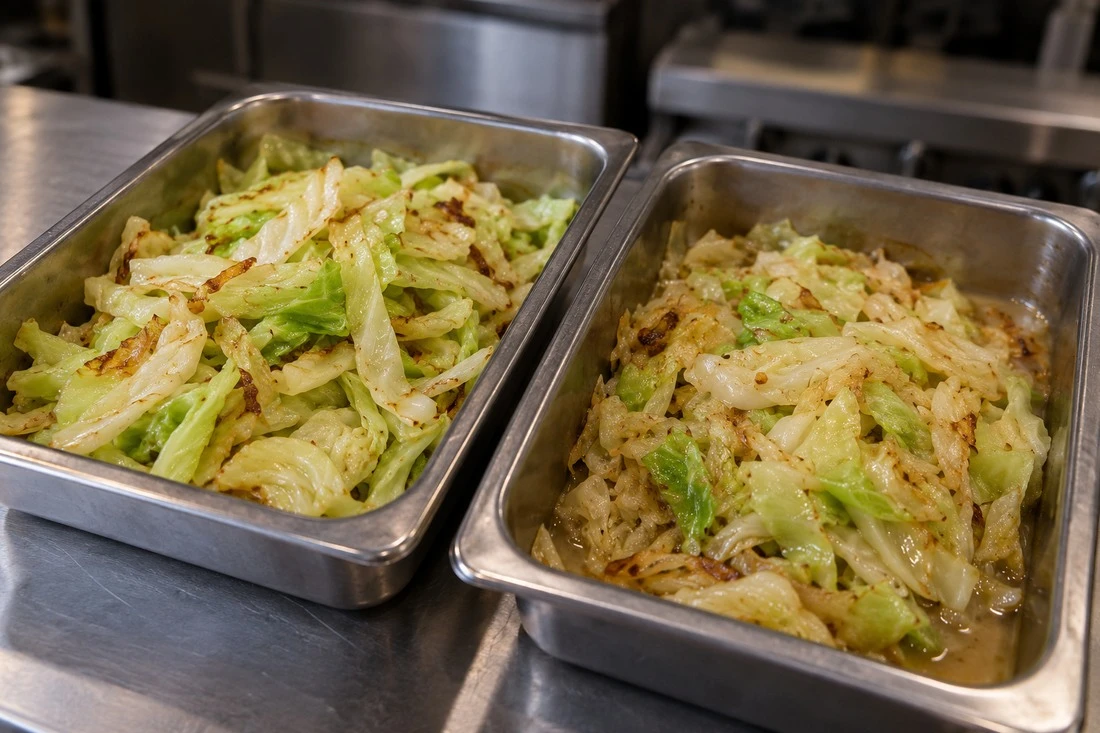
Assess the fried cabbage at the actual service point, including any holding or reheating.
Use a practical serving portion for evaluation. A shallow attractive layer arranged on a plate can conceal the behavior of a deeper service pan. Sample from more than one position where variation is likely. Stirring or turning during service should follow the normal method, since repeated agitation can break softened leaves. Keep the observation time and portion handling consistent between samples.
For chilled or frozen prepared meals, test the real package and reheating directions. The tray may retain liquid that escaped from an open development pan. A sauce or another meal component can add moisture at the cabbage interface. Inspect the food after complete appropriate heating and its normal standing period. A drier cabbage sample cooked separately does not necessarily predict the mixed meal's result.
Cooling, storage and reheating each need controls suited to the actual food and destination. Use the site's validated or otherwise justified procedures and applicable requirements. A photograph of shallow pans can explain a proposed setup, but only the actual process evidence can establish compliance. Keep those records separate from sensory observations so a good-looking sample is not treated as proof of safe handling.
If holding reveals a quality problem, identify its character before changing the ingredient. Too much free liquid may call for a different preparation or package; excessive breakage may call for a coarser cut or gentler handling. An overly soft rib-and-leaf mixture may need review of prior treatment and the total heating route. Repeat the relevant part of the trial after a change, preserving the rest of the conditions for comparison.
Set supply limits around the finished pan result
The final purchasing specification should support the accepted fried cabbage. Name the cabbage identity, supplied cut, previous treatment, required use instructions and relevant physical limits. If a long strand interferes with portioning, define its length assessment. If hard core affects the bite, define core separately from acceptable rib tissue. Use actual application findings to set limits rather than copying a supplier's general premium description.
Agree the frozen and prepared evaluation methods. Incoming inspection can cover pack condition, loose ice, cut distribution and visible defects. The application can cover full cooking, water handling, finished yield, color and post-hold quality. Retain reference photographs and the sample identity with the written method. The two stages answer related questions and should remain connected when a lot is reviewed.
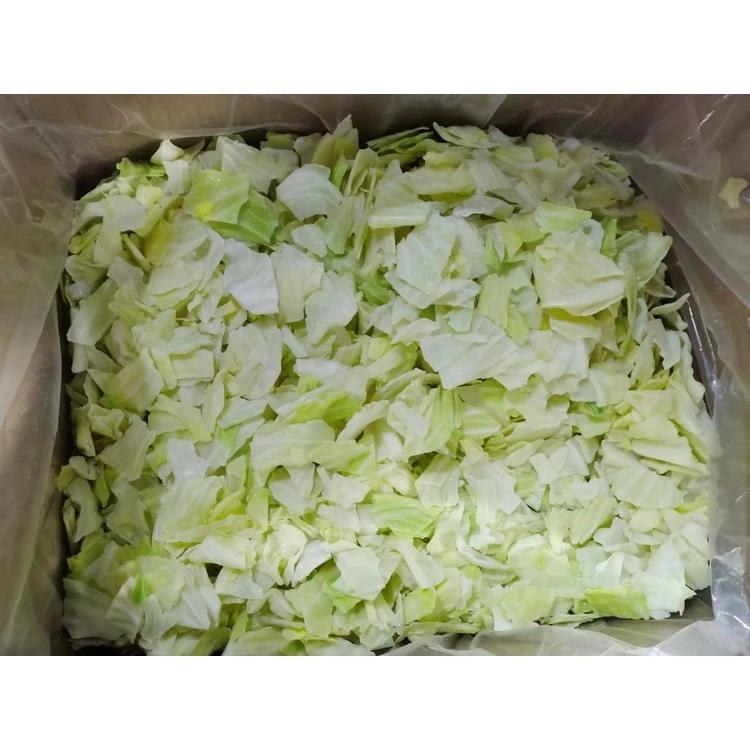
Packed cut leaves provide a form reference; the actual order defines cut, treatment and acceptance.
Calculate usable yield on the agreed starting basis. The accepted fried-cabbage weight divided by the defined incoming ingredient weight gives one useful preparation yield, provided added oil and seasonings are handled consistently. For a plain ingredient comparison, record those additions separately. A seasoned finished component can weigh more while containing less retained cabbage, so net pan weight alone can be misleading.
Compare cost using the output the operation actually accepts. Ingredient price, drainage loss, cooking loss, handling, energy and service waste can all matter. A more expensive incoming cut may reduce preparation or rejected hard pieces, while a cheaper cut may be suitable for a softer application. Use measured production trials to decide which differences justify their price within the actual recipe.
Confirm the pack around the normal load. Smaller inner bags may reduce repeated opening and make portioning easier, while a bulk format can suit a larger vessel that consumes it at once. Specify net weight, seals, carton marks, lot code, date information and frozen storage instructions. We confirm available packing, quantity, destination, requested documents and timing with the order rather than assume every cabbage program shares one format.
Our guide to sautéing frozen vegetables extends the equipment discussion to other ingredients. For fried cabbage itself, preserve the accepted relationship between cut, water route, pan load and service quality. That gives the kitchen a repeatable preparation and gives purchasing a clear reason for the form it orders.
Source frozen cabbage with GreenLand-food
GreenLand-food is a professional frozen cabbage supplier and manufacturer in China, providing factory-direct wholesale supply for importers, food manufacturers, foodservice distributors and private-label programs.
Send your product form, specification, packing, quantity, application, destination, private-label needs and requested documents. We help your purchasing team confirm the sample, order details and supply plan for the intended use.