


How to Cut and Prepare Guava: Peel, Seeds and Usable Flesh
Oct 19, 2026
Leave a message

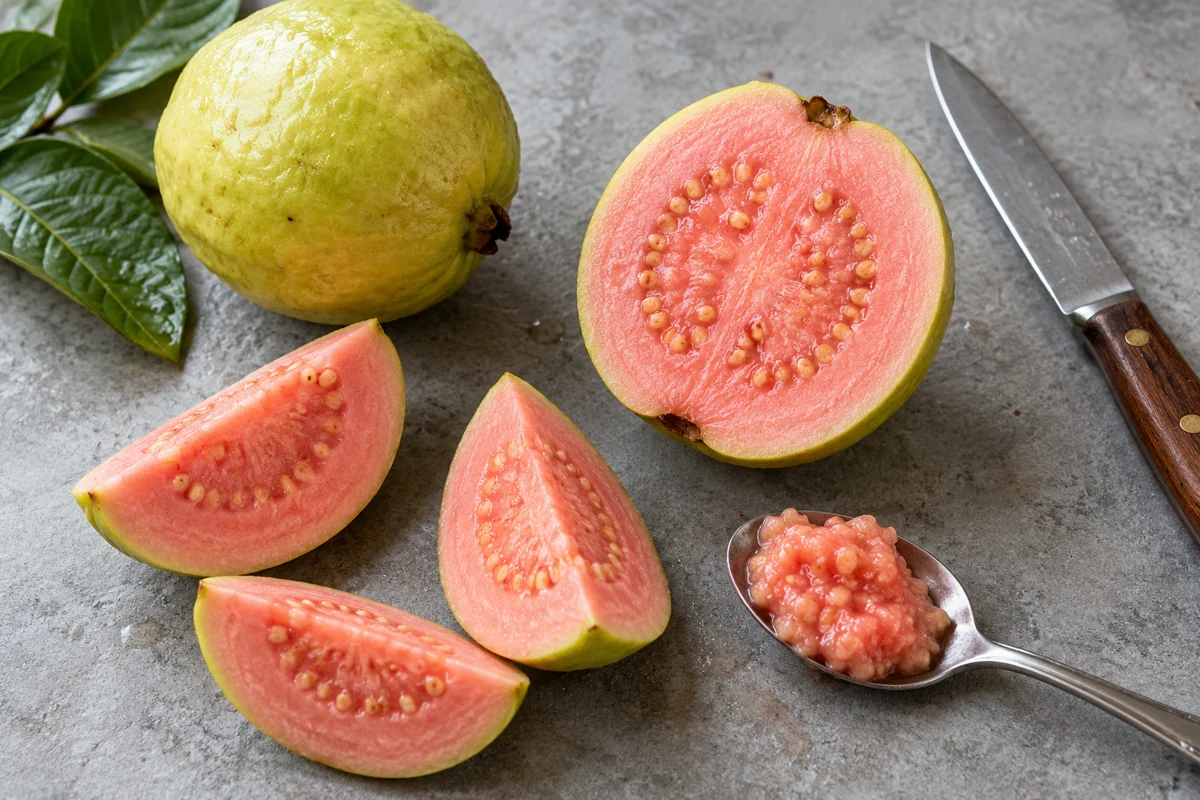
The important choice is what you want to retain. Guava has useful flesh around and between its seeds, so removing the whole center also removes fruit. Peeling changes the appearance and the amount available. A preparation that works well for a bowl of fresh wedges may be inefficient for a beverage plant that can recover pulp from the center.
This guide follows the fruit from the first cut to a defined usable portion. It also explains how to describe the preparation when purchasing frozen guava. Our current frozen guava range shows skin-on pink pieces; peeled or seed-reduced preparations need a separate sample and confirmation. The photographs of that form help distinguish a delivered ingredient from a freshly prepared serving.
Start with the fruit condition and the intended use
Choose the intended result before selecting a cutting method. A fresh fruit plate needs pieces that can be handled and presented as planned. A puree needs fruit that can be separated into the required texture. A cooked fruit preparation may accept an irregular cut that would look untidy in a display. The same guava can be divided in several ways, but each method retains a different combination of peel, outer flesh and central material.
Examine the whole fruit and then the first cut face. Skin color alone is an incomplete guide because guavas vary by cultivar and maturity. The University of Florida's horticultural description notes variation in peel thickness, flesh color, seed number, flavor and aroma. A preparation decision should therefore follow the actual fruit in front of you. Pink flesh does not guarantee that the center is soft or that seed removal will be easy.
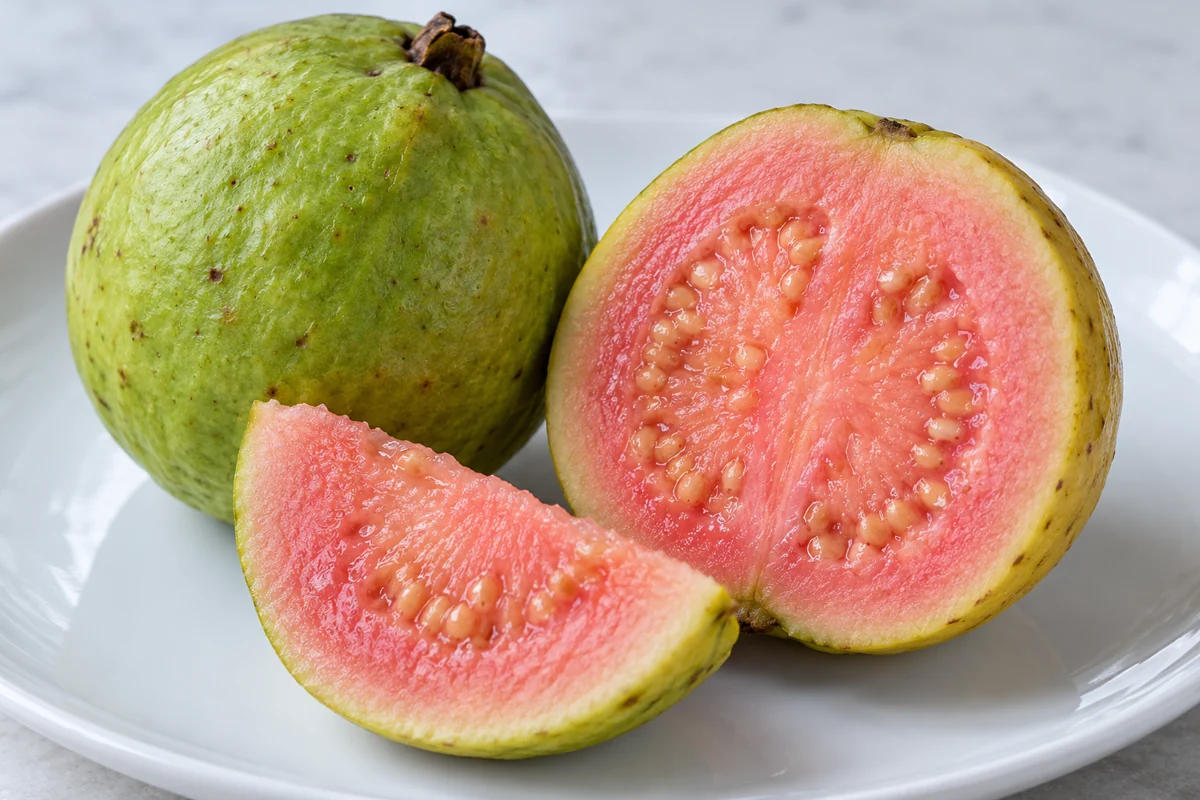
Inspect the actual fruit and cut surface when choosing a preparation route.
Firm fruit generally gives the preparer more control over the shape of a cut. Softer flesh needs gentler handling and may be better directed to a pulping application if its condition is otherwise suitable. Do not use ripeness as a reason to accept mold or decay. In a commercial setting, soundness, maturity and processing suitability need separate acceptance criteria so that a soft processing grade does not become a route for unsuitable fruit.
Cut one representative fruit to understand its structure before preparing a larger quantity. Look at the thickness of the outer flesh and the extent of the seed-bearing center. Consider how much of that center must be removed for the intended result. A broad spoon scoop may be convenient, while a narrower trim may preserve more flesh. The practical choice depends on the fruit's firmness, the required appearance and the time available.
For a sample trial, keep fruit identity and preparation conditions together in the record. Note whether the fruit is fresh or previously frozen, its observed condition, and the proposed use. If several people prepare portions for comparison, agree the same endpoint first. Otherwise, one person may leave most of the central pulp while another removes it deeply, producing different yields that appear to be a fruit-quality difference.
Buying teams can use this first examination to make a better request. "Pink guava pieces for later pulping, peel retained, seed material accepted within the agreed sample" is different from "peeled guava wedges with the center removed for a visible fruit preparation." Neither description is automatically superior. Each identifies a preparation that can be inspected and tested against a specific application.
Wash and trim before making the first cut
For household fresh-fruit preparation, begin with clean hands, utensils and a clean work surface. Rinse the whole guava under running water before peeling or cutting it. The FDA's produce guidance explains that contamination on the outside can be transferred during preparation, even when the skin will be removed. It advises against using soap or detergent on produce. Drying with a clean towel also makes the fruit easier to hold.
Set up the board so it stays in place, and use a knife appropriate to the fruit's size and firmness. Keep the hand holding the fruit clear of the blade path. If the guava rolls, establish a stable resting position before continuing. A controlled cut gives a cleaner surface and makes it easier to see the seed area. Avoid forcing a blade through a fruit that cannot be held securely.
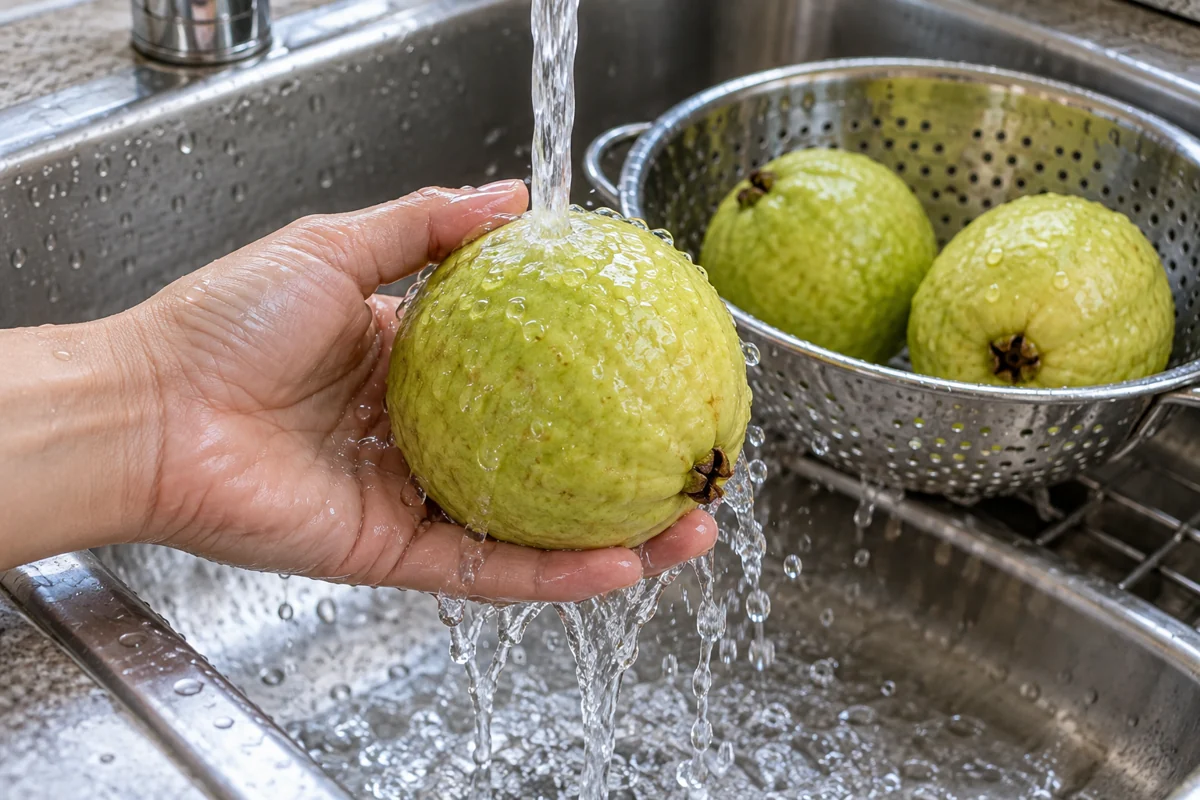
Wash the whole fresh fruit before peeling or cutting.
- Rinse and dry the whole fruit, then place it on a clean stable board.
- Trim away the stem and blossom-end remnants with a modest cut.
- Halve the fruit and inspect the exposed flesh and central seed area.
- Choose the peel and seed-removal route required by the dish or processing trial.
- Cut the retained flesh to the intended shape and transfer it to a clean covered container for the next step.
The trimming stage should remove what is necessary while preserving useful flesh. Large end cuts can take away a meaningful portion of a small fruit. If a commercial trial is measuring preparation yield, collect end trimmings separately from peel and seed-bearing pulp. This helps the team see whether loss comes from the fruit's structure, a defect requirement or an unnecessarily deep trim.
Keep clean prepared portions separate from unwashed fruit and discarded material. A crowded board makes it easy to move finished pieces back into the area used for the first handling stage. Use separate containers with a clear purpose, and empty waste without carrying it across prepared food. In a small trial, a simple organized sequence can improve consistency as well as hygiene.
For cut fresh fruit that will not be used promptly, follow appropriate refrigeration and handling guidance; FDA advises refrigerating cut or peeled produce within two hours, or within one hour above 90°F. Commercial preparation requires the facility's own controlled procedures for water, sanitation, time and temperature. A household rinse-and-cut sequence does not establish a validated industrial wash or a finished product's ready-to-eat status.
Decide whether the peel belongs in the preparation
Peeling is a product choice as well as a preparation step. A skin-on piece keeps its green edge and some of the fruit's outer texture. A peeled piece may suit a pale, smooth or more uniform presentation. Begin by checking whether the intended recipe or customer specification permits peel. Then assess the actual fruit, since skin thickness and the way it behaves during preparation can vary.
If peeling is required, remove a thin layer and inspect the cut surface as you work. A sharp, controlled tool should follow the fruit's contour rather than cutting away broad slabs of flesh. On a very soft guava, a method that works well on a firm fruit may crush the surface. Try a small portion first and choose a technique that gives the required preparation without excessive loss or damage.
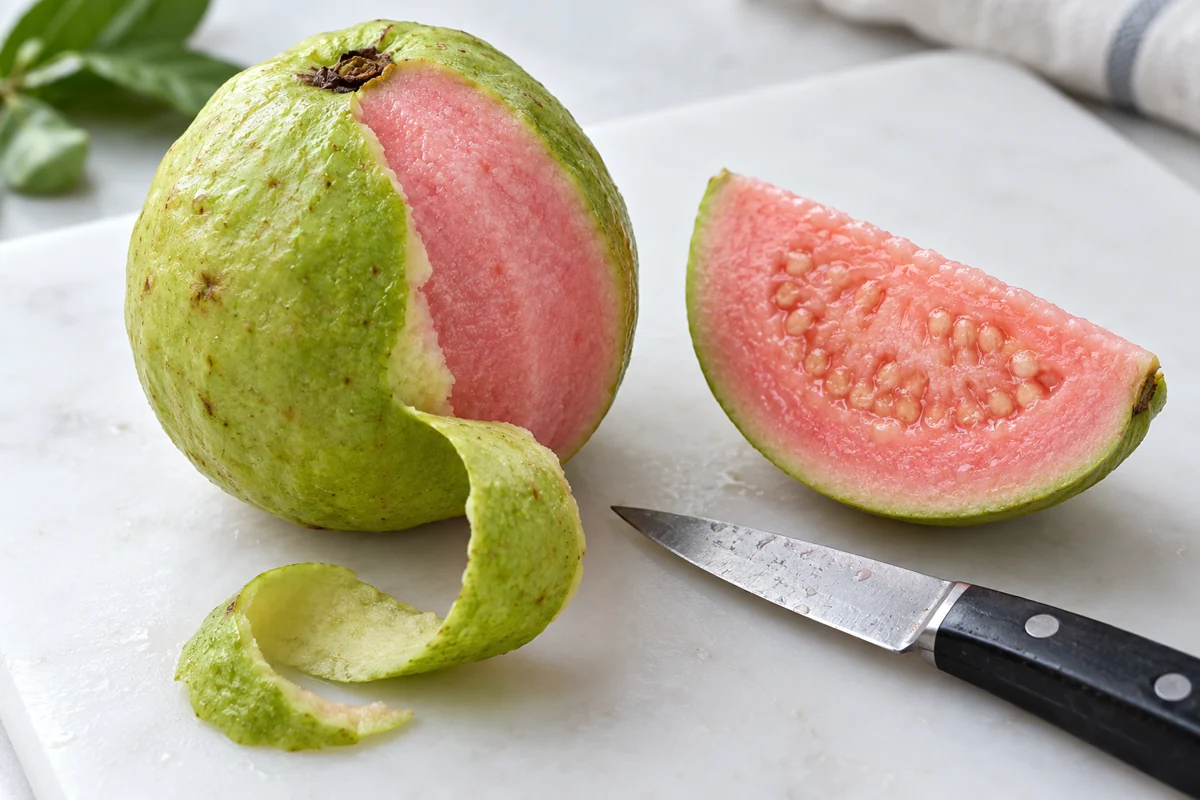
A controlled peel removal retains more of the useful outer flesh.
Retaining the peel can be useful when the fruit is destined for a process that accepts it or removes it later. It can also leave visible green fragments in a pulp or fruit preparation. Test the finished ingredient at the relevant particle size and serving condition. A peel edge that looks attractive on a wedge may become an unwanted speck in a light beverage. Appearance, texture and recovery should be considered together.
Removing the peel does not remove the seeds. These are separate preparation decisions and should be written separately on a specification. Likewise, a seed-reduced piece may retain its skin. Commercial shorthand can create confusion when "cleaned" or "prepared" is used without defining the result. Ask for the actual peel status, central seed-area treatment and an image or sample that shows both.
When comparing peeling methods, weigh the starting fruit and the retained portion under the same conditions. Keep the removed peel for inspection during the trial. A thick layer of attached pink flesh suggests that the peeling step is taking more than the surface alone. The team can then decide whether a different tool, preparation method or fruit selection would improve the result. The acceptable loss depends on the required finished form.
For processing buyers, the relevant question is whether paying for additional preparation reduces total work and loss at the receiving plant. A peeled offer may cost more per delivered kilogram but simplify a later step. A skin-on offer may be appropriate when the plant already has an effective separation route. Compare the resulting usable ingredient under the intended process instead of assuming that the more extensively prepared form always gives better value.
Remove hard seeds while retaining useful flesh
Guava seeds are small and embedded in the central pulp. They are not a single stone that can be lifted out like a peach pit. A spoon removes a portion of the seed-bearing flesh, and some seeds may remain along the boundary. Inspect the retained piece after scooping. If the intended preparation needs very little hard material, a quick scoop alone may not meet that requirement.
For visible pieces, use the exposed half or quarter to see where the seed area ends. Remove the amount needed for the specification, keeping the blade or spoon under control. A deeper cut can leave a cleaner outer-flesh piece, but it also reduces the retained mass. If appearance and low seed presence are both important, establish an accepted sample that shows the expected balance before preparing a large batch.
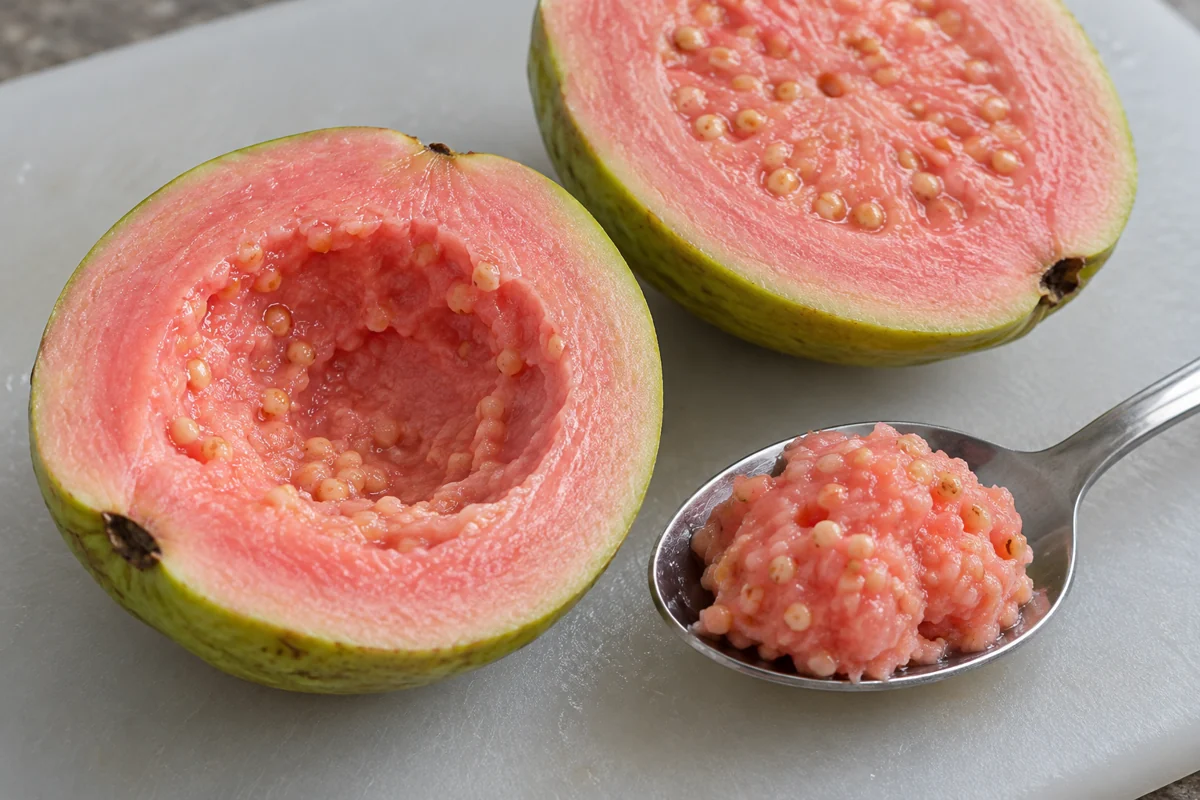
Scooping removes flesh with the seeds; inspect the remaining boundary before calling the preparation complete.
For pulp, the seed-bearing center can contain useful fruit that would otherwise be discarded. A suitable pulper, food mill or sieve can separate acceptable pulp from retained hard material. The FAO's small-scale processing manual distinguishes guava pulping and sieving from preparation of peeled, scooped halves. Those are different product routes. Its historical processing recipes are not a substitute for a current validated commercial process.
Avoid treating aggressive blending as proof that seeds have been removed. Reducing hard seeds to smaller particles changes their size and can leave an unpleasant texture. For a smooth product, check the recovered pulp rather than relying on the blender's appearance or power. The separation equipment and operating method should be suitable for the fruit and the required endpoint, with inspection for residual hard particles.
In a kitchen-scale trial, process a small representative quantity first and examine both sides of the separation: the recovered pulp and the retained material. Record any liquid added to assist the preparation. Added water belongs in the recipe calculation and cannot be counted as recovered guava. If a tighter sieve produces a smoother result but retains more flesh, that tradeoff should remain visible in the trial record.
The term seedless needs particular care in purchasing. A buyer may mean no whole visible seeds, a reduced central core, or a tightly controlled smooth puree with a defined residual-particle requirement. These are different promises. State the inspection method and the acceptable result. For food intended for a population or application with special texture requirements, the responsible product team should set the relevant standard rather than adopting a general fruit-preparation description.
Choose halves, wedges, slices or smaller pieces
Once peel and seed treatment are decided, choose the cut that serves the next operation. Halves preserve a broad view of the fruit's interior and can be useful for inspection or a particular preparation. Wedges are easy to relate to the fruit's shape. Slices can provide a defined thickness, while smaller pieces may suit portioning or equipment feed. The cut name should be accompanied by enough detail to identify what is retained.
Cutting before central seed removal can leave seed material distributed across many small pieces. Removing the center first makes the remaining outer flesh easier to divide consistently, although it changes the yield. Decide the order from the final requirement. If the entire portion will be pulped and screened, spending time on visually uniform wedges may add little value. If pieces remain visible, shape and handling deserve more attention.

GreenLand product photograph: the shown form is an irregular skin-on cut.
| Form | Preparation question | Useful acceptance detail |
|---|---|---|
| Halves | Is the central seed area retained or scooped? | Peel status and extent of center removal |
| Wedges | Are wedges cut from the whole half or outer flesh? | Thickness, size range and permitted seed material |
| Slices | Is the seed area visible in the slice? | Thickness and treatment of the central portion |
| Smaller pieces | Are pieces irregular cuts or defined dice? | Size basis, fines and broken-piece allowance |
The product photograph shows irregular frozen guava pieces with peel retained. It is useful evidence of the photographed form, but it does not establish a precise dice size or a seed-free preparation. A buyer requiring uniform pieces should supply the dimensional basis and request a matching sample. For an irregular cut, piece weight or an agreed distribution may be more informative than a single nominal dimension.
Make the cut-size requirement practical to inspect. State how a sample is selected and which dimension or mass is measured. Decide how small fragments and unusually large pieces are handled in the result. A purchasing description that lists only an average can conceal a wide spread. The receiving team needs to know whether the application tolerates that spread and what finding would trigger review.
The intended process also determines whether cosmetic uniformity matters. A beverage pulper may accept irregular sound pieces that fit its feed and separation route. A visible dessert inclusion may need a narrower shape and defect range. Confirm the result after the planned process, since the appearance of the starting cut cannot by itself show the condition of the final inclusion. Use the sample trial to choose the level of preparation that earns its cost.
Measure usable flesh without hiding preparation losses
Usable flesh is the portion that meets the intended preparation standard. It may mean peeled outer-flesh pieces in one trial and screened pulp in another. Define the endpoint before weighing. Otherwise, two teams can report different yields from the same fruit while both believe they measured the same thing. The starting point also matters: whole fresh fruit and delivered frozen pieces have already undergone different amounts of preparation.
For a cutting trial, weigh the starting fruit and collect retained pieces, peel, end trimmings, removed seed-bearing center and rejected damaged material separately. Record whether surface water has been allowed to drain in a consistent way. The separated portions make the source of loss visible. They also help identify a cutting method that removes too much useful flesh or a fruit lot whose structure does not suit the intended form.
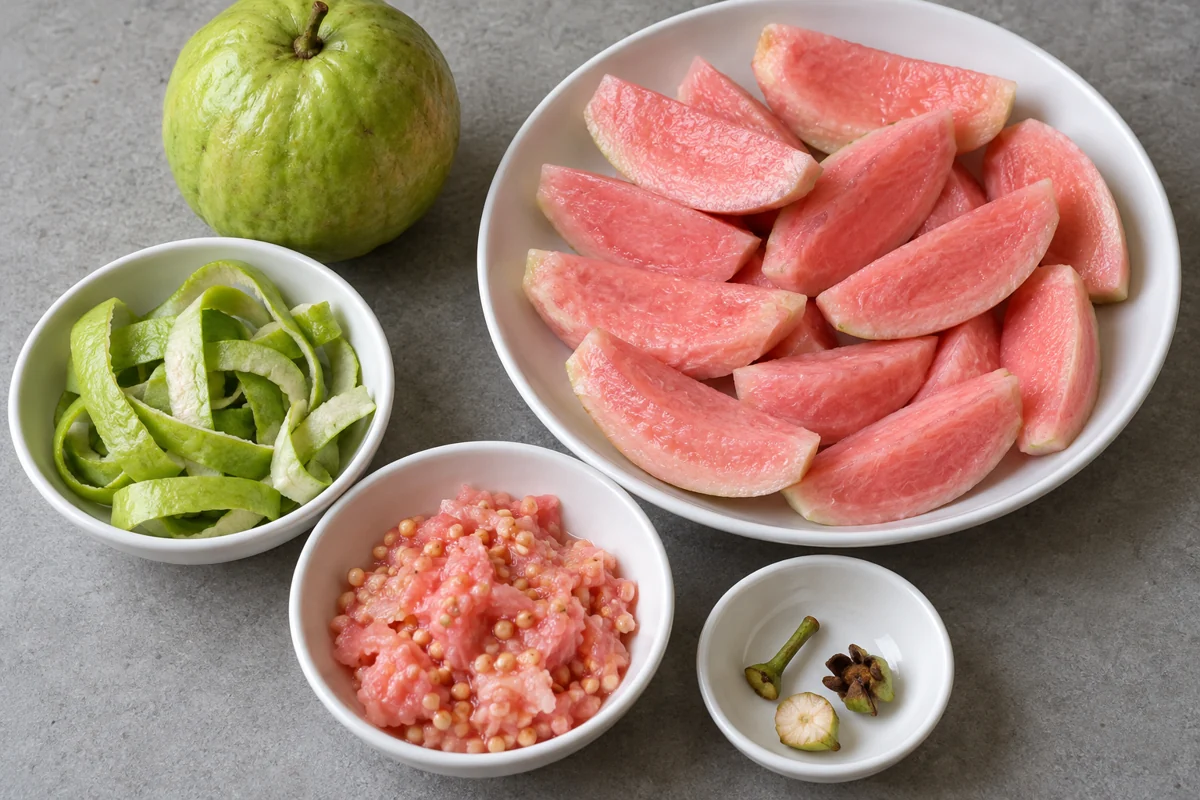
Weigh the retained portion and each removal category on a defined input basis.
An illustrative example can show the calculation. Suppose 2.0 kg of whole fruit produces 1.25 kg of pieces that meet a defined peeled, center-removed standard. The recovery is 62.5 percent on the whole-fruit input basis. If a second method gives 1.40 kg but leaves more hard seed material than allowed, its 70 percent recovery is not an equivalent result. These figures are examples, not measured GreenLand performance.
A pulping trial needs a different endpoint. Weigh accepted screened pulp and retained solids, and account for material left on the equipment. If water is added, record it separately so the fruit recovery can be interpreted. The volume of a filled jug is not a reliable substitute for the mass of recovered fruit when dilution, foam or texture differs. Use a method appropriate to the decision and keep its assumptions visible.
Repeat the comparison with enough representative fruit or sample units to understand ordinary variation. A single unusually large guava can give a misleading impression of outer-flesh yield. The same applies to one carefully selected frozen bag. Keep the sample identity, preparation method and results together, and describe the limits of the trial. A development result can guide the next sample request without becoming a guaranteed shipment specification prematurely.
Use the findings to calculate the amount needed for the application. If a recipe requires a certain mass of accepted pulp, the purchase quantity must allow for the measured preparation route and an appropriate planning basis. Include labor, equipment use and disposal where they differ between options. Our frozen-fruit quality guide provides broader context for connecting a product definition with receiving and supplier evidence.
Specify the preparation when buying frozen guava
Frozen guava is bought at a particular preparation stage. A skin-on piece contains material that a peeled or screened ingredient has already lost. Confirm the form before comparing price, net weight or recovery. The GreenLand frozen guava product page describes pink pieces with retained peel and a central seed area. Other preparation proposals require their own evidence and approval.
The purchase specification should state flesh color or verified cultivar where relevant, peel status, seed treatment, cut form and the method used to assess each. Add the appearance and defect requirements that affect the intended use. "Prepared guava" leaves too much open. A clear description lets production, quality and purchasing discuss the same material and gives the receiving team a basis for identifying a mismatch.

Describe the delivered peel and seed treatment explicitly in the purchasing specification.
Ask how the sample was prepared and how it relates to the proposed order. A fresh peeled kitchen sample can be useful for recipe exploration, but it does not represent a skin-on frozen shipment. A sample that has been hand-selected for appearance may not show the variation in the proposed processing grade. Record those differences and request representative material for the checks that will determine acceptance.
Evaluate frozen pieces in their delivered state and again under the intended preparation method. While frozen, note cut distribution, peel retention, visible seed-center pieces, frost, clumping and pack condition as relevant to the agreed specification. During the application trial, assess the usable output and any required separation. Keep handling conditions consistent so that changes caused by the trial are not confused with the incoming form.
Packing requirements should follow how the plant uses the ingredient. Confirm the inner-pack quantity, liner or pouch, carton arrangement and labeling needs. A user who prepares a small portion at a time may need a different handling arrangement from a line that consumes a full pack. The supplier and buyer should agree the frozen storage and transport conditions, the receiving evidence and the intended further processing before dispatch.
Keep a simple reference photograph with the written cut description. Photograph several representative pieces beside a ruler after the agreed preparation, including an acceptable peel edge and a rejected seed-bearing edge where those distinctions matter. The photograph helps operators apply the written rule, while measured dimensions and sampling instructions keep the image from becoming the only acceptance standard. Save the sample identity with both records so the next review refers to the same preparation.
For an inquiry, send the application, desired cut, peel preference, seed requirement, expected quantity and destination. Include the preparation method used to judge acceptable flesh or pulp, together with packing and document needs. We can then discuss the photographed frozen form and any separate preparation proposal against a concrete sample request. That makes the first cut, the usable portion and the delivered ingredient part of the same purchasing decision.
Source frozen guava with GreenLand-food
GreenLand-food is a professional frozen guava supplier and manufacturer in China, providing factory-direct wholesale supply for importers, food manufacturers, foodservice distributors, and private-label programs.
Send the product form, specification, packing, quantity, application, destination, private-label needs, and requested documents.