


Making Red Currant Syrup and Cordial from Frozen Berries
Oct 19, 2026
Leave a message

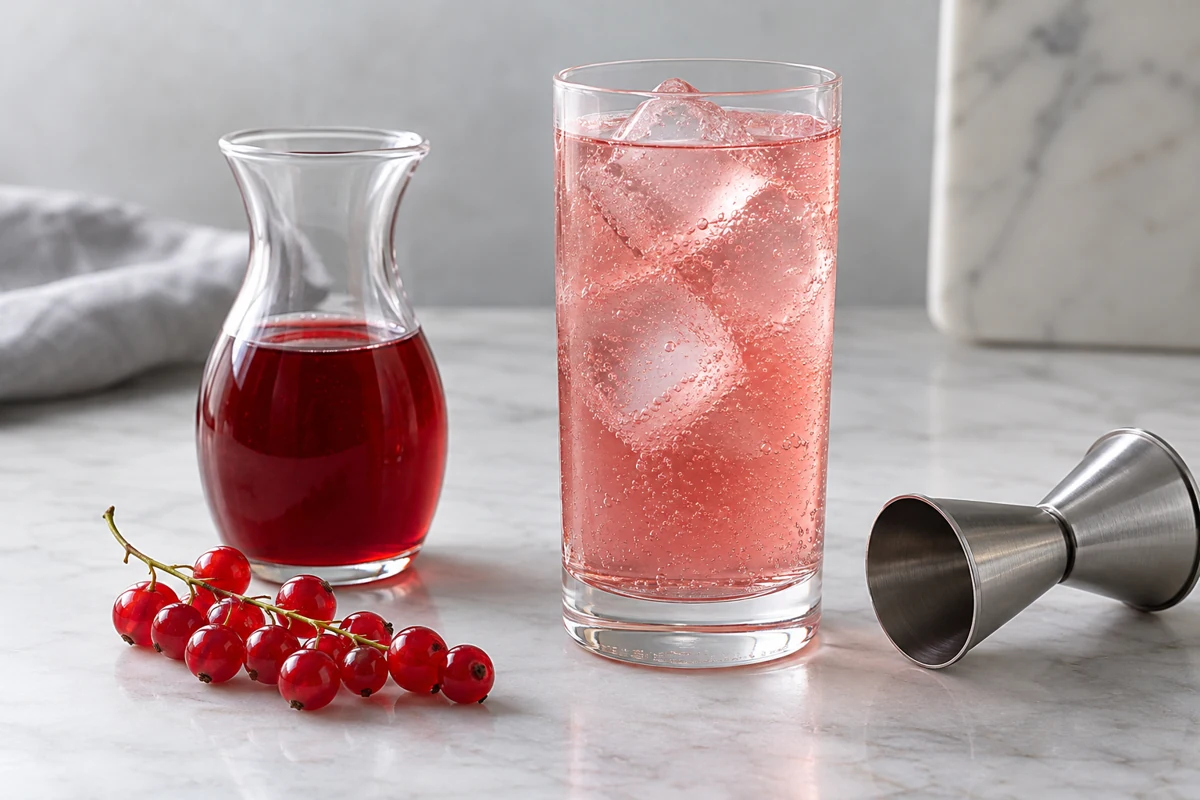
For frozen red currants, the useful sequence is to define the berry input, extract and measure the recovered juice, choose the required clarity, then formulate and test the drink at its serving strength. Keep the thermal process and storage plan attached to the exact finished formulation. Neither a high sugar addition nor a bottle that seals establishes a safe ambient shelf life.
At GreenLand, we would start a syrup inquiry with the intended beverage and extraction method. The same frozen berries can feed a clear sparkling cordial, a cloudy fruit concentrate or a thicker dessert syrup, but these products do not have the same yield or acceptance criteria. This guide explains how to turn that application brief into a practical development trial and a more useful frozen-fruit order.
Start with a defined frozen berry input
Red currants are small, tart berries borne in strings on delicate stems. For juice processing, appearance after thawing usually matters less than it does for a dessert garnish. Sound fruit, clean flavor, manageable stems and an agreed amount of loose ice matter more. That does not make an unspecified low-price berry lot suitable for every cordial. A material described simply as broken fruit might contain useful pieces, excessive fine pulp or unwanted residues; those differences become visible in the extraction vessel and filter.
Our bulk frozen redcurrants product page distinguishes application requirements such as whole fruit, breakage and free juice. For a beverage trial, ask for the proposed processing grade and record the sample identity before opening it. If the commercial order may use a different grade, repeat the trial with that grade. A favorable result from selected whole berries is a weak basis for buying a pulpy material that strains differently.
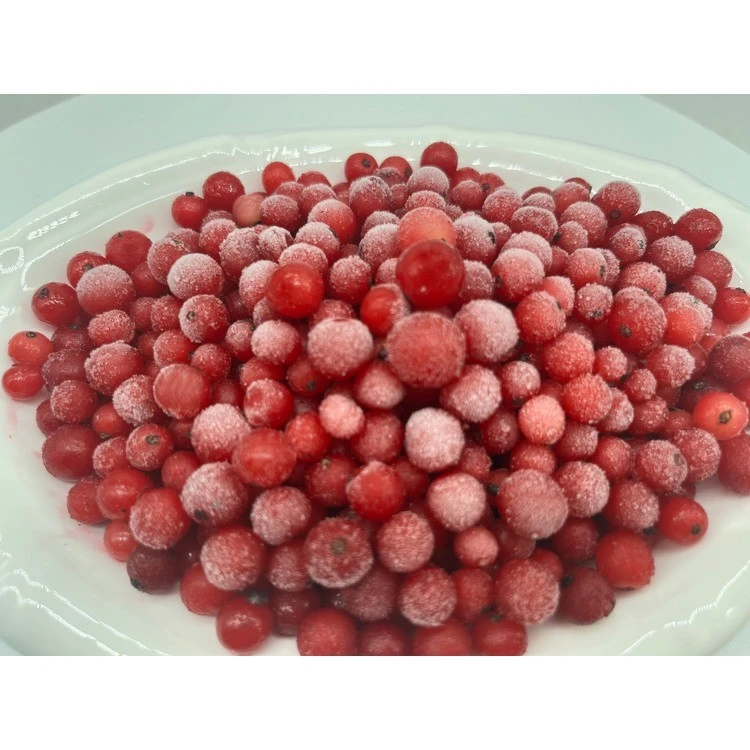
Frosted loose redcurrant berries on a white inspection plate. GreenLand-food product photograph.
Decide whether the process starts directly from frozen or after controlled thawing. Direct charging can be convenient in a heated extraction vessel designed for that load. A thawed trial makes it easier to inspect loose liquid and separate unwanted material, but it creates an additional handling stage. Follow the site's hygiene and time-temperature procedures in either case. The small trial should resemble the intended production route closely enough to reveal its constraints.
Weigh the whole defined input, including the thaw liquid that the formula intends to use. Discarding a red puddle before weighing the fruit changes both flavor recovery and the apparent cost of the batch. Conversely, counting large amounts of loose ice as useful berry juice can flatter the recovery calculation. Document what was included and describe the observed condition. When the sample cannot be assessed without warming it, use a designated inspection portion rather than repeatedly warming the main material.
A useful receiving discussion covers stem fragments, foreign matter, damaged fruit, clumping and pack integrity alongside the flavor sample. Some berry damage is compatible with extraction; foreign material is a separate acceptance matter. Agree a sampling method so that a visually clean handful from the top of a bag does not represent an entire delivery. Photographs can help describe condition, but only an agreed inspection or analysis can support the contractual limit.
Do not specify sweetness by red color alone. Two lots can look similar and differ in acidity, soluble solids and aroma. Measure the juice when these attributes drive formulation, using a consistent sample preparation method. Where routine lot values are unavailable, approve a representative application sample and ask how future lots will be checked against it. The purpose is to reduce formula surprises, rather than to demand a number that has never been measured.
Extract the juice without losing the mass balance
Gentle heating and crushing can release redcurrant juice, but the extraction method also determines how much fine pulp and skin material reach the liquid. A method designed for a clear cordial may accept lower recovery to avoid forcing solids through a cloth. A puree-forward concentrate may deliberately retain some of them. Choose the product first; otherwise the operator may optimize yield in a way that undermines the intended drink.
For the first trial, weigh the berries, any added extraction water, the recovered juice and the wet residue separately. Record the method and the endpoint used to stop extraction. A timer alone does not describe what happened if one batch began frozen solid and another was partly thawed. The size of the vessel, depth of the fruit bed and intensity of heating also affect how quickly the fruit softens. Use observations that the next operator can reproduce without pretending that one kitchen time validates a production kettle.
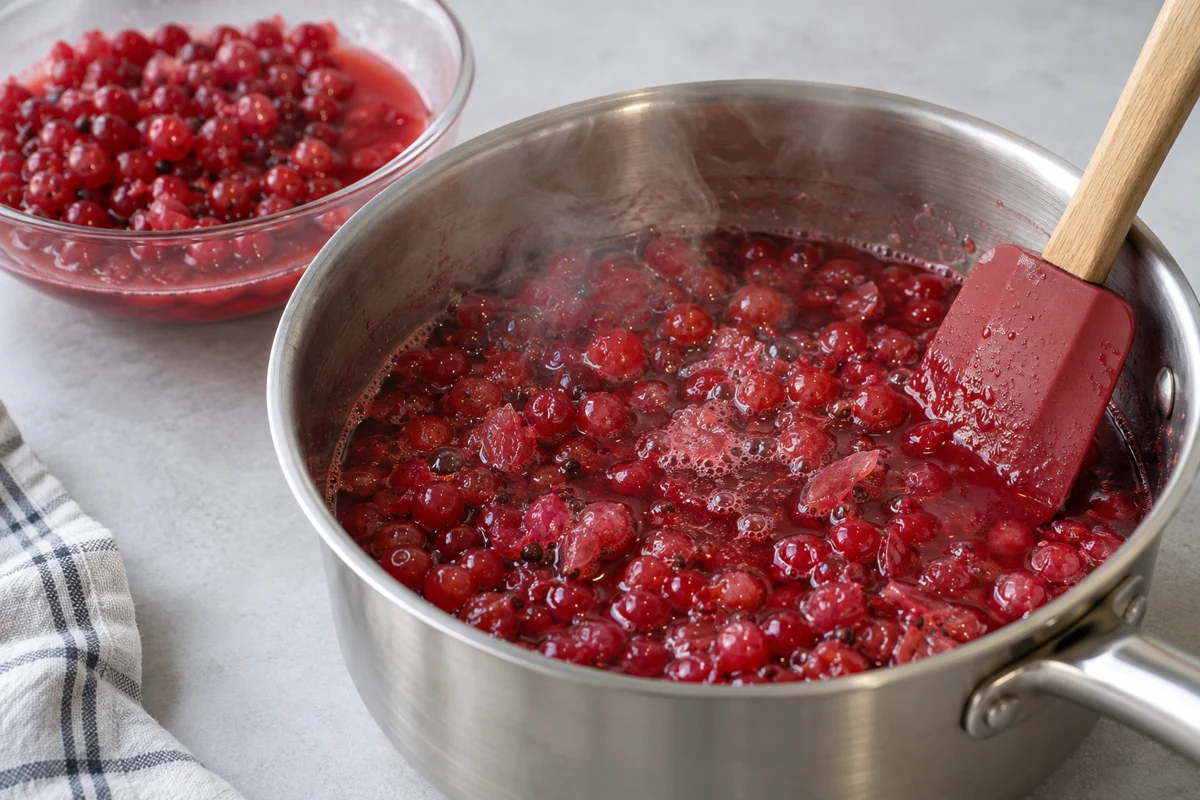
Measure the berry input, added water and recovered liquid separately. Illustrative extraction scene.
Added water needs a clear role. It can help the early heating stage in a chosen method, but it also dilutes the recovered juice. A higher volume after generous water addition is not necessarily a better extraction. Keep fruit-derived recovery and total recovered liquid conceptually separate, and report the water input beside the result. If the formula later concentrates the liquid, include the extra evaporation and energy in the process comparison.
The University of Alaska Fairbanks currant preparation guidance distinguishes juice extraction from puree preparation and gives specific recipes for different products. That distinction is valuable even when a commercial development team uses another process: juice and puree are different ingredient streams. Its preservation instructions belong to its stated recipes and should not be attached to a newly developed drink concentrate.
Keep the first recovery figures modest in scope. For example, if a development batch starts with 10 kilograms of berries, adds 1 kilogram of water and yields 7 kilograms of strained liquid, record all three weights. Calling the result a 70 percent juice yield without mentioning the water makes the comparison ambiguous. The wet residue, vessel losses and sampling withdrawals should help explain the remaining mass. A perfect balance is unlikely on a small bench, but unexplained large losses deserve attention before scale-up.
Taste comparable juice samples after cooling and at a defined dilution. A hot, concentrated sample can conceal the difference between clean tartness and an over-extracted, harsh finish. The goal is not to assign every flavor change to a single mechanism without evidence. It is to notice whether more pressing or a longer extraction produced a drink that requires more correction. Retain the method that meets the flavor brief with an acceptable and repeatable recovery.
Choose the amount of pulp the drink can carry
A transparent cordial in sparkling water places different demands on filtration than a cloudy breakfast drink. The bubbles and clear glass expose fine particles and sediment. A small amount of suspended pulp may be entirely acceptable in a fruit-forward still beverage, provided the appearance and any settling are intentional. Write that choice into the brief before selecting a filter, and use the same glass and serving liquid when reviewing samples.
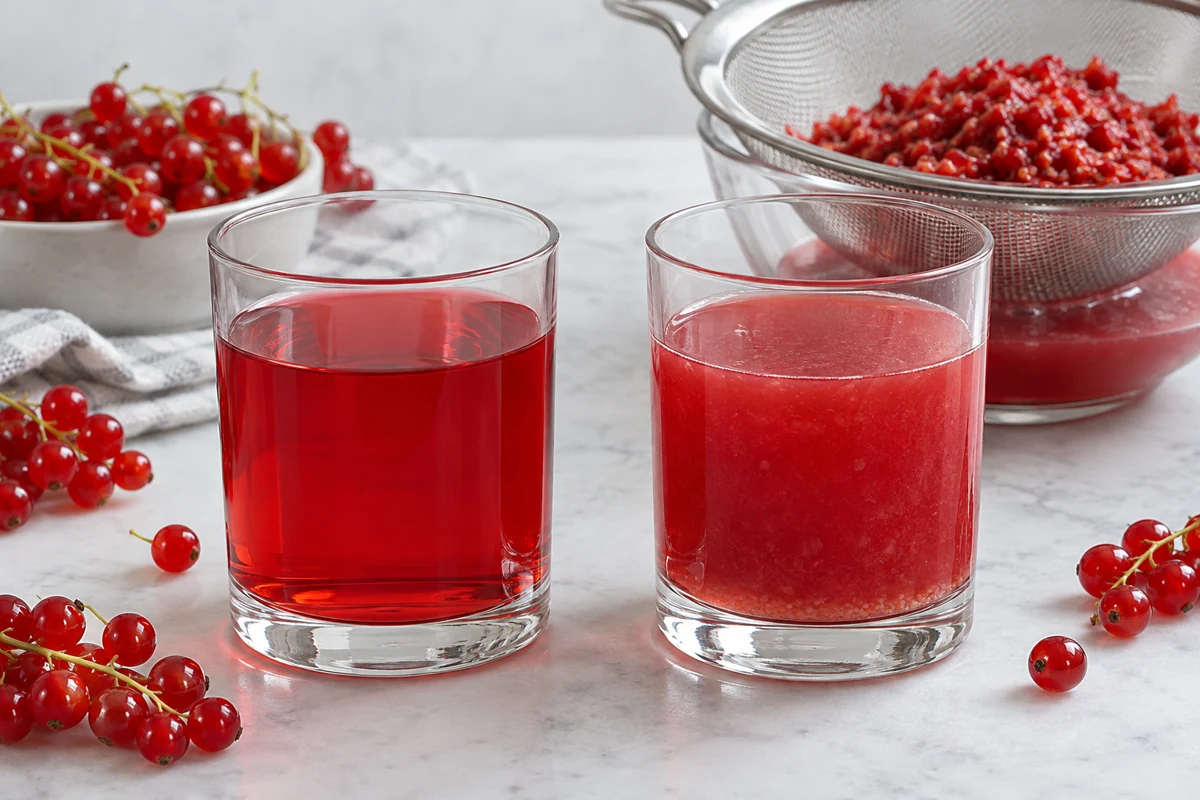
Clarity and pulp retention are deliberate choices for the finished drink. Illustrative comparison.
Gravity drainage through a suitable cloth is one route to a clearer juice. Pressing the remaining fruit can improve liquid recovery while carrying more fine solids into the extract. A fine metal sieve removes coarse seeds and skins but does not necessarily create a clear juice. These are practical differences in separation, not competing claims that one method is always superior. The right method depends on the product promise and the available equipment.
Keep a small portion of the first-drained juice separate from the pressed fraction during development. Compare them at equal formulation and dilution. If the pressed fraction is acceptable, it may improve total recovery. If it adds haze or an unwanted mouthfeel, the team can decide whether to exclude it, blend a controlled proportion or assign it to another suitable use under its food-safety procedures. Do not assume the residue or second fraction has a commercial outlet until that outlet actually exists.
Review sediment after the intended rest period as well as immediately after mixing. A sample that looks evenly cloudy when stirred may form an unattractive layer in a bottle or leave a heavy deposit in the last glass. Define whether shaking is acceptable for the proposed product and whether the packaging can communicate that instruction appropriately. For a service concentrate, also consider the labor needed to remix it consistently before dispensing.
Filtration performance deserves its own record. Note the screen or cloth used, the amount of fruit processed and whether the filter slowed or required replacement. A fine filter that handles a one-cup trial easily may be impractical for a larger volume of pulpy juice. Ask a processor or equipment supplier to assess the intended throughput; do not infer it by multiplying the small-batch drainage time. Losses retained in the filter also belong in the usable-yield calculation.
Clarity alone does not establish microbiological safety. A clear juice can still require a validated treatment, and a cloudy juice is not automatically unsafe. Keep visual acceptance and the safety plan separate so that a sparkling appearance does not become a substitute for process evidence. The filtration stage should have defined hygienic handling, especially when it occurs after heating and exposes liquid to utensils, cloths, air or containers.
Balance sweetness and tartness in the diluted drink
Develop cordial at the strength the customer will drink. A teaspoon of concentrate is useful for noticing gross defects, but it does not tell a café how a full serving will taste. State the dilution in unambiguous units. One part concentrate plus four parts water means five parts finished drink; it is different from one part concentrate made up to four parts total. Use weight during development if it gives the team a more repeatable method, then establish the practical serving measure.
Make a short series of dilution samples from the same concentrate. Keep the water, temperature, glass and mixing method constant. Compare aroma, sweetness, tartness and the length of the finish. If sparkling water is the intended use, include it rather than relying only on still water. Carbonation, a cold serving temperature and the rest of the drink can change the sensory impression, so an acceptable still-water sample is an early result rather than the final approval.
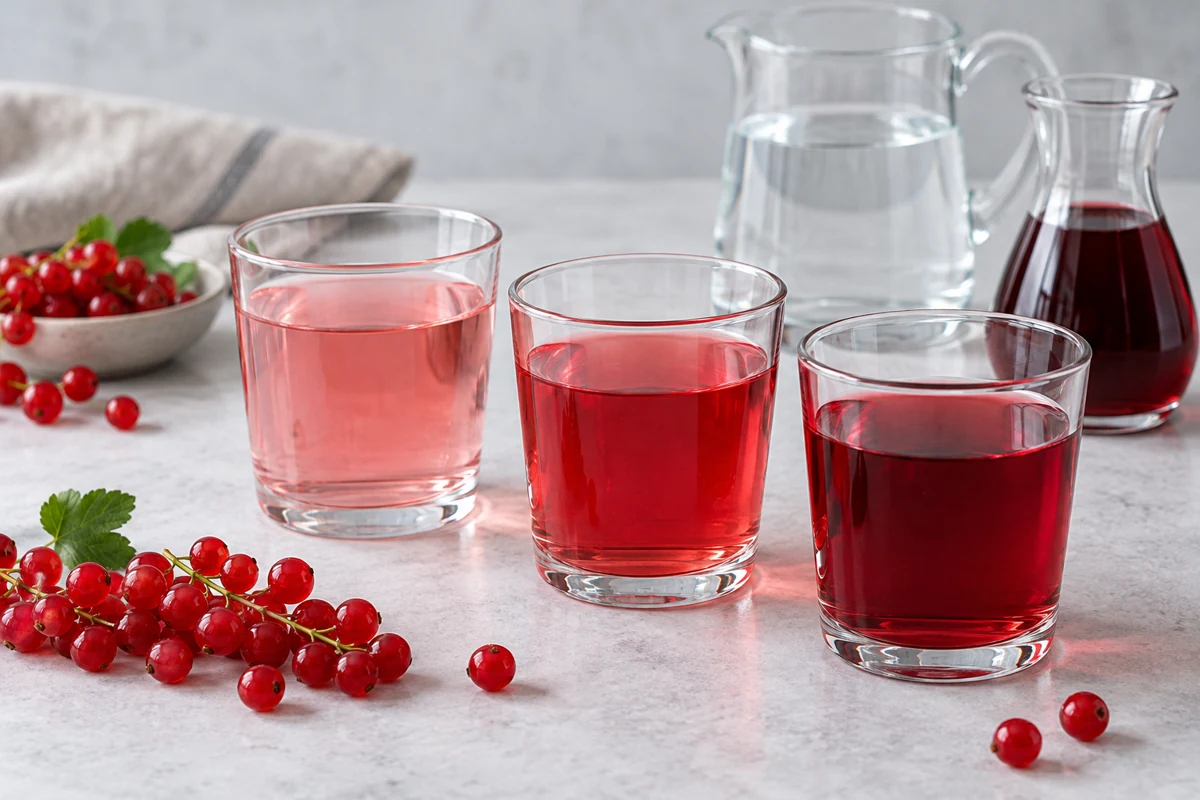
Compare serving strengths in the intended drink; color alone does not select the dose. Illustrative samples.
Sugar has more than one effect. It supplies sweetness and contributes to the body of a concentrate. Increasing it may soften the perceived tartness while making the cold syrup harder to pour or pushing the finished drink beyond the desired sweetness. Reducing sugar can produce a brighter-tasting concentrate but changes the formulation and possibly the required preservation approach. Treat a reduced-sugar version as a new development, with its own process and storage assessment.
Measure soluble solids when it helps control the formula, but do not read a refractometer result as a direct measurement of added sugar alone. Fruit contributes dissolved material too. Use the instrument and temperature correction according to its instructions, and prepare samples consistently. Acidity measurements likewise need a defined method. pH and titratable acidity describe different aspects of the liquid and are not interchangeable. A formulation or process specialist can specify which measurements are necessary for the intended packaged product.
A simple serving calculation helps buyers compare ingredients. If an approved recipe uses 40 grams of concentrate in a 240-gram finished drink, one kilogram of usable concentrate theoretically supplies 25 servings before dispensing and handling losses. This is an illustrative calculation, not a recommended dilution. The accepted sensory result determines the dose. Include measured filling losses and realistic over-pouring before using the number in a selling-price or purchasing decision.
The same logic applies when comparing berry lots. A cheaper fruit that produces weaker juice may need a larger concentrate dose to meet the flavor brief. A more expensive lot might offer enough intensity or cleaner recovery to reduce the cost per accepted drink. Neither outcome can be assumed from price, color or a supplier description. Test both at the same finished-drink target, then compare the amount of berries and processing effort required to reach it.
| Trial observation | Keep constant | Record |
|---|---|---|
| Serving flavor | Water, temperature and glass | Concentrate dose and final drink weight |
| Cold dispensing | Container and service temperature | Dose repeatability and drips |
| Standing appearance | Rest time and vessel | Haze, settling and mixing needs |
Check chilled pouring and delayed thickening
Redcurrant syrup can look freely flowing while warm and behave differently after cooling. The fruit's pectin, the amount of soluble solids, acidity and the chosen process all influence the outcome. Some traditional cordial recipes explicitly mention unwanted setting. That makes a cold-flow check sensible, but it does not justify predicting that every lot will gel or that a single adjustment will solve every thickening problem.
Cool representative samples under the trial's food-safety procedure and assess them at the intended storage and service temperatures. Record the actual temperatures rather than describing everything as cold. Compare a freshly prepared sample with samples held for the periods in the development plan. Those observations characterize texture during the trial; they do not establish a shelf life. A finished product needs an appropriate safety and stability assessment for its formulation, process and package.
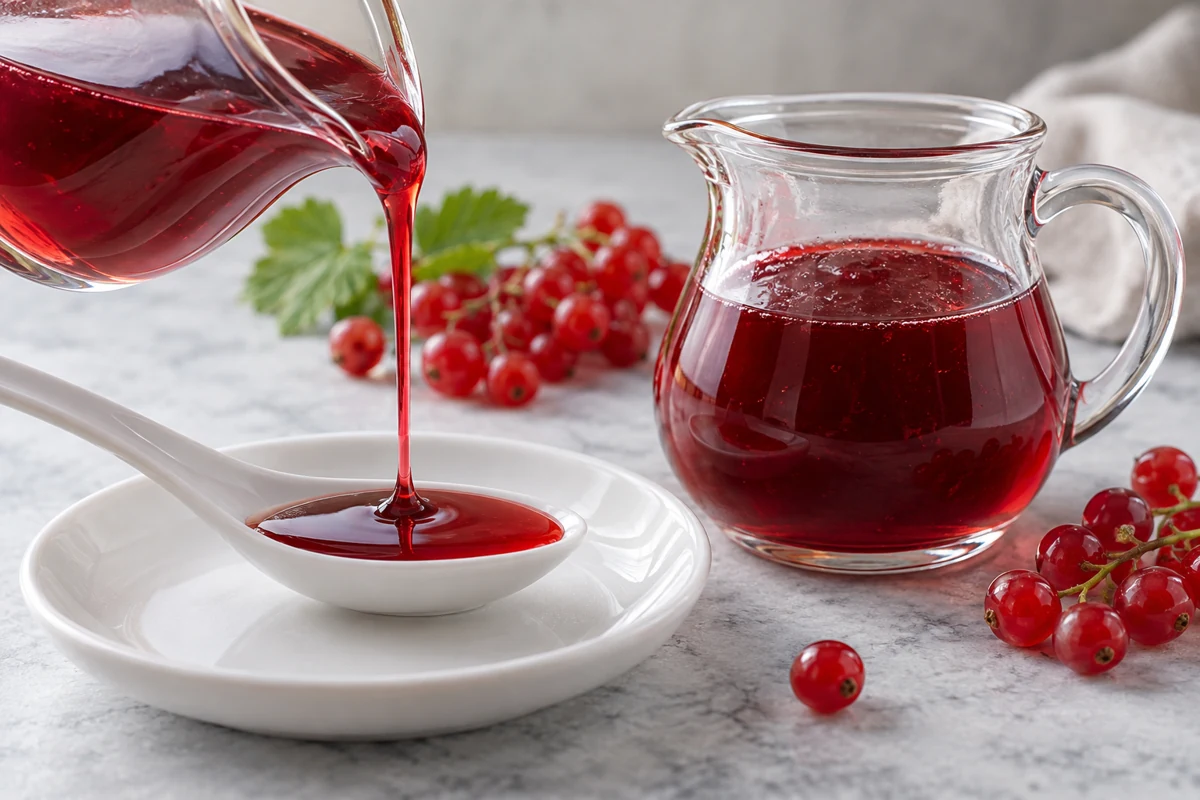
Flow needs checking at the actual dispensing temperature. Illustrative pouring scene.
Use the proposed dispensing equipment. A syrup that pours from a wide jug may deliver inconsistently through a narrow bottle neck or a pump. Check whether the first and last servings receive the same dose, whether the syrup strings or drips and whether visible pulp interferes with the mechanism. For a café, the number of pump strokes is meaningful only after the pump has been checked with the actual concentrate at its operating temperature.
If a sample becomes too thick, return to the recorded formula and extraction method. Compare fruit lot, recovered liquid weight, added water, soluble solids and the extent of reduction. Changing several variables together can make the next batch pour better without revealing which change mattered. Select one practical variable for the next trial and keep the rest controlled. Seek formulation support when the desired sugar level, flavor and pouring behavior cannot be reconciled reliably.
Do not casually dilute a finished bottle to repair its consistency and then retain the original storage claim. Water addition changes the product, and extra handling can introduce contamination. In a controlled development kitchen, a measured adjustment can be part of a documented trial with appropriate handling. In packaged production, rework requires an approved procedure and a reassessment of the relevant formulation and process limits.
The application check should include mixing as well as pouring. Watch whether the concentrate disperses quickly in cold water or remains in a dense layer at the bottom of the glass. Use the stirring or shaking method that service staff can actually perform. A lovely syrup that needs prolonged mixing may be unsuitable for a fast beverage station, even if its laboratory dilution tastes excellent. That practical limitation belongs in the product approval, alongside flavor and appearance.
Separate a kitchen syrup from a validated packaged drink
A development batch is a way to learn about extraction, flavor and handling. It is not evidence that the same liquid can be bottled for ambient distribution. Fruit acidity, added sugar, heating, container choice and closure all interact with the intended preservation system. The recipe and process must be assessed as a whole. A hot fill, a tight lid or a successful-looking seal cannot independently establish commercial safety or shelf life.
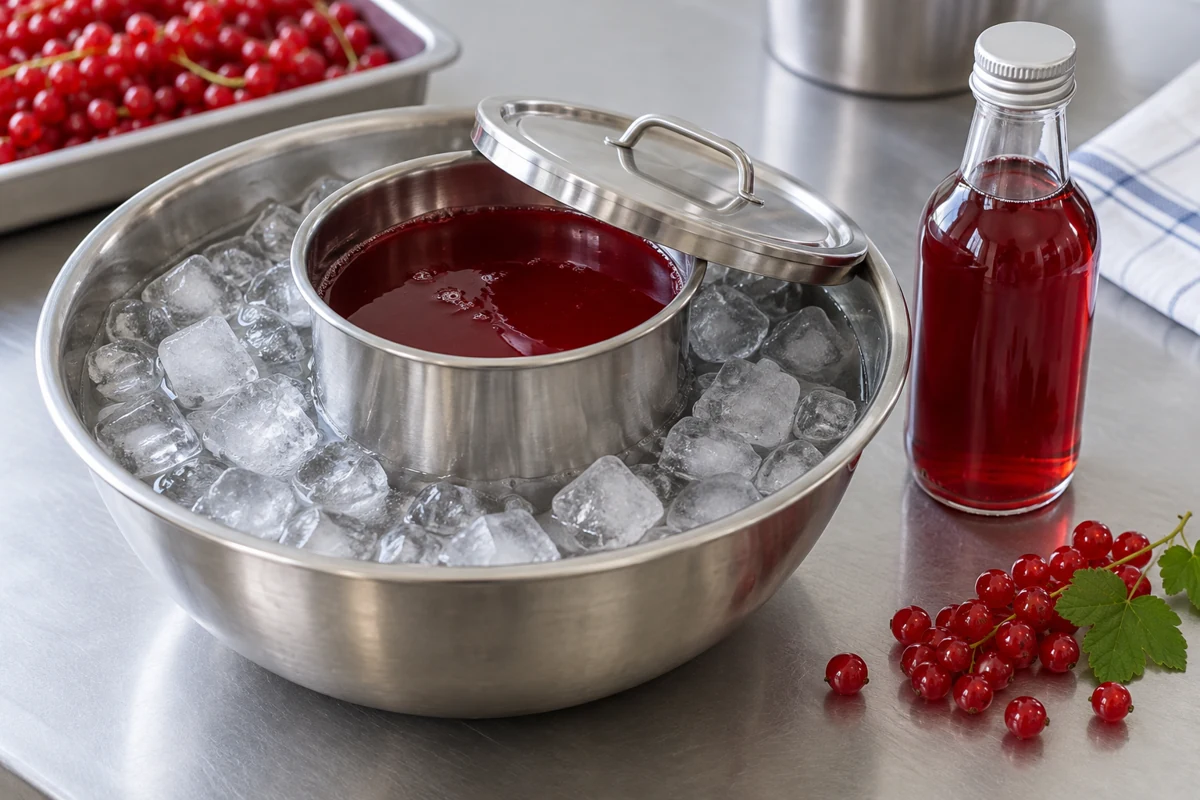
A cooling setup illustrates one handling stage. The finished process and storage plan require their own assessment.
For home preservation, use a current tested recipe from an authoritative source and follow its ingredient quantities, container sizes, processing instructions and altitude adjustments where required. The UAF currant publication provides specific syrup instructions; they apply to that formula. A lower-sugar cordial, a concentrate containing herbs or a different filling method should not borrow the same instructions by resemblance. If a suitable tested home-preservation recipe is unavailable, obtain appropriate advice for the intended refrigerated or frozen handling rather than inventing an ambient process.
For commercial sale, a qualified food-safety or process specialist should define the applicable controls for the formulation, market and package. Give that specialist the complete recipe, raw-material specifications, intended distribution conditions, filling equipment and proposed use after opening. A statement that the fruit is frozen is not a kill-step claim. The finished process must address relevant hazards and handling stages, including any exposure after treatment.
Keep quality stability distinct from safety validation. Color fading, aroma loss, sediment and changing viscosity may limit acceptance even when a safety plan is otherwise appropriate. Conversely, a drink can still look and taste attractive without being safe. A development record should therefore identify sensory checks separately from the microbiological, chemical or process evidence required by the responsible specialist. Do not use tasting as a way to assess questionable food.
Package trials should use the intended bottle or container when practical. Neck size influences pouring, headspace affects the visual presentation and the closure must work with the approved filling process. A kitchen jar is useful for a small comparison but does not prove the performance of a retail bottle, bag-in-box or foodservice pack. Check compatibility and instructions with the packaging supplier before committing to a format.
After-opening use also needs a defined plan. Repeated dispensing in a café creates different handling conditions from an unopened retail bottle. Establish the storage instructions, cleaning practices and use period through the appropriate assessment, then train staff to follow them. The article does not assign a generic number of days because the formulation and service conditions have not been specified. That missing number is a development requirement, not something a berry supplier can safely fill with a general promise.
Turn the cordial trial into an ingredient order
Once a formulation works, translate the successful trial into an ingredient brief that purchasing and production can both use. Identify the frozen redcurrant grade, representative sample, extraction route, clarity target and accepted serving dilution. Attach the observations that actually influenced approval: recovered liquid, flavor at dilution, cold pouring, sediment and dispenser behavior. An attractive photograph of the finished glass is helpful context, but the reproducible method is what makes the next delivery comparable.
Set receiving requirements according to the process. A processor that separates stems effectively may have different practical needs from a small kitchen using a cloth bag, while foreign-matter controls remain essential in both. Agree the required destemming condition, allowable breakage, loose ice or free juice assessment and pack presentation. Ask us to confirm which attributes can be supplied and documented for the proposed order rather than treating every item in a wish list as an existing guarantee.
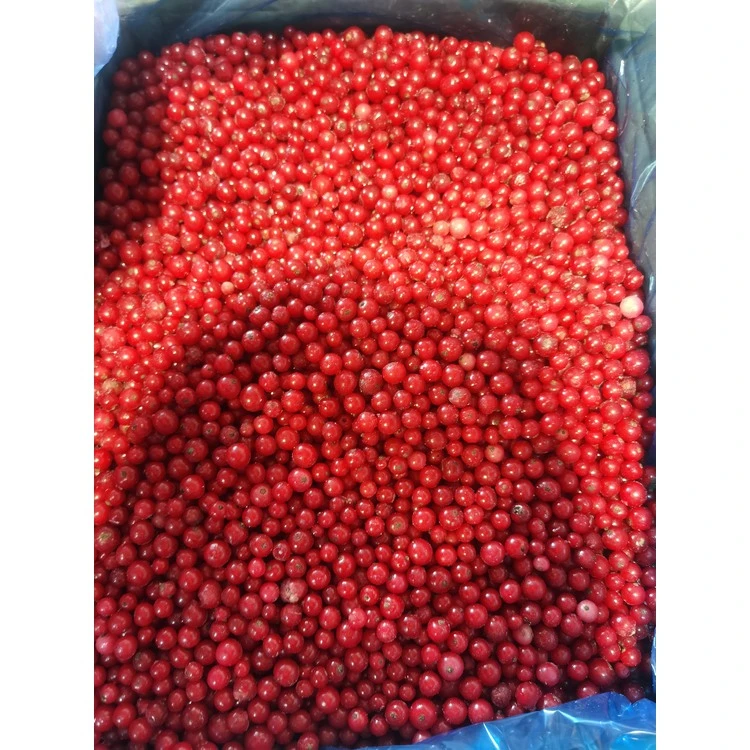
Loose frozen redcurrants in a blue-lined carton. GreenLand-food product photograph.
Include analytical information only where its purpose is clear. If soluble solids and acidity guide batch adjustment, specify the method, sample preparation and reporting expectation with the responsible technical team. If those values will be checked at your facility, explain how results outside the agreed range affect acceptance or formulation. A number without a method or an action rule gives purchasing little protection when two laboratories produce different results.
Compare commercial offers using usable concentrate or accepted servings as well as kilograms of frozen berries. Include extraction water, sugar, filtration loss, labor, energy, packaging and dispensing loss in the relevant cost model. Keep each assumption visible. The berry price is important, but a slightly lower price does not compensate automatically for lower recovery or a drink that needs a larger dose. Equally, an elaborate extraction method may cost more than the extra juice it recovers.
Confirm the pack size, pallet arrangement, delivery temperature requirements and traceability documents for the actual shipment. Choose a unit that suits the production schedule so that a partially used pack does not create unnecessary handling. If several production batches share one berry lot, retain the connection in the manufacturing record. If a single batch combines lots, record that too. Traceability should remain understandable after the finished concentrate has been filled and distributed.
At GreenLand, a useful first conversation includes your destination market, expected volume, beverage format and a short account of the trial process. We can then discuss the proposed frozen redcurrant material and the order details that need confirmation. Your approved cordial recipe and process remain the reference for the finished drink. Keeping those responsibilities clear helps the purchasing specification support the product you have actually developed, glass after glass.
Continue reading about fruit applications
Compare blackcurrant extraction and cold pourability; its flavor and formulation remain distinct from redcurrant cordial.
Explore how clarification throughput and recovered fruit contribution require separate measurements.
Investigate visible liquid separation through matched thawing, resting and mixing conditions.
Source frozen redcurrants with GreenLand-food
GreenLand-food is a professional frozen redcurrants supplier and manufacturer in China, providing factory-direct wholesale supply for importers, food manufacturers, foodservice distributors, and private-label programs.
Send the product form, specification, packing, quantity, application, destination, private-label needs, and requested documents.