


Soybean Sprout Allergen and Species Declaration for Frozen Food Buyers
Oct 19, 2026
Leave a message

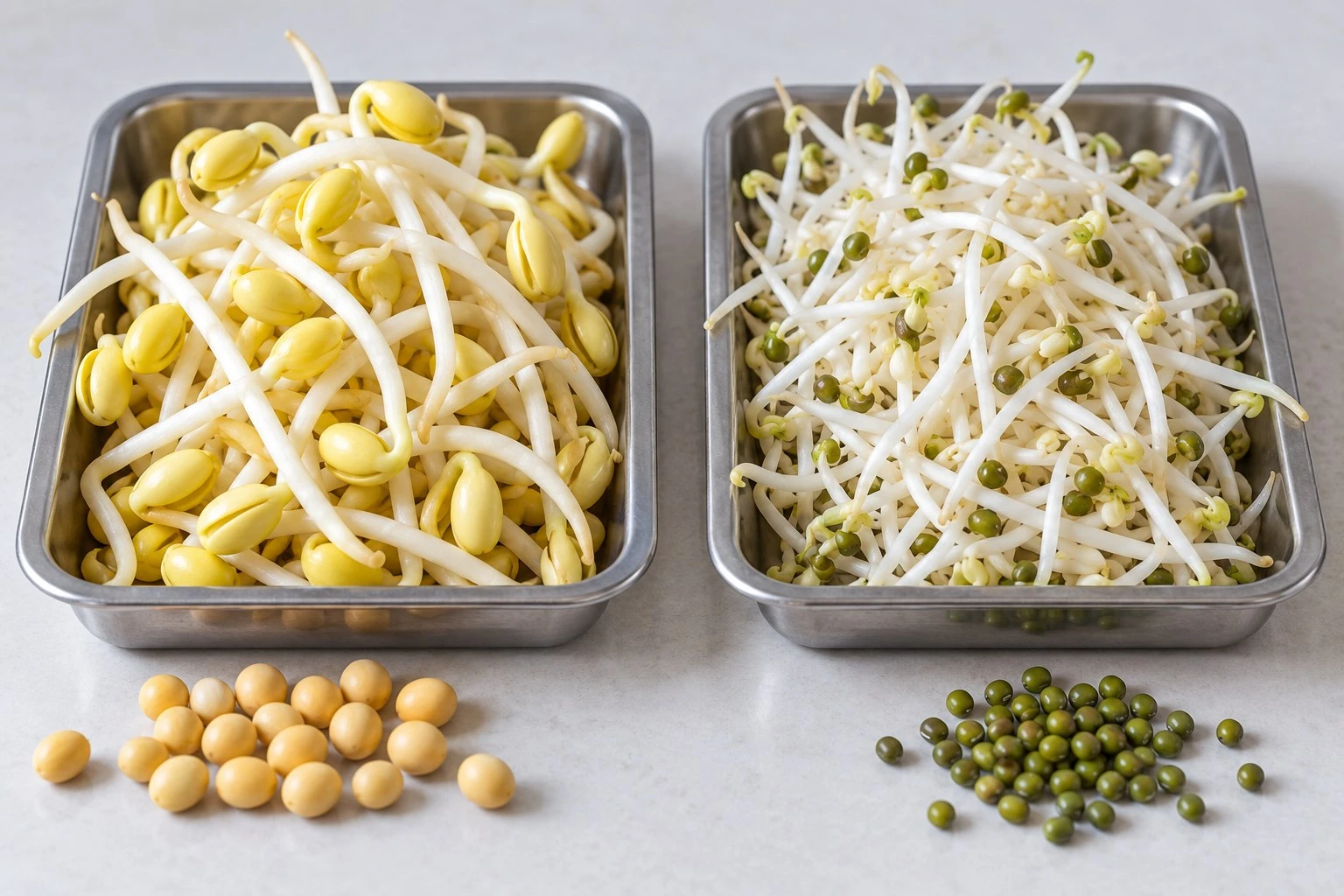
For frozen-food buyers, the main risk is often a mismatch between otherwise plausible documents: the sample is called soybean sprouts, the purchasing system says bean sprouts, and the label was copied from a mung bean product. We help purchasing teams make that identity explicit before discussing packing or price. The following approach connects the physical ingredient, supplier records, allergen assessment and final release without treating a photograph or a generic certificate as proof of the whole chain.
Put a botanical identity behind the purchasing name
Begin with a product name that both the receiving team and the recipe developer can understand. "Frozen soybean sprouts" identifies a particular ingredient more clearly than a translation such as "soy shoots" or a broad warehouse description such as "sprouts." Add the botanical name to the technical specification where useful. Kew's taxonomic record accepts Glycine max for soybean; mung bean belongs to Vigna radiata. The scientific name helps reconcile trade names across languages, while the ordinary ingredient name remains necessary for practical communication.
Photographs support form approval. Yellow seed heads, pale stems, attached roots and broken pieces can be compared with a sample, but appearance has limits. Growth conditions, trimming and the angle of a photograph can change what a viewer recognizes. Require the supplier's identity statement and appropriate source-lot traceability rather than asking a receiving clerk to authenticate species from a thumbnail. If the documents and product appearance disagree, hold the identity decision for investigation instead of selecting whichever version seems more convenient.
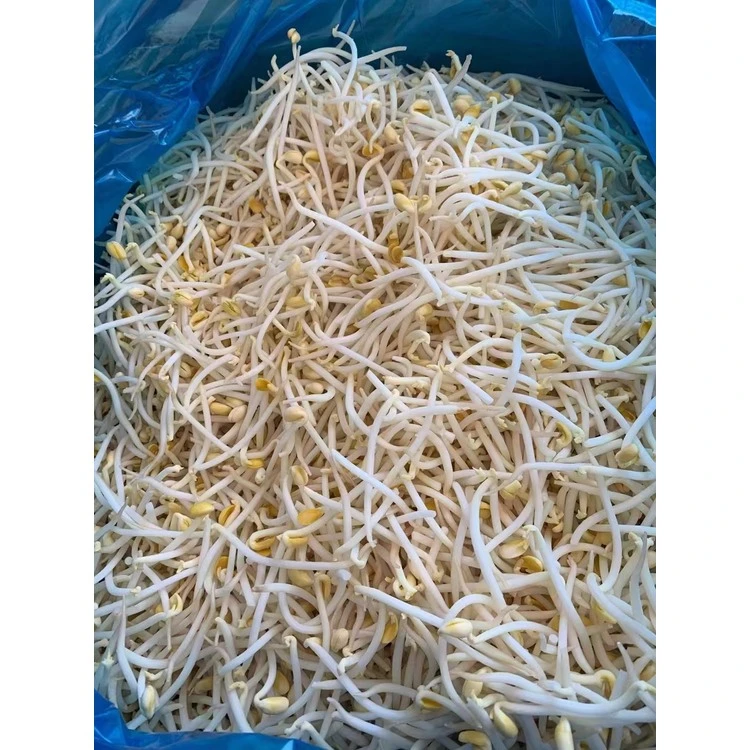
Use the visible form as a reference alongside the product specification.
The specification should connect the identity to a unique purchasing code. A single code used interchangeably for soybean and mung bean sprouts invites substitutions that the kitchen or labeling team may never see. Maintain a controlled description in the purchase order, supplier approval file, receiving record and recipe system. Where an internal short name is unavoidable, keep the full identity linked to it and available to staff who issue ingredients. A shortened carton mark should not erase the distinction from the underlying record.
Discuss what the supplier's confirmation actually covers. A statement for one processing location, seed source or SKU may not cover every product advertised under the same category. Check the issuing company, product description, revision and scope. If several facilities can fulfill the order, establish how the approved identity and allergen controls carry across them. A commercial relationship can remain stable while the manufacturing route changes; the technical file needs a way to detect that change.
At GreenLand-food, our soybean sprout category keeps product-form review separate from source-lot confirmation. For an inquiry, identify whether the intended application specifically requires soybean sprouts and whether any alternative would change the recipe. A Korean soup or seasoned side dish may depend on the visible head and characteristic texture. Those culinary requirements reinforce the need for an exact purchasing identity, but they do not replace the label review.
Retain the approved sample's relationship to the paperwork. Record its supplier code, lot and preparation state, and avoid circulating an unmarked bag as the reference. If a customer approves a photograph, note what was approved: appearance, pack format or another visible feature. Botanical identity, thermal treatment and allergen declarations require their own supporting information. This prevents a simple visual sign-off from being interpreted later as approval of every technical claim.
Carry soybean identity into the allergen declaration
Once soybean identity is established, treat soy as an intentional component of the ingredient. A plain soybean sprout is still soybean tissue after freezing or normal cooking. A quality blanch is not an allergen-removal claim, and a frozen pack is not an exemption category. The buyer's technical review should preserve the identity throughout preparation and into the finished formula. Any exceptional legal treatment would need a specific applicable basis; it cannot be inferred from the word "processed."
The FDA identifies soybeans among the nine major food allergens in the United States. Its current allergen guidance accepts soy, soybean and soya as appropriate synonyms for declaring that source. Those terms can therefore describe the same allergen in the relevant context, but they should not be used to rename mung bean sprouts as soybean sprouts. A common trading translation does not change the seed species.
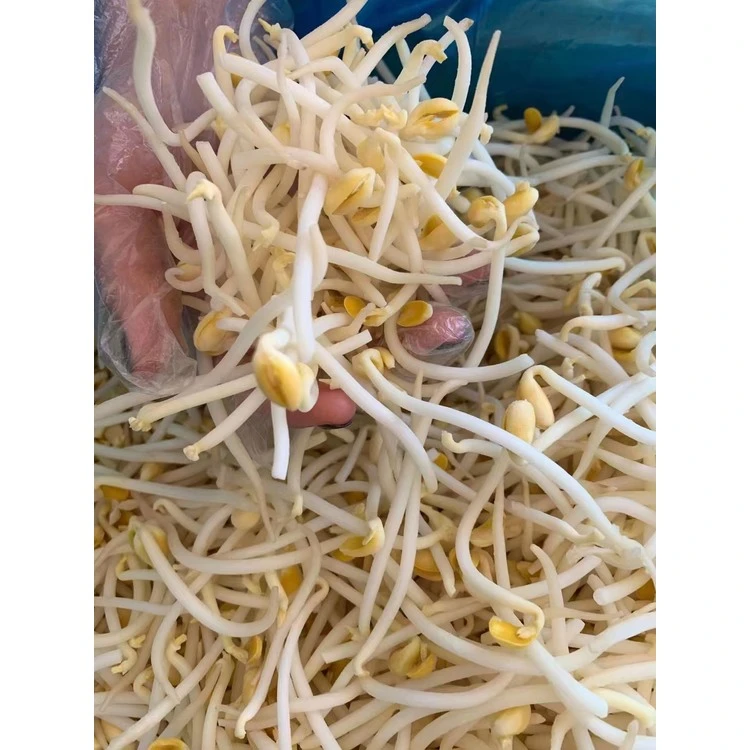
Agree head retention and stem condition against the identified sample.
Keep intentional presence and possible unintended presence distinct in the supplier questionnaire. For a soybean sprout SKU, soy belongs in the assessment as an ingredient. A "may contain soy" statement cannot serve as the sole description of that intentional soybean content. Conversely, a mung bean product requires its own formula and cross-contact assessment; its membership in the legume family does not make it soybean. Nor does absence from a major-allergen list establish that no individual could react to it.
Do not borrow exemptions that concern a different ingredient. Highly refined soybean oil is discussed separately in U.S. allergen rules, but whole soybean sprouts are not highly refined oil. Likewise, a statement about an isolated enzyme or a specifically exempt derivative is not evidence for a whole sprout. When a questionnaire includes exemption fields, identify the actual material and the precise basis before marking an exception. An unexplained tick can create a misleading assurance that persists through several purchase orders.
A useful internal record contains the ingredient identity, the intentional-allergen conclusion, the responsible reviewer and the document version supporting it. It should be possible to open the record months later and understand why soy was included. Avoid relying on a free-text email that says only "allergen checked." The review needs to survive changes in staff, software and customer contacts without losing the relationship between the scientific name, commercial description and declared source.
The ingredient's cooking requirement belongs in the same technical file but answers a different question. A supplier may require thorough cooking for microbiological control while correctly declaring soy in the product. A validated cook does not by itself authorize a soy-free claim. Keep both decisions visible when the ingredient moves into a cooked soup, chilled side dish or prepared meal, so a successful heat-process review does not accidentally close an unrelated labeling question.
Choose label wording for the destination and sales channel
Confirm the destination before approving wording. A bulk ingredient supplied to a manufacturer, a retail frozen bag and an unpackaged restaurant dish can have different information routes. The importer should identify the applicable rules and the party responsible for the finished label. Start this discussion while the product specification is being agreed; changing a declaration after printed bags arrive can delay a shipment even when the ingredient itself is suitable.
For FDA-regulated U.S. foods, the 2025 allergen labeling guidance, Edition 5 explains declaration through the ingredient list or an adjacent Contains statement, and addresses single-ingredient foods separately. If a Contains statement is used, it needs the relevant major-allergen sources present. A single-ingredient product does not automatically require an invented multi-ingredient list. Review the statement of identity and the appropriate package presentation instead of copying the layout of a seasoned retail food.
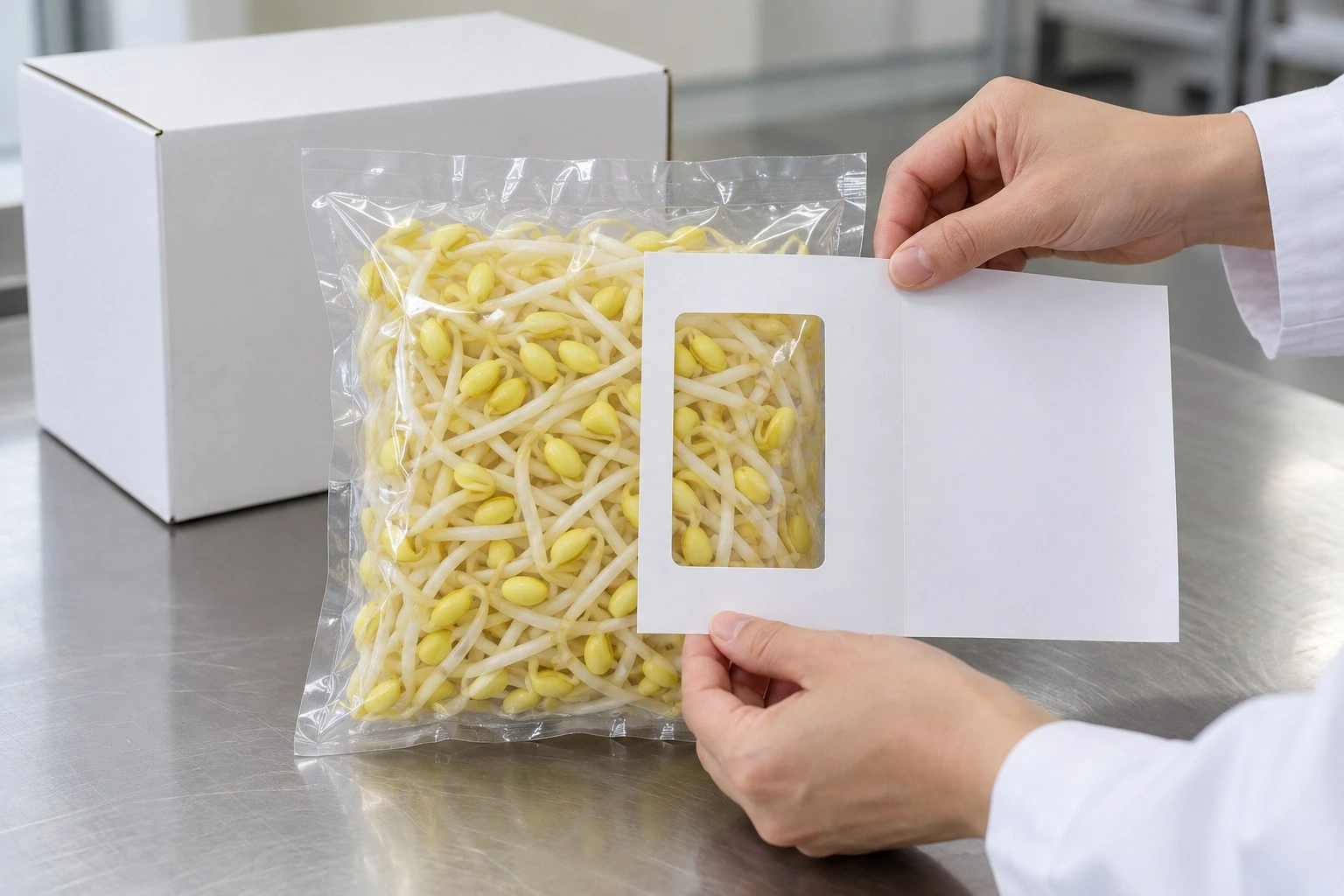
Check physical label placement using the actual pouch and pack format.
For the United Kingdom, official manufacturer guidance describes emphasis of allergenic ingredients within the ingredients list and clear reference to the allergen. A U.S.-style Contains line alone should not be assumed to satisfy a UK label. The responsible reviewer must also confirm the applicable territory, product category, language and any single-ingredient provisions. The technical file can supply the ingredient facts, while artwork approval applies those facts to the actual pack.
Australia and New Zealand have their own plain-English format. FSANZ guidance describes required allergen names, bold declaration and a separate nearby summary statement. The sell-through period for earlier-format stock ended in February 2026. A buyer preparing new artwork should therefore use the current requirements rather than a historical packaging sample. Check the exact format with the importer instead of treating a familiar English word as proof that the whole declaration is compliant.
The comparison below is a starting point for a review, not approved artwork for a particular SKU. Product scope and exemptions still matter. It is especially useful when one supplier packs the same ingredient for several destinations: the underlying soybean identity remains consistent, while the required presentation may differ. Keep separate approved artwork versions where the destination requires them, and ensure production uses the version linked to the actual order.
Review readability at the size used on the pack. A declaration can be correct in a large PDF and difficult to read after scaling, folding or sealing. Inspect the printed proof, the contrast, the language arrangement and the location of the required information. Check that a barcode sticker or date overprint will not cover it. Record the approved version and its destination so the factory and importer are working from the same file.
Swipe or scroll to compare all columns.
| Market context | Declaration point to review | Buyer action |
|---|---|---|
| United States, FDA-regulated food | Ingredient/source declaration or appropriate Contains presentation; single-ingredient provisions differ | Confirm package scope and current FDA guidance |
| United Kingdom | Clear allergen reference and emphasis where ingredients are listed | Review applicable territory and final artwork |
| Australia and New Zealand | Required plain-English terms, bold formatting and nearby summary | Use current format and product-specific scope |
Account for every ingredient in seasoned sprout products
A seasoned sprout product needs a complete formula review. Soybean sprouts may be the largest visible ingredient, but sesame oil, sesame seeds, soy sauce, fish sauce, stock or other seasonings can introduce additional declaration questions. Obtain the actual ingredient specifications and compound-ingredient details. Do not assume that two bottles with the same kitchen name have the same composition. A substitution made for price or availability can alter the finished product's ingredient and allergen information.
Map the recipe by ingredient code and quantity, then connect each entry to its current specification. The purchasing name, kitchen name and supplier name should resolve to the same material. If a sauce is described only as "seasoning," ask what it contains and how the supplier declares its components. This gives the labeling reviewer a usable basis for the finished list. A taste-approved recipe with incomplete component information is still an unfinished product specification.
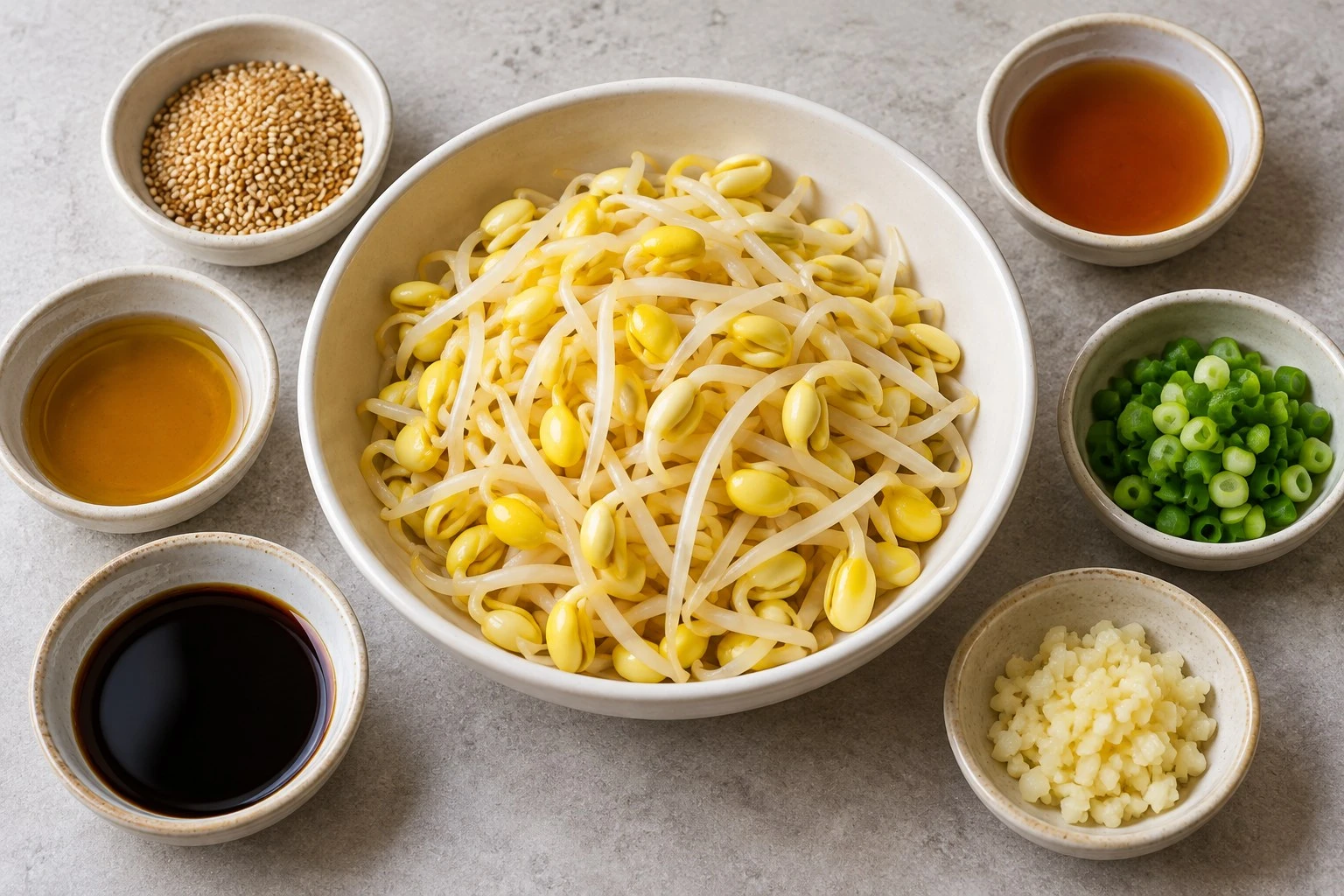
The complete formula determines which ingredients need declaration.
Distinguish the plain sprout input from the finished seasoned food. The supplier's declaration for a single-ingredient frozen bag does not cover a restaurant's sesame dressing or a manufacturer's broth blend. Likewise, a customer's finished-product allergen statement should not be copied back onto the raw-material specification as though every listed allergen were present in the supplied sprouts. Keeping these levels clear helps resolve questions without overstating what one party has verified.
Use a formula change example to test the system. Suppose a developer replaces salt with a fermented sauce in a chilled sprout side dish. Even when the sensory change seems small, the new material has a different ingredient identity and may bring additional allergen sources. The recipe, purchasing file and artwork need to be reviewed together before the change enters routine production. The example describes a decision path, not a claim about every fermented sauce.
Processing aids, carryover ingredients and rework need appropriate review as well. Ask whether anything used during preparation remains relevant to the finished-food declaration under the destination rules. A simple "no additives" sales description is not enough to resolve every technical question. Rework is particularly easy to overlook if a previously seasoned batch is blended into a new one. Its composition and permitted use must remain traceable to the receiving recipe.
Nutrition and marketing claims should follow the same controlled formula, although they are separate assessments. A vegan claim, a gluten-free claim and a soy declaration answer different questions. A product can meet one claim's criteria while still requiring soy information. Avoid making a broad "allergen-free" statement because a particular seasoning has been omitted. Our edamame hummus formulation article provides another soybean-based example of how ingredient changes affect the finished food and its label.
Assess cross-contact separately from intentional soy
Intentional soy in soybean sprouts is straightforward; cross-contact requires a separate assessment of how ingredients move through the operation. Review shared receiving areas, open containers, utensils, equipment, cleaning, rework and packing. The relevant question is whether an unintended allergen can transfer into the particular product under the actual process. A facility-wide list of allergens provides context, but it does not describe every product's exposure or establish that a control is effective.
Ask suppliers for information specific enough to support that assessment. Identify which other allergen-containing materials share the line or handling route, how separation is maintained, and how cleaning is verified. Avoid requesting a generic "zero risk" promise. Useful evidence explains the process, the control and its scope. If a document covers only final packing while the sprouting or preparation stage occurs elsewhere, clarify the missing part before relying on the conclusion.
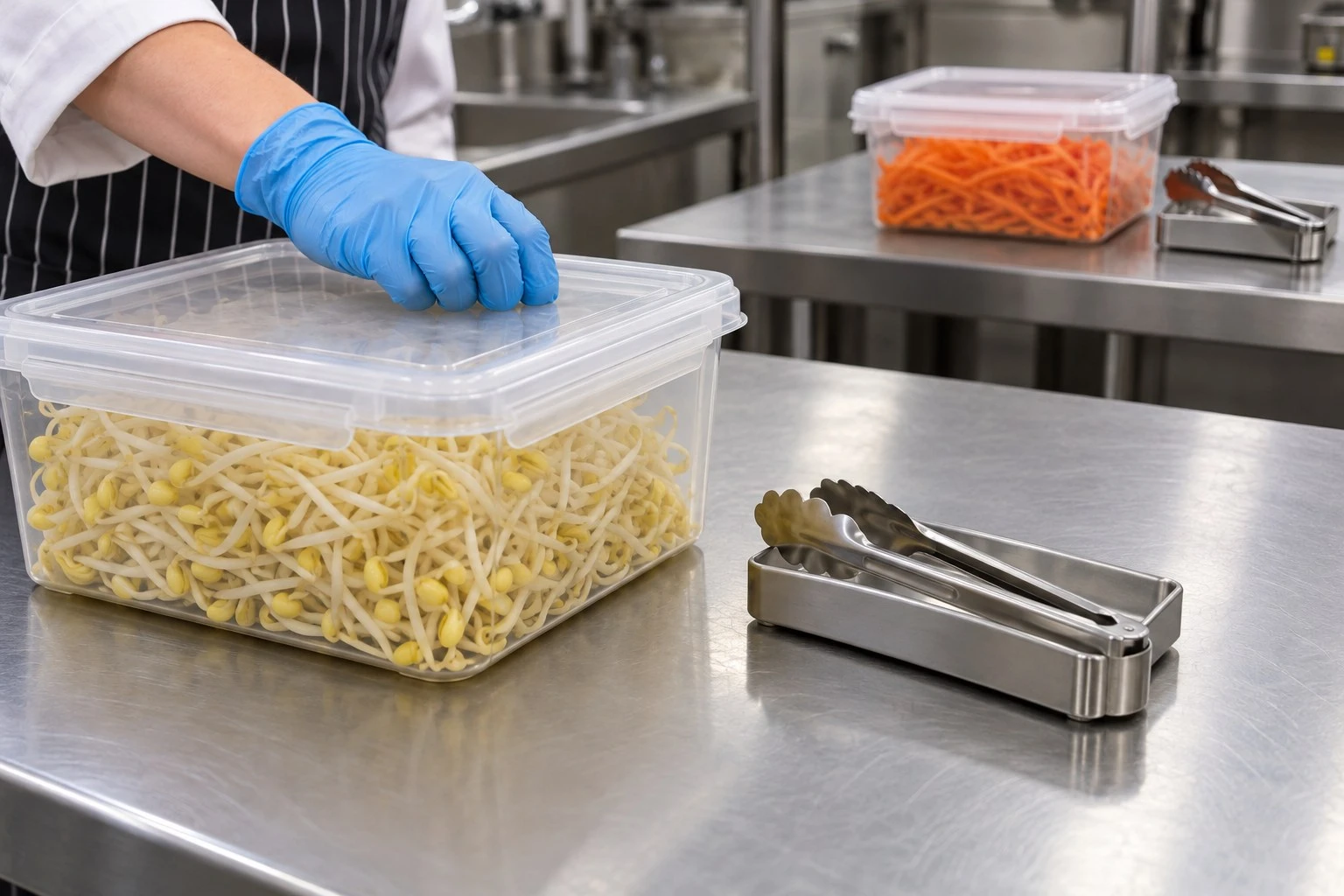
Closed containers and separate utensils support a defined handling plan.
Precautionary wording should follow the assessment. Official guidance distinguishes intentional allergens from possible unintended presence, and precautionary labeling is not a substitute for good controls. A statement applied to every product simply because allergens exist somewhere in the building can be misleading or unhelpful. Equally, absence of a statement does not prove that the process has no cross-contact risk. The buyer needs the reasoning and supporting control information behind the decision.
Testing can support a defined question, but a negative result has limits. Identify the analyte, method, detection capability, sample type and sampling plan. A result from a cleaned surface answers a different question from a result on a finished product. A single tested bag does not describe every point in a long run. Use qualified technical advice when selecting methods and interpreting results, particularly when processing or the food matrix may affect test suitability.
Cleaning and segregation should be practical for the route described. Consider where wet sprouts are drained, where containers are stored, and whether staff move between raw ingredients and cooked components. If a shared utensil is the main transfer route, a dedicated utensil and controlled storage may be more relevant than a broad declaration about the building. If a shared line is involved, the assessment may need a more detailed review of changeovers and product-contact areas.
Document the conclusion with its boundaries. State which SKU, facility, line or route was assessed, which version of the process was reviewed, and what triggers reassessment. A change in seasoning supplier, cleaning method or packing location can matter even when the sprout species remains the same. Clear boundaries let the buyer recognize when an old approval remains applicable and when a fresh review is needed, without treating every routine order as a new investigation.
Build a document file that follows the actual lot
The technical file should let a reviewer follow the delivered lot from product identity to release. Start with the approved specification, ingredient statement, allergen information, preparation status and traceability arrangement. Add the agreed reports and commercial documents relevant to the order. Each document needs enough identification to show which product it covers. A folder full of certificates with different names or unclear scope may create more confusion than a smaller, coherent file.
Check document consistency before shipment. The purchase order may say frozen soybean sprouts while a packing list uses a generic bean-sprout description. A laboratory report may use an internal code unfamiliar to the importer. Those differences are not automatically proof of a wrong product, but they need a clear mapping. Resolve the relationship in the controlled record so receiving and customer-service teams can explain it without reconstructing an email trail.
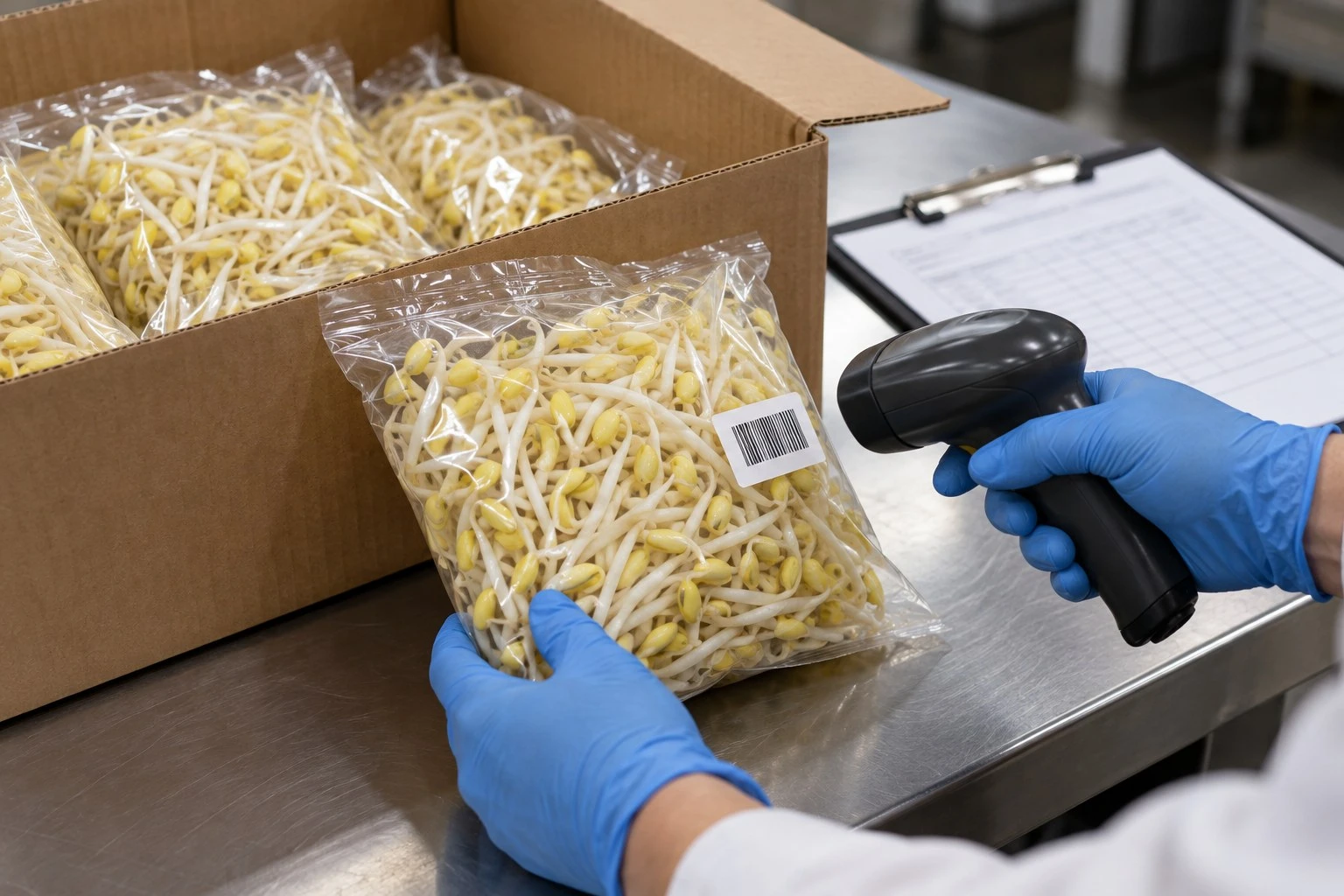
Keep the physical pack connected to its current product and lot records.
A certificate of analysis should be interpreted according to its scope. It can report agreed results for a specified sample or lot, but it is not automatically a botanical authentication report, an allergen risk assessment or an artwork approval. Read the parameters, methods, dates and sample identity. If species testing is required because a document discrepancy cannot be resolved, agree an appropriate method and decision rule with a competent laboratory. Do not invent a test result from the appearance of the supplied sample.
Keep the pack proof in the same approval system. Link the final artwork version to the SKU, destination, language and packing order. Include inner bags as well as outer cartons when both carry product information. If a distributor later repacks the product, establish how the identity and handling information will be transferred. A correct export carton does not ensure that every downstream retail label will be correct, and the responsible party needs the facts before repacking.
For GreenLand inquiries, provide the destination, end use, pack size, quantity, requested documents and private-label needs. Our bulk frozen soybean sprout page sets out the product and order information to confirm. Availability of a particular report, certification scope or processing route must be established for the offered order. Public marketing material can help start the discussion, but it should not be treated as a signed assurance for every lot.
Decide who accepts exceptions. A missing revision, inconsistent product name or unresolved species statement should have an assigned reviewer and a recorded disposition. Avoid leaving the decision to whoever receives the delivery first. The useful outcome is a lot that can be released on a documented basis, or a clearly identified hold while the discrepancy is resolved. This protects the purchasing schedule from last-minute arguments over what an earlier approval actually meant.
Control substitutions, artwork changes and release
Substitution control begins in the purchase agreement. State whether soybean sprouts are essential and require written approval for any proposed alternative. A supplier should not replace them with mung bean sprouts merely because both are sold as sprouts. The change can affect the recipe, allergen assessment, ingredient name, sensory standard and cooking instructions. Treat the alternative as a distinct approval task, even if its appearance is acceptable and the price is attractive.
The same discipline applies to less obvious changes. A different processing facility, seasoning blend, inner-pack supplier or preparation status may affect the information needed for release. Define which changes require notification and which require a new sample or document review. The list should reflect the product's actual risks and customer commitments. A broad promise to notify "all changes" is less useful if neither party understands what must be reviewed before production resumes.

An alternative sprout needs its own identity and application review.
Test the communication route with a realistic scenario. If a new carton description arrives on a Friday delivery, can receiving staff find the approved identity and contact the responsible reviewer? Can the production team see that the lot is on hold? Can the customer-facing label be traced to its formula version? A short internal exercise can reveal gaps before a real discrepancy occurs. Record the improvement needed without claiming the exercise validates the physical ingredient.
When artwork changes, retire obsolete versions from the places where they could still be used. That includes printed bags, labels, shared folders and production instructions. Confirm how remaining packaging stock will be handled and which version applies to the next lot. An approved electronic proof is only one part of the change; the packing operation must use it. Keep a record of the transition so the importer can identify which shipments carry which version.
Receiving inspection should combine identity and condition. Verify the supplier, product code, lot marks, package integrity and required frozen condition against the order. A cold, undamaged case can still carry the wrong ingredient or wrong label. Conversely, a correct declaration does not resolve a damaged bag or unacceptable handling history. Keep these decisions visible so passing one check does not conceal a failure in another.
Before routine use, the buyer should be able to answer four connected questions in ordinary language: what sprout is supplied, which intentional allergens belong to it, what additional risks or ingredients affect the finished food, and which approved declaration accompanies the product at its destination. The answers should point to current records and a responsible reviewer. That is the basis for a dependable repeat order, particularly when the same frozen ingredient moves through several languages, packing formats and customer recipes.
Source frozen soybean sprouts with GreenLand-food
GreenLand-food is a professional frozen soybean sprouts supplier and manufacturer in China, providing factory-direct wholesale supply for importers, food manufacturers, foodservice distributors and private-label programs.
Send your product form, specification, packing, quantity, application, destination, private-label needs and requested documents. We help your purchasing team confirm the sample, order details and supply plan for the intended use.