


When Does Strawberry Season Start?
Sep 03, 2026
Leave a message
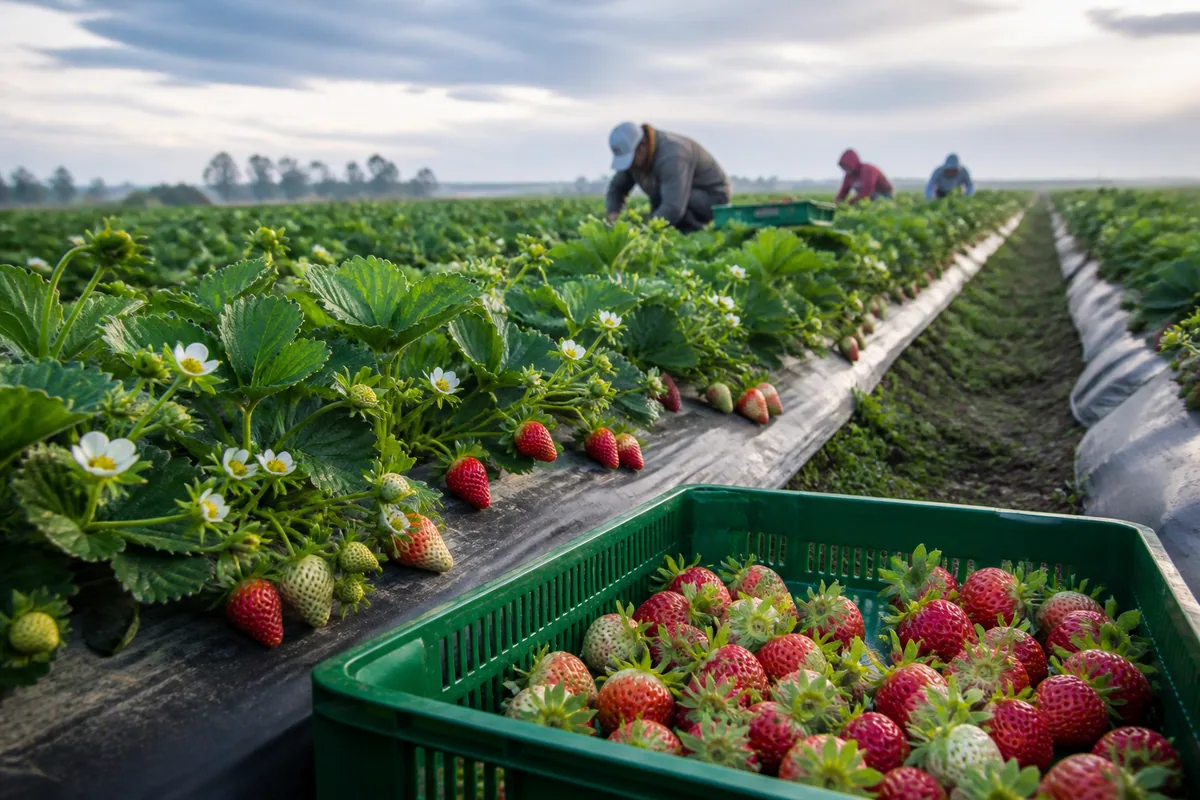
Strawberry season starts anywhere from winter to early summer, depending on region and channel
Florida's commercial season commonly runs from December into April. Southern California fields can begin well before spring, while U-pick activity may start around March; Northern California local picking may begin closer to May. Many cooler U.S. regions peak in late spring or June. California's overlapping districts and protected production help keep commercial supply moving far longer than one local season.
For frozen sourcing, the key date is the processing crop and factory intake-not the opening weekend of a nearby U-pick farm.
Key takeaways
- Start dates change with latitude, climate, cultivar and production system.
- California has overlapping Southern, Central Coast and northern district windows.
- Florida and Mexico help supply winter and early spring demand.
- Local picking calendars are later and shorter than national commercial availability.
- Frozen programs should contract around processing intake, pack approvals and inventory allocation.
Quick comparison
| Region / channel | Typical start direction | Main window example | Sourcing note |
|---|---|---|---|
| Florida commercial | Winter | About December-April | Important winter/early-spring supply |
| Southern California | Autumn/winter production; U-pick often March | Main production can extend September-June | Different varieties and districts overlap |
| California Central Coast | Spring | Mainly March-December | Large fresh and processing contribution |
| Northern local U-pick | Late spring | Often May onward in California; June in cooler states | Shorter consumer picking period |
| Mexico commercial | Autumn/winter start | Major winter and early-spring flow | Complements U.S. origins |
Climate decides the first harvest date
Strawberries flower and ripen earlier where winter temperatures and production systems support growth. In warm regions, fields can ship fruit during months when northern farms are dormant. A national answer must therefore start with region.
Weather changes the date within a region. Warm dry conditions can advance maturity, while rain, cold or disease pressure can delay picks and reduce pack-out. Treat published months as planning ranges.

California is several seasons, not one
Southern California production can extend from autumn through late spring. The Central Coast is strongest from spring into late year, and northern districts add volume later. Overlap allows California to supply commercial markets for much of the year.
U-pick openings are different. A 2026 California state guide described Southern California picking beginning in March and Northern California closer to May. That is a visitor calendar, not the full commercial production calendar.
Florida supplies the winter window
Florida lists strawberries from December through April. Mild winter conditions make the state a key U.S. source when many northern regions are out of season. Volume and timing still respond to freezes, rain and variety.
For buyers, winter fruit may have different shipping distance, pack and price from spring California fruit. Comparing origin without matching maturity and application can create false conclusions about quality.
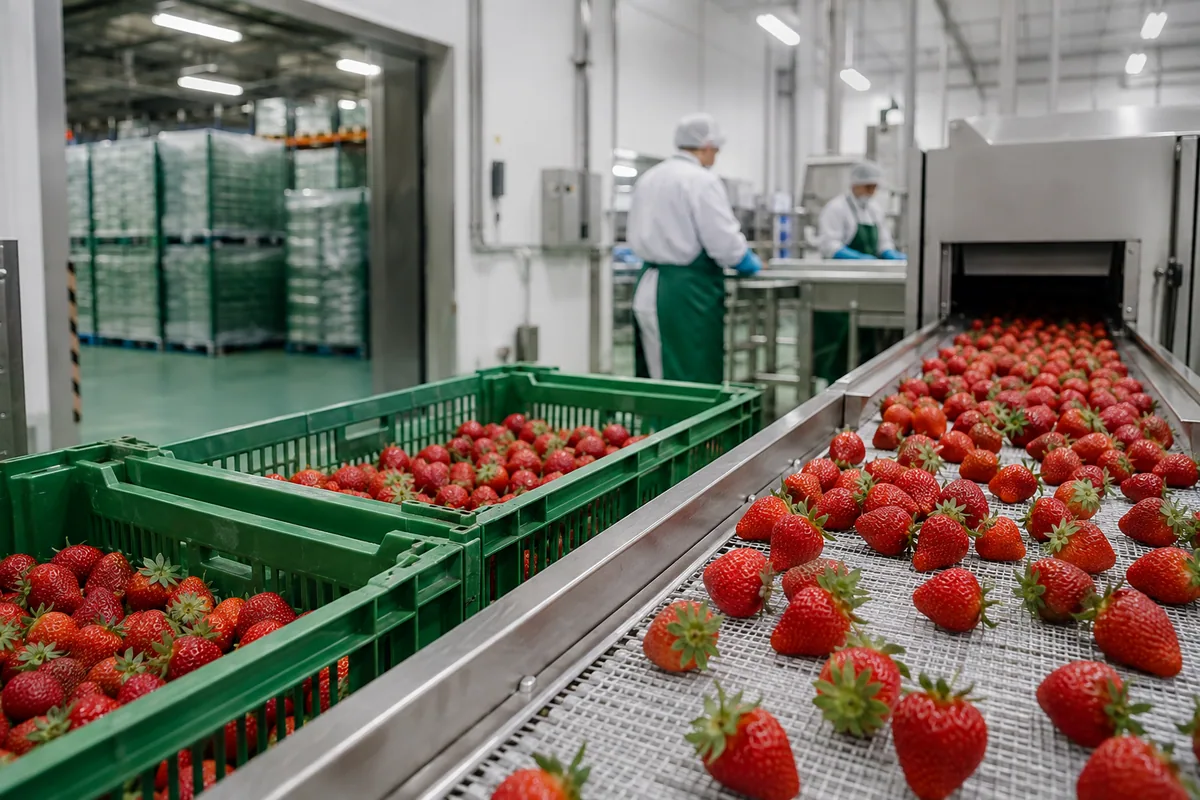
Mexico also contributes winter and early-spring fruit
Central Mexican production under protected systems serves the U.S. winter market. Trade data show the interaction among Mexican, Florida and California supply. The presence of multiple origins broadens availability but does not eliminate seasonal peaks.
Import lead time, border flow, specification and processing location affect whether an origin suits fresh retail or frozen raw material. A sourcing calendar should identify the actual factory intake origin.
Cooler local seasons open later and close faster
In many northern U.S. regions and comparable climates, local strawberries arrive in late spring or early summer. June is a common peak for direct-market berries. Everbearing cultivars may provide a later flush, but volume differs from the main crop.
For a closer explanation, see What Are Everbearing Strawberries?.
A short local season can offer excellent eating quality without representing industrial availability. Small farm output, hand-pick maturity and same-day sales operate under different constraints from frozen processing.
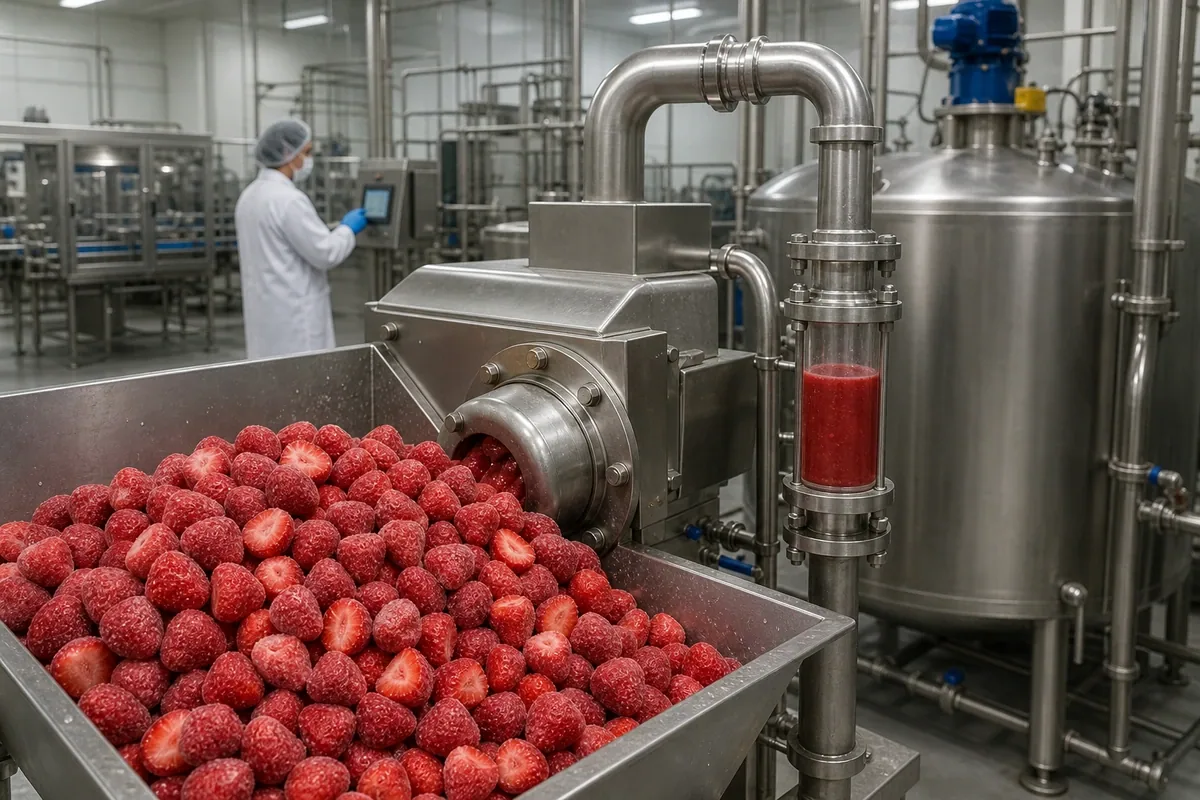
Fresh market and processing fruit follow related but different paths
Fresh fruit prioritizes shelf life, appearance and transport firmness. Processing fruit may include suitable sizes or shapes that do not fit fresh packs, but it still needs sound maturity, color, flavor and food-safety control.
Competition between fresh and processing channels affects factory intake and price. A large crop does not automatically mean unlimited frozen volume if fresh returns are stronger or processing capacity is full.
IQF production turns a crop window into inventory
During intake, strawberries are received, inspected, hulled, sorted, washed or handled according to process, frozen and packed. Finished stock can then ship beyond the field season when stored continuously frozen.
Production date, variety, size, color and pack-out remain linked to the crop. A year-round quote is an inventory statement, not proof of year-round local harvest.

Build contracts around decision weeks
Work backward from delivery through ocean transit, production, packaging and sample approval. Mark expected first crop, peak intake and late crop. Decide when the buyer will approve labels, product form and first-production samples.
For annual programs, add a carry-stock review before the next crop. Check remaining shelf life, frozen appearance, clumping and application performance rather than assuming storage has had no effect.
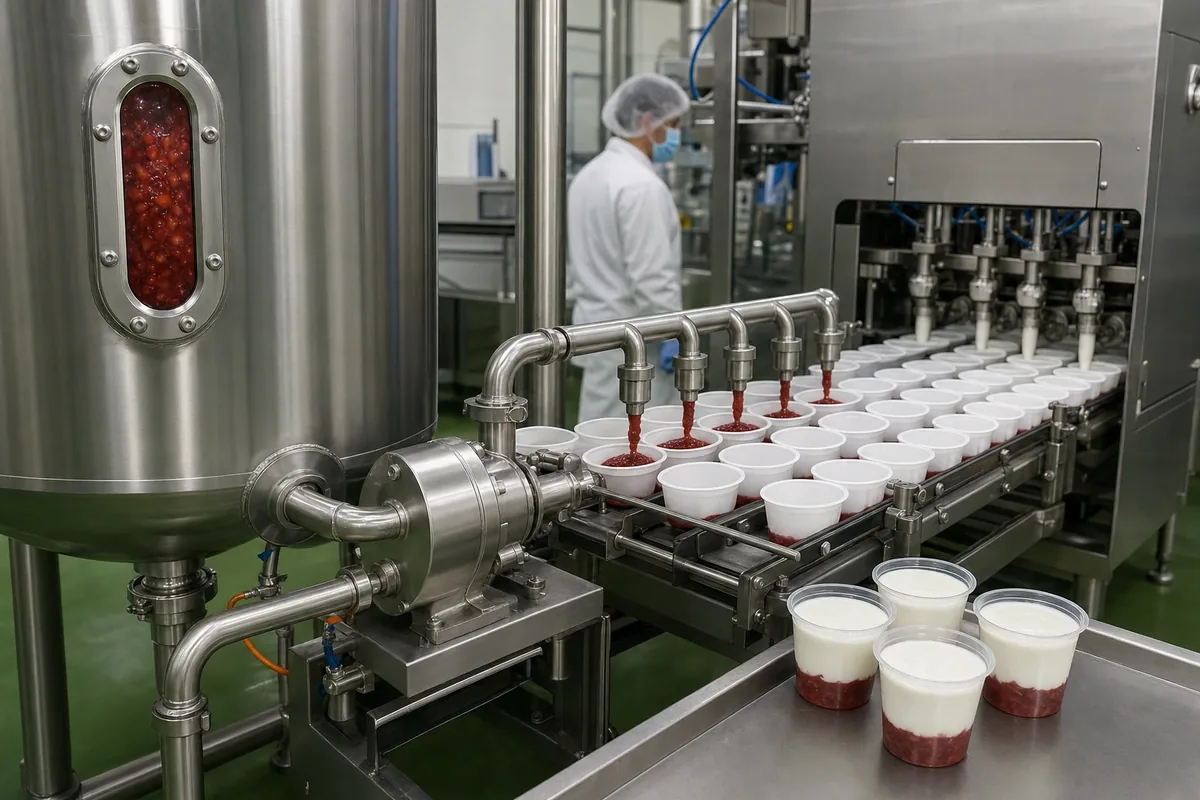
Worked decisions that a short answer cannot cover
Name the ingredient before comparing quotations
The useful starting identity for this buying exercise is IQF whole strawberries, slices, dice or puree from an identified crop and origin where required. That wording matters because a quotation for one form cannot be compared fairly with another. A whole piece, a half, a dice, a segment, a puree input and a controlled broken grade may all come from the same fruit family, yet they create different yields, handling steps and presentation results. Write the commercial name, process form and intended use on the first line of the inquiry. Then keep cultivar or origin language only where it changes the result that the buyer needs.
This discipline also keeps an informational answer from becoming an accidental purchasing specification. The article explains how to think about when does strawberry season start?, but an approved order still needs a named product and a current-lot reference. Ask the supplier to repeat the identity on the offer, sample label and specification. If those descriptions drift, pause the comparison and reconcile them before discussing price, because a lower quotation may simply describe a different product.
Translate useful cues into measurable acceptance language
For IQF frozen strawberries, the acceptance conversation can cover maturity, color, flavor, size or cut, hulling, defects, Brix direction, whole/broken condition, free ice, microbiology and application performance. Each item should have a method, a unit or a visual reference whenever the distinction affects release. "Good color" is too open to interpretation; a retained approved sample, color range or defect definition gives both teams something they can use. "Sweet" is equally incomplete when acidity changes the way the same soluble-solids value tastes. The goal is not to make the longest specification. It is to name the few characteristics that decide whether the ingredient works.
Separate three layers in the approval file. Identity says what the product is. Condition says how the received lot must look, smell, separate and perform. Contract limits say which deviations trigger rework, claim review or rejection. That separation makes discussions faster when a lot differs from the sample. It also prevents a consumer cue in this article-such as color, softness or size-from being treated as the only commercial decision.
Use a representative sample and a recorded thaw method
A practical sampling plan for this subject is to review first production from the crop, peak-season lots and carry stock separately, using frozen and application tests. One convenient top-carton sample is useful for orientation, but it cannot show pallet-to-pallet variation. Record carton and pallet positions, batch codes, dates and product temperature. Photograph the frozen condition before pieces are handled. If the product is free-flowing, note separation and clumping before thawing; once water and gravity have changed the sample, that evidence cannot be reconstructed.
Thaw only the amount needed for the agreed examination and keep time, temperature and container the same between samples. Weigh the sample before and after the test if drip or yield matters. Examine aroma and flavor at a comparable serving temperature, not directly from the freezer in one test and after a long warm hold in another. A short method written beside the score sheet often prevents more argument than a long list of adjectives.
More detail for a repeatable decision
Test the ingredient in the actual application
The application boundary for IQF frozen strawberries is clear: whole berries serve visual retail and dessert use; slices and dice support bakery and yogurt; puree and broken fruit support beverage, sauce and jam. A bench sample should therefore be used in the buyer's real formula or service process. Check the point at which the fruit is added, the mixing force, heating or hold time, serving temperature and the time between preparation and evaluation. A piece that looks excellent in a white tray can disappear in an opaque beverage or break under an industrial mixer. Conversely, a visually imperfect piece may be fully suitable when it is intentionally milled.
For application details, see Strawberry Yogurt Bites with Frozen Fruit: Pieces, Free Water and Serving Texture.
Record what success means before testing. It may be visible piece identity, clean flavor, color retention, a target count per portion, puree yield, controlled drip, texture after baking or ease of dispensing. Compare the proposed lot with the retained control under the same conditions. If the new sample fails, describe the observed result rather than writing only "not good." That description tells a supplier whether the next sample needs a different cut, maturity, firmness, grading tolerance or process route.
Read frozen condition as evidence, not decoration
Cold-chain handling for the proposed item should follow this boundary: protect contracted stock at frozen temperature and track production date, shelf life, allocation and loading condition through the off-season. Frost on a bag or carton can arise from more than one event, so it should trigger a closer review rather than an automatic conclusion. Check product temperature, carton condition, liner integrity, piece separation and signs of a partial thaw. Compare multiple pallet positions and retain photographs with time and location.
The same appearance may have different consequences by application. A small cluster may be inconvenient for automatic dosing but harmless for a puree kettle. Heavy clumping, crushed pieces or large ice deposits may change portion control, drip or usable yield. State the operational consequence in the receiving report. This connects evidence to the specification and gives both parties a clearer basis for investigation.
Keep guidance, sample approval and contract limits separate
An article can explain typical signs and useful ranges, while a sales sample shows one available lot at one point in time. Neither should silently replace the signed specification. The approved file should identify the reference sample, test method, tolerances, pack format, storage condition, shelf-life basis and required documents. Any value that matters commercially should be confirmed for the offered product and order.
This boundary is especially important when the search question invites a single answer. Fruit varies with cultivar, origin, crop window, maturity and process. A useful supplier response acknowledges that variation and then narrows it through a sample and written agreement. That approach is more reliable than promising that every lot will match an unqualified adjective such as "ripe," "sweet," "small" or "premium."
Build a short RFQ that can be answered accurately
For this product, send delivery calendar, product form, origin/crop needs, size or cut, color/flavor target, pack, volume, destination, documents and first-production approval. Put those inputs in one message or worksheet and mark which points are essential, preferred or open to recommendation. Include the annual or trial quantity separately, because the right packing and supply route for a small evaluation may not be the right route for a repeat program. Destination and required delivery window help the supplier review crop, stock and transport options without guessing.
Ask the reply to identify what is confirmed, what is a current indication and what still depends on sample approval or production scheduling. This makes commercial comparison more honest. It also reduces the chance that an attractive unit price hides a different cut, pack, glaze condition, tolerance or document scope. A precise RFQ is not bureaucracy; it is the shortest path to a sample that answers the buyer's real question.
Prepare a claim and change-control path before the first shipment
Agree how the teams will handle a material deviation before volume starts. The file should name the notification window, evidence required, sample-retention practice and contact route. Useful evidence includes unopened pack photographs, label and lot code, temperature records, pallet position, representative defect counts and the application result. Do not discard all affected material before the supplier has had a reasonable opportunity to review it unless food-safety controls require immediate action.
Change control matters as much as claim handling. A new crop, origin, cultivar, cut, packing material or processing facility may alter the result even when the sales name stays the same. Decide which changes require notice, documents, a fresh sample or full reapproval. This protects continuity for the buyer and gives the supplier a clear standard for communication.
Four buyer scenarios, four different definitions of "right"
An importer reviewing IQF frozen strawberries first needs an offer that survives document and receiving checks. The importer should align product identity, origin, pack, labeling, destination requirements and the evidence used to release the lot. The consumer question in this article is still useful because it identifies the physical cues behind maturity, condition, size or variety. The importer's job is to turn those cues into a repeatable inspection rather than rely on one attractive sample.
A food manufacturer starts from formula performance. The development team should run the proposed form through the real sequence and record yield, visible piece retention, color, flavor and handling. The purchasing comparison should then use the approved performance window, not merely the lowest price per kilogram. If a controlled broken grade performs equally in a blended application, that can be a rational cost decision; if pieces remain visible, form and defect limits become more important.
A foodservice distributor needs consistency at the portion and pack level. Operators may open, reseal, scoop and hold the ingredient under conditions that differ from a factory test. The distributor should check pack convenience, separation from frozen, portion count, preparation instructions and the condition after a realistic service period. A product that requires excessive sorting or creates unpredictable portions can cost more in use even when its invoice price looks competitive.
A private-label buyer has one additional layer: the product must fit a declared consumer promise and a finished retail pack. Artwork, ingredient statement, claims, net weight, coding and case configuration need approval alongside the fruit. The buyer should make sure marketing language does not promise a characteristic that the specification cannot support. A retained finished-pack sample is often more useful than a loose ingredient sample because it shows appearance after the intended packing and storage process.
Putting the answer into practice
For a first enquiry about IQF frozen strawberries, begin with the intended application and the result that matters most. Then name the form, pack, quantity, destination and review method. This order gives the supplier room to suggest an appropriate option while keeping the buyer's non-negotiable requirements visible.
For a sample review, use a simple score sheet with identity, frozen condition, thaw method, appearance, aroma, flavor, texture, usable yield and application result. Add photographs and the lot code. Record "accept," "accept with agreed adjustment," or "reject with reason." A clear decision is more valuable than many unranked comments.
For repeat supply, compare each received lot with the approved specification and retained reference at the agreed frequency. Trend the few defects or performance measures that affect production. A trend can reveal crop or handling changes before they become a large claim, and it gives both teams a factual basis for improving the next order.
The final practical rule is simple: use the article to understand the fruit, use the sample to understand the offered lot, and use the specification to define the purchase. Keeping those three tools separate makes the answer useful to both curious readers and professional buyers.
What to confirm before approving volume
A useful inquiry describes the ingredient and the job it must do. Send the product identity, form, target application, packing, quantity, destination and the quality points your team will measure. We will review current availability and an appropriate supply route where possible. Final size, process, ingredients, limits, microbiology, documents, shelf life, lead time and commercial terms remain subject to the approved specification and order confirmation.
- Identify the region and channel behind any season date.
- Separate U-pick, commercial harvest and processing intake.
- Book crop and packaging before the peak closes.
- Define whole, slice, dice or puree form.
- Approve first production and review carry stock.
- Keep inventory, shelf life and cold-chain evidence linked to lot.
Frequently asked questions
When does strawberry season start in California?
Commercial production varies by district; Southern California can produce in autumn and winter, while U-pick may start around March and northern picking closer to May.
When is strawberry season in Florida?
Florida commonly lists December through April.
When is strawberry season in northern states?
Many local seasons begin in late spring and peak around June, depending on weather.
Are strawberries available all year?
Commercial supply can be broad through overlapping origins and production systems, but local harvest remains seasonal.
Is U-pick season the same as commercial harvest?
No. U-pick dates reflect consumer-ready local fields and can start later than commercial shipping.
When are strawberries processed for freezing?
Near the relevant crop intake window, when sound raw material and factory capacity are available.
Can frozen strawberries ship off-season?
Yes, from finished inventory, subject to stock, production date, shelf life and lot approval.
When should importers contract IQF strawberries?
Before or early in the expected processing season, with time for specification, sample, packaging and documents.
Reference points
- What's in Season at U-Pick Farms Across California
- California Strawberry Production Guide
- CDFA Processing Strawberry Marketing Report
- U.S. fresh strawberry production expands
- Florida Crops in Season
- Fresh Winter Strawberries from Mexico
- June 2026 California Strawberry Market Report
These sources support the classification, method or supply boundaries used above. The applicable product label, specification, food-safety plan and destination-market rules still control a real batch.
Source IQF Frozen Strawberries for your real application
GreenLand-food is a IQF frozen strawberries supplier and manufacturer in China, providing factory-direct wholesale support for importers, food manufacturers, foodservice distributors and private-label programs. Send the required form, specification, packing, quantity, destination, application and documents. We will review available order options and the next practical step.