


Why Frozen Berry Blends Clump: Pack Handling and Sample Assessment
Oct 19, 2026
Leave a message

For an IQF blend sold for easy portioning, persistent bonding can be a commercial problem even when the fruit remains usable in a separately approved application. Start with the expected product form and the actual receiving condition. Then examine pack integrity, temperature records, separation behavior and the prepared-fruit result as distinct evidence. That gives the supplier and buyer a basis for a lot decision and a targeted corrective action.
Describe what the unopened pack actually contains
The word "clumped" can describe several different conditions. A few berries may touch and separate when the bag is gently moved. A small group may remain joined by visible ice. A substantial part of the pack may form a solid mass that cannot be portioned by the intended method. Record which condition is present before assigning a cause. Different observations call for different follow-up questions.
Identify the product that was ordered. An unsweetened individually frozen blend is expected to behave differently from fruit deliberately frozen with syrup or a block intended for further processing. University of Minnesota Extension distinguishes tray-frozen pieces from bulk fruit packs in its fruit-freezing guidance. That household distinction is useful background; the commercial expectation must come from the product specification and confirmed order.

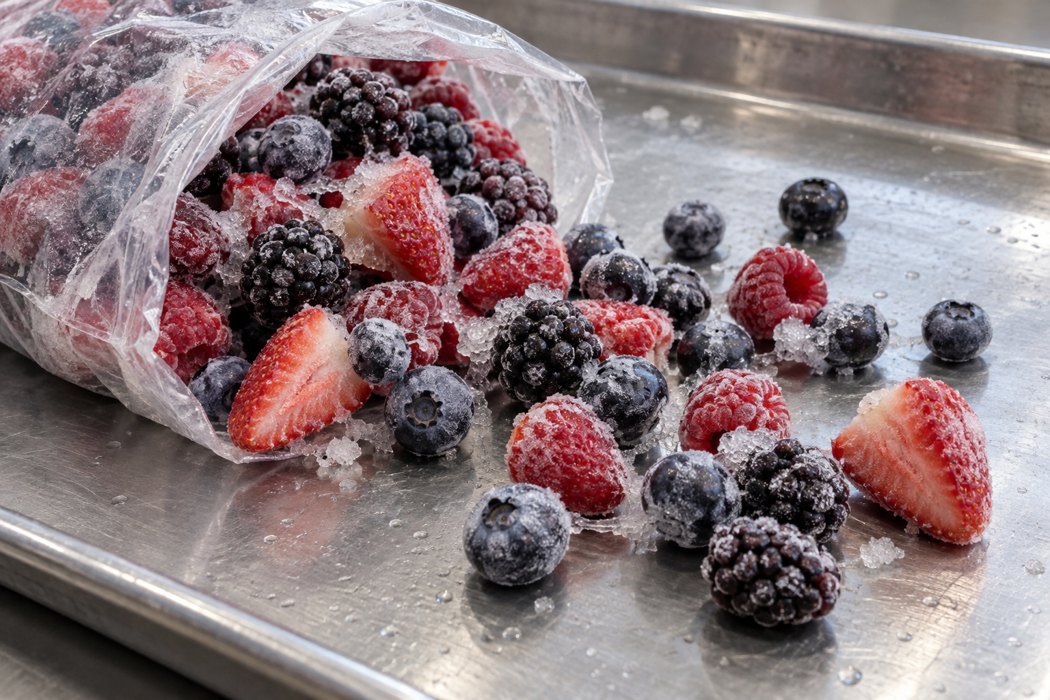
Different berry forms are visible in the supplied mixture.
Look through the unopened bag where the packaging permits. Note whether the cluster follows a flattened corner, occupies the bottom of the bag, or occurs throughout the pack. Record visible loose frost, ice pieces, colored frozen liquid, crushed fruit and the general distribution of components. Describe only what can be observed. An opaque carton or printed film may conceal part of the product, so do not turn a limited view into a claim about the entire pack.
Photograph the unopened unit and its identifying label together with enough context to show its condition. Keep the lot, pack size and carton position in the record. A close-up of one cluster is useful for physical detail, but the wider view shows whether it was a small isolated finding or part of a broader pack problem. Preserve both views before opening or separating the sample.
The genuine product photograph shows a mixed-berry presentation with several component shapes. It establishes a form reference, not a guaranteed free-flowing result for every lot. In a blend, a hollow raspberry can fit against a strawberry piece while smaller berries occupy the gaps. Touching fruit should therefore be distinguished from bonded fruit. The latter requires a defined separation observation under conditions that keep the sample in its intended frozen state.
Ask the person reporting the problem how it affected use. A foodservice operator may be unable to remove a small portion; an automated feeder may deliver irregular amounts; a preparation line may need extra handling. These practical consequences help set the inspection question. They do not replace physical evidence, but they prevent a complaint from becoming an abstract discussion about whether any two berries may ever touch.
Trace the possible routes to ice bridges
Water at the contact between pieces can freeze into a bridge. The water may come from surface moisture, fruit juice or moisture movement during handling and storage. The visible bond shows that material connects the pieces; it does not identify the stage at which that connection formed. A useful investigation keeps several plausible routes open until the production and handling records narrow them.
Before packing, the fruit's condition and the freezing process can affect separation. Ask the supplier to review the relevant draining, freezing, transfer and packing records for the identified run. The exact equipment and control points depend on the actual supply route, so a generic process description cannot establish what happened to a particular lot. Request the evidence relevant to the observed condition rather than assuming the company uses a specific freezer or line arrangement.
After packing, temperature fluctuations can change ice within a product even when it is still cold when inspected. UMN Extension's freezing guidance describes temperature fluctuation, ice-crystal effects and moisture loss. These principles support investigating the cold chain. They do not allow a buyer to calculate the duration or maximum temperature of an earlier event from the size of a berry cluster.
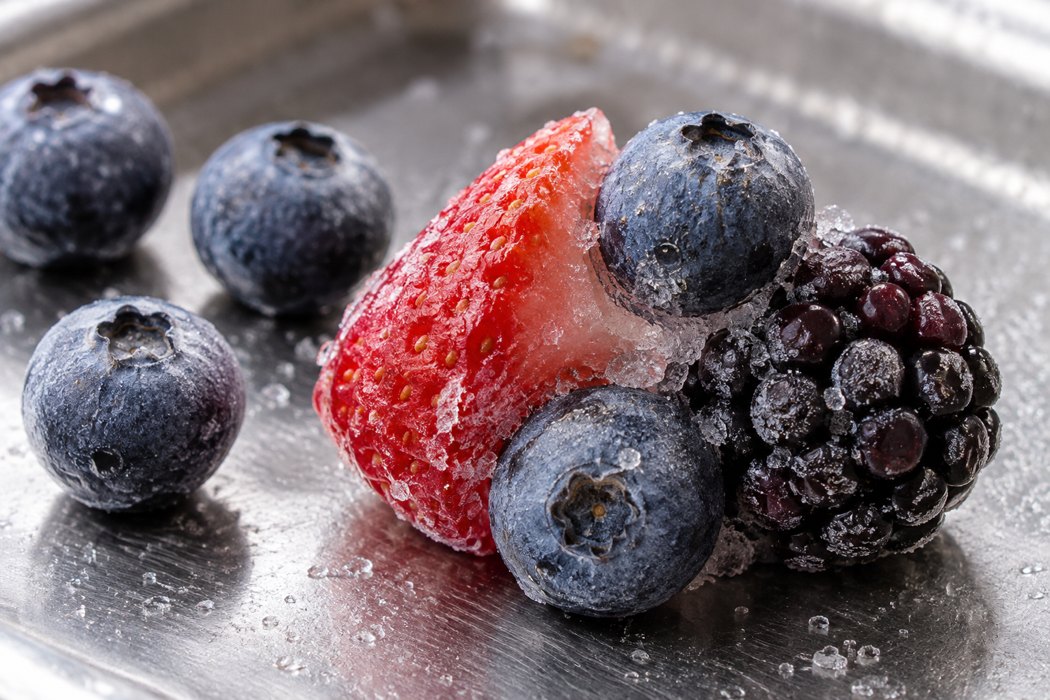
Look closely at the contact surfaces before assigning a cause to a cluster.
Pressure and handling also deserve attention. A compressed pack can hold pieces closely together and can damage fragile fruit. If juice is released and subsequently freezes at contacts, the product may be harder to separate. That is a proposed mechanism to investigate, not a diagnosis from a photograph. Check the carton condition, stacking arrangement and handling history alongside the actual fruit observations.
Loose frost, an ice bridge and a dry surface patch are different findings. Frost can occur on packaging or fruit surfaces; a bridge connects pieces; drying can alter texture and appearance. Record them separately instead of combining them under "ice damage." A lot may contain more than one condition, and each can point to a different control question. This makes the supplier's response more precise and avoids a corrective action that addresses only part of the complaint.
The best investigation tests a proposed explanation against available evidence. If only one crushed carton has a problem, compare it with other units from the lot. If several intact packs show similar bonding, broaden the review to the relevant production and storage stages. If records are incomplete, preserve that uncertainty in the disposition. A confident cause statement without supporting records is less useful than a clearly described finding and a bounded next check.
Inspect pack handling before disturbing the evidence
Receiving inspection should preserve the product's original condition long enough to document it. Do not begin by dropping the carton, striking the bag or forcing a scoop through a hard cluster. Those actions can create breakage and destroy the evidence needed to assess the complaint. Allocate a sample for opening and retain other units as required by the agreed inspection and dispute procedure.
Record the receipt time, the lot identification and the observed condition of outer cartons and inner packs. Note tears, punctures, wet areas, open seals, crushing or unusual deformation where present. Distinguish damage that was observed at receipt from damage that occurred while moving or opening the sample. A clear chain of observations is especially useful when several companies handled the shipment.
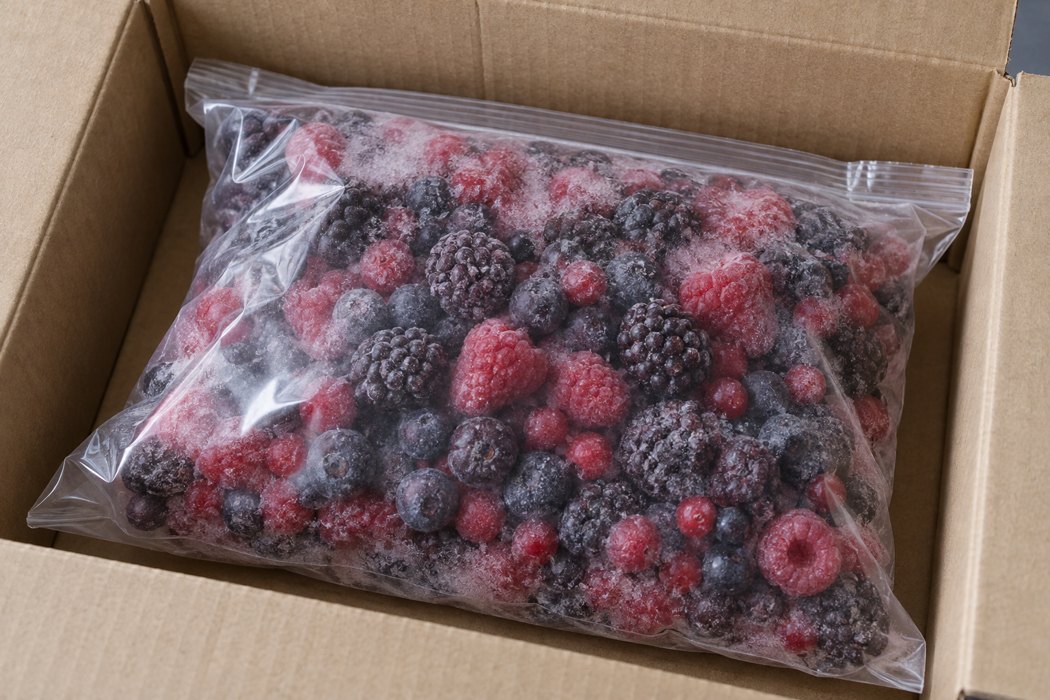
Preserve the original pack condition in the inspection record.
Use the agreed product-temperature method and equipment, and preserve the measurement location and time. A surface reading, an air reading and a measurement intended to represent the product interior are different observations. The method owner should define the relevant acceptance point and safe sampling procedure. Do not describe a cold-room display reading as though it proves the temperature of every berry inside a carton.
Review the available temperature history with its limitations. Logger position, measurement interval, time zone and connection to the shipment matter. A return-air record does not automatically describe every pack location, and an isolated current reading does not reconstruct earlier handling. Keep the raw record with the interpretation so the team can check whether an apparent event belongs to transport, unloading or another stage.
Choose comparison units deliberately. Where the plan allows, inspect packs from different carton or pallet positions and retain their identities. Avoid selecting only the most visibly affected bag or only the easiest bag to reach. A diagnostic sample can investigate a particular damaged area, while a representative lot sample supports a broader decision. The report should say which purpose each sample serves.
Keep the samples under the defined frozen handling conditions while preparing the assessment. Warm benches, long photography sessions and repeated opening can change the evidence. Record any departure from the planned conditions and decide whether the affected observation remains usable. The point is to make the receiving assessment reproducible enough that a later supplier sample can be compared without arguing about what happened on the inspection table.
Assess separation with a defined gentle method
"Breaks apart easily" needs an operational meaning when it controls acceptance. Agree how the pack will be handled, the sample quantity, the observation conditions and what counts as a remaining cluster. A gentle movement that separates loosely touching fruit answers a different question from forceful crushing that makes the whole pack pour. The latter can conceal a failure of the intended portioning function.
A proposed development method can use a chilled tray and a defined gentle pack movement before the contents are transferred. The actual movement and limits should be agreed by the parties and assessed for suitability. Record the product temperature or defined state, elapsed handling time and any fruit breakage caused by the method. This proposal is not a published universal standard or a validated GreenLand test procedure.
For a mass-based clump assessment, define the denominator before weighing. State whether the reported fraction is the mass of persistent clusters divided by the total sample mass, and how loose ice or detached fragments are treated. A large strawberry attached to one blueberry can contribute much more cluster mass than several small berries joined together. Count and mass can therefore describe different aspects of the condition.
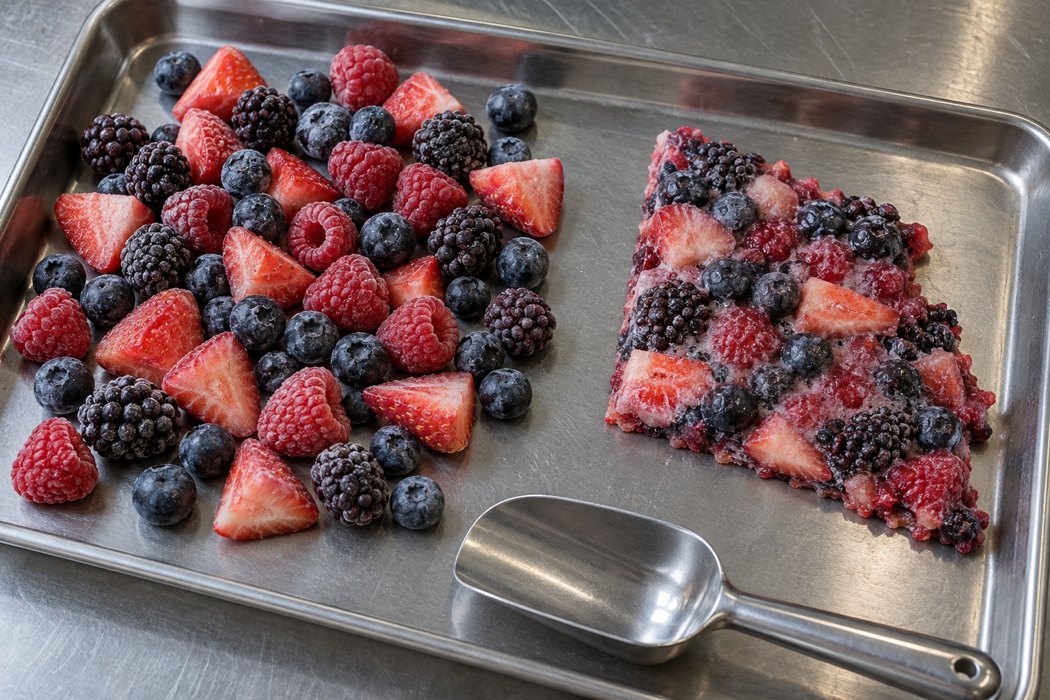
Inspect loose fruit and the shape of a remaining bonded cluster under the agreed method.
Use photographs to support the measurement. Show the original sample, the result after the agreed gentle treatment and the remaining clusters. Include a suitable scale reference where the method requires it. Photographing only the worst cluster can exaggerate its prevalence, while photographing only the separated fruit can hide it. Both the overall sample and the specific defect matter for interpretation.
If the intended process uses a dispenser or scoop, a separate functional trial may be appropriate. Observe whether the actual equipment can deliver the required portion under its normal operating conditions. Record interruptions, manual intervention and unwanted breakage. A successful manual tray assessment does not prove automated feeder performance, and a feeder problem may involve its geometry or settings as well as the fruit condition.
Keep repeat observations independent where the question requires them. Repeating the same separation action on one sample measures progressive disturbance of that sample; it does not create several new sample units. If comparing packs, identify and assess each pack separately under the same method. The final report should preserve the individual results as well as any aggregate value so an uneven lot is not hidden by an average.
Keep thawed quality and safety decisions separate
Frozen separation is one attribute. After the approved preparation, the fruit may also need evaluation for recognizable shape, released liquid, color, odor and application performance. Use a separate portion for that work when possible so the separation test itself does not become the main source of damage. State whether the prepared sample represents the incoming product or a product already subjected to an inspection treatment.
If measuring released liquid, define the preparation and collection method. Record starting sample mass, the retained fruit mass, collected liquid and the relevant endpoint. Do not compare a briefly drained sample with one left in a sieve much longer and attribute the difference only to the supplied fruit. A useful quality record makes the preparation conditions visible alongside the result.
The appropriate quality decision depends on the intended use. Recognizable pieces may be essential for a topping and less important for an approved puree process. That does not mean every damaged or clumped product can simply be redirected. Any alternative use requires its own specification, safety review, traceability and commercial authorization. The original order remains the reference for determining whether the delivered product met its agreed requirements.
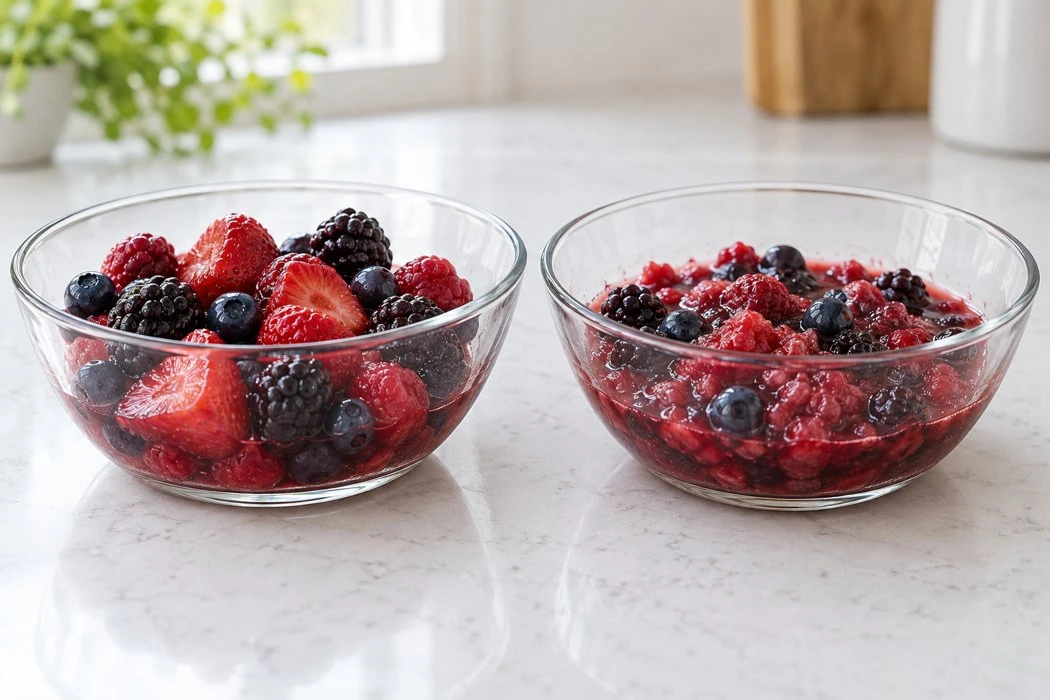
Piece retention and released liquid need their own assessment conditions.
Appearance and odor cannot establish that frozen berries are free of pathogens. The FDA explains that freezing generally does not inactivate viruses that can enter the berry supply chain. A free-flowing pack is therefore not a microbial clearance, and a clump is not a specific pathogen test. Follow the product instructions and the applicable food-safety program for the intended use.
When time-temperature history is uncertain or required conditions have not been met, the responsible quality team should determine the disposition using the relevant records and validated procedures. Do not use a general statement about refreezing household foods as automatic authorization for a commercial berry lot. The process, destination and customer's requirements determine what evidence is needed for release.
Maintain separate conclusions in the report: whether the product meets the frozen-separation requirement, whether it meets the prepared-quality requirement, and whether the necessary safety and document review supports the intended use. Keeping these conclusions visible allows a commercial discussion without confusing a portioning inconvenience with a safety determination. It also makes clear which unresolved issue prevents the lot from being accepted.
Compare the blend with its agreed product form
The approved frozen mixed berry specification should identify the fruit list, proportions, component forms and relevant whole or broken condition. These details influence how the blend occupies a pack and how it is portioned. A sample that contains a different strawberry cut or a larger fraction of raspberry fragments is a changed material even when the front-of-pack product name is unchanged.
The genuine steel-table product image shows the variation within a mixed-berry stream. It can support discussion of component identity and visible form, but it is not evidence of a measured clump limit or the performance of the current lot. Attach the actual order specification, retained reference and lot sample results to the review. Those records define what the buyer was entitled to receive.
Clarify any free-flowing requirement in the contract. State the sample unit, observation method, permitted condition and reporting basis. If a maximum persistent-cluster fraction is agreed, define the cluster and the mass denominator. If the practical requirement concerns portioning through particular equipment, describe that equipment and the agreed trial conditions. A single adjective should not carry all of these acceptance decisions.

Visible components include different shapes and exposed cut surfaces.
Packing requirements also need to support the use case. Confirm the net quantity, inner film, closure or seal, outer carton and normal handling arrangement. A foodservice pack opened repeatedly for small portions has a different use pattern from a production pack consumed in one operation. Evaluate the pack format in the customer's workflow instead of choosing only by the lowest packaging cost per kilogram.
For repeat orders, identify which changes require review. A different component size distribution, form, packing quantity or handling instruction may affect the earlier separation approval. The supplier should disclose relevant changes through the agreed process, and the buyer should assess whether another sample is necessary. An old approval remains useful only within the scope of the material and conditions it covered.
We can help your purchasing team connect the offered blend, sample plan, packing and requested lot documents. Send the observed failure and its evidence with the order reference, rather than only a request for "better IQF." A precise record lets the discussion address a defined separation problem, component change or pack issue and makes the eventual corrective action easier to verify.
Record the destination of material removed during the assessment. A cluster set aside for weighing, loose berries returned to a bag and fruit reserved for a thawed examination should retain their sample identity. This matters when a second assessor tries to reconcile the original pack with the fractions reported. A photograph showing a tray of separated berries cannot explain an unrecorded missing portion, particularly if the removed material was the part most difficult to separate.
A practical report can show individual pack results before a combined summary. If two packs separate readily and one retains a large bonded mass, that spread deserves attention even when the pooled result meets an agreed average. The appropriate decision depends on the contract and sampling plan, but preserving the individual observations lets the quality team ask whether the problem is localized, intermittent or present across the examined material. It also provides a clearer basis for the next sampling step.
Use the findings to settle the lot and prevent recurrence
The final disposition should follow the agreed acceptance procedure and the responsible quality team's review. Keep the affected lot identifiable while the investigation is open. The decision may concern the whole lot, a defined subset or further sampling, depending on the evidence and contract. Record the scope explicitly so a result from one damaged carton is not silently applied to every shipment unit.
Send a concise evidence package to the supplier. Include the order and lot, sample selection, unopened-pack photographs, relevant temperature records, pack condition, assessment method and individual results. If the sample was disturbed or its handling departed from the plan, say so. The supplier needs those details to compare the complaint with its retained material and production records.

Choose pack and portion sizes that support the intended cold handling.
Separate the observed failure from the proposed cause in the corrective-action record. "Persistent clusters prevented the specified portioning method" is an observation. "The product warmed during unloading" is a causal explanation that needs evidence. A supplier can investigate the relevant stage more effectively when the report distinguishes these two statements and identifies what would confirm or weaken the proposed explanation.
Corrective actions should address the supported cause. Depending on the investigation, the next check may concern product separation before packing, handling time, carton loading, seal integrity, storage control or the customer's portioning workflow. Do not add every imaginable action to the plan. Assign a responsible party, a verification method and a review point for the changes actually selected.
Use a subsequent sample or shipment to verify the relevant outcome under the same acceptance method. If the original problem was a feeder interruption, confirm the feeder result as well as the frozen sample condition. If it was confined to damaged cartons, include pack-condition observations. A statement that the process was adjusted does not demonstrate that the delivered product now performs as agreed.
Agree how the retained reference will be handled during the dispute. A sample passed through several freezers without a clear record may introduce another unknown history. Identify who holds each unit, how it is stored and which observations may alter it. Where a joint assessment is required, prepare the method and sample selection before opening the material. This keeps the comparison focused on the original complaint and avoids consuming all available evidence during an informal demonstration.
A replacement shipment also needs an explicit acceptance basis. Confirm whether it will be examined by the original method or by a revised method agreed after the investigation. If the specification changes, preserve the reason and revision date. Otherwise a better-performing replacement can still leave the recurring order ambiguous, and the same dispute may return when a different operator interprets the word free-flowing differently.
Retain the unresolved limits of the investigation. Missing temperature records or a sample that arrived already thawed can prevent a firm cause conclusion even when the commercial issue is settled. Preserve that gap rather than writing a definitive history from the clump alone. The most useful outcome is a clear lot decision and a better-defined control that can be checked on the next delivery.
Related reading
Frozen Strawberry Inspection & Sampling SOP (Inbound Acceptance)
Connect pack identity and inspection observations to a documented receiving sample.
A Guide to Frozen Strawberry Quality Control
Place physical quality observations within the wider supplier quality review.
Approved Frozen-Fruit Sample Ageing: When to Replace the Benchmark
Check whether an aged approved sample still supports the comparison.
Source frozen mixed berries with GreenLand-food
GreenLand-food is a professional frozen mixed berries supplier and manufacturer in China, providing factory-direct wholesale supply for importers, food manufacturers, foodservice distributors, and private-label programs.
Send your berry component list, target proportions by weight, required forms, packing, quantity, intended application, destination, private-label needs and requested documents. Include the sample quantity and assessment method so we can confirm an appropriate quotation and supply specification.