


Can Mandarin Oranges Be Frozen?
May 20, 2026
Leave a message

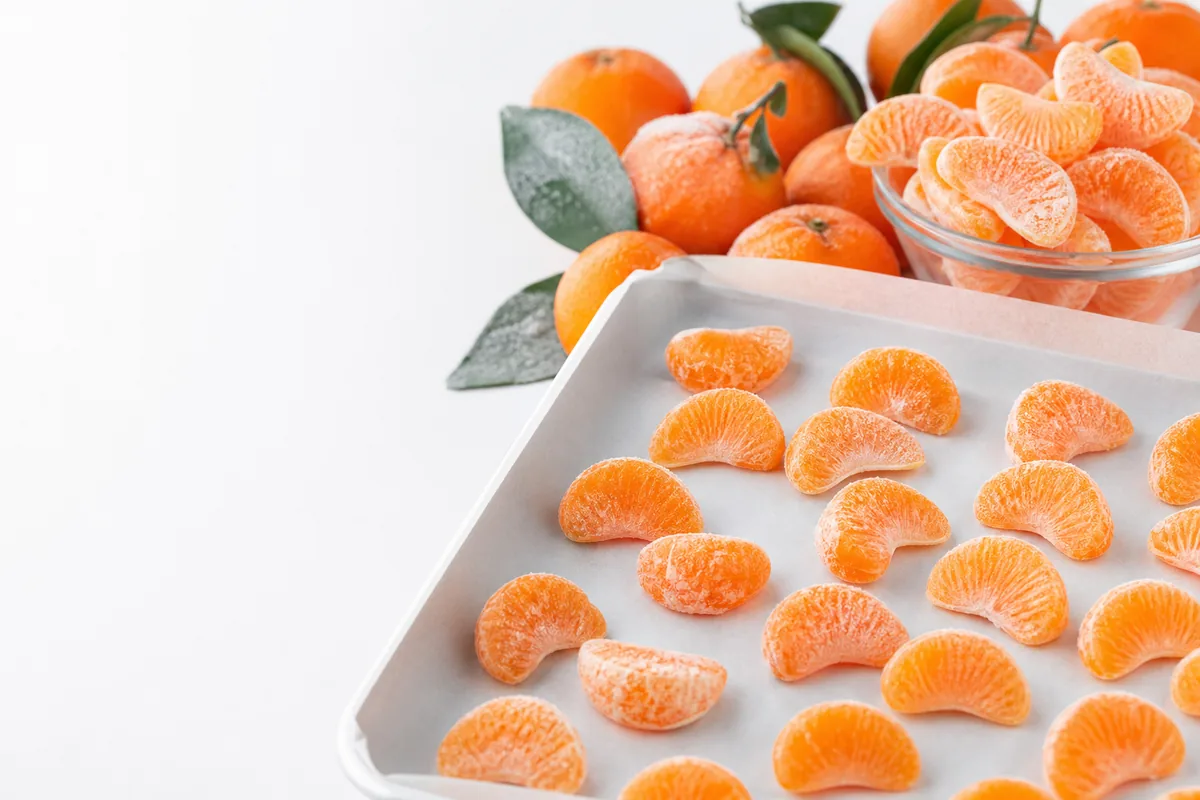
Freeze prepared segments for flavor and processing, not fresh citrus texture
Frozen mandarin segments become softer after thawing and may release juice, so they work best in blended, cooked, or formulated applications. A juice or syrup pack can suit some dessert uses, while individually frozen segments give greater portion flexibility. Commercial buyers should confirm segment integrity, membrane and seed tolerance, Brix, acidity, color, defects, pack medium, drained weight, and cold-chain requirements.
Home preservation guidance and commercial procurement specifications answer different questions. Use the method in this article for practical direction, then confirm the requirements that apply to the actual product, process, and destination market.
Segment integrity
Decide whether the ingredient should be used frozen, thawed, blanched, cooked, drained, or portioned before it enters the final recipe.
Brix and acidity
Check the variable that changes most after freezing: texture, released moisture, separation, color, aroma, or pack-medium behavior.
Dry, juice, or syrup
Confirm the written specification, current lot documents, packing, shelf-life statement, storage requirement, and a representative application test.
The Short Answer: Can Mandarin Oranges Be Frozen?
Yes, mandarin oranges can be frozen. For the best quality, freeze them as peeled segments, syrup-packed segments, citrus juice, or puree depending on the final use.
The most useful method is peeled segment freezing. Peeled segments are easier to portion, blend, cook, and use in desserts or beverage applications than whole frozen mandarins.
| Mandarin Form | Can It Be Frozen? | Best Use After Freezing |
|---|---|---|
| Whole mandarins | Possible, but not ideal | Later juicing, puree, sauce, or casual use. |
| Peeled mandarin segments | Yes | Smoothies, desserts, fruit toppings, frozen fruit mixes. |
| Syrup-packed mandarin segments | Yes | Dessert fruit, toppings, foodservice fruit cups. |
| Mandarin juice | Yes | Beverages, sauces, sorbet, popsicles, citrus bases. |
| Mandarin puree | Yes | Smoothies, fruit sauces, frozen desserts, beverage bases. |
What Kind of Mandarin Oranges Freeze Best?
The best mandarin oranges for freezing are ripe, sweet, juicy, firm, and free from soft spots. Fruit that is already dry, overripe, fermented, moldy, or badly bruised will not improve in the freezer.
Mandarin varieties differ in sweetness, acidity, seed level, peel thickness, juice content, and membrane thickness. These differences matter after freezing because thawed citrus segments become softer and more juice-sensitive than fresh segments.
Good Mandarin Oranges for Freezing
- Ripe and sweet enough for the final application
- Firm, not collapsed or leaking
- Heavy for size, with good juice content
- No mold, fermentation smell, or soft spots
- Low seed content if used as segments
- Clean citrus aroma and balanced acidity

Should Mandarin Oranges Be Peeled Before Freezing?
Yes, for most uses, mandarin oranges should be peeled before freezing. Peeled segments are easier to pack, portion, blend, cook, and use later. Freezing the whole fruit with the peel on saves time at first, but it creates more work after thawing.
The peel and white pith can add bitter notes if too much remains with the fruit. For a cleaner frozen citrus product, remove the peel and as much excess white pith as practical before freezing.
| Freezing Method | Advantage | Main Limitation |
|---|---|---|
| Whole mandarin with peel | Fastest preparation | Less convenient after thawing; peel and texture weaken. |
| Peeled whole mandarin | Less peel bitterness | Still less portionable than separated segments. |
| Peeled segments | Most practical for later use | Requires more preparation before freezing. |
Should You Remove the White Pith, Membrane, and Seeds?
For better eating quality, remove excess white pith and thick membrane before freezing mandarin segments. A small amount is normal, but too much pith can make the fruit taste bitter or feel fibrous after thawing.
Seeds should also be removed when possible, especially if the frozen mandarin oranges will be used in smoothies, dessert toppings, fruit cups, yogurt preparations, sauces, or retail frozen fruit packs.
For B2B purchasing, seed tolerance, membrane tolerance, broken segment rate, and pith control should be written clearly in the product specification. "Frozen mandarin oranges" is too broad if the final product requires clean visible segments.

How to Freeze Mandarin Orange Segments Step by Step
This method is suitable for home freezing when you want mandarin segments for smoothies, desserts, fruit toppings, citrus sauces, frozen fruit mixes, and general use.
Step 1: Select Good Fruit
Choose ripe, firm, sweet mandarins without mold, soft spots, or fermentation smell. Good frozen fruit starts with good fresh fruit.
Step 2: Wash Before Peeling
Wash the fruit before peeling so surface dirt does not move from the peel to the edible segments during handling.
Step 3: Peel and Separate Segments
Remove the peel and separate the mandarin into segments. Work gently so the segments do not break and release too much juice before freezing.
Step 4: Remove Excess Pith, Membrane, and Seeds
Remove as much excess white pith as practical. Check for seeds. This is especially important if the fruit will be used in desserts, smoothies, fruit cups, or commercial fruit preparations.
Step 5: Choose the Pack Method
Use dry pack for flexible unsweetened use, tray pack for loose segments, syrup pack for dessert-style fruit, or juice pack when the fruit will be used in beverages and sauces.
Step 6: Tray Freeze if You Want Loose Segments
Spread the segments in one layer on a tray. Freeze until firm, then transfer them to freezer-safe packaging. This helps reduce clumping and makes portioning easier.
Step 7: Pack Airtight
Use freezer-safe bags or containers. Remove as much air as possible before sealing. Air exposure can cause freezer burn, drying, flavor loss, and citrus aroma decline.
Step 8: Label and Freeze
Label the package with product name, pack type, and freezing date. Store at 0°F / -18°C or below and use older stock first.
Dry Pack, Tray Pack, Syrup Pack, or Juice: Which Is Better?
The best packing method depends on the final use. Mandarin orange segments for smoothies do not need the same pack method as dessert fruit, foodservice fruit cups, or beverage bases.
| Pack Type | Best For | Main Consideration |
|---|---|---|
| Dry pack | Smoothies, sauces, puree, flexible clean-label use | No added sugar, but texture protection is weaker. |
| Tray pack | Loose segments and portion control | Good when you want pourable frozen segments. |
| Syrup pack | Dessert fruit, fruit cups, foodservice toppings | Better eating quality protection, but adds sweetness. |
| Juice pack | Beverages, sauces, sorbet, citrus bases | Good citrus flavor, but less suitable for dry applications. |
| Mandarin puree | Smoothies, sauces, frozen desserts, beverage bases | Best when visible segments are not needed. |

Can Mandarin Oranges Be Frozen Without Sugar?
Yes, mandarin oranges can be frozen without sugar. Unsweetened frozen mandarin segments are flexible for smoothies, sauces, frozen fruit mixes, beverage bases, citrus puree, and clean-label food applications.
The trade-off is quality protection. Syrup can help protect fruit texture and flavor, but it changes sweetness, nutrition positioning, ingredient declaration, and commercial use. Unsweetened frozen mandarins are more flexible, while syrup-packed mandarins are often better for dessert-style applications.
For commercial buyers, "unsweetened frozen mandarin segments" and "syrup-packed mandarin oranges" should be treated as different products. They have different labels, markets, applications, and pricing logic.
What Happens to Mandarin Oranges After Freezing?
Frozen mandarin oranges become softer after thawing. They may also release juice and lose some fresh segment firmness. This happens because citrus segments contain a lot of water, and freezing changes the internal structure.
This texture change is not a failure. It simply means frozen mandarins should be used where softness, juice release, sweetness, acidity, and citrus aroma are useful. Smoothies, sauces, sorbet, beverage bases, compote, desserts, and fruit preparations are stronger applications than fresh fruit platters.
| Change After Thawing | What It Means | Best Use |
|---|---|---|
| Softer segments | Normal frozen citrus change | Smoothies, desserts, fruit sauces, compote. |
| Juice release | Moisture leaves the segment structure | Use in sauces, beverages, sorbet, citrus bases. |
| Less fresh firmness | Cannot fully replace fresh mandarin texture | Avoid fresh fruit platter use after full thawing. |
| Possible bitter notes if pith remains | White pith and membrane affect flavor | Remove excess pith before freezing for cleaner taste. |

How Long Can Mandarin Oranges Be Frozen?
If mandarin oranges stay continuously frozen at 0°F / -18°C or below, they can remain safe for a long time. However, best quality is not unlimited. Over time, frozen citrus may lose fresh aroma, develop freezer burn, form ice crystals, or become softer after thawing.
For home use, frozen mandarin oranges are best used within a practical quality period. For commercial frozen mandarin products, buyers should follow the supplier's shelf-life statement, packaging specification, storage temperature, and cold chain requirements.
| Frozen Mandarin Type | Quality Direction | Best Use as Storage Time Increases |
|---|---|---|
| Dry-packed segments | Flexible but needs airtight packaging | Smoothies, sauces, compote, frozen desserts. |
| Syrup-packed segments | Better dessert-fruit protection | Fruit cups, toppings, foodservice desserts. |
| Mandarin juice | Good if sealed well | Beverages, sauces, sorbet, popsicles. |
| Commercial frozen mandarin products | Follow supplier shelf life | Depends on specification and final application. |
What changes when this becomes a purchasing decision?
A home-freezing method answers whether an ingredient can be preserved and how it should be prepared. A commercial purchase requires a second layer of control. The same product name can cover different cultivars, maturity levels, cuts, pretreatments, glazing levels, pack formats, defect tolerances, and shelf-life declarations. We therefore begin with the buyer's recipe and work backward to the frozen specification.
For frozen mandarin orange segments, sample review should be tied to a repeatable method. Record the sample lot, storage temperature, thawing or cooking method, portion weight, time, and the result that matters to the final application. Visual inspection alone cannot establish microbiological status, cold-chain history, or conformance with every requirement. Those points belong in current documents, lot records, and agreed test procedures.
The most useful approval compares the product before and after the intended process. A beverage plant may measure puree yield and color. A bakery may assess water migration and filling stability. A foodservice operator may focus on portion control and cooking loss. A retail brand may also evaluate separation, visible defects, package presentation, and how the product performs after the consumer follows the label instructions.
Freezing does not sterilize food. It pauses microbial growth while the food remains frozen, but safe raw-material handling, sanitation, validated processing, protected packing, and controlled thawing still matter. Freezer storage time is also a quality question: flavor, texture, color, and separation can change even when the product has remained continuously frozen. This article uses preservation direction from NCHFP citrus freezing guidance and USDA freezing and food safety; the applicable regulation, commercial specification, and food-safety plan must still be confirmed for the destination market and product.
Before ordering, confirm product identity, cut or form, pretreatment, defect limits, microbiological criteria, foreign-material controls, packing, net weight, shelf life, storage temperature, traceability documents, loading plan, and the acceptance method for the intended recipe.
Should Frozen Mandarin Oranges Be Thawed Before Use?
Frozen mandarin oranges do not always need thawing. For smoothies, sorbet, popsicles, frozen drinks, and blended sauces, use them directly from the freezer. For fruit toppings, yogurt bowls, citrus compote, and desserts, light thawing may be useful.
| Application | Thaw First? | Reason |
|---|---|---|
| Smoothies | No | Frozen mandarins add cold texture, sweetness, and citrus flavor. |
| Sorbet and popsicles | No or slightly softened | Frozen texture supports a thicker fruit base. |
| Fruit sauce or compote | Not necessary | Heat will thaw and soften the segments. |
| Yogurt topping | Lightly thaw | Juice release can become part of the topping. |
| Fresh fruit platter | Not ideal | Thawed segments are softer than fresh mandarins. |
Best Uses for Frozen Mandarin Oranges
Frozen mandarin oranges work best in recipes where sweetness, acidity, juice release, and citrus aroma are useful.
Smoothies and Smoothie Bowls
Frozen mandarin segments can be blended directly with mango, banana, pineapple, strawberry, peach, yogurt, coconut water, juice, milk, or plant-based milk. They bring bright citrus flavor and help balance sweeter fruits.
Sorbet, Popsicles, and Frozen Desserts
Frozen mandarins are suitable for sorbet, popsicles, fruit ice, and citrus frozen dessert bases. Mandarin juice or puree can also be used when a smooth texture is needed.
Fruit Sauce and Citrus Compote
Frozen mandarin segments can be cooked into citrus sauce or compote. The released juice can become part of the sauce, especially when paired with ginger, vanilla, cinnamon, honey, berries, or stone fruits.
Yogurt Toppings and Breakfast Bowls
Lightly thawed mandarin segments can be used with yogurt, granola, oatmeal, chia pudding, cottage cheese, and fruit bowls. If appearance matters, use partially thawed rather than fully thawed segments.
Beverage Bases and Juice Applications
Mandarin juice can be frozen for beverages, mocktails, citrus sauces, marinades, desserts, and foodservice drink programs. Juice should be packed with headspace because liquid expands during freezing.
Frozen Fruit Mixes
Frozen mandarin orange segments can be used in tropical fruit mixes, citrus fruit blends, smoothie packs, dessert fruit mixes, and foodservice fruit preparations when the segment quality matches the final product.
When Frozen Mandarin Oranges Are Not the Best Choice
Frozen mandarin oranges are useful, but they should not be forced into applications that require crisp fresh texture, clean fresh segment appearance, or dry surface presentation.
| Use Case | Use Frozen Mandarins? | Reason |
|---|---|---|
| Fresh fruit platter | Fresh mandarins are better | Thawed segments are softer and wetter. |
| Premium visible garnish after full thawing | Usually no | Segment structure may weaken after thawing. |
| Dry salad topping | Needs caution | Juice release can affect the salad texture. |
| Smoothies, sorbet, sauce, beverage base | Yes | Soft texture and juice release are useful. |
Common Mistakes When Freezing Mandarin Oranges
Freezing Whole Mandarins When You Need Segments Later
Whole mandarins are easy to freeze but harder to use later. Peel and segment them before freezing if you need portion control or recipe-ready fruit.
Leaving Too Much White Pith
White pith and membrane can taste bitter or feel fibrous. Remove excess pith before freezing if the fruit will be used in visible or lightly processed applications.
Ignoring Seeds
Some mandarin varieties contain seeds. Seeds should be removed when possible, especially for smoothies, sauces, fruit cups, and commercial products.
Packing With Too Much Air
Air exposure increases freezer burn, drying, and flavor loss. Use freezer-safe packaging and remove excess air before sealing.
Expecting Fresh Texture After Thawing
Frozen mandarin oranges become softer and juicier after thawing. Use them in smoothies, sauces, sorbet, fruit bases, and desserts instead of fresh platter applications.
Commercial Frozen Mandarin Oranges vs Home-Frozen Mandarins
Commercial frozen mandarin orange products are different from simple home freezing. A commercial product may be IQF mandarin segments, syrup-packed segments, mandarin puree, mandarin juice, citrus preparation, or mandarin pieces in a frozen fruit mix.
For B2B buyers, the product name alone is not enough. A beverage company, dessert manufacturer, smoothie brand, yogurt processor, foodservice distributor, and retail frozen fruit brand may all need different frozen mandarin specifications.
| Commercial Format | Best Application | Quality Focus |
|---|---|---|
| IQF mandarin segments | Retail packs, fruit mixes, smoothies, desserts, foodservice | Segment integrity, broken rate, seed control, pith level, free-flowing condition. |
| Syrup-packed mandarin segments | Fruit cups, dessert toppings, foodservice fruit bases | Sweetness, syrup concentration, fruit texture, segment appearance. |
| Mandarin puree | Beverages, sauces, sorbet, frozen dessert systems | Brix, acidity, viscosity, aroma, bitterness control. |
| Mandarin juice | Drinks, citrus bases, sauces, popsicles | Brix, acidity, pulp level, aroma, packaging stability. |
| Mandarin in frozen fruit mix | Smoothie packs, tropical blends, dessert mixes | Blend ratio, cut compatibility, color, flavor balance, thawing behavior. |
What Food Businesses Should Check When Buying Frozen Mandarin Oranges
For commercial buyers, frozen mandarin oranges should not be selected only by price or product name. Citrus products are sensitive to bitterness, segment breakage, juice release, aroma loss, and sweetness-acidity balance.
A smoothie brand may need unsweetened mandarin segments or puree with stable citrus flavor. A dessert manufacturer may need syrup-packed segments with better appearance. A beverage company may prefer juice or puree. A retail frozen fruit brand may focus on segment integrity, seed control, and free-flowing condition.
Important points to confirm include:
- Product form: whole fruit, segments, pieces, puree, juice, or fruit preparation
- Mandarin variety and origin
- Peeled or unpeeled status
- Seed tolerance and seed removal control
- White pith and membrane tolerance
- Segment integrity and broken percentage
- Brix and acidity expectations
- Sweetened, unsweetened, syrup-packed, or juice-packed status
- Bitterness control and flavor profile
- Free-flowing IQF condition or block format
- Moisture and juice release after thawing
- Texture after thawing, blending, or processing
- Packaging format and portion size
- Storage temperature and shelf-life statement
- Microbiological and foreign material control
- Traceability and batch documentation
- Cold chain and loading conditions
- Application suitability for smoothie, beverage, dessert, retail, foodservice, or fruit mix use
The best frozen mandarin orange product is not simply the sweetest or brightest one. It is the product that fits the buyer's formula, appearance target, acidity level, packaging system, processing method, and final market positioning.

Where GreenLand-food Fits Into This Topic
At GreenLand-food, we look at frozen mandarin oranges from both the preservation side and the application side. For a general reader, the question is simple: can mandarin oranges be frozen? The answer is yes, and peeled segments or mandarin juice are usually more practical than whole frozen mandarins.
For commercial buyers, the more useful question is: what frozen mandarin orange specification works best for my smoothie blend, beverage base, dessert topping, frozen fruit mix, fruit puree, retail frozen fruit pack, or foodservice operation? In that case, segment integrity, seed control, Brix, acidity, pith control, packaging, food safety controls, and cold chain stability all matter.
Frozen mandarin oranges can be a practical ingredient for importers, distributors, smoothie brands, beverage companies, dessert producers, foodservice operators, and frozen fruit brands. The key is to match the frozen mandarin form with the final application instead of choosing only by product name or price.
FAQ About Freezing Mandarin Oranges
Can mandarin oranges be frozen?
Yes, mandarin oranges can be frozen. For best use later, peel them, separate the segments, remove excess pith and seeds, then pack and freeze properly.
Can you freeze whole mandarin oranges?
Whole mandarins can be frozen, but they are less practical. Peeled segments or juice are easier to use after freezing.
Should mandarins be peeled before freezing?
Usually yes. Peeled mandarin segments are easier to portion, blend, cook, and use in desserts, smoothies, fruit mixes, and foodservice applications.
Do frozen mandarin oranges get mushy?
Frozen mandarin oranges become softer and juicier after thawing. This is normal and works well in smoothies, sauces, sorbet, compote, and beverage bases.
Can mandarin oranges be frozen without sugar?
Yes. Unsweetened frozen mandarin segments are useful for smoothies, citrus sauces, frozen fruit mixes, beverage bases, and clean-label applications.
Can mandarin oranges be frozen in syrup?
Yes. Syrup pack can help protect dessert-style fruit quality, but it adds sweetness and changes the ingredient profile.
Can mandarin juice be frozen?
Yes. Mandarin juice can be frozen for beverages, sauces, sorbet, popsicles, and citrus bases. Leave headspace in the container because juice expands during freezing.
Do you thaw frozen mandarin oranges before using them?
Not always. Use frozen mandarin segments directly for smoothies, sorbet, popsicles, and blended sauces. Lightly thaw them for yogurt toppings, fruit bowls, and desserts.
Can frozen mandarin oranges be used in smoothies?
Yes. Frozen mandarins work well in smoothies with mango, banana, pineapple, peach, strawberry, yogurt, coconut water, juice, or plant-based milk.
Are frozen mandarin oranges suitable for food businesses?
Yes, if the specification matches the application. Food businesses should check product form, segment integrity, seed tolerance, pith level, Brix, acidity, sweetness, packaging, food safety controls, shelf life, storage temperature, and cold chain requirements before purchasing.
Confirm the frozen format against your real recipe
We supply frozen fruit and vegetable ingredients for importers, distributors, food manufacturers, foodservice operators, and private-label programs. Send us the application, preferred cut or form, packing, destination market, expected order quantity, and the quality points you need to verify. We can then discuss a relevant specification and sample plan.