


Can You Freeze Bell Peppers? Green, Red & Capsicum
Aug 03, 2026
Leave a message

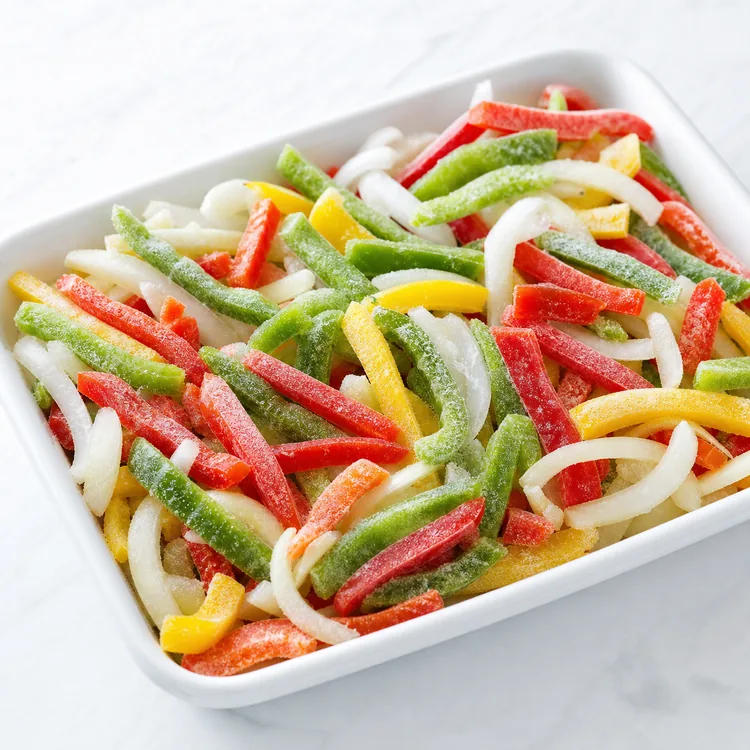
Freeze bell peppers raw for convenience; choose blanching only for a defined result
Bell peppers are one of the easier vegetables to freeze because you can package them raw. The National Center for Home Food Preservation lists both an unheated method and a heated method. For the heated option, its guidance gives three minutes for halves and two minutes for strips or rings before prompt cooling and packing. The unheated method avoids that extra step and is the practical default for most home cooks.
The decision is not whether green peppers freeze differently from red peppers. They follow the same basic method. The useful decision is what form and eating result you need. Freeze whole, cored peppers for stuffing; strips for fajitas and stir-fries; rings for selected toppings; and dice for pizza, sauces, soups and prepared meals. If raw crunch is essential, use fresh peppers instead.
All sweet-pepper colors work
Green, red, yellow and orange bell peppers can use the same freezing method. Their color and flavor differ, but the core preparation does not.
Drying prevents avoidable frost
Surface water becomes surface ice. Dry the peppers well before tray freezing and remove excess air before final storage.
Texture, not safety, limits many uses
Frozen peppers keep useful flavor and color, but thawed tissue is softer. Plan them for cooked applications rather than a crisp salad or crudite.
Commercial IQF is a specification
For a B2B order, define color, cut, tolerance, blanching status, free-flow condition, water release, packing, documents and cold chain.
Bell Pepper, Green Pepper, Red Pepper or Capsicum: Is the Freezing Method Different?
For this guide, these names belong together. In North American usage, bell pepper is the common term. In Australia, New Zealand, India and several other markets, capsicum commonly refers to the same large, non-pungent sweet pepper. Green pepper and red pepper usually describe color or maturity within that sweet-pepper group. A green bell pepper is often harvested before full color development, while red, yellow or orange peppers are allowed to mature to their market color. The exact cultivar and harvest program still matter, but none of these naming differences requires a separate freezing article.
The generic word peppers can also include hot chillies. Hot peppers can be frozen, but capsaicin changes the handling risk. Wear gloves when cutting pungent varieties and avoid touching your face. The remainder of this page focuses on non-pungent bell or sweet peppers. That boundary is useful for both home readers and commercial purchasing teams because a green bell pepper specification should never be confused with a hot green chilli specification.
| Name on the page | What it usually means here | Freezing implication |
|---|---|---|
| Bell pepper / sweet pepper | Large, non-pungent Capsicum fruit in green, red, yellow, orange or mixed colors. | Freeze raw or use a defined heated method. Choose the cut before freezing. |
| Green pepper | Usually a green bell or sweet pepper in this search context, with a firmer, more vegetal flavor. | Use the same method; check that the fruit is firm and free of soft spots before freezing. |
| Red pepper | Usually a mature red bell pepper in this article, with sweeter flavor and strong color value. | Use the same method; protect color and aroma with fast handling and airtight packing. |
| Capsicum | A regional market name commonly used for bell or sweet peppers. | No separate method is needed. Confirm whether the buyer means sweet capsicum or a hot variety. |

Color is a specification, not a separate freezing method
Mixed colors add visual value, but every color still needs the same basic controls
At home, grouping the colors is simple: wash, dry, cut, freeze and pack. In commercial supply, a mixed-color program needs more detail. The purchasing team may specify a red-green-yellow ratio, nominal dice size, accepted distribution, seed and stem tolerance, broken-piece limit, natural color range and free-flowing condition.
We supply IQF frozen bell peppers in diced, strip, cup, whole and mixed-color forms. The form should follow the application rather than a generic request for frozen peppers.
Home method
How to Freeze Bell Peppers in 8 Practical Steps
This method works for green peppers, red peppers and capsicum. It is designed for loose pieces that can be poured from a bag as needed. If you want whole peppers for stuffing, use the whole-pepper notes after the steps.
- Select firm peppers. Start with crisp peppers with sound walls, fresh aroma and no slimy areas, mold or deep soft spots. Freezing does not repair poor raw material. Minor surface damage can be trimmed for immediate cooking, but heavily deteriorated peppers should not enter the freezer.
- Wash under running water. Rub the surface gently and clean around the stem. Do not soak the peppers in a sink of standing water. Home-preservation guidance favors running water because it removes soil and debris without creating a shared wash bath.
- Dry thoroughly. Use a clean towel and let hidden moisture drain from the stem cavity. Surface water freezes into crystals that increase frost, encourage pieces to stick and add avoidable water to the pan later.
- Remove stems, seeds and membranes. Cut the peppers in half, take out the core and scrape away loose seeds. Removing them before freezing is easier than handling a soft thawed pepper. For a whole stuffed-pepper format, cut a lid, remove the core and seeds, then replace the lid for storage.
- Cut for the final dish. Use dice for sauces, omelets, soup bases and pizza; strips for fajitas, stir-fries and sandwiches; rings for selected toppings; halves or cups for stuffing. Consistent pieces freeze and cook more evenly than a bag of random thick and thin cuts.
- Arrange one layer and tray-freeze. Spread the pieces on a clean rimmed tray so they are not piled into a wet mass. Freeze until firm, usually about one to two hours depending on cut size and freezer load. This home technique is often called tray freezing or flash freezing, although it is slower than commercial IQF.
- Pack quickly with minimal air. Transfer the firm pieces to a freezer-rated bag or container. Press out excess air without crushing the product, seal well and keep the pack size practical. A large repeatedly opened bag takes on more warm air and moisture than several right-sized packs.
- Label, freeze and rotate. Add the pepper color or mix, cut, date and intended use. Store at 0°F / -18°C or below. Take out only the amount needed and return the pack promptly before the remaining pieces soften.
Evidence note
The National Center for Home Food Preservation provides both heated and unheated methods for bell or sweet peppers. The University of Nebraska-Lincoln also describes raw tray freezing and recommends freezer-rated packaging.
Whole, Strips, Rings or Dice: Freeze the Form You Will Actually Use
A pepper can freeze well and still be inconvenient if the form does not match the recipe. Whole peppers occupy more space and need longer to freeze, but they provide the structure required for stuffing. Strips are efficient for high-heat cooking because they spread across the pan. Dice portion quickly and distribute color through sauces, pizza and ready meals. Rings provide a recognizable shape but may break more easily in storage.
| Frozen form | Best fit | Main trade-off | Commercial buyer check |
|---|---|---|---|
| Whole / cup | Stuffed peppers, catering and further cutting | Uses more freezer and carton space; size variation affects portioning. | Piece weight, diameter, wall integrity, core removal and broken-cup tolerance |
| Strips | Fajitas, stir-fries, sandwiches and vegetable blends | Thin strips soften faster and broken fragments can release more water. | Strip width, length distribution, fines, breakage, color and water release |
| Dice | Pizza, sauces, soup bases, omelets, rice and ready meals | Small dice can overcook or disappear if the process is long. | Nominal size, permitted size distribution, skin pieces, seeds, cores and clumping |
| Rings / slices | Visible toppings and selected cooked presentations | Shape is visually strong but more exposed to breakage. | Thickness, diameter range, full-ring ratio and broken-piece limit |
Why frozen peppers become softer after thawing
Fresh pepper walls feel crisp because their plant cells hold water under pressure. During freezing, water forms ice crystals. Those crystals and the concentration of dissolved material around them stress cell membranes and supporting tissue. When the pepper thaws, part of the water is no longer held in the same structure, so the piece bends more easily and releases liquid.
Faster freezing can reduce the time available for large ice crystals to grow, but it cannot make thawed pepper identical to fresh. Cut size, maturity, initial firmness, pre-treatment, freezing rate, storage temperature, packaging and thawing history all affect the result. A thin strip may soften faster than a thick piece; a pack that partially thaws and refreezes may develop more frost, clumping and tissue damage.
The honest promise is not "fresh-crisp after thawing." The useful promise is stable flavor, color, portioning and cooking performance for an application that accepts a tender texture.

Fresh strips deliver raw crunch; frozen strips trade some crispness for storage and portioning; cooked peppers make that softer texture useful.
Do Bell Peppers Need Blanching Before Freezing?
No universal blanching step is required for bell peppers. Authoritative home-preservation guidance permits an unheated method. That is different from vegetables such as broccoli or green beans, where blanching is normally a central preparation step. Raw freezing keeps the method fast and avoids adding cooking water before the product enters the freezer.
Blanching is still a valid option when you want a defined heated process. The NCHFP method uses three minutes for halves and two minutes for strips or rings, followed by prompt cooling and draining. The important point is to treat blanching as a controlled choice, not a vague claim that it always makes peppers better. Too much heat can soften the tissue and reduce fresh pepper aroma; insufficient cooling or poor dewatering can add water before freezing.
Commercial orders need the blanching status written into the specification. GreenLand-food supplies both blanched and unblanched frozen green pepper programs where production feasibility and the final application support them. We recommend testing color, firmness, flavor and water release with the buyer's actual heating method rather than approving the word "blanched" by itself.
| Method | When it fits | Control point |
|---|---|---|
| Raw / unheated | Simple home freezing; cooked dishes where fresh pepper aroma is useful | Raw-material quality, thorough drying, fast freezing and airtight packing |
| Heated / blanched | A defined home or commercial program that has been tested for the final cooked use | Time, temperature, rapid cooling, dewatering, color, firmness and water release |
Avoid the watery-pan problem
Cook peppers from frozen when the recipe can drive off moisture
For stir-fries, pizza, soups, sauces and ready meals, thawing is often unnecessary. Add the frozen amount directly to a sufficiently hot process. A wide hot pan lets released water evaporate; an overloaded cool pan traps steam and turns a stir-fry into a simmer. For pizza or baked trays, excessive surface frost, very thin strips and a wet sauce can combine to delay browning.
If the product must be thawed for a stuffing, filling or measured formulation, thaw it under refrigeration, drain released liquid when the recipe requires it, and avoid repeated thaw-refreeze cycles. The correct method depends on the finished dish, not a universal rule to thaw every frozen vegetable.

Pizza programs need even dice, controlled surface frost and predictable water release so the topping distributes well and the base can brown.
Best uses for frozen bell peppers
Frozen peppers are strongest where flavor, color and convenience matter more than raw snap. Good uses include fajitas, stir-fries, pizza, omelets, soups, stews, chili, curries, sauces, rice dishes, pasta, casseroles, stuffed peppers and vegetable blends. The pepper can enter these dishes directly from frozen or after controlled thawing when the recipe needs a defined weight.
For pizza and ready meals, the cut must survive handling, sauce contact, freezing, transport and reheating. Our ready-meal application guide explains why strip width, dice size, surface frost and water release affect browning and tray quality.
For restaurant and central-kitchen programs, review our stir-fry buyer guide. It connects product condition with pan heat, batch load and sauce timing.
How Long Can You Freeze Peppers?
Treat storage time as a quality decision tied to the package and freezer, not as one universal countdown. For home-frozen peppers in freezer-rated bags at 0°F / -18°C or below, the University of Nebraska-Lincoln recommends using frozen vegetables within about eight months for best quality. Other recipe pages publish ranges from six months to one year. Those differences are a reason to use conservative rotation and judge the real pack condition rather than promise an exact date for every home freezer.
Air exposure, a weak seal, temperature fluctuation and repeated opening promote frost, dehydration and flavor loss. Large ice crystals, a snow-covered bag, faded color, heavy clumping or an off odor after thawing indicate that quality control has failed. Food that remained continuously frozen can be a different safety question from food that warmed during a power failure or handling event; when the temperature history is uncertain, follow local food-safety guidance rather than relying only on appearance.
Commercial IQF peppers can carry a longer stated shelf life because the production process, packaging, frozen storage and distribution plan are specified. GreenLand-food's bell pepper product programs commonly state 24 months at or below -18°C under proper frozen conditions. That commercial statement belongs to the confirmed product specification; it should not be copied onto a household bag that was tray-frozen and hand sealed.
For B2B receipts, check more than the printed date. Review reefer temperature information, carton condition, inner-bag seals, frost, clumping, color, free-flow condition and evidence of thaw-refreeze stress. Our frozen vegetable quality guide covers shelf life, storage and procurement checks in more depth.

Product condition
A useful frozen-pepper check starts with the pieces, not the brochure
Spread a sample under neutral light. Look at natural color range, cut distribution, loose seeds, stem or core material, broken pieces, surface frost, clumping and foreign matter. Then heat the product in the intended recipe and measure what the frozen appearance cannot show: aroma, firmness, water release and finished-dish performance.
Our frozen green bell pepper page lists available dice, strip, half, quarter and random-cut forms and explains how blanched and unblanched programs are compared.
Home Tray Freezing vs Commercial IQF Bell Peppers
Tray freezing at home and individual quick freezing in a factory share one visible goal: keep pieces separate enough to portion. They are not the same process. A home freezer handles a small tray in a relatively slow, variable airflow environment. A commercial IQF line is designed to move prepared pieces through a controlled freezing step, followed by sorting, inspection, packing and frozen storage. The buyer is not paying only for cold pepper pieces; the buyer is purchasing repeatable product behavior and order support.
| Control | Home tray freezing | Commercial IQF supply |
|---|---|---|
| Raw material | Selected by the cook from available peppers | Incoming condition, maturity, color and defects reviewed against a production plan |
| Cut | Hand-cut for one household | Nominal dice or strip size with an agreed tolerance and broken-piece limit |
| Freezing | A tray in a domestic freezer; rate varies with load and equipment | Controlled individual quick-freezing step designed for loose pieces and production throughput |
| Finished inspection | Visual household check | Cut, color, seeds, stems, cores, defects, foreign matter, clumping, metal detection and pack checks as applicable |
| Packing | Freezer bag or container for family use | Bulk, foodservice, retail or private-label inner packs and cartons with batch identification |
| Documents and delivery | Date label and freezer rotation | Specification, COA, packing list, commercial invoice, certificate support, traceability and reefer-shipment preparation by confirmed order |
Ready-meal and foodservice programs need recipe-level testing
A sample that looks clean in the frozen bag can still fail in a finished meal. For a ready-meal tray, check how the peppers behave during sauce contact, filling, freezing, distribution and reheating. For foodservice, check portioning from the frozen bag, pan recovery after addition, water release, color and texture at the end of the kitchen holding time.
We help buyers match dice or strip size with pizza toppings, fajita blends, rice dishes, stir-fry kits, sauces and prepared meals. The approval plan should identify the recipe, addition point, cook or reheat method, batch size and acceptance result. This converts a vague quality claim into a repeatable test.
For broader product selection, visit our frozen vegetable supply solution.

Prepared-meal consistency depends on portioning, cut size, free-flow condition and water behavior through reheating.
Buyer control
What to specify before buying IQF frozen bell peppers
Start with the end use, then write the product around it. A quotation that says only "frozen green pepper" is not comparable with another quotation if the colors, cuts, defect limits, blanching condition, packing or documents differ.
- Identity and color: non-pungent bell/sweet pepper, green, red, yellow, orange or a defined mix ratio.
- Form and size: whole, cup, half, quarter, strip, ring, dice or random cut; nominal dimensions and permitted distribution.
- Process: IQF, blanched or unblanched status, ingredient statement and any approved pre-treatment.
- Defects: seeds, stems, cores, placenta tissue, skin-only pieces, broken pieces, off-color pieces, foreign matter and clumping.
- Performance: natural color, aroma, firmness, surface frost, free-flow condition, water release and result in the real recipe.
- Packing: bulk carton, foodservice inner packs, retail bag or private label; net weight, seal, carton strength, artwork and pallet plan.
- Commercial terms: sample or trial order, MOQ, lead time, loading port, annual volume, mixed-container feasibility and destination.
- Evidence: signed specification, COA, test reports or standards required by the order, certificate support, batch traceability, packing list and shipment documents.
At GreenLand-food, we confirm these points before production and use them to prepare the sample, quotation and order discussion. Our common bell pepper MOQ is one 20-foot full container load; mixed-container planning can be discussed according to product compatibility, form, packing and loading requirements. Lead time and loading port are confirmed with the actual order rather than treated as universal promises.
Frequently Asked Questions
Can you freeze green peppers without blanching?
Yes. Green bell peppers can be frozen raw. Wash and dry them, remove the stem, seeds and membranes, cut them for the intended dish, tray-freeze the pieces and pack them in a freezer-rated bag with minimal air.
How do you freeze bell peppers so they do not stick together?
Dry the cut pieces well, spread them in one layer on a tray and freeze until firm before transferring them to the final bag. Keep the pack frozen and take out only the portion you need.
Can you freeze capsicum and red peppers the same way?
Yes. When capsicum means a non-pungent bell or sweet pepper, green, red, yellow and orange colors use the same basic method. Select firm peppers and choose the cut according to the final cooked use.
Can you freeze whole bell peppers?
Yes. Cut a lid, remove the core, seeds and membranes, replace the lid, wrap or pack the pepper tightly and freeze. Whole peppers are most useful for stuffed-pepper dishes but require more freezer space than cut pieces.
Can you freeze cooked or roasted bell peppers?
Yes. Cool cooked or roasted peppers promptly, portion them for the next use, remove excess air and freeze in a suitable container. Expect a softer texture, and include any sauce or oil in your labeling and storage plan.
How long are frozen peppers good for?
For home-frozen peppers kept at 0°F / -18°C or below, about eight months is a practical best-quality target. Commercial products follow their confirmed specification and package; do not apply a supplier's shelf life to a household freezer bag.
Should you thaw frozen peppers before cooking?
Usually not. Add frozen strips or dice directly to a hot stir-fry, soup, sauce, pizza or ready meal when the recipe can manage released moisture. Thaw under refrigeration when a stuffing or formulation needs a drained, measured amount.
Why are frozen peppers watery or soft?
Ice formation changes the pepper's cell structure, so thawed pieces hold water less tightly and lose raw crispness. Surface frost, slow freezing, thin cuts, temperature fluctuation and thaw-refreeze stress can increase the effect.
Send your frozen bell pepper requirements
Tell us the color or mix ratio, whole or cut form, dice or strip size, blanching preference, application, packing, order quantity, destination port, private-label needs and required documents. We will review the specification, sample direction, MOQ, lead time and shipment plan with your purchasing team.