


How Big Is a Plum? Size, Weight & Frozen Cuts
Sep 03, 2026
Leave a message
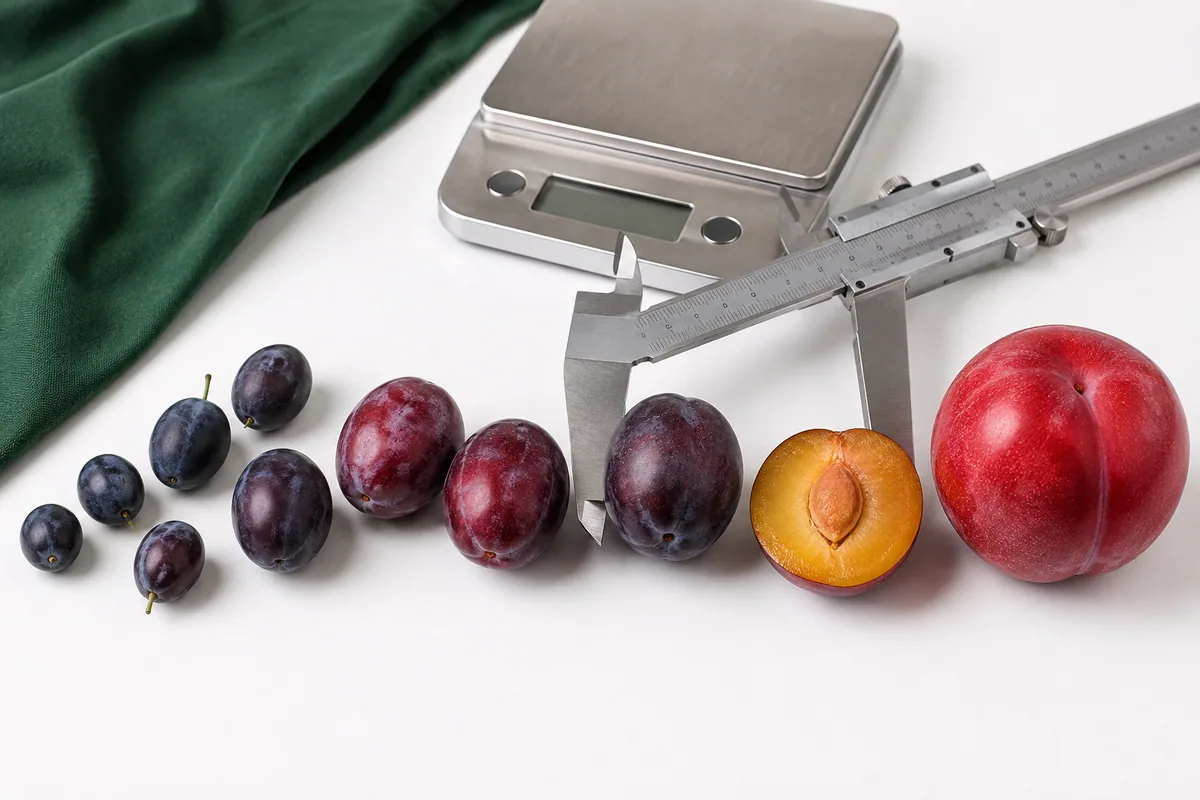
A typical plum may be 40–60 mm and 50–80 g, but the full range is much wider
Small plum types can be near 20–30 mm and under 30 g, while large Japanese plums can exceed 60 mm and 100 g. Commercial fresh grades often use equatorial diameter bands such as 40–45, 45–50 or 50–55 mm. For processing, whole-fruit size is only the first number: pit percentage, trim, pitting damage and the requested frozen cut determine usable output.
Do not convert a photo or the word "medium" into a purchase specification. Measure a representative lot and define the finished halves, slices or dice separately.
For product options, see Frozen Plum.
Key takeaways
- Plum biology includes very small and very large types; one average is not universal.
- Fresh commercial size is commonly measured at the maximum equatorial diameter.
- A 50–80 g medium-fruit estimate is useful for rough planning, not contracting.
- Pit, skin, trim and damaged flesh reduce usable kilograms.
- Frozen halves, slices and dice need their own dimension and tolerance statement.
Quick comparison
| Form | Practical size language | What to measure | Typical application concern |
|---|---|---|---|
| Small whole plum | About 20–35 mm; often below 40 g | Diameter, count/kg, pit percentage | Higher pitting labor and pit-to-flesh ratio |
| Medium whole plum | Roughly 40–55 mm; often 50–80 g | Diameter band and weight distribution | General fresh and processing balance |
| Large whole plum | About 55–65+ mm; can exceed 100 g | Maximum diameter, firmness and cavity | Larger halves and fewer pieces/kg |
| Pitted halves | Half of approved fruit size | Half integrity and pit-cavity damage | Bakery, compote and visible dessert |
| Dice | Commonly quoted in millimeters | Cut dimension and fines/broken tolerance | Yogurt, filling, sauce and portion control |
Plum size begins with cultivar
European plums, Japanese plums, damsons, gages and mirabelles cover a broad size range. Research collections show individual cultivar averages from around 11 g to more than 100 g. Shape also varies from round to oblong or flattened.
A consumer asking how big a plum is usually wants a hand-size estimate. A buyer needs the variety, diameter distribution and count or weight data because equipment and yield respond to the real lot.
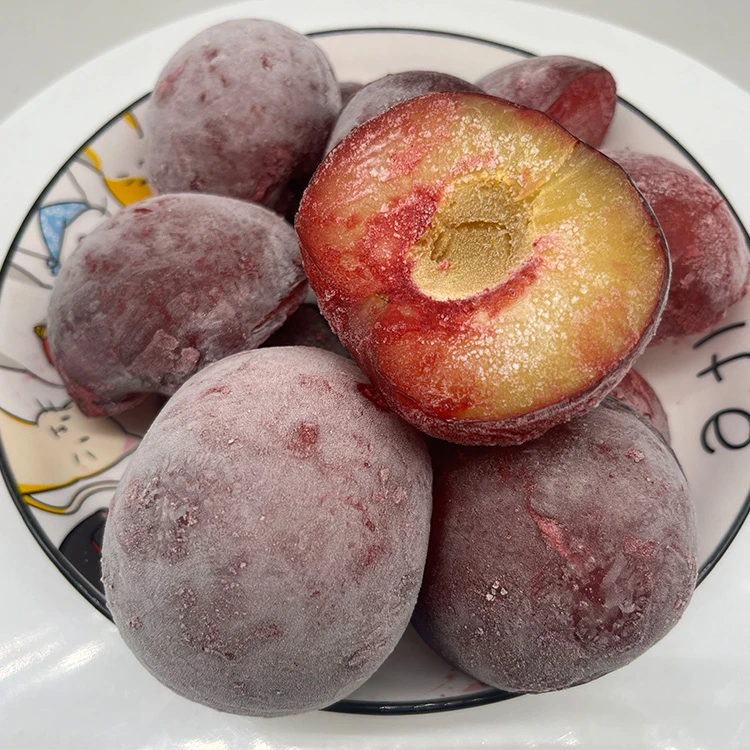
Commercial diameter is measured across the widest part
Fresh trade standards normally use maximum equatorial diameter. European market guidance lists lower minimums for large-fruited varieties, other plums and smaller mirabelles or damsons, then uses commercial bands from about 40 to 65 mm.
Diameter is clearer than small, medium and large because words shift between suppliers. State the band and allowed percentage outside it, plus the sampling method.
Weight is useful for count and batch planning
A medium plum is often estimated at 50–80 g, producing roughly six to nine fruit per pound. That range is convenient for recipes and early costing, but actual cultivar and moisture can shift the count.
For a one-ton raw lot, even a ten-gram change in average fruit weight changes the number of pieces entering pitting equipment. Count affects labor, throughput and the distribution of finished halves.

The pit turns gross weight into usable yield
The stone may represent only a few percent of fruit weight in some cultivars and a larger share in small fruit. Add stem removal, bruised trim, decay, pitting damage and juice loss to estimate usable flesh.
A simple planning model starts with incoming kilograms, subtracts rejected fruit, then pit and trim loss, then process loss. Validate each factor with a pilot lot rather than copying a generic percentage.
Large fruit does not automatically mean better processing yield
Large plums offer fewer pieces per kilogram and larger halves, which can improve visual applications. Yet a large cavity, soft flesh or difficult stone removal can offset the advantage. Smaller firm fruit may run more consistently through specific equipment.
Compare yield and breakage with the intended pitter and cut. The most attractive fresh calibre may not be the lowest-cost frozen ingredient.
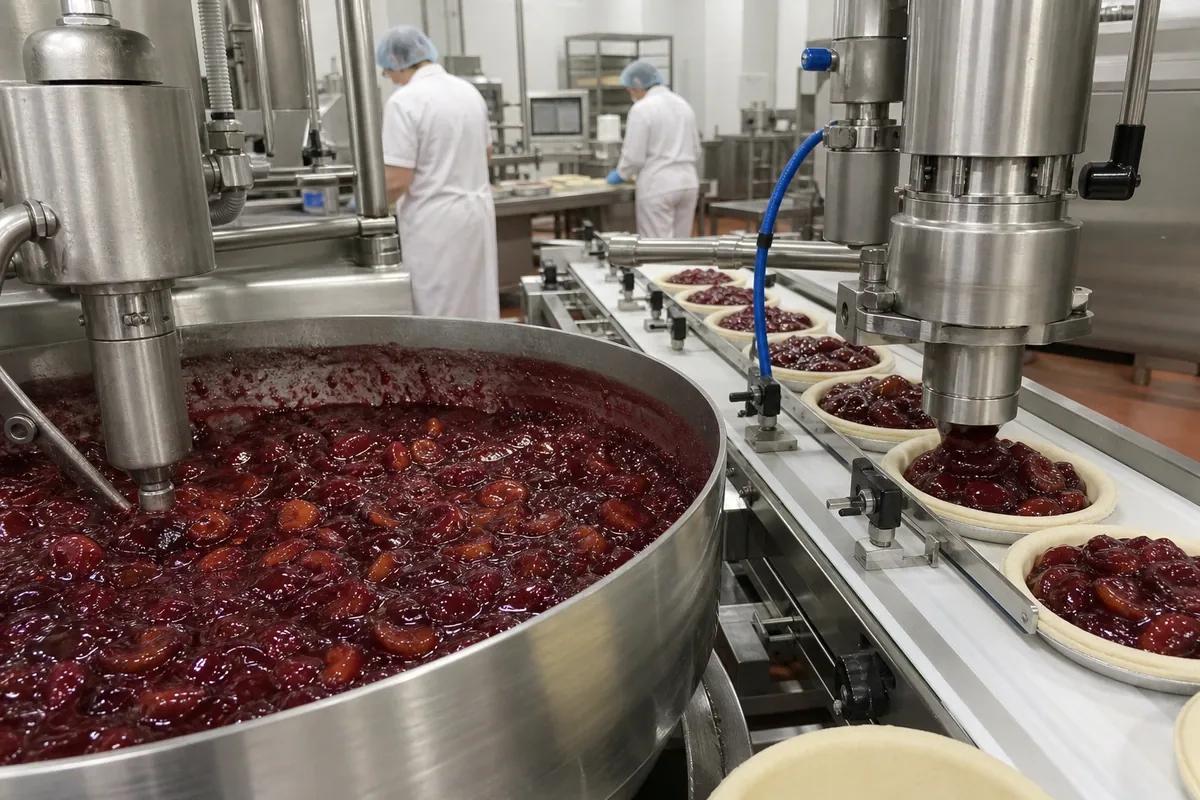
Pitted halves and slices preserve visual identity
Halves work well in compotes, bakery toppings and premium fruit preparations when the cavity is clean and flesh remains intact. Slice width should match bake time, thaw behavior and portion appearance.
For process choices after selecting a cut, see how frozen plum forms fit different applications.
Specifications should cover residual pit, broken halves, skin condition, color and thickness. A nominal slice width without tolerance can still produce uneven cooking and fill weights.
Dice size is an application control
Common frozen plum dice may be discussed in bands such as 10×10 mm or another agreed cut. Smaller dice distribute through yogurt or fillings but create more cut surface and can release more juice. Larger pieces remain visible but may challenge dosing equipment.
Measure dimension after freezing using a defined sample. Also set fines, mashed fruit and clump limits, because an average cube size hides unusable fragments.

Translate whole fruit into a finished-kilogram decision
Suppose a formula needs 500 kg of 10 mm plum dice. The purchase quantity must allow for any packing overage, thaw or cooking loss, and the yield from the frozen ingredient-not simply the count of fresh plums.
Ask the supplier for current-lot piece form, cut tolerance and sample results. Run a dosing trial to confirm that the dice survives mixing and gives the expected visible fruit per serving.
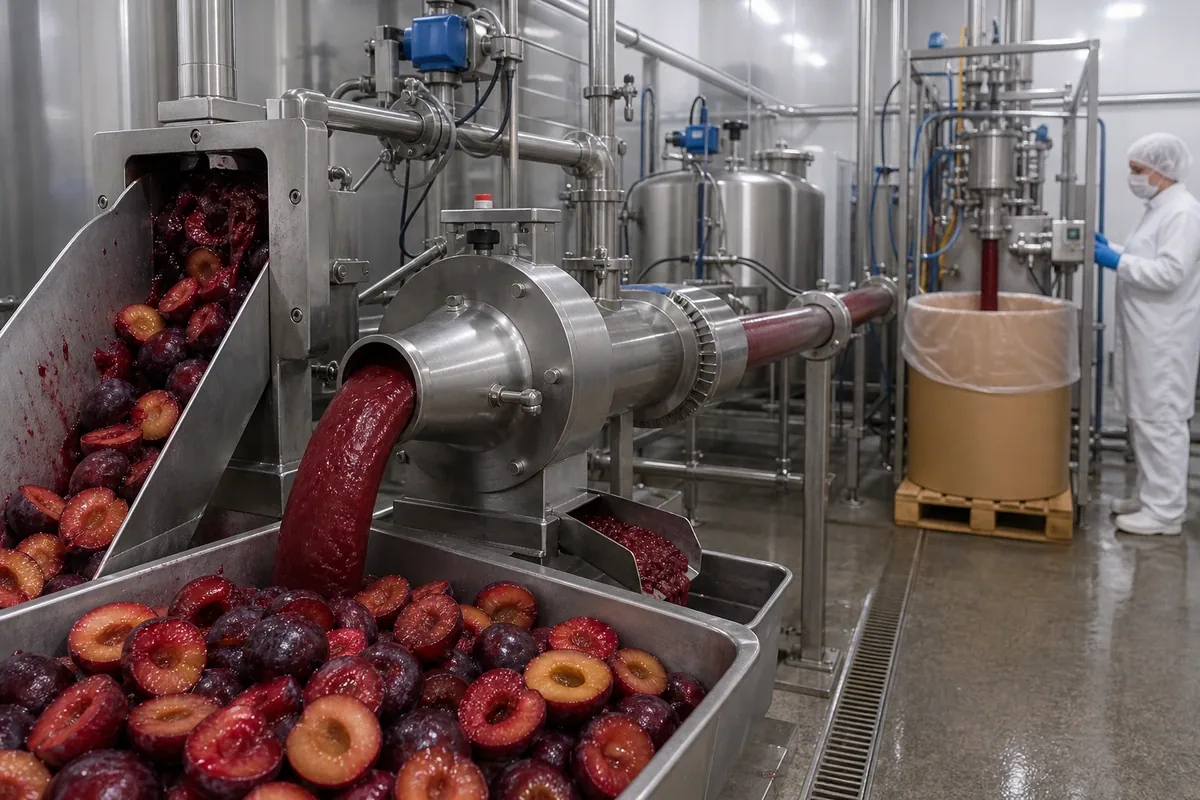
Worked decisions that a short answer cannot cover
Name the ingredient before comparing quotations
The useful starting identity for this buying exercise is IQF whole pitted plums, pitted halves, slices or dice, linked to cultivar or an approved size/color group. That wording matters because a quotation for one form cannot be compared fairly with another. A whole piece, a half, a dice, a segment, a puree input and a controlled broken grade may all come from the same fruit family, yet they create different yields, handling steps and presentation results. Write the commercial name, process form and intended use on the first line of the inquiry. Then keep cultivar or origin language only where it changes the result that the buyer needs.
This discipline also keeps an informational answer from becoming an accidental purchasing specification. The article explains how to think about how big is a plum? size, weight and processing cuts, but an approved order still needs a named product and a current-lot reference. Ask the supplier to repeat the identity on the offer, sample label and specification. If those descriptions drift, pause the comparison and reconcile them before discussing price, because a lower quotation may simply describe a different product.
Translate useful cues into measurable acceptance language
For IQF frozen plums, the acceptance conversation can cover whole-fruit diameter or count where relevant, finished cut dimensions, pit and fragment control, color, skin, broken pieces, fines, clumps, free ice and application yield. Each item should have a method, a unit or a visual reference whenever the distinction affects release. "Good color" is too open to interpretation; a retained approved sample, color range or defect definition gives both teams something they can use. "Sweet" is equally incomplete when acidity changes the way the same soluble-solids value tastes. The goal is not to make the longest specification. It is to name the few characteristics that decide whether the ingredient works.
Separate three layers in the approval file. Identity says what the product is. Condition says how the received lot must look, smell, separate and perform. Contract limits say which deviations trigger rework, claim review or rejection. That separation makes discussions faster when a lot differs from the sample. It also prevents a consumer cue in this article-such as color, softness or size-from being treated as the only commercial decision.
Use a representative sample and a recorded thaw method
A practical sampling plan for this subject is to measure a representative frozen sample for dimension and piece distribution, then thaw or process a weighed portion to calculate usable yield. One convenient top-carton sample is useful for orientation, but it cannot show pallet-to-pallet variation. Record carton and pallet positions, batch codes, dates and product temperature. Photograph the frozen condition before pieces are handled. If the product is free-flowing, note separation and clumping before thawing; once water and gravity have changed the sample, that evidence cannot be reconstructed.
Thaw only the amount needed for the agreed examination and keep time, temperature and container the same between samples. Weigh the sample before and after the test if drip or yield matters. Examine aroma and flavor at a comparable serving temperature, not directly from the freezer in one test and after a long warm hold in another. A short method written beside the score sheet often prevents more argument than a long list of adjectives.
More detail for a repeatable decision
Test the ingredient in the actual application
The application boundary for IQF frozen plums is clear: halves and slices serve visible bakery or dessert use; dice supports yogurt and fillings; puree removes piece-size value but keeps Brix, acidity and yield important. A bench sample should therefore be used in the buyer's real formula or service process. Check the point at which the fruit is added, the mixing force, heating or hold time, serving temperature and the time between preparation and evaluation. A piece that looks excellent in a white tray can disappear in an opaque beverage or break under an industrial mixer. Conversely, a visually imperfect piece may be fully suitable when it is intentionally milled.
Record what success means before testing. It may be visible piece identity, clean flavor, color retention, a target count per portion, puree yield, controlled drip, texture after baking or ease of dispensing. Compare the proposed lot with the retained control under the same conditions. If the new sample fails, describe the observed result rather than writing only "not good." That description tells a supplier whether the next sample needs a different cut, maturity, firmness, grading tolerance or process route.
Read frozen condition as evidence, not decoration
Cold-chain handling for the proposed item should follow this boundary: keep pieces frozen and separated so clumping does not distort count, dosing or cut-size inspection. Frost on a bag or carton can arise from more than one event, so it should trigger a closer review rather than an automatic conclusion. Check product temperature, carton condition, liner integrity, piece separation and signs of a partial thaw. Compare multiple pallet positions and retain photographs with time and location.
The same appearance may have different consequences by application. A small cluster may be inconvenient for automatic dosing but harmless for a puree kettle. Heavy clumping, crushed pieces or large ice deposits may change portion control, drip or usable yield. State the operational consequence in the receiving report. This connects evidence to the specification and gives both parties a clearer basis for investigation.
Keep guidance, sample approval and contract limits separate
An article can explain typical signs and useful ranges, while a sales sample shows one available lot at one point in time. Neither should silently replace the signed specification. The approved file should identify the reference sample, test method, tolerances, pack format, storage condition, shelf-life basis and required documents. Any value that matters commercially should be confirmed for the offered product and order.
This boundary is especially important when the search question invites a single answer. Fruit varies with cultivar, origin, crop window, maturity and process. A useful supplier response acknowledges that variation and then narrows it through a sample and written agreement. That approach is more reliable than promising that every lot will match an unqualified adjective such as "ripe," "sweet," "small" or "premium."
Build a short RFQ that can be answered accurately
For this product, send raw or finished form, requested dimensions and tolerances, cultivar/color, pit-fragment limit, whole/broken or fines limits, pack, quantity, destination and application. Put those inputs in one message or worksheet and mark which points are essential, preferred or open to recommendation. Include the annual or trial quantity separately, because the right packing and supply route for a small evaluation may not be the right route for a repeat program. Destination and required delivery window help the supplier review crop, stock and transport options without guessing.
Ask the reply to identify what is confirmed, what is a current indication and what still depends on sample approval or production scheduling. This makes commercial comparison more honest. It also reduces the chance that an attractive unit price hides a different cut, pack, glaze condition, tolerance or document scope. A precise RFQ is not bureaucracy; it is the shortest path to a sample that answers the buyer's real question.
Prepare a claim and change-control path before the first shipment
Agree how the teams will handle a material deviation before volume starts. The file should name the notification window, evidence required, sample-retention practice and contact route. Useful evidence includes unopened pack photographs, label and lot code, temperature records, pallet position, representative defect counts and the application result. Do not discard all affected material before the supplier has had a reasonable opportunity to review it unless food-safety controls require immediate action.
Change control matters as much as claim handling. A new crop, origin, cultivar, cut, packing material or processing facility may alter the result even when the sales name stays the same. Decide which changes require notice, documents, a fresh sample or full reapproval. This protects continuity for the buyer and gives the supplier a clear standard for communication.
Four buyer scenarios, four different definitions of "right"
An importer reviewing IQF frozen plums first needs an offer that survives document and receiving checks. The importer should align product identity, origin, pack, labeling, destination requirements and the evidence used to release the lot. The consumer question in this article is still useful because it identifies the physical cues behind maturity, condition, size or variety. The importer's job is to turn those cues into a repeatable inspection rather than rely on one attractive sample.
A food manufacturer starts from formula performance. The development team should run the proposed form through the real sequence and record yield, visible piece retention, color, flavor and handling. The purchasing comparison should then use the approved performance window, not merely the lowest price per kilogram. If a controlled broken grade performs equally in a blended application, that can be a rational cost decision; if pieces remain visible, form and defect limits become more important.
A foodservice distributor needs consistency at the portion and pack level. Operators may open, reseal, scoop and hold the ingredient under conditions that differ from a factory test. The distributor should check pack convenience, separation from frozen, portion count, preparation instructions and the condition after a realistic service period. A product that requires excessive sorting or creates unpredictable portions can cost more in use even when its invoice price looks competitive.
A private-label buyer has one additional layer: the product must fit a declared consumer promise and a finished retail pack. Artwork, ingredient statement, claims, net weight, coding and case configuration need approval alongside the fruit. The buyer should make sure marketing language does not promise a characteristic that the specification cannot support. A retained finished-pack sample is often more useful than a loose ingredient sample because it shows appearance after the intended packing and storage process.
Putting the answer into practice
For a first enquiry about IQF frozen plums, begin with the intended application and the result that matters most. Then name the form, pack, quantity, destination and review method. This order gives the supplier room to suggest an appropriate option while keeping the buyer's non-negotiable requirements visible.
For a sample review, use a simple score sheet with identity, frozen condition, thaw method, appearance, aroma, flavor, texture, usable yield and application result. Add photographs and the lot code. Record "accept," "accept with agreed adjustment," or "reject with reason." A clear decision is more valuable than many unranked comments.
For repeat supply, compare each received lot with the approved specification and retained reference at the agreed frequency. Trend the few defects or performance measures that affect production. A trend can reveal crop or handling changes before they become a large claim, and it gives both teams a factual basis for improving the next order.
The final practical rule is simple: use the article to understand the fruit, use the sample to understand the offered lot, and use the specification to define the purchase. Keeping those three tools separate makes the answer useful to both curious readers and professional buyers.
What to confirm before approving volume
A useful inquiry describes the ingredient and the job it must do. Send the product identity, form, target application, packing, quantity, destination and the quality points your team will measure. We will review current availability and an appropriate supply route where possible. Final size, process, ingredients, limits, microbiology, documents, shelf life, lead time and commercial terms remain subject to the approved specification and order confirmation.
- Replace small/medium/large with millimeters or count.
- Measure a distribution, not one showcase fruit.
- Account for pit, trim, rejection and process loss.
- Define finished halves, slices or dice independently.
- Set fines, broken pieces and clump limits.
- Verify dosing and visible fruit in a pilot run.
Frequently asked questions
What is the average size of a plum?
A practical medium estimate is about 40–60 mm and 50–80 g, but cultivar ranges are much wider.
How small can a plum be?
Damson, mirabelle and some local types can be near 20–30 mm and well under a typical grocery-plum weight.
How large can a plum be?
Large Japanese cultivars can exceed 60 mm and may weigh more than 100 g.
How is commercial plum size measured?
Usually by maximum equatorial diameter, often reported in millimeter bands.
How many plums are in a pound?
Using a 50–80 g estimate gives roughly six to nine fruit per 454 g pound.
How much does a plum pit weigh?
It varies by cultivar and fruit size. A few grams is a useful rough estimate, but production yield needs a lot test.
What frozen plum cut works for yogurt?
Uniform dice is common because it distributes and doses predictably; the exact size should match the filling system.
What should a frozen plum size specification include?
Finished form, dimensions and tolerance, pit fragments, broken pieces/fines, color, frozen condition, packing and sampling method.
Reference points
- Entering the European Market for Plums | CBI
- How Much Does a Plum Weigh?
- Phenotypic Variations in Plum Accessions
- Growing Plums in Florida
- Biometrical Indicators of Plum Cultivars
- SGS Fruit Sizing Chart
These sources support the classification, method or supply boundaries used above. The applicable product label, specification, food-safety plan and destination-market rules still control a real batch.
Source IQF Frozen Plums for your real application
GreenLand-food is a IQF frozen plums supplier and manufacturer in China, providing factory-direct wholesale support for importers, food manufacturers, foodservice distributors and private-label programs. Send the required form, specification, packing, quantity, destination, application and documents. We will review available order options and the next practical step.